Overview
NBSC Balgowlah Boys Campus is a public, government secondary school for boys, part of the Northern Beaches Secondary College network. As a mid-sized campus on the Northern Beaches, it combines a strong academic focus with sport, arts and a clear sense of school pride and community.
The school aims to provide an inclusive, supportive environment where students can grow academically and personally. Expect a culture that values effort, teamwork and resilience, with programs and staff that support a well-rounded, respectful school community.
Academics & Learning
- Academic strengths: STEM subjects and English are well supported, with emphasis on literacy, numeracy and analytical thinking. Leadership development and language studies are also highlighted in many students’ programs.
- Special programs: Gifted and Talented/accelerated pathways, plus opportunities for leadership development and VET-style experiences may be available, varying by year level and cohort.
- Support for diverse learners: Comprehensive support for EAL and SEN students, including targeted learning support staff and programs to help students access the curriculum successfully.
- Sports offered: A broad range including rugby, football (soccer), cricket, basketball, athletics, swimming, tennis and more, with active participation in inter-school and district competitions.
- Strong teams or achievements: Regular involvement in district-level sports with developing programs that encourage competitiveness and skill-building.
- Music, arts, drama programs: Active music ensembles, bands and drama presentations contribute to a vibrant arts scene.
- Clubs: Robotics, chess, coding, debating and other interest-based clubs provide additional pathways for skill development.
- Partnerships: Local sport academies, inter-school competitions and community partnerships help extend opportunities beyond the classroom.
Wellbeing & Pastoral Care
- Anti-bullying approach: Clear policies, reporting channels and supportive processes to promote a safe, respectful school environment.
- House system: House groups contribute to mentoring, peer support and school-wide events, building belonging and healthy competition.
- Counsellors / wellbeing officers: Access to school counsellors and wellbeing staff to support mental health, social-emotional learning and student resilience.
- Transition support for new students: Orientation programs, buddy systems and targeted transition support help new students settle in smoothly.
Facilities
- Sports grounds: On-site facilities to support physical education and team sports.
- Libraries: Central library spaces with study areas and resources.
- Science labs: Modern science laboratories for experiments and practical learning.
- Music/performing arts centers: Dedicated spaces for music, theatre and performances.
- Tech/innovation labs: ICT and innovation spaces to support coding, robotics and project work.
- Cafeteria: On-site dining options for students.
- Updated playgrounds: Well-maintained outdoor spaces for recreation and breakout activities.
- School values / mission: Core principles likely include respect, integrity, excellence and teamwork; emphasis on personal growth and contributing to the school community.
- Leadership style: Collaborative and student-inclusive, with opportunities for student leadership and voice in school life.
- Behaviour expectations: Clear codes of conduct and consistent expectations across year groups, with restorative approaches where appropriate.
- Community reputation: Positive relationships with families and local communities, guided by a welcoming and supportive school culture.
- Diversity & inclusion: Commitment to inclusive practices and valuing diverse backgrounds and talents within the student body.
School Logistics & Daily Operations
- School hours: Typically a morning start around 9:00 am and a finish around 3:15 pm, with timetabled class periods and breaks.
- Before/after school care: OSHC or similar arrangements may be available through external providers; confirm current options with the school.
- Uniform requirements: Full school uniform is standard, with separate attire for physical education and sport on PE days.
- Transport (train/bus routes): Accessible via public transport with nearby bus routes and train connections; plan routes through local transport providers.
- Canteen availability: Canteen or food service available on site or nearby; healthy options usually provided.
- Fees (low/medium/high ranges): Public schools do not charge tuition fees; there are typically voluntary contributions and costs for excursions, materials and activities.
Enrolment & Admissions
- What is the enrolment process and timeline?
- Enrolment is typically managed through the NSW Department of Education process. Local catchment eligibility applies; in-area students generally have priority. Timeline includes application and documentation steps well before the start of the school year, with information sessions or open days offered by the campus and the local education area.
- Is there a waiting list, and how does it work?
- Waiting lists can occur where demand exceeds places. Eligibility is often determined by catchment status and vacancy availability; places are offered as they become available, with preference given to in-catchment applicants.
- Are there any entry requirements, tests, or interviews?
- NSW public high schools typically do not require entrance tests for enrollment. Some schools may conduct brief interviews for out-of-area applications or to discuss specific needs; always check current guidelines with the campus.
- Does the school accept mid-year transfers?
- Mid-year transfers may be possible if vacancies exist and documentation is in order. Transfers usually require school and education department coordination and potential orientation to the new cohort.
Frequently Asked Questions
- Why Parents Choose This School?
- A balanced environment that supports academic growth, sport and arts, with a focus on wellbeing and community. Strong student support and accessible staff help families feel confident in their child’s education.
- What type of student thrives at this school?
- Students who value a well-rounded program, including academics, sport, music or drama, and who respond well to structured routines, supportive mentoring and team-based activities.
- What opportunities are available for students to extend their skills (academics, sports, arts)?
- Extension in core subjects, leadership roles, and clubs; competitive sport teams; music ensembles and drama productions; robotics, coding and debating clubs; and opportunities to participate in district/national competitions.
- How does the school communicate with parents?
- Regular newsletters, emails, a parent portal or communication app, and information nights or information sessions. Progress reports and parental meetings are used to keep families informed.
- What is the school’s approach to teaching and learning?
- Student-centered, differentiated instruction with a mix of direct teaching and inquiry-based activities; integration of technology and regular assessments to guide support.
- How does the school support students who need extra academic help?
- Targeted learning support staff, small-group interventions, and access to counselling and accommodations where needed; regular progress checks.
- What support is available for academic challenges?
- Early intervention plans, teacher collaboration, tutoring options and referrals to external support services when appropriate.
- What extracurricular and sports opportunities are available?
- A wide range of sports, arts, music and performance opportunities, plus clubs such as robotics, coding, chess and debating; partnerships expand competition and exhibition possibilities.
- What facilities does the school offer (sports, science, arts)?
- Modern science labs, dedicated music and drama spaces, libraries, tech/innovation labs, and well-maintained sports facilities and canteens.
- What is the school’s approach to technology and digital learning?
- Integration of digital learning across subjects, with access to computer labs and classroom tech; emphasis on information literacy and responsible use of technology.
- What transport and accessibility options are available?
- Access via public transport with nearby bus/train routes; provisions for accessibility and support for students commuting from different areas.
- What are the typical school fees or additional costs?
- No tuition fees for public schooling; occasional voluntary contributions and charges for optional activities, trips, or materials.
Short Pros & Cons list
- Public, community-focused environment with balanced academics and sport
- Supportive wellbeing and inclusive practices
- Wide range of extracurriculars, clubs and talent development
- Access to facilities across science, arts and technology
- Clear communication channels with families
- Places can be competitive in high-demand catchments; wait lists may occur
- Uniform and some additional costs for trips or activities
- As a public school, inputs and programs are subject to district planning and funding cycles
 Free
Free









 $2,824,000
Apartment / Unit / Flat
$2,824,000
Apartment / Unit / Flat
 $26,550,000
propertyType.NEW APARTMENTS / OFF THE PLAN
$26,550,000
propertyType.NEW APARTMENTS / OFF THE PLAN
 $2,745,000
propertyType.NEW APARTMENTS / OFF THE PLAN
$2,745,000
propertyType.NEW APARTMENTS / OFF THE PLAN
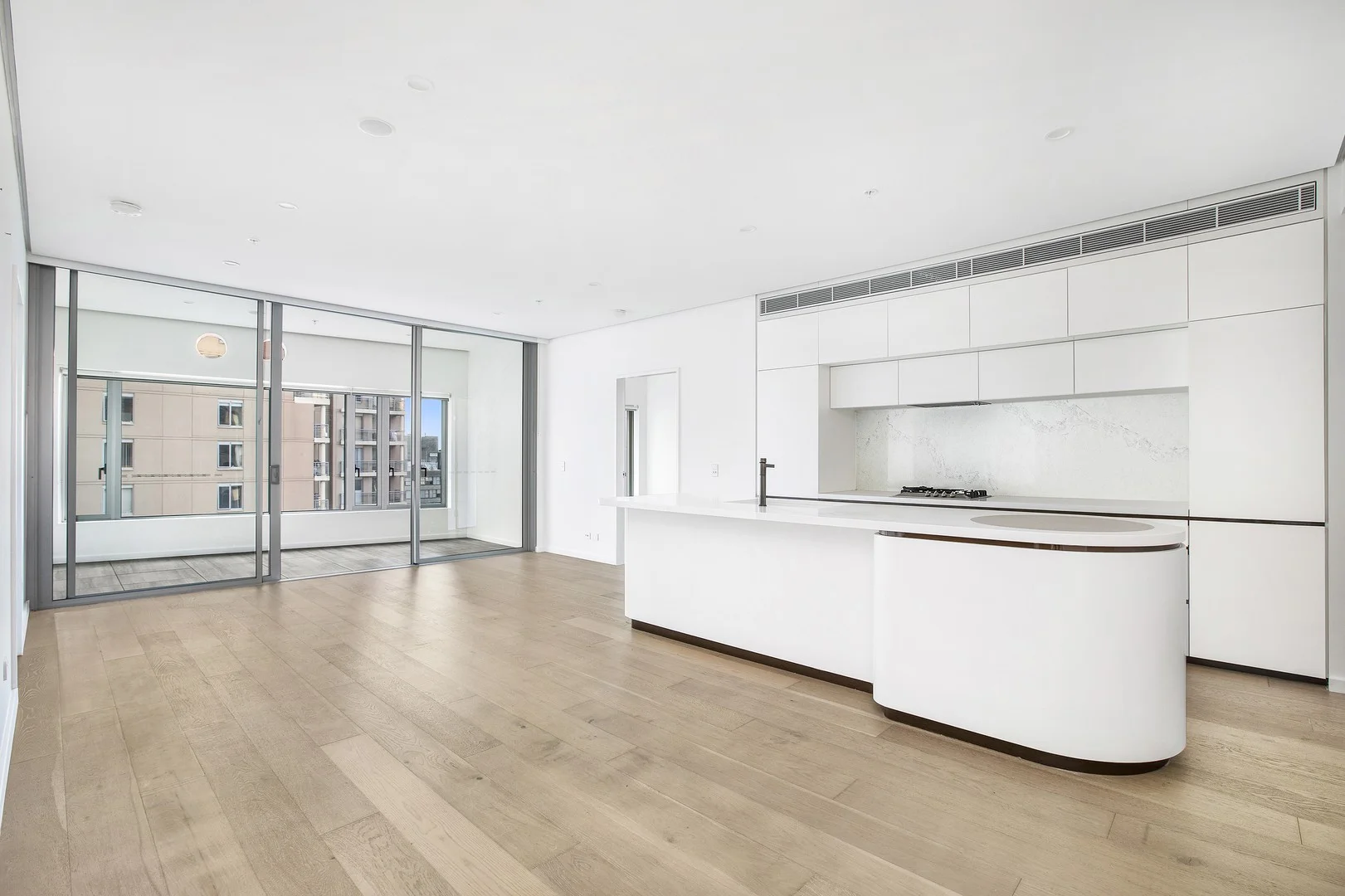 $2,250,000
Apartment / Unit / Flat
$2,250,000
Apartment / Unit / Flat
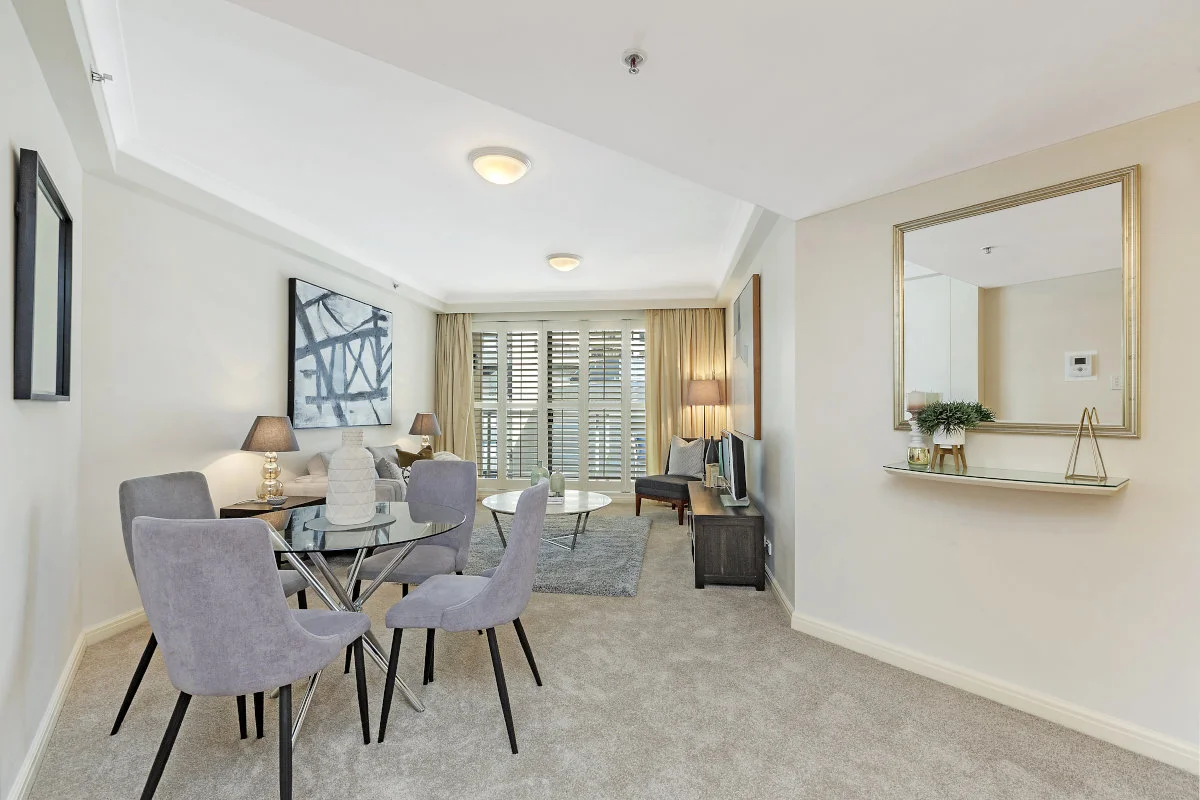 $660,000 - $725,000
Apartment / Unit / Flat
$660,000 - $725,000
Apartment / Unit / Flat
 $6,225,000
propertyType.NEW APARTMENTS / OFF THE PLAN
$6,225,000
propertyType.NEW APARTMENTS / OFF THE PLAN
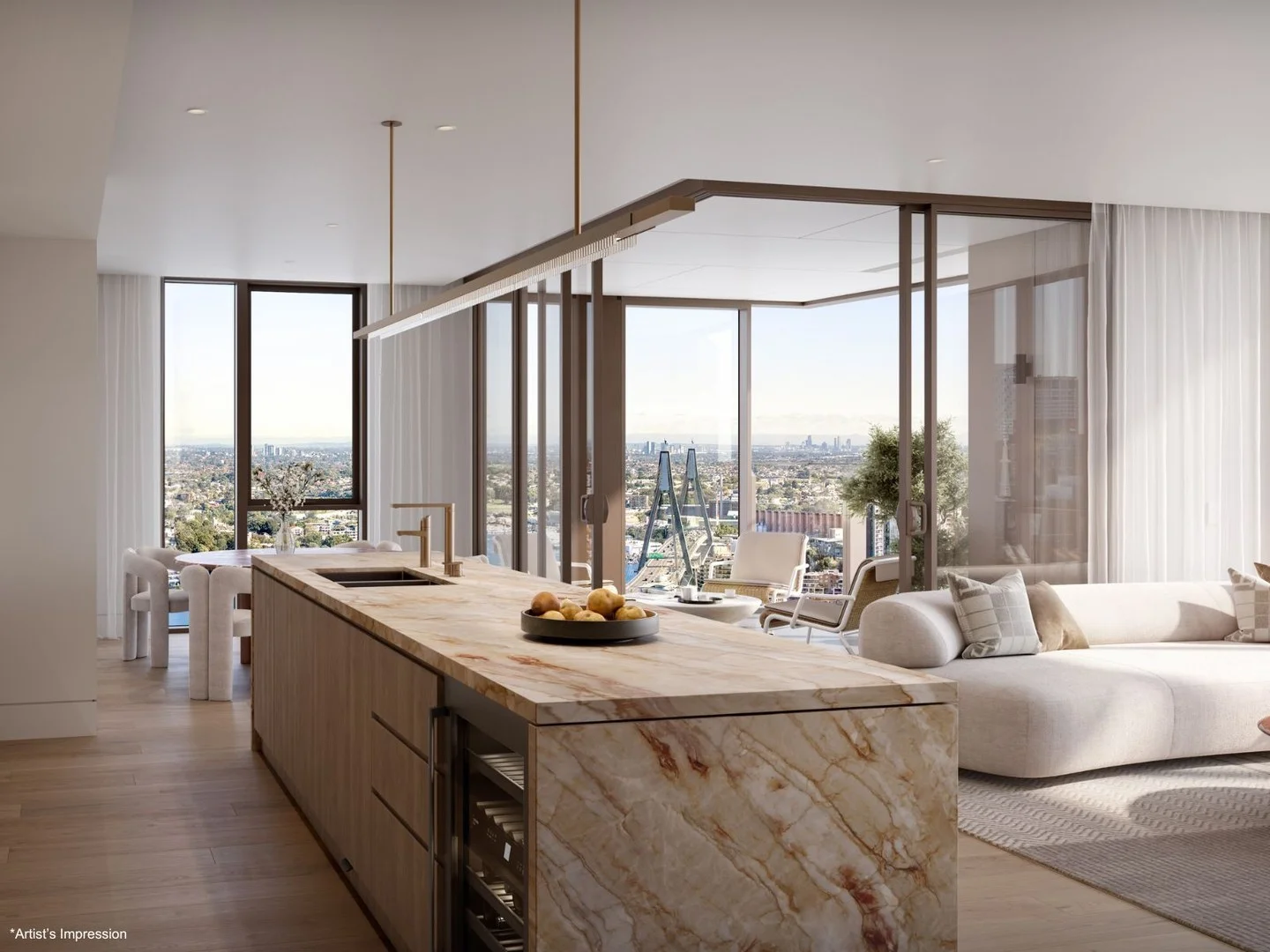 $9,020,000
propertyType.NEW APARTMENTS / OFF THE PLAN
$9,020,000
propertyType.NEW APARTMENTS / OFF THE PLAN
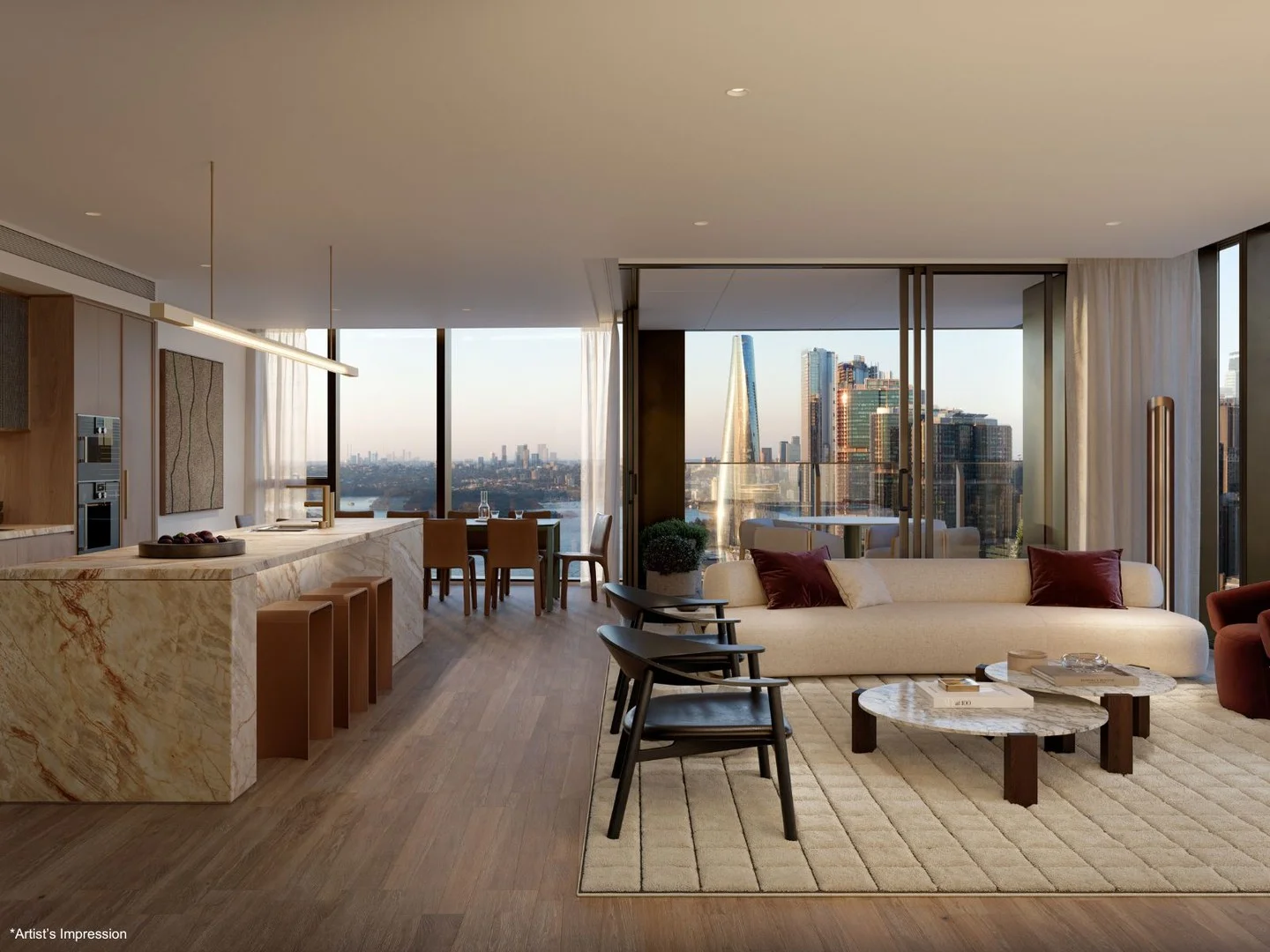 $12,980,000
propertyType.NEW APARTMENTS / OFF THE PLAN
$12,980,000
propertyType.NEW APARTMENTS / OFF THE PLAN
 $8,630,000
propertyType.NEW APARTMENTS / OFF THE PLAN
$8,630,000
propertyType.NEW APARTMENTS / OFF THE PLAN