## 1. Overview (1–2 paragraphs max)
St Cecilia's Catholic Primary School, Balgowlah, is a Catholic, co-educational primary school serving the local community on Sydney’s Northern Beaches. The school emphasises faith-based learning, pastoral care, and a welcoming, inclusive culture that supports students’ academic and personal growth. It is a medium-sized school with class sizes typically in the low–to–mid 20s, fostering a nurturing environment where students are known and supported.
The atmosphere is characterised by warmth and belonging, with a focus on values such as respect, responsibility, compassion and service. Students are encouraged to participate in school life, develop strong relationships with peers and staff, and engage with both academic and faith-filled learning experiences.
---
## 2. Academics & Learning
- Academic strengths: emphasis on literacy and numeracy with opportunities to strengthen thinking skills, alongside a growing focus on STEM-enabled learning, leadership development and faith-based inquiry.
- Special programs: programs to support gifted and talented students, opportunities for accelerated learning where available, and integrated Religious Education across the curriculum.
- NAPLAN / trends: historic performance shows steady progress and consistent achievement in key learning areas relative to state benchmarks; ongoing focus on improving reading, writing and numeracy over time.
- Student-teacher ratios: typical primary-class ratios around 1:18 to 1:22, with teachers providing targeted small-group support.
- Support for diverse learners: dedicated support for EAL learners and students with additional learning needs (SEN), including targeted interventions and collaboration with specialists where available.
---
## 3. Sports & Extracurricular Strengths
- Sports offered: a range of team and individual sports (e.g., soccer, cricket, athletics, basketball, swimming) with opportunities for inter-school competition.
- Strong teams or achievements: participation in local inter-school events and age-appropriate competitive opportunities; emphasis on teamwork, fair play and personal improvement.
- Music, arts, drama programs: active music and performing arts programs, school productions, and opportunities for involvement in choir and drama.
- Clubs: robotics, coding, chess, debating and other enrichment clubs available to extend learning beyond the classroom.
- Partnerships: connections with local community clubs and regional competitions to broaden experiences in sport and the arts.
---
## 4. Wellbeing & Pastoral Care
- Anti-bullying approach: whole-school policies focused on a safe, respectful environment with restorative practices and clear procedures.
- House system: house groups support belonging, leadership, teamwork and healthy competition across events and activities.
- Counsellors / wellbeing officers: access to wellbeing support to assist students with social, emotional and behavioural needs.
- Transition support for new students: buddy systems, orientation activities and targeted support to help new families settle in smoothly.
---
## 5. Facilities
- Sports grounds: on-site playing fields and external playing spaces for a range of physical activities.
- Libraries: dedicated library resources to support literacy and inquiry.
- Science labs: science learning spaces to explore experiments and hands-on investigations.
- Music/performing arts centers: dedicated spaces for music, drama and performance activities.
- Tech/innovation labs: ICT-enabled learning areas and digital creativity spaces.
- Cafeteria: on-site canteen or food service supporting healthy eating.
- Updated playgrounds: modern, age-appropriate playgrounds and outdoor learning spaces.
---
## 6. School Values & Community Culture
- School values / mission: faith-informed education grounded in Catholic values such as compassion, respect, responsibility and service.
- Leadership style: student voice and leadership opportunities complemented by collaborative leadership among staff; families are encouraged to be involved.
- Behaviour expectations: clear codes of conduct that emphasise respect, empathy and responsibility, with positive reinforcement and restorative approaches.
- Community reputation: generally described as welcoming, supportive and faith-centered, with strong family involvement.
- Diversity & inclusion: commitment to an inclusive environment that welcomes families from diverse backgrounds and needs.
---
## 7. School Logistics & Daily Operations
- School hours: typical start and finish times aligned with the NSW primary calendar (e.g., school day roughly 8:30 am–3:00 pm), with occasional after-school activities.
- Before/after school care: available or coordinated through approved providers; details provided by the school.
- Uniform requirements: school uniform standards applicable; guidance on purchasing and dress code.
- Transport (train/bus routes): local bus routes and access via public transport; details available through the school or local transport authorities.
- Canteen availability: on-site or connected with a canteen program; healthy options promoted.
- Fees (low/medium/high ranges): Catholic primary schools in NSW generally operate with modest fees relative to private schools; information on diocesan fees, building levies and voluntary contributions typically available from the school.
---
## 8. Enrolment & Admissions
- What is the enrolment process and timeline? Applications are usually submitted through the diocesan/school enrolment process with a defined timeline (often prior to the start of the school year). Offers are issued according to the school’s admissions policy and capacity.
- Is there a waiting list, and how does it work? Waiting lists may apply when applications exceed available places. Placement often reflects a priority order (e.g., siblings, parishioners, date of application) as defined by the school.
- Are there any entry requirements, tests, or interviews? Usually a family interview is part of the process; there may be documentation such as baptism certificates for Catholic enrollment, and occasionally light assessments or information sharing to understand learning needs.
- Does the school accept mid-year transfers? Vacancies permitting, mid-year transfers can be accommodated; families should contact the school promptly to discuss space and process.
---
## 9. Frequently Ask Questions
- Why Parents Choose This School?
- A welcoming, faith-centered community that supports academic and personal growth, with strong pastoral care and family involvement.
- What type of student thrives at this school?
- Students who value community, faith-informed learning, and active participation in school life and service.
- What opportunities are available for students to extend their skills (academics, sports, arts)?
- Access to targeted academic support, enrichment programs, sports teams, music and drama, robotics, coding, debating and leadership opportunities.
- How does the school communicate with parents?
- Regular newsletters, emails, a school app or portal, parent-teacher interviews, and informal updates from teachers.
- What is the school’s approach to teaching and learning?
- Student-centered, inquiry-based learning with a strong emphasis on literacy and numeracy, differentiated instruction, and integration of faith values.
- How does the school support students who need extra academic help?
- Targeted intervention, small-group or one-on-one support, EAL assistance and collaboration with specialist staff where available.
- What support is available for academic challenges?
- Learning support plans, access to counsellors or wellbeing staff, and ongoing collaboration with families to address challenges.
- How does the school communicate with parents? (Repeated)
- See above: newsletters, portals, calls and conferences, plus regular classroom updates.
- What are the class sizes and how much individual attention do students receive?
- Typical class sizes in the low–mid 20s with teacher oversight and small-group instruction to provide individualized attention.
- What extracurricular and sports opportunities are available?
- A range of sports, music and arts programs, and clubs such as robotics, chess, coding and debating.
- What facilities does the school offer (sports, science, arts)?
- Sports grounds, libraries, science labs, music/performing arts spaces, ICT/innovation labs and a canteen.
- What is the school’s approach to technology and digital learning?
- Integrated ICT across the curriculum, use of tablets/computers where appropriate, emphasis on digital citizenship and safe online practices.
- What transport and accessibility options are available?
- Local bus routes and public transport access; facilities designed to be accessible for students with diverse needs.
- What are the typical school fees or additional costs?
- Fees are in the moderate range for NSW Catholic primary schools; additional costs may include uniforms, excursions and contributions as advised by the school or diocese.
---
## 10. Short Pros & Cons list
- Pros
- Catholic, values-driven education with a caring, inclusive culture
- Focus on literacy and numeracy with opportunities in STEM, arts and leadership
- Broad extracurriculars including sports, music, drama and clubs
- Strong wellbeing and pastoral care, with house system and transition support
- Modern facilities supporting a range of learning experiences
- Cons
- Fees apply (as with most Catholic schools), which may be a consideration for some families
- Space and capacity may limit immediate access during peak enrolment periods
- Availability of certain specialist programs can vary by year and cohort
- Transport options depend on local routes and distance from home
If you’d like, I can tailor this content further with specific details (exact class sizes, current programs, exact transport routes, enrolment timelines) once you share the latest information from the school or official diocesan materials.










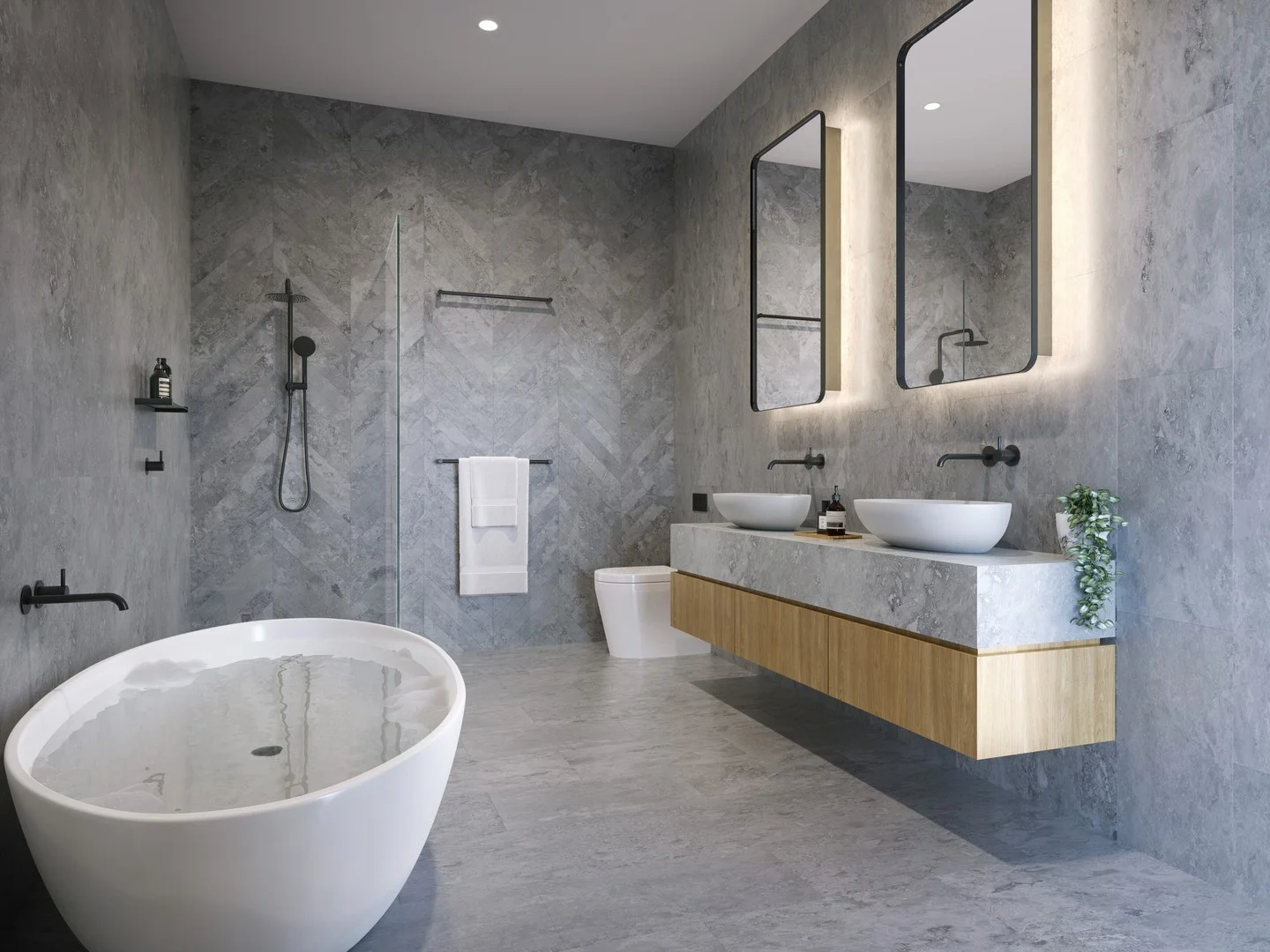 $2,824,000
Apartment / Unit / Flat
$2,824,000
Apartment / Unit / Flat
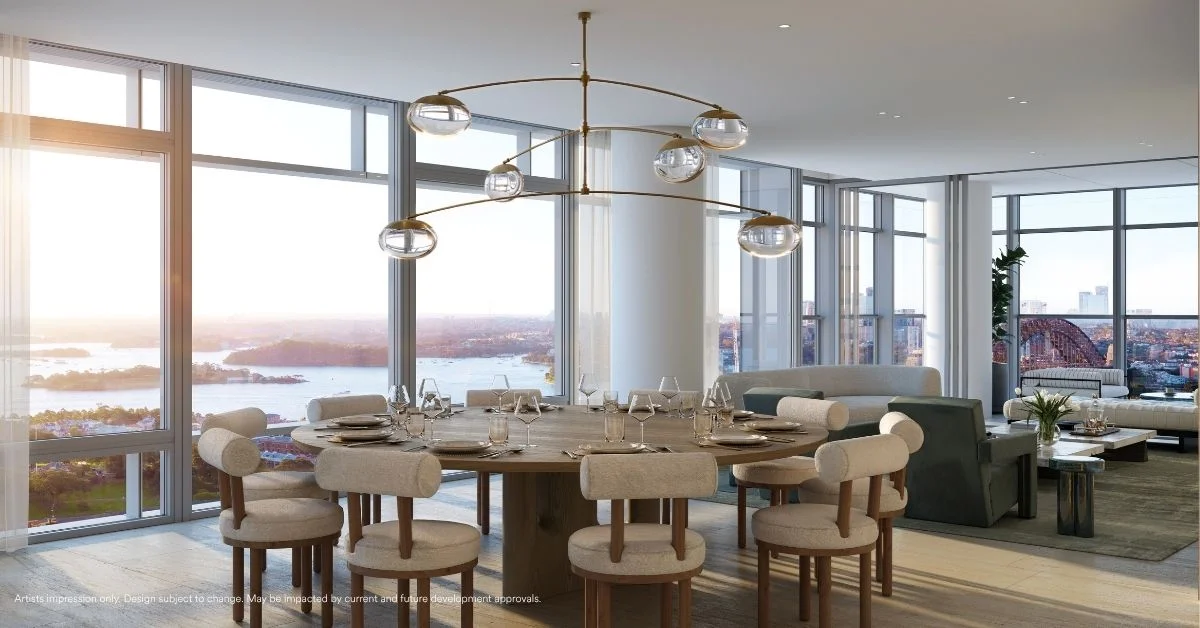 $26,550,000
propertyType.NEW APARTMENTS / OFF THE PLAN
$26,550,000
propertyType.NEW APARTMENTS / OFF THE PLAN
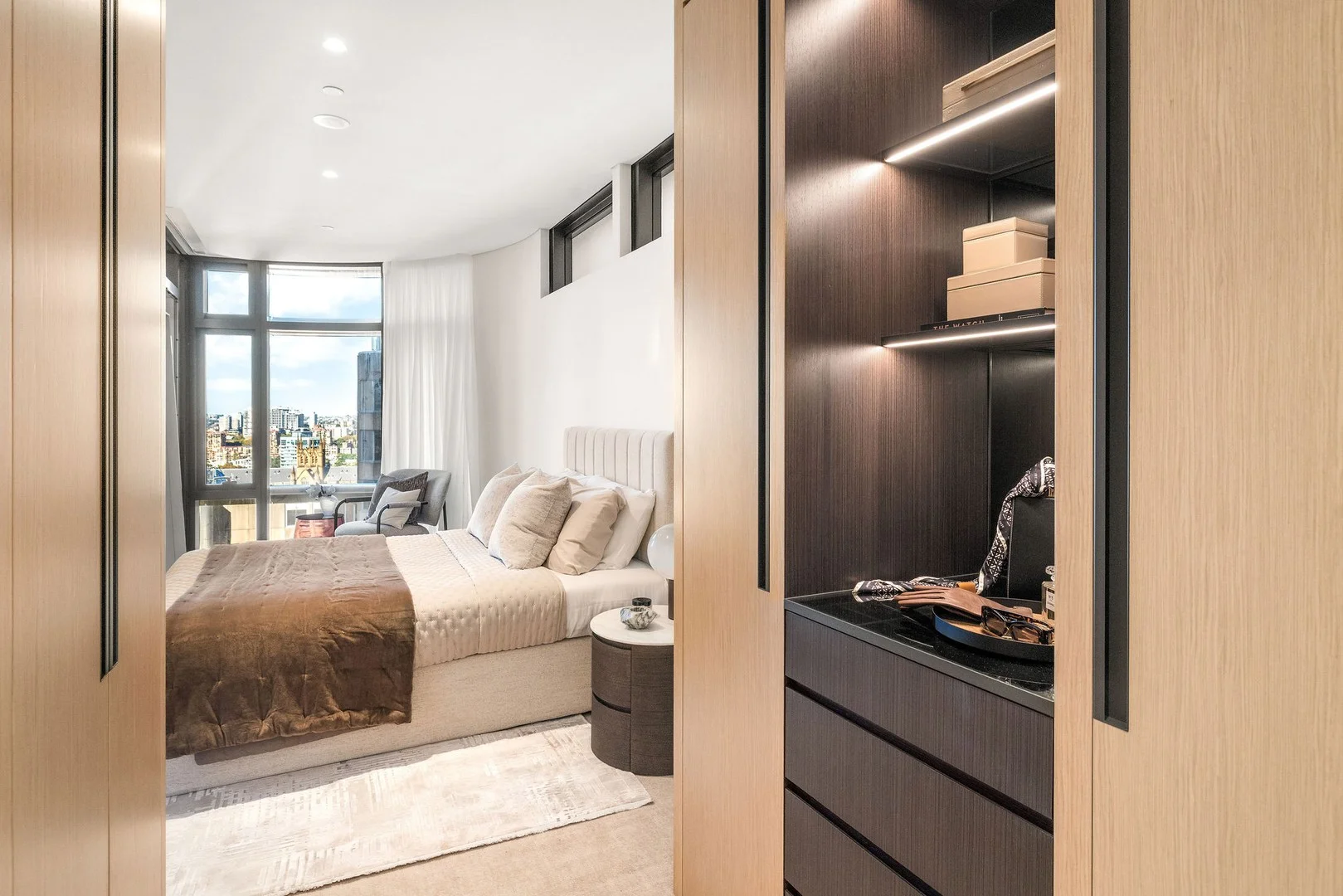 $2,745,000
propertyType.NEW APARTMENTS / OFF THE PLAN
$2,745,000
propertyType.NEW APARTMENTS / OFF THE PLAN
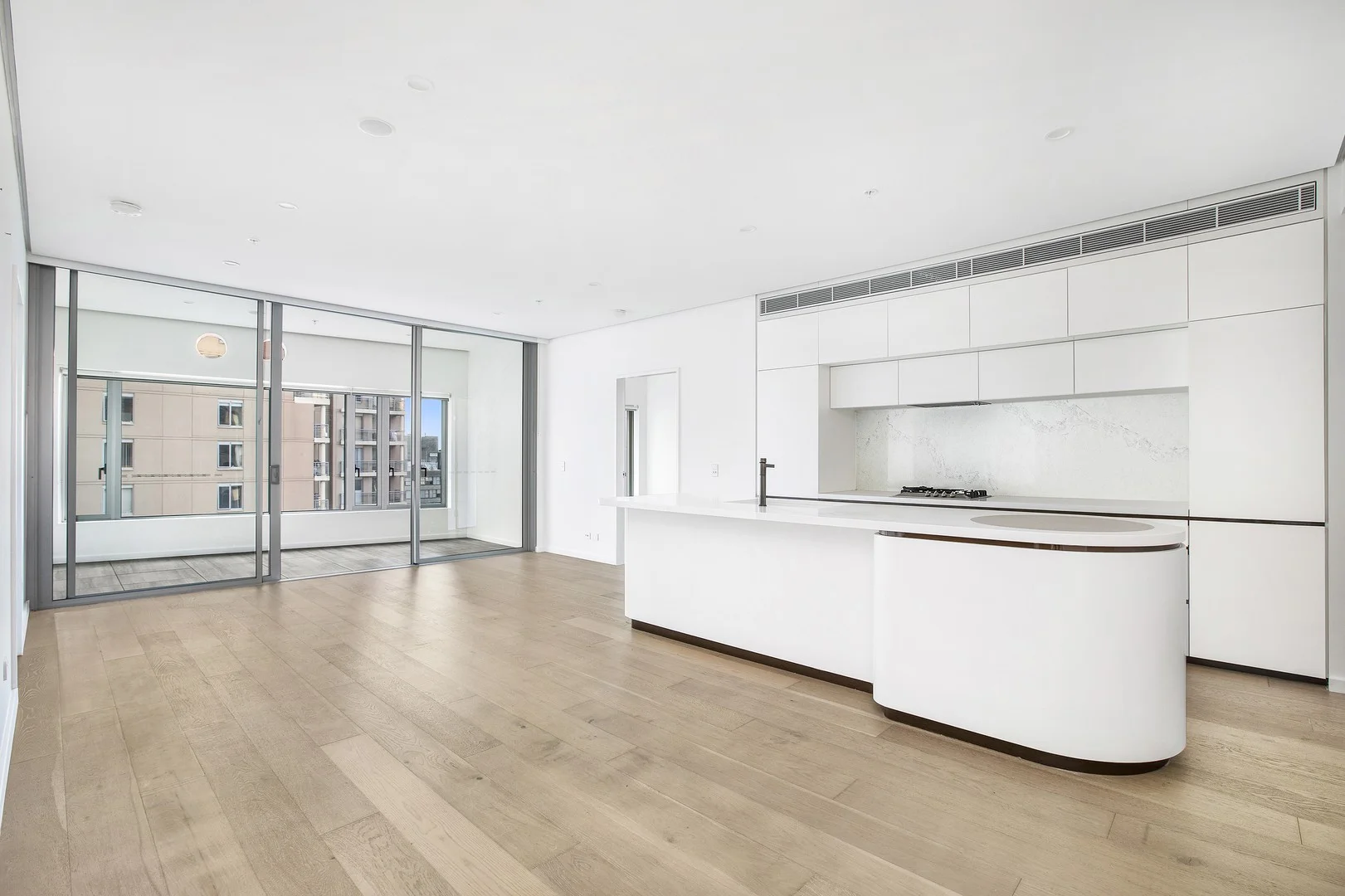 $2,250,000
Apartment / Unit / Flat
$2,250,000
Apartment / Unit / Flat
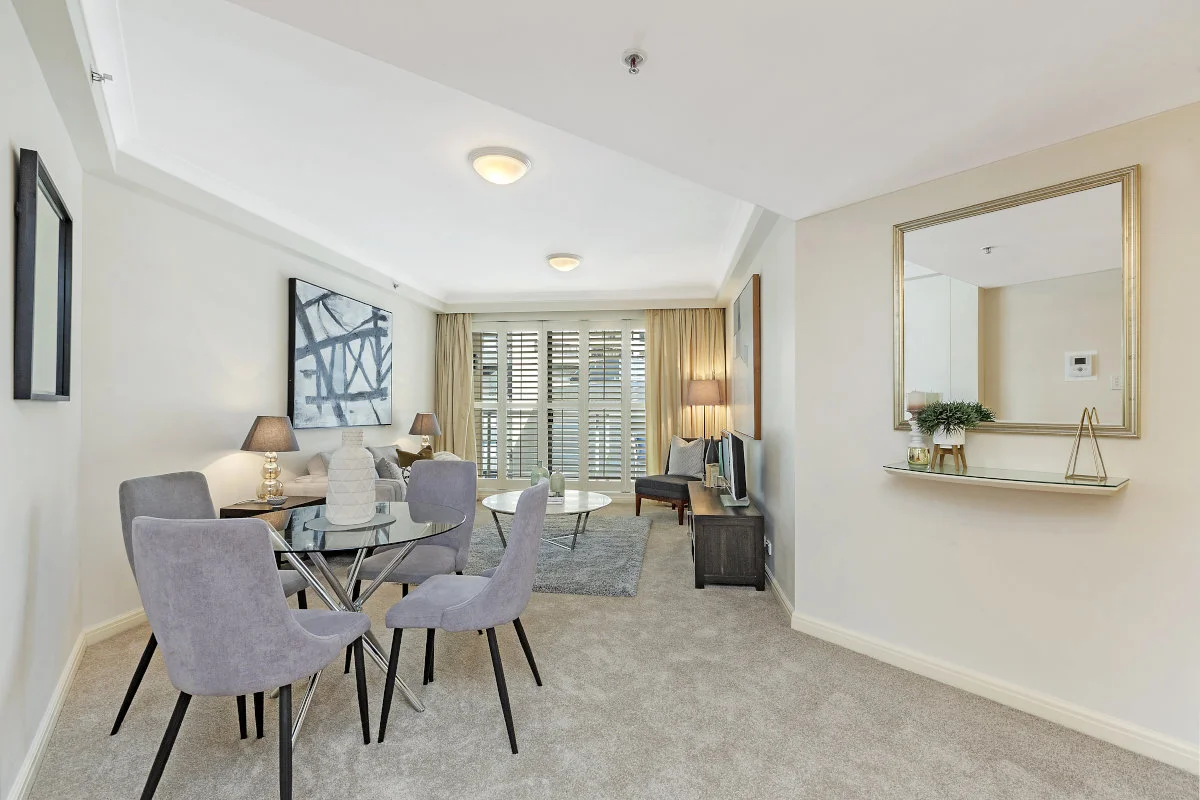 $660,000 - $725,000
Apartment / Unit / Flat
$660,000 - $725,000
Apartment / Unit / Flat
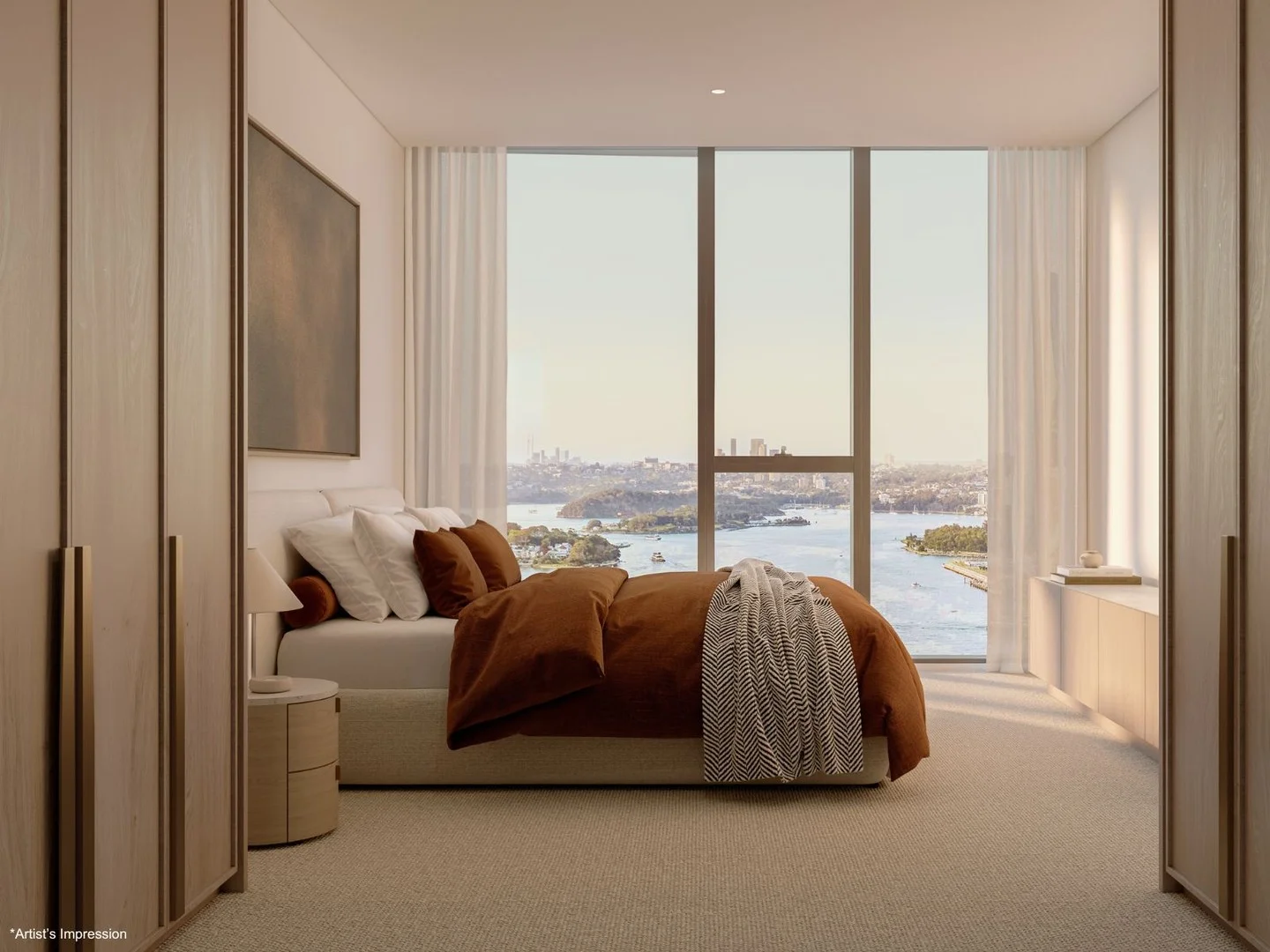 $8,630,000
propertyType.NEW APARTMENTS / OFF THE PLAN
$8,630,000
propertyType.NEW APARTMENTS / OFF THE PLAN
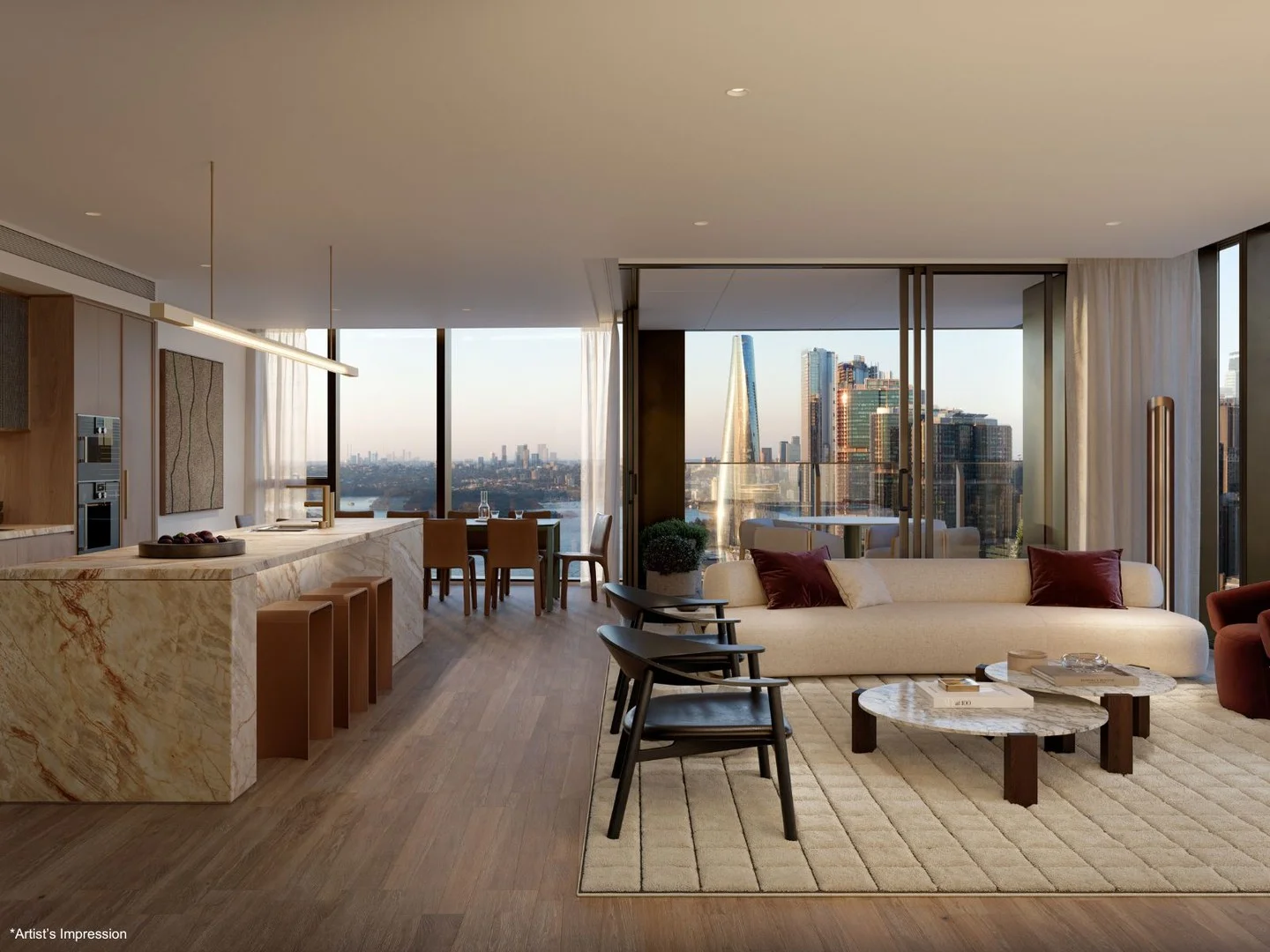 $12,980,000
propertyType.NEW APARTMENTS / OFF THE PLAN
$12,980,000
propertyType.NEW APARTMENTS / OFF THE PLAN
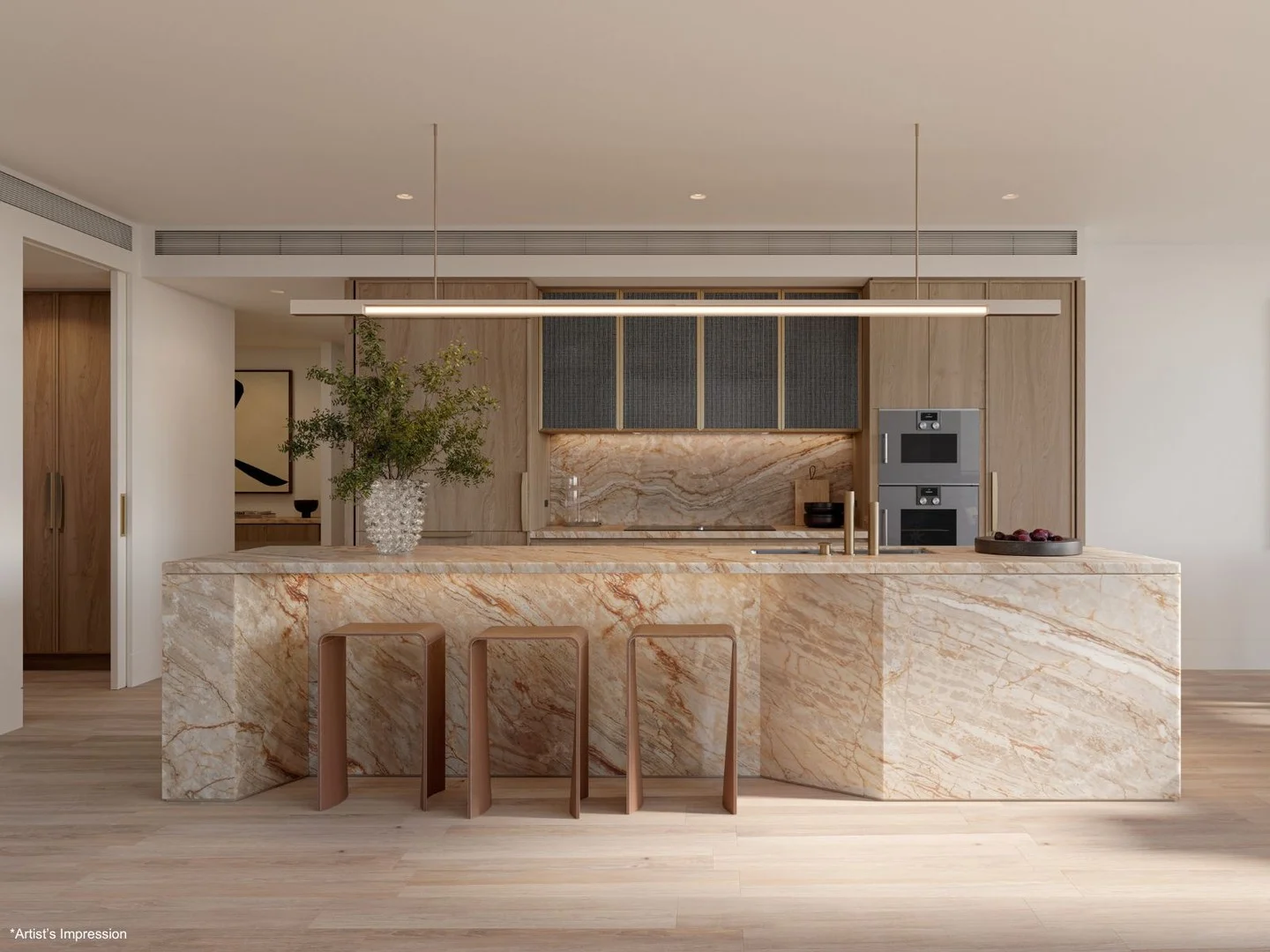 $6,225,000
propertyType.NEW APARTMENTS / OFF THE PLAN
$6,225,000
propertyType.NEW APARTMENTS / OFF THE PLAN
 $9,020,000
propertyType.NEW APARTMENTS / OFF THE PLAN
$9,020,000
propertyType.NEW APARTMENTS / OFF THE PLAN


