## 1. Overview
Middle Harbour Public School is a public primary school serving students from Kindergarten to Year 6 in Mosman, NSW. The school aims to provide an inclusive, community-focused learning environment with a medium-sized campus that supports a close-knit culture. Class sizes in NSW public primary schools typically sit in a range around 20–26 students, and Middle Harbour Public School strives to keep classes within this norm to support individual attention and strong teacher-student connections. The atmosphere blends academic learning with wellbeing, creativity, sport, and a welcoming, supportive vibe for students and families.
The school emphasises a balanced approach to education, combining literacy and numeracy foundations with opportunities in STEM, arts, sport, and digital learning. It seeks to foster thoughtful, engaged students who contribute positively to school life and the broader community.
## 2. Academics & Learning
- Academic strengths: Strong focus on literacy and numeracy with opportunities to develop skills in STEM, leadership, and languages (LOTE/digital literacy experiences are commonly offered across NSW public primary schools).
- Special programs: Possible participation in Gifted and Talented (G&T) enrichment or accelerated learning options where available, along with targeted enrichment activities and digital learning programs to extend capability.
- NAPLAN trends: NSW public primary schools monitor NAPLAN trends; the school typically aims to maintain or improve performance relative to state averages, with targeted strategies to lift literacy and numeracy outcomes over time.
- Student-teacher ratios: NSW public primary schools commonly operate around 1:18 to 1:22; Middle Harbour Public School aims to keep class sizes conducive to individualized support and active learning.
- Support for diverse learners: Strong emphasis on inclusive education with EAL/D support and learning support for students with additional needs, including tailored plans and access to specialist staff as appropriate.
## 3. Sports & Extracurricular Strengths
- Sports offered: A range of interschool and in-school sports such as soccer, AFL/rugby league options where available, cricket, netball, athletics, swimming, and cross-country, with PE programs supporting skill development and participation.
- Strong teams or achievements: Students regularly participate in district events and inter-school competitions; success varies by year, with opportunities for recognition in sport and sporting leadership roles.
- Music, arts, drama programs: Active music and performing arts offerings, including choir or band programs and opportunities to participate in school productions or theatre activities.
- Clubs: Robotics, coding, chess, debating, and other clubs commonly available to extend learning beyond core subjects.
- Partnerships: Associations with local community clubs, sports academies, and district-level competitions to broaden opportunities in sport, coding, robotics, and creative arts.
## 4. Wellbeing & Pastoral Care
- Anti-bullying approach: Clear anti-bullying policies, student wellbeing programs, and classroom discussions aimed at building respectful, inclusive behaviours.
- House system: A house or regional grouping framework is often used to foster belonging, teamwork, and friendly competition across year levels.
- Counsellors / wellbeing officers: Access to school-based wellbeing staff or a designated school counsellor to support students’ social, emotional, and mental health needs.
- Transition support for new students: Orientation activities, buddy systems, and transition programs to help new students settle in smoothly and build connections from day one.
## 5. Facilities
- Sports grounds: On-campus playing fields or multi-purpose sports areas for physical education and inter-school activities.
- Libraries: A school library supporting reading, research, and literacy programs.
- Science labs: Science facilities suitable for hands-on experiments and investigation-based learning.
- Music/performing arts centers: Dedicated spaces or rooms for music, drama, and rehearsal activities.
- Tech/innovation labs: ICT or media/technology spaces supporting coding, digital literacy, and project-based learning.
- Cafeteria: On-site canteen or lunch facilities supporting student meals and break-time catering.
- Updated playgrounds: Well-maintained play areas and outdoor learning spaces for active play and collaborative projects.
## 6. School Values & Community Culture
- School values / mission: A focus on respect, responsibility, inclusivity, and resilience with a learning-centered culture that supports every student.
- Leadership style: Leadership is typically collaborative, with teachers and leadership teams aiming to embed student voice and involvement in school life.
- Behaviour expectations: Clear expected behaviours aligned with NSW public school guidelines; emphasis on positive relationships and a safe, orderly environment.
- Community reputation: A family-friendly, locally embedded school with active parent involvement and a positive local standing in the Mosman community.
- Diversity & inclusion: Commitment to inclusive practices that welcome students from diverse backgrounds and ensure access to learning opportunities for all.
## 7. School Logistics & Daily Operations
- School hours: Typical NSW primary hours align with a standard school day (start mid-morning to mid-afternoon). Exact times may vary by year level and school term.
- Before/after school care: Availability of before/after school care or approved programs off-site or on-site through local providers.
- Uniform requirements: Public primary schools generally require a school uniform; specifics (e.g., items, colors) are issued by the school.
- Transport (train/bus routes): Students may access local public transport options; school transport policies follow NSW Department of Education guidelines and local routes.
- Canteen availability: On-site canteen or lunch facilities providing meal options and snacks.
- Fees (low/medium/high ranges): NSW public schools require no tuition; families may incur voluntary contributions, materials, excursions, and other item costs, with fees typically modest relative to private settings.
## 8. Enrolment & Admissions
11. What is the enrolment process and timeline?
- Check catchment and eligibility for in-zone places.
- Submit an enrolment application with required documents (proof of identity, birth certificate, immunisation history statement, proof of address, and any other NSW Education Department requirements).
- Provide immunisation records (Immunisation History Statement) as part of the Health requirement.
- Expect a confirmation or offer according to availability and timelines set by the school and NSW Department of Education; timelines vary, but enrollment is typically aligned with planned intake for the following school year.
- If you are moving from another NSW public school, you may complete an interstate/intra-state transfer process as required.
12. Is there a waiting list, and how does it work?
- In-zone (catchment) places are prioritized; out-of-zone or cross-border enrolments are considered if vacancies exist.
- Some schools publish waitlist information or manage interest through an application for out-of-area enrolment; processing is usually on a first-come, first-served basis dependent on vacancy.
- If no place is available, you may be placed on a waitlist or advised of alternatives; timelines depend on enrolment demand and term/year intake.
13. Are there any entry requirements, tests, or interviews?
- NSW public primary schools generally do not require entrance tests for K–Year 6 enrolment.
- Some in-year transfers or specialty programs may involve brief discussions or information sessions; the core enrolment process remains documentation-driven (identity, immunisation, proof of address, etc.).
- It is common to have an information session or campus tour as part of the enrolment journey, but not a formal testing regime for standard intake.
14. Does the school accept mid-year transfers?
- Yes, mid-year transfers are possible if there are vacancies, subject to the standard enrolment requirements and timeline.
- Families seeking a mid-year move should contact the school promptly to confirm vacancy, understand documentation needs, and plan for transition for the new term.
## 9. Frequently Asked Questions
- Why Parents Choose This School?
- A welcoming, community-focused environment with supportive staff, strong core academics, and a balanced program of sport, arts, and wellbeing. The school emphasises inclusivity, partnerships with families, and opportunities for student growth across academics, sport, and creative pursuits.
- What type of student thrives at this school?
- Students who are curious, collaborative, and ready to engage in a broad range of activities—from literacy and numeracy to sport, music, and coding—tend to thrive. The school supports diverse learners and values positive behavior, resilience, and community participation.
- What opportunities are available for students to extend their skills (academics, sports, arts)?
- Enrichment in literacy and numeracy, STEM-focused activities, leadership moments, and language or digital learning experiences. Extracurricular programs include sports, music, drama, robotics, coding, chess, debating, and inter-school competitions.
- How does the school communicate with parents?
- Regular updates via newsletters, email, notices, and the school website; parent-teacher conferences; and open channels through the school administration and year-level coordinators to discuss student progress and events.
- What is the school's approach to teaching and learning?
- A learner-centered approach that emphasises literacy and numeracy foundations, inquiry-based and collaborative learning, responsible digital citizenship, and differentiation to meet diverse learner needs.
- How does the school support students who need extra academic help?
- Targeted literacy and numeracy interventions, EAL/D support, learning support staff, and coordination with specialist staff to develop individual learning plans as needed.
- What support is available for academic challenges?
- Access to teacher assistance, learning support programs, and referrals to counsellors or support staff to address related social or emotional needs that impact learning.
- How does the school communicate with parents? (Note: same question appears more than once in some lists.)
- See above: newsletters, emails, parent-teacher conferences, and targeted communications about events and student progress.
- What are the class sizes and how much individual attention do students receive?
- Class sizes typically align with NSW public primary norms (roughly 20–26 students per class), with teachers providing regular checks, feedback, and opportunities for small-group or targeted instruction to support individual needs.
- What extracurricular and sports opportunities are available?
- A broad mix including sports (interschool and PE activities), music and drama programs, clubs such as robotics, coding, chess, and debating, plus opportunities to participate in district and local competitions.
- What facilities does the school offer (sports, science, arts)?
- Sports grounds or multi-use spaces, a library, science labs, music/performing arts spaces, tech/innovation facilities, a canteen, and updated outdoor play areas.
- What is the school’s approach to technology and digital learning?
- Digital literacy and responsible use are integrated into learning; access to technology-enhanced learning spaces and devices to support coding, research, and creative projects.
- What transport and accessibility options are available?
- Proximity to public transport and availability of school-approved routes; information on buses or walking routes is provided by the school in conjunction with NSW transport guidelines.
- What are the typical school fees or additional costs?
- NSW public schools do not charge tuition; typical costs may include voluntary contributions, stationery or resource fees, excursions, and optional activities. Uniform purchases are common.
## 10. Short Pros & Cons list
- Pros
- Public, community-focused setting with inclusive practices.
- Balanced program across academics, sport, arts, and wellbeing.
- Strong emphasis on student support for diverse learners.
- Range of extracurricular clubs and inter-school opportunities.
- Positive communication channels with families and clear enrolment guidance.
- Cons
- As a public primary school, class sizes and resources can vary year to year based on enrolment.
- Availability of out-of-zone or mid-year placements depends on vacancies.
- Specific programs (e.g., certain gifted/enrichment options) may depend on year level and student need.
- Facilities and offerings may adapt with funding cycles and maintenance schedules.
If you’d like, I can tailor this further with more precise details (e.g., current enrolment numbers, exact uniform guidelines, or the latest enrolment timelines) once you provide any updated or specific information you want included.










 $2,824,000
Apartment / Unit / Flat
$2,824,000
Apartment / Unit / Flat
 $26,550,000
propertyType.NEW APARTMENTS / OFF THE PLAN
$26,550,000
propertyType.NEW APARTMENTS / OFF THE PLAN
 $2,745,000
propertyType.NEW APARTMENTS / OFF THE PLAN
$2,745,000
propertyType.NEW APARTMENTS / OFF THE PLAN
 $2,250,000
Apartment / Unit / Flat
$2,250,000
Apartment / Unit / Flat
 $8,630,000
propertyType.NEW APARTMENTS / OFF THE PLAN
$8,630,000
propertyType.NEW APARTMENTS / OFF THE PLAN
 $12,980,000
propertyType.NEW APARTMENTS / OFF THE PLAN
$12,980,000
propertyType.NEW APARTMENTS / OFF THE PLAN
 $9,020,000
propertyType.NEW APARTMENTS / OFF THE PLAN
$9,020,000
propertyType.NEW APARTMENTS / OFF THE PLAN
 $6,225,000
propertyType.NEW APARTMENTS / OFF THE PLAN
$6,225,000
propertyType.NEW APARTMENTS / OFF THE PLAN
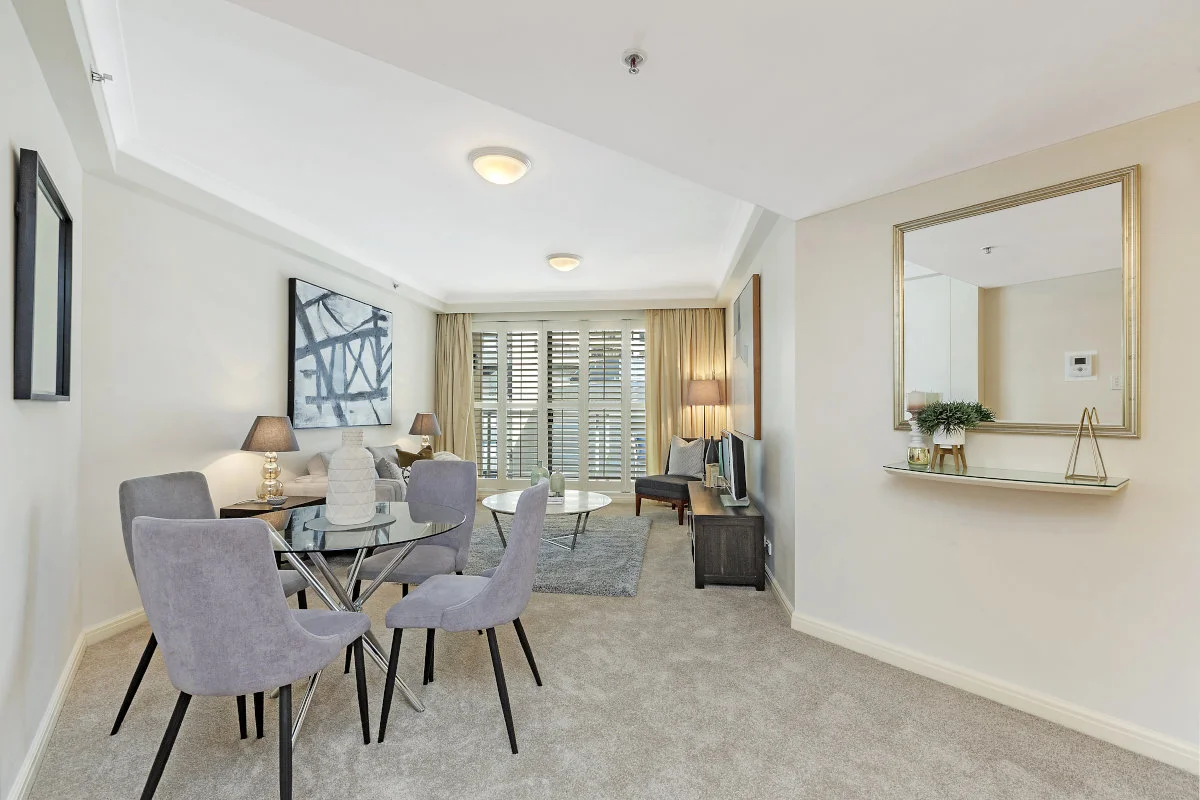 $660,000 - $725,000
Apartment / Unit / Flat
$660,000 - $725,000
Apartment / Unit / Flat


