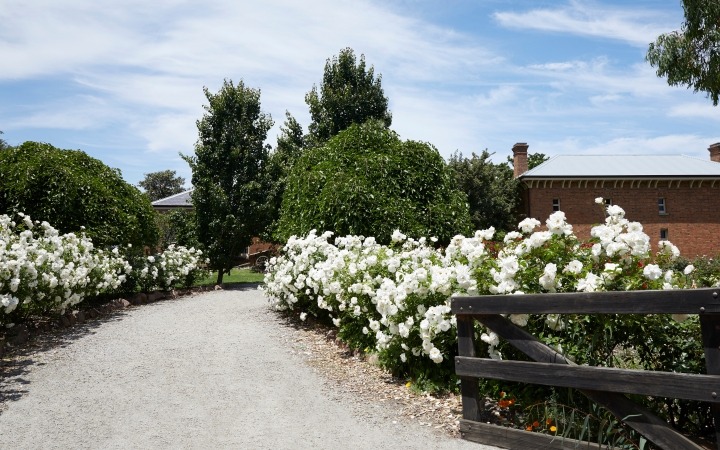
 Government primary school in Berwick
Berwick Chase Primary School
Berwick, VIC 3806
Berwick Chase Primary School is a public, co-educational government primary school serving students in the Berwick area.
About Berwick Chase Primary School
Read the full description
Overview
Berwick Chase Primary School is a public, co-educational government primary school serving students in the Berwick area. The school is medium-sized, offering a community-focused environment where teachers know students well and families are welcomed into school life. Class sizes are typically in the low-to-mid 20s, which supports targeted instruction and stronger student-teacher interactions. The atmosphere is nurturing and inclusive, with emphasis on wellbeing, collaborative learning and a positive school culture.
The school aims to provide a well-rounded education that balances academic pursuit with belonging, effort, and resilience. Students are encouraged to participate in a range of activities that promote teamwork, leadership and personal growth within a supportive, respectful community.
Academics & Learning
- Academic strengths: Literacy and numeracy are prioritized, with opportunities to engage in STEM activities, inquiry-based learning, and English language development. The school also supports leadership development and student-led learning experiences as part of a holistic approach to academics.
- Special programs: EAL (English as an Additional Language) support and targeted intervention programs are typically available to assist diverse learners. Gifted and Talented opportunities may be offered where appropriate to student needs.
- Support for diverse learners: Strong emphasis on inclusive education with EAL support, SEN (Special Educational Needs) services, and targeted literacy/numeracy interventions to help all students access the curriculum.
Sports & Extracurricular Strengths
- Sports offered: A range of junior and interschool sports, including netball, soccer, cricket, football (Australian rules) and athletics, with opportunities for fitness, skills development and teamwork.
- Strong teams or achievements: The school participates in school-level competitions and events, celebrating student effort and teamwork across age groups.
- Music, arts, drama programs: Active participation in music and performing arts, with opportunities for choir, school productions and instrumental music involvement.
- Clubs: Robotics, coding, chess and debating are commonly available, along with other interest-based clubs to foster curiosity and problem-solving.
- Partnerships: The school often collaborates with local community clubs and activities, providing access to competitions and events that broaden students’ experiences beyond the classroom.
⎯
Wellbeing & Pastoral Care
- Anti-bullying approach: A proactive approach to safety and respectful relationships, with clear policies and programs aimed at prevention and prompt handling of concerns.
- House system: A house-based framework is commonly used to build school spirit, teamwork, and healthy competition in a supportive environment.
- Counsellors / wellbeing officers: Dedicated wellbeing staff and access to counselling support to assist students with social, emotional and behavioural needs.
- Transition support for new students: Orientation activities, buddy programs and targeted transition support help new students settle in smoothly and build connections quickly.
Facilities
- Sports grounds: On-site sports fields or courts supporting physical education and after-school activities.
- Libraries: A well-equipped library that supports reading for pleasure and learning across subjects.
- Science labs: Purpose-built spaces for hands-on experiments and STEM learning.
- Music/performing arts centers: Facilities that support music, drama and performing arts programs.
- Tech/innovation labs: Computer labs or ICT facilities to support digital learning and coding activities.
- Cafeteria: A canteen or meal facilities offering a range of lunch options and healthy choices.
- Updated playgrounds: Modern, safe playgrounds and outdoor spaces for exploration and recreation.
School Values & Community Culture
- School values / mission: Clear commitments to respect, responsibility, resilience, and inclusivity, guiding daily practice and school priorities.
- Leadership style: A collaborative leadership approach that encourages student voice, teacher collaboration and positive relationships across the school community.
- Behaviour expectations: Consistent expectations around respect, kindness, effort and safety, with positive behaviour supports and restorative practices.
- Community reputation: A welcoming, family-friendly atmosphere with active parent involvement and a focus on creating a safe, supportive learning environment.
- Diversity & inclusion: Strong emphasis on welcoming students from diverse backgrounds and providing supports to ensure every student can participate meaningfully.
School Logistics & Daily Operations
- School hours: Typical school day starts in the morning and ends in the afternoon, with a structured timetable for the Prep–Year 6 cohort.
- Before/after school care: After-school care and related programs are often available through on-site or partner providers.
- Uniform requirements: School uniform is standard, with guidelines on daily dress and approved items.
- Transport (train/bus routes): Public transport and bus routes commonly serve the area; families may rely on local bus services or car drop-off/pick-up arrangements.
- Canteen availability: A canteen or lunch program is available on certain days, supporting convenient meal options.
- Fees (low/medium/high ranges): As a public school, tuition is not charged, but there may be reasonable fees for materials, book packs, incursions, and optional activities.
Enrolment & Admissions
- What is the enrolment process and timeline?
- Enrolments are typically handled through the school with guidance from the state education department. Parents submit an application with required documents (proof of age, immunisation status, proof of residence) and await confirmation and placement details. Timelines vary by year and catchment demand; enquire early and follow the school’s stated process.
- Is there a waiting list, and how does it work?
- Waiting lists can occur when year groups reach capacity or when in-zone demand exceeds available places. Priority is usually given to students living within the school’s enrolment zone, with out-of-zone applications considered based on vacancy and policy.
- Are there any entry requirements, tests, or interviews?
- Public primary schools in Victoria generally do not require entry tests for Prep entry. Some schools may conduct informal conversations or orientations, but formal entrance examinations are not typical. Documentation and eligibility (e.g., immunisation, residence) are the standard requirements.
- Does the school accept mid-year transfers?
- Mid-year transfers may be possible if there is vacancy. Availability depends on current enrolments and policy. Parents should contact the school promptly to discuss options and required documentation.
Frequently Asked Questions
- Why Parents Choose This School?
- A welcoming, inclusive community with supportive staff, strong focus on wellbeing and a balanced approach to academics, sports, arts and student development.
- What type of student thrives at this school?
- Students who are curious, collaborative, respectful and engaged in a mix of academics, sports and creative activities tend to thrive in this environment.
- What opportunities are available for students to extend their skills (academics, sports, arts)?
- A broad range of opportunities across literacy, numeracy and STEM, leadership opportunities, clubs (robotics, coding, chess, debating), music and performing arts, and interschool sports.
- How does the school communicate with parents?
- Through regular newsletters, parent-teacher interviews, school notices, and a parent portal or communication app. Staff typically respond to inquiries via email or phone during the school day.
- What is the school’s approach to teaching and learning?
- A student-centered, differentiated approach with inquiry-based learning, hands-on activities, and opportunities for collaboration and reflection.
- How does the school support students who need extra academic help?
- Targeted interventions in literacy and numeracy, EAL support, and SEN services, plus small-group or one-on-one tutoring where needed.
- What support is available for academic challenges?
- Additional tutoring, adjusted learning plans, and access to specialist staff to help students catch up and progress.
- How does the school communicate with parents? (duplicate)
- See above: newsletters, portals, emails, and scheduled meetings.
- What extracurricular and sports opportunities are available?
- A range of sports (netball, soccer, cricket, AFL, athletics), plus clubs in robotics, coding, chess and debating, and music/arts programs.
- What facilities does the school offer (sports, science, arts)?
- Sports grounds, a library, science labs, music/performing arts spaces, tech/innovation labs, a canteen, and updated outdoor play areas.
- What is the school’s approach to technology and digital learning?
- Integration of digital tools across the curriculum, with computer labs or ICT facilities and opportunities for coding, digital literacy and responsible online use.
- What transport and accessibility options are available?
- Access to local bus routes and nearby public transport; car drop-off/pick-up options and provisions to support families with different travel needs.
- What are the typical school fees or additional costs?
- No tuition fees for attendance; there may be costs for materials, book packs, incursions, and optional activities or uniforms as applicable.
Short Pros & Cons list
- Pros
- Public, inclusive environment with a focus on wellbeing and holistic development. - Medium-sized school with opportunities for close teacher-student relationships. - Broad academics with emphasis on literacy, numeracy and STEM, plus clubs and arts. - Strong wellbeing supports, house system, and transition programs for new students. - Wide range of extracurricular activities and partnerships with local community groups.
- Cons
- Availability of advanced or targeted programs may depend on funding and enrolment; some specialized offerings vary year to year. - Waiting lists can occur for popular year levels or programs, particularly for non-zone applicants. - Mid-year transfers are contingent on vacancies and may involve extra administrative steps.
A few things parents ask
Does Berwick Chase Primary School have a catchment area?
Yes. Berwick Chase Primary School serves the following official intake zone: Berwick Chase Primary School (primary, 2026). Living inside a zone makes this your designated local public school. Whether a place is offered depends on the state’s enrolment policy and the year you apply — it is not a guarantee, and where current students live does not define the boundary. Use the AroundSchools catchment checker to see whether your address falls inside it, then verify with the state education department’s own tool.
What type of school is Berwick Chase Primary School?
Berwick Chase Primary School is a Government, Co-ed school in Berwick, VIC, offering Primary year levels.
Is Berwick Chase Primary School a public or private school?
Berwick Chase Primary School is a public school. It is government-funded and part of the VIC public education system, so it is generally free for local students to attend, aside from voluntary contributions and levies.
Where is Berwick Chase Primary School located?
Berwick Chase Primary School is located at 72 Viewgrand Dr, Berwick VIC 3806, Australia, Berwick, VIC, 3806.
Compare with nearby schools
The closest schools to Berwick Chase Primary School, side by side. Fees appear where a school publishes them; activities and events are what is listed on AroundSchools within a short drive of each school.
| School | Distance | Sector | Gender | Years | Fees / yr | Kids' activities within 2 km | Events within 3 km |
|---|---|---|---|---|---|---|---|
| Berwick Chase Primary SchoolThis school | Here | Government | Co-ed | Primary | — | 6 | 4 |
| St Catherine's Primary School - Berwick | 800 m | Catholic | Co-ed | Primary | $1,450 | 6 | 4 |
| Kambrya College | 1.3 km | Government | Co-ed | Secondary | — | 9 | 4 |
| Brentwood Park Primary School | 1.4 km | Government | Co-ed | Primary | — | 9 | 4 |
| Turrun Primary School | 1.7 km | Government | — | Primary | — | 2 | 1 |
| Berwick Fields Primary School | 2.3 km | Government | Co-ed | Primary | — | 16 | 4 |
| Beaconhills College - Berwick | 2.3 km | Independent | Co-ed | ELC · Primary · Secondary | $7,045 – $13,460 | 25 | 4 |
Sorted by distance, not ranked. Check whether your address is in the catchment
Make a little more of the trip
Parks, playgrounds and libraries near the school.
Kids' activities nearby
Classes and clubs listed within a short drive of the school.
Schools nearby
The closest schools, nearest first.



Properties for sale or rent nearby12
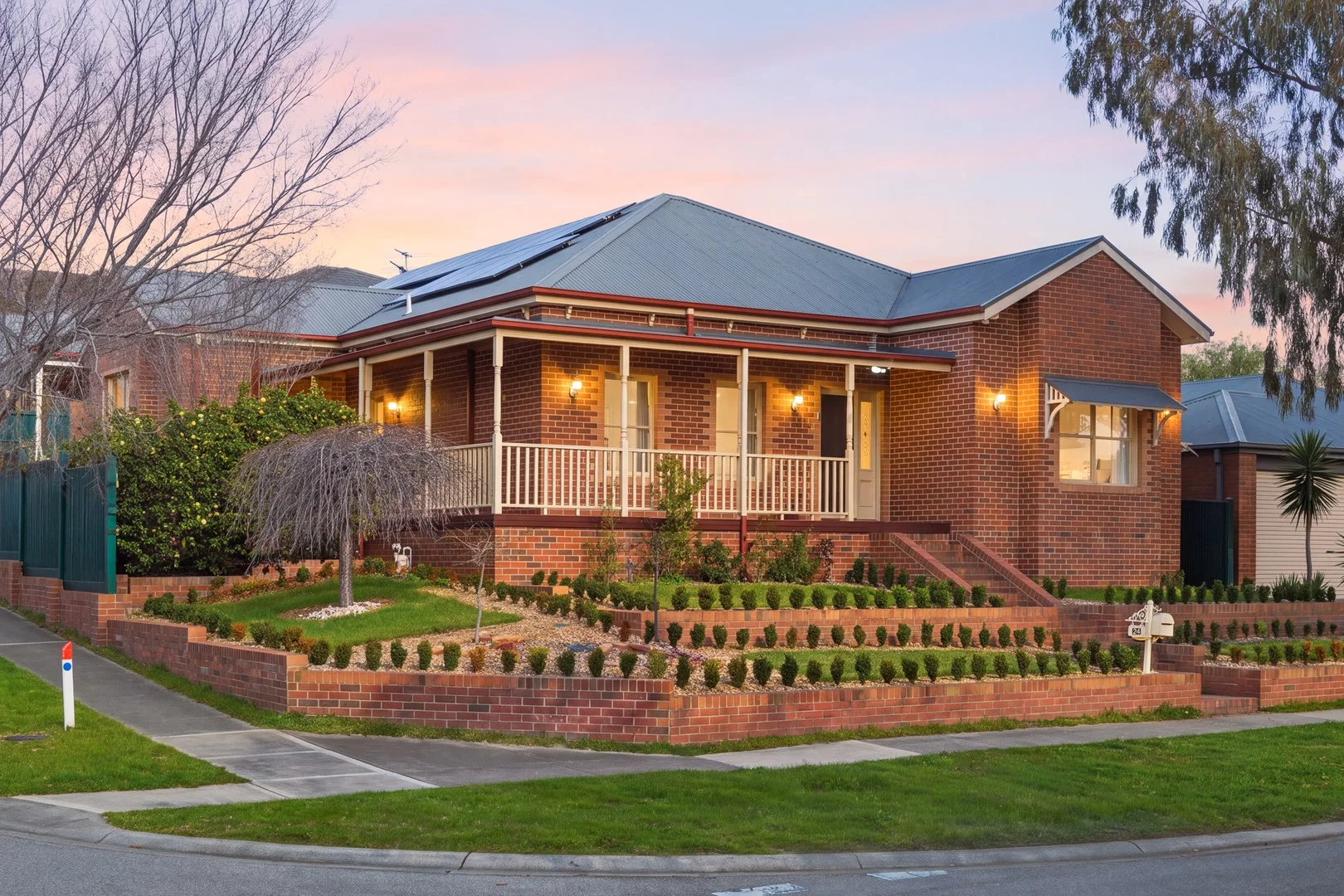
Berwick, VIC 3806
Land Size: 700 m²
Property Type: House
Listing Type: Residential
Status: Active
Summary: Timeless Federation Elegance | Grand Family Home on Approx. 700sqm
Description: A rare blend of timeless Federation elegance, generous proportions and versatile single-level living, this beautifully presented residence offers an exceptional family lifestyle on approximately 700sqm. From the moment of arrival, the home's distinctive character is immediately evident, with a welcoming wrap-around verandah, high ceilings, ornate period detailing and a feature fireplace creating a warm and elegant first impression. Timber flooring flows through the central living spaces, complementing the home's traditional charm while providing a practical setting for modern family life. The formal living room is enhanced by beautiful period features, while the expansive family and meals area provides plenty of room for relaxed everyday living and entertaining. At the heart of the home, the well-appointed kitchen features extensive cabinetry, generous bench space, a large island with breakfast seating, quality appliances and a convenient butler's pantry. A separate theatre room adds further flexibility, ideal for movie nights or family entertainment, while a dedicated study offers the option of a fourth bedroom if required. Accommodation comprises a generous master bedroom with walk-in robe and private ensuite, together with two additional bedrooms. The main bathroom includes a spa bath, complemented by a separate WC and dedicated laundry. Outdoor living is equally impressive, with a substantial covered pergola and adjoining deck overlooking established landscaped gardens, creating an inviting space for entertaining throughout the year. A freestanding double garage provides secure parking and additional storage. Further highlights include multiple split-system heating and cooling units, ceiling fans, solar panels, excellent storage and a comprehensive security system with high-definition sensor-based cameras and alarm. Convenience is enhanced by three bus routes within approximately a two-minute walk, while the property is zoned for Brentwood Park Primary School and Kambrya College, with convenient access to Nossal High School, Haileybury, Beaconhills College and St Margaret's Berwick Grammar. Offering approximately 343sqm of total area on an approximately 700sqm allotment, this distinctive single-level home presents an outstanding opportunity for buyers seeking character, space and flexibility in an established Berwick setting. Disclaimer: The information contained in this report has been provided to us and is intended as a general guide only. While every effort has been made to ensure accuracy, no responsibility is accepted and all liability is disclaimed for any errors, omissions, inaccuracies, or misstatements. This material is provided for reference purposes only and does not constitute representation by the Agent or Owner. Prospective purchasers are strongly advised to conduct their own enquiries and due diligence to verify all information prior to making any decisions.
Agent: Sam Noorbakhsh - samnoor@mcgrath.com.au
Agent: Eric Zhang - ericzhang@mcgrath.com.au - 03 8822 6188
 McGrath Doncaster

Sam Noorbakhsh, Eric Zhang
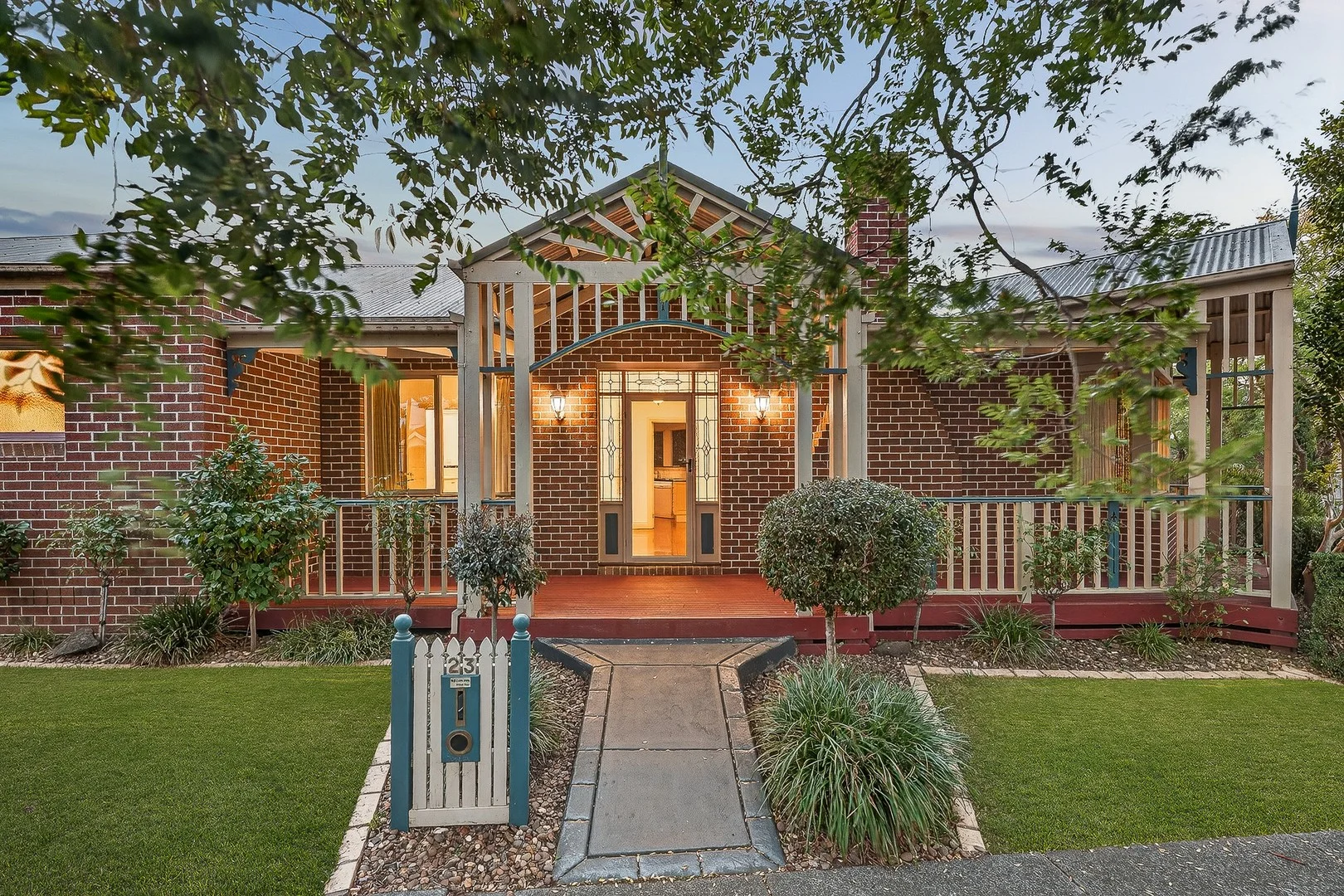
Berwick, VIC 3806
Land Size: 643 m²
Property Type: House
Listing Type: Residential
Status: Active
Summary: Elegant Family Living with Expansive IndoorOutdoor Appeal
Description: Classic charm and generous proportions come together in this beautifully presented residence, offering a relaxed family lifestyle in a quiet and established pocket of Berwick. Framed by a welcoming verandah and attractive brick façade, the home reveals light-filled interiors enhanced by polished timber flooring and large windows that draw in natural light throughout the day. A spacious formal living room featuring a fireplace creates a warm and inviting setting, while the expansive open-plan kitchen, dining and family domain forms the heart of the home for everyday living and entertaining. The well-appointed kitchen offers quality appliances, ample cabinetry and generous bench space, seamlessly connecting to a bright dining area framed by large bay windows overlooking the garden. Accommodation includes four generously sized bedrooms, highlighted by a spacious master retreat complete with walk-in robe and private ensuite. The remaining bedrooms are serviced by a central family bathroom and separate laundry, providing comfort and functionality for growing families. Sliding doors extend the living space outdoors to a large covered entertaining deck, creating the ideal setting for gatherings with family and friends while enjoying the privacy of the landscaped backyard. Additional features include ducted heating, split system cooling, polished timber flooring, and a secure double garage with additional driveway parking. Conveniently located close to local schools, parks, shopping centres and transport, the home offers a wonderful balance of space, comfort and everyday convenience in one of Berwick's most family-friendly neighbourhoods. Disclaimer: The information contained in this report has been provided to us and is intended as a general guide only. While every effort has been made to ensure accuracy, no responsibility is accepted and all liability is disclaimed for any errors, omissions, inaccuracies, or misstatements. This material is provided for reference purposes only and does not constitute representation by the Agent or Owner. Prospective purchasers are strongly advised to conduct their own enquiries and due diligence to verify all information prior to making any decisions.
Agent: Eric Zhang - ericzhang@mcgrath.com.au - 03 8822 6188
Agent: Frank Fan - frankfan@mcgrath.com.au - 03 8822 6188
McGrath Doncaster
Eric Zhang, Frank Fan
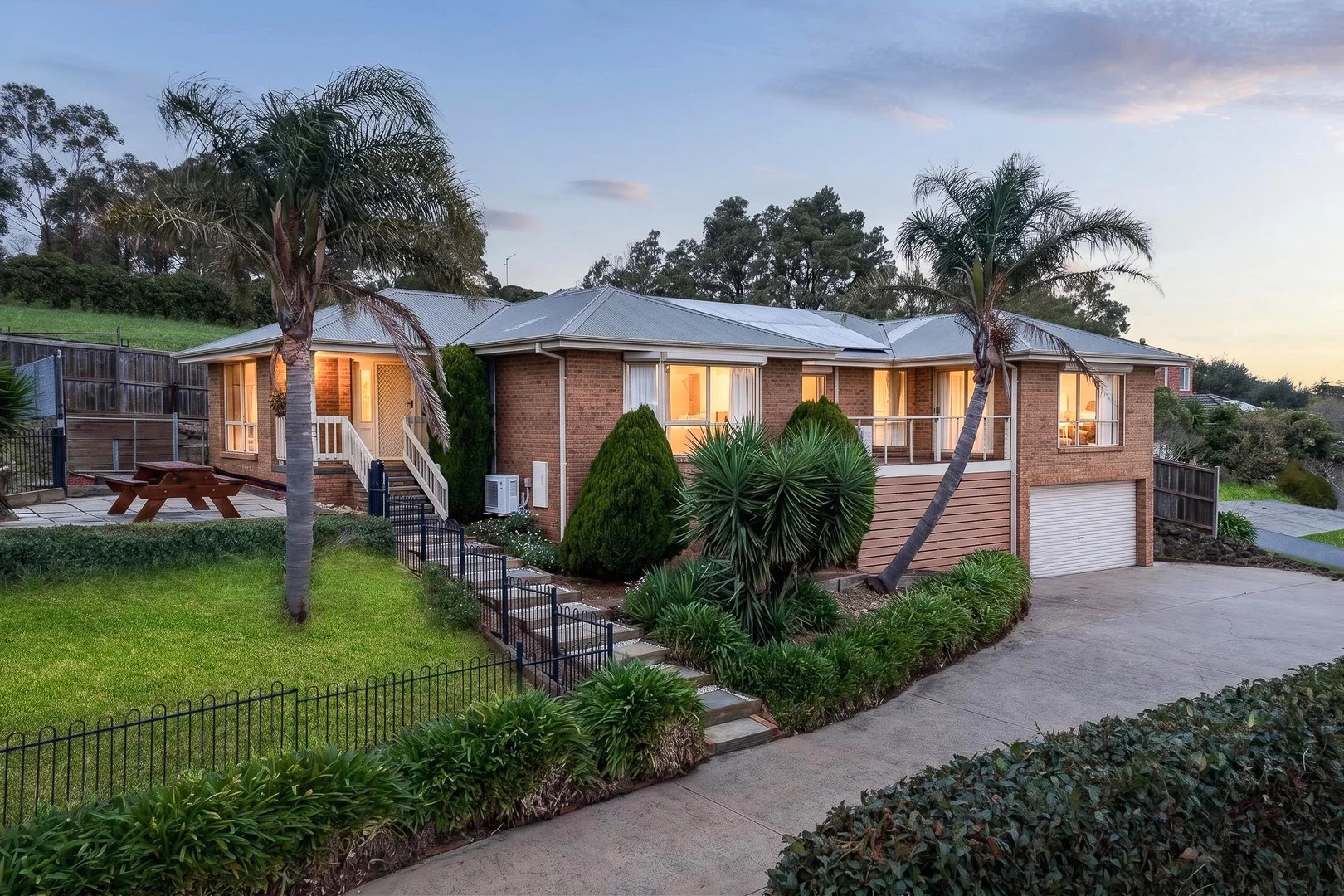
Berwick, VIC 3806
Land Size: 897 m²
Property Type: House
Listing Type: Residential
Status: Active
Summary: Expansive Family Living with Space, Views and Lifestyle Appeal
Description: Offering exceptional proportions, flexible family spaces and breathtaking elevated outlooks, this impressive residence delivers a lifestyle of comfort, space and convenience on a generous 897sqm (approx.) allotment. Positioned to capture beautiful views across the surrounding landscape, the home combines multiple living zones, spacious accommodation, outstanding outdoor entertaining and extensive off-street parking, creating an ideal environment for growing families, tradies and those seeking flexibility for the future. A welcoming entry introduces a light-filled interior, enhanced by beautiful Tasmanian oak floorboards that flow throughout the home. The generous formal lounge takes full advantage of the elevated position, with expansive windows framing peaceful leafy views and drawing abundant natural light into the space. The home continues through to an open-plan family and dining area, designed for relaxed everyday living while maintaining a strong connection to the outdoor entertaining spaces and surrounding outlooks. At the heart of the home, the well-appointed kitchen features abundant cabinetry, quality appliances, generous bench space and a practical layout overlooking the meals area, making family living and entertaining effortless while enjoying views across the backyard and beyond. Accommodation is thoughtfully arranged with four comfortable bedrooms, including a spacious master suite complete with walk-in robe and private ensuite. The additional bedrooms are serviced by a central bathroom, providing excellent flexibility for children, guests or those working from home. Designed for year-round enjoyment, the home features an expansive outdoor deck, covered patio area and landscaped surrounds, creating multiple spaces to entertain, unwind and appreciate the peaceful elevated setting. Whether enjoying a morning coffee, hosting family gatherings or simply taking in the outlook, the home's position provides a wonderful sense of space and tranquillity. A standout advantage is the property's excellent vehicle accommodation. In addition to the double garage on the lower level, the generous driveway provides multiple off-street car spaces, making the property particularly appealing to tradies, families with several vehicles or those requiring additional space for work vehicles, trailers or recreational vehicles. Additional highlights include split-system heating and cooling, excellent storage and solar panels. Set on approximately 897sqm, the substantial allotment also presents exciting future potential for buyers looking to further enhance or make the most of the property over time (STCA). Perfectly located in a highly regarded Berwick pocket, moments from local parks, shopping, public transport and quality schooling options, this spacious residence combines family comfort, impressive views, exceptional parking and lifestyle convenience with exciting future potential. Key Features: - Spacious four-bedroom, two-bathroom family residence - Generous 897sqm (approx.) allotment with elevated panoramic outlooks - Tasmanian oak floorboards throughout - Light-filled interiors capturing beautiful leafy views - Multiple living zones including formal lounge, family and dining areas - Practical kitchen with ample storage and quality appliances - Master bedroom with walk-in robe and private ensuite - Additional bedrooms with built-in robes - Expansive deck and covered outdoor entertaining area - Split-system heating and cooling plus solar panels - Double garage plus extensive driveway parking for multiple vehicles - Excellent option for tradies requiring additional vehicle and equipment space - Future potential to further enhance or capitalise on the substantial allotment (STCA) - Peaceful family-friendly location close to everyday amenities Disclaimer: The information contained in this report has been provided to us and is intended as a general guide only. While every effort has been made to ensure accuracy, no responsibility is accepted and all liability is disclaimed for any errors, omissions, inaccuracies, or misstatements. This material is provided for reference purposes only and does not constitute representation by the Agent or Owner. Prospective purchasers are strongly advised to conduct their own enquiries and due diligence to verify all information prior to making any decisions.
Agent: Sam Noorbakhsh - samnoor@mcgrath.com.au
Agent: Eric Zhang - ericzhang@mcgrath.com.au - 03 8822 6188
McGrath DoncasterSam Noorbakhsh, Eric Zhang