1. Overview
Beth Rivkah Ladies College is an independent Jewish day school for girls located in Melbourne’s St Kilda East area. It combines a rigorous secular curriculum with a strong emphasis on Jewish studies and values, creating a learning environment rooted in community and tradition.
Size-wise, the College is typically described as a medium-sized school with small to medium class groups, which supports close teacher-student relationships. The atmosphere is often portrayed as nurturing and academically focused, with an emphasis on character development, leadership, and a welcoming, inclusive culture.
⟻
2. Academics & Learning
- Academic strengths: Strong emphasis on a well-rounded education that blends English, Maths and Science with Jewish studies and languages (including Hebrew). Secular subjects are taught to a high standard alongside Torah and Jewish learning.
- Special programs: Offers pathways typical of Australian independent Jewish schools, including opportunities for leadership development, gifted/talented programs where available, and a comprehensive secular curriculum aligned to VCE requirements.
- NAPLAN / trends: Independent schools in Victoria often show positive and stable trends in literacy and numeracy; public data typically highlights improvement or consistency over time. Specific trend lines should be confirmed via the school’s published reports.
- Student-teacher ratios: Generally favorable in independent schools, with smaller classes and targeted support designed to enhance personalised learning.
- Support for diverse learners: Access to learning support and SEN coordination, plus EAL support where needed, to help students throughout their schooling journey.
⟻
3. Sports & Extracurricular Strengths
- Sports offered: Netball, basketball, athletics, swimming, and other team and individual activities common to Australian independent schools.
- Strong teams or achievements: Competitive inter-school participation with regular representation in regional events; emphasis on teamwork, discipline and sport as part of a holistic education.
- Music, arts, drama: Active music programs (choirs and ensembles), drama productions and access to performing arts activities as part of the curriculum and co-curricular offerings.
- Clubs: Robotics, chess, coding, debating, and other STEM and language clubs commonly featured to extend learning outside the classroom.
- Partnerships: Connections with local community groups and external competitions or events that enhance pathways in sport, arts and academics.
⟻
4. Wellbeing & Pastoral Care
- Anti-bullying approach: Clear policies and supportive programs aimed at maintaining a respectful, inclusive environment; emphasis on student wellbeing and safety.
- House system: A house structure to promote community, belonging and healthy competition across year levels.
- Counsellors / wellbeing officers: Access to school-based counsellors or wellbeing staff to support students’ social, emotional and mental health needs.
- Transition support for new students: Orientation programs, buddy schemes and targeted transition activities to help new entrants settle in smoothly.
⟻
5. Facilities
- Sports grounds: On-site or nearby facilities to support school sports and physical education.
- Libraries: School library with digital and print resources to support learning across subjects.
- Science labs: Modern science laboratories to enable hands-on experiments and inquiry-based learning.
- Music/performing arts centers: Dedicated spaces for music, drama and performance experiences.
- Tech/innovation labs: Computer labs and maker spaces designed for coding, robotics and STEM projects.
- Cafeteria: On-site dining options and food service for students.
- Updated playgrounds: Safe, age-appropriate outdoor spaces for recreation and play.
⟻
6. School Values & Community Culture
- School values / mission: A mission that blends academic excellence with Jewish values such as kindness, integrity, leadership, service and community.
- Leadership style: Generally collaborative, with student leadership opportunities and teacher facilitation to foster responsibility and initiative.
- Behaviour expectations: Clear behavioural guidelines and codes of conduct that reflect the school’s values and community standards.
- Community reputation: A strong sense of belonging within Melbourne’s Jewish community, with active family involvement and a focus on shared values.
- Diversity & inclusion: Commitment to inclusion within the school community while upholding its cultural and religious ethos.
⟻
7. School Logistics & Daily Operations
- School hours: Typical school day runs during regular school hours with supervision options; exact start and finish times vary by year level.
- Before/after school care: Availability of early arrival and after-school care programs or supervision.
- Uniform requirements: Uniform dress code with year-level variations; changes across seasons (summer/winter), with practical guidelines for students.
- Transport (train/bus routes): Accessible by public transport; information on local bus or train routes is available through the school’s admissions or transport pages.
- Canteen availability: On-site canteen or lunch service offering healthy meal options.
- Fees (low/medium/high ranges): Fees are in the mid-to-high range for independent schools; additional costs may include uniform, camps, excursions and some activities.
⟻
8. Enrolment & Admissions
11. What is the enrolment process and timeline?
- Inquiries typically begin with an information request or open day; families complete an application form, provide required documents (birth records, school reports, etc.), and may attend an admissions interview. If applicable, assessments or tasks may be part of the process. Offers are made based on space and eligibility, followed by a formal enrolment agreement and payment of any deposits. Timelines vary by year level and intake period; it’s best to check the school’s current admissions calendar for exact dates.
12. Is there a waiting list, and how does it work?
- Many independent schools operate a waitlist when places are limited. Allocation often depends on date of application, sibling attendance (if applicable), and place availability. Families may be asked to confirm ongoing interest periodically.
13. Are there any entry requirements, tests, or interviews?
- Entry often includes an admissions interview and may involve a short assessment or tasks relevant to the child’s age. For younger entrants, the process may emphasize readiness, social fit, and family background in addition to academic achievement.
14. Does the school accept mid-year transfers?
- Mid-year transfers are sometimes possible subject to space and meeting entry requirements. It’s typical to contact the admissions team early to discuss availability and transfer timelines.
⟻
9. Frequently Asked Questions
- Why Parents Choose This School?
Families often choose for a values-based, academically rigorous education that combines secular learning with Jewish studies, a strong supportive community and personalised attention.
- What type of student thrives at this school?
Students who value both academic challenge and a close-knit, faith-informed community tend to thrive, with strengths in collaboration, leadership, and social responsibility.
- What opportunities are available for students to extend their skills (academics, sports, arts)?
The school typically offers a broad range of advanced coursework, leadership programs, sports teams, music and drama, robotics, debating and other clubs to stretch talents and interests.
- How does the school communicate with parents?
Regular communications typically include newsletters, parent portals, progress reports, and scheduled parent-teacher meetings; digital platforms are commonly used to share updates.
- What is the school’s approach to teaching and learning?
An emphasis on a balanced approach that blends high academic standards with faith-based study, inquiry-based learning, and opportunities for student voice and leadership.
- How does the school support students who need extra academic help?
Access to learning support, EAL assistance, and targeted interventions through a dedicated support team or learning support staff.
- What support is available for academic challenges?
Individual or small-group supervision, targeted tutoring or remediation programs, and teacher collaboration to adjust instruction as needed.
- How does the school communicate with parents?
See above; many schools use digital platforms, email updates, and regular meetings to ensure transparent communication.
- What are the class sizes and how much individual attention do students receive?
Class sizes are typically small-to-medium in independent schools, with a focus on giving students regular opportunities for individual support and feedback.
- What extracurricular and sports opportunities are available?
A broad menu including sports (netball, basketball, athletics, swimming), music and drama, and clubs such as robotics, coding, chess and debating.
- What facilities does the school offer (sports, science, arts)?
Comprehensive facilities typically include sports grounds, libraries, science labs, music/performing arts spaces, tech/innovation labs, a canteen and well-maintained playgrounds.
- What is the school’s approach to technology and digital learning?
Integration of digital learning tools across subjects, with access to computer labs, coding and ICT coursework as part of the curriculum.
- What transport and accessibility options are available?
Public transport access (bus/train routes) and support for those needing additional transport arrangements.
- What are the typical school fees or additional costs?
Fees tend to be mid-to-high for independent schools, with potential additional costs for camps, excursions, uniforms and some activities.
⟻
10. Short Pros & Cons list
Pros
- Values-based, community-focused education with strong Jewish studies integration
- Medium-sized, supportive environment with small-to-medium class sizes
- Broad range of co-curriculars including sports, arts, clubs and leadership programs
- Access to wellbeing support and pastoral care
- Modern facilities across science, arts, music and tech spaces
Cons
- Fees are higher than public schools; top-up costs for activities and uniforms
- Single-sex (girls only) environment may not suit families seeking co-education
- Availability of places can be limited; potential waitlists depending on intake
- Some families may prefer a school with different religious or cultural emphasis
⟻
If you’d like, I can tailor any section to highlight particular strengths you want to emphasize or adjust for a specific audience (e.g., families transitioning from a different school, or those prioritising STEM or arts).









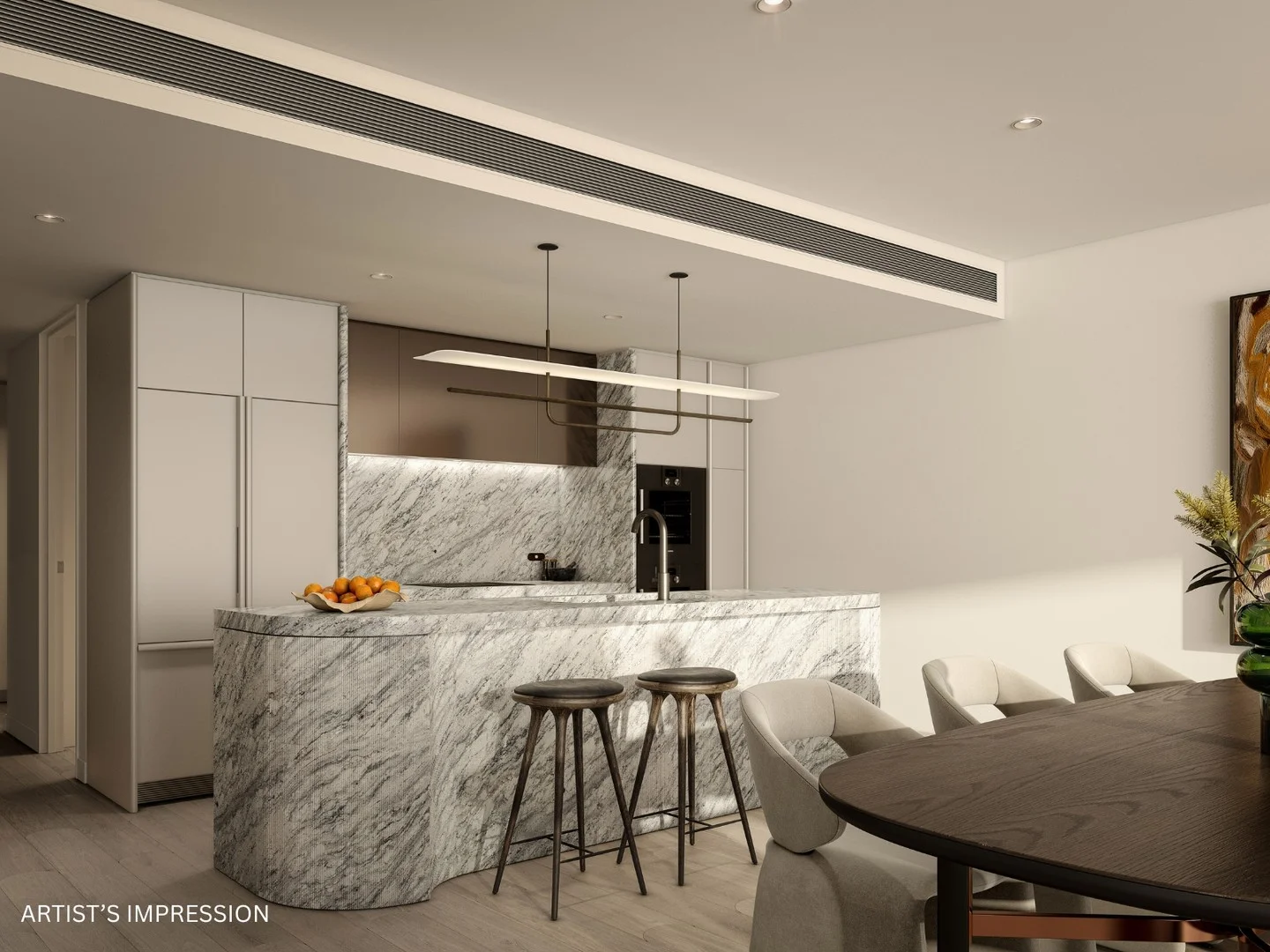
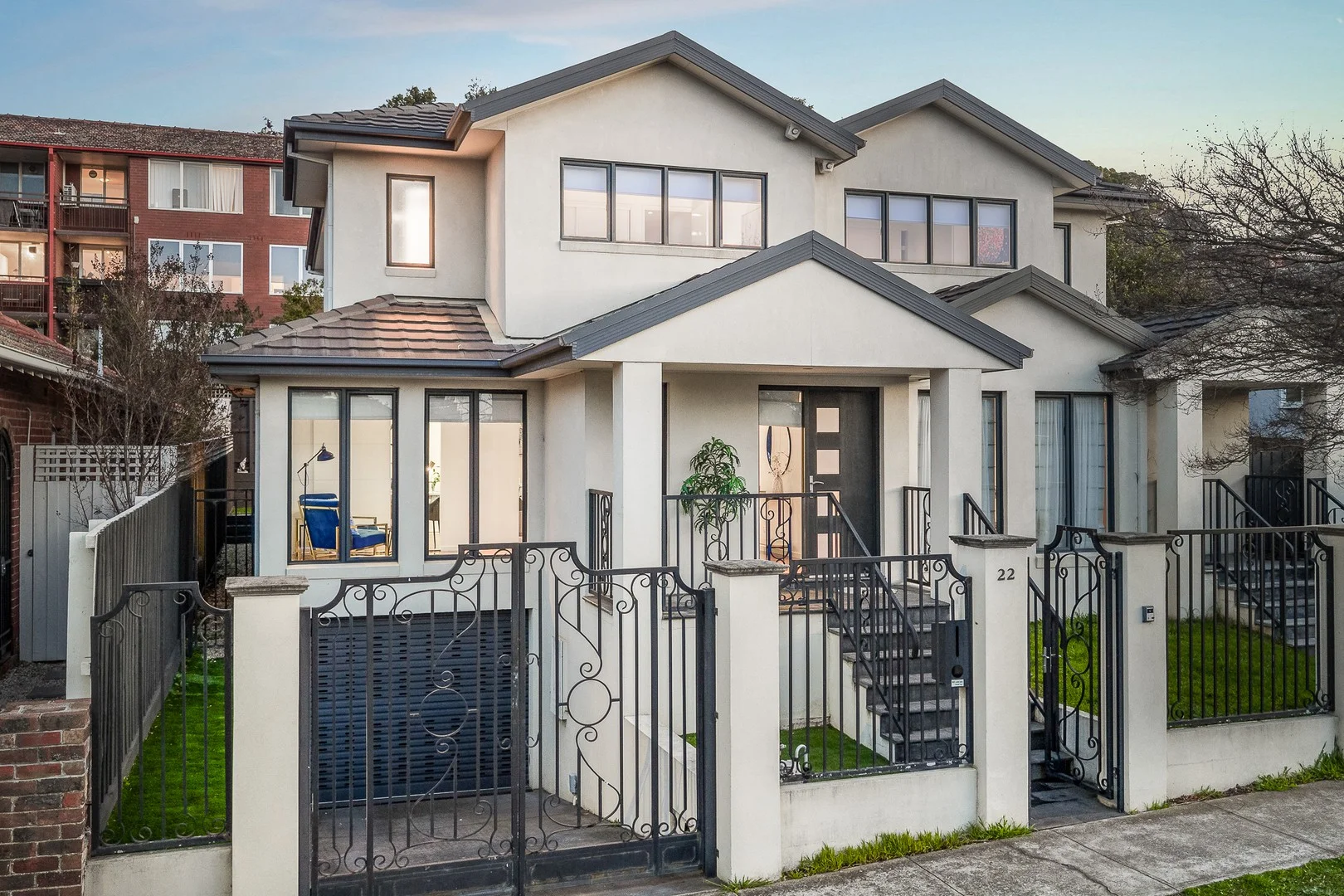 $2,390,000
Townhouse
$2,390,000
Townhouse
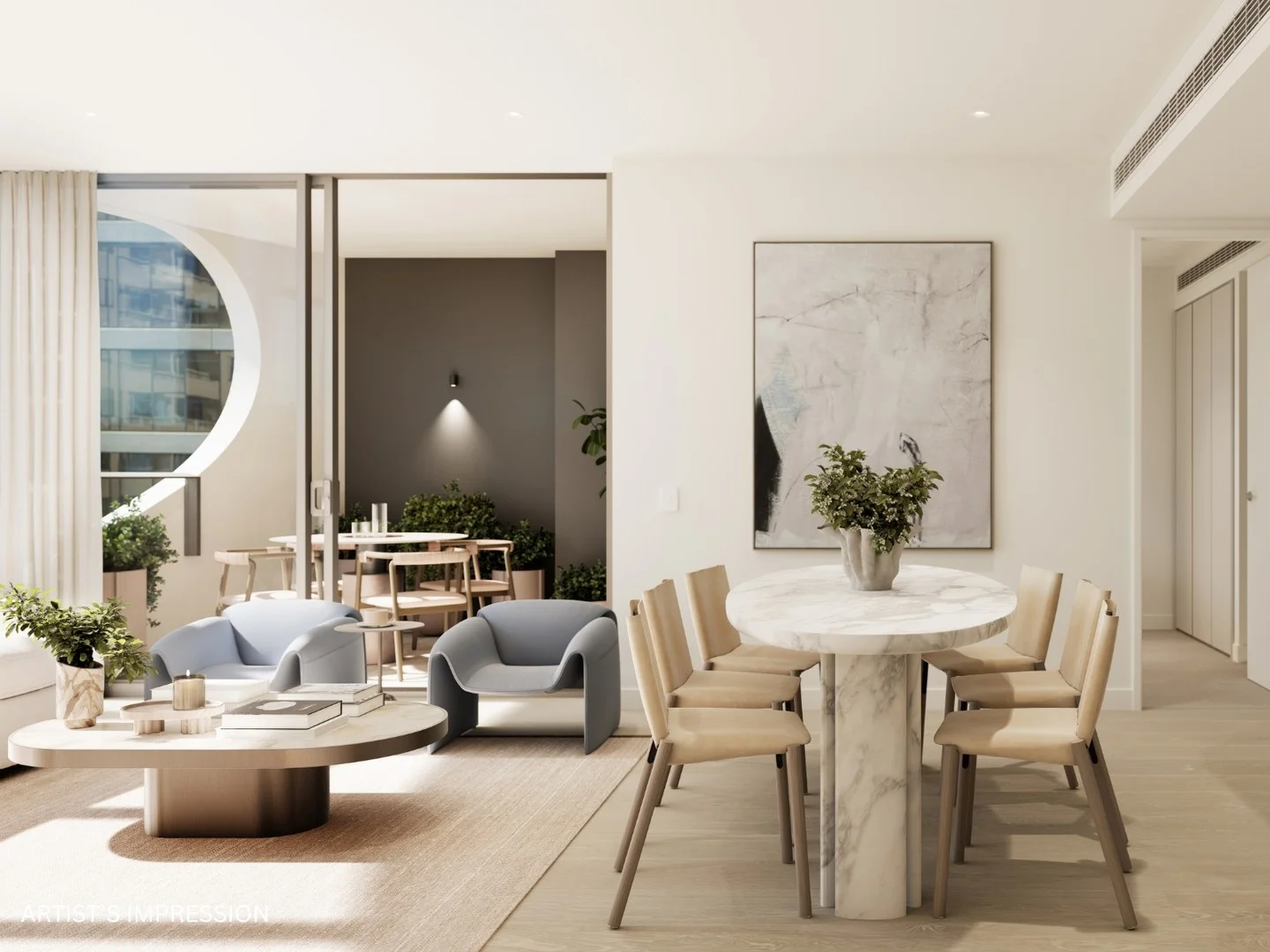
 $2,900,000
Apartment / Unit / Flat
$2,900,000
Apartment / Unit / Flat
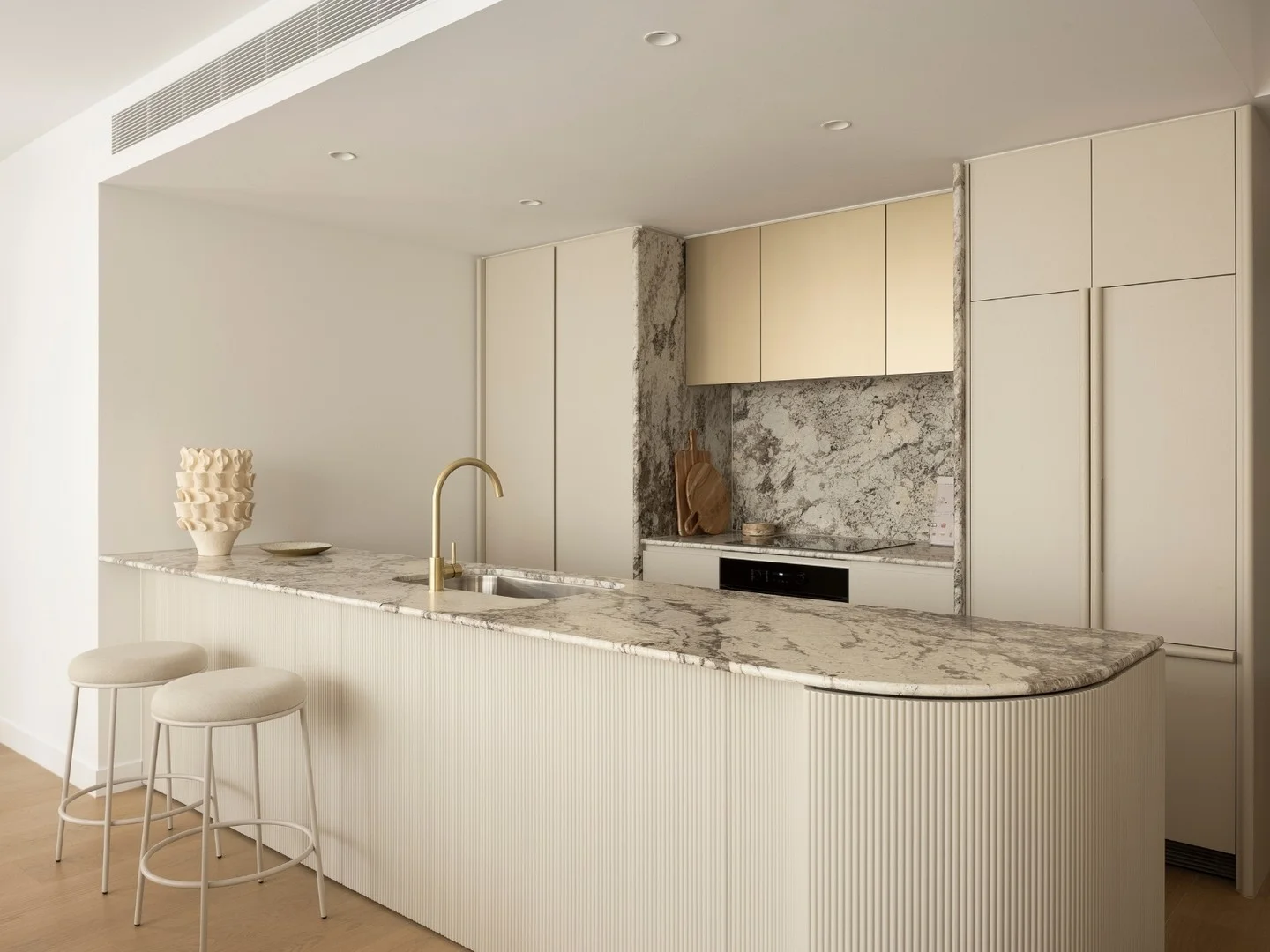
 $1,640,000
Apartment / Unit / Flat
$1,640,000
Apartment / Unit / Flat
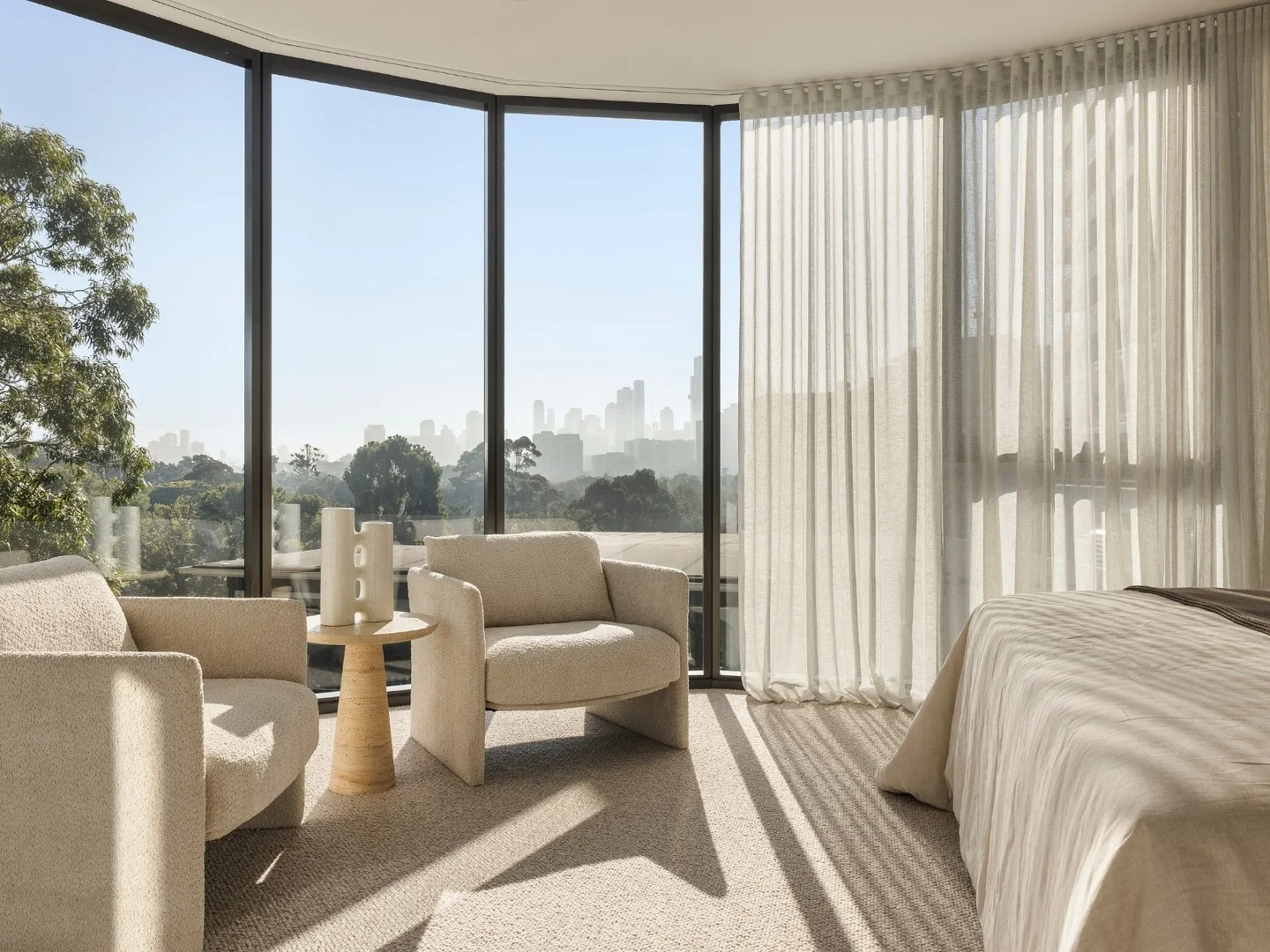
 $1,345,000
Apartment / Unit / Flat
$1,345,000
Apartment / Unit / Flat
 $2,750,000
Apartment / Unit / Flat
$2,750,000
Apartment / Unit / Flat
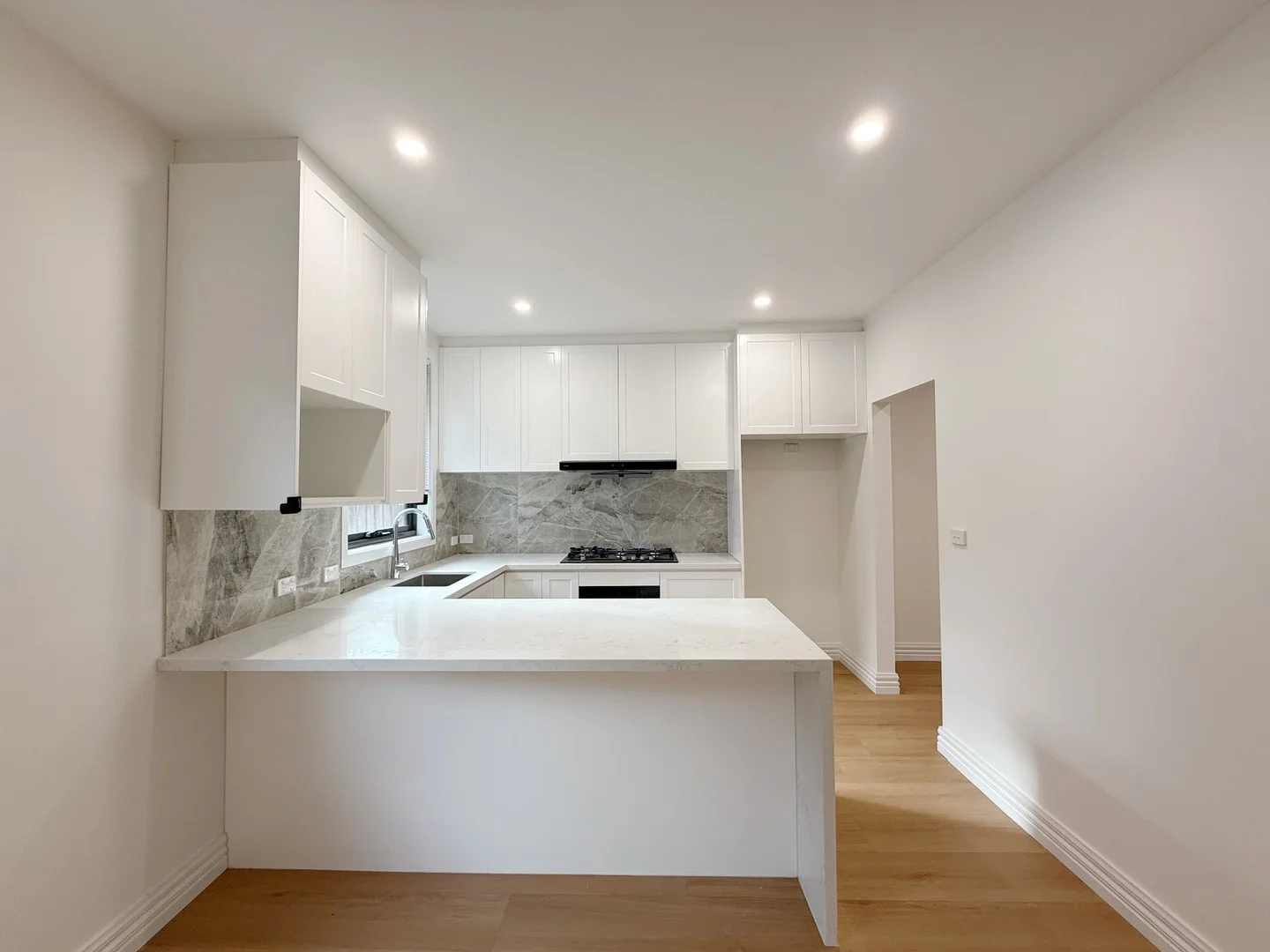 $1,280
House
$1,280
House
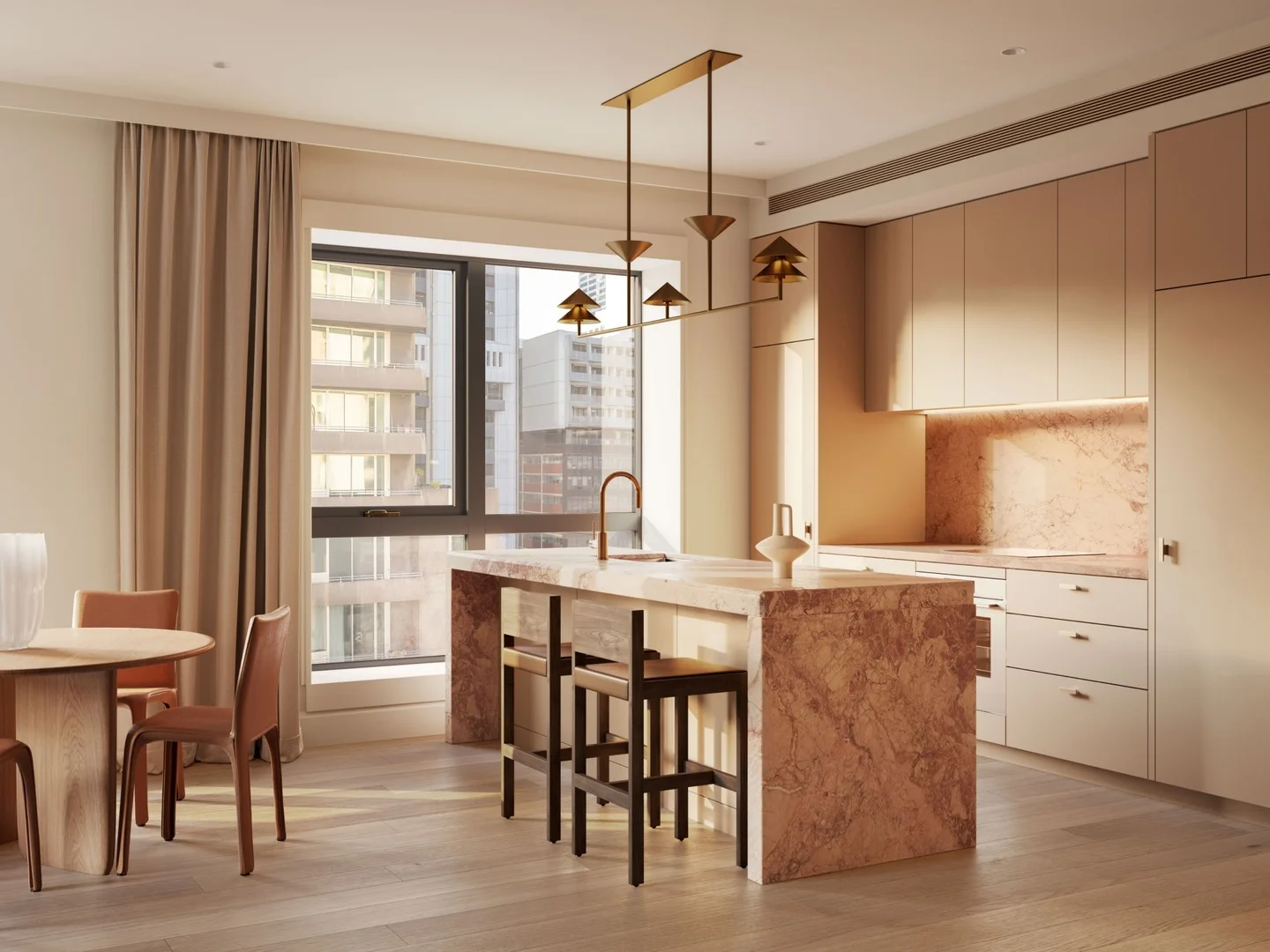 $1,760,000
propertyType.NEW APARTMENTS / OFF THE PLAN
$1,760,000
propertyType.NEW APARTMENTS / OFF THE PLAN
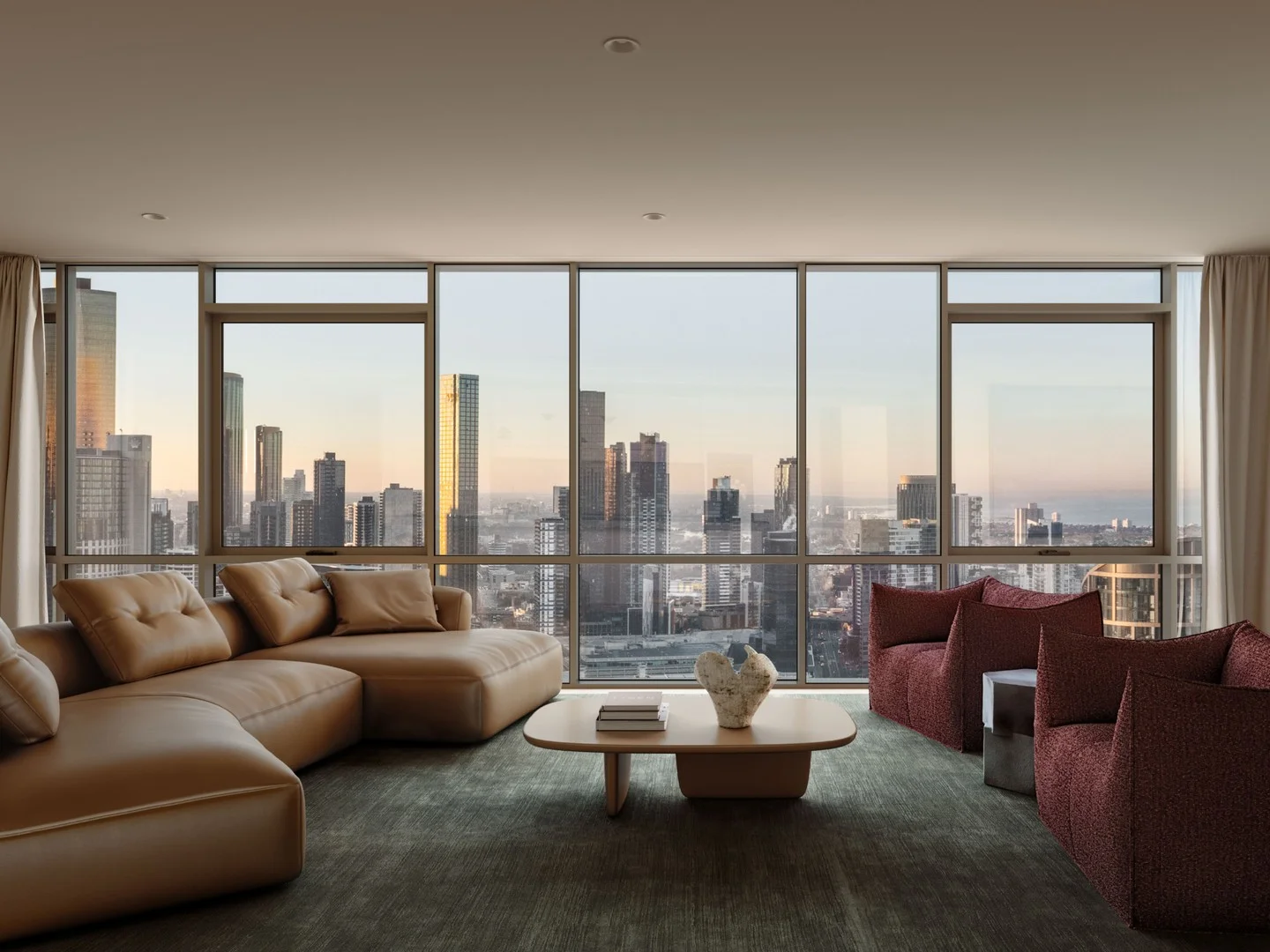 $3,700,000
propertyType.NEW APARTMENTS / OFF THE PLAN
$3,700,000
propertyType.NEW APARTMENTS / OFF THE PLAN
 $820,000
propertyType.NEW APARTMENTS / OFF THE PLAN
$820,000
propertyType.NEW APARTMENTS / OFF THE PLAN


