1. Overview
St Mary’s College in St Kilda East is a Catholic school serving students seeking a values-based secondary education in the Victorian Catholic system. The college emphasises a caring, inclusive community where faith, learning and service are integral to daily life. The campus is medium-sized, designed to foster strong teacher–student relationships and active student participation.
- School type: Catholic
- School size: Medium
- Class size: Approximately 20–25 students per class
- Atmosphere/culture: Nurturing, inclusive, academically focused, with strong faith and community emphasis
⸻
2. Academics & Learning
St Mary’s College aims to provide robust academic programs alongside pastoral support that helps students grow as individuals.
- Academic strengths: English, humanities, STEM, languages; emphasis on strong literacy and numeracy foundations and developing critical thinking
- Special programs: Gifted and Talented pathways; VCE/ATAR preparation; opportunities for accelerated learning or leadership development
- NAPLAN / progress trends: Consistent performance in literacy and numeracy with ongoing year-to-year improvements in key writing and problem-solving areas
- Student-teacher ratios: Around 1:12–1:16 (typical secondary school range; exact ratio available on request)
- Support for diverse learners: EAL support, SEN support, inclusive education practices, and targeted interventions as needed
⸻
3. Sports & Extracurricular Strengths
A strong focus on well-rounded development, with a range of activities to suit different interests.
- Sports offered: Basketball, netball, football (soccer), cricket, athletics, volleyball, swimming, and more depending on term
- Strong teams or achievements: Participation in regional and inter-school competitions with competitive teams in several sports
- Music, arts, drama programs: Comprehensive performing arts offerings, school ensembles, and annual theatre productions or shows
- Clubs: Robotics, chess, coding, debating, and other interest-based clubs
- Partnerships: Local clubs and inter-school competitions; collaboration with community organizations for events and activities
⸻
4. Wellbeing & Pastoral Care
Wellbeing is a central pillar of student life at the college, supporting academic success and personal growth.
- Anti-bullying approach: Clear policies, proactive education, student-led awareness programs, and confidential reporting channels
- House system: House groups that provide pastoral support, organize activities, and foster healthy competition
- Counsellors / wellbeing officers: On-site counsellors and wellbeing staff available for individual or group support
- Transition support for new students: Orientation programs, buddy systems, and targeted induction activities to ease transitions into new year levels
⸻
5. Facilities
Facilities are designed to support a broad curriculum and comfortable daily life on campus.
- Sports grounds: Outdoor fields and courts for team sports and PE
- Libraries: Well-stocked library with study spaces and digital resources
- Science labs: Modern laboratories for biology, chemistry, physics, and practical experiments
- Music/performing arts centers: Rooms and spaces for music education, rehearsals, and performances
- Tech/innovation labs: Dedicated spaces for robotics, digital media, coding, and design work
- Cafeteria: On-site dining area with daily meal options
- Updated playgrounds: Safe outdoor spaces for recreation and social time
⸻
6. School Values & Community Culture
The college emphasises core Catholic values within a respectful, collaborative community.
- School values / mission: Faith-based education emphasising integrity, compassion, service, and academic excellence
- Leadership style: Collaborative and student-centred with opportunities for student voice and leadership roles
- Behaviour expectations: Positive-behaviour framework, clear consequences, and restorative approaches
- Community reputation: Strong parish and local community connections; active involvement in service and outreach
- Diversity & inclusion: Welcomes students from diverse backgrounds and supports inclusive practices across the curriculum
⸻
7. School Logistics & Daily Operations
Practical information to help families plan around school life.
- School hours: Typical daytime schedule with start and finish times published by the school each year
- Before/after school care: Availability of supervision or external programs before/after hours
- Uniform requirements: Uniform policy in place (details published by the school)
- Transport (train/bus routes): Nearby public transport options; information on bus/train routes and accessibility
- Canteen availability: On-site canteen or food service for students (details provided by the school)
- Fees (low/medium/high ranges): Fees aligned with Catholic systemic schooling; includes tuition, voluntary contributions, and additional costs for trips and activities
⸻
8. Enrolment & Admissions
11. What is the enrolment process and timeline?
- Inquiry: Contact the school to express interest and obtain any information sessions
- Application: Submit the official enrolment application along with required documentation (birth details, guardians’ information, previous school records)
- Assessments/interviews: Some applicants may participate in interviews or brief assessments as part of the process
- Documentation: Provide school reports, vaccination records if required, and any other school-specific forms
- Offers: Enrolment offers are issued according to the school’s intake periods and available places
- Confirmation: Accept the offer by the specified date and complete any required enrolment steps and deposits
- Orientation: Attend any year-level orientation activities prior to starting
12. Is there a waiting list, and how does it work?
- If places are limited, a waiting list may be established. Applications may be placed on the waiting list if the intake cap is reached, with offers made as places become available. Priority may be given to siblings, parish connections, or other school-specific criteria. The school will provide current timelines and processes.
13. Are there any entry requirements, tests, or interviews?
- Some applicants may be invited to an interview or orientation meeting
- There may be document checks and confirmation of eligibility (including Catholic education eligibility where applicable)
- There is no universal requirement across all applicants; specifics vary by intake year and school policy
14. Does the school accept mid-year transfers?
- Yes, subject to vacancies and alignment with curriculum requirements
- Transfers are considered on a case-by-case basis with space available and completion of required enrollment steps
⸻
9. Frequently Ask Questions
- Why Parents Choose This School?
- Many families choose this Catholic college for values-based education, a supportive community, balanced academics, and opportunities in sport, arts and service.
- What type of student thrives at this school?
- Students who are motivated, collaborative, values-driven, and interested in both academics and co-curricular activities tend to thrive.
- What opportunities are available for students to extend their skills (academics, sports, arts)?
- A range of programs including advanced coursework or VCE pathways, competitive sports teams, performing arts productions, music ensembles, robotics and coding clubs, debating, and leadership opportunities.
- How does the school communicate with parents?
- Regular newsletters, parent portals or apps, emails, and scheduled parent-teacher interviews; ongoing updates about events and student progress.
- What is the school’s approach to teaching and learning?
- Student-centred, differentiated instruction, inquiry-based learning, and assessment for learning to guide progress.
- How does the school support students who need extra academic help?
- Targeted learning support, tutoring programs, EAL assistance, SEN support, and early intervention where needed.
- What support is available for academic challenges?
- Access to learning support staff, counsellors, and differentiated teaching strategies tailored to individual needs.
- How does the school communicate with parents? (repeated)
- See above: newsletters, portals, emails, and parent-teacher interviews to keep families informed.
- What are the class sizes and how much individual attention do students receive?
- Class sizes are moderate (roughly 20–25 students per class) with opportunities for teacher check-ins, small-group work, and targeted support.
- What extracurricular and sports opportunities are available?
- A broad range including team sports (basketball, netball, football, cricket, athletics, etc.), music ensembles, drama, robotics, chess, coding, debating, and other clubs.
- What facilities does the school offer (sports, science, arts)?
- Sports grounds, libraries, science labs, performing arts spaces, tech/innovation labs, a canteen, and updated playgrounds.
- What is the school’s approach to technology and digital learning?
- Integration of digital tools to support learning, with appropriate devices and online resources; emphasis on digital literacy and safe online practices.
- What transport and accessibility options are available?
- Access to nearby public transport options (bus/train/tram), with information provided on school days; accessible facilities and drop-off arrangements as applicable.
- What are the typical school fees or additional costs?
- Fees align with Catholic systemic schooling norms; additional costs may include uniforms, excursions and extra-curricular activities; exact amounts provided by the school on request.
⸻
10. Short Pros & Cons list
- Pros
- Strong values-based education and supportive community
- Balanced focus on academics, sport, arts, and wellbeing
- Moderate class sizes and accessible student-teacher interaction
- Broad range of co-curricular activities and clubs
- Clear anti-bullying policies and robust wellbeing support
- Cons
- As a Catholic school, religious education is a component of the curriculum (this may not suit every family)
- Fees and uniform costs apply (varies by year and program)
- Availability of places can be limited during peak intake years; mid-year transfers subject to vacancy
⸻
If you’d like, I can tailor this draft with specific numbers, programs, and dates once you provide the school’s current details or permit me to look up the latest information.

 Free
Free









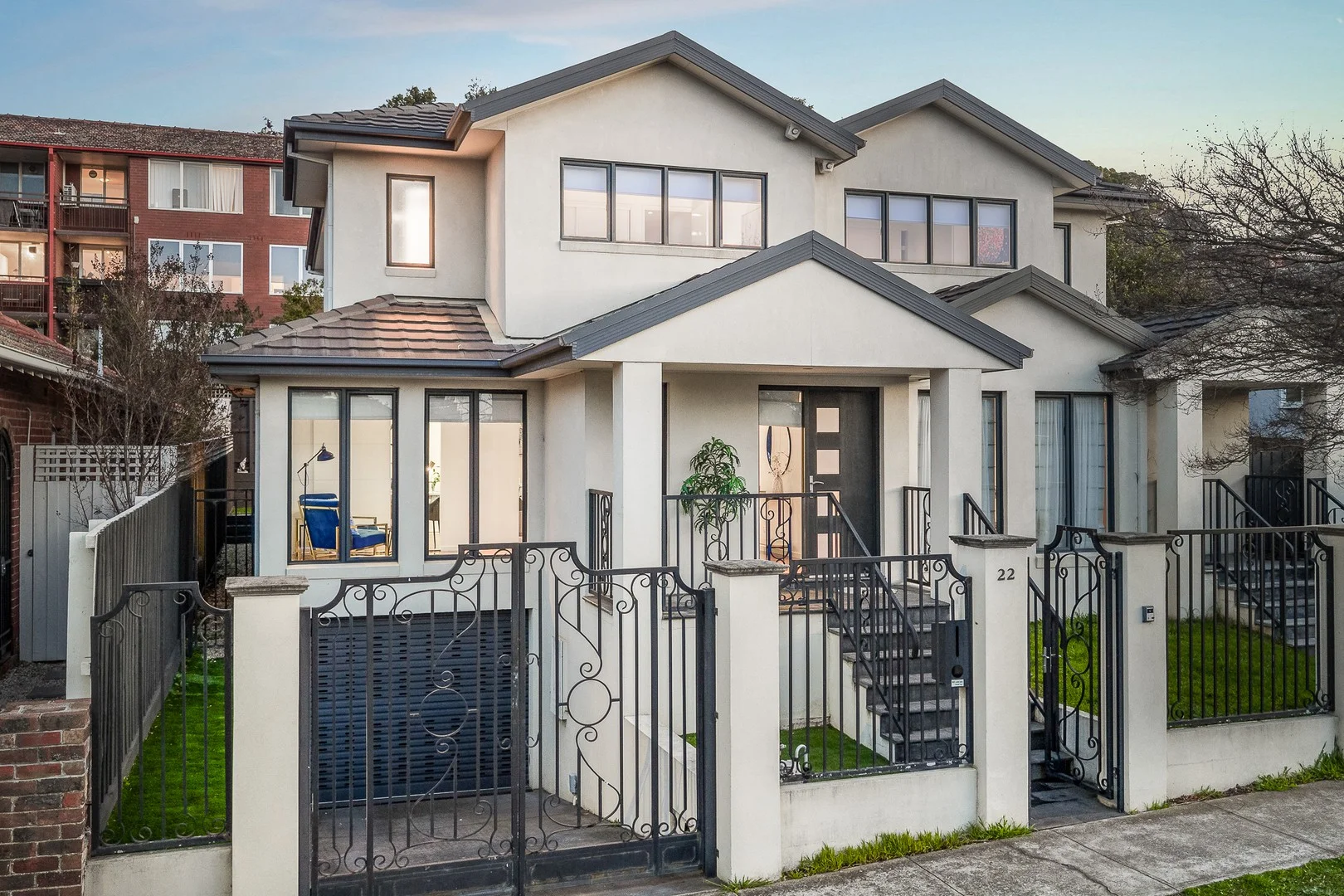 $2,390,000
Townhouse
$2,390,000
Townhouse
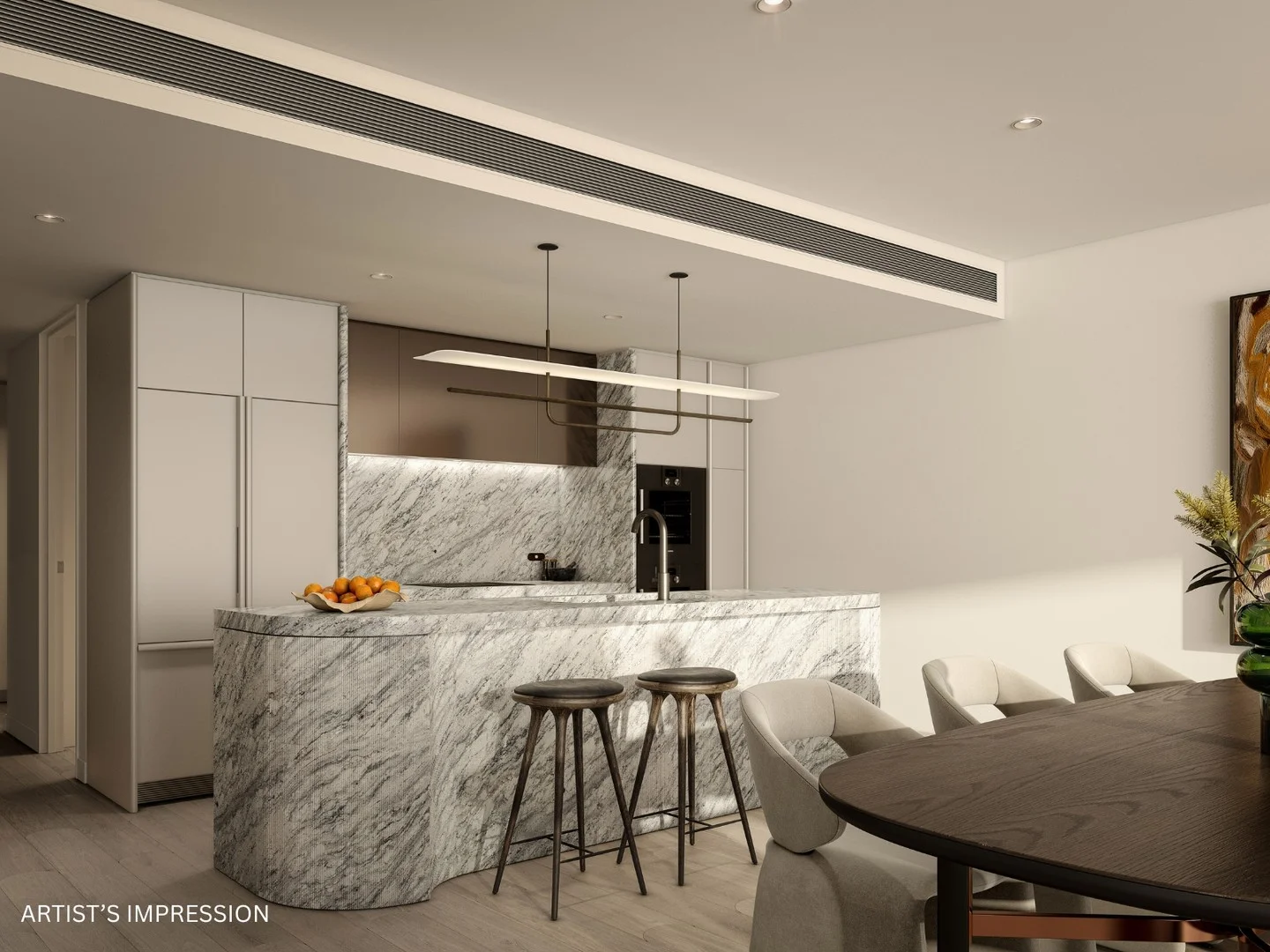 $2,900,000
Apartment / Unit / Flat
$2,900,000
Apartment / Unit / Flat
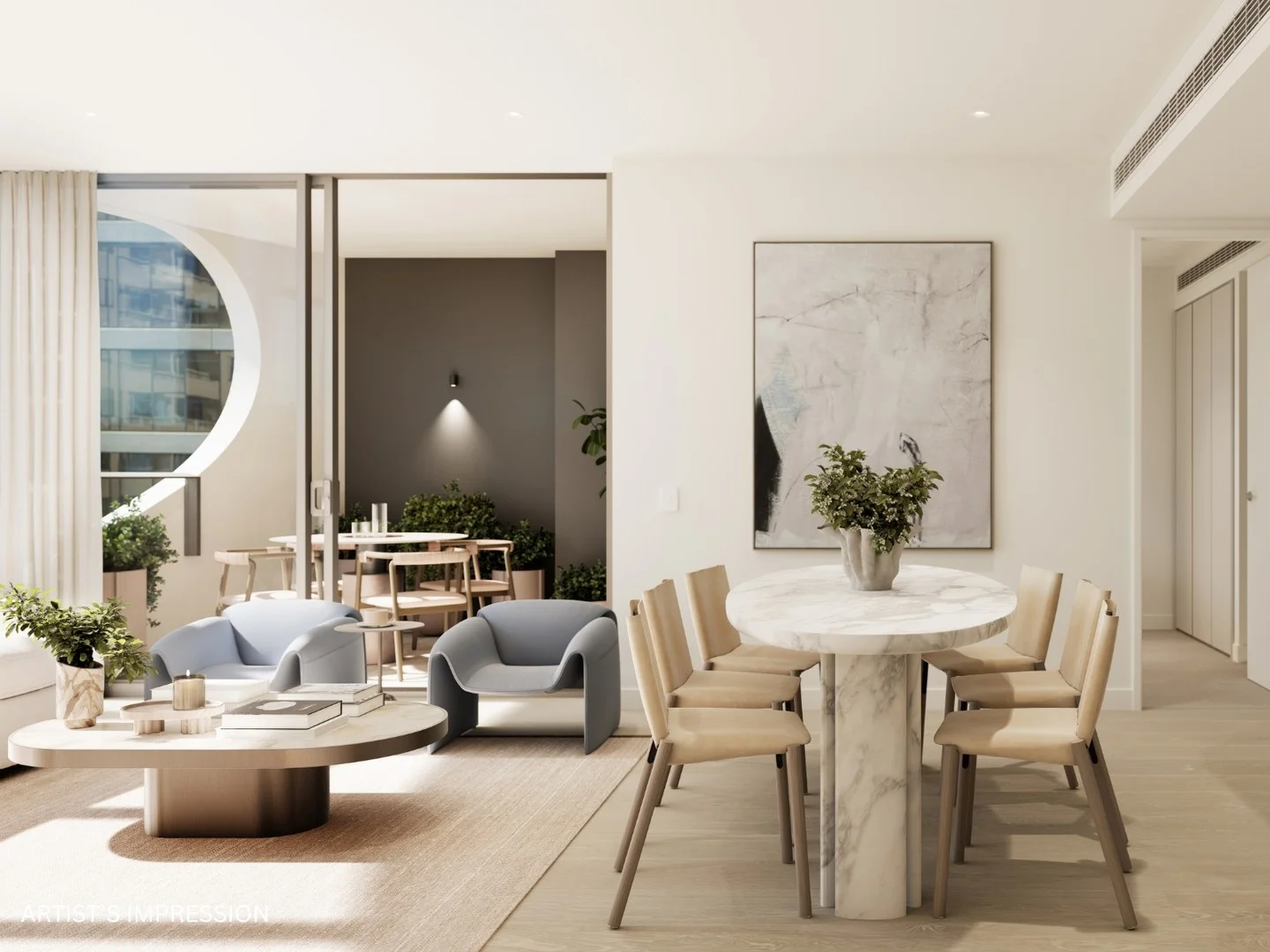 $1,640,000
Apartment / Unit / Flat
$1,640,000
Apartment / Unit / Flat
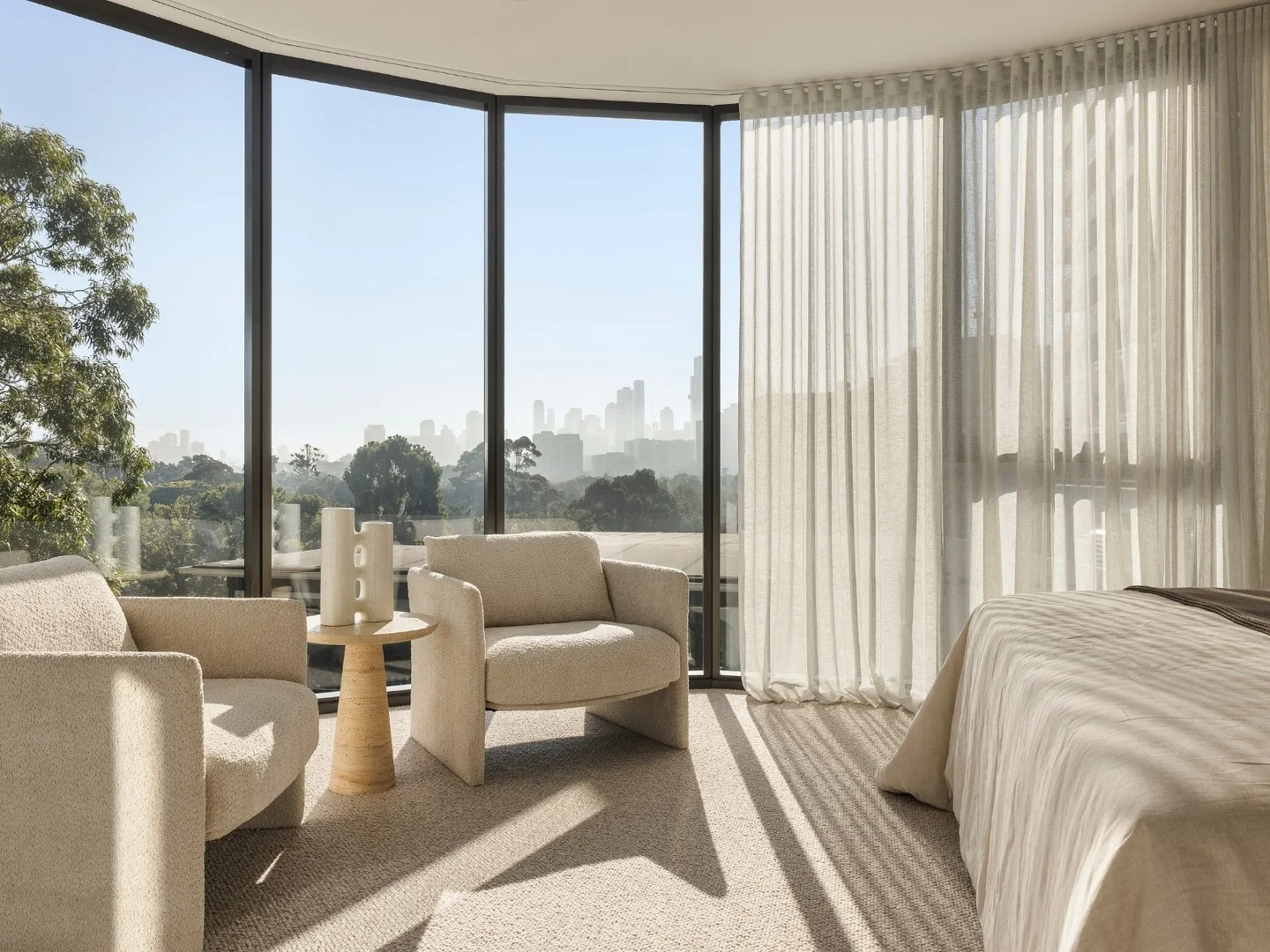 $2,750,000
Apartment / Unit / Flat
$2,750,000
Apartment / Unit / Flat
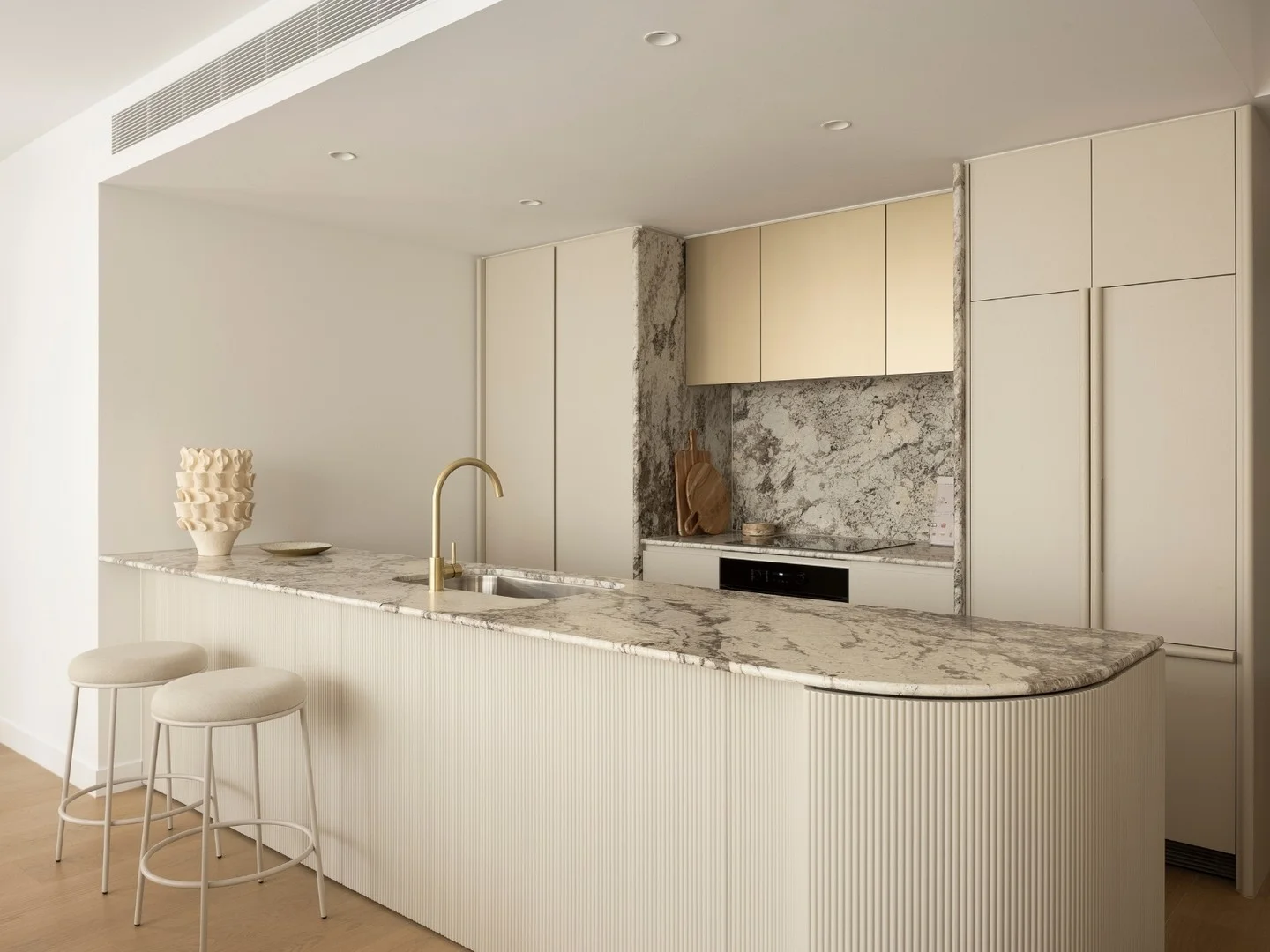 $1,345,000
Apartment / Unit / Flat
$1,345,000
Apartment / Unit / Flat
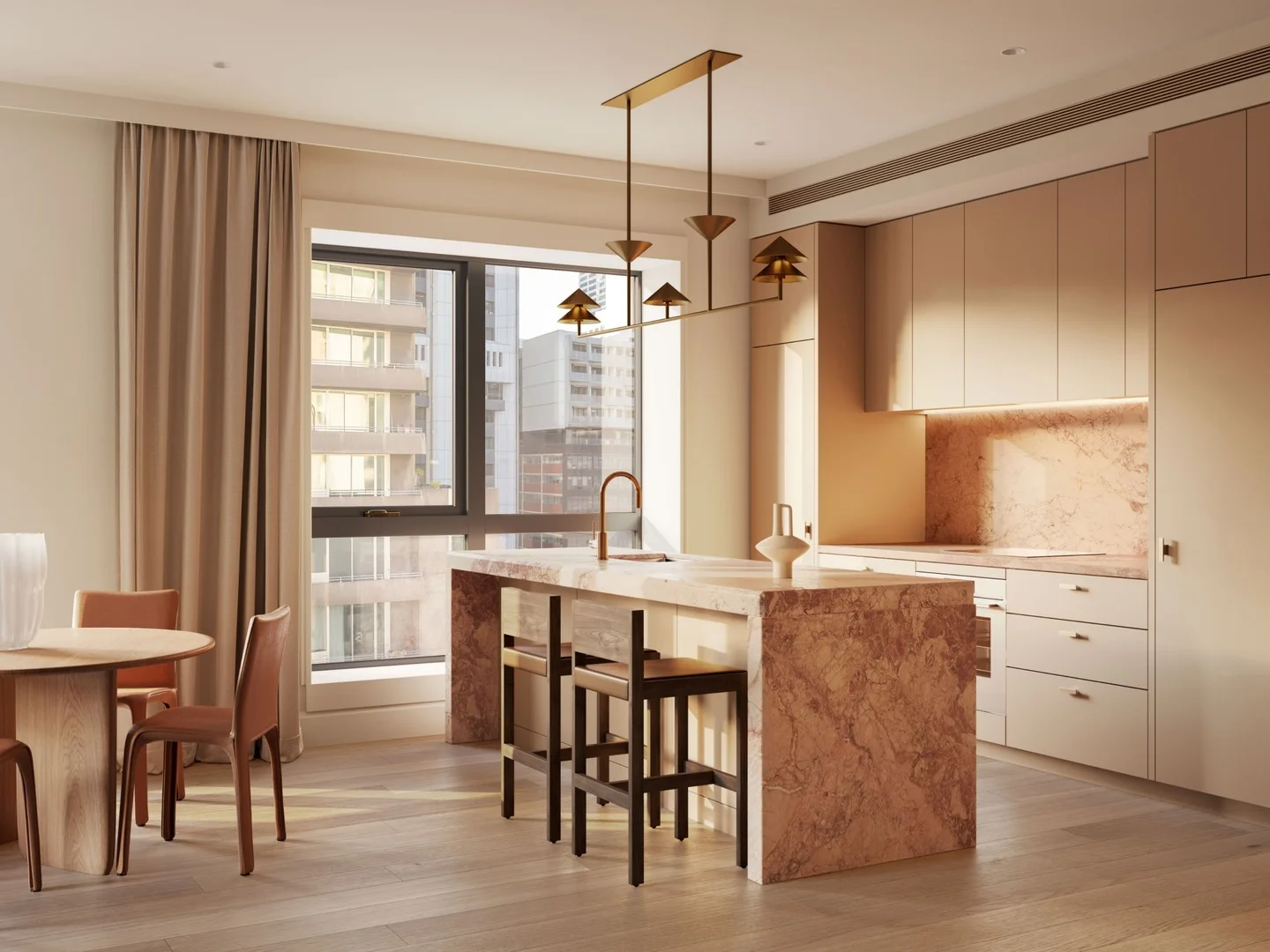 $1,760,000
propertyType.NEW APARTMENTS / OFF THE PLAN
$1,760,000
propertyType.NEW APARTMENTS / OFF THE PLAN
 $820,000
propertyType.NEW APARTMENTS / OFF THE PLAN
$820,000
propertyType.NEW APARTMENTS / OFF THE PLAN
 $1,770,000
propertyType.NEW APARTMENTS / OFF THE PLAN
$1,770,000
propertyType.NEW APARTMENTS / OFF THE PLAN
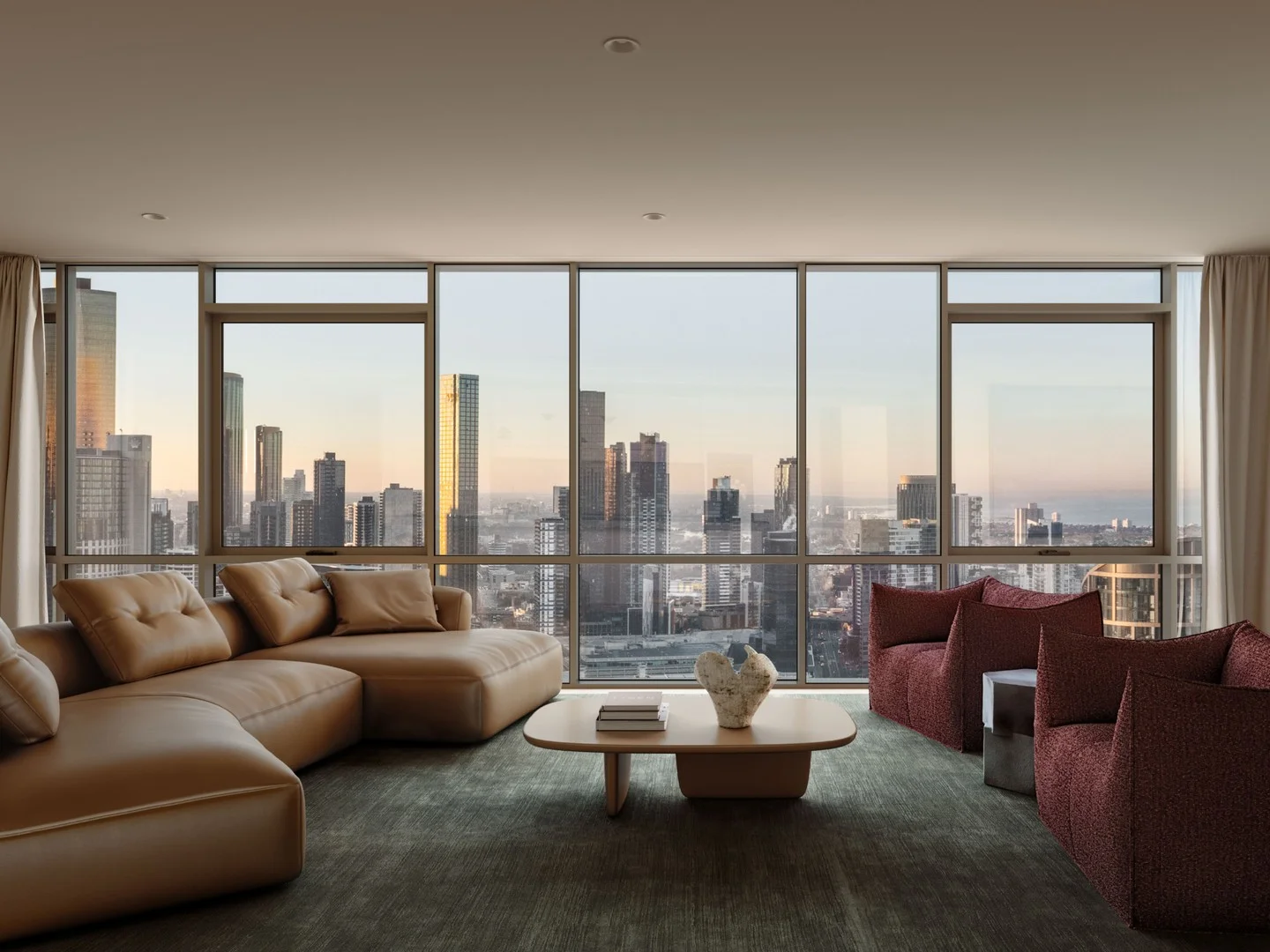 $3,700,000
propertyType.NEW APARTMENTS / OFF THE PLAN
$3,700,000
propertyType.NEW APARTMENTS / OFF THE PLAN


