Overview (1–2 paragraphs max)
Billanook College is an independent Catholic co-educational day school located in the Melbourne eastern corridor. The college offers a comprehensive education from primary through to senior secondary, with a focus on academic achievement, pastoral care, and well-rounded development. It aims to foster a supportive, inclusive community where students are encouraged to pursue excellence across academics, sport, arts and leadership.
Size-wise, the college is medium in scale, designed to balance strong teacher attention with a broad range of opportunities. Class sizes are designed to enable individual participation and personalised learning, typically in the small to mid-range for primary through to secondary cohorts. The atmosphere is described as nurturing and inclusive, with a culture that values academic effort, character development and community involvement.
Academics & Learning
- Academic strengths: STEM, English, leadership development and languages are highlighted areas, with a curriculum designed to build critical thinking, problem-solving and communication skills.
- Special programs: VCE offerings with pathways for different interests, plus gifted and talented programs and opportunities for accelerated learning where appropriate.
- Support for diverse learners: Dedicated support for EAL and SEN, inclusive education practices and targeted interventions to assist a range of learner needs.
- Sports offered: A broad roster including basketball, netball, football (AFL/soccer options), cricket, athletics, swimming and other team and individual activities.
- Strong teams or achievements: School teams regularly compete in regional events and strive for local championships; opportunities to represent the college in inter-school competitions.
- Music, arts, drama programs: Active performing arts program with choirs, ensembles and school productions; opportunities to participate in music and drama across year levels.
- Clubs: Robotics, chess, coding, debating and public speaking are typically available, supporting a blend of STEM and humanities interests.
- Partnerships: Participation in local competitions and inter-school events, with connections to regional sporting and arts communities.
Wellbeing & Pastoral Care
- Anti-bullying approach: Clear policies and restorative practices aimed at fostering respectful relationships and a safe school environment.
- House system: House structure supports student belonging, leadership opportunities and social cohesion across year levels.
- Counsellors / wellbeing officers: On-site wellbeing support to assist with personal, social and academic concerns.
- Transition support for new students: Orientation programs, buddy systems and targeted induction to help new students settle in smoothly.
Facilities
- Sports grounds: Dedicated outdoor spaces and sporting facilities to support PE and teams.
- Libraries: Well-equipped library resources to support study and leisure reading.
- Science labs: Modern laboratories for practical science learning and experiments.
- Music/performing arts centers: Facilities for rehearsals, concerts and performances.
- Tech/innovation labs: Dedicated spaces for technology, design and digital learning.
- Cafeteria: On-site canteen or dining facilities for student meals and snacks.
- Updated playgrounds: Age-appropriate play and learning spaces, including outdoor areas for breaks and informal learning.
- School values / mission: A mission grounded in Catholic education principles, focusing on respect, integrity, inclusion and service.
- Leadership style: Distributed leadership with opportunities for student voice and leadership roles across year levels.
- Behaviour expectations: Clear codes of conduct and consistent expectations, reinforced through pastoral care and positive discipline.
- Community reputation: Known for a supportive community with active parent involvement and partnerships with local organisations.
- Diversity & inclusion: Commitment to welcoming students from diverse backgrounds and providing inclusive opportunities for participation and achievement.
School Logistics & Daily Operations
- School hours: Generally a finished day in the mid-afternoon, with start times typical of primary and secondary timetables; before/after care commonly available.
- Before/after school care: Available to support families with extended schedules.
- Uniform requirements: Standard school uniform with seasonal options; sports uniform for physical education and activities.
- Transport (train/bus routes): Access via local public transport options and regional bus services; school transport arrangements or recommendations may be available.
- Canteen availability: Canteen or lunch program available on-site.
- Fees (low/medium/high ranges): Fees fall in the independent school range (mid-to-high relative to government schools); details vary by year level and program.
Enrolment & Admissions
- What is the enrolment process and timeline?
- Typical steps: Submit an application, provide requested school reports, and participate in interviews or information sessions. There may be a formal enrolment period with timelines spanning several months from expression of interest to offer.
- Is there a waiting list, and how does it work?
- Waiting lists are common for popular year levels. The process generally involves an application and placement in the queue, with offers made as spaces become available.
- Are there any entry requirements, tests, or interviews?
- Entry often includes an interview and review of prior academic records; some year levels may include related assessments or preparatory tasks. English or literacy checks may be part of the process.
- Does the school accept mid-year transfers?
- Mid-year transfers may be possible subject to available places and submission of required documentation (transcripts, reports, and compliance with enrolment procedures).
Frequently Asked Questions
- Why Parents Choose This School?
- A supportive Catholic, values-driven environment with a balance of academics, sport, arts and community involvement; strong pastoral care and student support.
- What type of student thrives at this school?
- Students who engage across multiple areas, value teamwork and leadership, and respond well to a structured, inclusive learning environment.
- What opportunities are available for students to extend their skills (academics, sports, arts)?
- Access to advanced coursework and pathways (e.g., VCE), leadership programs, sports teams, arts ensembles and clubs such as robotics, coding and debating.
- How does the school communicate with parents?
- Regular updates via newsletters, parent portals, app notifications and scheduled parent-teacher meetings; additional communications through events and information sessions.
- What is the school’s approach to teaching and learning?
- A focus on personalised learning, inquiry-based and collaborative approaches, with support for diverse learners and ongoing assessment to guide instruction.
- How does the school support students who need extra academic help?
- Targeted interventions, SEN support, EAL assistance and access to learning support staff and mentors.
- What support is available for academic challenges?
- Diagnostic reviews, tailored learning plans, tutoring or small-group support, and collaboration with families to track progress.
- How does the school communicate with parents? (Duplicate)
- See above.
- What extracurricular and sports opportunities are available?
- A broad range including sports teams, music ensembles, theatre, robotics, chess, coding and debating clubs.
- What facilities does the school offer (sports, science, arts)?
- Comprehensive facilities across sports, libraries, science labs, performing arts spaces and technology labs.
- What is the school’s approach to technology and digital learning?
- Integration of technology into learning with digital tools and resources to support modern teaching methods and 21st-century skills.
- What transport and accessibility options are available?
- Access via local public transport and school-provided or recommended transport options; information available on request.
- What are the typical school fees or additional costs?
- Fees fall within the independent-school range; specifics vary by year level and chosen programs.
Short Pros & Cons list
- Independent Catholic environment with strong pastoral care and inclusive culture
- Broad range of academics, sports, arts and leadership opportunities
- Support for diverse learners and a focus on student well-being
- Active community with family involvement and partnerships
- Fees are in the independent-school range (higher than government schools)
- Competition for some year levels might lead to waiting lists
- Transport logistics depend on local services and may require planning
- Scheduling for a broad program can sometimes mean busier calendars for families

 Free
Free










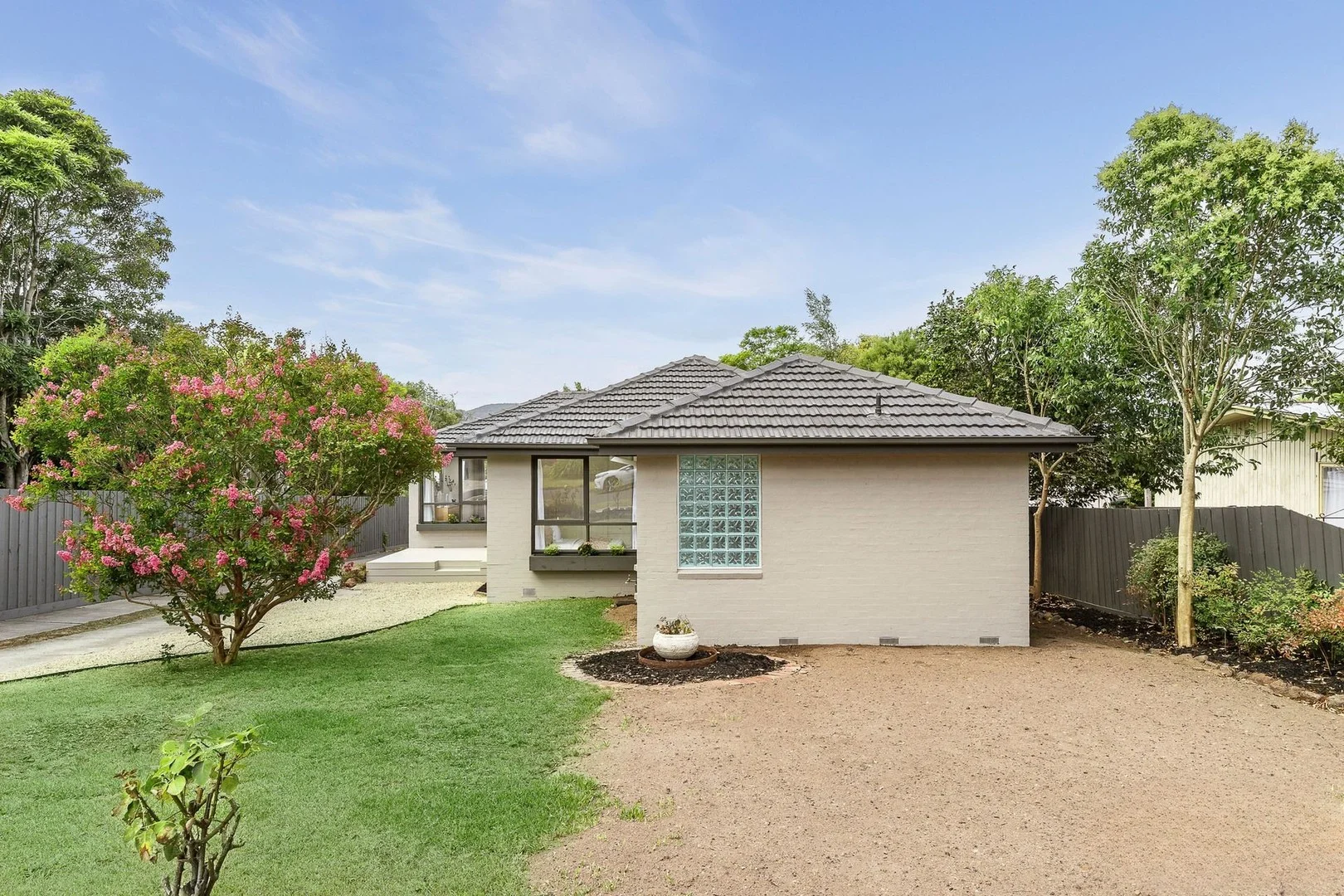
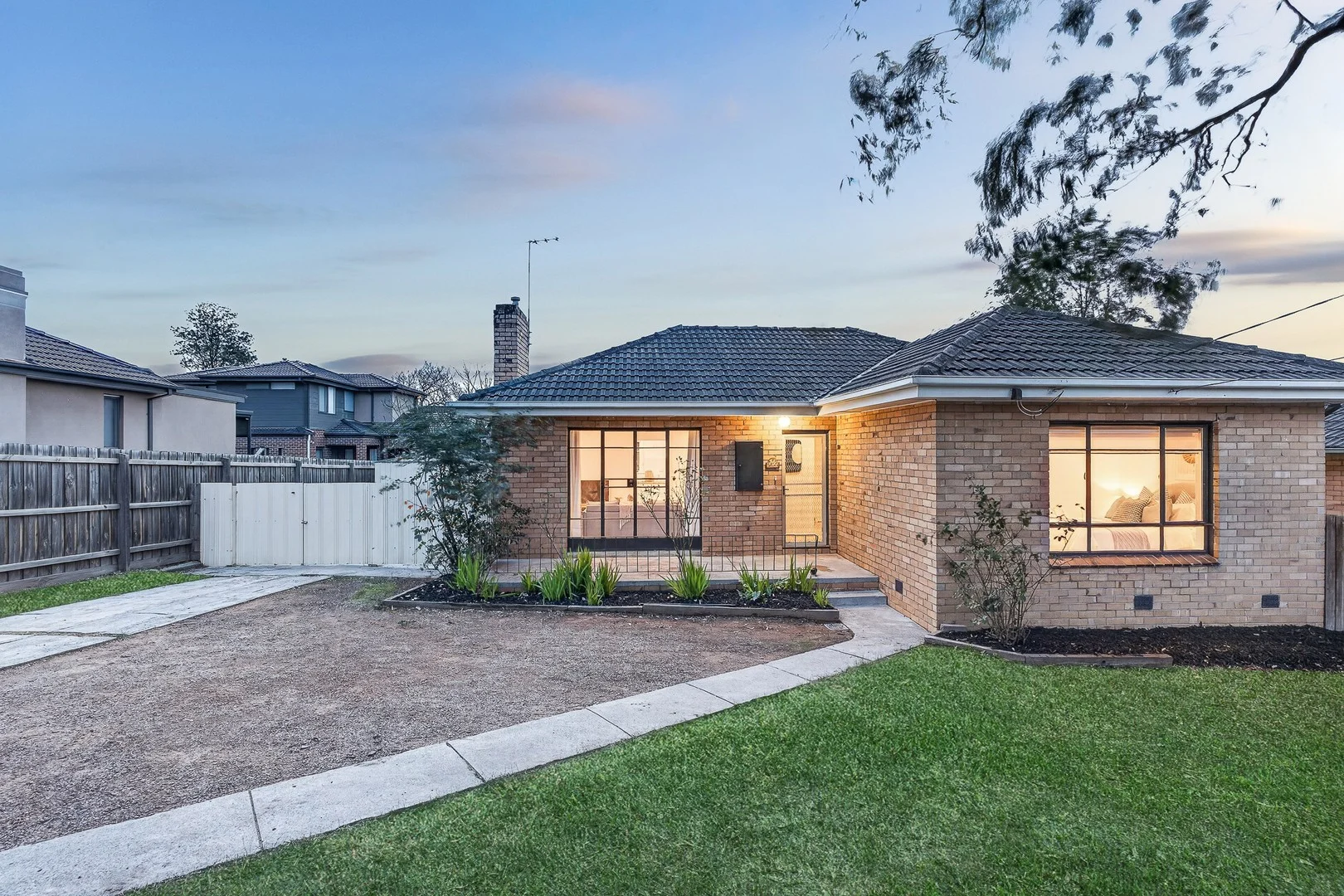 $720,000 - $780,000
House
$720,000 - $780,000
House
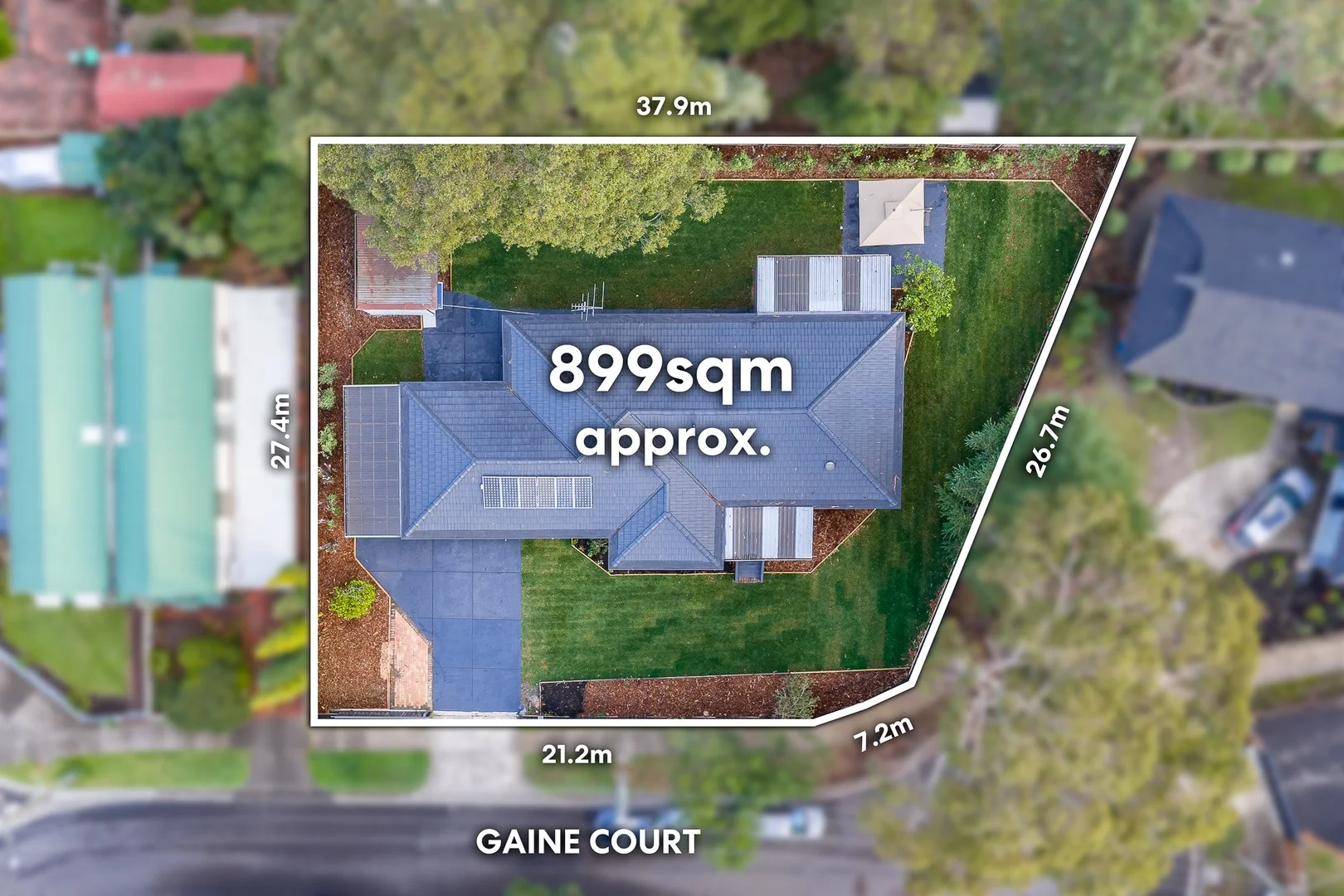 $990,000 - $1,080,000
House
$990,000 - $1,080,000
House
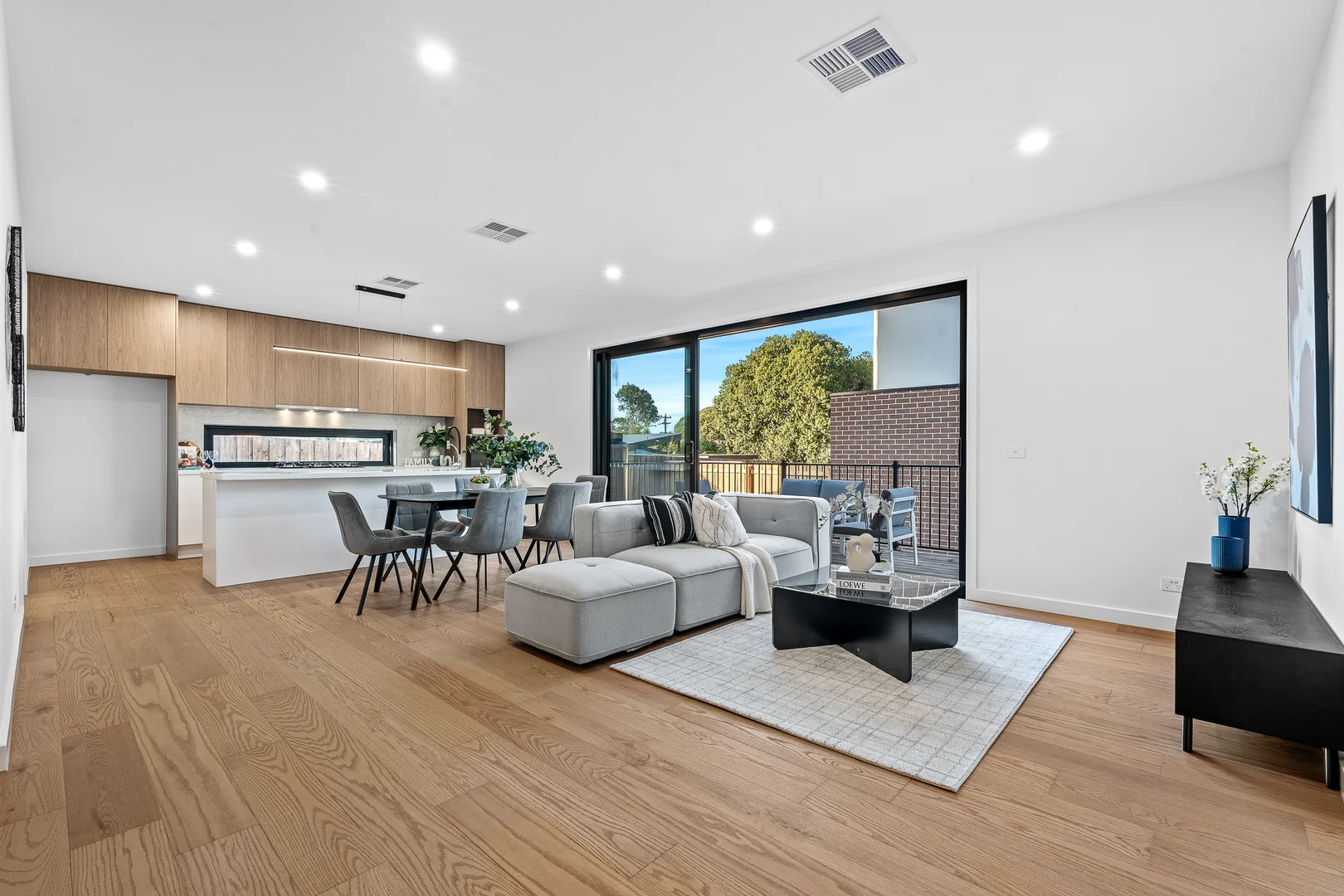 $990,000 - $1,080,000
Townhouse
$990,000 - $1,080,000
Townhouse
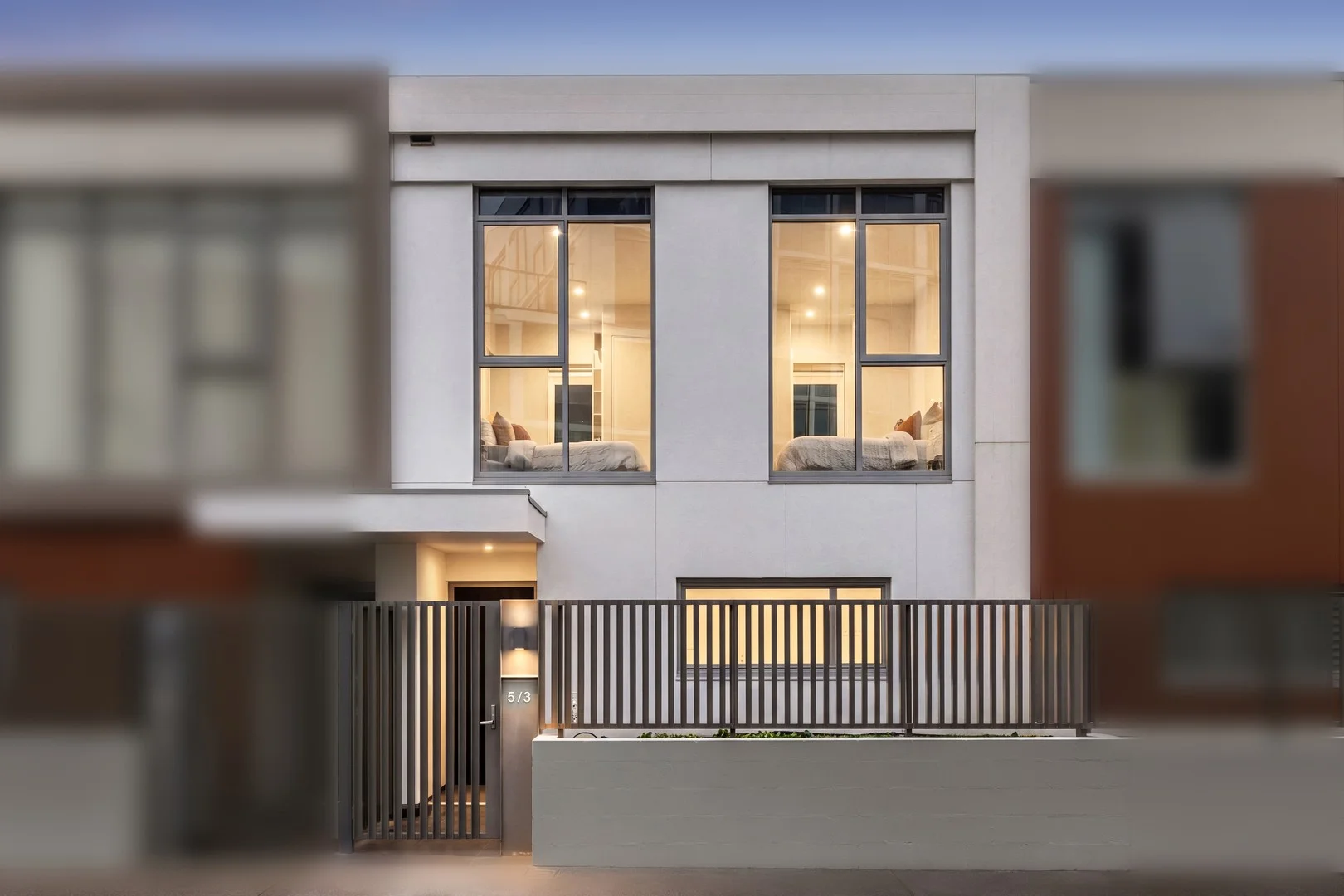
 $700
Apartment / Unit / Flat
$700
Apartment / Unit / Flat
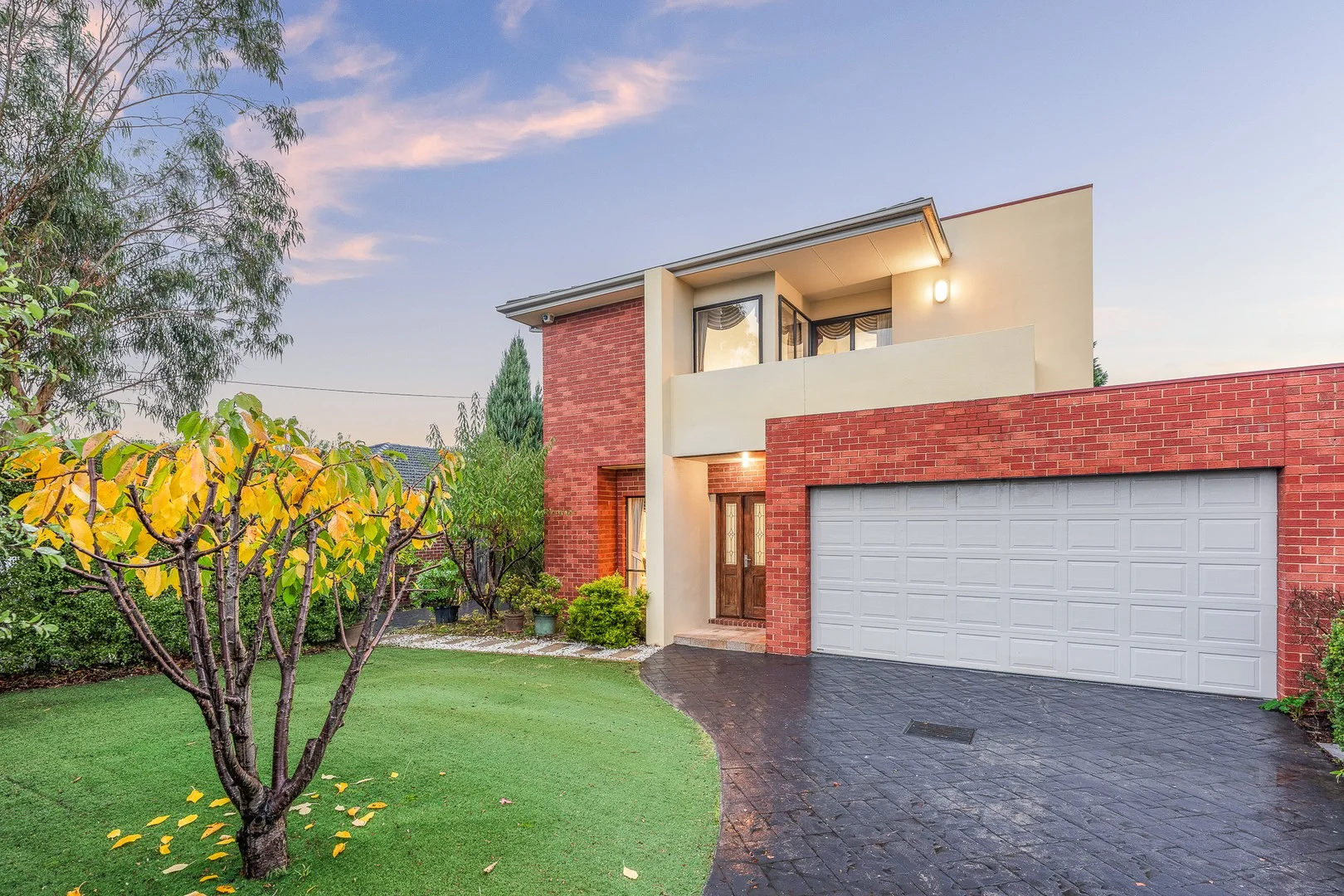
 $620,000 - $680,000
Townhouse
$620,000 - $680,000
Townhouse
 $1,300,000
House
$1,300,000
House
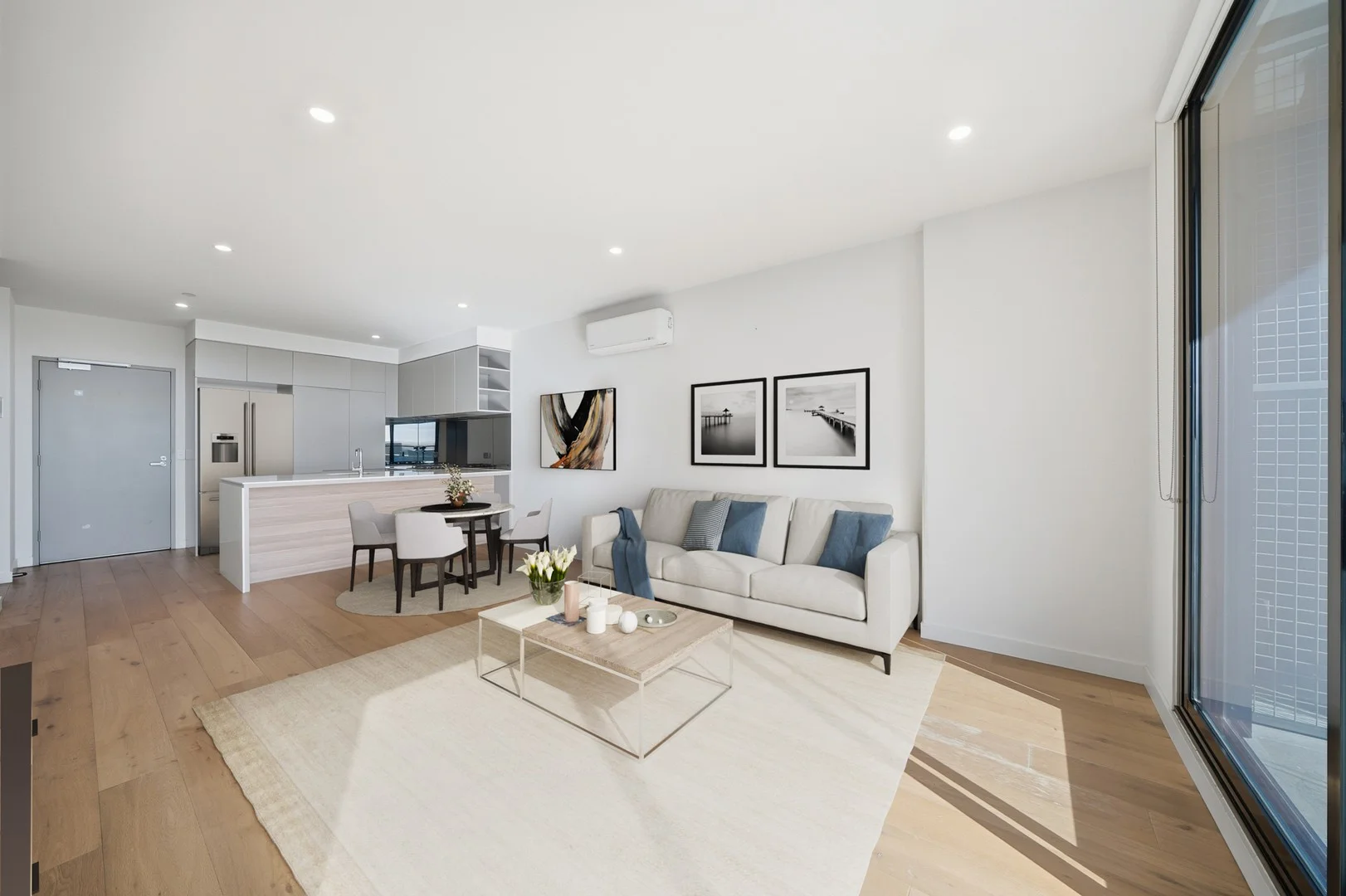
 $1,150,000 - $1,250,000
Townhouse
$1,150,000 - $1,250,000
Townhouse
 $500,000 - $550,000
Apartment / Unit / Flat
$500,000 - $550,000
Apartment / Unit / Flat


