1. Overview
Waraburra State School is a public Queensland state primary school serving families in Gracemere and the surrounding community. The school is medium-sized, focusing on a balanced program that supports both academic development and active participation in sport and culture. Class sizes are typically in the 20s, allowing teachers to give students individual attention within a supportive, community-oriented environment.
The atmosphere at Waraburra State School is inclusive and nurturing, with an emphasis on respect, teamwork and personal growth. Students are encouraged to pursue their interests in a range of academic and extra-curricular activities, helping to build confidence and a positive school culture.
⸻
2. Academics & Learning
- Academic strengths: English literacy and mathematics are core focus areas, with emphasis on STEM and digital literacy to prepare students for the modern classroom. Leadership opportunities and enquiry-based learning also feature across the year levels.
- Special programs: Gifted and Talented/enrichment opportunities are available to eligible students, along with targeted literacy and numeracy support to help students reach their potential.
- NAPLAN trends: Recent years show steady or improving trends in reading and writing, with sustained progress in numeracy through targeted intervention and teaching strategies.
- Student-teacher ratios: Roughly 1 teacher for every 20–25 students, enabling actionable teacher support in classrooms.
- Support for diverse learners: Strong inclusion supports, including EAL/D assistance and SEN services, to help all students access the curriculum effectively.
⸻
3. Sports & Extracurricular Strengths
- Sports offered: Netball, cricket, rugby league, football (soccer), basketball, athletics, swimming, and tennis are commonly available, with opportunities to represent the school in district-level events.
- Strong teams or achievements: Interschool and district-level teams frequently compete, with a focus on teamwork, effort and fair play.
- Music, arts, drama programs: School bands or choirs, music literacy and drama/performing arts activities are part of the school program, including occasional productions.
- Clubs: Robotics, coding, chess and debating clubs are encouraged to foster problem-solving and critical thinking beyond the classroom.
- Partnerships: Connections with local sporting clubs and regional competitions provide additional opportunities for skill development and competition.
⸻
4. Wellbeing & Pastoral Care
- Anti-bullying approach: A proactive, whole-school approach emphasises positive behaviours, respectful relationships and restorative practices to resolve issues.
- House system: The school typically uses a house system to foster belonging and healthy competition through regular inter-house events.
- Counsellors / wellbeing officers: Access to guidance/counselling and wellbeing staff supports students’ social-emotional needs and resilience.
- Transition support for new students: Orientation sessions, buddy programs and transition plans help new students settle in smoothly.
⸻
5. Facilities
- Sports grounds: Ample outdoor spaces and sports facilities support physical education and after-school activities.
- Libraries: A well-equipped library supports reading and research across year levels.
- Science labs: Dedicated science spaces enable hands-on experiments and practical investigations.
- Music/performing arts centers: For music classes, rehearsals and small performances.
- Tech/innovation labs: Computer and technology spaces support digital learning and coding activities.
- Cafeteria: On-site canteen or cafeteria provides children with healthy meal options.
- Updated playgrounds: Modern, safe playground and outdoor learning areas complement classroom learning.
⸻
6. School Values & Community Culture
- School values / mission: A focus on respect, responsibility, inclusivity and striving for personal best underpins daily life and expectations.
- Leadership style: Leadership opportunities exist for students and staff, with a culture that values student voice and collaborative decision-making.
- Behaviour expectations: Clear behaviour guidelines promote positive conduct, with consistent reinforcement of respectful, safe and responsible behaviours.
- Community reputation: The school is known for its supportive community involvement and emphasis on holistic development for students.
- Diversity & inclusion: The school supports a diverse student body and strives to create an inclusive environment where all students can thrive.
⸻
7. School Logistics & Daily Operations
- School hours: Typical school day runs from the morning start through to mid/late afternoon; exact times are published by the school and may vary by year level.
- Before/after school care: OSHC or other outside-school-care options are available to families.
- Uniform requirements: School uniform is required, with sports uniform for PE; details and suppliers are provided by the school.
- Transport (bus routes): Public and school bus services connect Gracemere and surrounding areas to the school.
- Canteen availability: An on-site canteen or lunch program is available on most school days.
- Fees (low/medium/high ranges): As a public school, there is no tuition, with costs primarily related to book packs, voluntary contributions and any approved excursions or activities.
⸻
8. Enrolment & Admissions
11. What is the enrolment process and timeline?
- Parents apply through the Department of Education processes for Queensland state schools. You’ll typically need identification, proof of address, immunisation records and enrolment documentation. After submission, the school will confirm eligibility, provide a placement timeline and may invite you to an orientation or information session.
12. Is there a waiting list, and how does it work?
- Some year levels may have limited vacancies. If a year level is full, you may be placed on a waiting list. The school will communicate expected timelines and any required next steps as vacancies arise.
13. Are there any entry requirements, tests, or interviews?
- For primary enrolments in Queensland state schools, there are usually no entrance tests or interviews. Documents and immunisation records are requested, and placement is based on eligibility and available places.
14. Does the school accept mid-year transfers?
- Yes, mid-year transfers can be possible if there are available places. You’ll need to work with the school to arrange transfer of records and confirm start dates.
⸻
9. Frequently Asked Questions
- Why Parents Choose This School?
- Waraburra State School offers a supportive, inclusive environment with a focus on both academics and wellbeing, strong community connections and a range of extracurricular opportunities.
- What type of student thrives at this school?
- Students who engage in a balanced approach to learning, enjoy teamwork, and participate in sports, arts or clubs tend to thrive here.
- What opportunities are available for students to extend their skills (academics, sports, arts)?
- Enrichment programs, Gifted and Talented opportunities, STEM and coding clubs, robust sports teams, music and drama programs, and inter-school competitions.
- How does the school communicate with parents?
- Regular updates via newsletters, emails, the school website, and parent-teacher meetings; information about events and notices is shared to keep families informed.
- What is the school’s approach to teaching and learning?
- A blended approach that includes evidence-based literacy and numeracy instruction, inquiry-based learning, and targeted support to meet diverse needs.
- How does the school support students who need extra academic help?
- Targeted literacy and numeracy support, small-group instruction, and access to specialists (SEN support, EAL/D, guidance and wellbeing staff).
- What support is available for academic challenges?
- Early intervention, progress monitoring, and adjustments to instructional strategies and workloads to help students catch up or accelerate.
- How does the school communicate with parents? (Note: repeated question)
- See above: newsletters, emails, the school website, parent-teacher meetings, and ongoing channels for feedback.
- What are the class sizes and how much individual attention do students receive?
- Class sizes are typically in the 20s, with teachers able to provide targeted support and feedback during class and through small-group activities.
- What extracurricular and sports opportunities are available?
- A range of sports (netball, cricket, rugby league, football, basketball, athletics, swimming, tennis), plus clubs in robotics, coding, chess and debating, and music/drama programs.
- What facilities does the school offer (sports, science, arts)?
- Sports grounds, libraries, science labs, music/arts spaces, tech/innovation labs, a cafeteria and well-maintained playgrounds.
- What is the school’s approach to technology and digital learning?
- Digital literacy and coding are integrated into learning; students use technology for research, science, coding and creative projects.
- What transport and accessibility options are available?
- Bus services and local transport links connect the school with Gracemere and surrounding areas; the school provides information on routes and access.
- What are the typical school fees or additional costs?
- Public schooling involves no tuition fees; costs relate to book packs, voluntary contributions, and approved excursions or materials.
⸻
10. Short Pros & Cons list
Pros
- Supportive, inclusive school culture with strong community ties
- Balanced focus on academics, wellbeing and extracurriculars
- Range of clubs and sports, including STEM and creative programs
- Access to dedicated staff for literacy, numeracy and student wellbeing
- Modern facilities and safe, welcoming learning environments
Cons
- Class sizes, while typical for the area, may still feel large for some families
- Availability of some programs may vary by year level or term
- Mid-year transfers depend on vacancies and may require some waiting
- Transport times and routes depend on family location and bus availability
⸻


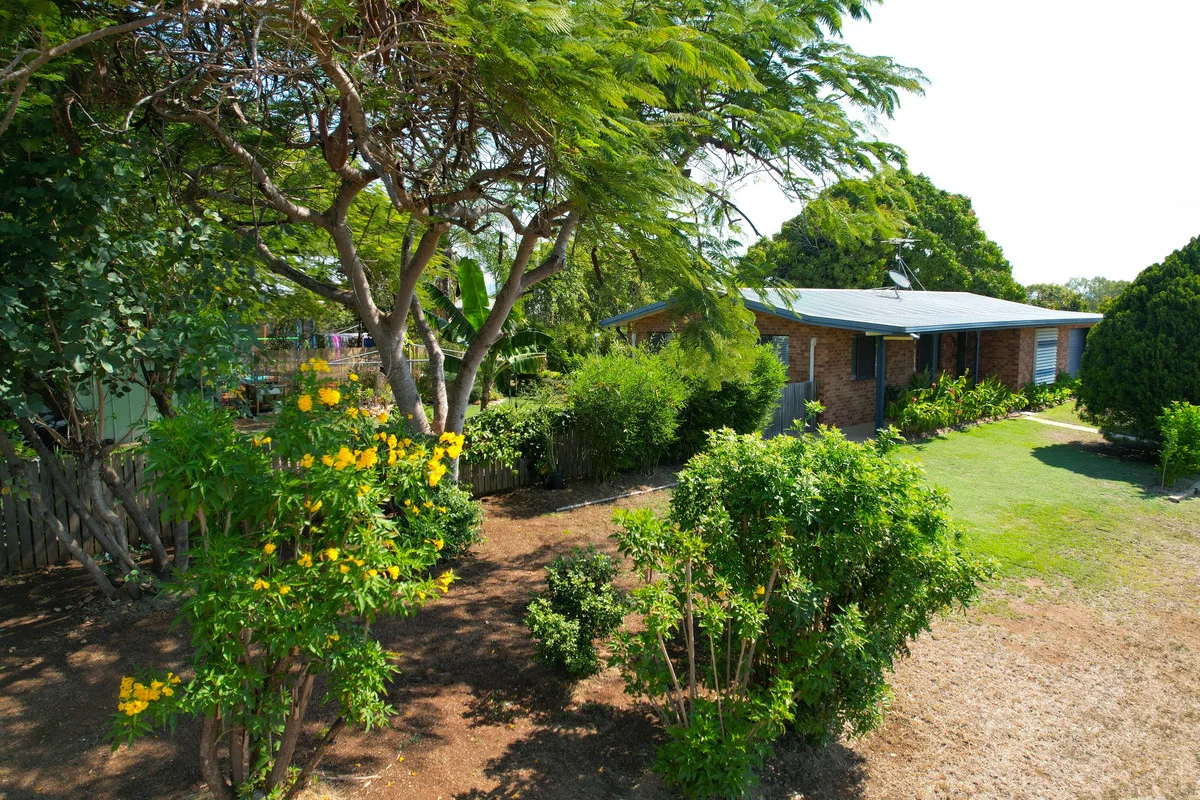 $550,000 - $577,500
House
$550,000 - $577,500
House
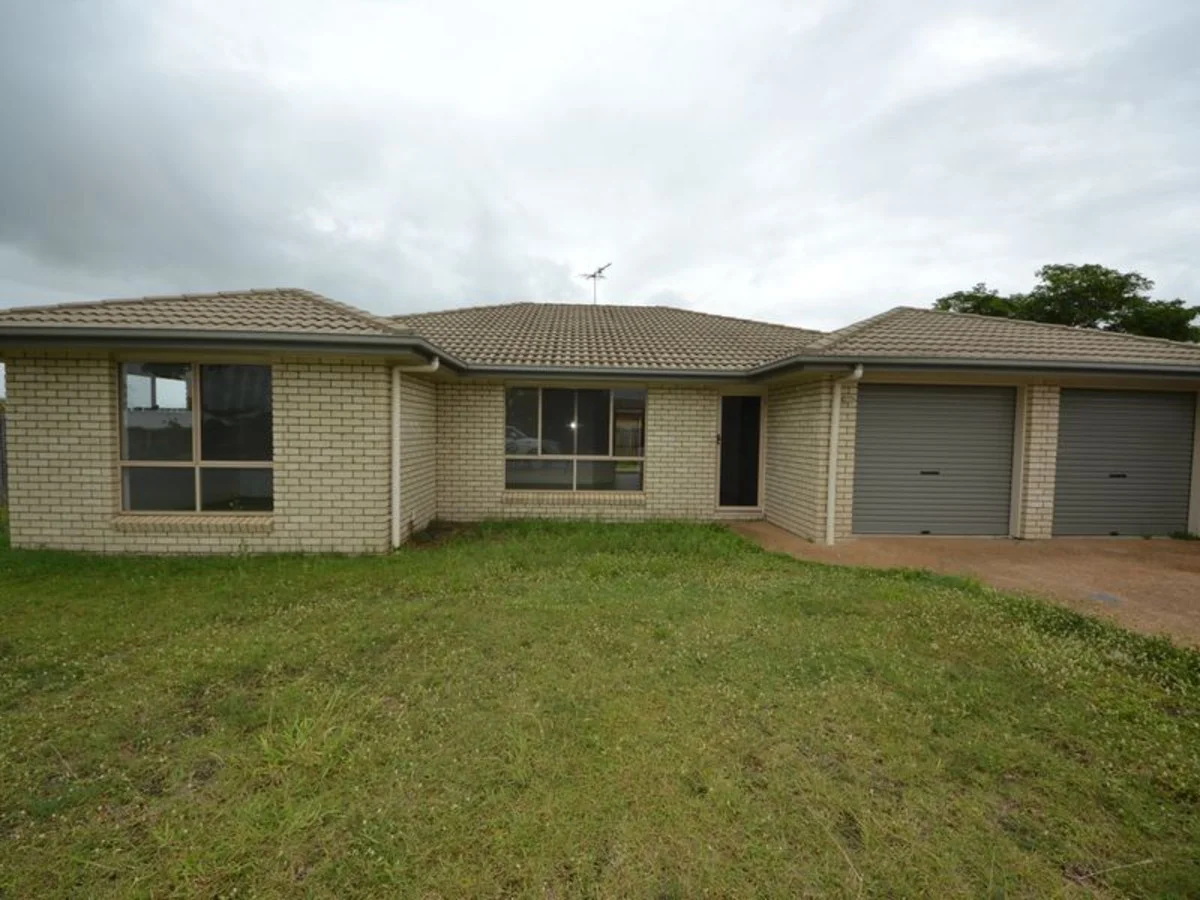 $640
House
$640
House
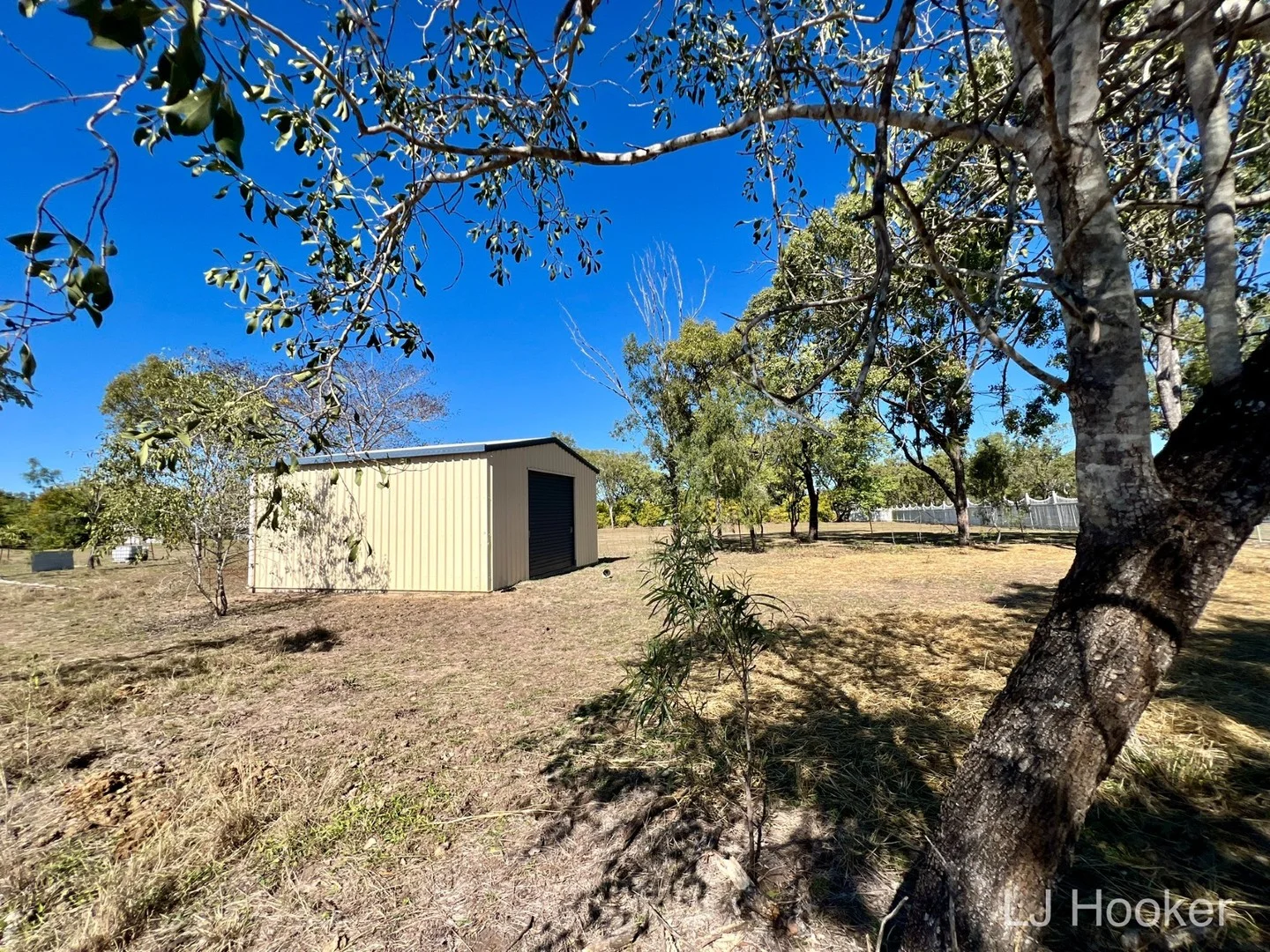 $565,250
Vacant Land
$565,250
Vacant Land
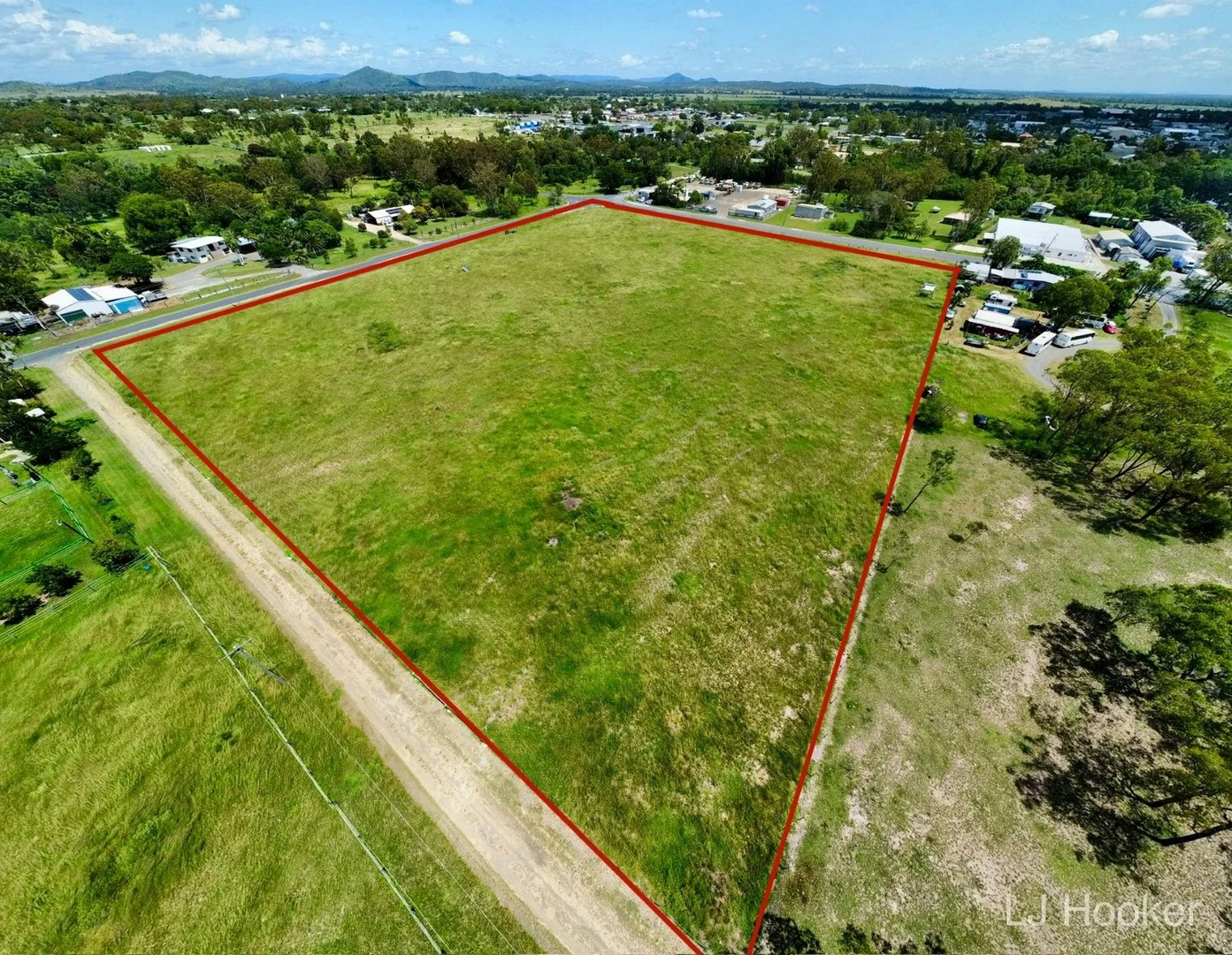 $680,000
Vacant Land
$680,000
Vacant Land
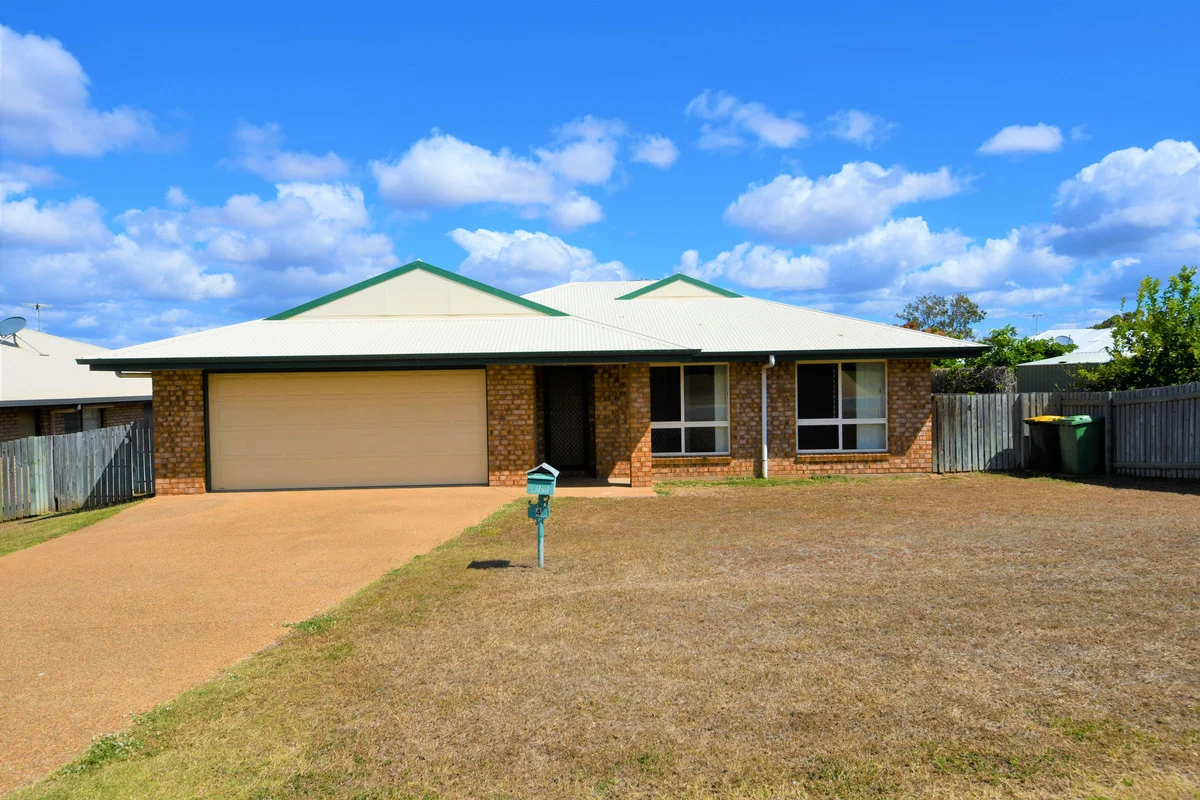 $600
House
$600
House
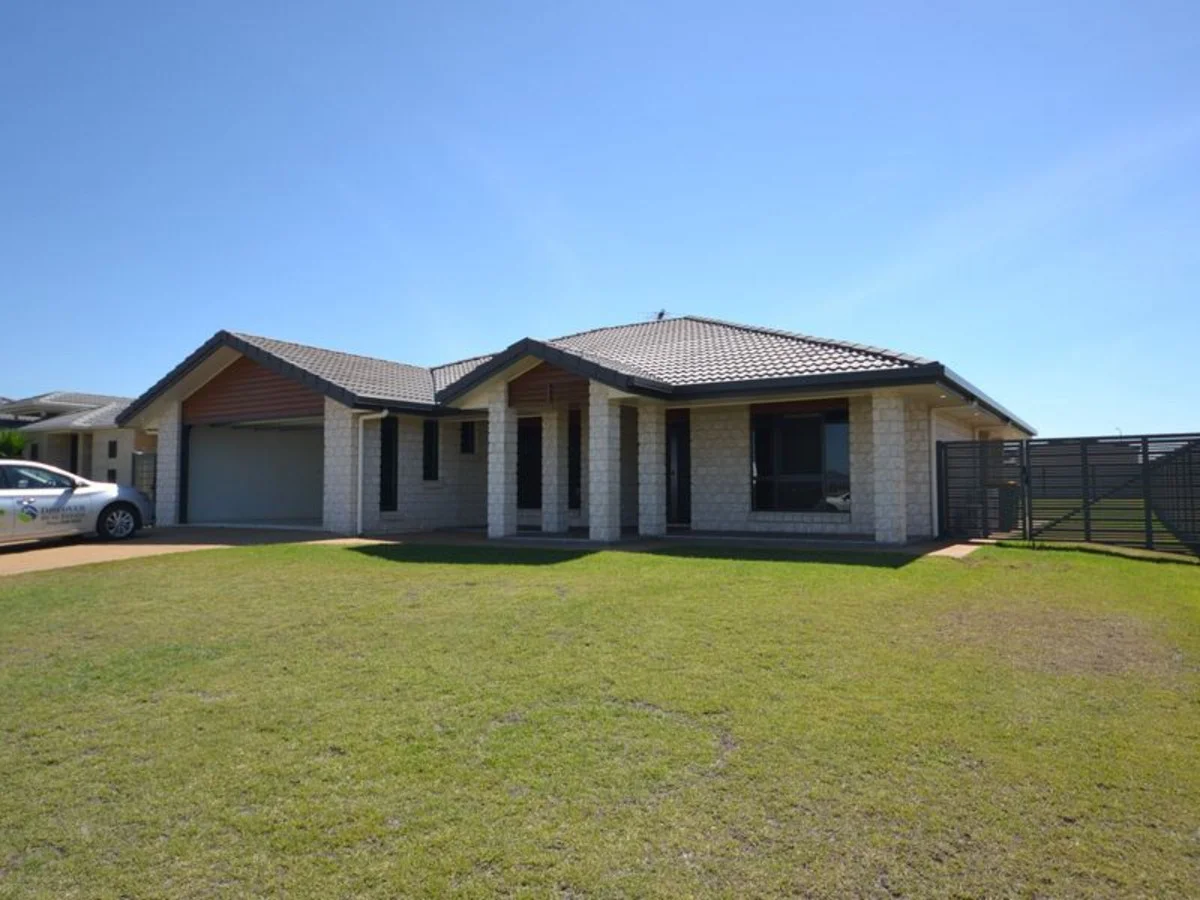 $680
House
$680
House
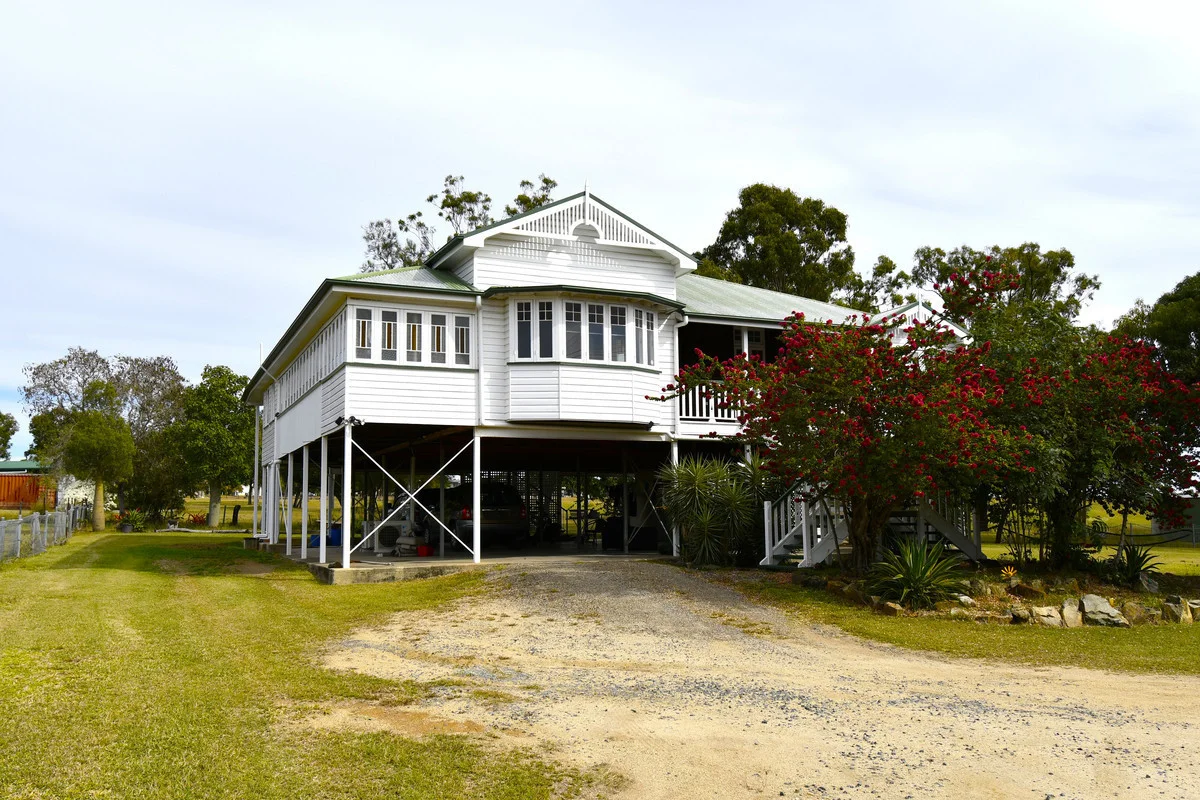 $550
House
$550
House
 $530
House
$530
House
 $550
House
$550
House