## Overview
Port Curtis Road State School is a public primary school serving families in the Port Curtis area of Gladstone. As a government school, it provides core Australian National Curriculum learning for students typically from Prep to Year 6. The school aims to be inclusive and community-focused, offering a nurturing environment where students can build foundational skills and grow socially.
The school size is small-to-medium for a primary setting, with class sizes generally aligned to Queensland state norms. The atmosphere is described by many families as welcoming and supportive, with an emphasis on belonging, teamwork, and student wellbeing.
⸻
## Academics & Learning
- Academic strengths: core literacy and numeracy are prioritized, with opportunities to engage in STEM activities, digital literacy, and cross-disciplinary projects. English and mathematics are central to the daily learning program.
- Special programs: Queensland state schools often offer targeted supports (e.g., gifted and talented pathways where available) and accelerated or enrichment opportunities; language and arts programs may be integrated depending on staffing and funding.
- NAPLAN / trends: as a public primary school, NAPLAN data are published at the state level and trends can be reviewed publicly for reading, writing, spelling, grammar, and numeracy. For the most current trends, check the latest Department of Education summaries.
- Student-teacher ratios: class sizes and teacher presence align with state norms for primary schools; the school aims to provide access to teachers who support learning across year levels.
- Support for diverse learners: there is typically support for diverse learners, including English as an Additional Language/Dialect (EAL/D) assistance and Learning Support/Special Education Program (SEN) offerings where available, with intervention and inclusion strategies.
⸻
## Sports & Extracurricular Strengths
- Sports offered: core school sport and physical education programs, with opportunities for interschool and intra-school competition in common primary activities (e.g., athletics, ball games, swimming as appropriate to the term and facilities).
- Strong teams or achievements: school participation in local and regional events provides chances for team involvement; outcomes vary year to year.
- Music, arts, drama programs: there are typically music and performing arts opportunities to develop creativity alongside general art activities.
- Clubs: robotics, chess, coding, and debating are commonly explored through school clubs or lunchtime programs where available.
- Partnerships: the school may partner with local sports clubs, community groups, or regional competitions to broaden opportunities for students.
⸻
## Wellbeing & Pastoral Care
- Anti-bullying approach: schools commonly implement whole-school wellbeing programs and clear anti-bullying guidelines to promote respectful behavior.
- House system: many Queensland primary schools operate a house system to foster teamwork, leadership, and healthy competition.
- Counsellors / wellbeing officers: access to a school wellbeing staff member or guidance professional is typically available to support students’ emotional and social needs.
- Transition support for new students: programs and staff support help new students settle into the school community, including orientation processes and buddy systems.
⸻
## Facilities
- Sports grounds
- Libraries
- Science labs
- Music/performing arts centers
- Tech/innovation labs
- Cafeteria
- Updated playgrounds
⸻
## School Values & Community Culture
- School values / mission: a focus on respect, responsibility, resilience, and inclusion is common, with explicit expectations around positive behavior and student citizenship.
- Leadership style: leadership tends to be collaborative, with opportunities for student voice through clubs, leadership roles, and student council activities where offered.
- Behaviour expectations: clear codes of conduct and consistent routines help maintain a safe and orderly environment.
- Community reputation: as a local public school, it often relies on strong parent and community partnerships and a reputation for being welcoming and supportive.
- Diversity & inclusion: the school aims to foster an inclusive environment that respects and supports students from diverse backgrounds and abilities.
⸻
## School Logistics & Daily Operations
- School hours: the day typically runs within the standard primary schedule, with a morning session, lunch break, and afternoon session.
- Before/after school care: after-school care options are commonly available through school or local providers.
- Uniform requirements: a government primary school uniform is standard, with guidelines on daily wear and any event-specific attire.
- Transport (bus routes): school bus services or public transport options serve many families, with stop locations coordinated to catchments and routes.
- Canteen availability: a canteen or lunch program is commonly available on designated days.
- Fees (low/medium/high ranges): as a public school, there are no tuition fees; families may encounter voluntary contributions, charges for certain activities, and optional programs.
⸻
## Enrolment & Admissions
11. What is the enrolment process and timeline?
- Begin by confirming your child’s eligibility within the local catchment. Gather required documents (proof of identity, evidence of address, immunisation status, birth certificate or passport, and any relevant custody or care arrangements). Submit the enrolment form to the school by the recommended intake period (often prior to the start of the school year) and expect a confirmation or next steps from the administration. If you are moving mid-year, contact the school promptly to discuss vacancies and transition arrangements.
12. Is there a waiting list, and how does it work?
- Waiting lists may apply for students who do not reside in the catchment or for times of high demand. Placement typically prioritizes in-catchment enrolments. If a waitlist is required, the school can provide the current process, expected wait times, and any interim enrollment options.
13. Are there any entry requirements, tests, or interviews?
- For primary enrolment, there are generally no entrance exams. Requirements usually include proof of age, identity, immunisation status, and address. Some schools may offer an orientation or information session, but formal testing or interviews are not standard for routine Prep enrolments. Any specific assessment needs (eg. for learning support) would be discussed with parents if relevant.
14. Does the school accept mid-year transfers?
- Yes, mid-year transfers are possible subject to vacancies and the school’s enrolment processes. Parents should contact the administration to discuss available places, required documentation, and the transition plan for their child.
⸻
## Frequently Asked Questions
- Why Parents Choose This School?
- A welcoming, public school with inclusive practices, committed staff, and a focus on building strong literacy and numeracy foundations within a supportive community.
- What type of student thrives at this school?
- Students who value a collaborative, respectful environment, active participation in class, and engagement in a broad range of learning experiences, including sport, arts, and clubs.
- What opportunities are available for students to extend their skills (academics, sports, arts)?
- Opportunities typically include targeted literacy and numeracy supports, enrichment activities where available, sport programs, music and arts offerings, and lunchtime or after-school clubs such as robotics, coding, chess, and debating.
- How does the school communicate with parents?
- Through newsletters, emails, a school app or portal, regular parent-teacher meetings, and notices about events and student progress.
- What is the school’s approach to teaching and learning?
- A curriculum-based approach focused on core literacy and numeracy, with differentiation to meet diverse learner needs and integration of technology and cross-curricular projects.
- How does the school support students who need extra academic help?
- Learning support teams, targeted interventions, and partnerships with teachers to design individualized plans and small-group instruction where possible.
- What support is available for academic challenges?
- Access to learning support staff, intervention programs, and collaboration with families to monitor progress and adjust supports as needed.
- How does the school communicate with parents? (Note: repeat)
- See above: newsletters, emails, app/portal, and meetings.
- What are the class sizes and how much individual attention do students receive?
- Class sizes align with state norms for primary schools; teachers typically provide instruction across whole-class, small-group, and individual formats as part of daily practice.
- What extracurricular and sports opportunities are available?
- A range of sports and physical activities, plus clubs such as robotics, coding, chess, and debating; involvement in local competitions or events where available.
- What facilities does the school offer (sports, science, arts)?
- Sports grounds, a library, science facilities, music/performing arts spaces, tech/innovation spaces, a canteen, and updated playgrounds.
- What is the school’s approach to technology and digital learning?
- Emphasis on digital literacy integrated into lessons, with appropriate use of computers or devices and interactive learning tools.
- What transport and accessibility options are available?
- School transport options, including bus services or access to public transport; the school is accessible for students with mobility or accessibility needs, with appropriate accommodations as required.
- What are the typical school fees or additional costs?
- There are no tuition fees for public schooling; families may encounter voluntary contributions and costs for optional activities, excursions, or resources.
⸻
## Short Pros & Cons list
- Pros
- Publicly accessible, inclusive environment with community feel
- Focus on foundational literacy and numeracy with support for diverse learners
- Range of extracurriculars and clubs (coding, robotics, chess, debating)
- Emphasis on wellbeing, school values, and supportive transitions for new students
- Facilities that support a broad curriculum (library, science, arts, tech spaces)
- Cons
- As a public primary school, offerings can vary year-to-year based on staffing and funding
- Some programs (e.g., specialist gifted/talented pathways) may be limited or dependent on availability
- Availability of mid-year enrolments depends on vacancies and capacity
- Transport options depend on location and catchment boundaries; some families may rely on public transport or car travel
⸻

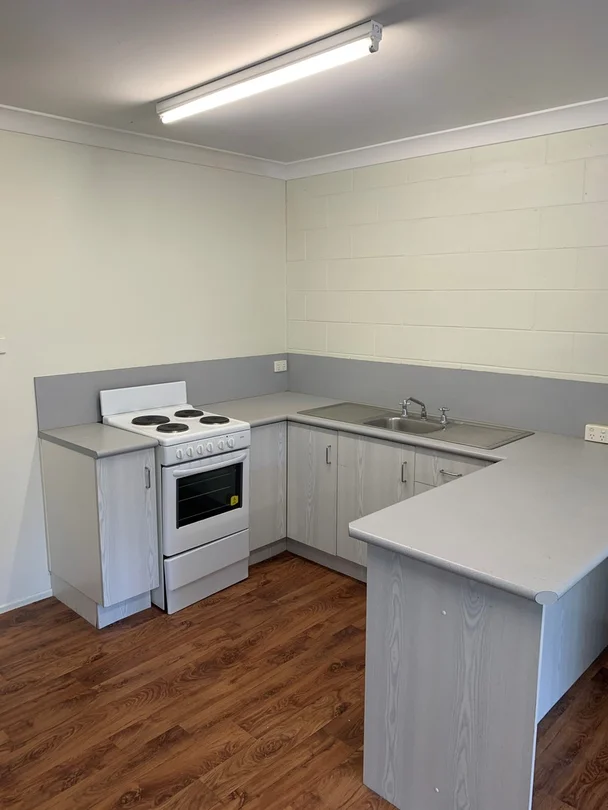 $340
House
$340
House
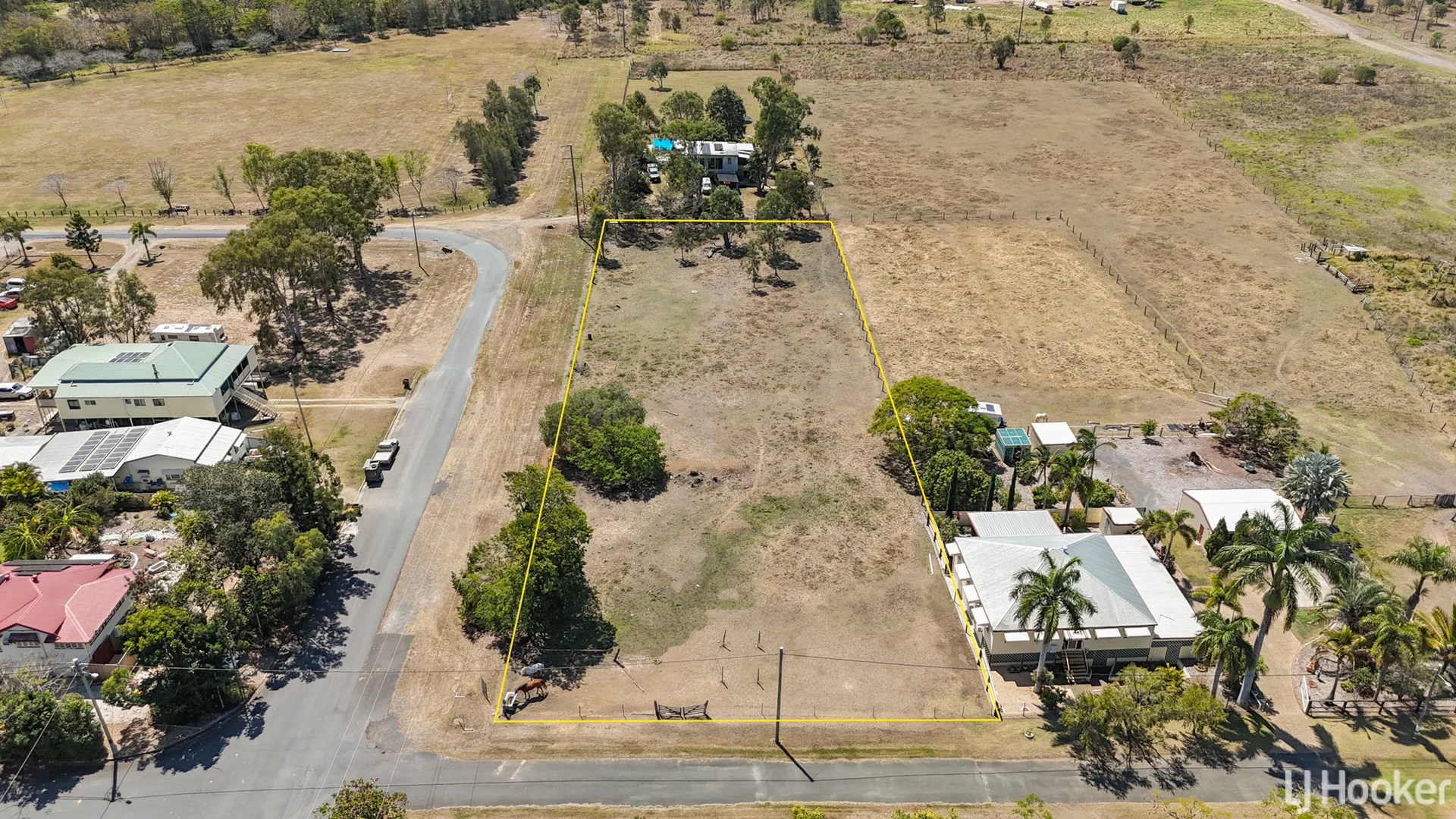 $139,000
Vacant Land
$139,000
Vacant Land
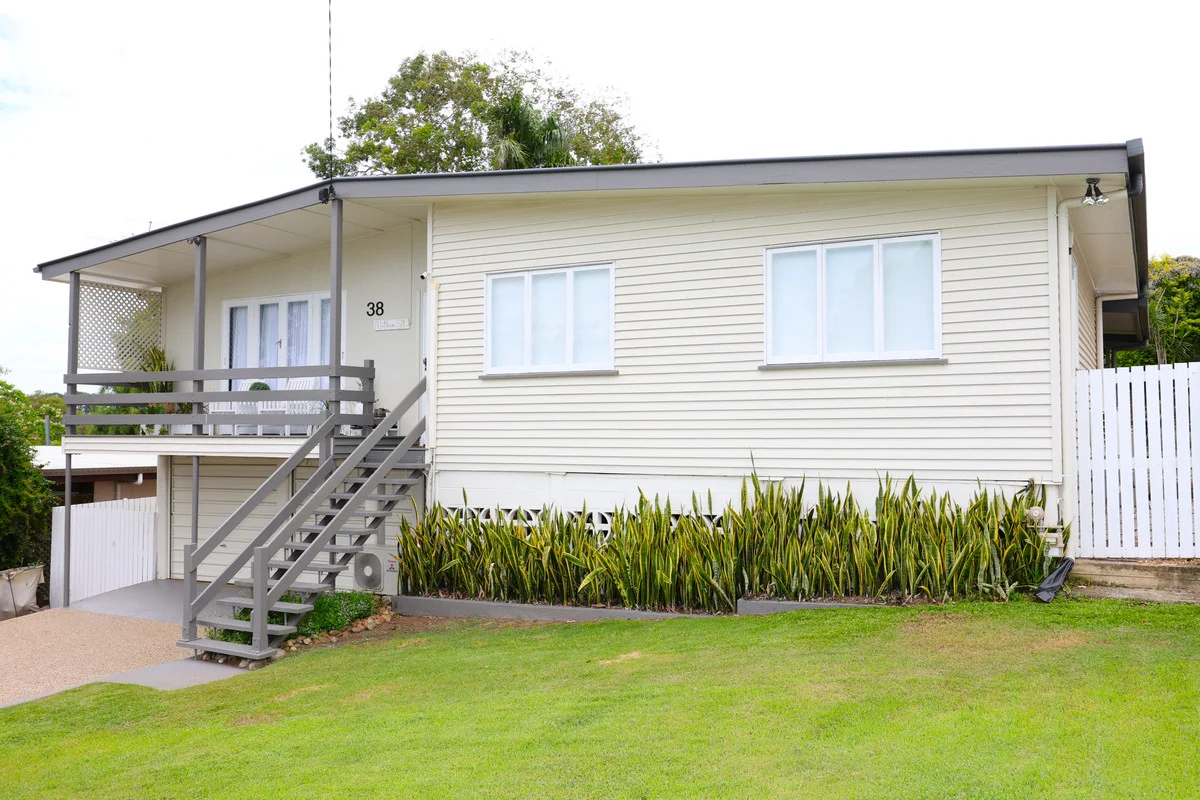 $640,000 - $672,000
House
$640,000 - $672,000
House
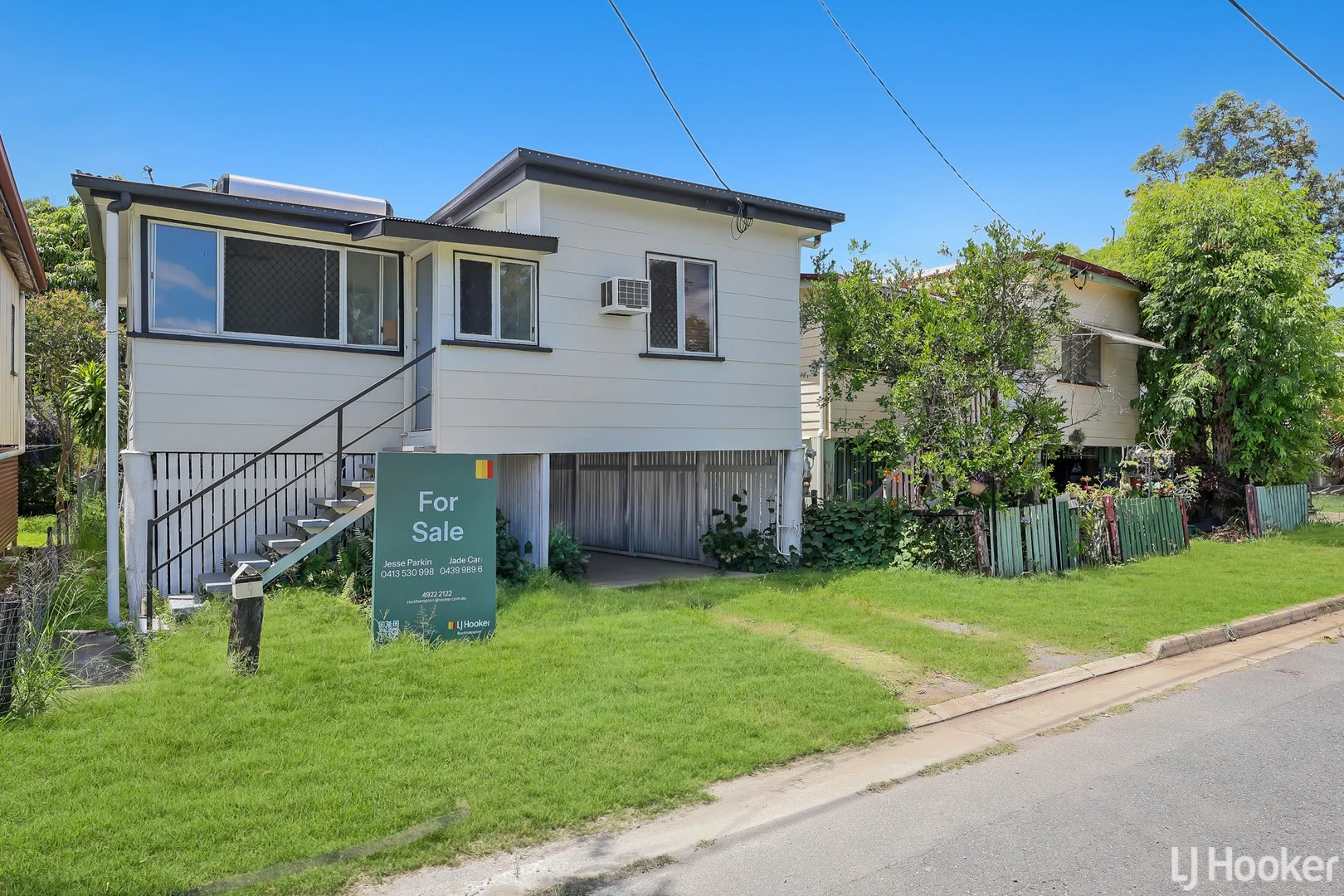 $274,550
House
$274,550
House
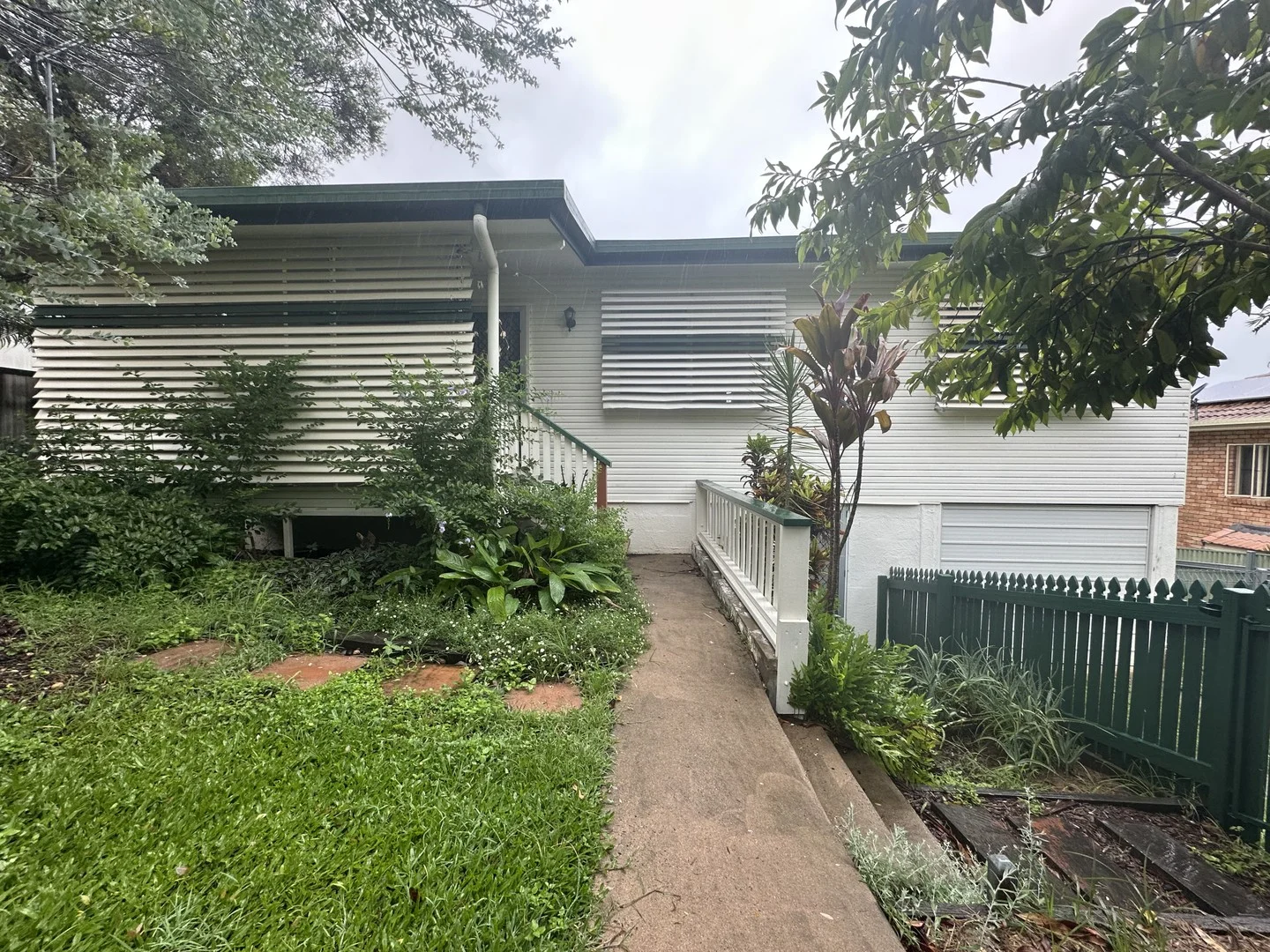 $620
House
$620
House
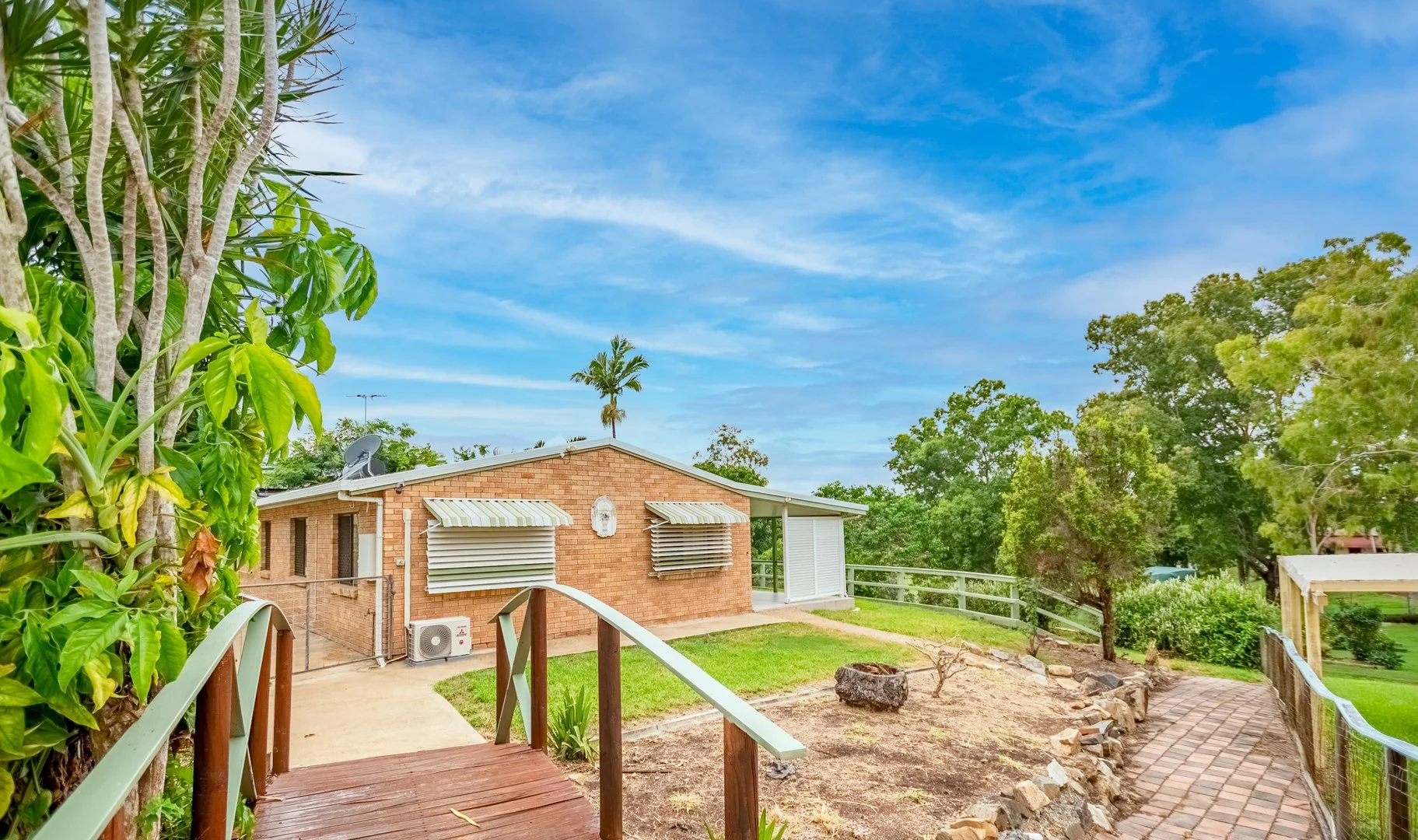 $640
House
$640
House
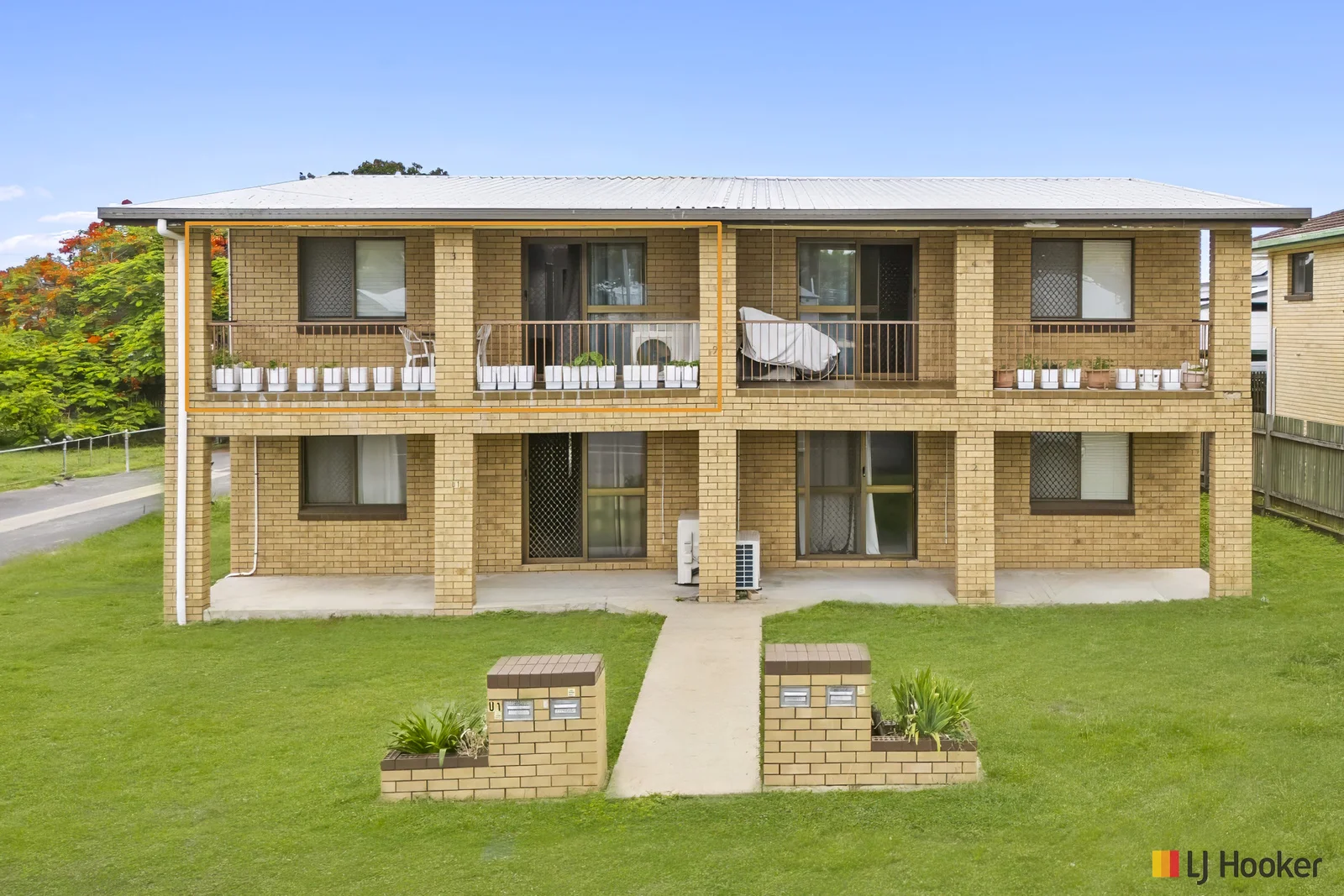 $280,250
House
$280,250
House
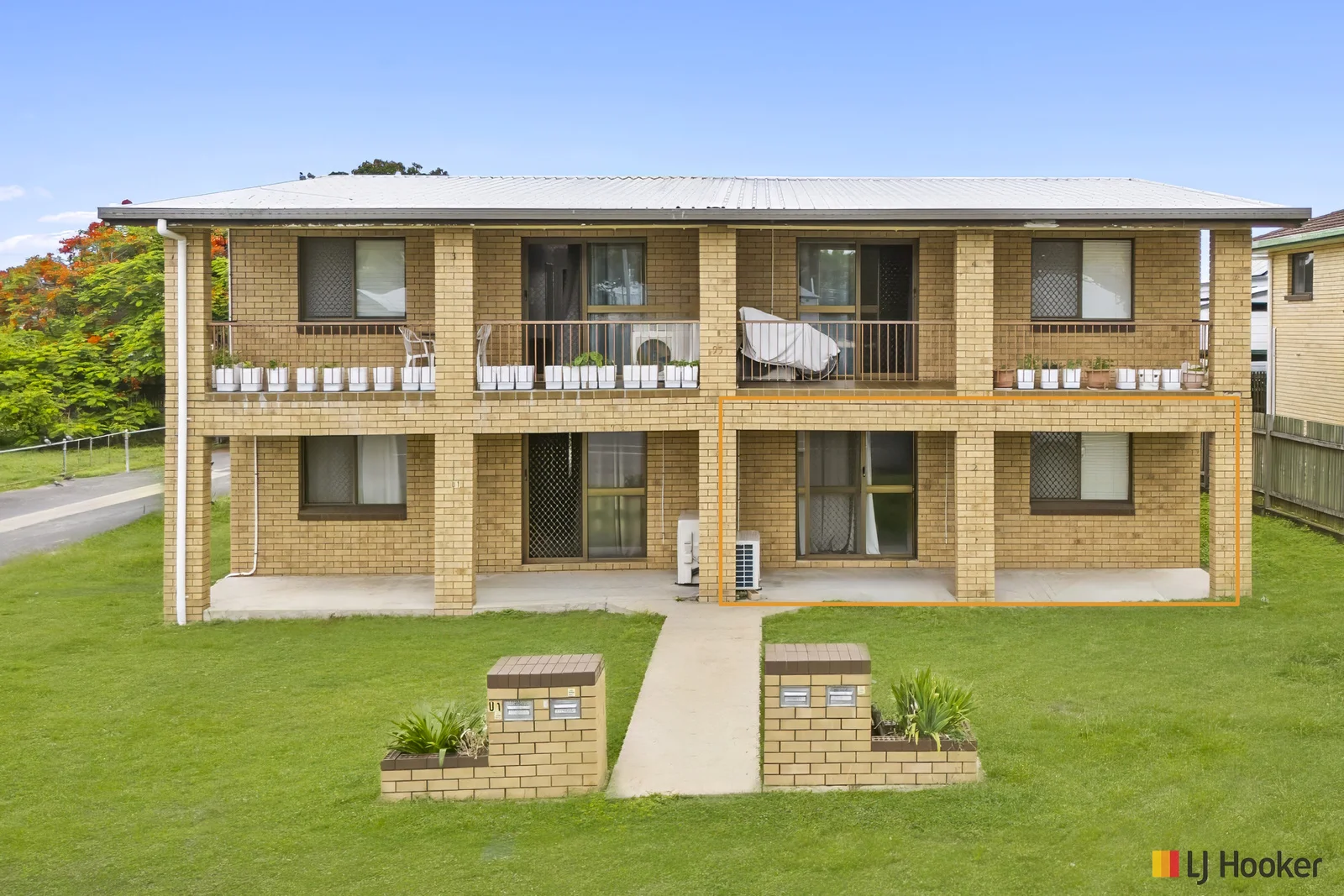 $280,250
Apartment / Unit / Flat
$280,250
Apartment / Unit / Flat
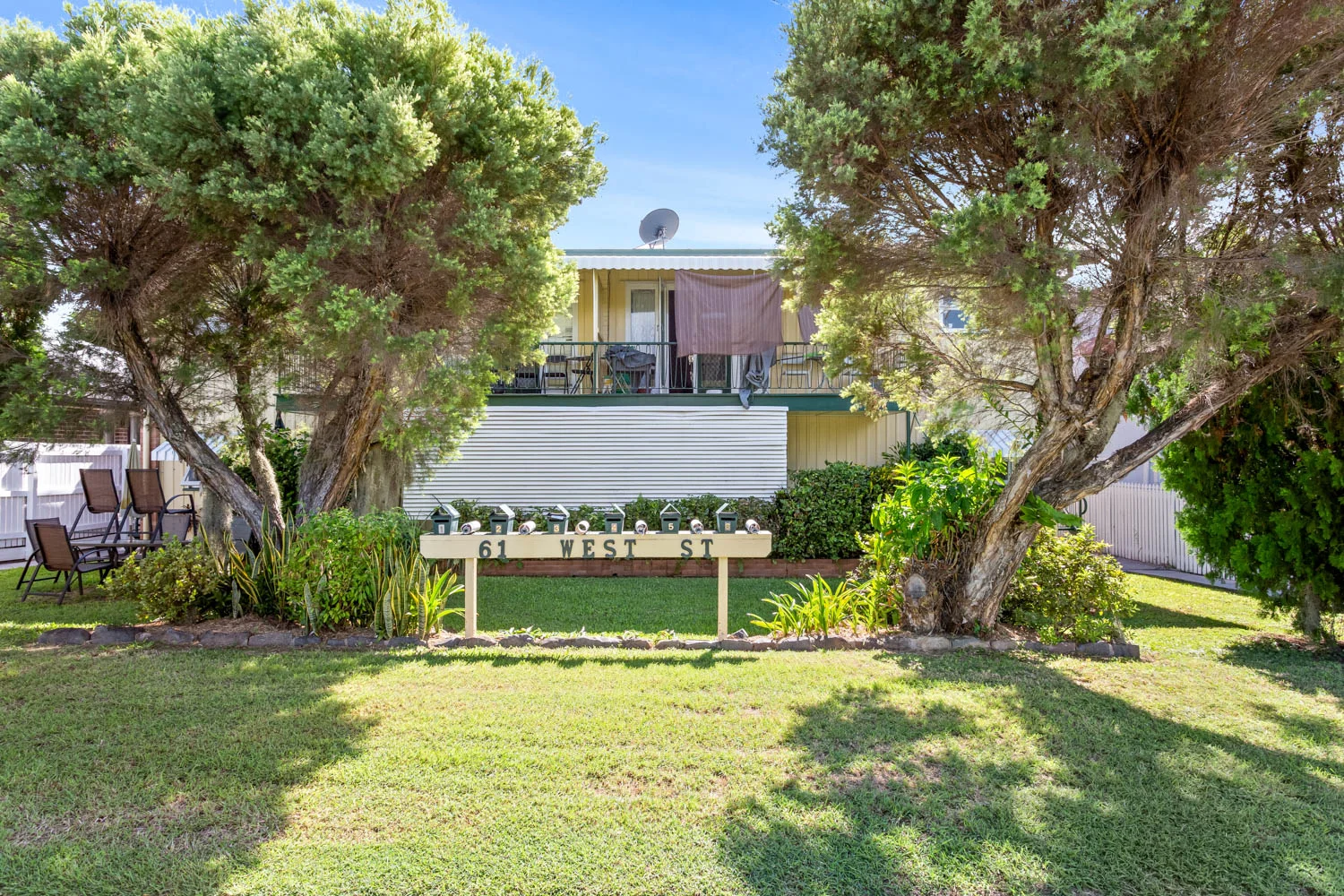 $1,499,000
propertyType.BLOCK OF UNITS
$1,499,000
propertyType.BLOCK OF UNITS


