## 1. Overview
Gracemere State School is a public, co-educational primary school serving Prep to Year 6. As a medium-sized regional school, it aims to create a welcoming, inclusive environment where students feel part of a supportive community. Class sizes are typically in the low-to-mid 20s, allowing for a balance of individual attention and collaborative learning. The atmosphere emphasizes nurture, strong literacy and numeracy foundations, and a culture of respect and participation across academics, sport, and the arts.
The school prioritises an inclusive, student-centered culture with a focus on wellbeing, belonging, and community involvement. Students are encouraged to work hard, show respect, and contribute positively to school life through leadership opportunities and teamwork.
---
## 2. Academics & Learning
- Academic strengths: Strong emphasis on literacy and numeracy, with supported pathways in STEM, as well as leadership development and encouraged curiosity across subjects.
- Special programs: Access to gifted and talented opportunities and district-supported accelerated learning pathways where available.
- NAPLAN / trends: Trends over recent years show steady improvement in reading and numeracy outcomes, with ongoing focus on closing student achievement gaps.
- Student-teacher ratios: Approximately 1:20 across year levels, with classroom teachers supported by specialist staff as needed.
- Support for diverse learners: Dedicated support for EAL/D learners, substantial Learning Support and intervention programs, and inclusive education practices to meet varied needs.
---
## 3. Sports & Extracurricular Strengths
- Sports offered: Athletics, swimming, cricket, rugby league, netball, football, soccer, basketball, and cross country are typically available through the school program and district competitions.
- Strong teams or achievements: Regular participation in district and inter-school events; teams and individuals often represent the school at regional levels.
- Music, arts, drama: Active music and performing arts program with school performances and opportunities to participate in choirs and ensembles.
- Clubs: Robotics, chess, coding, debating, and other enrichment clubs are encouraged to develop critical thinking and collaboration.
- Partnerships: Connections with local clubs and regional competitions to broaden opportunities in sport, robotics, coding, and the arts.
---
## 4. Wellbeing & Pastoral Care
- Anti-bullying approach: Clear anti-bullying policies and proactive social-emotional learning embedded in routines and classroom practice.
- House system: House-based activities and competitions to foster belonging, teamwork, and healthy competition.
- Counsellors / wellbeing officers: Access to school wellbeing staff and guidance support to assist students with personal and social needs.
- Transition support for new students: Orientation activities, buddy programs, and targeted support to help new students settle in smoothly.
---
## 5. Facilities
- Sports grounds: On-campus grounds suitable for physical education and athletics.
- Libraries: A library space supporting reading, research, and collaborative learning.
- Science labs: Dedicated spaces for science activities and experiments.
- Music/performing arts centers: A venue for concerts, rehearsals, and performances.
- Tech/innovation labs: ICT facilities and flexible learning spaces for coding and digital projects.
- Cafeteria: On-site canteen or meal facilities supporting healthy food options.
- Updated playgrounds: Modern, safe outdoor play areas for active learning and recreation.
---
## 6. School Values & Community Culture
- School values / mission: Focus on respect, responsibility, safety, and striving for excellence in learning and conduct.
- Leadership style: Distributed leadership with student voice through councils and active staff collaboration.
- Behaviour expectations: Clear code of conduct centered on respect, integrity, and positive relationships.
- Community reputation: Known for a welcoming, family-friendly environment with active parent involvement and community partnerships.
- Diversity & inclusion: Commitment to welcoming families from diverse backgrounds and ensuring inclusive opportunities for all students.
---
## 7. School Logistics & Daily Operations
- School hours: Typical school day runs from morning start to afternoon finish with standard school hours (exact times may vary by term).
- Before/after school care: OSHC or equivalent arrangements available to support families outside school hours.
- Uniform requirements: School uniform is required, including polo or school shirt, appropriate bottoms, footwear, and hat/accessories as specified; emphasis on neat, practical attire.
- Transport: Bus services and public transport options accessible to families in Gracemere and surrounding areas; drop-off zones and walking/cycling routes supported.
- Canteen availability: Canteen or lunch program available to provide healthy meal options.
- Fees: Low to moderate; while there is no tuition, there are voluntary contributions and costs for excursions, camps, and uniforms.
---
## 8. Enrolment & Admissions
11. What is the enrolment process and timeline?
- Enrolments are issued forPrep each year and for other year levels as space allows. Families complete an enrolment package, provide proof of identity, immunisation history, proof of residence, and any required documentation. Processing times vary; you’ll be advised of placement timelines once the application is received.
12. Is there a waiting list, and how does it work?
- Depending on capacity, there may be a waiting list. The school maintains the list in order of priority and notifies families as places become available. Updates are provided by the administration office.
13. Are there any entry requirements, tests, or interviews?
- For public primary enrolment, there are typically no entrance tests. Some discussions or documentation may be requested to support transition (especially for students with additional needs), but formal interviews are uncommon.
14. Does the school accept mid-year transfers?
- Yes, subject to place availability. Families seeking mid-year transfers should contact the school, supply previous reports and immunisation details, and complete the enrolment process as soon as possible.
---
## 9. Frequently Asked Questions
- Why Parents Choose This School?
- A welcoming, community-focused environment with strong support for learning and wellbeing, plus broad opportunities in academics, sport, and the arts.
- What type of student thrives at this school?
- Curious, cooperative students who enjoy both academics and extracurricular activities, and who respond well to a supportive, structured learning environment.
- What opportunities are available for students to extend their skills (academics, sports, arts)?
- Enrichment in literacy, numeracy, STEM activities, leadership programs; robotics, coding, debating clubs; sports teams and arts performances; and opportunities to participate in district events.
- How does the school communicate with parents?
- Via newsletters, email updates, a school app or portal, and parent-teacher interviews; regular notices about events and student progress.
- What is the school’s approach to teaching and learning?
- A balanced, evidence-informed approach that emphasises literacy and numeracy foundations, with integrated technology and hands-on learning to develop critical thinking and collaboration.
- How does the school support students who need extra academic help?
- Dedicated Learning Support, EAL/D assistance, targeted interventions, and collaboration with specialist staff to tailor support plans.
- What support is available for academic challenges?
- Small-group and one-on-one interventions, progress monitoring, and referrals to appropriate support services as needed.
- How does the school communicate with parents? (Repeated)
- See above: newsletters, emails, app/portal, and parent-teacher meetings.
- What are the class sizes and how much individual attention do students receive?
- Typical classes are around 20–28 students, with teacher support and targeted small-group activities to provide more individualized attention.
- What extracurricular and sports opportunities are available?
- A range of sports (athletics, swimming, team sports), plus clubs in robotics, coding, chess, debating, and arts programs.
- What facilities does the school offer (sports, science, arts)?
- Sports grounds, library, science labs, music/performing arts facilities, technology and innovation spaces, and a canteen.
- What is the school’s approach to technology and digital learning?
- Integrated technology in learning with computer labs and digital learning activities; emphasis on digital citizenship and safe online practices.
- What transport and accessibility options are available?
- Local bus routes and public transport options; dedicated drop-off zones and accessible facilities to support all students.
- What are typical school fees or additional costs?
- Generally low to moderate; voluntary contributions, and costs for excursions, camps, uniforms, and optional activities.
---
## 10. Short Pros & Cons
- Pros
- Supportive, community-focused environment with a clear focus on wellbeing and citizenship.
- Strong emphasis on literacy and numeracy, with opportunities in STEM and leadership.
- Broad range of extracurricular activities, including sports, arts, and clubs.
- Inclusive practices and targeted support for diverse learners.
- Active parental involvement and partnerships with local community groups.
- Cons
- Being a regional public school, specialist programs may be more limited than larger urban schools.
- Availability of places can fluctuate; mid-year transfers may be subject to space.
- Some costs for excursions, uniforms, and optional activities.
- Transportation times to and from school can vary for families living outside immediate catchments.


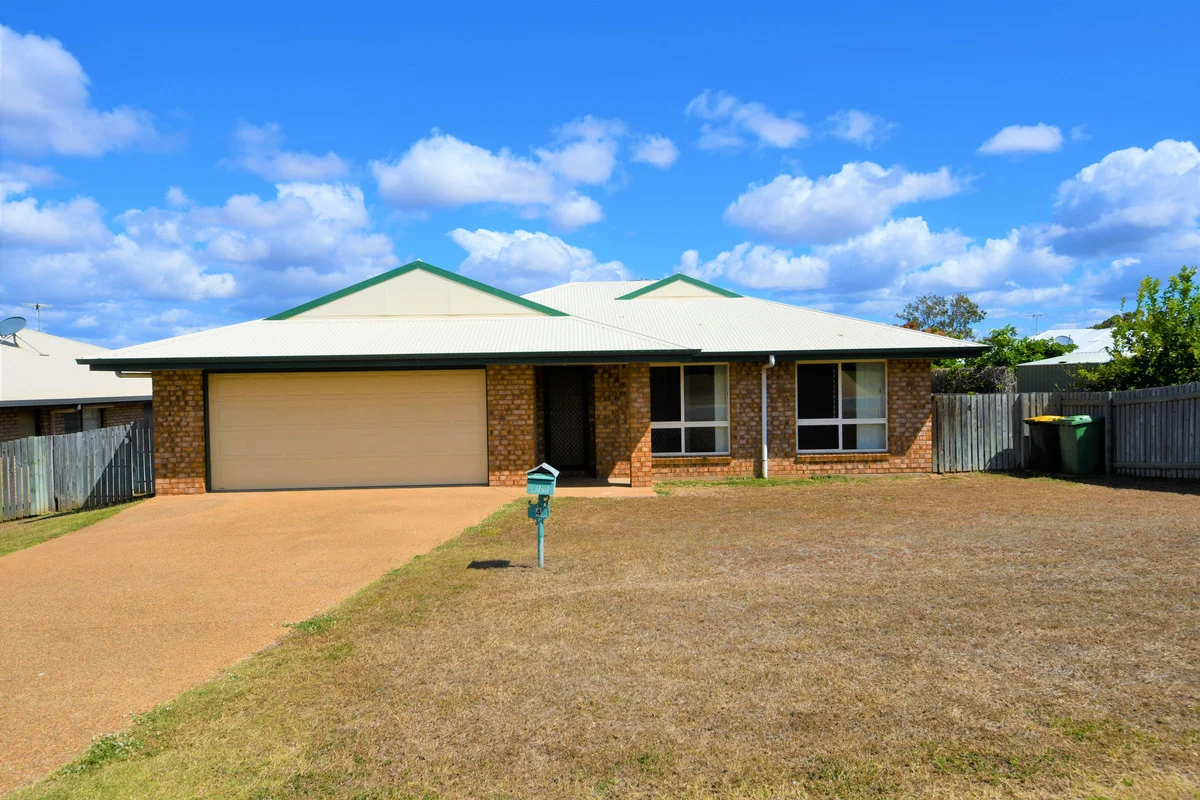 $600
House
$600
House
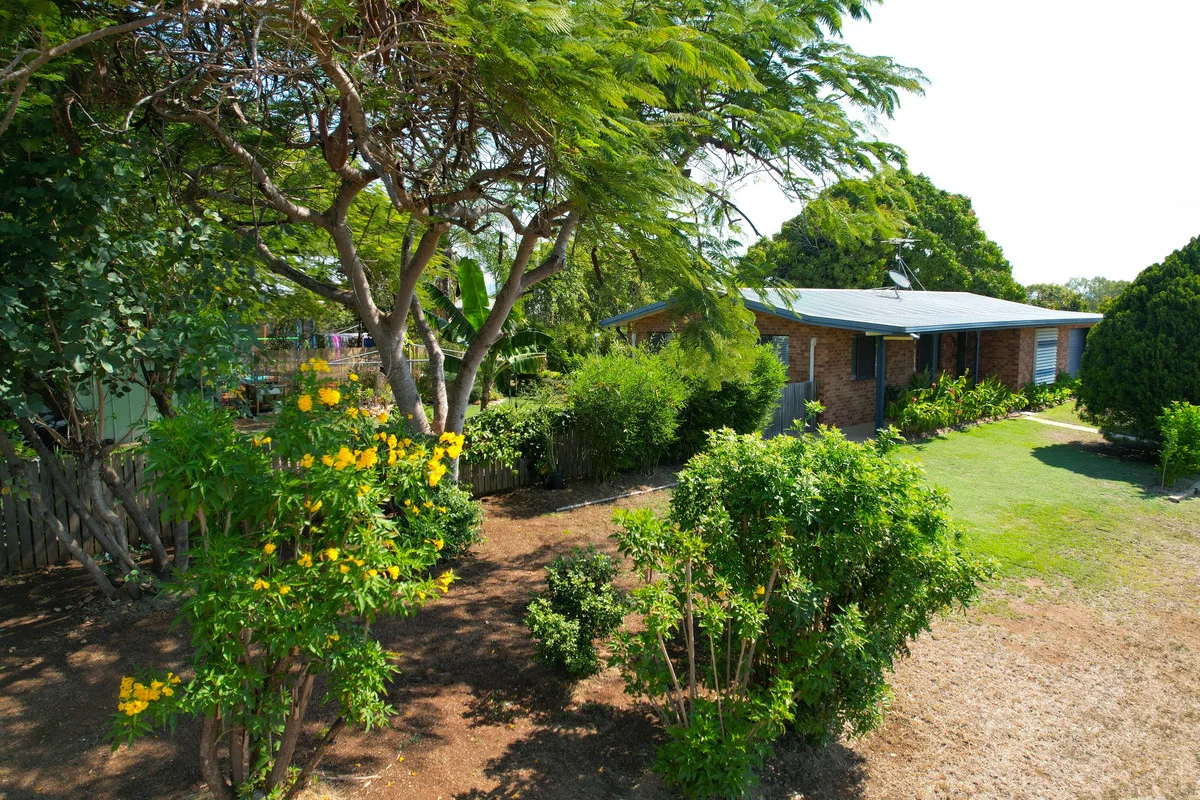 $550,000 - $577,500
House
$550,000 - $577,500
House
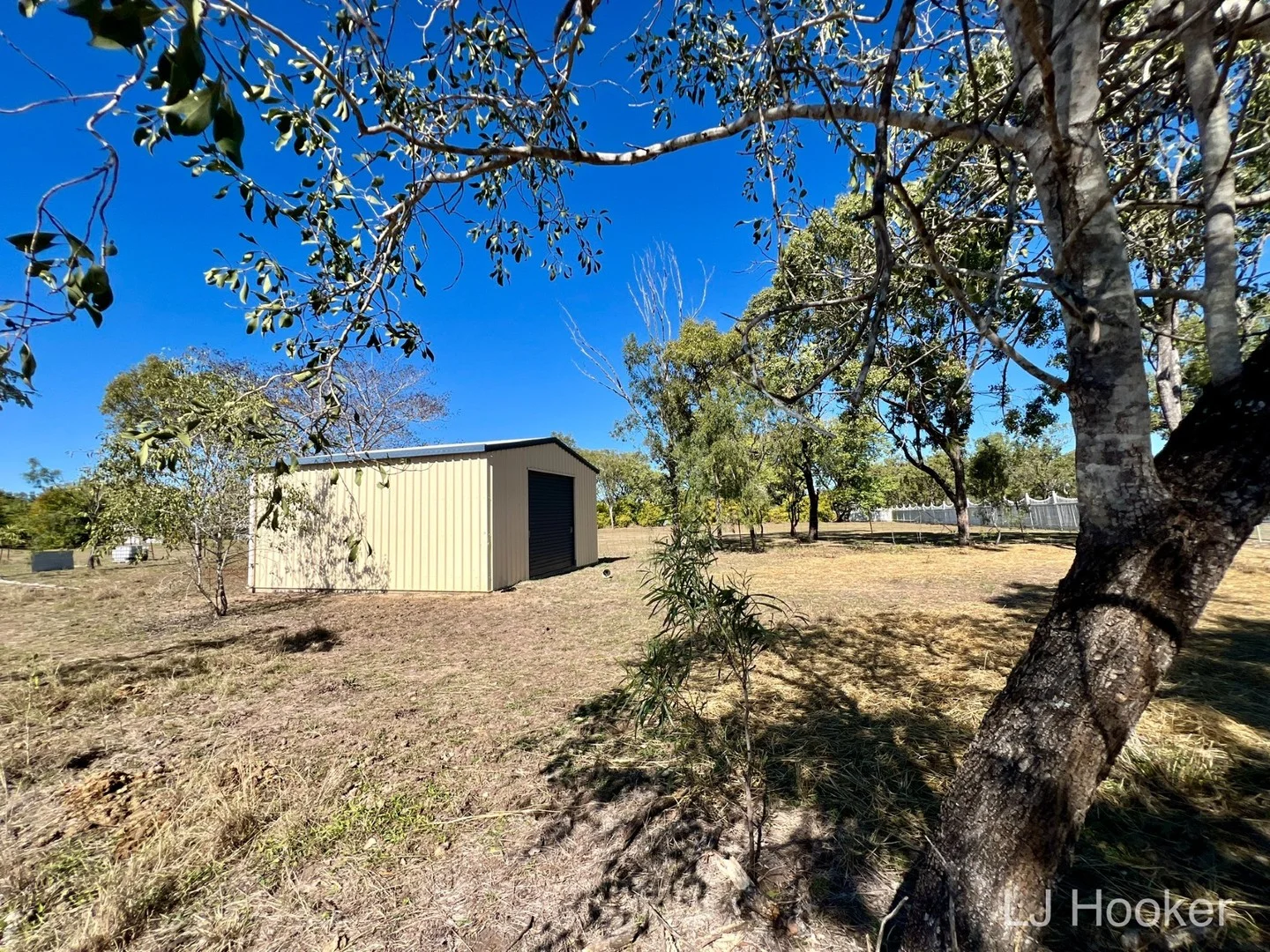 $565,250
Vacant Land
$565,250
Vacant Land
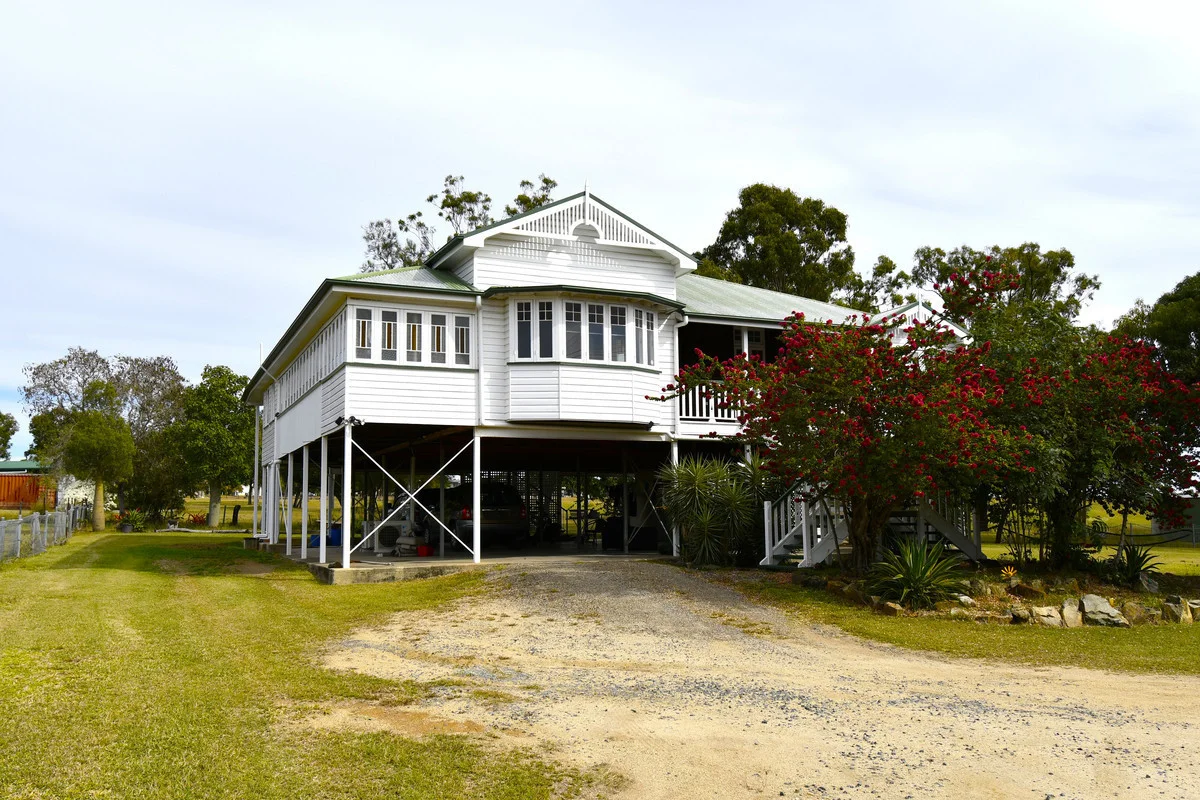 $550
House
$550
House
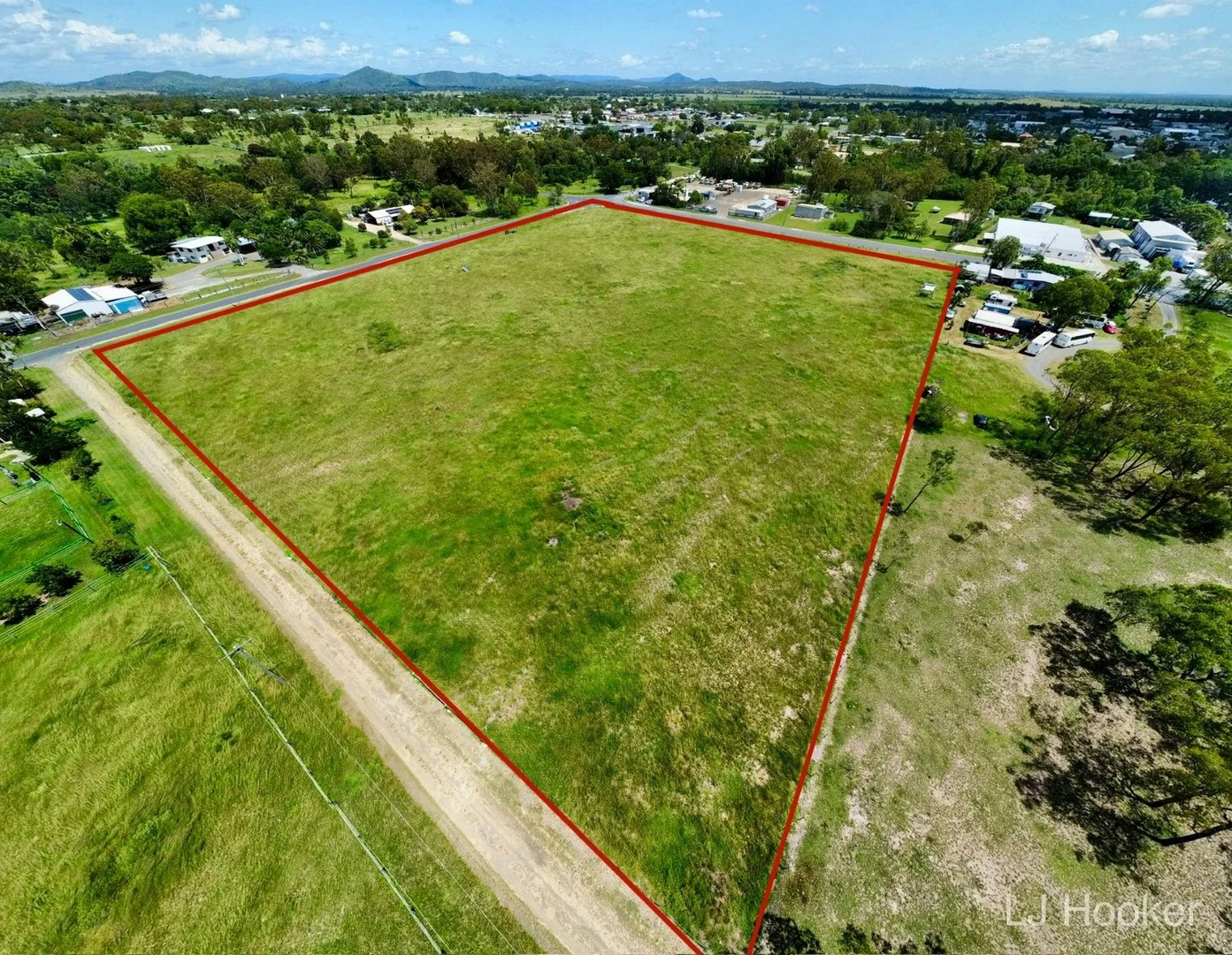 $680,000
Vacant Land
$680,000
Vacant Land
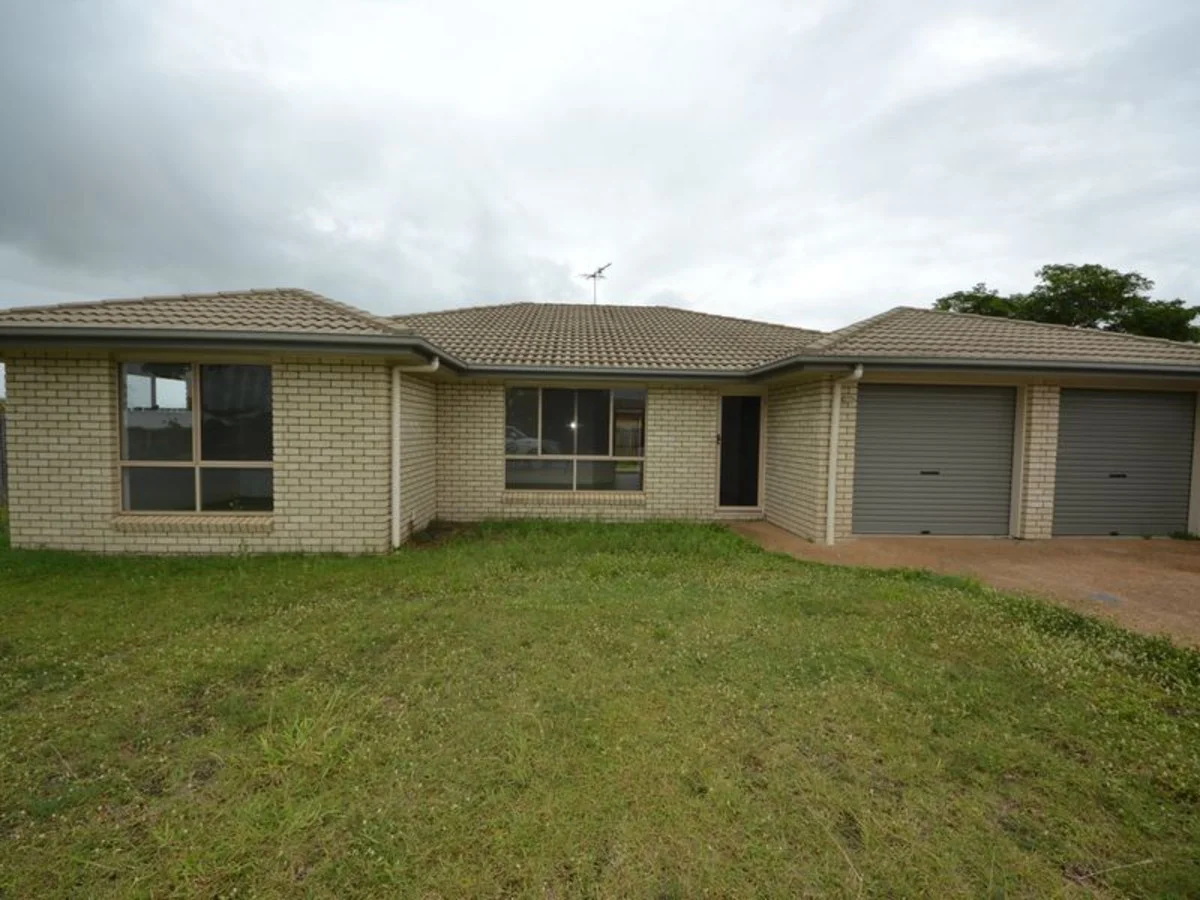 $640
House
$640
House
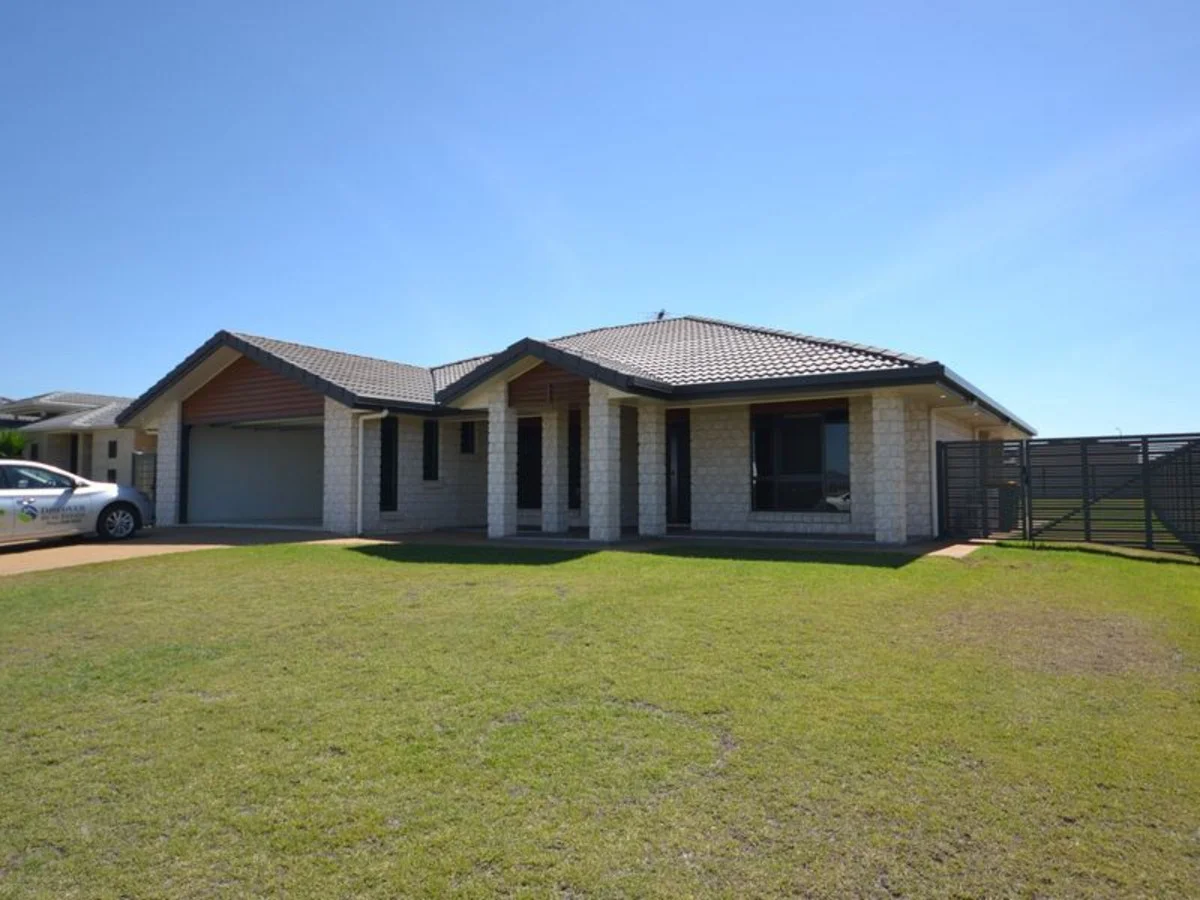 $680
House
$680
House
 $530
House
$530
House
 $570
House
$570
House