1. Overview
Brighton Grammar School is an independent Anglican day school for boys, serving students from the preparatory years through to Year 12. The school combines a strong academic program with a broad and vibrant co-curricular life, grounded in traditional values and a supportive, community-focused culture. With a mid-to-large student body and teacher teams that emphasize both high standards and personal growth, students are encouraged to develop academically, physically and socially.
The atmosphere is generally described as purposefully balanced—rigorous and achievement-oriented, yet welcoming and inclusive. Class sizes tend to be in the low-to-mid 20s, supporting differentiated teaching and opportunities for leadership, teamwork, and outside-classroom learning.
2. Academics & Learning
- Academic strengths: Solid foundations across English, Mathematics and science, with emphasis on critical thinking, problem-solving and communication. Students commonly engage with STEM activities, humanities inquiry, and language study as part of a well-rounded curriculum.
- Special programs: Opportunities for leadership development and enrichment; programs designed for capable learners and accelerated pathways where appropriate; preparation for the Victorian senior secondary certificate framework.
- NAPLAN / trends: Consistent performance across cohorts with positive year-to-year trends in reading, writing and numeracy, reflecting effective teaching and targeted support.
- Student-teacher ratios: Class sizes and student-teacher interactions designed to support individualized feedback; typical ratios are in the low-to-mid teens for more targeted teaching and in the low-to-mid 20s for standard year groups.
- Support for diverse learners: School-based support for diverse learners, including language support (EAL) and learning support services for students with additional needs.
3. Sports & Extracurricular Strengths
- Sports offered: A broad program for boys, including team sports such as football (Aussie rules), cricket, basketball, tennis, swimming and athletics, along with rowing and other active pursuits.
- Strong teams or achievements: Regular competition and high levels of achievement in interschool events, with a focus on teamwork, discipline and resilience.
- Music, arts, drama programs: Comprehensive music ensembles, drama productions and performing arts opportunities that run alongside academic schedules.
- Clubs: Robotics, coding, chess and debating are commonly available, alongside other clubs that encourage practical and creative skills.
- Partnerships: Engagement with local clubs, sporting associations and competitions to broaden pathways and real-world experiences for students.
4. Wellbeing & Pastoral Care
- Anti-bullying approach: Clear anti-bullying policies and restorative approaches to discipline, aiming to create a respectful and safe school environment.
- House system: A house-based structure supports pastoral care, leadership opportunities and inter-house events that foster belonging and healthy rivalry.
- Counsellors / wellbeing officers: Access to school-based counsellors and wellbeing staff who provide guidance and mental health support.
- Transition support for new students: Orientation programs, buddy systems and transition activities to help new students settle in smoothly.
5. Facilities
- Sports grounds: On-site facilities for major team sports and fitness.
- Libraries: Well-equipped libraries that support research, quiet study and reading across year levels.
- Science labs: Modern science laboratories for hands-on experiments and practical learning.
- Music/performing arts centers: Dedicated spaces for music ensembles, drama and performance activities.
- Tech/innovation labs: Workshops and technology spaces to support digital learning, design, engineering and robotics.
- Cafeteria: On-site catering or canteen facilities supporting healthy meal options.
- Updated playgrounds: Well-maintained play and recreation spaces for younger students and regular outdoor activities.
6. School Values & Community Culture
- School values / mission: A mission grounded in integrity, respect, courage and compassion, guiding student conduct and leadership opportunities.
- Leadership style: Student-centered with opportunities for leadership roles (prefects, house captains, clubs) and a supportive, collaborative staff approach.
- Behaviour expectations: Clear expectations around conduct, dress, punctuality and respect for peers and staff.
- Community reputation: A long-standing, trusted community presence with engaged families and active alumni networks.
- Diversity & inclusion: Commitment to a welcoming environment with attention to inclusive practices and support for diverse learners and backgrounds.
7. School Logistics & Daily Operations
- School hours: Typical instructional day during the week with start and end times that align with the Victorian school calendar; extended care options may be available.
- Before/after school care: Availability of supervised care outside normal school hours.
- Uniform requirements: Clear uniform standards (formal uniform for daily and special occasions; sports uniform for physical education and games).
- Transport (train/bus routes): Accessible by public transport with school-supported or recommended bus routes; bicycle or walk options where feasible.
- Canteen availability: On-site canteen or lunch facilities offering meals and snacks.
- Fees (low/medium/high ranges): Fees fall within the mid-to-high range for independent schools, with additional costs typical for uniforms, activities and excursions.
8. Enrolment & Admissions
11. What is the enrolment process and timeline?
- Typical process includes submitting an application, followed by a reducing or expansion of intake windows; family interviews and/or student assessments may be part of the process; notification of outcomes is provided within the published timeline.
12. Is there a waiting list, and how does it work?
- There is often a waiting list for popular year levels. Placement on the list is usually based on application date and availability, with potential priority given to siblings or specific programs; some placements may require a deposit or conditional offer.
13. Are there any entry requirements, tests, or interviews?
- Entry may involve an interview with the student and one or both parents, along with submission of academic records. Some year levels may require assessments in core areas to determine placement.
14. Does the school accept mid-year transfers?
- Mid-year transfers are considered where vacancies exist, subject to assessment and placement requirements; families typically engage admissions early to explore options.
9. Frequently Asked Questions
- Why Parents Choose This School?
The school offers a values-based environment, strong academics, a broad co-curricular program and a supportive community that prioritizes student wellbeing and leadership development.
- What type of student thrives at this school?
Motivated, collaborative students who value academics, sport and arts, and who contribute to a positive school culture tend to do well.
- What opportunities are available for students to extend their skills (academics, sports, arts)?
Students can pursue enrichment and leadership roles, competitive sports teams, music ensembles, drama productions, robotics/coding clubs and debating, among others.
- How does the school communicate with parents?
Communication typically includes newsletters, email updates, parent portals and scheduled parent-teacher meetings, with timely information on events and academic progress.
- What is the school’s approach to teaching and learning?
The approach emphasizes rigorous, differentiated teaching, with opportunities for student direction, collaboration and hands-on learning.
- How does the school support students who need extra academic help?
There are learning support services, EAL assistance and targeted interventions to help students meet individual learning goals.
- What support is available for academic challenges?
Access to teaching staff, learning specialists and mentoring programs to address specific challenges and promote academic growth.
- How does the school communicate with parents?
See above: proactive updates, digital portals and regular events provide multiple channels for keeping families informed.
- What are the class sizes and how much individual attention do students receive?
Class sizes are typically in the low-to-mid 20s, with lower ratios in targeted teaching and opportunities for individual feedback and small-group support.
- What extracurricular and sports opportunities are available?
A wide range of sports, music, drama and academic clubs (robotics, coding, chess, debating) are available to suit diverse interests and talents.
- What facilities does the school offer (sports, science, arts)?
Modern sports facilities, well-equipped libraries and science labs, performing arts spaces, tech/innovation labs and catering facilities are part of the campus.
- What is the school’s approach to technology and digital learning?
Emphasis on digital literacy, safe and responsible use, and integrating technology to support learning across subjects and projects.
- What transport and accessibility options are available?
Public transport links, school bus options where available and consideration of accessibility for families and students.
- What are the typical school fees or additional costs?
Fees are in the mid-to-high range for independent schools, with additional costs for uniforms, activities, excursions and certain programs.
10. Short Pros & Cons list
Pros
- Independent Anglican school with a values-based, supportive culture
- Strong academic program with broad co-curricular opportunities
- Wide range of sports, arts and clubs
- Active wellbeing and pastoral care, with house-based support
- Modern facilities across science, music, arts and technology
Cons
- Fees are at the higher end for independent education
- Class sizes in the low-to-mid 20s may limit one-on-one time in some year levels
- Availability may be limited for certain year levels due to demand and waitlists











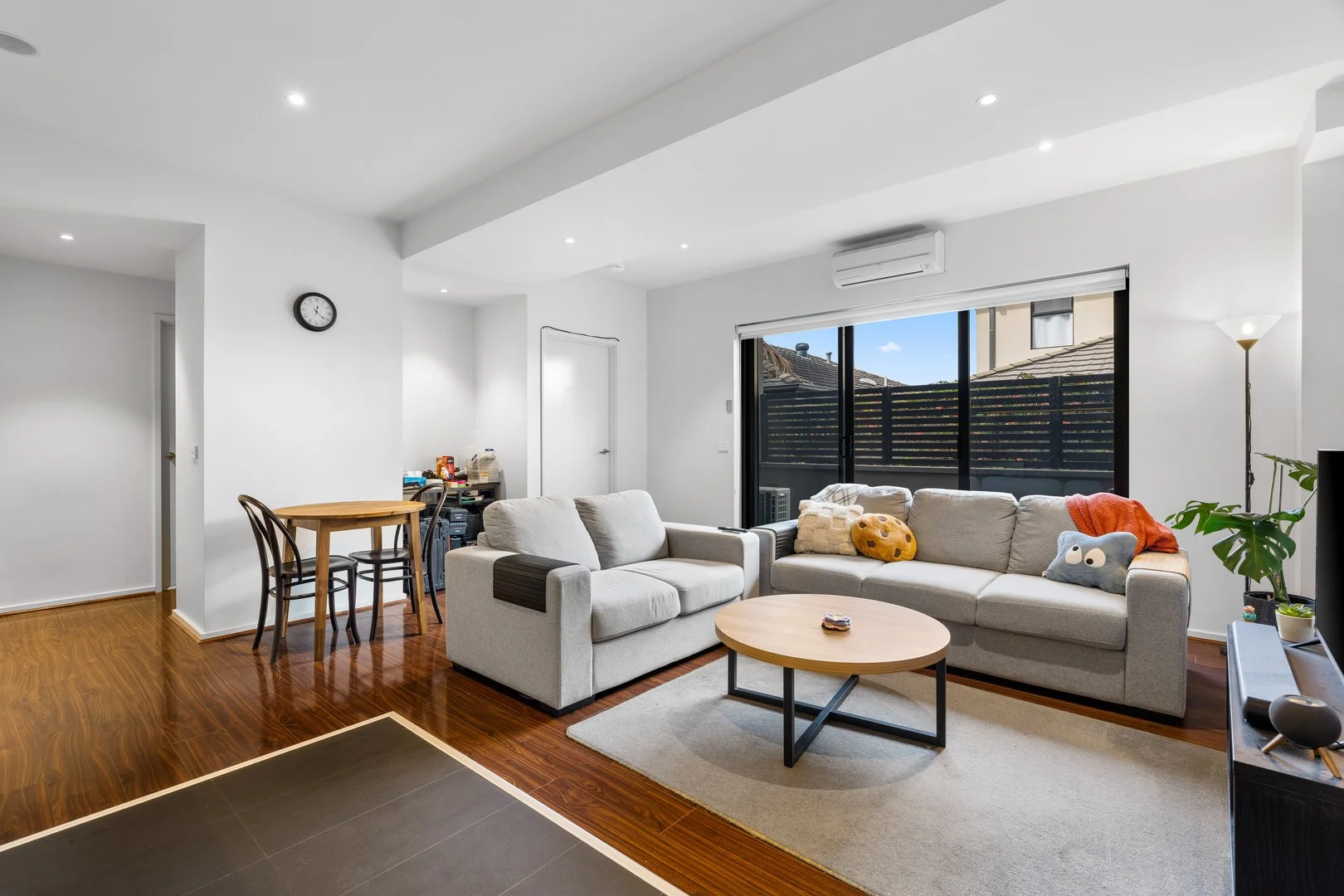 $385,000 - $410,000
Apartment / Unit / Flat
$385,000 - $410,000
Apartment / Unit / Flat
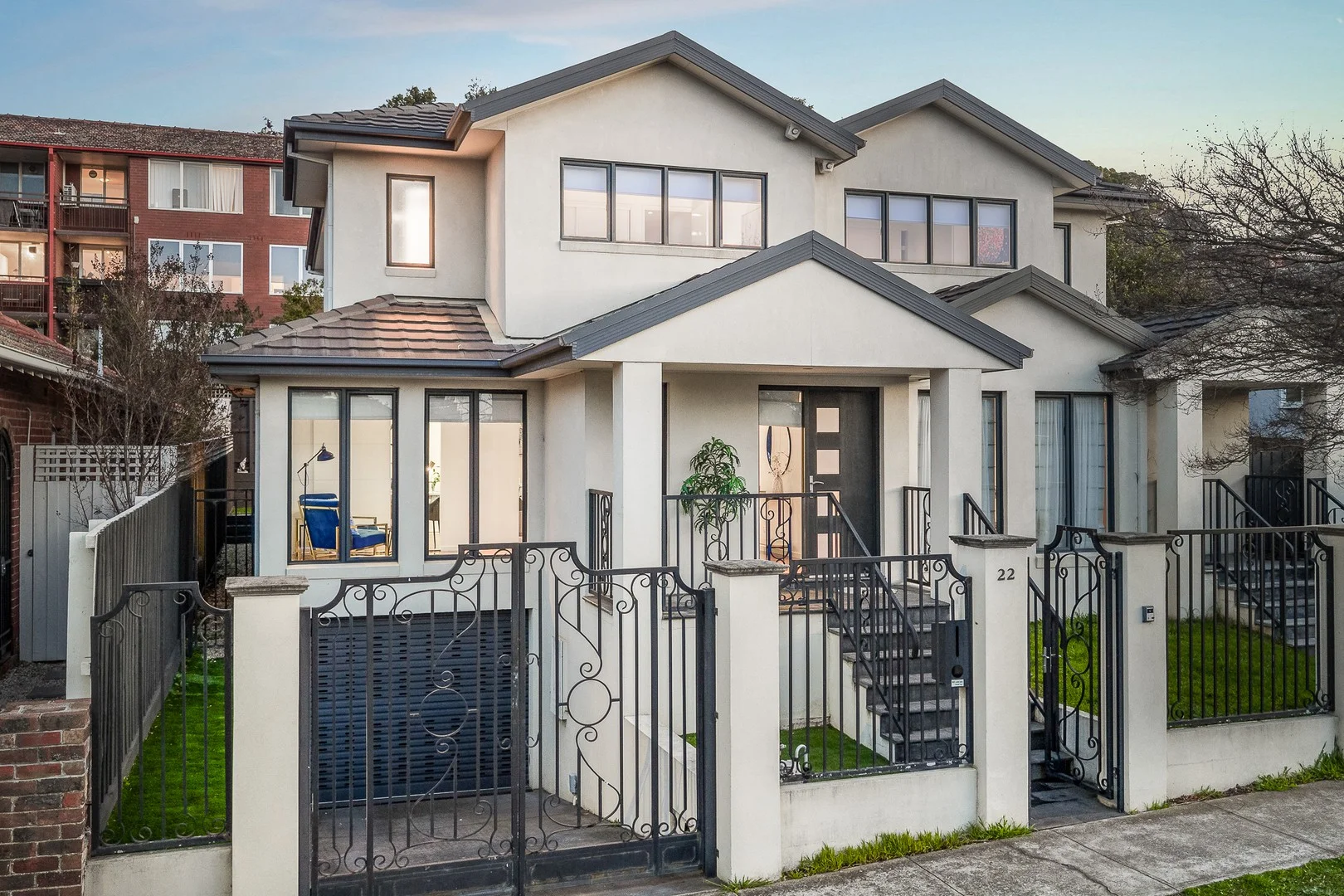 $2,100,000
Townhouse
$2,100,000
Townhouse
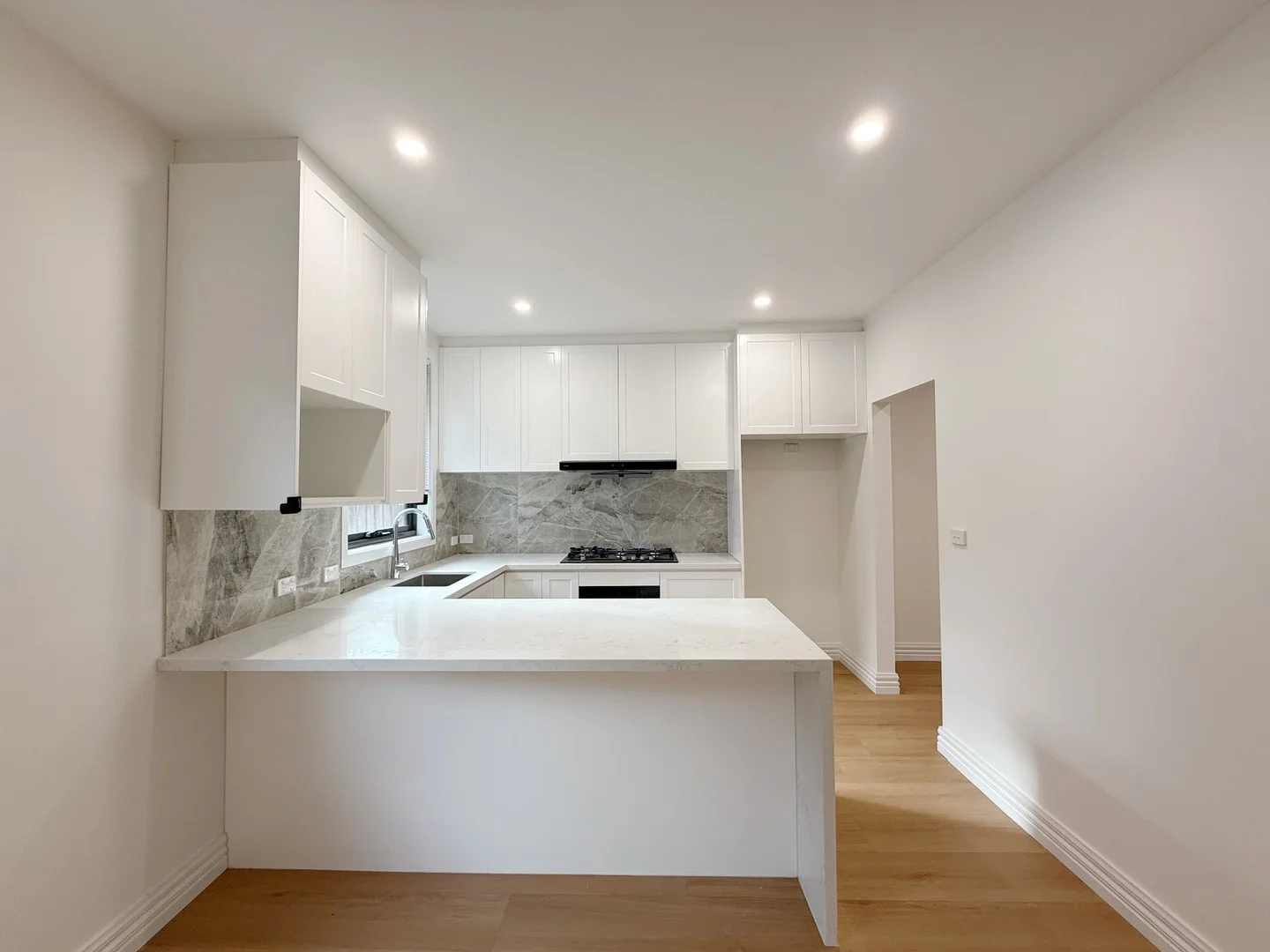 $1,280
House
$1,280
House
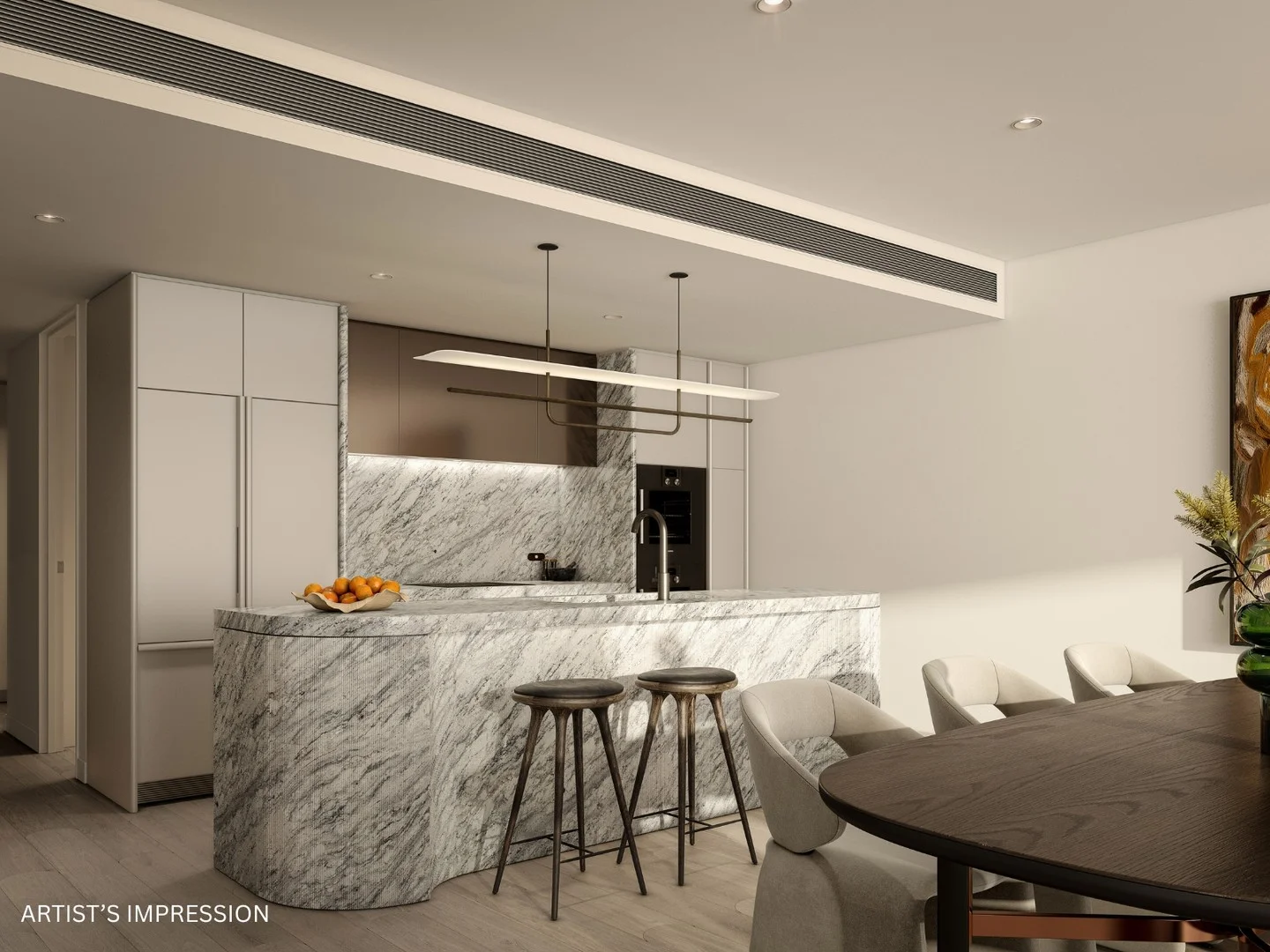 $2,900,000
Apartment / Unit / Flat
$2,900,000
Apartment / Unit / Flat
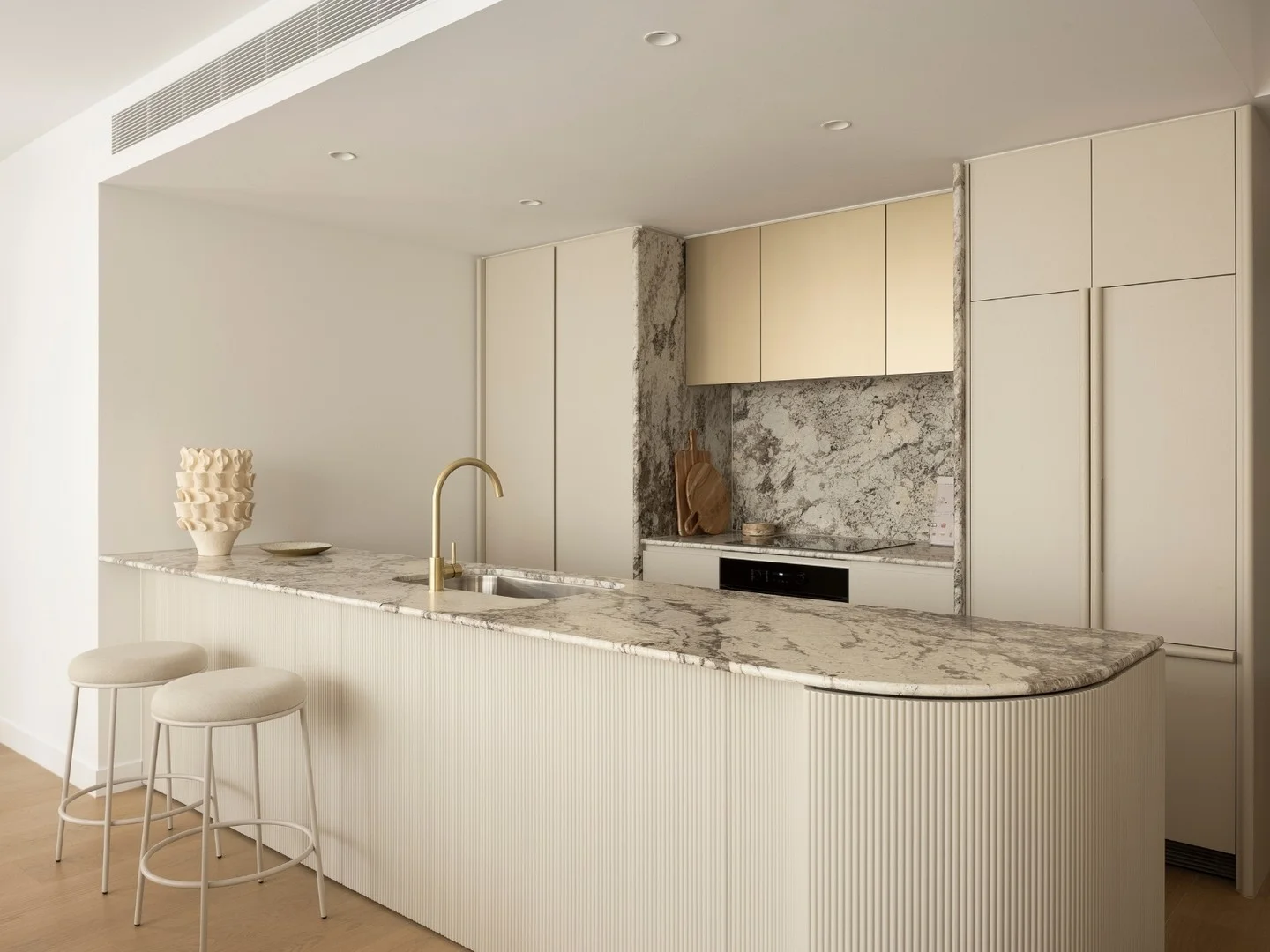 $1,345,000
Apartment / Unit / Flat
$1,345,000
Apartment / Unit / Flat
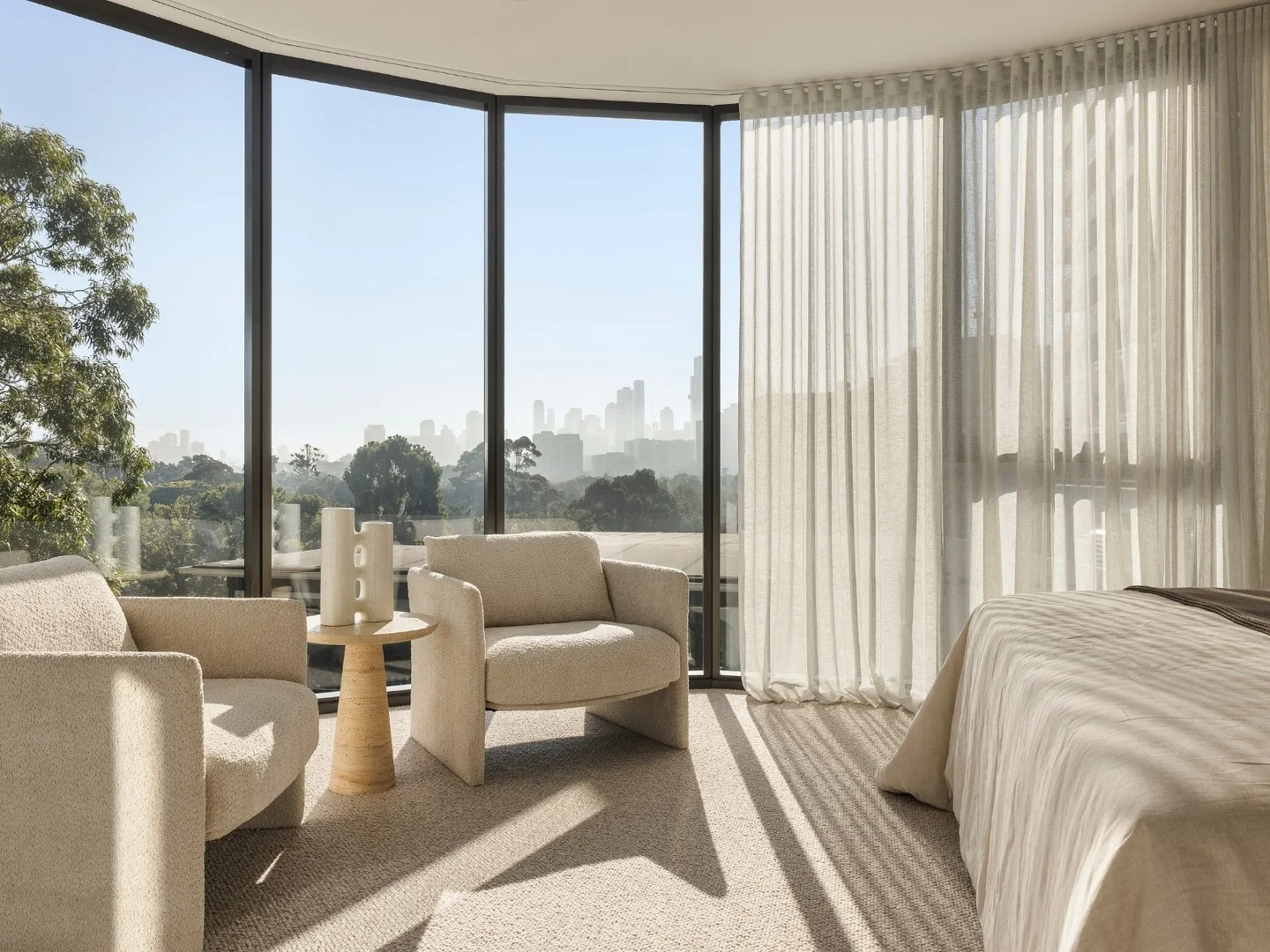 $2,750,000
Apartment / Unit / Flat
$2,750,000
Apartment / Unit / Flat
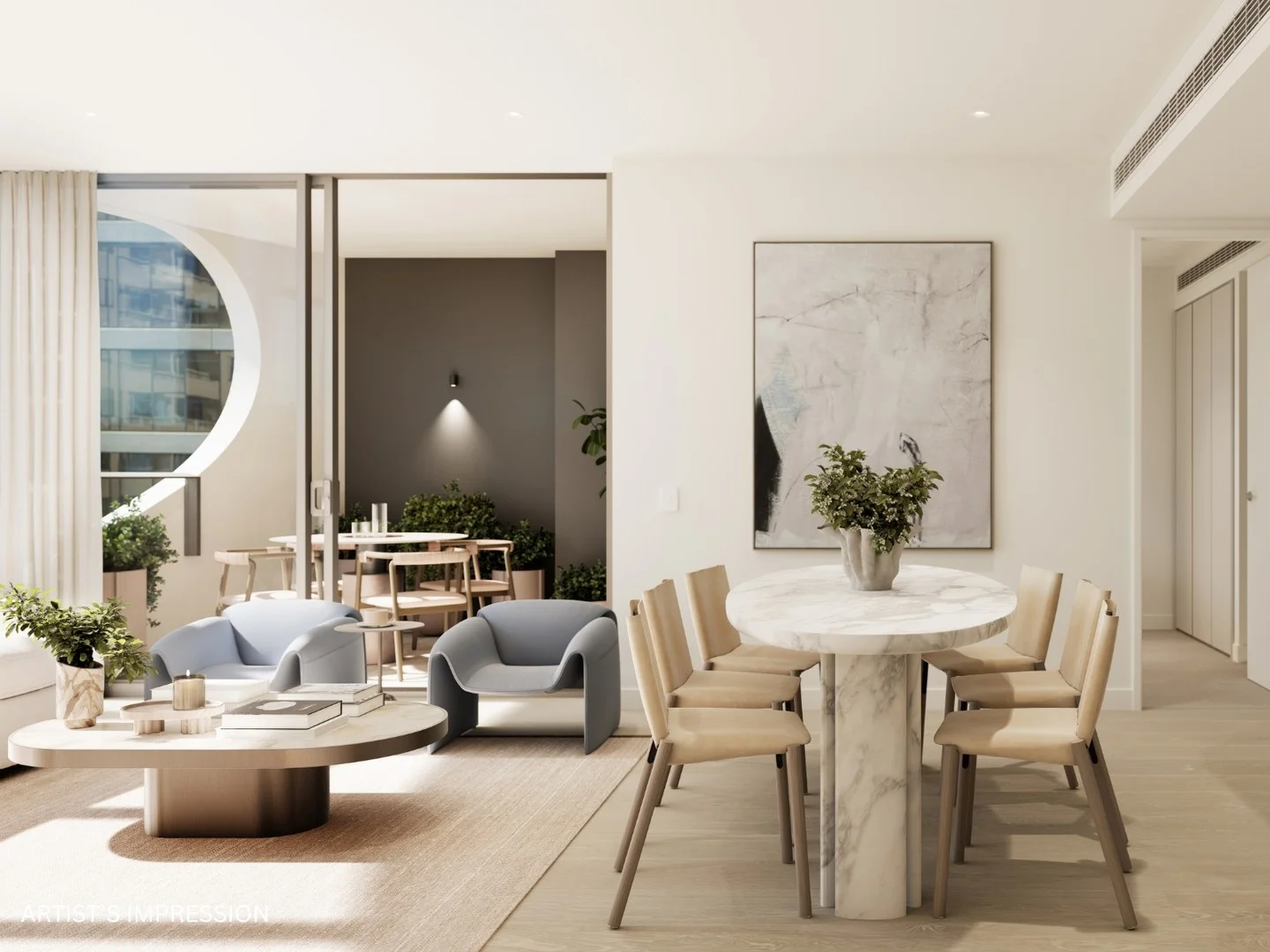 $1,640,000
Apartment / Unit / Flat
$1,640,000
Apartment / Unit / Flat
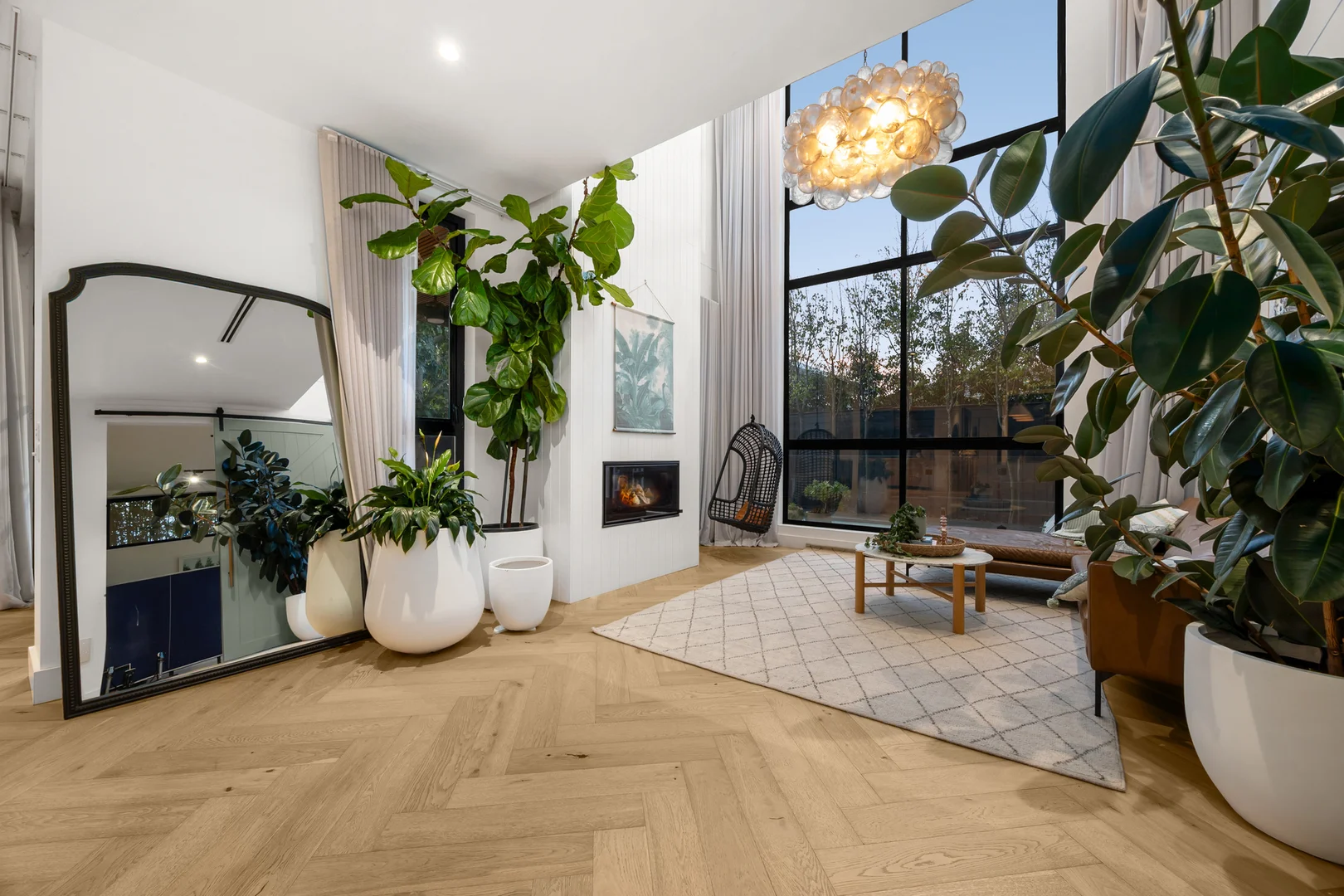 $3,300,000
House
$3,300,000
House
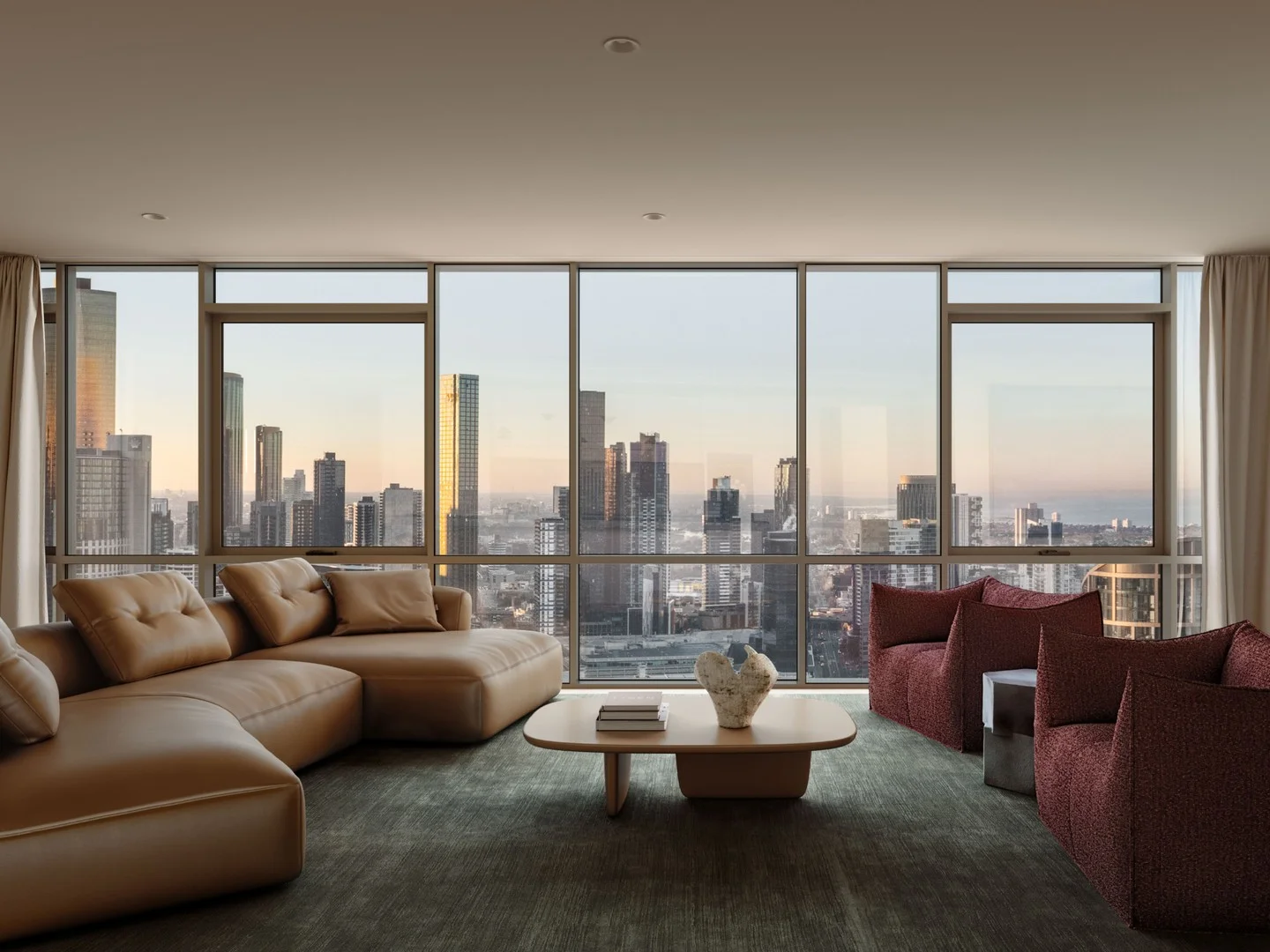 $3,700,000
propertyType.NEW APARTMENTS / OFF THE PLAN
$3,700,000
propertyType.NEW APARTMENTS / OFF THE PLAN


