Overview
## 1. Overview
St James Catholic Primary School, Brighton is a Catholic primary school serving families in the Brighton area. It operates within Melbourne’s Catholic education network and focuses on faith-based learning, pastoral care, and holistic development for its students. The school aims to nurture confident, caring, and responsible young people who contribute positively to their communities.
The school is medium in size, with class sizes typically in the low to mid-20s, fostering a supportive and inclusive atmosphere. Curriculum and culture emphasize literacy and numeracy alongside social-emotional learning, faith formation, and a sense of service to others.
⸻
## 2. Academics & Learning
- Academic strengths: English/literacy and numeracy are foundational focuses, with an emphasis on reading, writing, and mathematical reasoning. Religious education is integrated into the curriculum, supporting values-based learning alongside core subjects.
- Special programs: Gifted and talented opportunities and leadership development are often available where offered, with a focus on personalised pathways and student agency. Religion and character education are embedded in daily learning.
- NAPLAN / trends: Schools in this network typically show steady or improving trends over time in reading and numeracy. For precise trend data, refer to the school’s annual reports or public data.
- Student-teacher ratios: Class sizes are designed to be manageable and conducive to learning, with teacher support and specialist staff contributing to a favorable student-teacher ratio across year levels.
- Support for diverse learners: EAL and SEN supports are provided, with targeted interventions, learning plans, and collaboration with families to meet individual needs.
⸻
## 3. Sports & Extracurricular Strengths
- Sports offered: A range of team and individual sports are typically available, including netball, basketball, soccer, athletics, and Australian rules football, with opportunities to compete in inter-school events.
- Strong teams or achievements: The school often participates in regional and inter-school competitions, promoting teamwork, discipline, and sportsmanship.
- Music, arts, drama programs: There are opportunities in choir, music education, and performing arts, along with school productions and events.
- Clubs: Robotics, coding, chess, debating, and other clubs are commonly offered to extend interests beyond the classroom.
- Partnerships: The school may engage with local clubs and community organizations for competitions and activities, along with networks within Catholic education to provide broader opportunities.
⸻
## 4. Wellbeing & Pastoral Care
- Anti-bullying approach: A proactive framework typically includes clear anti-bullying policies, restorative practices, and student well-being checks.
- House system: A house structure is usually in place to foster belonging, teamwork, and healthy competition across year levels.
- Counsellors / wellbeing officers: A wellbeing officer or school counsellor supports student resilience, mental health, and social-emotional learning.
- Transition support for new students: Orientation activities, buddy programs, and targeted support help new students settle in smoothly.
⸻
## 5. Facilities
- Sports grounds: Access to sports fields or courts for a range of physical activities.
- Libraries: On-site library resources to support reading and research.
- Science labs: Dedicated spaces for science learning and experiments.
- Music/performing arts centers: Facilities to support music education and drama.
- Tech/innovation labs: Access to technology and hands-on STEAM learning.
- Cafeteria: On-site dining options and lunch programs.
- Updated playgrounds: Modern play areas and outdoor learning spaces.
⸻
## 6. School Values & Community Culture
- School values / mission: Faith-based education grounded in Catholic values such as respect, compassion, service, and integrity.
- Leadership style: Typically collaborative and student-centered, encouraging student voice and participation in community life.
- Behaviour expectations: Positive behavior expectations with supportive discipline policies and restorative approaches.
- Community reputation: Known for a welcoming, family-oriented community that values partnership with parents.
- Diversity & inclusion: Emphasis on inclusivity, welcoming families from diverse backgrounds and creating an accepting school culture.
⸻
## 7. School Logistics & Daily Operations
- School hours: Regular school day commonly starts mid-morning and ends mid-afternoon (exact times posted by the school). There may be options for early drop-off and after-school care.
- Before/after school care: After-school care or wrap-around programs are typically available.
- Uniform requirements: A school uniform is expected, including items such as polo shirts, skirts or shorts, a jumper, and hat; specifics are provided by the school.
- Transport (train/bus routes): Public transport options (bus or tram proximity) and parking considerations are typically outlined by the school and local transport authorities.
- Canteen availability: On-site canteen or lunch program with options for student meals and lunch orders.
- Fees (low/medium/high ranges): Fees are generally in the mid-range for Catholic primary schools; exact costs are detailed in the enrolment package and school fee prospectus.
⸻
## 8. Enrolment & Admissions
11. What is the enrolment process and timeline?
- Parents typically submit an expression of interest or online application, attend open events, and participate in interviews or information sessions as part of the placement process. Applicants are kept informed of timelines and offers through the school.
12. Is there a waiting list, and how does it work?
- Most Catholic primary schools have a waiting list when year-level demand exceeds available spaces. Placement offers may follow a priority order and space availability; timing varies by intake year.
13. Are there any entry requirements, tests, or interviews?
- Entry often involves alignment with the Catholic identity of the school, a family interview or meeting, and assessment of readiness. Some schools may request references or parish involvement; formal testing is not universally required.
14. Does the school accept mid-year transfers?
- Mid-year transfers may be possible subject to space and a smooth transition plan, with applications coordinated through the enrolments team and the receiving teacher.
⸻
## 9. Frequently Asked Questions
- Why Parents Choose This School?
- Families often value the Catholic ethos, a supportive community, strong wellbeing programs, and solid academic foundations within a nurturing environment.
- What type of student thrives at this school?
- Students who respond well to a values-based education, collaborative learning, and active participation in community life tend to thrive.
- What opportunities are available for students to extend their skills (academics, sports, arts)?
- Opportunities include enhanced literacy and numeracy programs, leadership activities, sports teams, performing arts, music, robotics, coding, and debating clubs.
- How does the school communicate with parents?
- Communication typically happens via newsletters, emails, online portals, parent-teacher interviews, and annual reports.
- What is the school’s approach to teaching and learning?
- The approach combines explicit instruction with student-centered learning, differentiation, and regular assessment to support growth across subjects and faith formation.
- How does the school support students who need extra academic help?
- Dedicated learning support staff, targeted interventions, and collaboration with families help students who require additional assistance.
- What support is available for academic challenges?
- Access to learning adjustments, small-group or one-on-one support, EAL or SEN services, and ongoing progress reviews.
- How does the school communicate with parents? (duplicate)
- See above: newsletters, emails, online portals, and parent-teacher meetings.
- What are the class sizes and how much individual attention do students receive?
- Class sizes are typically in the low-to-mid 20s, with teachers providing targeted instruction and opportunities for individual feedback within the classroom.
- What extracurricular and sports opportunities are available?
- A broad range of sports, arts, music, robotics, coding, debating, and other clubs are commonly offered, with inter-school competitions where possible.
- What facilities does the school offer (sports, science, arts)?
- Facilities typically include sports grounds, libraries, science labs, music/performing arts spaces, tech/innovation labs, a cafeteria, and updated outdoor play areas.
- What is the school’s approach to technology and digital learning?
- Technology is integrated into learning with access to devices, digital citizenship education, and hands-on STEAM activities through dedicated labs or classrooms.
- What transport and accessibility options are available?
- Options usually include local bus routes, proximity to tram or train services, and clear guidance on drop-off/pick-up arrangements and accessibility.
- What are typical school fees or additional costs?
- Fees are generally moderate for Catholic primary schools, with additional costs for uniforms, excursions, and optional activities outlined in the enrolment information.
⸻
## 10. Short Pros & Cons list
- Pros
- Strong Catholic ethos and values-based education
- Nurturing, inclusive community with a focus on wellbeing
- Moderate class sizes and supportive learning environment
- Broad range of extracurriculars (sports, arts, clubs)
- Good facilities and dedicated spaces for learning
- Cons
- As a non-government school, fees apply and may be a consideration for families
- Waitlists can occur during popular intake years
- Transport options depend on local routes and proximity; may require planning for some families
- Availability of certain programs may vary by year or enrolment capacity
⸻











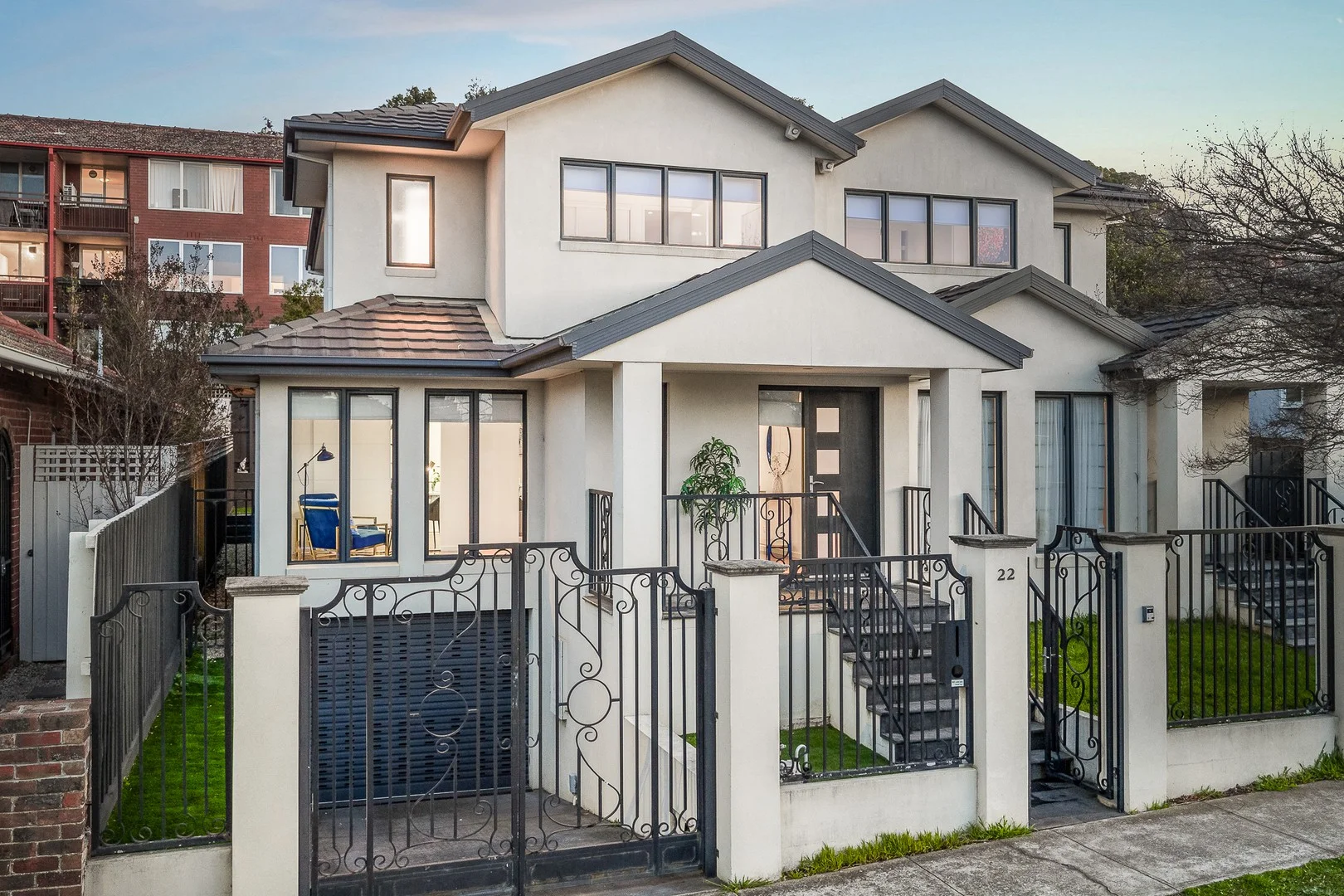 $2,390,000
Townhouse
$2,390,000
Townhouse
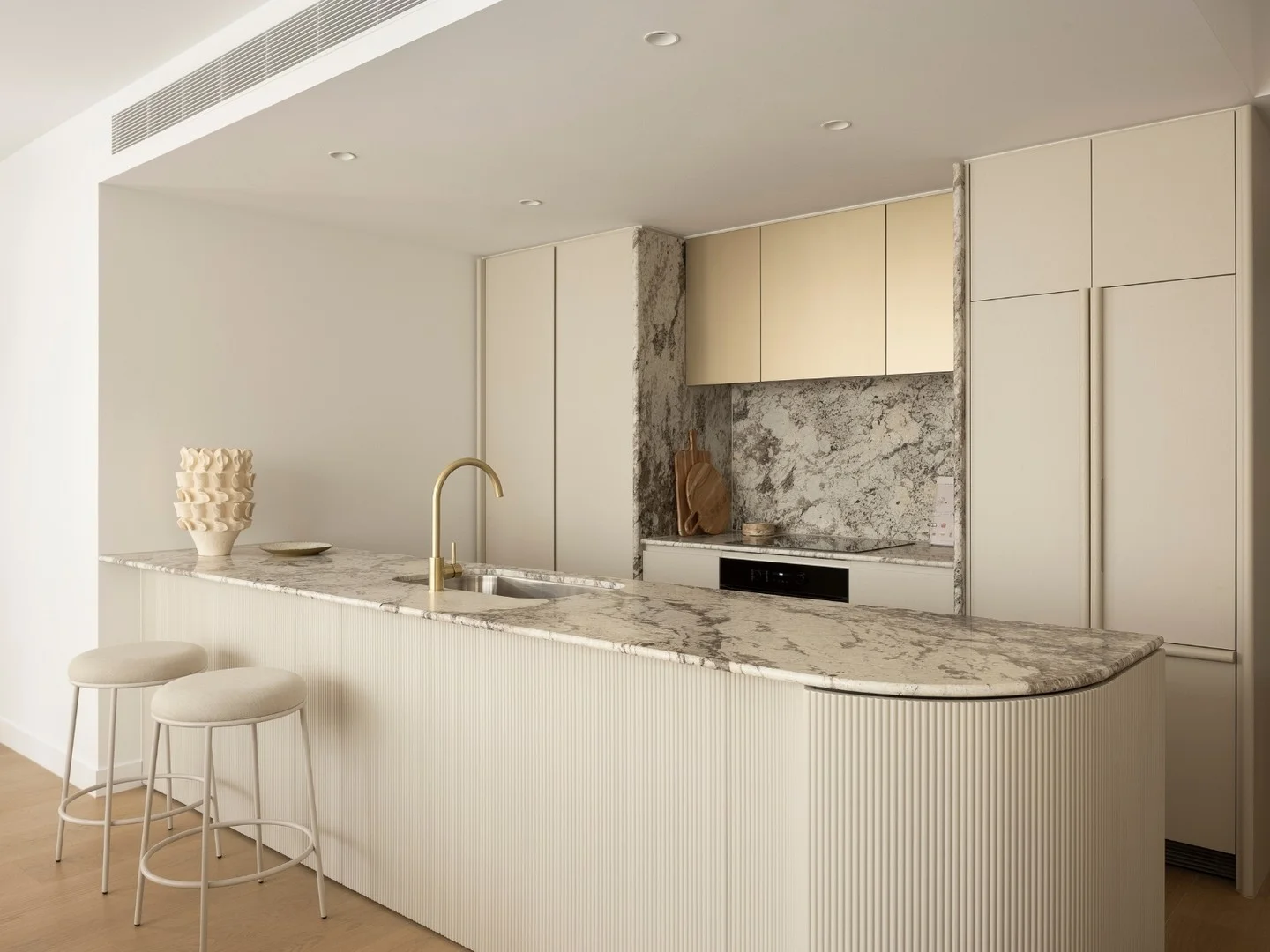 $1,345,000
Apartment / Unit / Flat
$1,345,000
Apartment / Unit / Flat
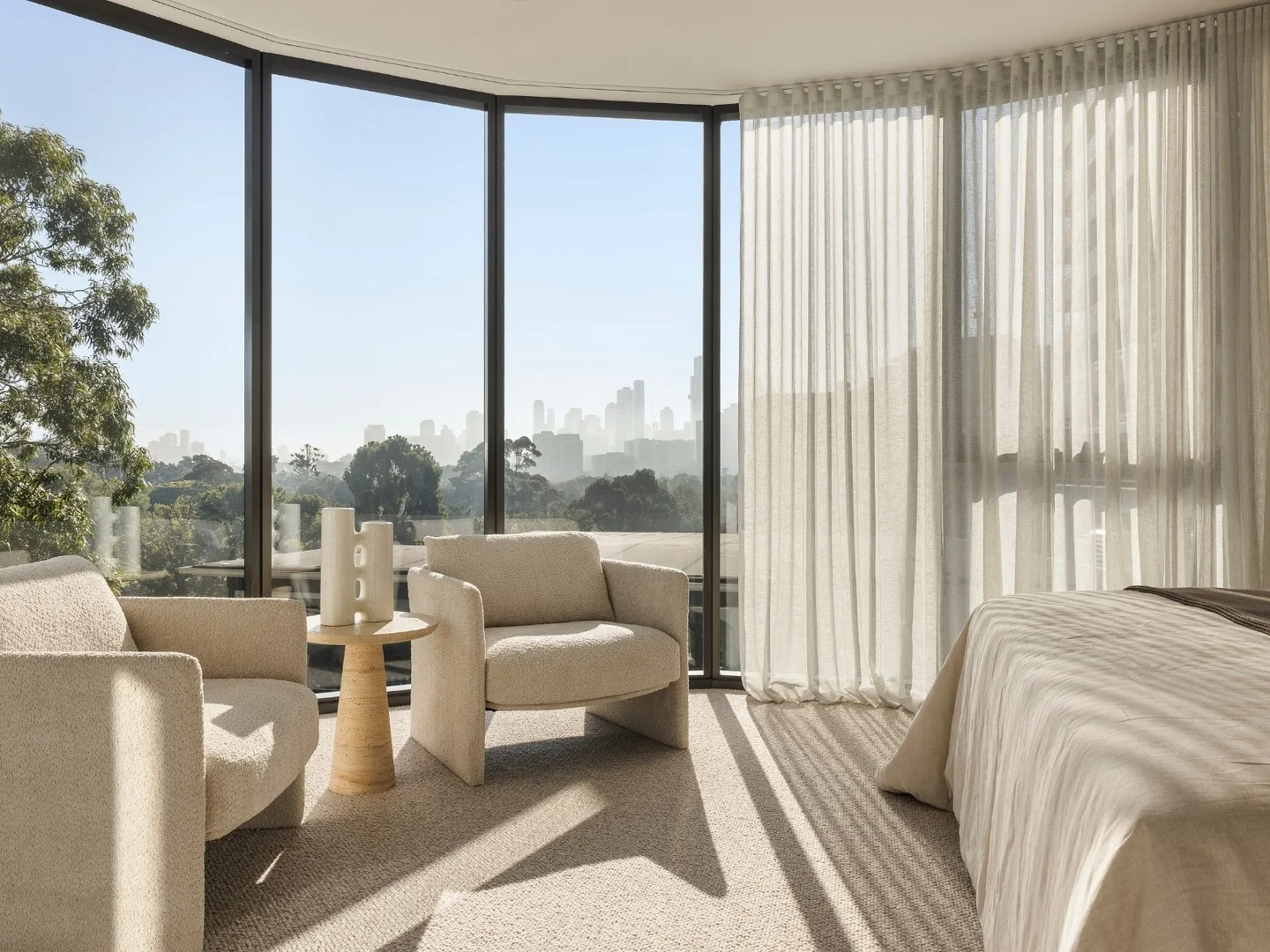 $2,750,000
Apartment / Unit / Flat
$2,750,000
Apartment / Unit / Flat
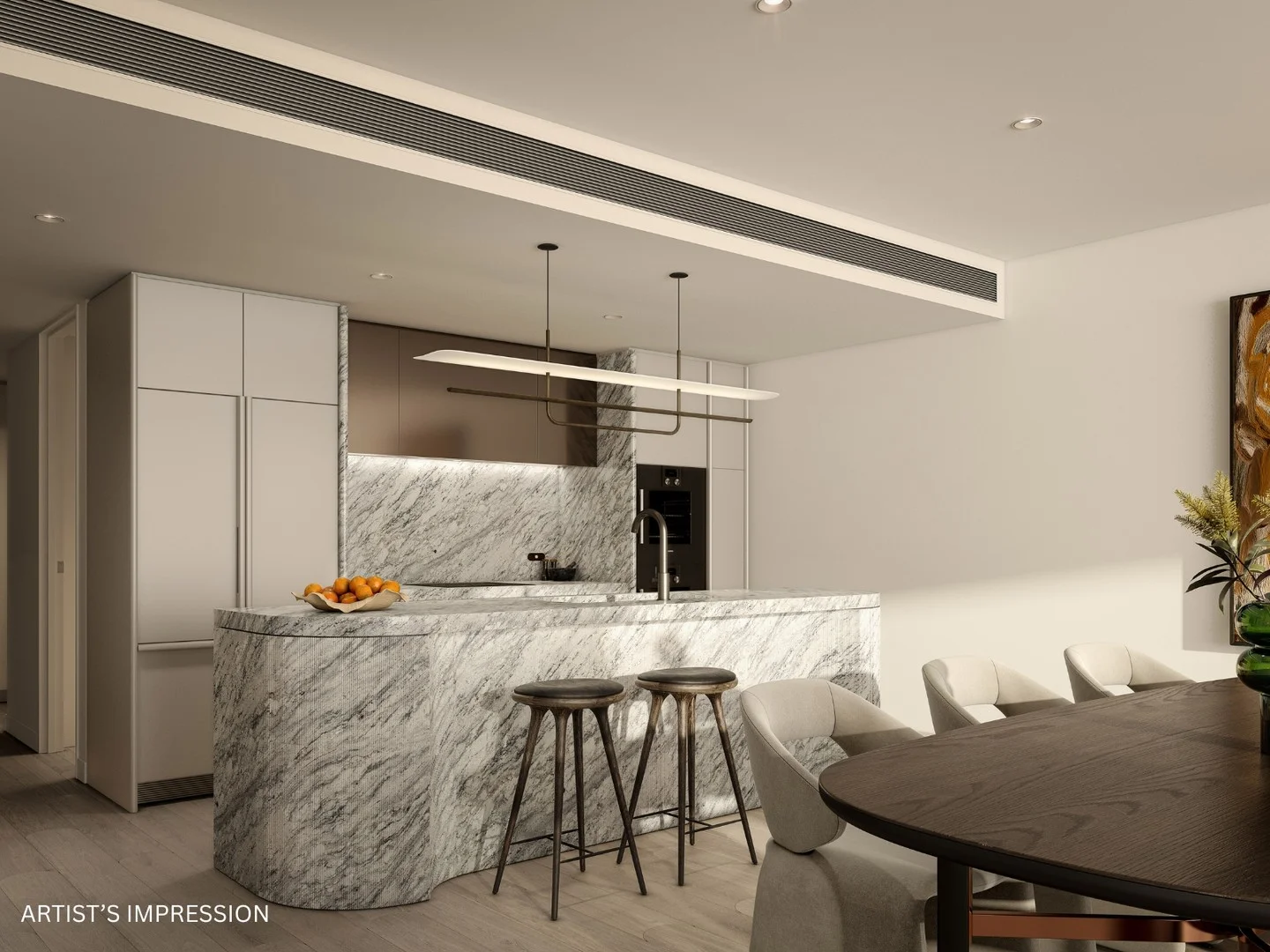 $2,900,000
Apartment / Unit / Flat
$2,900,000
Apartment / Unit / Flat
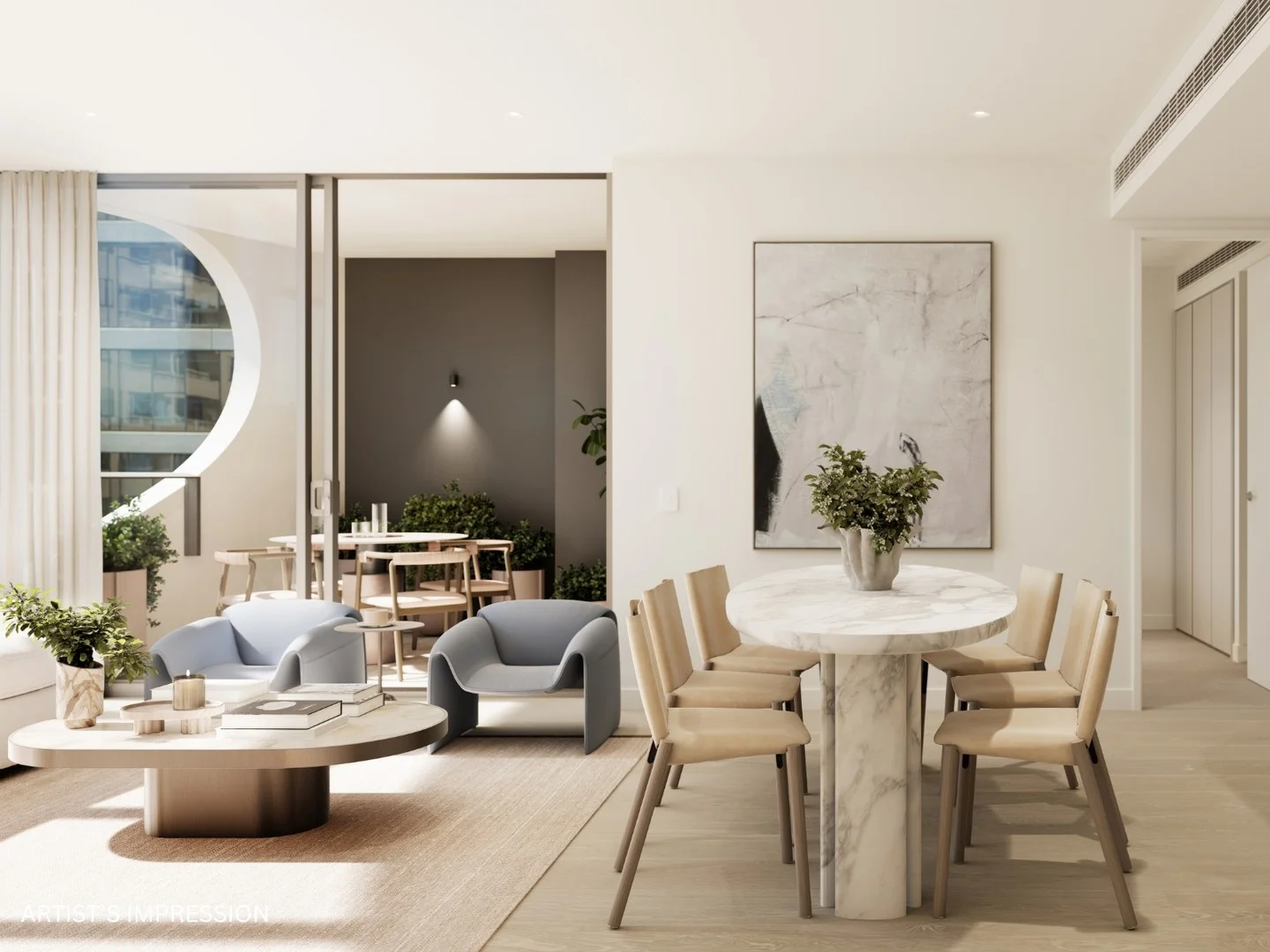 $1,640,000
Apartment / Unit / Flat
$1,640,000
Apartment / Unit / Flat
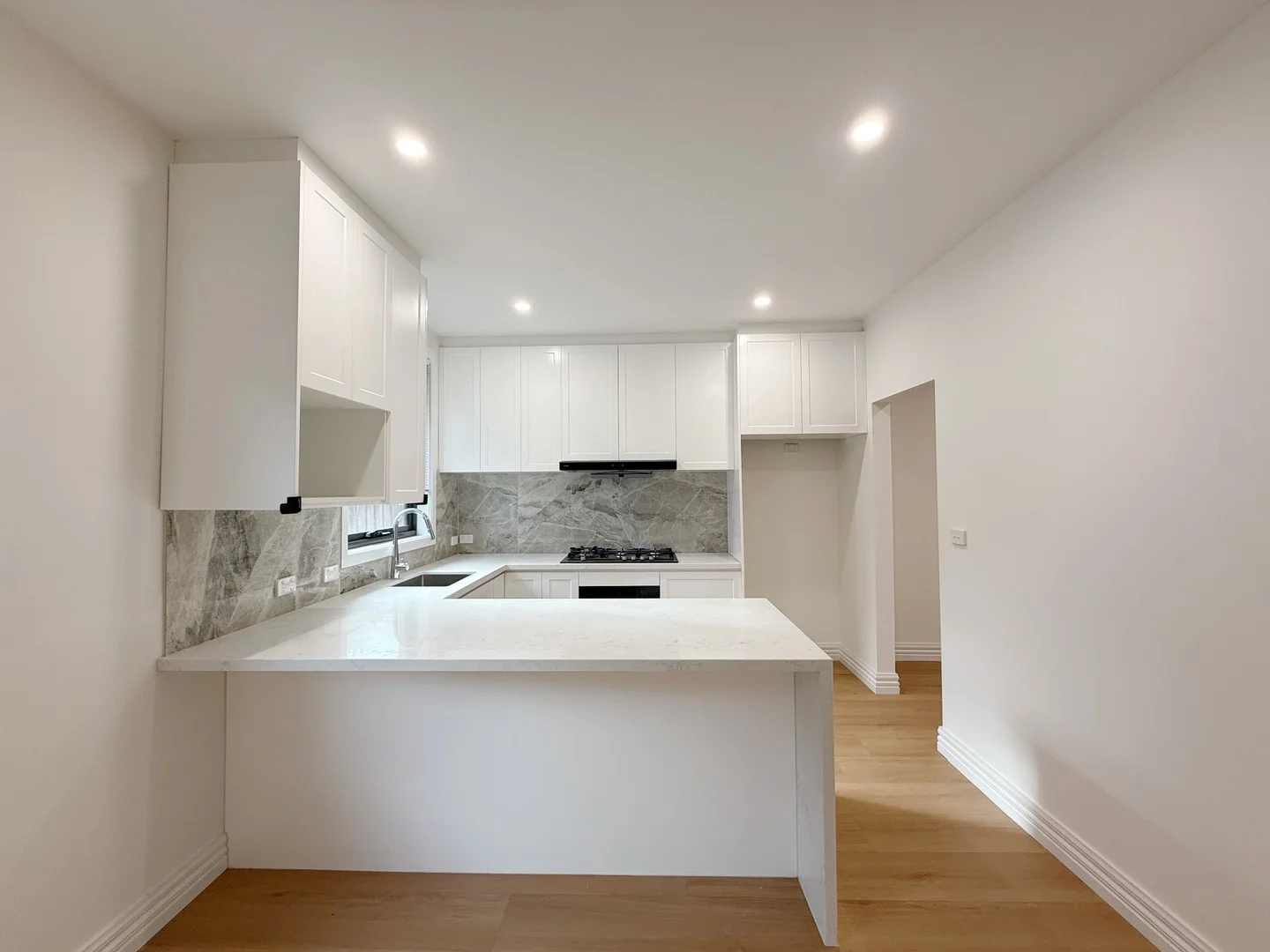 $1,280
House
$1,280
House
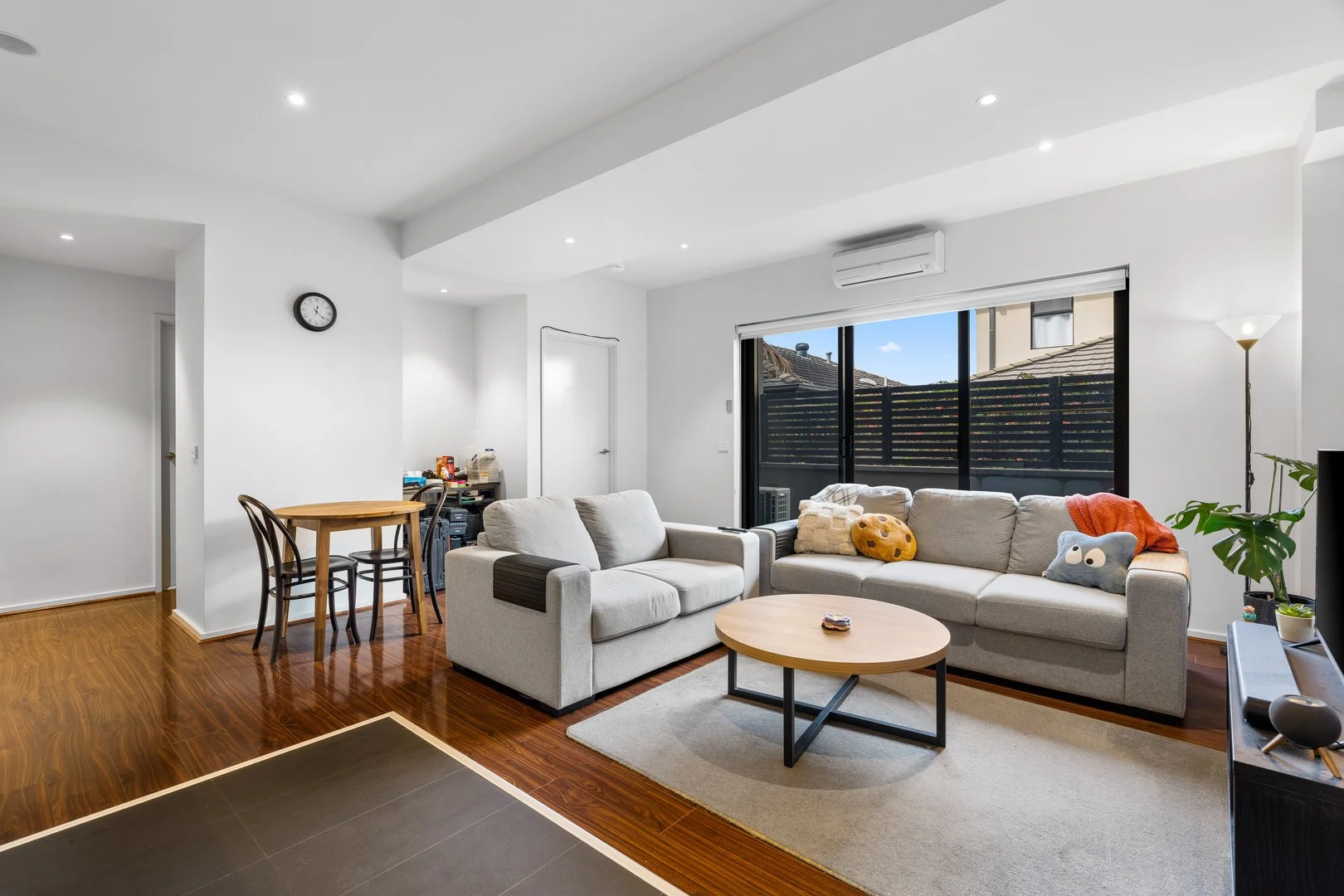 $385,000 - $410,000
Apartment / Unit / Flat
$385,000 - $410,000
Apartment / Unit / Flat
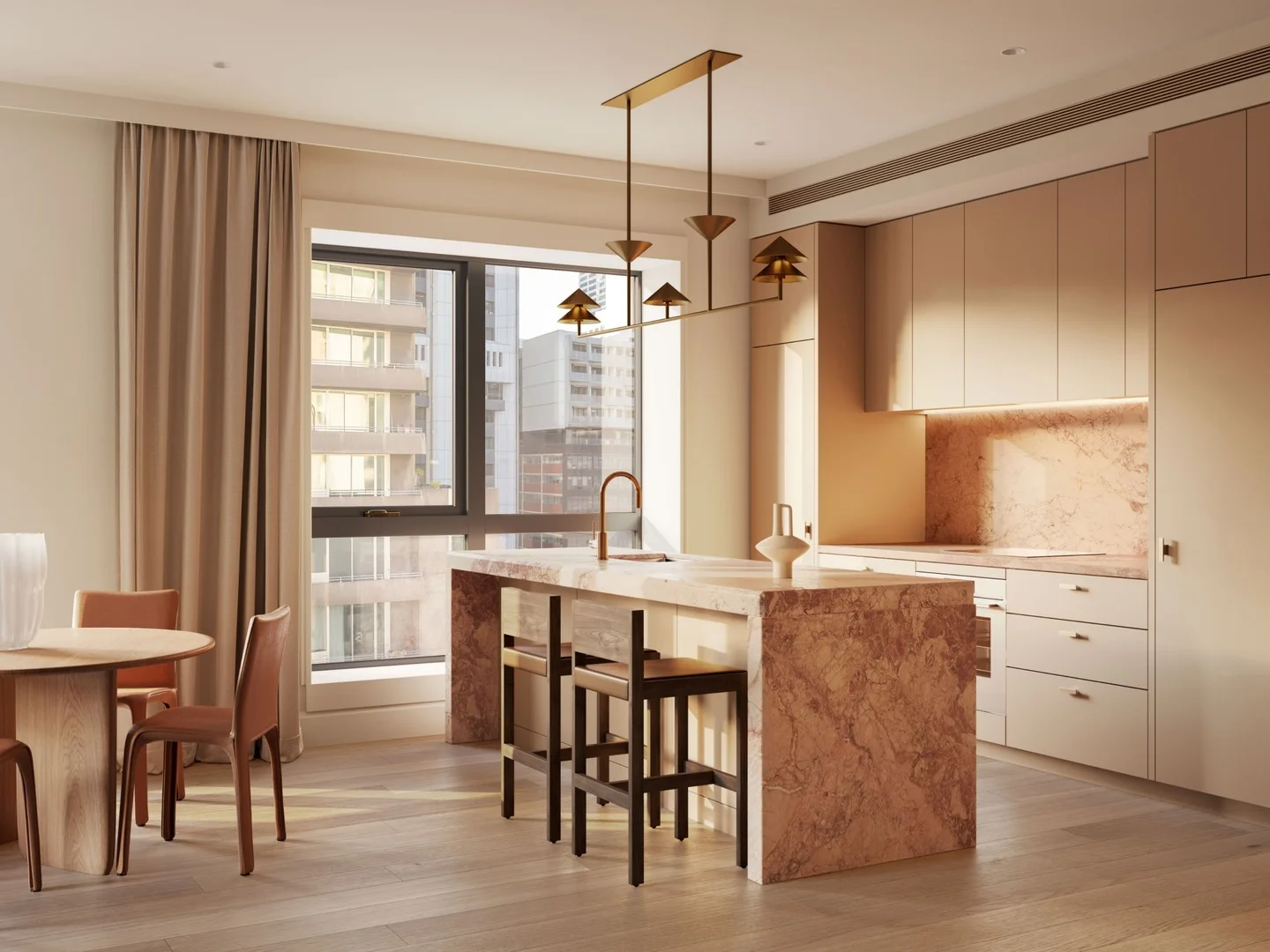 $1,760,000
propertyType.NEW APARTMENTS / OFF THE PLAN
$1,760,000
propertyType.NEW APARTMENTS / OFF THE PLAN
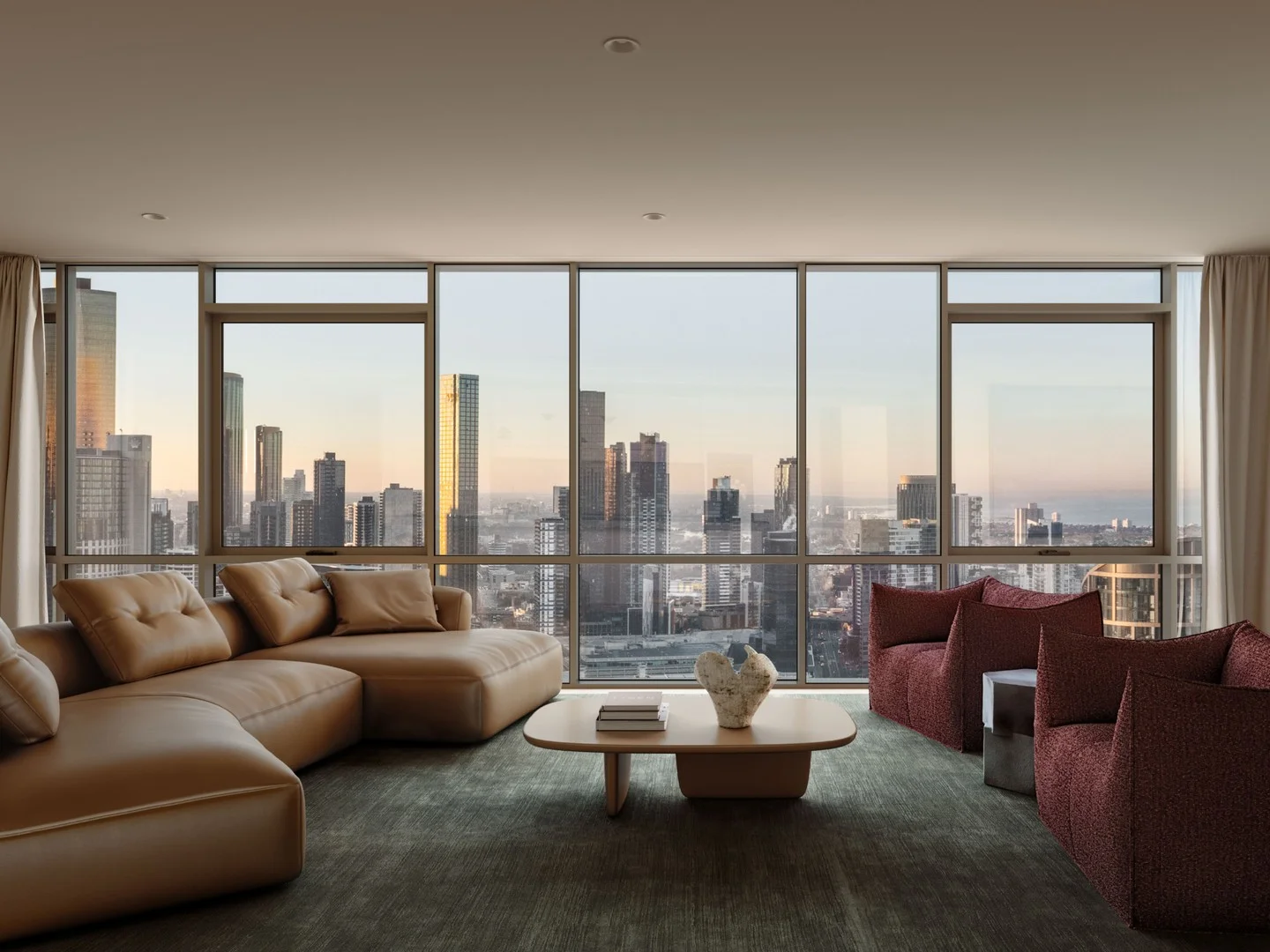 $3,700,000
propertyType.NEW APARTMENTS / OFF THE PLAN
$3,700,000
propertyType.NEW APARTMENTS / OFF THE PLAN