# Overview
Firbank Grammar School is an independent Anglican day school for girls, offering education from early learning through to Year 12. Located in Brighton, Victoria, it’s known for a values-driven approach that combines strong academics with a broad range of co-curricular opportunities. The school fosters a close-knit, supportive environment where students are encouraged to be curious, collaborative, and resilient.
The campus, while medium in size, provides a rich array of facilities and programs designed to nurture each girl’s talents. Class sizes are kept intentionally small to support individual attention, and the atmosphere emphasises inclusivity, leadership, and balanced development across academics, arts, sport, and wellbeing.
---
# Academics & Learning
- Academic strengths: English and humanities foundations alongside a solid emphasis on STEM, languages, and leadership development. The school supports rigorous coursework across subject areas and strong literacy and numeracy outcomes.
- Special programs: Targeted extension and accelerated opportunities, a broad co-curricular pathway in music and the arts, and pathways through the Victorian Certificate of Education (VCE). Strong preparation for senior studies with opportunities for deep dives in key disciplines.
- NAPLAN trends: Consistently strong performance relative to Victorian averages, with steady improvements in reading and numeracy observed over recent years.
- Student-teacher ratios: Generally low to mid-range, supporting frequent teacher-student interaction and personalised feedback (typical ratios around 1:8 to 1:12 depending on year level).
- Support for diverse learners: Dedicated EAL support for students for whom English is an additional language, plus inclusive education provisions and access to SEN support where needed.
---
# Sports & Extracurricular Strengths
- Sports offered: Netball, basketball, tennis, swimming, athletics, cross-country, soccer, and allied activities; opportunities to participate in interschool competitions and training programs.
- Strong teams or achievements: Competitive school teams with participation in regional/inter-school championships and fixtures across seasons.
- Music, arts, drama programs: Robust music program with ensembles and performances; drama productions and theatre opportunities; visual arts pathways.
- Clubs: Robotics, coding, chess, debating, public speaking, and other STEM/arts clubs to broaden skills outside the classroom.
- Partnerships: Involvement with local clubs, inter-school events, and community arts and sport collaborations to extend learning beyond the campus.
---
# Wellbeing & Pastoral Care
- Anti-bullying approach: Proactive programs and policies focused on respectful behaviour, with restorative approaches to conflict resolution and clear reporting pathways.
- House system: A house-based structure to foster belonging, healthy competition, leadership roles, and peer support across year levels.
- Counsellors / wellbeing officers: On-site wellbeing staff and school counsellors dedicated to student welfare, with accessible support for students and families.
- Transition support for new students: Comprehensive orientation, buddy programs, and ongoing pastoral care to help new entrants settle in smoothly.
---
# Facilities
- Sports grounds: Extensive outdoor spaces and courts for a range of activities.
- Libraries: Welcoming libraries with a broad collection and spaces for study and collaboration.
- Science labs: Well-equipped laboratories for biology, chemistry, physics, and integrated STEM experiences.
- Music/performing arts centers: Dedicated spaces for ensembles, rehearsals, and performances.
- Tech/innovation labs: Modern computer and media labs, maker spaces, and technology integration across the curriculum.
- Cafeteria: On-site dining facilities offering healthy options for students.
- Updated playgrounds: Safe, well-maintained play areas and outdoor learning spaces for younger students.
---
# School Values & Community Culture
- Values / mission: A values-based education centred on integrity, respect, resilience, and inclusion, with a focus on developing capable, compassionate young women.
- Leadership style: Collaborative and student-centred, with opportunities for student representation, leadership roles, and voice in school life.
- Behaviour expectations: Clear code of conduct emphasising respect, responsibility, and positive relationships.
- Community reputation: Strong sense of community and supportive engagement from families and alumni; active involvement in school life beyond the classroom.
- Diversity & inclusion: Commitment to a diverse, inclusive environment with pathways and support to ensure access and belonging for all students.
---
# School Logistics & Daily Operations
- School hours: Typical school day from mid-morning to mid-afternoon, with associated start and finish times varying by year level.
- Before/after school care: Wrap-around care options available to support families beyond standard hours.
- Uniform requirements: School uniform policy with seasonal variations (including sports uniform) and clear guidelines for neat, consistent dress.
- Transport (train/bus routes): Accessible by public transport with nearby bus services and train stations, plus organised drop-off/pick-up arrangements.
- Canteen availability: Canteen or food service on site providing daily meals and snacks.
- Fees (low/medium/high ranges): Fees fall in the higher range for independent schools in Victoria, reflecting the comprehensive programs, facilities, and staffing.
---
# Enrolment & Admissions
11. What is the enrolment process and timeline?
- Submit an online application with required documents (birth certificate, previous school reports, immunisation records, and any relevant certificates).
- Provisional assessments or interviews may be scheduled for shortlisted applicants.
- Offer of placement is made if a place is available; families accept and return required forms and deposits to secure enrolment.
- Enrolment timelines vary by year level and cohort; late-year applications can be considered if spaces remain.
12. Is there a waiting list, and how does it work?
- There is typically a waiting list when all places are filled, prioritised by date of application, sibling consideration, and year-level demand. Places may become available mid-year or for the following year as vacancies arise.
13. Are there any entry requirements, tests, or interviews?
- Entry often involves an interview (for the student) and a parent interview, along with academic/work samples or assessments as required. English literacy and numeracy elements may be included, and references from previous schools may be requested.
14. Does the school accept mid-year transfers?
- Transfers mid-year are sometimes possible, subject to space and placement testing. Prospective transfer students may need to complete assessments and meet equivalent entry requirements.
---
# Frequently Asked Questions
- Why Parents Choose This School?
- Strong academic programs balanced with wellbeing and character development.
- Supportive, inclusive community with a focus on leadership and resilience.
- Broad co-curricular options in sport, arts, and STEM.
- What type of student thrives at this school?
- Motivated, collaborative, and curious girls who value both academic achievement and community involvement.
- What opportunities are available for students to extend their skills (academics, sports, arts)?
- Enrichment and extension opportunities in core subjects, leadership programs, and a wide range of clubs, sports, music ensembles, and drama productions.
- How does the school communicate with parents?
- Regular updates via newsletters, a school portal, parent-teacher interviews, and targeted communications from grade and subject coordinators.
- What is the school’s approach to teaching and learning?
- Focus on student-centred, inquiry-based learning with strong literacy and numeracy foundations and integration of technology.
- How does the school support students who need extra academic help?
- Access to targeted tutoring, EAL support, and learning support staff to develop individualised plans.
- What support is available for academic challenges?
- Dedicated teachers and counsellors provide tailored assistance, monitoring, and intervention where needed.
- How does the school communicate with parents? (repeated)
- See above: regular updates through multiple channels to ensure timely information sharing.
- What are the class sizes and how much individual attention do students receive?
- Class sizes are small to medium (approximately 18–22 students per class in many year levels), enabling frequent teacher feedback and individualised support.
- What extracurricular and sports opportunities are available?
- A broad mix of sports, music, drama, robotics, coding, debating, and other clubs; regular intra- and inter-school competitions.
- What facilities does the school offer (sports, science, arts)?
- Comprehensive facilities including sports grounds, libraries, science labs, performing arts spaces, and technology labs.
- What is the school’s approach to technology and digital learning?
- Integrated use of technology across the curriculum with digital literacy, online resources, and appropriate safeguarding and digital citizenship education.
- What transport and accessibility options are available?
- Access to public transport options with nearby bus routes and train stations; organised drop-off/pick-up and accessible facilities.
- What are typical school fees or additional costs?
- Fees fall in the higher range for independent schools in Victoria; additional costs may apply for camps, elective activities, and resources.
---
# Short Pros & Cons list
- Pros
- Independent, values-based education with strong academics and broad co-curriculars.
- Supportive community, small to mid-sized classes, and strong wellbeing focus.
- Wide range of facilities and opportunities in arts, sport, and STEM.
- Cons
- Higher fee level relative to government schools.
- Competitive admission environment with possible waiting lists.
- Logistics (distance or commute) may require careful planning for some families.











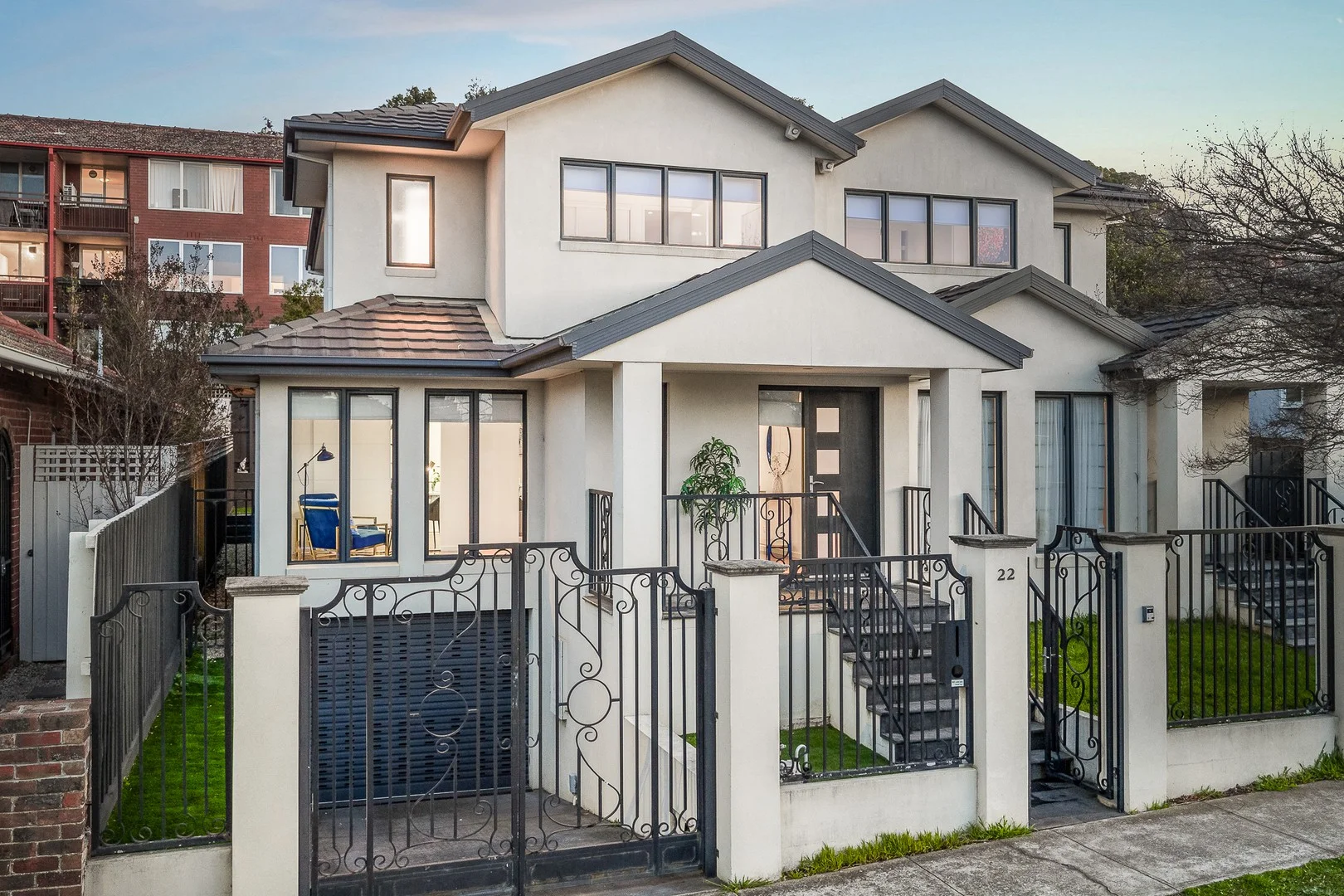 $2,100,000
Townhouse
$2,100,000
Townhouse
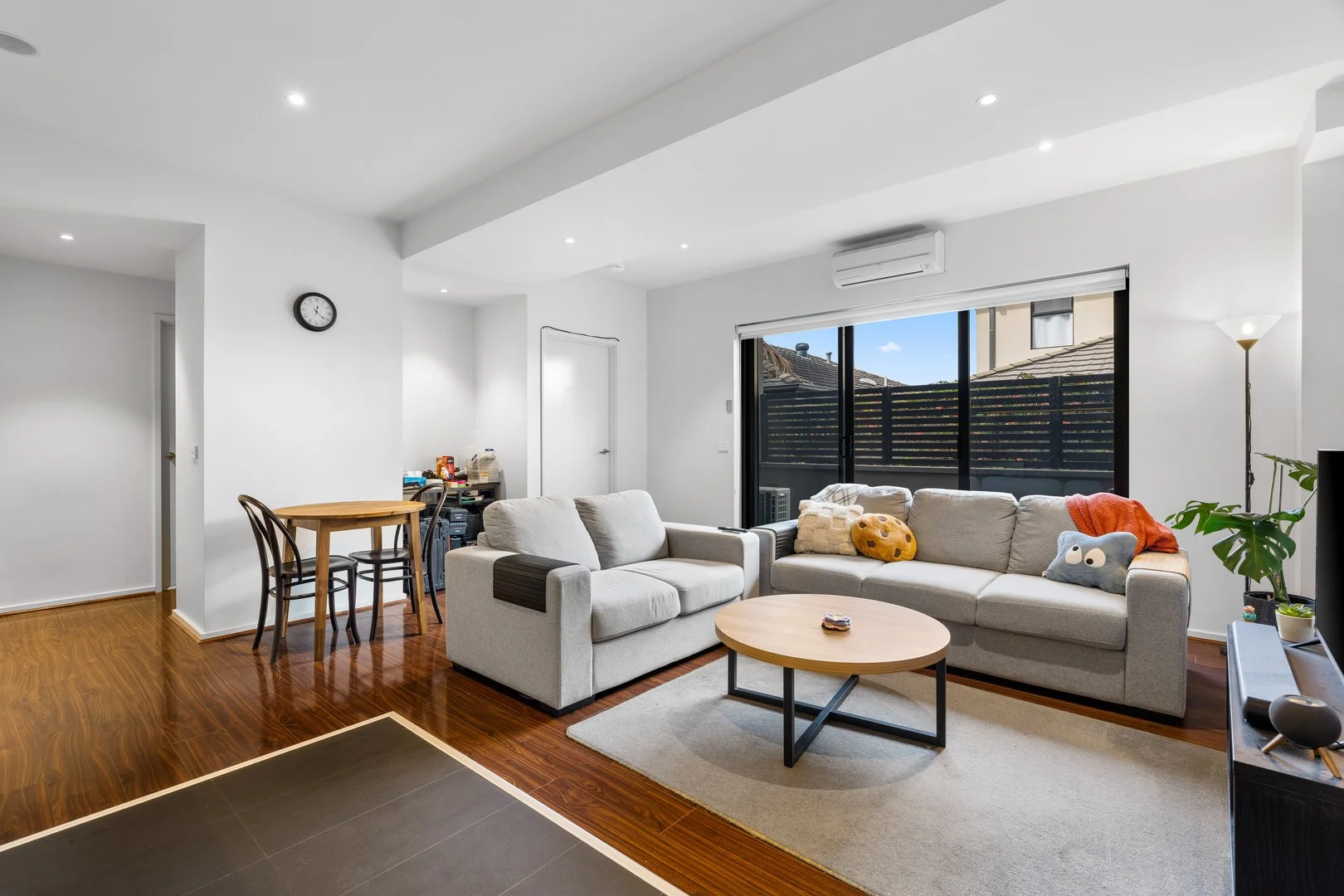 $385,000 - $410,000
Apartment / Unit / Flat
$385,000 - $410,000
Apartment / Unit / Flat
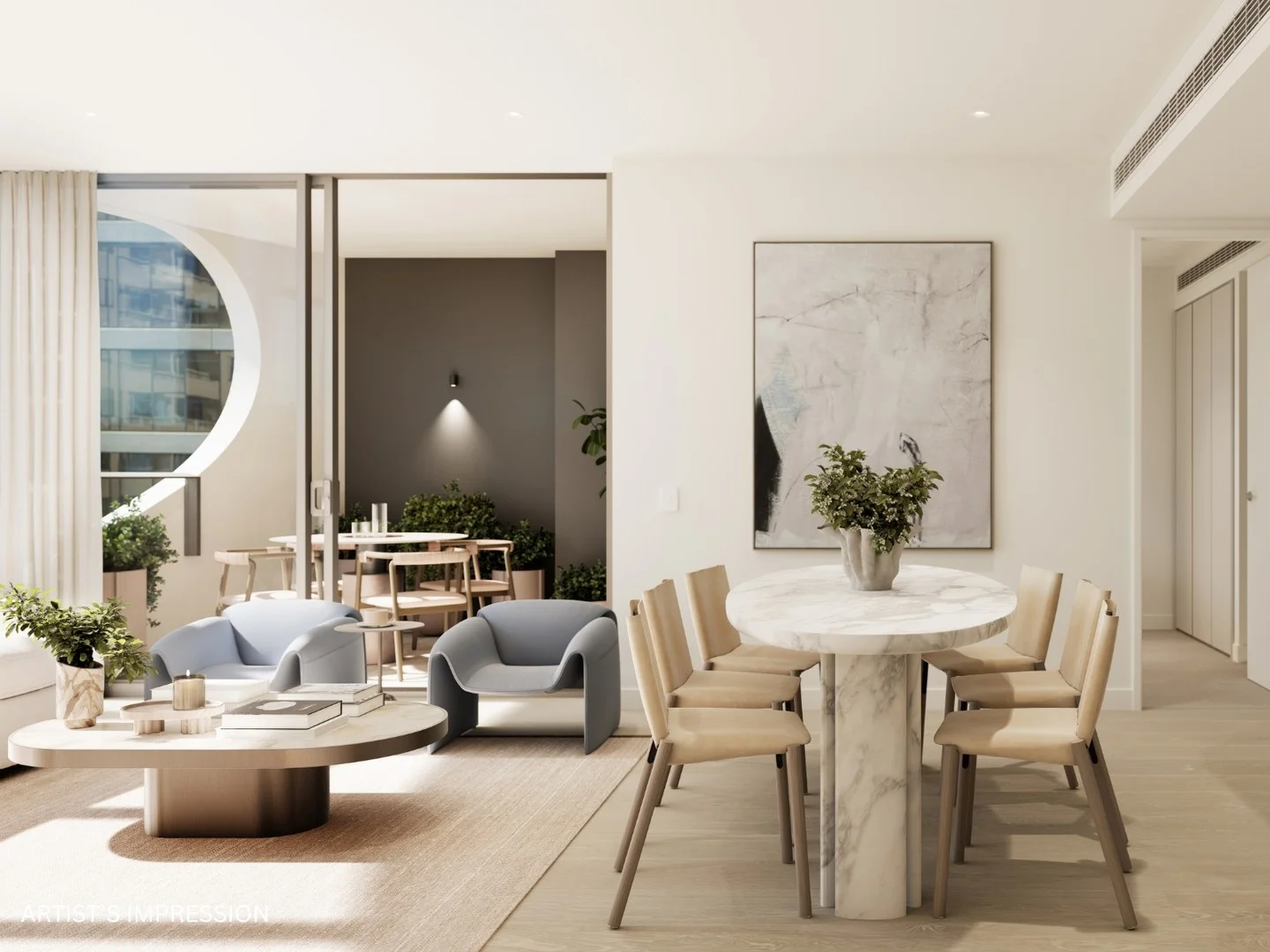 $1,640,000
Apartment / Unit / Flat
$1,640,000
Apartment / Unit / Flat
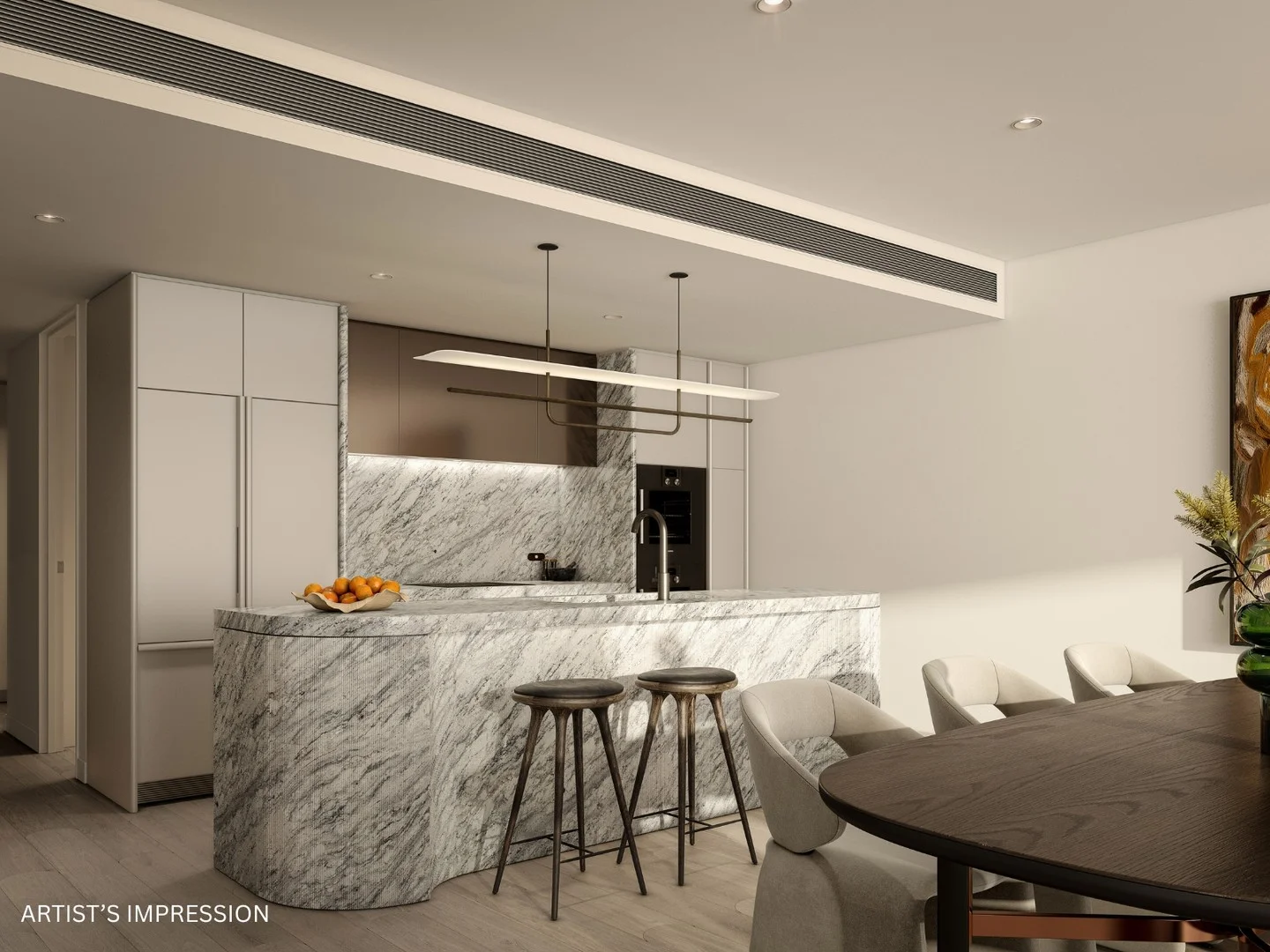 $2,900,000
Apartment / Unit / Flat
$2,900,000
Apartment / Unit / Flat
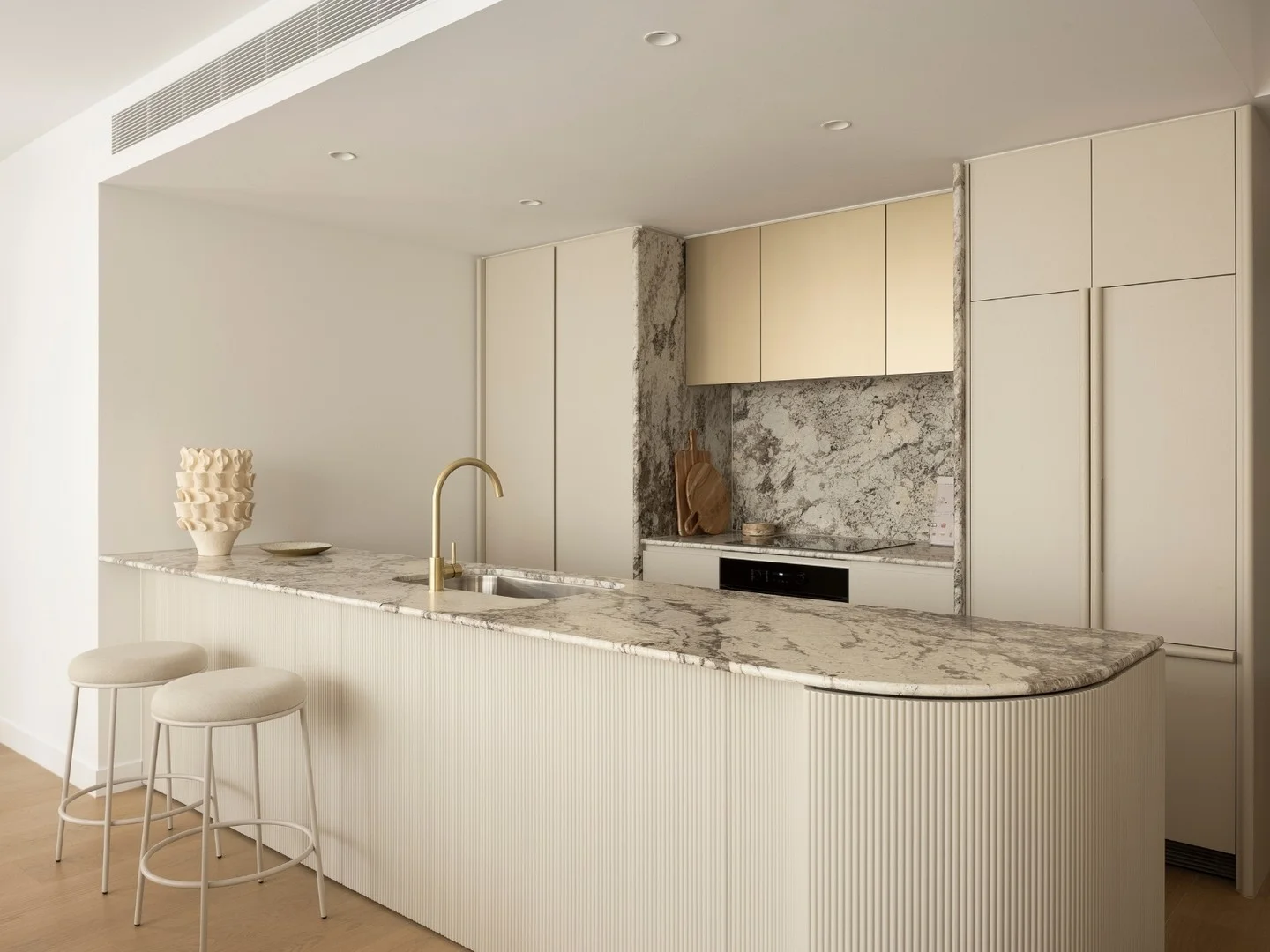 $1,345,000
Apartment / Unit / Flat
$1,345,000
Apartment / Unit / Flat
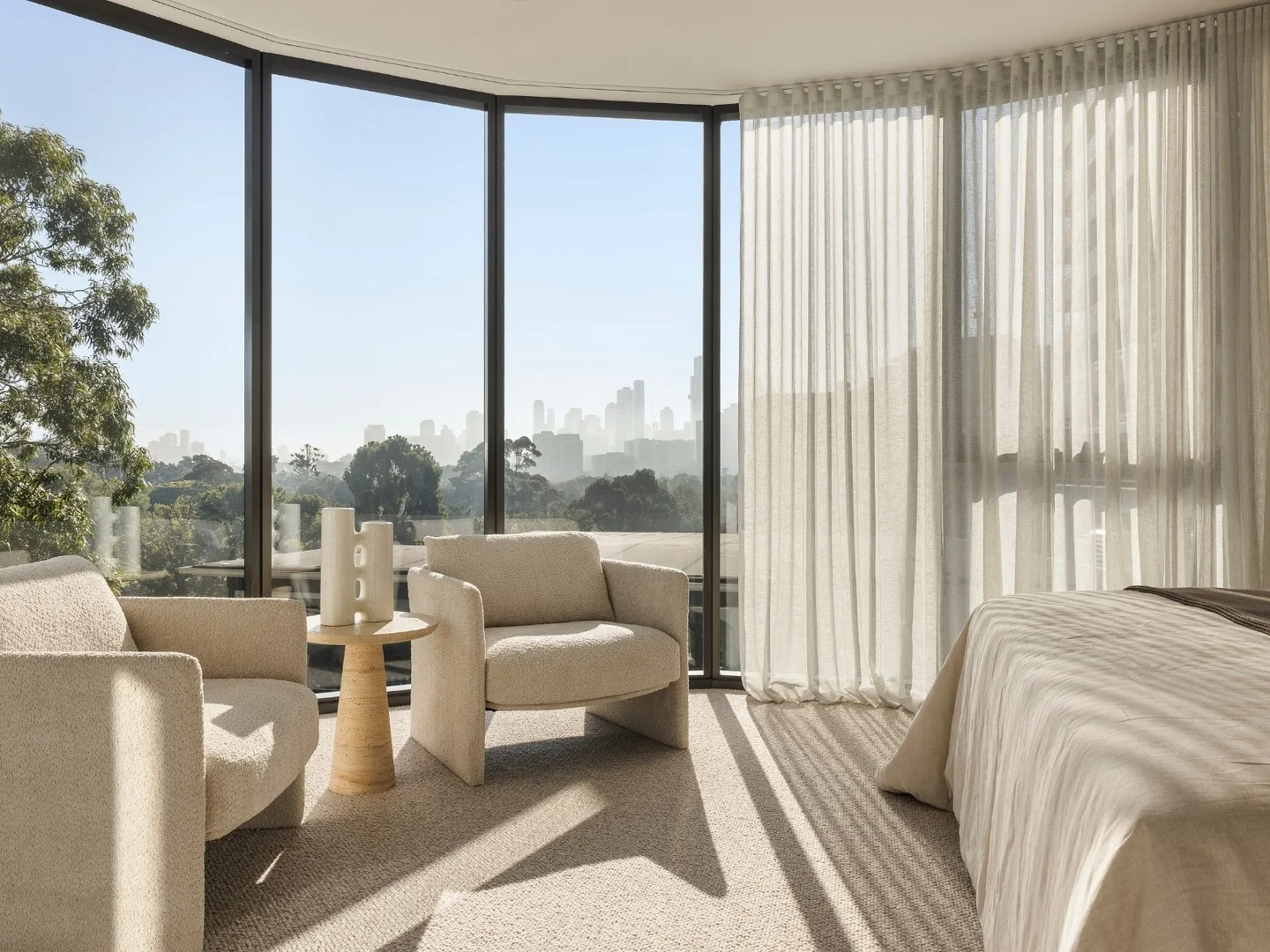 $2,750,000
Apartment / Unit / Flat
$2,750,000
Apartment / Unit / Flat
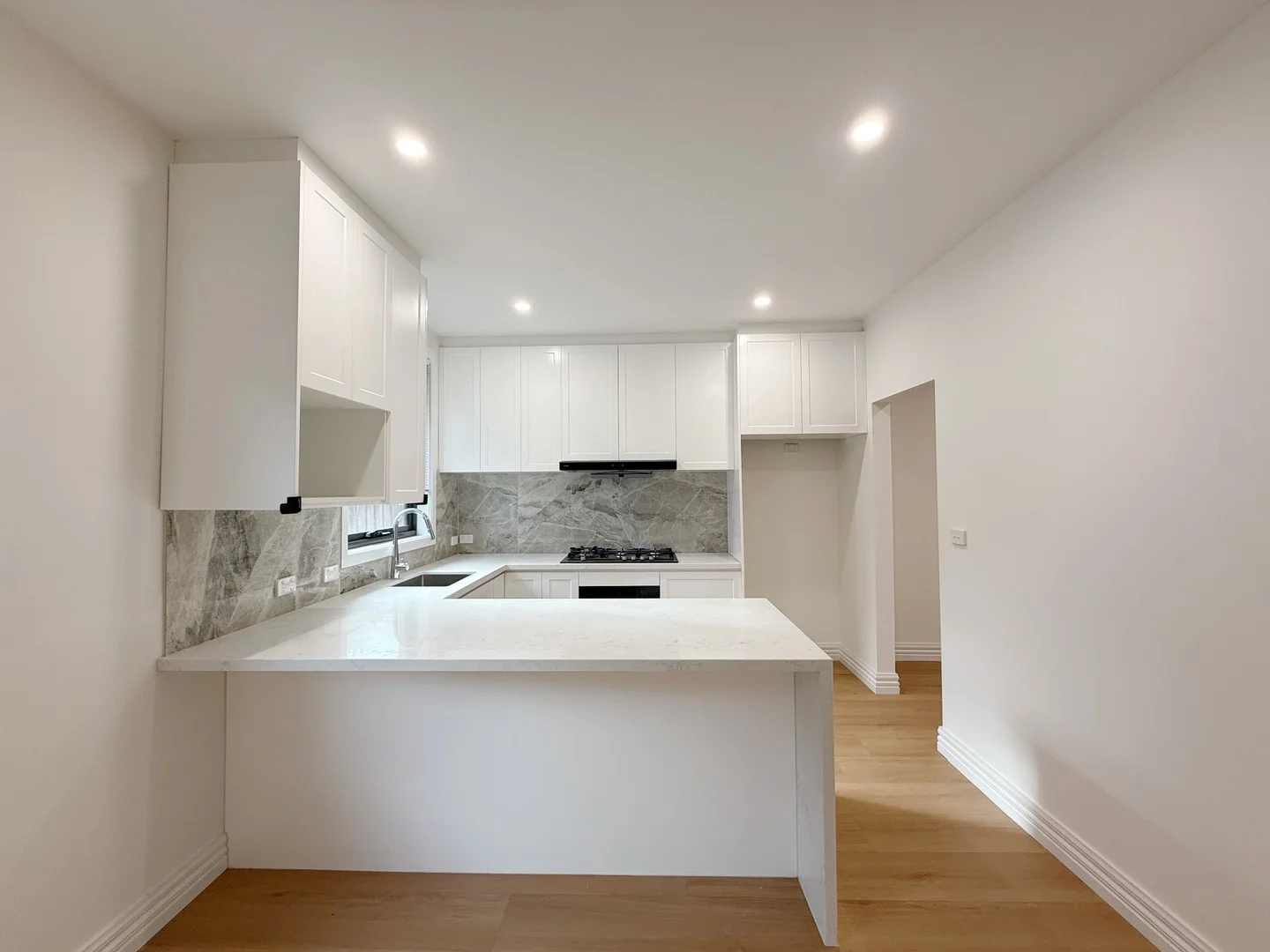 $1,280
House
$1,280
House
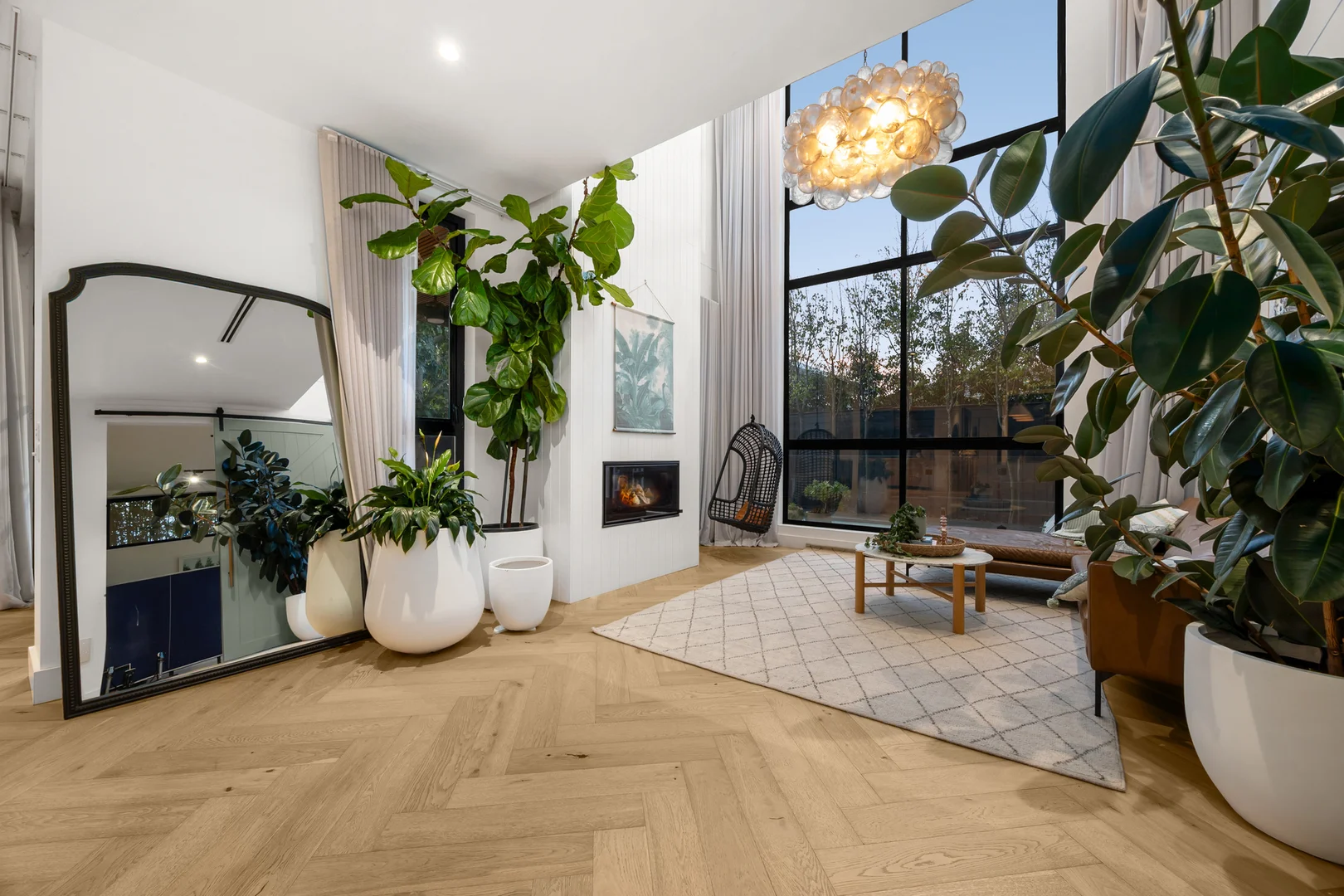 $3,300,000
House
$3,300,000
House
 $1,770,000
propertyType.NEW APARTMENTS / OFF THE PLAN
$1,770,000
propertyType.NEW APARTMENTS / OFF THE PLAN


