## 1. Overview
Star of the Sea College is a Catholic secondary college located in Brighton, Victoria. As a Catholic school, it emphasises faith-based education within a contemporary, student-centred environment. The college tends to be described as a medium-sized community with a strong sense of belonging and tradition.
The culture is nurturing and inclusive, with an academic focus that supports girls to develop sharply in literacy, numeracy, and leadership. Class sizes are kept small to support personal attention, and the atmosphere encourages resilience, service to others, and collaborative learning.
⸻
## 2. Academics & Learning
- Academic strengths: English and humanities are well supported, with a solid emphasis on literacy, critical thinking, and communication. STEM and languages are also highlighted, along with leadership development and service learning.
- Special programs: VCE/ATAR pathways with opportunities for extension and enrichment; options for accelerated learning where appropriate; pathways that support gifted and talented learners.
- NAPLAN trends: Consistent positive growth and performance relative to state averages, with a focus on improving reading, writing, and numeracy skills over time.
- Student-teacher ratios: Class sizes are designed to be manageable for individual attention, with a favourable student-teacher ratio that supports targeted feedback and closer teacher-student interaction.
- Support for diverse learners: Strong support for diverse learners including EAL (English as an Additional Language) assistance, learning support staff, and SEN (special education) programs.
⸻
## 3. Sports & Extracurricular Strengths
- Sports offered: Netball, basketball, soccer, tennis, athletics, swimming, volleyball, and other inter-school activities are typical offerings.
- Strong teams or achievements: Notable participation and success in inter-school competitions, with emphasis on teamwork, discipline, and school representation across sports.
- Music, arts, drama programs: Active music program with choirs and ensembles; regular drama productions and performance opportunities.
- Clubs: Robotics, chess, coding, debating, and other academic or interest-based clubs provide avenues to extend skills outside the classroom.
- Partnerships: Connections with local sporting clubs, arts programs, and inter-school competitions enhance opportunities outside regular classes.
⸻
## 4. Wellbeing & Pastoral Care
- Anti-bullying approach: Proactive anti-bullying policies and programs, with a focus on respectful behaviour, peer support, and clear reporting channels.
- House system: A house-based structure supports pastoral care, leadership development, and school events.
- Counsellors / wellbeing officers: Access to school counsellors and wellbeing staff to support students’ mental and emotional health.
- Transition support for new students: Induction programs, buddy systems, and targeted orientation to help new students settle in smoothly.
⸻
## 5. Facilities
- Sports grounds: On-site or nearby facilities for athletics and team training.
- Libraries: School library with study spaces and resources to support research and reading.
- Science labs: Modern science laboratories for biology, chemistry, physics, and experiments.
- Music/performing arts centers: Dedicated spaces for music rehearsals, performances, and drama.
- Tech/innovation labs: Computers and makerspace-style facilities to support digital learning and innovation.
- Cafeteria: On-site canteen or dining options to support everyday meals and snacks.
- Updated playgrounds: Well-maintained outdoor spaces and recreational areas for breaks and physical activity.
⸻
## 6. School Values & Community Culture
- School values / mission: A mission centred on faith, integrity, service, and academic excellence; emphasis on caring for others and contributing to the community.
- Leadership style: Student leadership opportunities through the house system, clubs, and council roles; supportive and faith-informed guidance from staff.
- Behaviour expectations: Clear behavioural standards aligned with school values; emphasis on respect, responsibility, honesty, and courtesy.
- Community reputation: Recognised for a warm, welcoming culture and a commitment to holistic student development.
- Diversity & inclusion: Inclusive environment with support for students from diverse backgrounds and with differing needs.
⸻
## 7. School Logistics & Daily Operations
- School hours: Typically a morning start and afternoon finish aligned with local school timetables; day-to-day activities run from start of lessons to end of school.
- Before/after school care: Availability of before/after school care programs or external providers to support families.
- Uniform requirements: Standard college uniform with seasonal options; guidelines for grooming, jewellery, and appearance.
- Transport: Access via local public transport (train and bus routes in the Brighton area) with parking and drop-off arrangements typical of Melbourne schools.
- Canteen availability: On-site canteen or approved lunch facilities offering meals and snacks.
- Fees: Fees fall in the middle-to-upper range for Melbourne Catholic schools, with additional costs for excursions, activities, and resources.
⸻
## 8. Enrolment & Admissions
11. What is the enrolment process and timeline?
- Submit an application with required documents, including proof of identity and any parish or family details as requested.
- Complete any required interviews or information sessions.
- If applicable, participate in assessment activities or subject/curriculum discussions.
- Receive a parental confirmation of enrolment and guidance on next steps (orientation and onboarding) once a place is offered.
12. Is there a waiting list, and how does it work?
- Waiting lists are possible when the college reaches capacity. Priority is typically given to siblings, Catholic families, and applicants who meet established criteria. The length of time on the waiting list can vary based on year level and space.
13. Are there any entry requirements, tests, or interviews?
- Generally involves an application, possible interview, and discussion about educational goals and fit with the college’s values. Some year levels may have additional requirements or assessments.
14. Does the school accept mid-year transfers?
- Mid-year transfers are considered if there is space in the relevant year level and subject availability; applicants should contact the admissions office for specific conditions and timelines.
⸻
## 9. Frequently Asked Questions
- “Why Parents Choose This School?”
- Catholic values, supportive community, strong academic focus, broad extracurricular opportunities, and holistic development.
- “What type of student thrives at this school?”
- Motivated, engaged, values-driven students who respond well to a faith-based community, collaborative learning, and opportunities to lead and serve.
- “What opportunities are available for students to extend their skills (academics, sports, arts)?”
- Access to advanced subject pathways (VCE/ATAR), extension programs, competitive sports teams, arts performances, music ensembles, robotics, debating, and other clubs.
- “How does the school communicate with parents?”
- Regular newsletters, parent portals, emails, scheduled parent-teacher interviews, and updates from pastoral care and subject coordinators.
- “What is the school’s approach to teaching and learning?”
- Student-centred, values-driven education with emphasis on literacy, numeracy, critical thinking, and collaboration; emphasis on service and community.
- “How does the school support students who need extra academic help?”
- Dedicated learning support staff, EAL assistance, targeted intervention programs, and access to counsellors for academic planning.
- “What support is available for academic challenges?”
- Individualised support plans, small-group tutoring or acceleration options, and guidance from teachers and learning support staff.
- “What transport and accessibility options are available?”
- Proximity to public transport options in Brighton; local bus routes and train stations; on-site parking and drop-off arrangements as per school policy.
- “What are the typical school fees or additional costs?”
- Fees are in the mid-range for Melbourne Catholic schools, with possible additional costs for excursions, uniforms, and extra-curricular activities.
- “What facilities does the school offer (sports, science, arts)?”
- Modern science labs, libraries, performing arts spaces, music facilities, tech/innovation labs, and well-maintained sports grounds.
- “What is the school’s approach to technology and digital learning?”
- Integration of digital tools into teaching, with access to devices and online platforms to support learning, collaboration, and research skills.
- “What are the transport and accessibility options for students with special needs?”
- Public transport access, on-site facilities, and accommodations aligned with the school’s inclusion policies; families should consult the admissions team for individual needs.
⸻
## 10. Short Pros & Cons list
Pros
- Strong Catholic values and community atmosphere
- Supportive pastoral care and student wellbeing
- Balanced focus on academics, sports, and arts
- Wide range of extracurricular clubs and activities
- Modern facilities and resources to support learning
Cons
- Fees are higher than public schools (typical of Catholic/private options)
- Single-sex environment may not suit families seeking co-ed experiences
- Transit and parking considerations for some families depending on location and schedule
⸻

 $25+
$25+










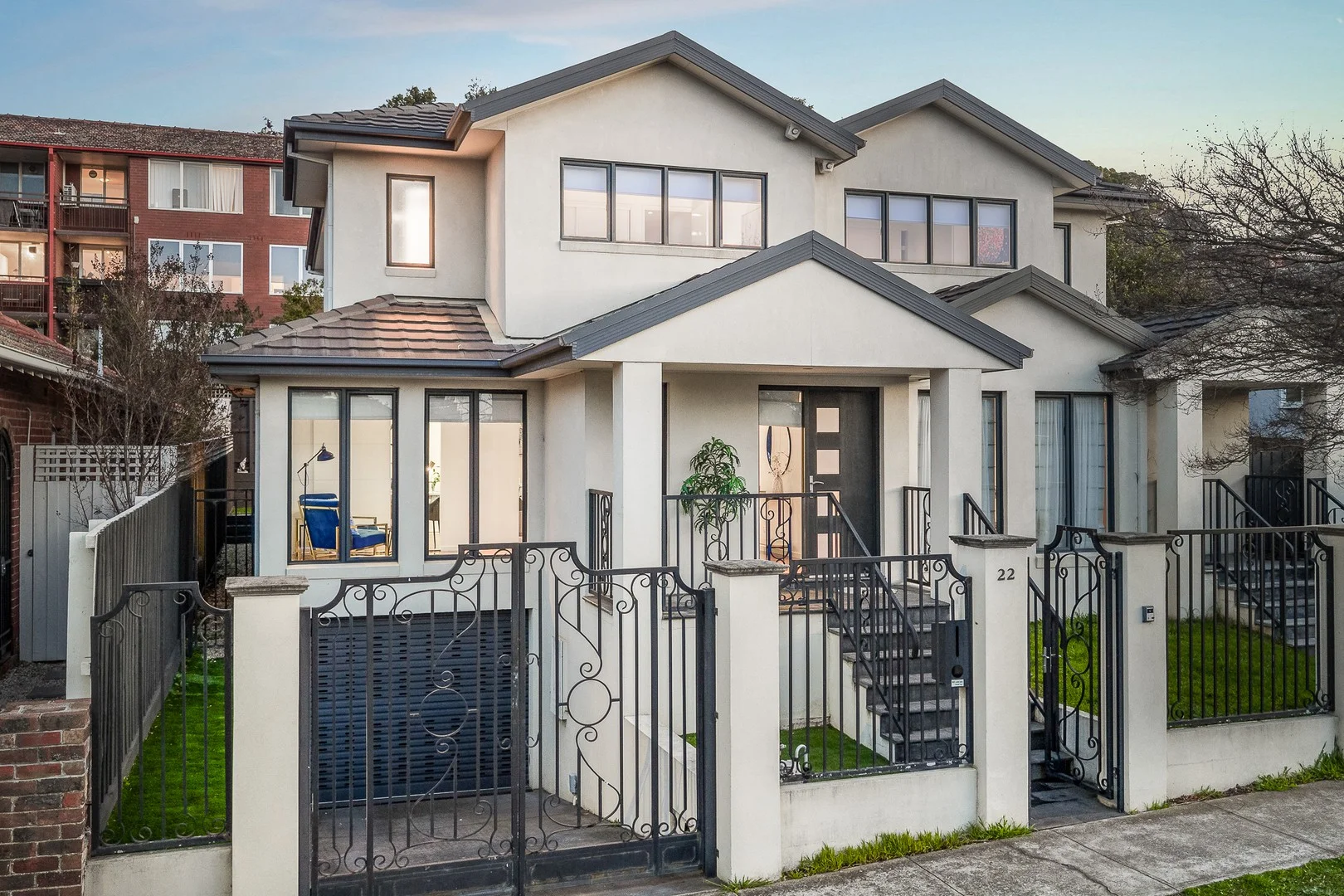 $2,100,000
Townhouse
$2,100,000
Townhouse
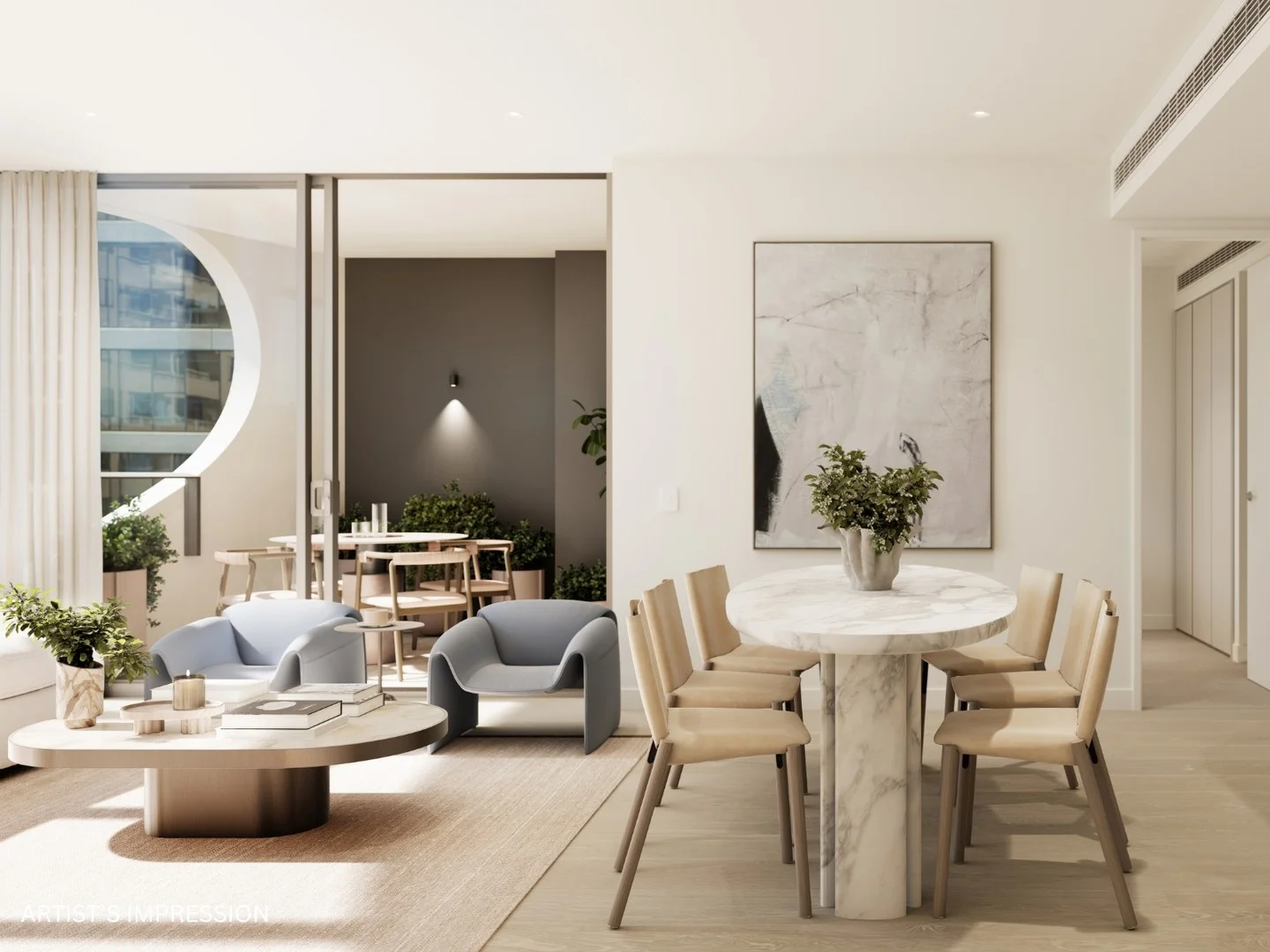 $1,640,000
Apartment / Unit / Flat
$1,640,000
Apartment / Unit / Flat
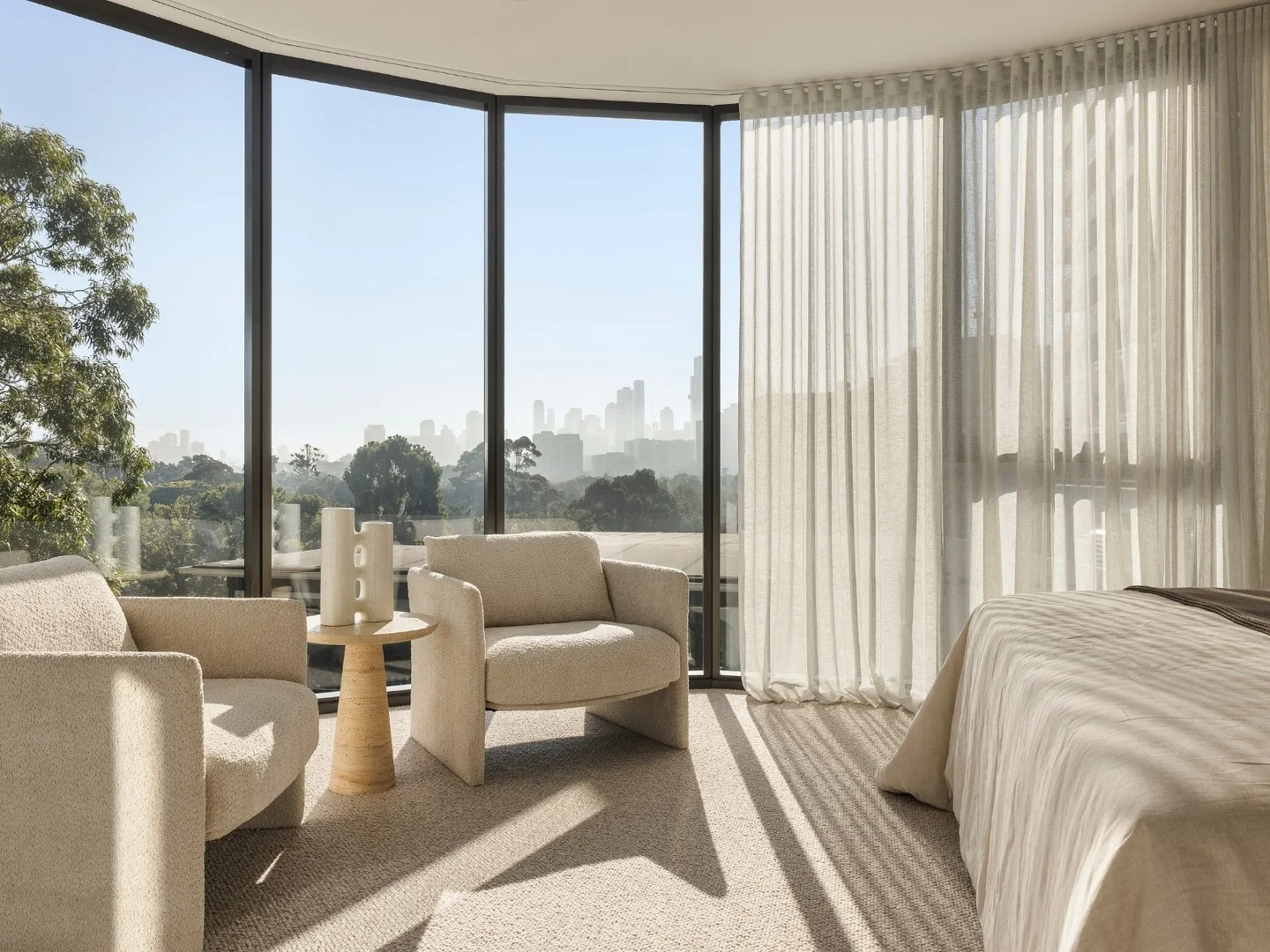 $2,750,000
Apartment / Unit / Flat
$2,750,000
Apartment / Unit / Flat
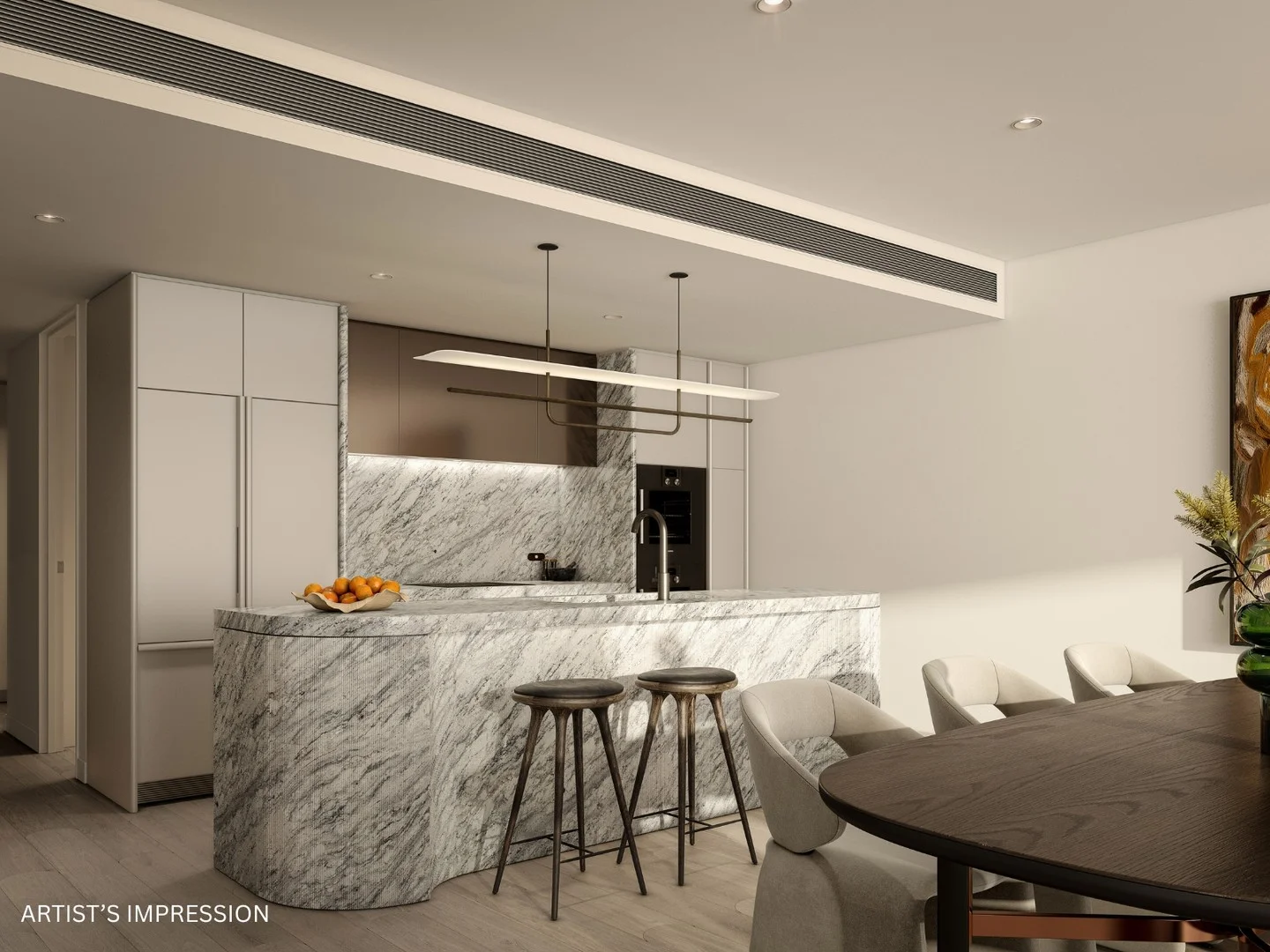 $2,900,000
Apartment / Unit / Flat
$2,900,000
Apartment / Unit / Flat
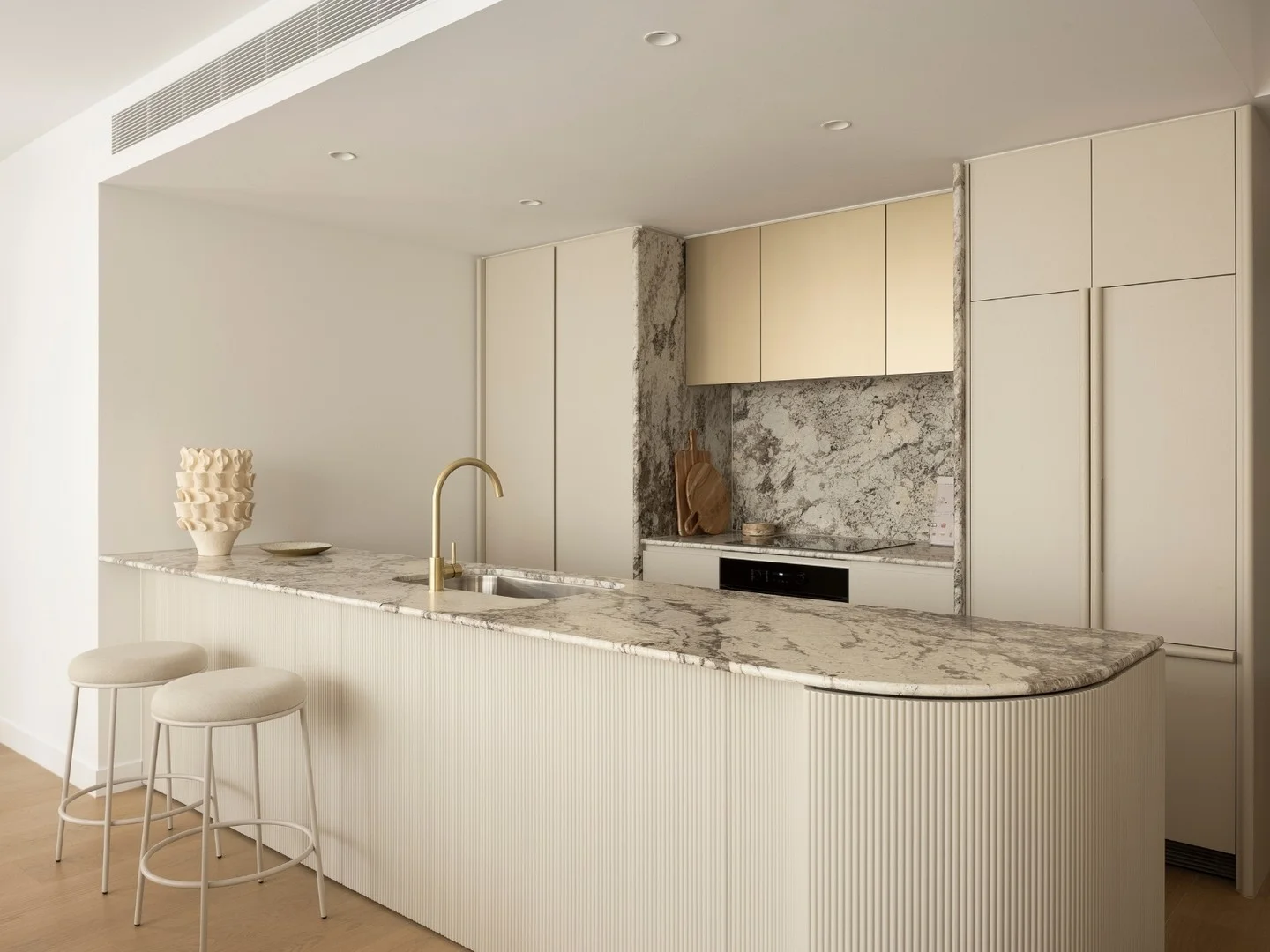 $1,345,000
Apartment / Unit / Flat
$1,345,000
Apartment / Unit / Flat
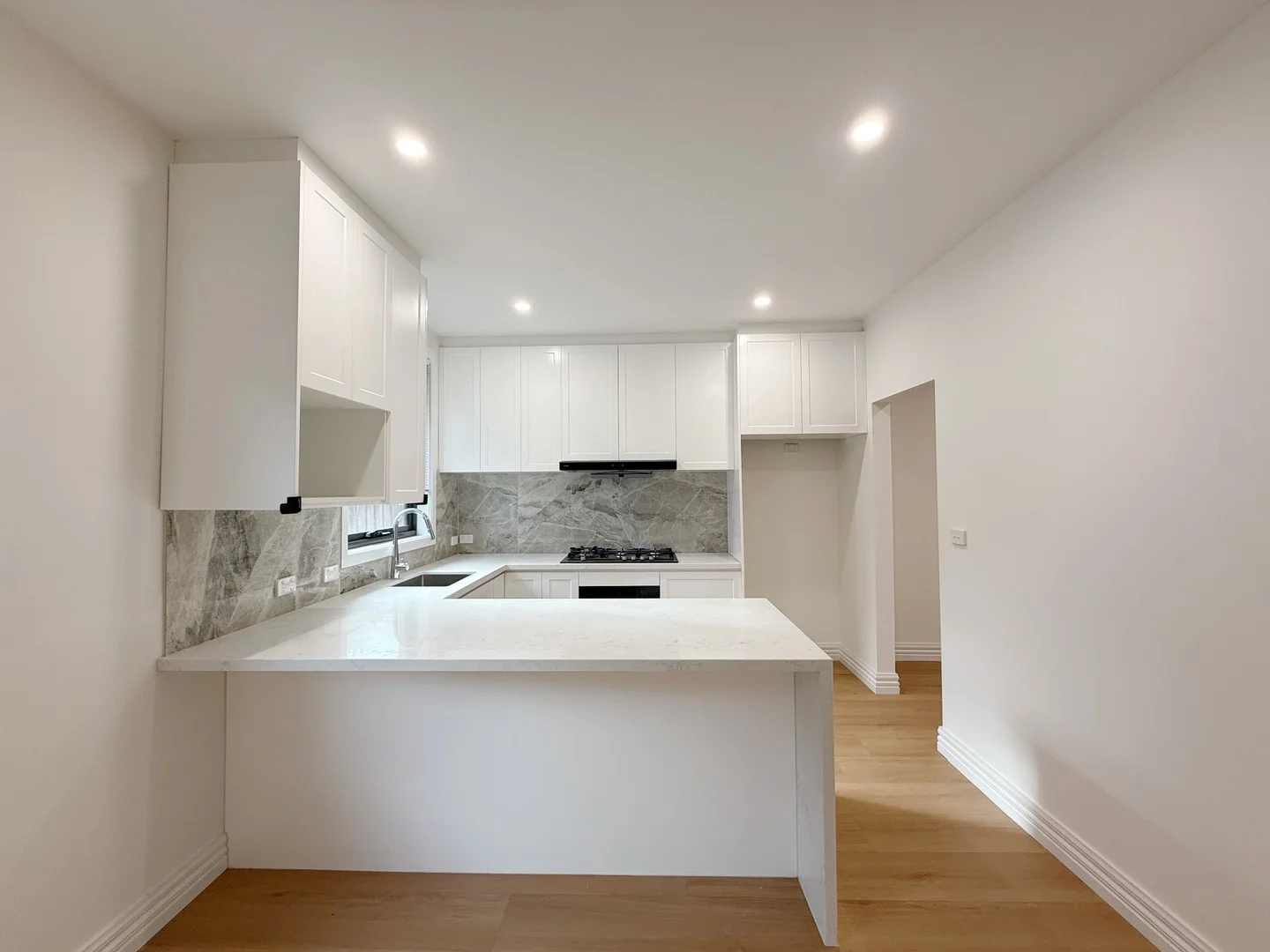 $1,280
House
$1,280
House
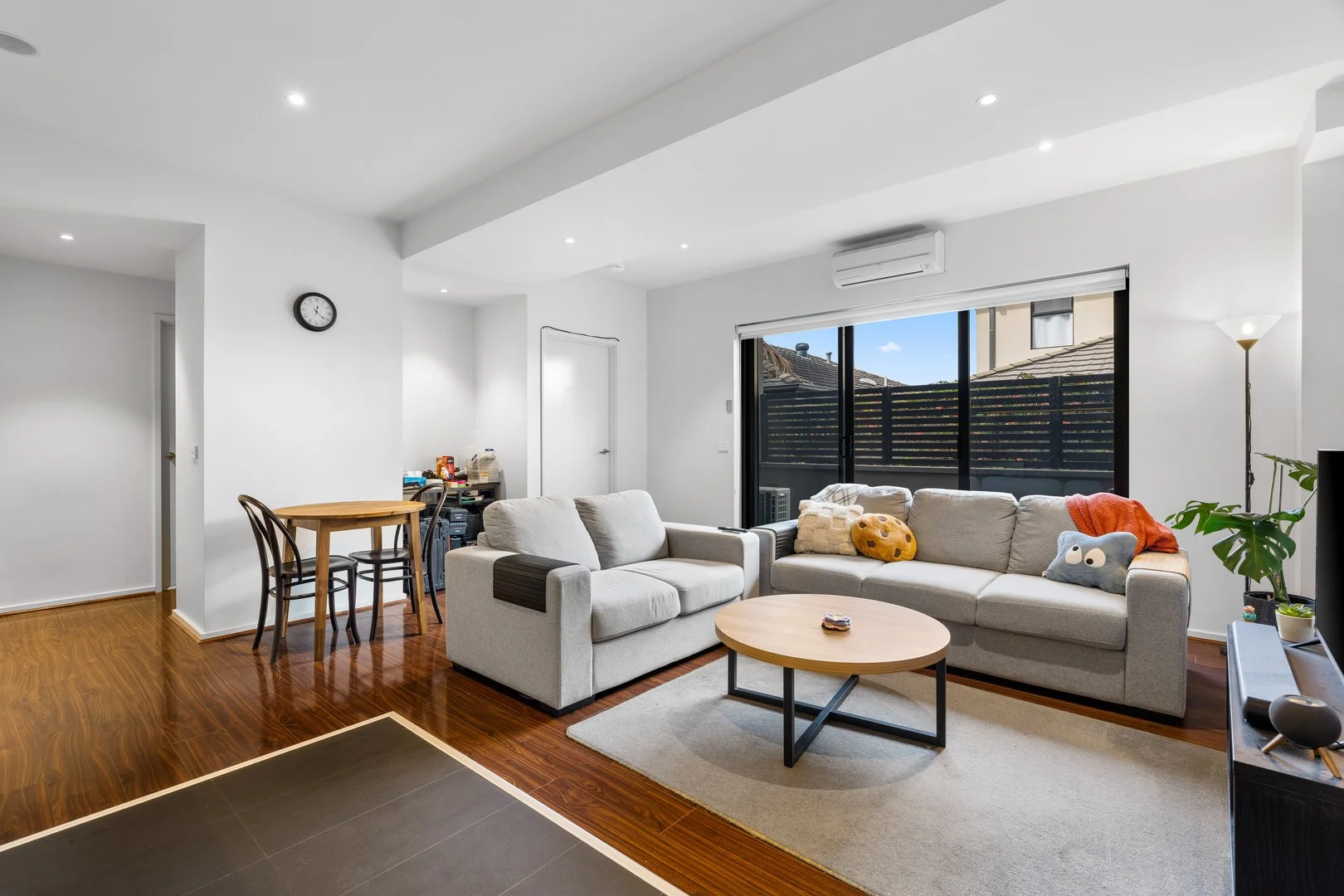 $385,000 - $410,000
Apartment / Unit / Flat
$385,000 - $410,000
Apartment / Unit / Flat
 $1,000,000
Townhouse
$1,000,000
Townhouse
 $2,680,000
House
$2,680,000
House


