1. Overview
Indooroopilly State High School is a public, co-educational secondary school serving students in the Brisbane area. As a large, community-focused high school, it strives to provide a comprehensive education that supports academic achievement, personal growth and well-rounded development. The school aims to foster an inclusive, welcoming atmosphere where students feel supported and encouraged to participate in a range of activities beyond the classroom.
School size is large, with a broad range of subjects and programs to cater to diverse interests. Class sizes are balanced to allow for individual attention within a collaborative learning environment, helping students form strong relationships with peers and staff. The atmosphere emphasises academic effort, sport, arts and leadership, creating a culture that values achievement, inclusion and community involvement.
2. Academics & Learning
- Academic strengths: Strong focus on STEM and English, with opportunities to develop leadership and language skills as part of the broader curriculum.
- Special programs: Gifted and Talented Education options and accelerated learning pathways are available for students seeking advanced coursework or timelines.
- NAPLAN / trends: Data over recent years show steady performance with positive trends in reading, writing and numeracy as students progress through the school.
- Student-teacher ratios: Classrooms are staffed to provide supportive teacher access and guidance, enabling more personalized feedback and support.
- Support for diverse learners: Comprehensive support for diverse learners, including EAL (English as an Additional Language) assistance and SEN (Special Educational Needs) services, with inclusive classroom practices and targeted support where needed.
3. Sports & Extracurricular Strengths
- Sports offered: A broad program including rugby/football codes, netball, basketball, cricket, athletics, swimming, tennis and more.
- Strong teams or achievements: Regular participation in inter-school and district competitions, with opportunities for representative teams across various sports.
- Music, arts, drama programs: Active music and performing arts programs with opportunities to perform, exhibit and compete.
- Clubs: Robotics, chess, coding, debating and other STEM/competitions clubs are available to extend learning beyond the classroom.
- Partnerships: Connections with local clubs, academies and regional competitions to broaden exposure and opportunities for students.
4. Wellbeing & Pastoral Care
- Anti-bullying approach: Clear policies and proactive programs to promote a safe, respectful school environment, with student voice and wellbeing initiatives.
- House system: A house-based framework supports belonging, positive competition and community connection throughout the school.
- Counsellors / wellbeing officers: Access to qualified counsellors and wellbeing staff to support mental health, resilience and personal development.
- Transition support for new students: Orientation programs, buddy systems and targeted transition support help new students settle in smoothly.
5. Facilities
- Sports grounds: Extensive outdoor spaces and sports facilities to support physical education and team athletics.
- Libraries: Well-equipped library spaces with resources for study, reading and research.
- Science labs: Modern science laboratories for hands-on experiments and practical learning.
- Music/performing arts centers: Dedicated spaces for music practice, rehearsals and performances.
- Tech/innovation labs: Computer labs and maker spaces to support digital learning and creativity.
- Cafeteria: On-site dining facilities offering a range of meal options.
- Updated playgrounds: Welcoming outdoor areas and recreational spaces for student use.
6. School Values & Community Culture
- School values / mission: A values-driven school culture focused on respect, responsibility, excellence and inclusion.
- Leadership style: Collaborative, student-centred leadership with opportunities for student input and leadership roles.
- Behaviour expectations: Clear codes of conduct and positive behaviour supports to maintain a safe and respectful environment.
- Community reputation: Strong local community involvement and a positive reputation for student achievement and wellbeing.
- Diversity & inclusion: Active commitment to diversity and inclusive practices across all aspects of school life.
7. School Logistics & Daily Operations
- School hours: Typical school day runs from morning to afternoon, with start and finish times aligned to the Queensland school timetable.
- Before/after school care: After-school care options are available through school or approved external programs.
- Uniform requirements: School uniforms are expected, with clear guidelines on daily wear and any specific program requirements.
- Transport (train/bus routes): Accessible by public transport with bus routes and nearby train access to support easy commuting for many students.
- Canteen availability: Canteen or food service options on site for lunches and snacks.
- Fees (low/medium/high ranges): Public high schools generally involve modest contributions for materials and activities; ongoing costs vary by subject choices and extra programs.
8. Enrolment & Admissions
11. What is the enrolment process and timeline?
- Enrolment is typically initiated through the school’s catchment process, with required documentation collected in advance. Timelines vary by year level and year, so families should check the current intake period and deadline with the school.
12. Is there a waiting list, and how does it work?
- Some years may have a waiting list depending on capacity. Place allocation generally considers catchment eligibility, known vacancies and any program-specific priorities. In-demand programs may have additional steps.
13. Are there any entry requirements, tests, or interviews?
- For general enrolment, there are no selective-entry tests. Some programs or pathways may have additional intake criteria or interviews, particularly for gifted or accelerated options, or for specific support services.
14. Does the school accept mid-year transfers?
- Mid-year transfers may be possible if places are available. Families should contact the school’s enrolment office to discuss space, timing and required documentation.
9. Frequently Asked Questions
- Why Parents Choose This School?
- A strong blend of academics, wellbeing support, diverse extracurricular options and an active sense of community that helps students grow academically and personally.
- What type of student thrives at this school?
- Students who are motivated, enjoy a broad range of activities, and value a supportive, inclusive environment with opportunities in sport, arts and leadership.
- What opportunities are available for students to extend their skills (academics, sports, arts)?
- Access to advanced coursework options, leadership programs, a wide range of sports, arts and clubs, and partnerships that extend learning beyond the classroom.
- How does the school communicate with parents?
- Regular updates through newsletters, email, parent portals and scheduled meetings; emphasis on transparent, timely communication.
- What is the school’s approach to teaching and learning?
- A student-centred approach that combines core academics with practical applications, collaboration, and ongoing assessment to support growth.
- How does the school support students who need extra academic help?
- Dedicated support through tutoring, learning support staff, EAL/SEN services, and targeted interventions where needed.
- What support is available for academic challenges?
- Access to subject-specific help, study skills guidance, and pathways to appropriate learning supports or programs.
- How does the school communicate with parents? (Repeated)
- See above: newsletters, portals, email, parent-teacher meetings.
- What are the class sizes and how much individual attention do students receive?
- Class sizes are designed to balance broad participation with opportunities for teacher guidance; students generally receive regular teacher feedback and support.
- What extracurricular and sports opportunities are available?
- A wide range of sports, music, arts, drama and clubs such as robotics, chess, coding and debating.
- What facilities does the school offer (sports, science, arts)?
- Comprehensive facilities including sports grounds, libraries, science labs, music/arts spaces and technology labs.
- What is the school’s approach to technology and digital learning?
- Integration of digital tools across learning, with access to computer labs and technology-enabled learning environments.
- What transport and accessibility options are available?
- Public transport options (bus routes and nearby train access) supporting accessible travel for many students.
- What are the typical school fees or additional costs?
- Public high schools generally have modest contributions for materials and activities; costs vary with programs and activities chosen.
10. Short Pros & Cons list
Pros
- Public, large and well-resrounded high school with broad subject choices and programs
- Inclusive culture with strong wellbeing, support services and a house system
- Wide range of sports, arts and clubs, plus partnerships for competitions
- Modern facilities across science, technology, music and libraries
- Active parent and local community presence and engagement
Cons
- Large school may mean busier corridors and less individualized attention in some areas
- Some programs or options may operate with limited capacity or have waitlists
- Costs can vary by extra programs and activities beyond core curriculum
- Transport and commuting times can depend on location and public transport routes
If you’d like, I can tailor this further with any specific programs or points you want highlighted for Indooroopilly State High School, or adjust the tone for a particular audience (e.g., very concise summary for quick decision guides).








 $770,000
Apartment / Unit / Flat
$770,000
Apartment / Unit / Flat
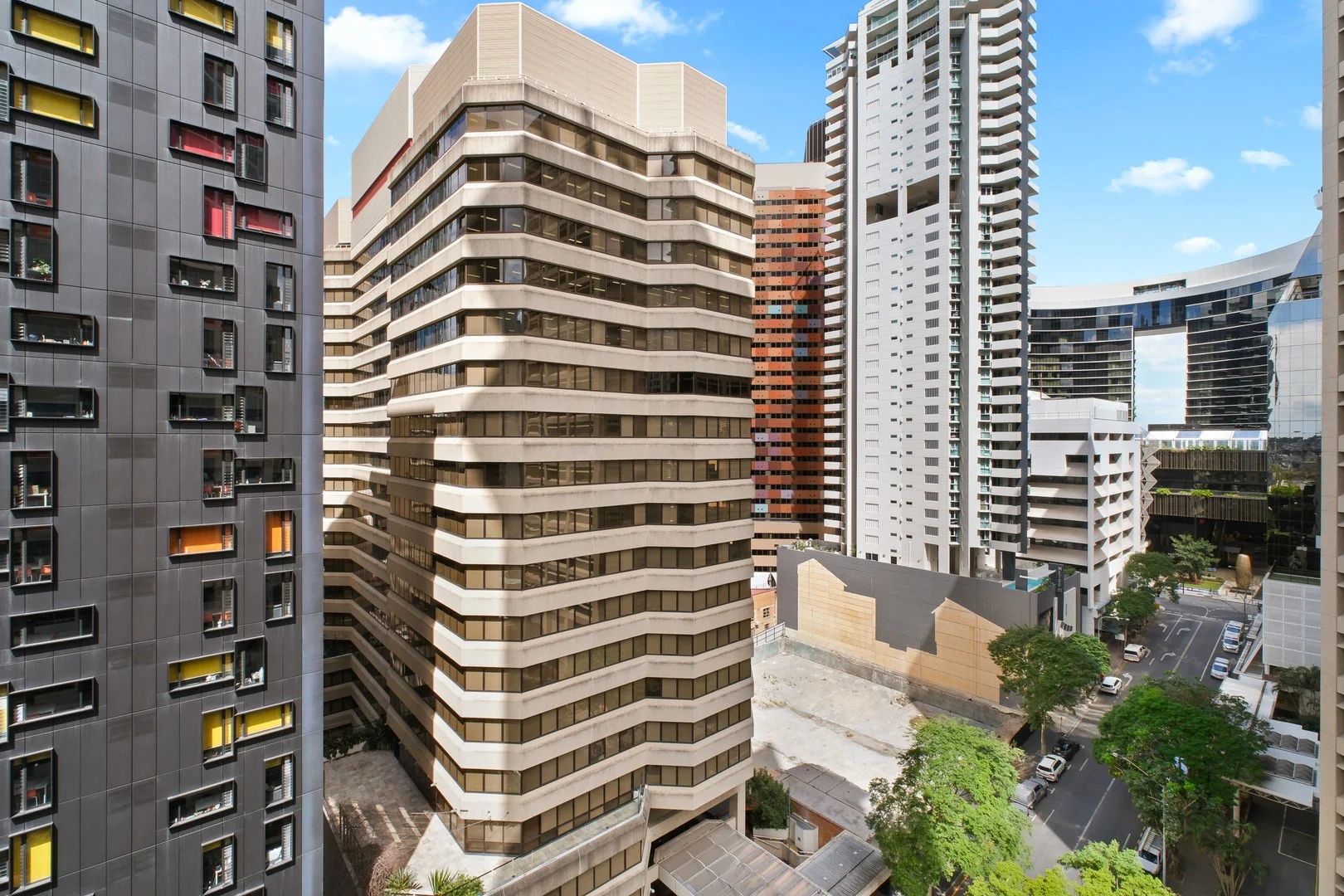 $550,000
Apartment / Unit / Flat
$550,000
Apartment / Unit / Flat
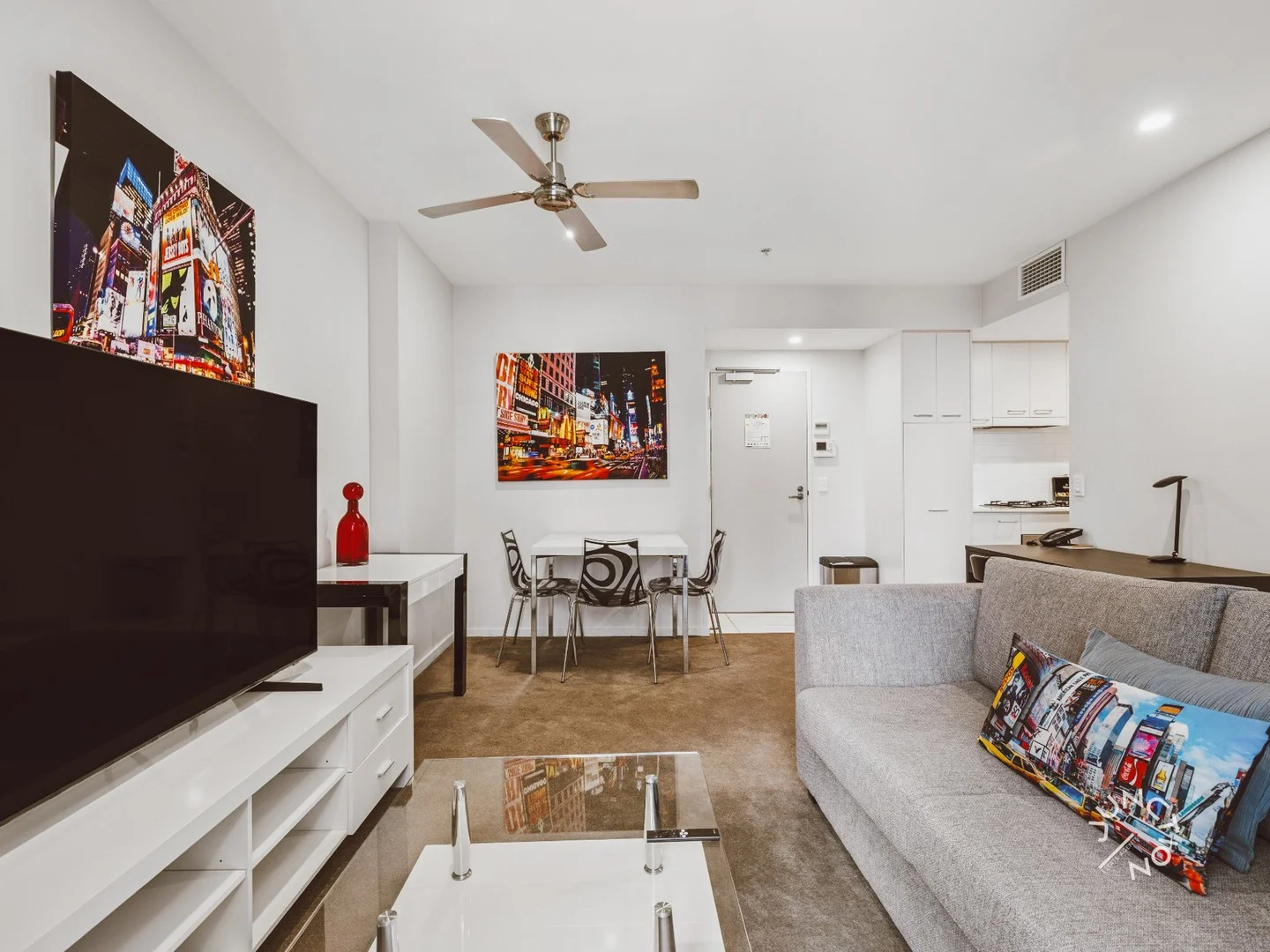 $523,200 - $566,800
Apartment / Unit / Flat
$523,200 - $566,800
Apartment / Unit / Flat
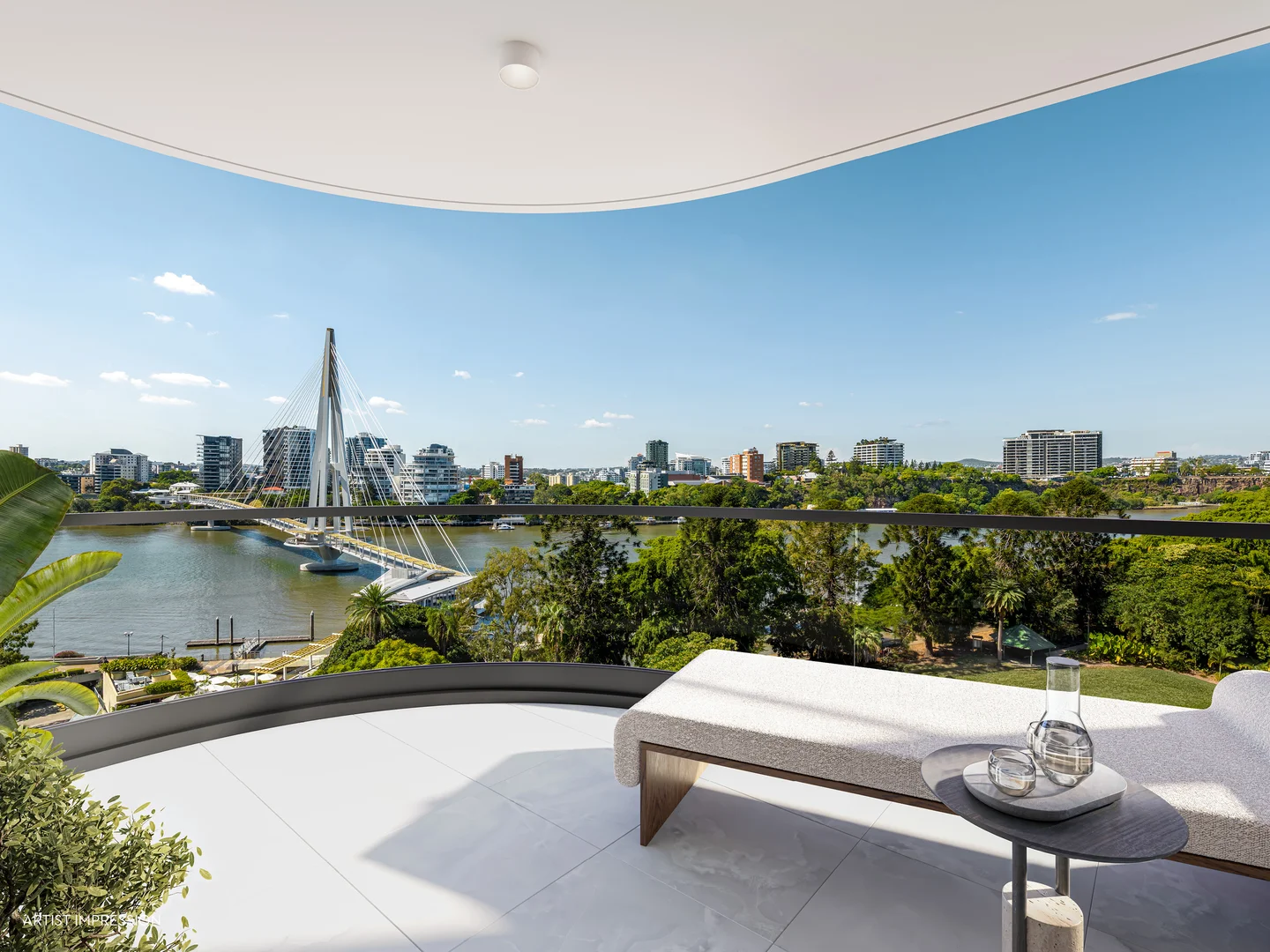 $1,475,000 - $2,090,000
propertyType.NEW APARTMENTS / OFF THE PLAN
$1,475,000 - $2,090,000
propertyType.NEW APARTMENTS / OFF THE PLAN
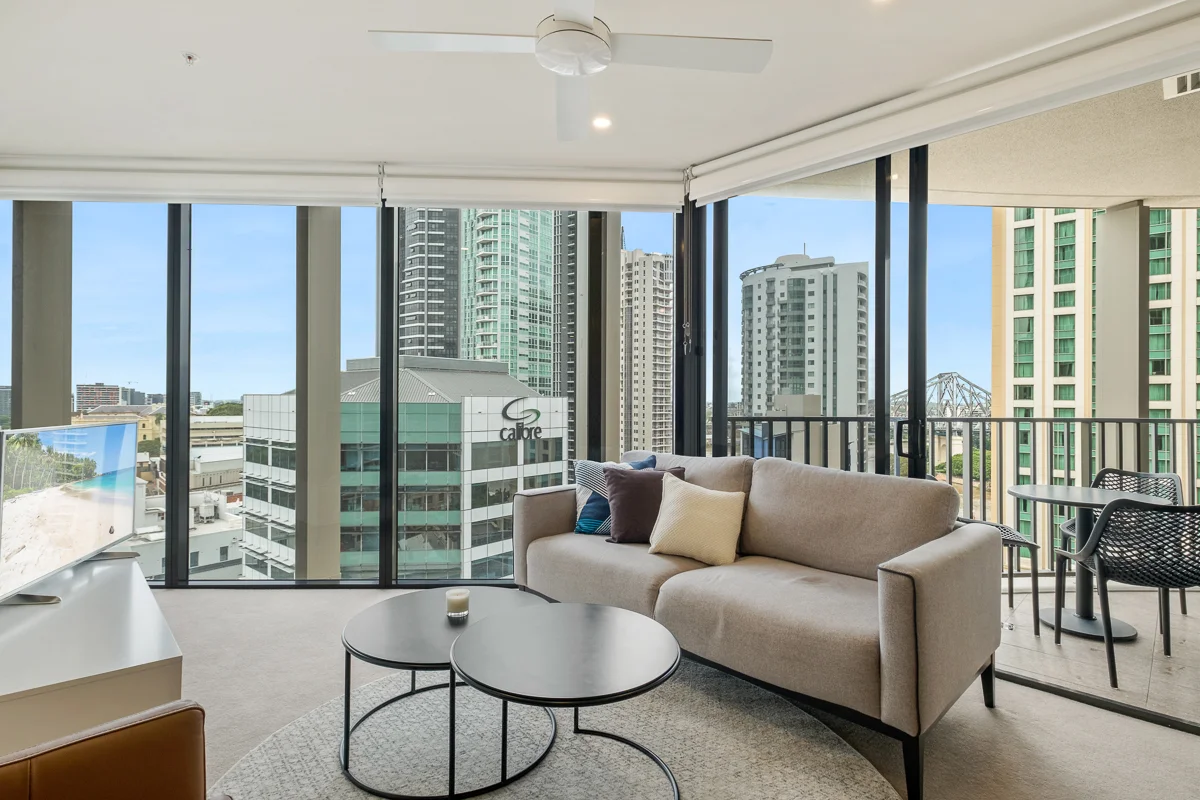 $950,000
Apartment / Unit / Flat
$950,000
Apartment / Unit / Flat