# Overview
Brisbane Boys’ College is an independent day school for boys with Anglican heritage, located in Toowong, Brisbane. It aims to combine strong academic programs with leadership development, sport, and character education in a supportive, values-driven environment. The college fosters an inclusive, disciplined culture where students are encouraged to strive for excellence while developing resilience and teamwork.
The school serves a medium-to-large student community across junior and senior years. Class sizes are typically in the mid-20s, allowing teachers to provide individual feedback and support within a collaborative, spirited campus culture that emphasises academics, sport, and wellbeing.
⸻
# Academics & Learning
- Academic strengths: Solid foundations across English, mathematics, science, and humanities, with opportunities to deepen study in leadership, languages, and critical thinking through a broad senior curriculum.
- Special programs: Accelerated or gifted/talented pathways and targeted extension options are commonly available, along with leadership programs and co-curricular ventures that complement classroom learning.
- NAPLAN / trends: Historically, cohorts at BBC perform at or above state and national averages with steady improvement in key domains such as reading and numeracy over time.
- Student-teacher ratios: Small to medium class sizes support more individualized attention; typical ratios are in the single digits to low teens per class, depending on year level.
- Support for diverse learners: Dedicated learning support, EAL assistance for international or new-to-English students, and resources for students with SEN to help them participate and progress.
⸻
# Sports & Extracurricular Strengths
- Sports offered: Rugby, cricket, football (soccer), rowing, basketball, tennis, athletics, swimming, and other team or individual activities depending on year and season.
- Strong teams or achievements: Regular strong performances in interschool competitions with notable emphasis on teamwork, discipline, and sportsmanship.
- Music, arts, drama programs: Comprehensive music ensembles, choirs, drama productions, and access to performing arts spaces and productions.
- Clubs: Robotics, coding, chess, debating, and other STEM/academic or interest-based clubs alongside traditional student societies.
- Partnerships: Connections with local clubs, associations, and competitions to broaden competition experiences and performance opportunities.
⸻
# Wellbeing & Pastoral Care
- Anti-bullying approach: Clear anti-bullying policies, proactive education, and a culture that promotes respect and inclusion.
- House system: A house structure fosters belonging, friendly competition, leadership opportunities, and cross-year collaboration.
- Counsellors / wellbeing officers: Access to school counsellors and wellbeing staff who support students’ mental health, resilience, and transition needs.
- Transition support for new students: Orientation programs, buddy systems, and ongoing pastoral care to help new students settle in.
⸻
# Facilities
- Sports grounds: Multiple fields and courts designed to support comprehensive physical education and high-level sport.
- Libraries: Well-resourced library spaces with study areas and digital access.
- Science labs: Modern laboratory facilities for biology, chemistry, physics and practical experiments.
- Music/performing arts centers: Dedicated spaces for music practice, ensembles, theatre, and productions.
- Tech/innovation labs: Computing, engineering, and STEM spaces to support coding, robotics, and hands-on learning.
- Cafeteria: On-site canteen offering a range of meal and snack options.
- Updated playgrounds: Well-maintained outdoor spaces and learning areas suitable for break times and outdoor learning.
⸻
# School Values & Community Culture
- School values / mission: Emphasis on integrity, respect, excellence, service, and personal growth to develop well-rounded young men.
- Leadership style: Student leadership opportunities (prefects, captains) paired with teacher guidance to nurture responsibility and voice.
- Behaviour expectations: Clear codes of conduct with consistent expectations across all year levels.
- Community reputation: Strong standing within Brisbane’s private school sector, supported by an active alumni network and community partnerships.
- Diversity & inclusion: Committed to inclusive practices, with scholarships and programs to welcome students from diverse backgrounds.
⸻
# School Logistics & Daily Operations
- School hours: Typical day begins in the morning with classes starting around 8:00–8:30am and finishing in the afternoon, with after-school activities scheduled.
- Before/after school care: On-site or school-approved supervision options available to support families.
- Uniform requirements: Formal school uniform for daily wear plus sports uniform for physical education and activities.
- Transport: Access to bus routes and proximity to public transport; school arrangements to support student commuting.
- Canteen availability: On-site canteen or catering options for students.
- Fees: Private school fees in the mid-to-high range for this sector, with additional costs for uniforms, trips, and activity levies.
⸻
# Enrolment & Admissions
11. What is the enrolment process and timeline?
- Inquire with the admissions team, complete an application, submit required documents (academic records, references, any requested assessments).
- Depending on year level, participate in entry assessments or interviews, and attend a school visit or open day.
- Offer is made if spaces are available; acceptances, deposits, and enrollment steps follow within the specified timeline.
12. Is there a waiting list, and how does it work?
- Waiting lists are possible when spaces are limited. Applications are reviewed on a rolling basis; placement can depend on vacancies, year level, and any sibling or priority considerations.
13. Are there any entry requirements, tests, or interviews?
- Entry typically requires academic records, an interview, and may include testing or assessments to determine readiness for the curriculum and to understand fit with the school’s programs.
14. Does the school accept mid-year transfers?
- Mid-year transfers may be possible if spaces are available; families should contact the admissions office to discuss vacancies, alignment with the timetable, and any transition supports.
⸻
# Frequently Asked Questions
- Why Parents Choose This School?
- A balanced, values-based education that combines strong academics, leadership development, and robust sport and arts programs within a supportive community.
- What type of student thrives at this school?
- Motivated, team-oriented, well-behaved students who value academic effort, leadership opportunities, and active participation in sport and arts.
- What opportunities are available for students to extend their skills (academics, sports, arts)?
- Academic extension and leadership programs, a wide range of clubs (robotics, chess, debating), competitive sports, and performing arts opportunities.
- How does the school communicate with parents?
- Regular newsletters, parent portals, scheduled meetings, and direct channels to teachers and pastoral staff.
- What is the school’s approach to teaching and learning?
- Rigorous but supportive pedagogy that emphasises critical thinking, collaboration, and real-world application alongside a structured pastoral framework.
- How does the school support students who need extra academic help?
- Access to learning support, EAL assistance, targeted tutoring, and small-group or individualized interventions.
- What support is available for academic challenges?
- Early identification, personalised learning plans, additional tutoring or remediation, and coordination with teachers and specialists.
- How does the school communicate with parents? (Note: this mirrors the earlier question)
- See above; ongoing, multi-channel communication is standard.
- What are the class sizes and how much individual attention do students receive?
- Class sizes are typically in the mid-20s, with teachers able to provide focused feedback and additional support as needed.
- What extracurricular and sports opportunities are available?
- A broad range of sports, music and drama programs, and clubs such as robotics, coding, chess, and debating.
- What facilities does the school offer (sports, science, arts)?
- Comprehensive facilities including sports grounds, modern science labs, well-equipped libraries, music/performing arts spaces, and tech/innovation labs.
- What is the school’s approach to technology and digital learning?
- Integrated digital learning with access to devices and online platforms to support teaching, learning, and collaboration.
- What transport and accessibility options are available?
- Public transport access and school-provided or coordinated bus routes where possible, with parking and drop-off options.
- What are typical school fees or additional costs?
- Fees are in the private-school range, with additional costs for uniforms, trips, and activity levies; scholarships and financial aid options may be available.
⸻
# Short Pros & Cons
- Pros
- Strong academic program with a values-based framework.
- Broad co-curriculars including sports, arts, and clubs.
- Supportive wellbeing and pastoral care, with house-based leadership.
- Modern facilities across science, arts, and technology.
- Active community and alumni networks.
- Cons
- Private school fees and additional costs can be significant.
- Competitive environment may feel intense for some students.
- Admissions can be selective with waitlists at busy year levels.
- Transit options depend on location and family logistics; some families rely on school transport.










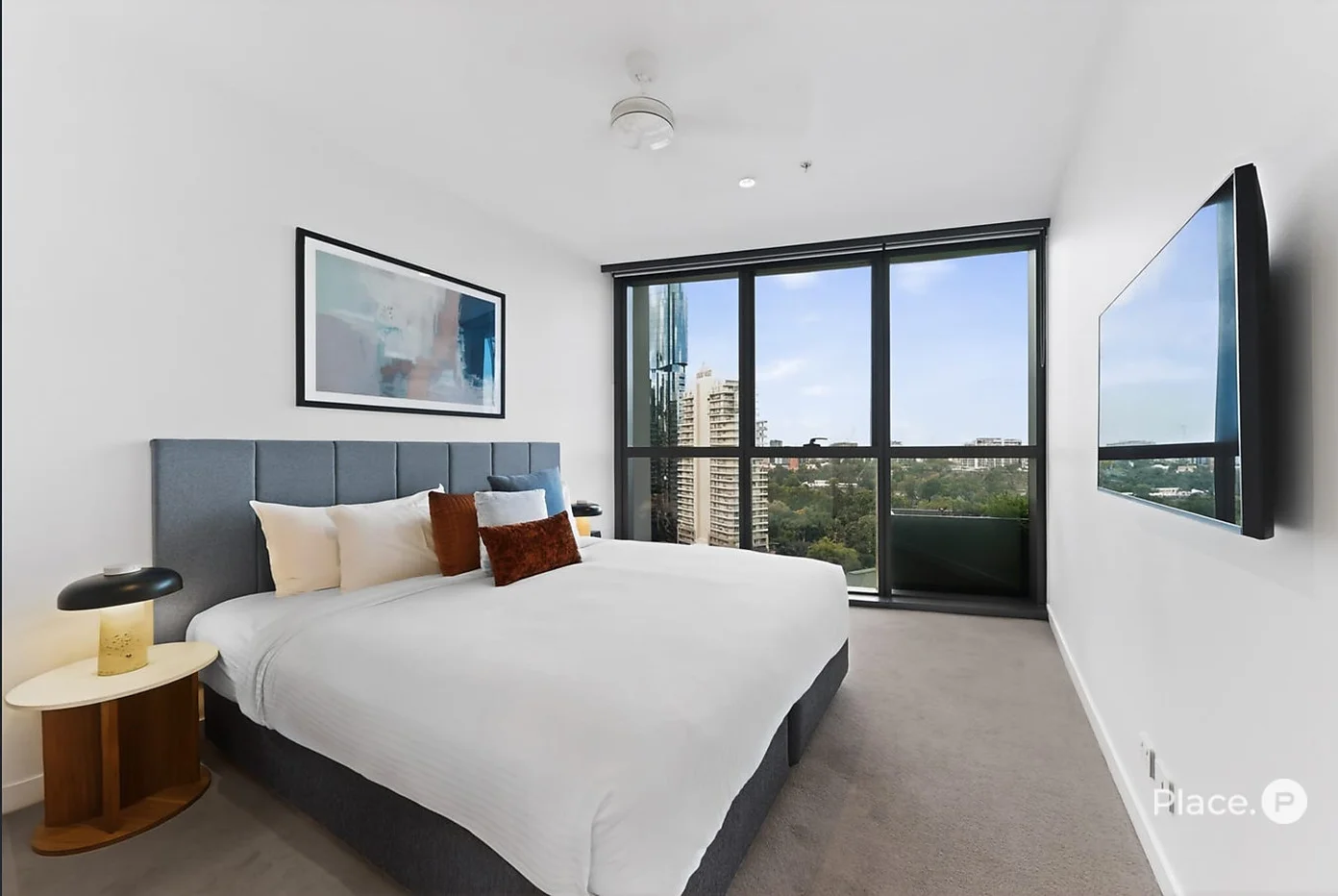 $770,000
Apartment / Unit / Flat
$770,000
Apartment / Unit / Flat
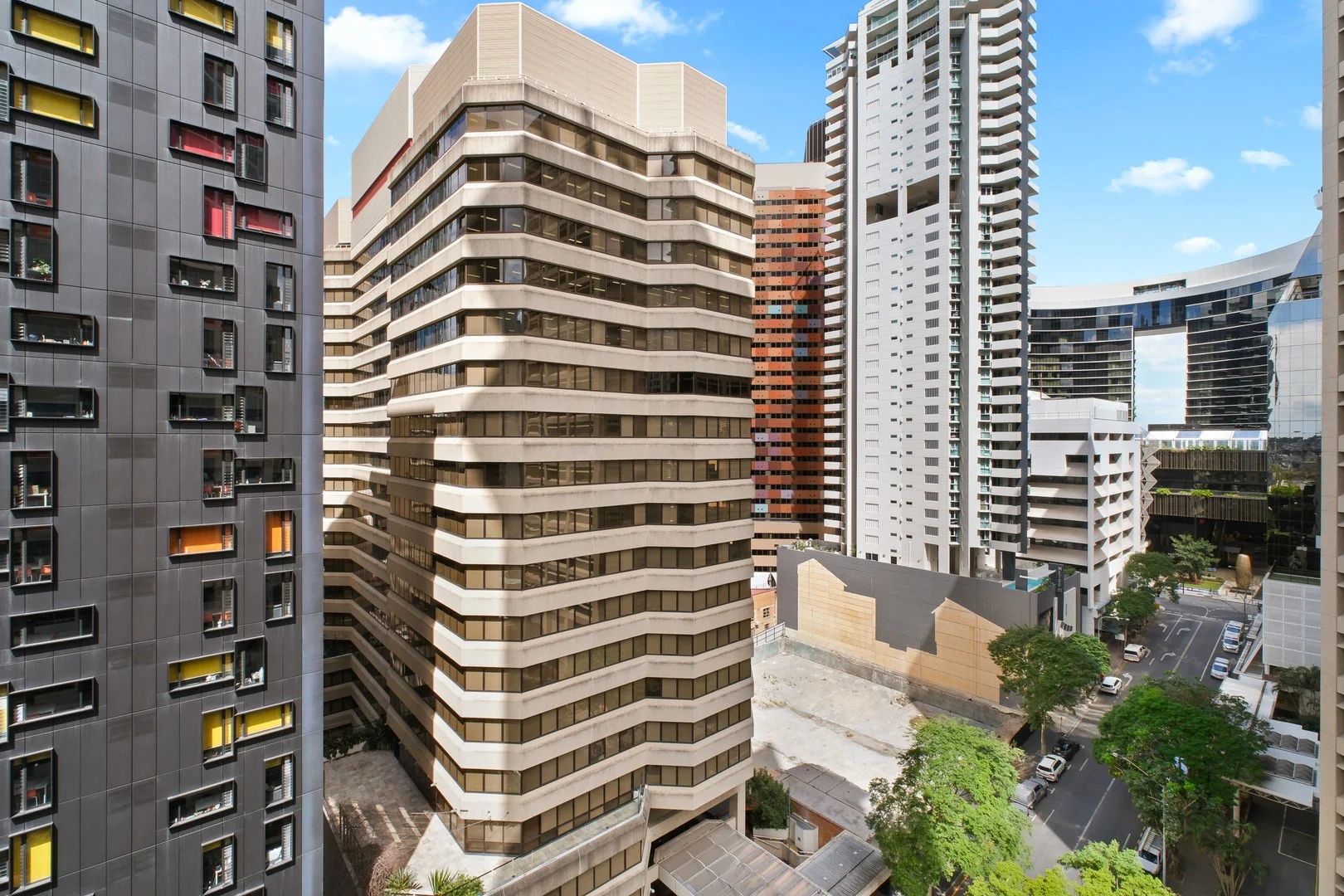 $550,000
Apartment / Unit / Flat
$550,000
Apartment / Unit / Flat
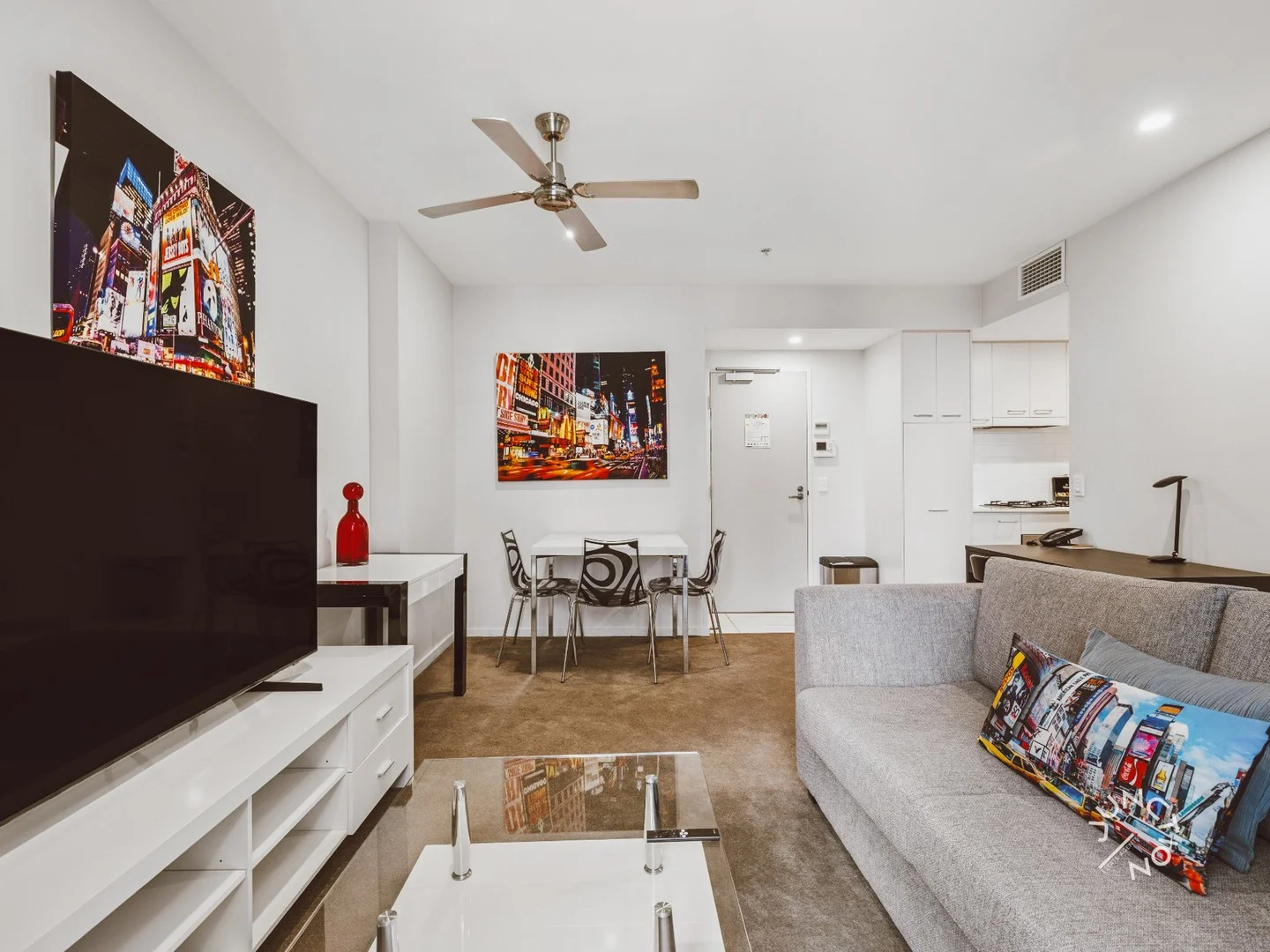 $523,200 - $566,800
Apartment / Unit / Flat
$523,200 - $566,800
Apartment / Unit / Flat
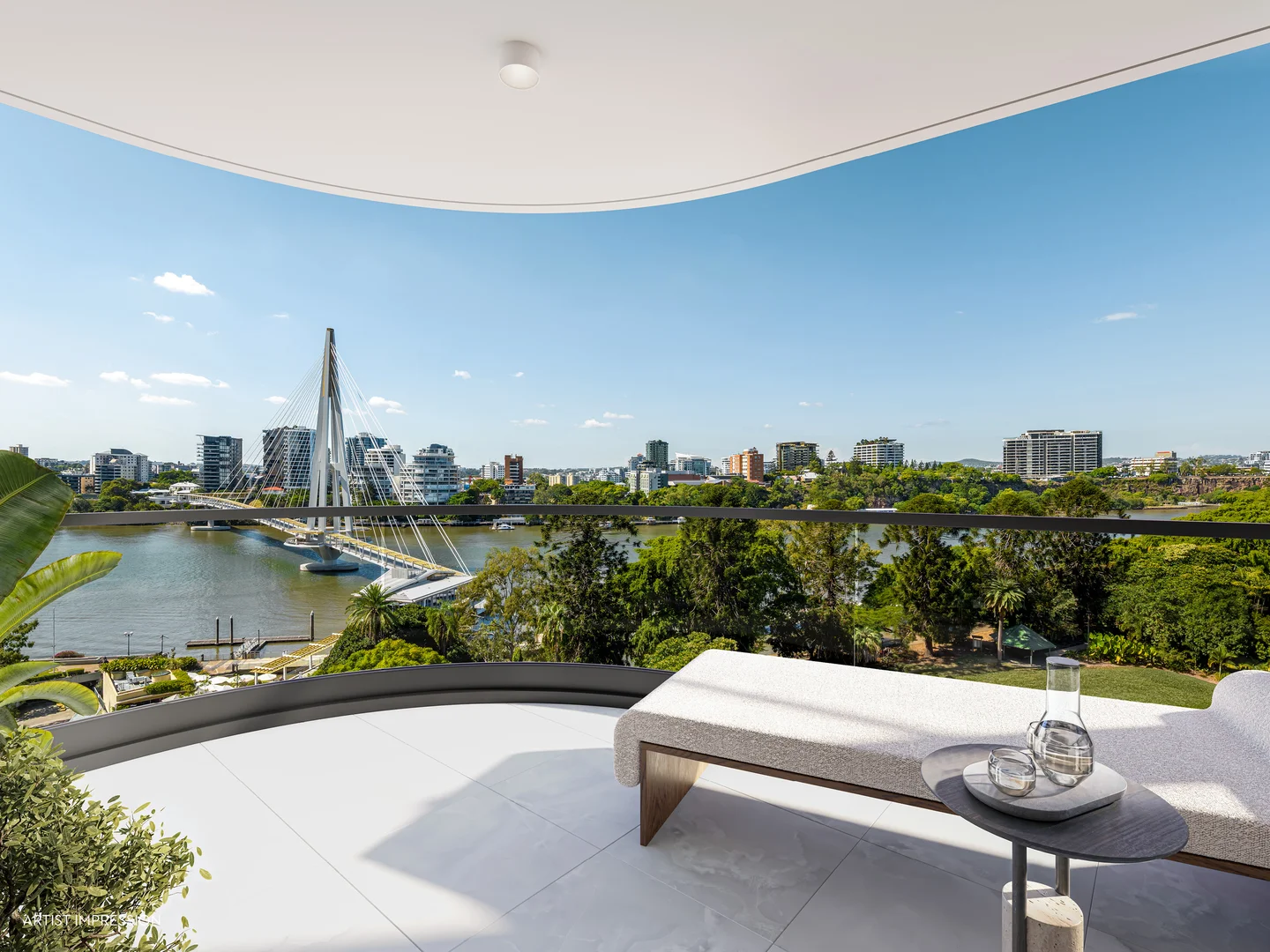 $1,475,000 - $2,090,000
propertyType.NEW APARTMENTS / OFF THE PLAN
$1,475,000 - $2,090,000
propertyType.NEW APARTMENTS / OFF THE PLAN
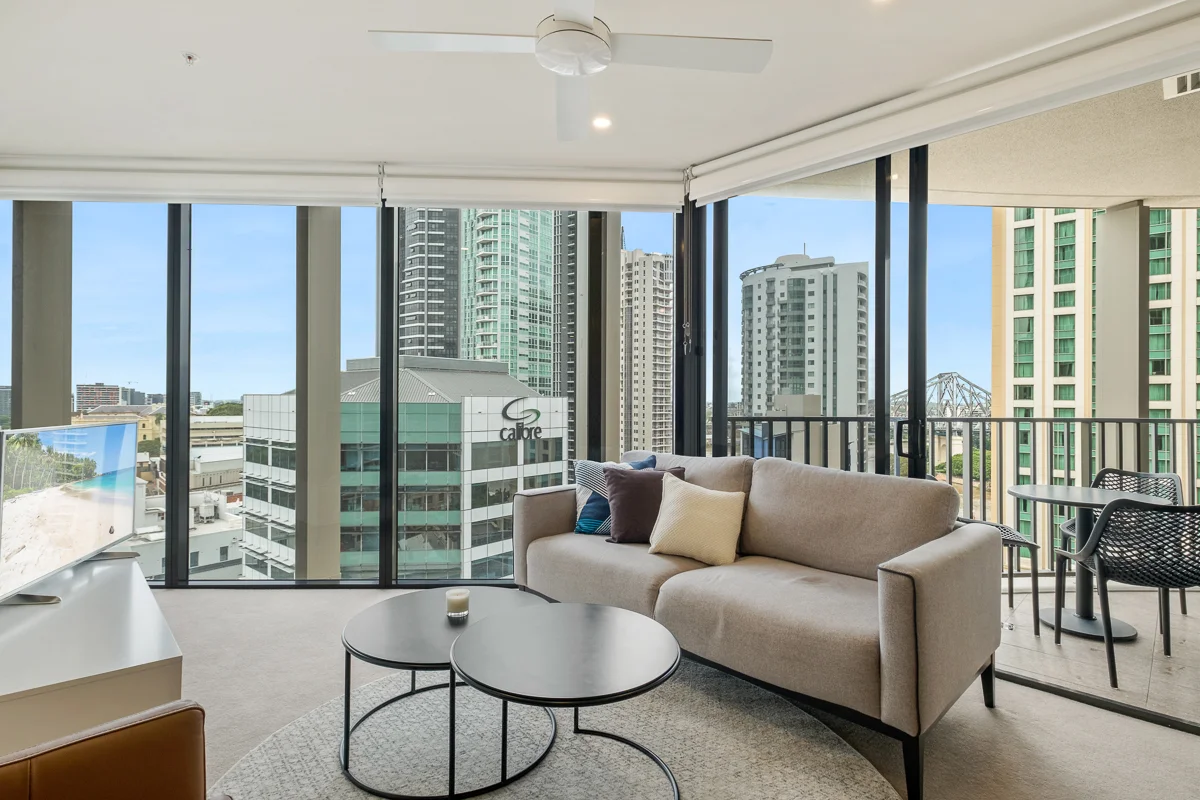 $950,000
Apartment / Unit / Flat
$950,000
Apartment / Unit / Flat