## Overview
Cabra Dominican College Cumberland Park is a Catholic, independent school designed for girls seeking a values-based education within a nurturing and inclusive environment. The college typically operates as a medium-sized school, offering a range of subjects and pathways that emphasise both academic achievement and personal development. Class sizes are generally moderate, supporting attentive learning and individual support, with a culture that prioritises respect, service, and community.
⸻
## Academics & Learning
- Academic strengths: Focus on English and humanities, with solid STEM and Languages programs. The college emphasizes leadership development and opportunities to take on responsibilities within the student body.
- Special programs: Programs for gifted and talented students and leadership development opportunities are available, with options for enriched learning and accelerated challenges where appropriate.
- NAPLAN / trends: Historically, schools in this sector show stable to improving trends in reading and numeracy, with steady progress across cohorts.
- Student-teacher ratios: Small-to-medium class sizes that enable meaningful teacher-student interaction; typical ratios hover around single roughly over 1:15 or less in many classes.
- Support for diverse learners: EAL and SEN support available, with learning support and inclusive practices to help diverse learners access the curriculum.
⸻
## Sports & Extracurricular Strengths
- Sports offered: Netball, basketball, soccer, hockey, athletics, swimming, tennis, and other school-based teams.
- Strong teams or achievements: Regular inter-school competitions and established student-athletes; active participation in regional sport events.
- Music, arts, drama programs: Active music ensembles, choir, theatre, and performing arts opportunities complement the academic program.
- Clubs: Robotics, chess, coding, debating, and other disciplinary or interest-based clubs available to broaden skills beyond the classroom.
- Partnerships: Local sport clubs and inter-school competition networks provide extra opportunities for participation and development.
⸻
## Wellbeing & Pastoral Care
- Anti-bullying approach: Clear anti-bullying policies with restorative practices and a focus on a respectful school culture.
- House system: House-based activities and competitions foster belonging and healthy peer relationships.
- Counsellors / wellbeing officers: Access to school counsellors and wellbeing staff to support students’ emotional and social health.
- Transition support for new students: Orientation days, buddy programs, and targeted transition activities help new students settle in smoothly.
⸻
## Facilities
- Sports grounds: On-site spaces for a range of outdoor sports and activities.
- Libraries: Dedicated library resources to support reading, research, and study.
- Science labs: Well-equipped science facilities to support curriculum experiments and practical work.
- Music/performing arts centers: Facilities to support music ensembles, drama, and performance.
- Tech/innovation labs: Modern classrooms and technology spaces for digital learning and project work.
- Cafeteria: On-site canteen or dining facilities for students.
- Updated playgrounds: Well-maintained outdoor play and activity areas.
⸻
## School Values & Community Culture
- School values / mission: A Catholic values framework centred on respect, service, integrity, and community contribution.
- Leadership style: Collaborative leadership with student voice opportunities and partnerships with families.
- Behaviour expectations: Clear codes of conduct promoting responsible, respectful behaviour and accountability.
- Community reputation: Recognised for a strong sense of community, supportive staff, and a focus on holistic student development.
- Diversity & inclusion: Inclusive environment that welcomes diverse backgrounds and supports students to participate fully.
⸻
## School Logistics & Daily Operations
- School hours: Regular school day typically starts mid-morning to early afternoon, with the exact times published by the college.
- Before/after school care: OSHC or similar programs may be available to support working families.
- Uniform requirements: Standard Catholic uniform with seasonal variations; guidance provided by the college.
- Transport (train/bus routes): Access to school transport options and public bus services; details depend on location and service providers.
- Canteen availability: On-site canteen or meal facilities offering snacks and meals.
- Fees (low/medium/high ranges): Fees fall within the mid-to-high range for private Catholic schools in the region.
⸻
## Enrolment & Admissions
11. What is the enrolment process and timeline?
- Typical steps include submitting an application, providing required documents, an interview or information session, and consideration of placement. Timelines usually extend several months before start of enrollment, with decisions communicated accordingly.
12. Is there a waiting list, and how does it work?
- Waiting lists are common. Applications are reviewed in order of priority and availability; families may be contacted if a place becomes available. A formal expression of interest or application fee may be required to secure a position on the list.
13. Are there any entry requirements, tests, or interviews?
- Entry often involves an interview (family and student), and may include discussions about readiness and alignment with the school’s values. Some programs may include brief assessments or tasks as part of the process.
14. Does the school accept mid-year transfers?
- Mid-year transfers are considered subject to space and alignment with the curriculum and pastoral needs. Applications are assessed on a case-by-case basis.
⸻
## Frequently Asked Questions
- Why Parents Choose This School?
- A values-based Catholic education with a strong sense of community, supportive staff, and a balanced focus on academics, wellbeing, and extracurricular opportunities.
- What type of student thrives at this school?
- Motivated, community-minded students who value both academic achievement and participation in clubs, sports, and service.
- What opportunities are available for students to extend their skills (academics, sports, arts)?
- Enrichment programs, leadership opportunities, clubs (robotics, coding, debating), high-level sports teams, and performing arts programs.
- How does the school communicate with parents?
- Regular newsletters, parent portals, email updates, and scheduled parent-teacher meetings; ongoing information about events and student progress.
- What is the school’s approach to teaching and learning?
- Student-centered learning with differentiation, emphasis on literacy and numeracy, and integration of values-based education within the curriculum.
- How does the school support students who need extra academic help?
- Targeted learning support, EAL/SEN assistance, tutoring or after-school help, and accommodations within class activities.
- What support is available for academic challenges?
- Access to counsellors, learning support staff, and intervention strategies to address gaps and build confidence.
- How does the school communicate with parents?
- See above; multiple channels used to keep families informed and engaged.
- What are the class sizes and how much individual attention do students receive?
- Class sizes are designed to be small-to-medium, enabling regular teacher attention and tailored feedback.
- What extracurricular and sports opportunities are available?
- A broad range of sports, music, drama, and clubs such as robotics, chess, coding, and debating.
- What facilities does the school offer (sports, science, arts)?
- Comprehensive facilities including sports grounds, libraries, science labs, performing arts spaces, tech/innovation labs, and a canteen.
- What is the school’s approach to technology and digital learning?
- Integration of digital literacy across the curriculum with access to tech spaces and devices to support modern learning.
- What transport and accessibility options are available?
- Public transport access and school-provided transport options; routes vary by location.
- What are typical school fees or additional costs?
- Fees are in the private-school range for the region, with additional costs for uniforms, activities, and trips.
⸻
## Short Pros & Cons list
- Pros
- Strong sense of community and pastoral care
- Values-based, Catholic education with opportunities across academics and arts
- Moderate class sizes enabling personalised attention
- Broad extracurricular options (sports, music, clubs)
- Inclusive environment with support for diverse learners
- Cons
- Fees associated with private Catholic schooling
- Prepare for a school culture that emphasises uniformity and tradition
- Transport considerations for families outside walking distance
⸻









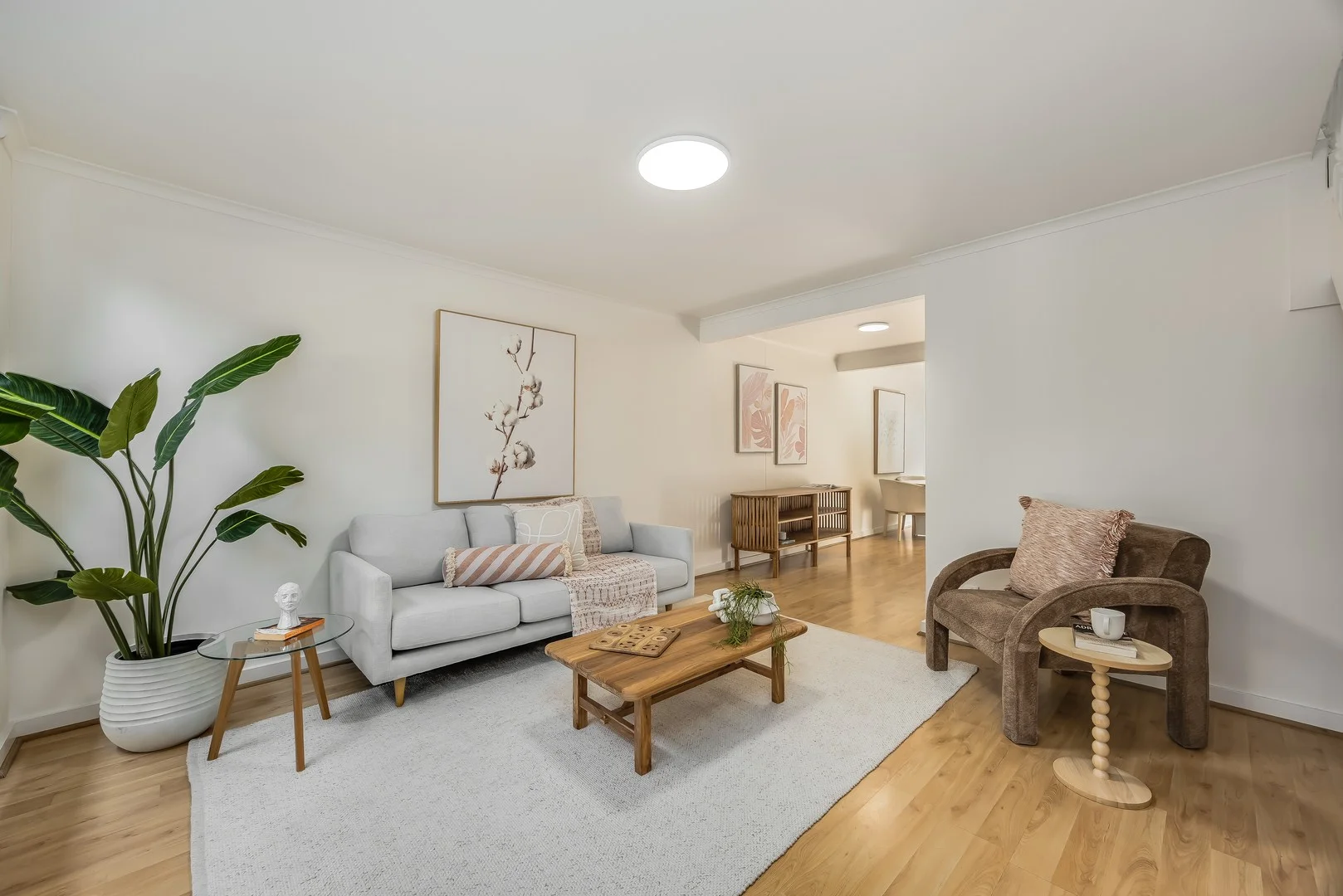 $775,000
House
$775,000
House
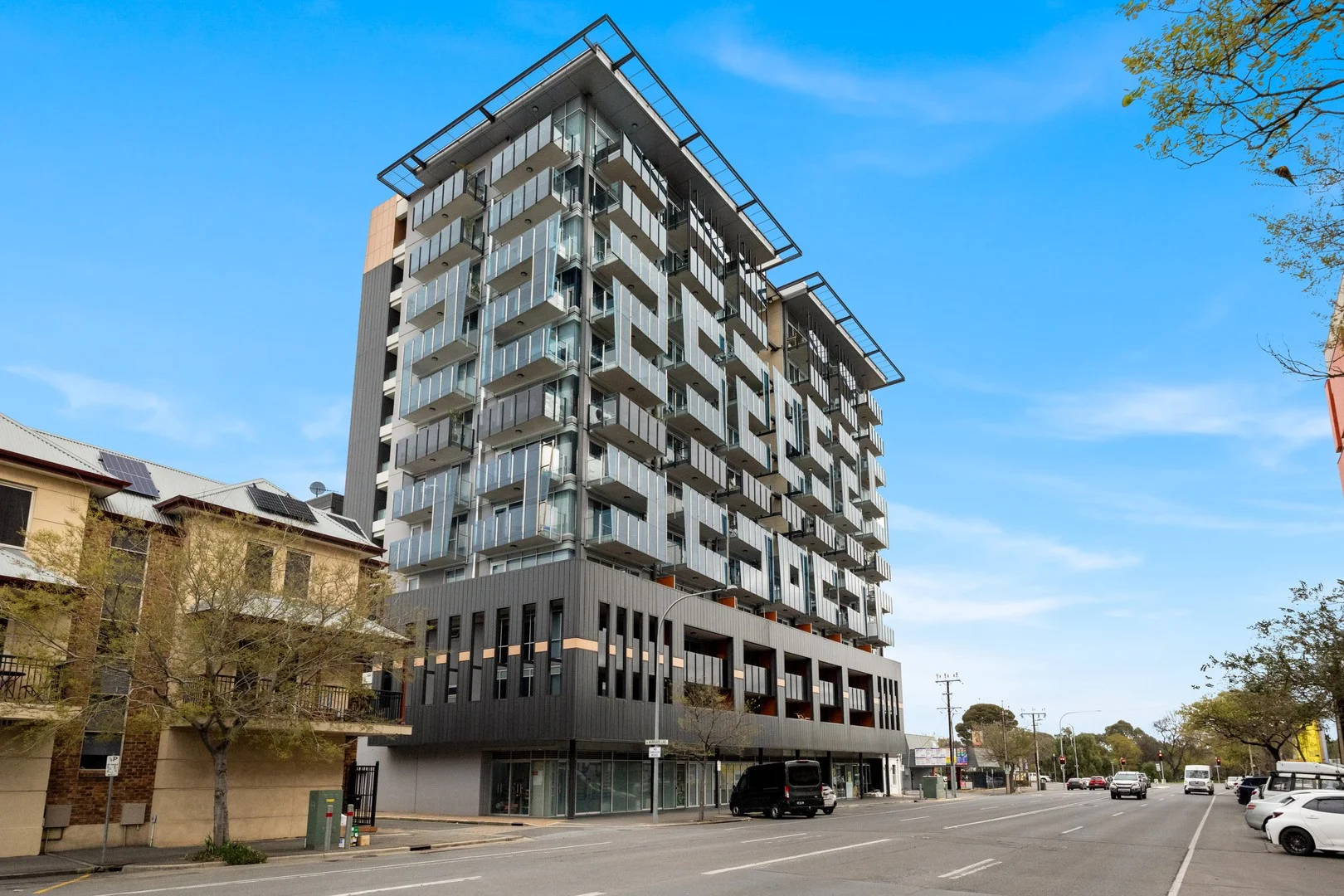 $1,100,000
Apartment / Unit / Flat
$1,100,000
Apartment / Unit / Flat
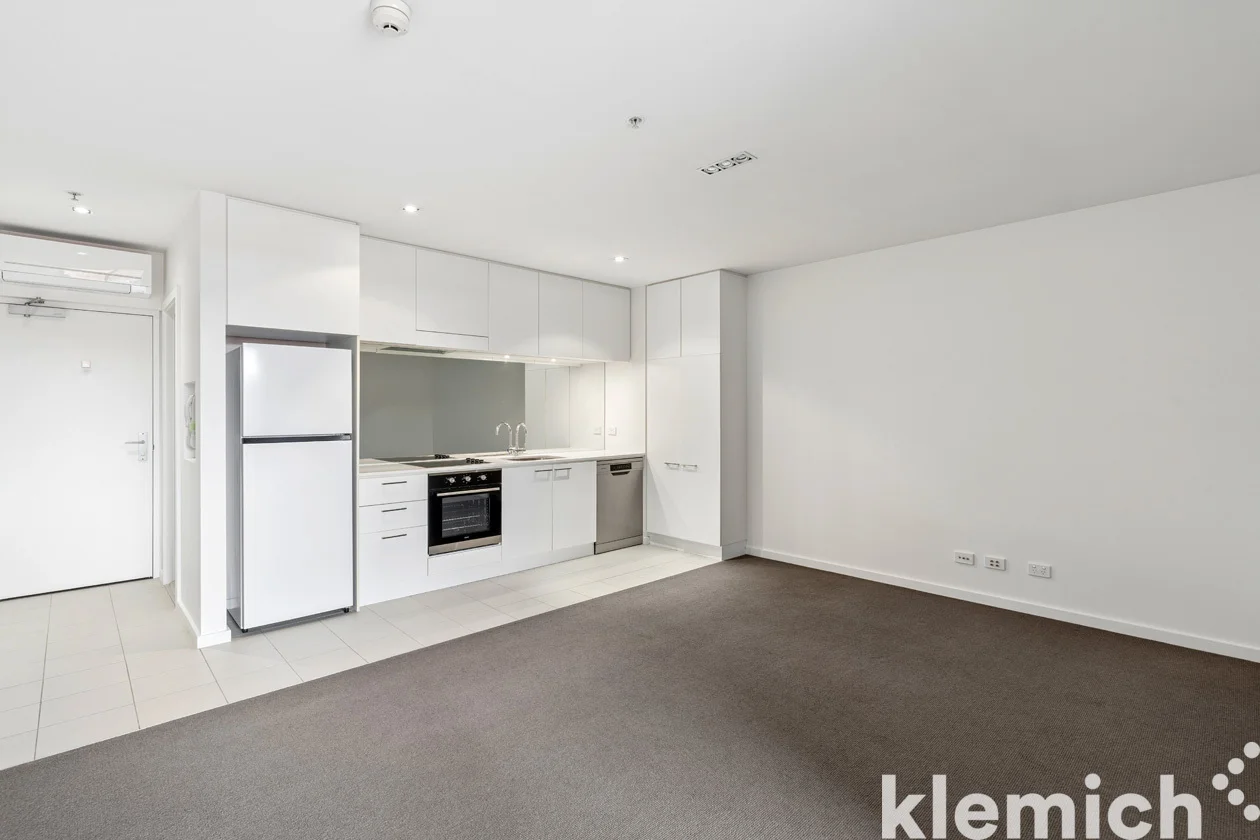 $440,000
Apartment / Unit / Flat
$440,000
Apartment / Unit / Flat
 $935,000
Apartment / Unit / Flat
$935,000
Apartment / Unit / Flat
 $557,000
Apartment / Unit / Flat
$557,000
Apartment / Unit / Flat
 $1,056,000
Apartment / Unit / Flat
$1,056,000
Apartment / Unit / Flat
 $588,000
Apartment / Unit / Flat
$588,000
Apartment / Unit / Flat
 $545,000
Apartment / Unit / Flat
$545,000
Apartment / Unit / Flat


