## 1. Overview
St Thomas School (SA Goodwood) is a Catholic, co-educational primary school designed to foster a faith-filled, supportive learning community. As a Catholic school, it integrates values-based education with the Australian Curriculum to nurture both academic growth and character development. The school tends to be small-to-medium in size, offering a close-knit atmosphere where students receive attention and care in a welcoming environment.
Class sizes typically sit in a mid-range for primary settings, supporting personalized learning within a community that emphasises inclusivity, respect, and collaboration. The atmosphere is nurturing and community-oriented, with a focus on faith, service, and positive relationships among students, families, and staff.
⸻
## 2. Academics & Learning
- Academic strengths: Strong literacy and numeracy foundations, with emphasis on a well-rounded curriculum that includes STEM, arts, and language learning. The school weaves Catholic values into daily learning, promoting critical thinking, collaboration, and real-world problem-solving.
- Special programs: Religious education and sacramental preparation are integrated into the timetable. Some cohorts may have access to extension or enrichment opportunities and digital literacy programs to complement core subjects.
- NAPLAN trends: Historically, schools of this type aim for steady year-on-year improvement in literacy and numeracy, with ongoing emphasis on ensuring all students make progress across strands.
- Student-teacher ratios: Typically within a moderate range suitable for primary settings (roughly 1:12–1:23, varying by year level and class).
- Support for diverse learners: EAL (English as an Additional Language) support and targeted learning assistance are commonly available, along with inclusive practices to support students with SEN (Special Educational Needs) through integrated or pull-out supports as appropriate.
⸻
## 3. Sports & Extracurricular Strengths
- Sports offered: A range of team sports common to Australian primary schools, such as netball, basketball, soccer, and athletics, with options for cricket and football where appropriate to the region and season.
- Strong teams or achievements: Participation in inter-school and local competitions with opportunities to develop teamwork, leadership, and competitive spirit.
- Music, arts, drama programs: School choirs or musical ensembles, school plays or drama activities, and involvement in performing arts events.
- Clubs: Robotics, chess, coding, debating, and other ICT-related or extension activities may be offered, along with general clubs aligned to student interests.
- Partnerships: Local clubs, community sport programs, and inter-school networks often provide additional opportunities for competitions and development.
⸻
## 4. Wellbeing & Pastoral Care
- Anti-bullying approach: A proactive, whole-school anti-bullying policy and culture of respect, with clear procedures for reporting and resolution.
- House system: A house-based structure that supports leadership, teamwork, and healthy competition in a supportive environment.
- Counsellors / wellbeing officers: Access to a school counsellor or dedicated wellbeing staff to support emotional and social development.
- Transition support for new students: Orientation activities, buddy systems, and targeted transition programs to help students settle into their new year level.
⸻
## 5. Facilities
- Sports grounds: On-site outdoor spaces suitable for physical education and play.
- Libraries: A well-stocked library supporting reading programs and independent research.
- Science labs: Primary-level science facilities to support hands-on inquiry.
- Music/performing arts centers: Space for music lessons, rehearsals, and small-scale performances.
- Tech/innovation labs: Computer or STEM-related spaces to foster digital literacy and project-based learning.
- Cafeteria: On-site canteen or dining area for meals and healthy snacks.
- Updated playgrounds: Safe, age-appropriate play areas and equipment.
⸻
## 6. School Values & Community Culture
- School values / mission: A faith-informed mission focused on Catholic values such as compassion, service, integrity, and respect, integrated into daily learning and school life.
- Leadership style: Collaborative and inclusive, with opportunities for student leadership through the house system and classroom responsibilities.
- Behaviour expectations: Clear expectations around respect, responsibility, safety, and teamwork, reinforced through consistent, positive discipline.
- Community reputation: A welcoming Catholic community with active parental involvement and strong partnerships between families and staff.
- Diversity & inclusion: Commitment to an inclusive environment that respects diverse backgrounds and needs, with supports for students requiring additional assistance.
⸻
## 7. School Logistics & Daily Operations
- School hours: Typical primary-school hours with start and end times aligned to term schedules (e.g., mornings begin around 9:00 am; afternoons conclude around 3:00 pm).
- Before/after school care: OSHC or school-based before/after school care options are often available.
- Uniform requirements: School uniform with seasonal adjustments (summer and winter options) and guidance on appropriate dress for excursions.
- Transport (train/bus routes): Accessible by local bus routes or public transport; convenient parking and drop-off/pick-up arrangements typically described by the administration.
- Canteen availability: On-site canteen or arrangements for healthy snacks and meals.
- Fees (low/medium/high ranges): Catholic primary schools generally have annual fees that fall into a mid-range category; exact costs vary by year and family circumstances, with a published fee schedule available from the school.
⸻
## 8. Enrolment & Admissions
11. What is the enrolment process and timeline?
- Typically, families submit an online application with supporting documents (birth certificates, immunisation records, proof of address, baptism certificates where applicable). The school may hold information evenings or open days for prospective families. After submission, there is a period of consideration, possible interviews or assessments for entry (especially for non-Reception year levels), and notification of outcomes within a defined timeline. Enrolment timeframes often span several months, particularly for Reception intake.
12. Is there a waiting list, and how does it work?
- Many Catholic primary schools maintain a waiting list for popular entry years (notably Reception). Admission from the waiting list can be influenced by parish-based prioritisation, space availability, and year-level demand. Parents are usually advised of their status and any expected wait times.
13. Are there any entry requirements, tests, or interviews?
- Entry requirements commonly include proof of Catholic connection (parish confirmation or supporting documentation), immunisation records, and age eligibility. Some year levels may require short interviews or informal assessments to understand readiness and placement. Language or learning needs information may be requested to plan supports.
14. Does the school accept mid-year transfers?
- Yes, subject to space and a smooth transition plan. Mid-year transfers typically involve coordination with the receiving grade, transfer of records, and alignment with class cohorts to minimise disruption. Availability may vary by year and capacity.
⸻
## 9. Frequently Asked Questions
- Why Parents Choose This School?
- A values-based Catholic education, supportive community, nurturing staff, small-to-medium class sizes, and a well-rounded program that balances academics, faith, and wellbeing.
- What type of student thrives at this school?
- Students who value community, respect for others, academic effort, faith-based learning, and a collaborative approach to school life.
- What opportunities are available for students to extend their skills (academics, sports, arts)?
- Opportunities include strong literacy/numeracy programs, STEM/ICT activities, music and drama programs, sports teams, and clubs such as robotics, coding, chess, and debating.
- How does the school communicate with parents?
- Regular newsletters, emails, parent-teacher interviews, school portals or apps, and information evenings or open days.
- What is the school’s approach to teaching and learning?
- A curriculum grounded in the Australian Curriculum, enriched with Catholic values, differentiated instruction, and a focus on inquiry-based learning, collaboration, and growth mindset.
- How does the school support students who need extra academic help?
- Access to learning support, EAL programs, targeted interventions, small-group or one-on-one assistance, and planning for individual learning goals.
- What support is available for academic challenges?
- Structured intervention programs, monitoring of progress, collaboration with families, and tailored plans to help students catch up or extend learning.
- How does the school communicate with parents? (Repeated)
- See above: newsletters, portals, meetings, and timely updates.
- What are the class sizes and how much individual attention do students receive?
- Class sizes are in the mid-range for primary schools, with teachers providing regular feedback and opportunities for individual support within the classroom.
- What extracurricular and sports opportunities are available?
- A range of sports, music and drama, and clubs such as robotics, coding, chess, and debating, designed to broaden students’ experiences beyond the classroom.
- What facilities does the school offer (sports, science, arts)?
- Sports grounds, library, science labs, music/performing arts spaces, tech/innovation labs, on-site canteen, and updated playgrounds.
- What is the school’s approach to technology and digital learning?
- Integration of digital literacy across the curriculum, with computer/tech facilities and age-appropriate use of technology to support learning and responsible online habits.
- What transport and accessibility options are available?
- Access to local bus routes and convenient drop-off/pick-up arrangements, with accessibility considerations in place for families needing support.
- What are the typical school fees or additional costs?
- Fees fall into a mid-range category for Catholic primary schools, with additional costs for uniforms, excursions, and optional activities. The school publishes a current fee schedule annually.
⸻
## 10. Short Pros & Cons
- Pros
- Strong sense of community and values-based education
- Supportive staff and smaller-to-mid-sized classes
- Balanced focus on academics, faith, and wellbeing
- Wide range of extracurriculars and clubs
- Access to EAL and SEN supports where needed
- Cons
- May have limited specialization opportunities compared with larger schools
- Waiting lists for certain year levels during high-demand intake periods
- Uniforms and some activities can add to total annual costs
- Campus and facilities are generally designed for primary education; secondary-level resources may be more limited within the same site
⸻








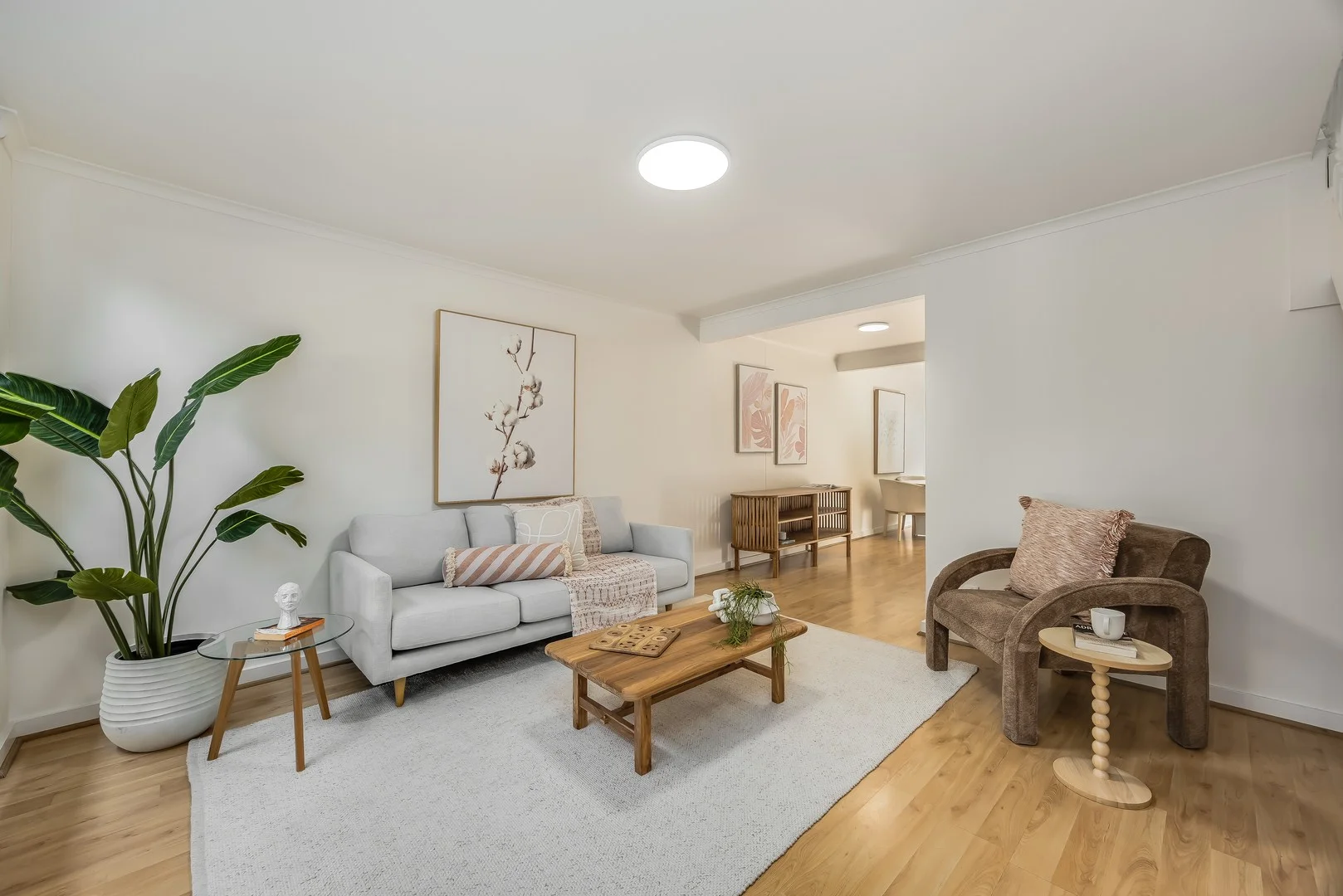 $775,000
House
$775,000
House
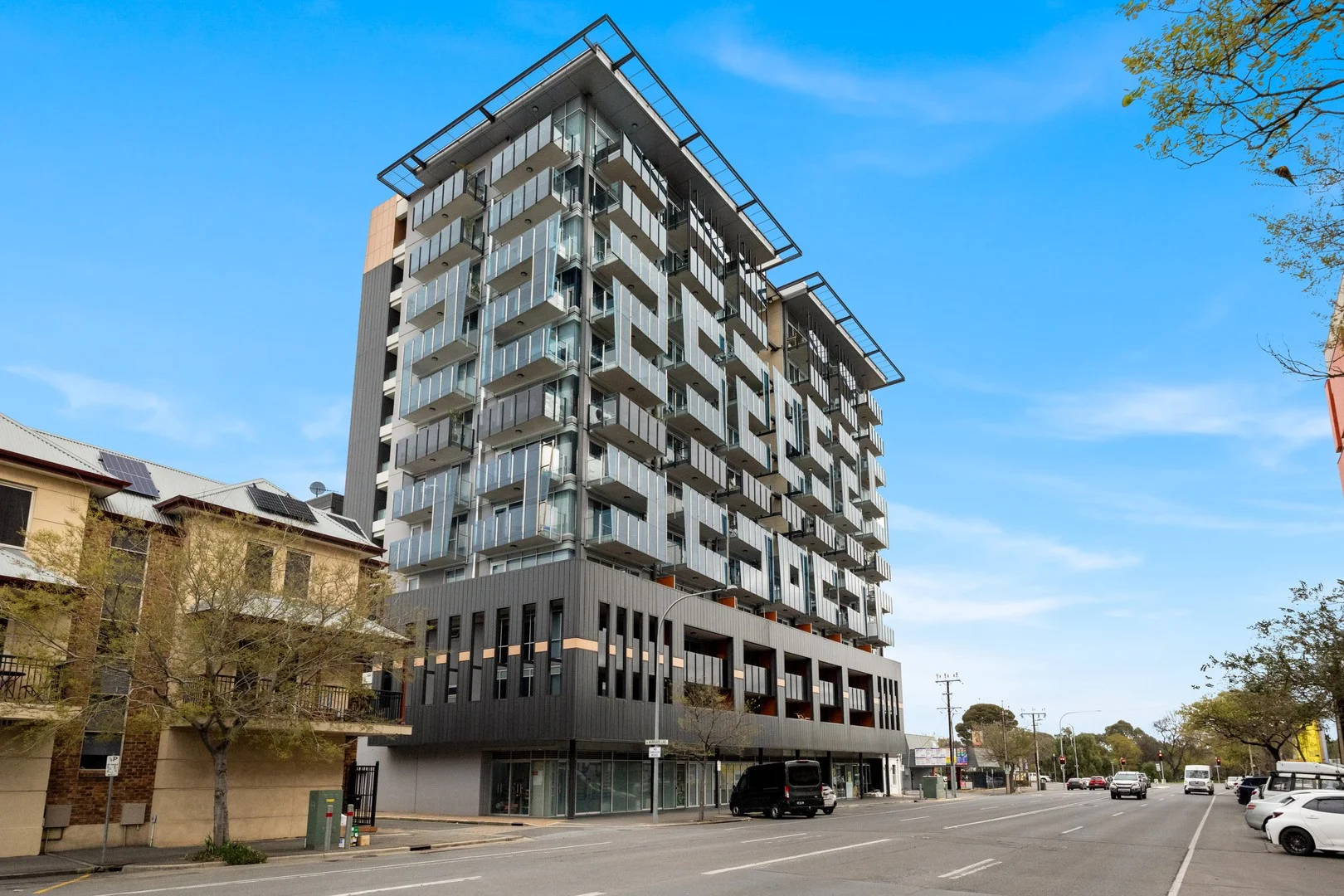 $1,100,000
Apartment / Unit / Flat
$1,100,000
Apartment / Unit / Flat
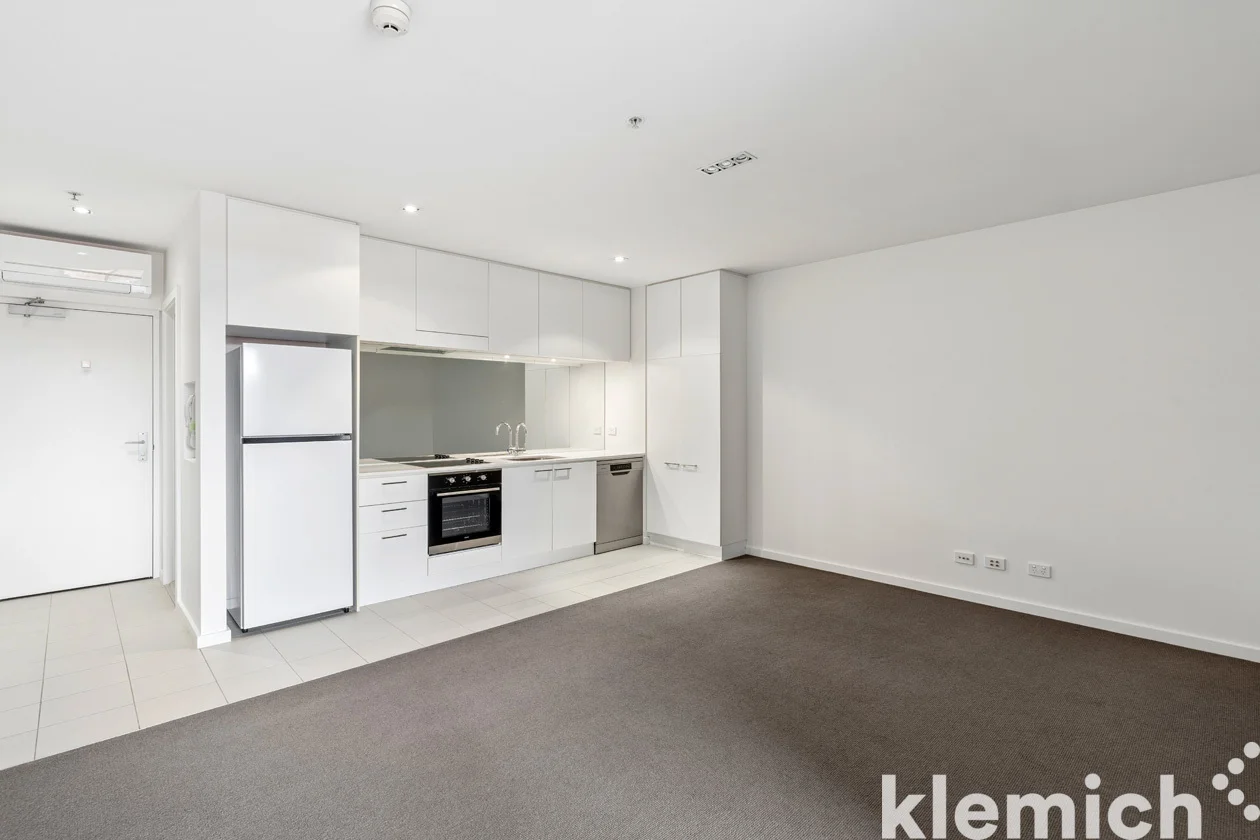 $440,000
Apartment / Unit / Flat
$440,000
Apartment / Unit / Flat
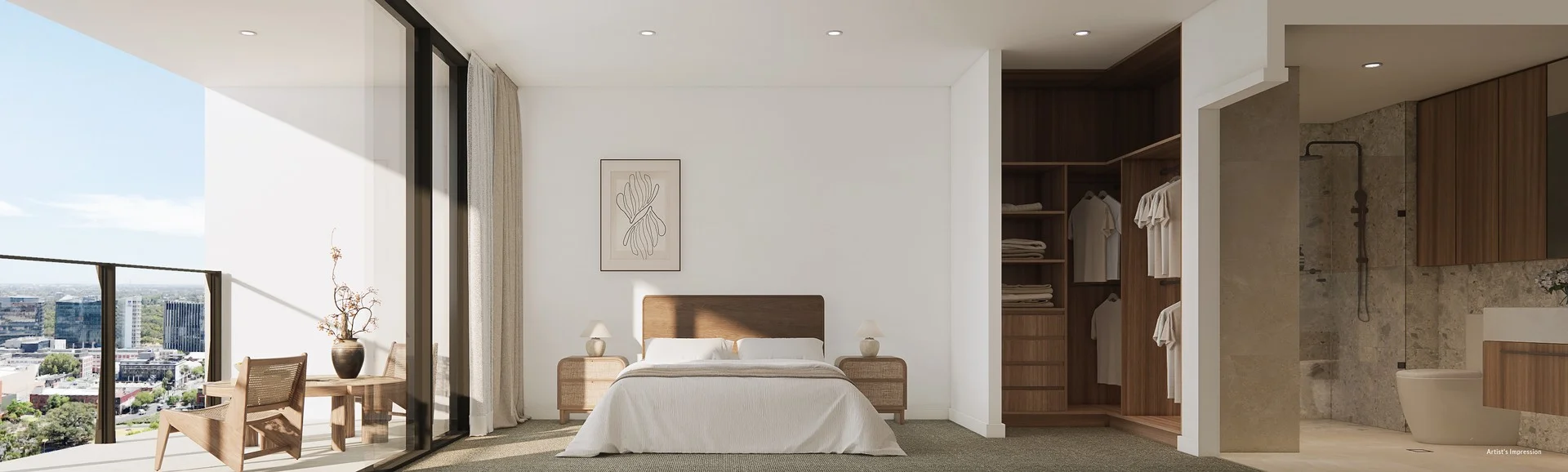 $1,056,000
Apartment / Unit / Flat
$1,056,000
Apartment / Unit / Flat
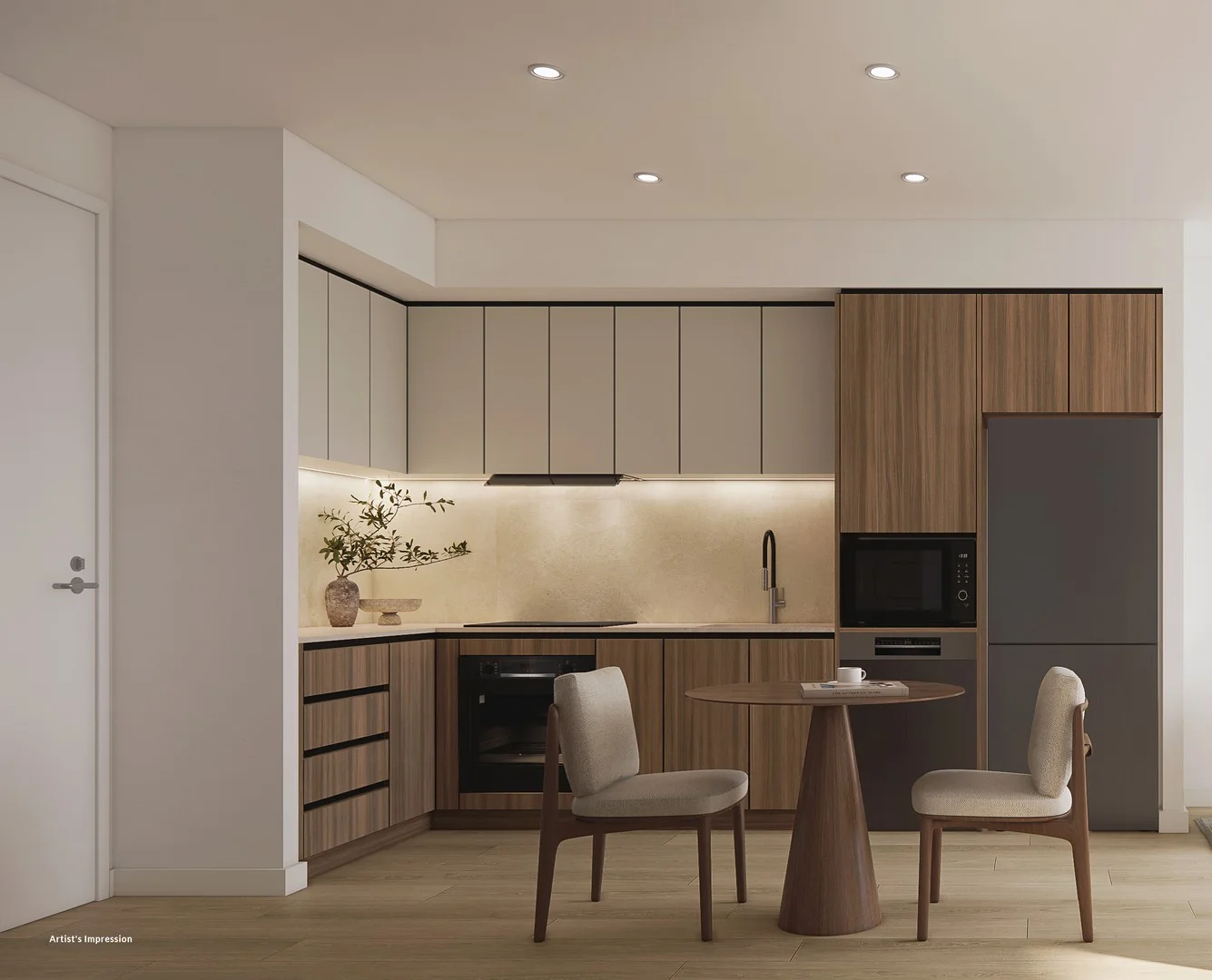 $557,000
Apartment / Unit / Flat
$557,000
Apartment / Unit / Flat
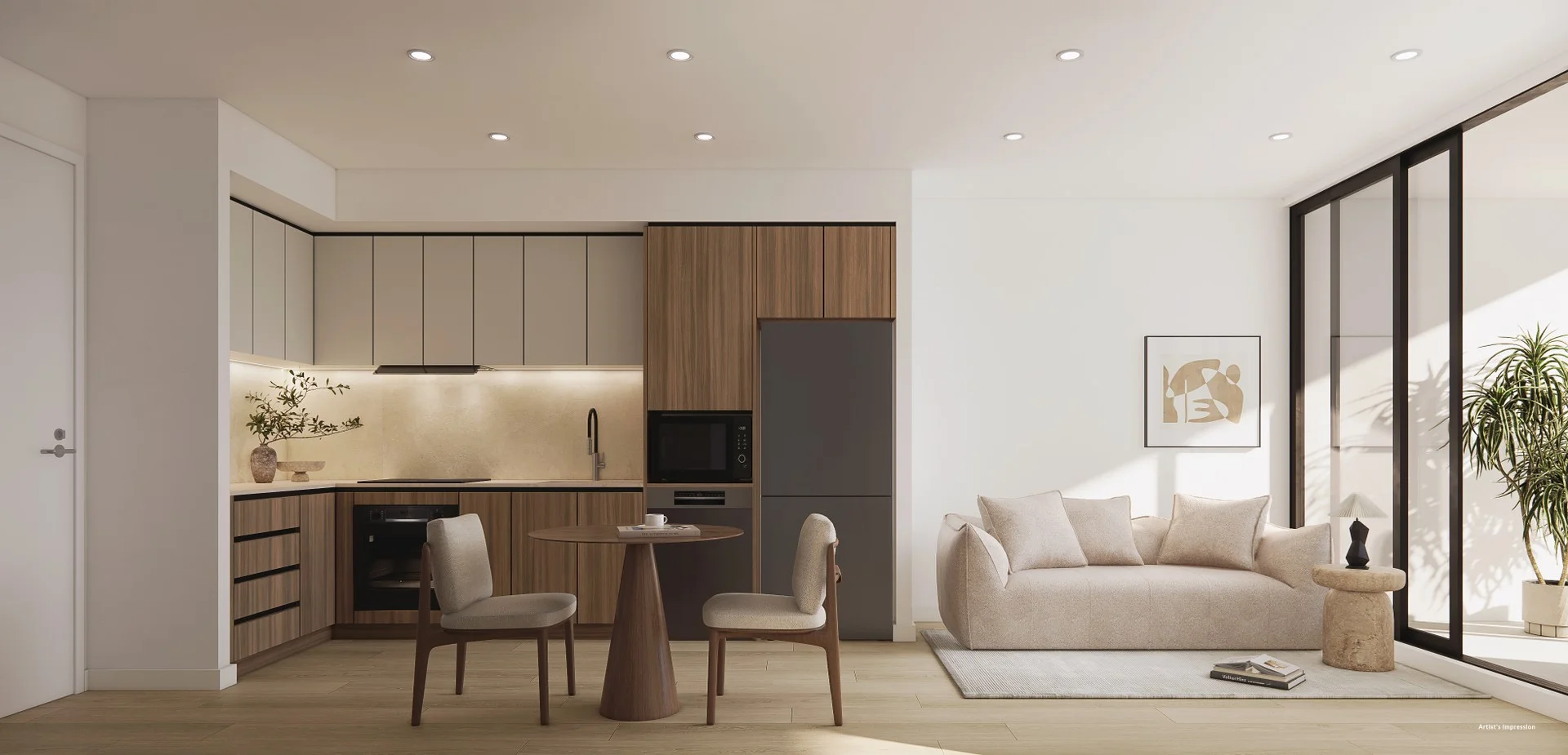 $588,000
Apartment / Unit / Flat
$588,000
Apartment / Unit / Flat
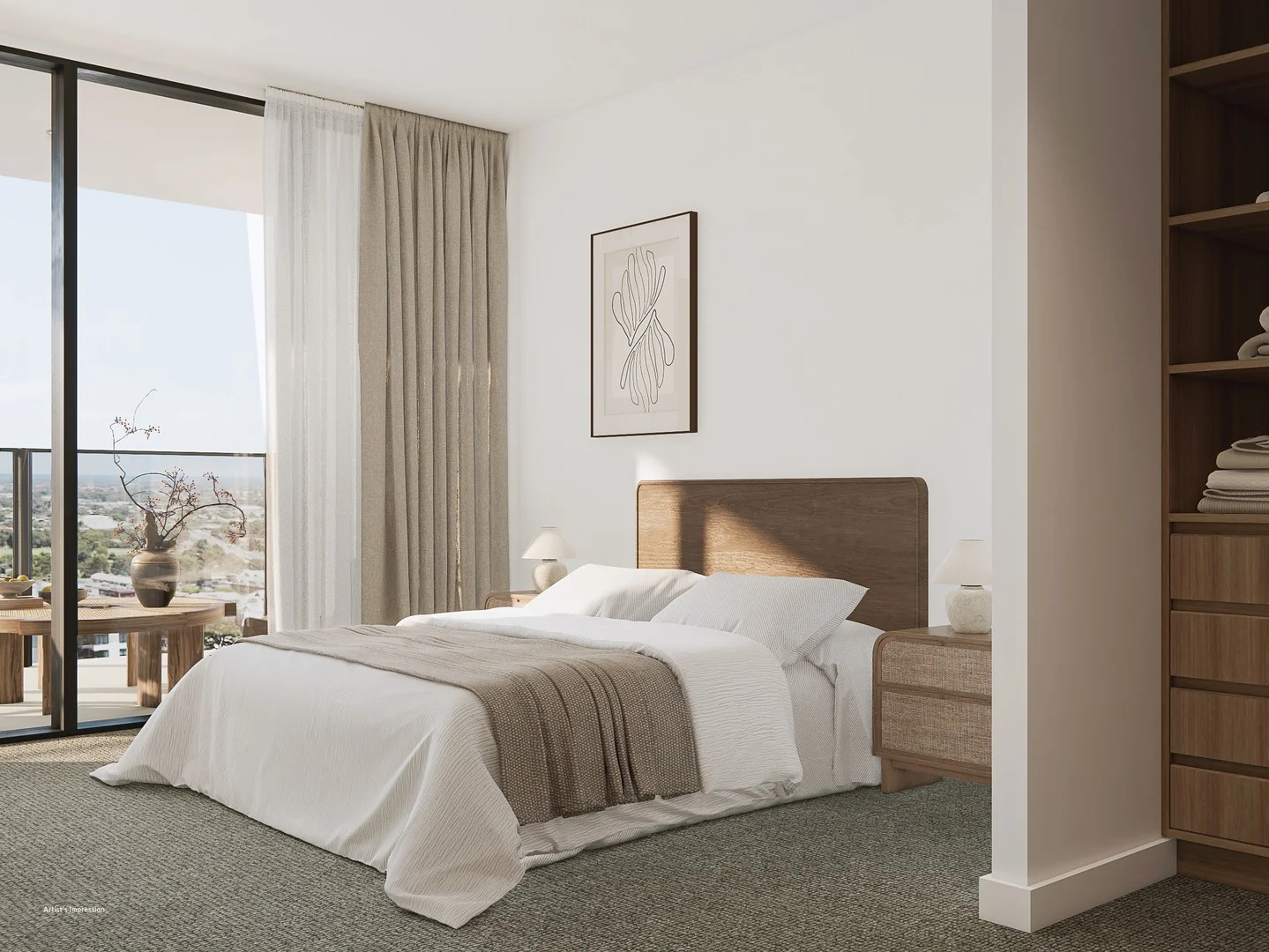 $935,000
Apartment / Unit / Flat
$935,000
Apartment / Unit / Flat
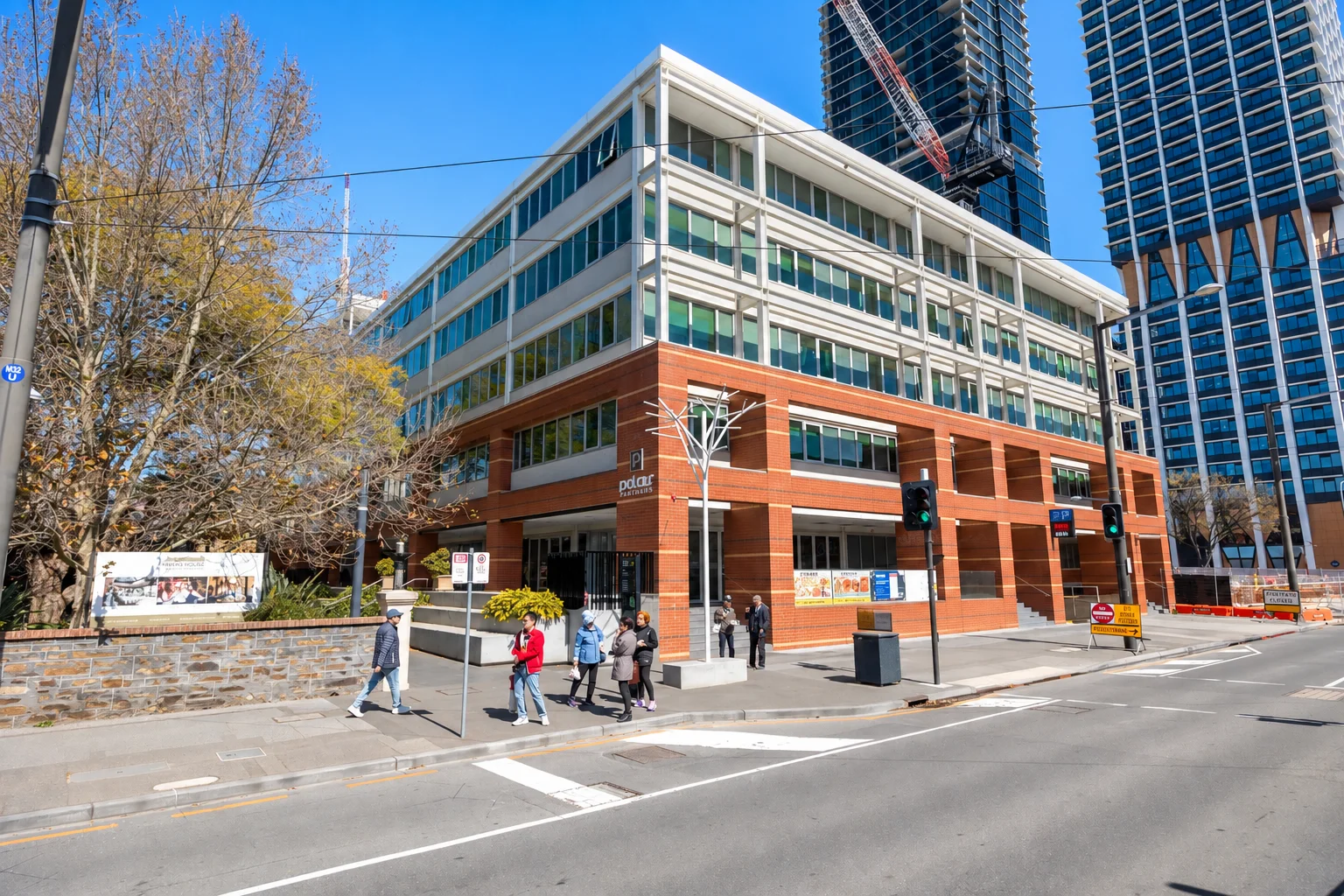 $545,000
Apartment / Unit / Flat
$545,000
Apartment / Unit / Flat