# Overview
Black Forest Primary School is a public, co-educational primary school serving families in South Australia. The school combines a medium-sized student community with a welcoming, inclusive atmosphere that aims to support each child’s learning journey. Class sizes are typically in the 20s, enabling regular teacher attention and interactive learning experiences. The culture is nurturing and community-focused, with an emphasis on building confident learners who collaborate, think critically, and contribute positively to the school and wider community.
The school seeks to balance strong academic foundations with opportunities in sport, arts, and everyday leadership. Students are encouraged to be responsible, respectful, and resilient, while enjoying a rounded education that supports social-emotional growth, curiosity, and real-world skills.
---
# Academics & Learning
- Academic strengths: The school places a strong emphasis on literacy and numeracy, with integrated STEM activities and digital technologies to foster inquiry, problem solving, and practical understanding across subjects.
- Special programs: There are opportunities for extension and targeted support within the core curriculum, alongside inclusive learning programs. The school supports diverse learners through tailored classroom strategies, EAL assistance where needed, and additional supports for students requiring extra help.
- NAPLAN / trends: The school tracks progress over time, focusing on year-by-year improvements and consistency in learning outcomes. Trends are monitored and shared with families through annual reporting and school communications.
- Student-teacher ratios: Ratios align with local guidelines to enable meaningful teacher-student interactions, with classes designed to facilitate individual feedback and small-group instruction where appropriate.
- Support for diverse learners: EAL support, SEN considerations, and inclusive practices are in place to help all students access the curriculum and participate fully in school life.
---
# Sports & Extracurricular Strengths
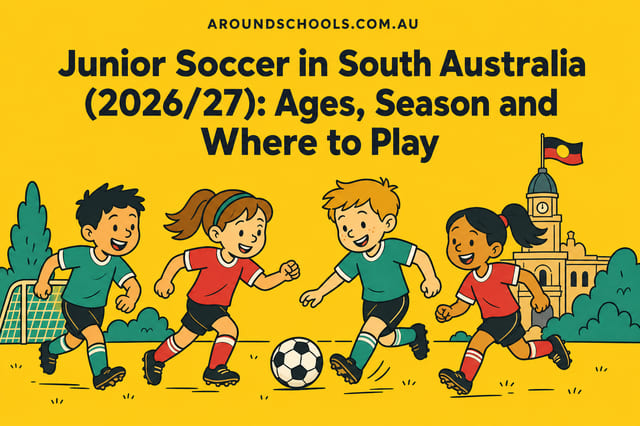
- Sports offered: The school provides a range of team and individual sports, including soccer, netball, basketball, cricket, and athletics, with opportunities to participate in inter-school events and local competitions.
- Strong teams or achievements: Involvement in district-level competitions and school teams helps students develop teamwork, discipline, and competitive spirit.
- Music, arts, drama programs: There are performing arts opportunities, including music programs and school concerts, to showcase student creativity and cultural expression.
- Clubs: Robotics, coding, chess and debating are part of the extracurricular landscape, alongside other interest-based clubs that support inquiry and collaboration.
- Partnerships: The school engages with local clubs, community groups, and regional activities to broaden learning outside the classroom and encourage sport and arts participation.
---
# Wellbeing & Pastoral Care
- Anti-bullying approach: A clear anti-bullying policy and supportive, restorative practices help maintain a safe and respectful environment for all students.
- House system: A house-based structure fosters belonging, healthy competition, and peer support across year levels.
- Counsellors / wellbeing officers: Access to wellbeing staff and student support services helps address social-emotional needs and fosters resilience.
- Transition support for new students: Orientation activities, buddy systems, and targeted transition support help new students settle in smoothly.
---
# Facilities
- Sports grounds: Access to outdoor playing fields and courts to support physical education and sport.
- Libraries: A well-equipped library supports independent reading and research across the curriculum.
- Science labs: Science facilities enable hands-on experiments and inquiry-based learning.
- Music/performing arts centers: Dedicated spaces for music, drama, and performance activities.
- Tech/innovation labs: Computer/STEAM spaces support digital literacy, coding, and project-based learning.
- Cafeteria: On-site canteen or cafeteria offering healthy meal options.
- Updated playgrounds: Modern, safe outdoor play areas encourage active breaks and outdoor learning.
---
# School Values & Community Culture
- School values / mission: The school emphasises values such as respect, responsibility, empathy, and collaboration as core to student life and learning.
- Leadership style: Leadership is student-centered and collaborative, with opportunities for student voice in school decisions alongside staff guidance.
- Behaviour expectations: A clear code of conduct supports positive behavior, consistent routines, and expectations across classrooms and playgrounds.
- Community reputation: The school aims to maintain strong relationships with families and the local community, promoting inclusivity and shared responsibility for student wellbeing.
- Diversity & inclusion: A welcoming environment that supports students from diverse backgrounds and abilities, with inclusive practices and supports.
---
# School Logistics & Daily Operations
- School hours: The school day typically runs from early morning to mid-afternoon, with organised start and finish times and focus on structure and routine.
- Before/after school care: Supervised options are available to support families, with arrangements often made through the school or approved providers.
- Uniform requirements: A school uniform policy applies, with guidance on appropriate attire for daily classes and events.
- Transport (train/bus routes): Transport options and routes are arranged through local services, with considerations for catchment areas and accessibility.
- Canteen availability: Canteen or lunch program options are available to provide healthy meal choices for students.
- Fees (low/medium/high ranges): As a public primary school, typical material fees and costs for excursions are modest, with ongoing transparency about any additional costs.
---
# Enrolment & Admissions
11. What is the enrolment process and timeline?
- Enrolment generally involves submitting an application through the local enrolment process, providing required documents (e.g., proof of identity, birth details, and proof of residence), and following the school’s timelines for intake. Families are typically advised of enrolment decisions within the guidance timelines set by the Department for Education and the school, with notifications issued as spots become available.
12. Is there a waiting list, and how does it work?
- A waiting list may operate where there are more applicants than places. Placement is usually governed by catchment rules, available vacancies, and published intake priorities. Families can inquire with the school for current status and expected timelines.
13. Are there any entry requirements, tests, or interviews?
- For standard enrolment, there is generally no entry examination. Some schools may offer information sessions or brief discussions as part of the process, and schools may request documentation to verify eligibility, residency, or enrolment priority. The process is designed to be straightforward for standard intakes.
14. Does the school accept mid-year transfers?
- Mid-year transfers are sometimes possible if space is available. Applications for mid-year transfer typically involve submitting the usual enrolment documentation and coordinating with the current school to ensure a smooth transition. Availability depends on current enrolments and catchment guidelines.
---
# Frequently Asked Questions
- Why Parents Choose This School?
- A welcoming, inclusive culture with a focus on literacy, numeracy, and well-rounded development; strong support for diverse learners; active involvement in sport, arts, and community programs.
- What type of student thrives at this school?
- Students who enjoy collaborative learning, participate in a range of subjects, benefit from small-group instruction, and value a supportive, well-structured environment.
- What opportunities are available for students to extend their skills (academics, sports, arts)?
- Extension and enrichment within core subjects, clubs in robotics, coding, chess, and debating, plus sport teams and performing arts opportunities.
- How does the school communicate with parents?
- Regular updates through newsletters, email, school portals, meetings, and parent information sessions; clear channels for feedback and inquiries.
- What is the school’s approach to teaching and learning?
- A student-centered approach that combines explicit instruction with inquiry-based learning, practical applications, and opportunities for collaboration.
- How does the school support students who need extra academic help?
- Targeted in-class support, additional small-group or one-to-one assistance, and access to additional literacy and numeracy resources as needed.
- What support is available for academic challenges?
- Dedicated staff and intervention strategies to assist students facing difficulties, with ongoing progress monitoring and adjustment of supports.
- How does the school communicate with parents? (Repeated)
- See above: multiple channels including newsletters, portals, and parent meetings to keep families informed and engaged.
- What are the class sizes and how much individual attention do students receive?
- Class sizes are kept in the manageable range (roughly 20–25 students) to enable regular teacher attention and targeted support.
- What extracurricular and sports opportunities are available?
- A range of sports (soccer, netball, basketball, cricket, athletics), plus clubs in robotics, coding, chess, debating, and performing arts.
- What facilities does the school offer (sports, science, arts)?
- Sports grounds, library, science labs, music/performing arts spaces, tech/innovation labs, canteen, and updated outdoor play areas.
- What is the school’s approach to technology and digital learning?
- Integrated use of digital technologies across the curriculum to build digital literacy, coding, research, and collaborative projects.
- What transport and accessibility options are available?
- Transport options and accessibility are arranged via local services, with consideration for catchment areas and familie needs.
- What are typical school fees or additional costs?
- Primary public schools generally have low to modest fees for materials, excursions, and optional activities, with transparent communications about any additional costs.
---
# Short Pros & Cons list
- Pros
- Supportive, inclusive school culture with a focus on wellbeing and belonging.
- Balanced emphasis on academics, sport, arts, and digital learning.
- Small-to-medium class sizes enabling individual attention.
- Broad range of clubs and extracurricular activities.
- Strong parent-school communication and community connections.
- Cons
- As a public school, some programs and facilities may have capacity limits or wait times during peak intake periods.
- Availability of certain mid-year transfers depends on space and local intake priorities.
- Specific specialist programs (e.g., selective streams) may be limited compared with larger or independent schools.








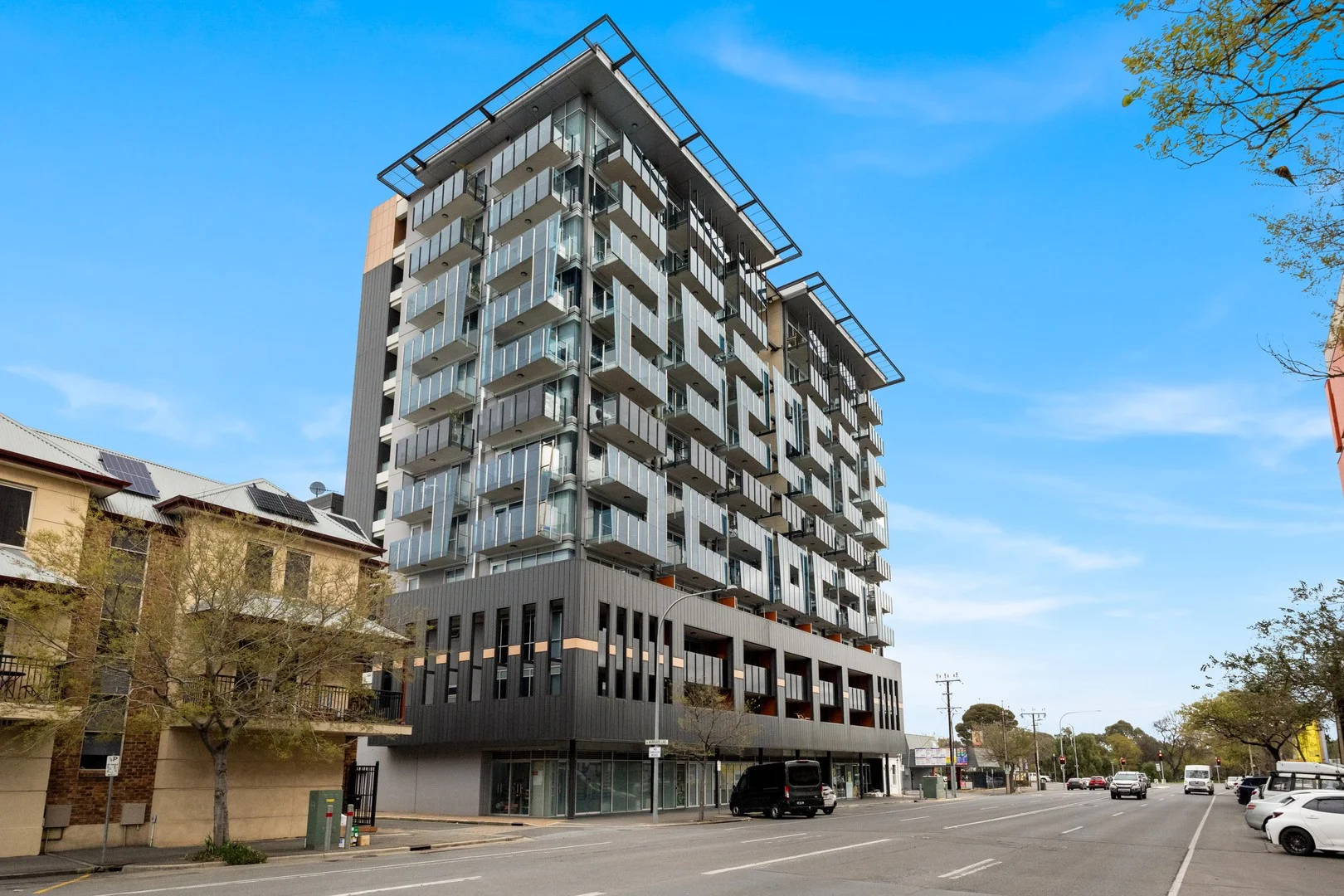 $1,100,000
Apartment / Unit / Flat
$1,100,000
Apartment / Unit / Flat
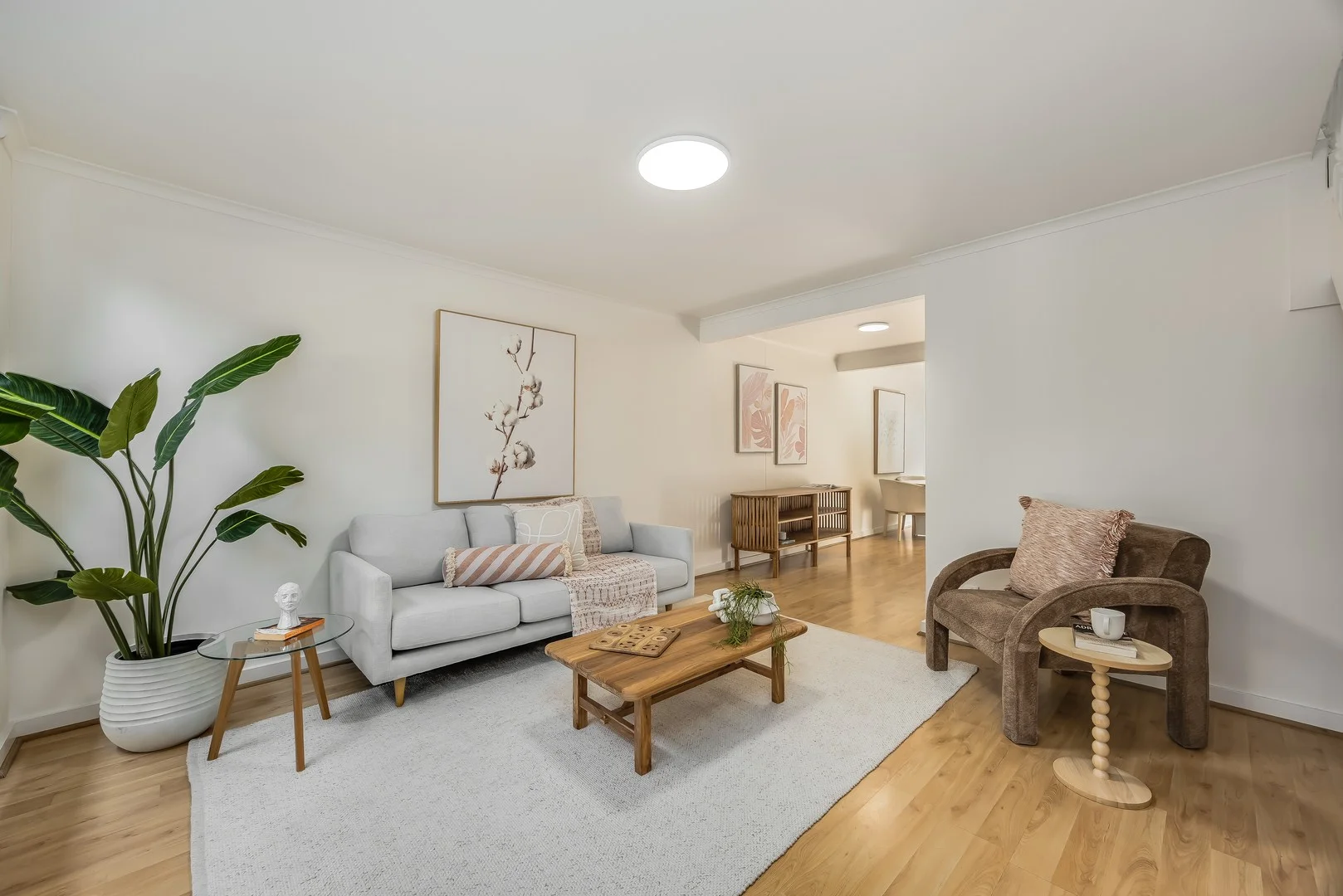 $775,000
House
$775,000
House
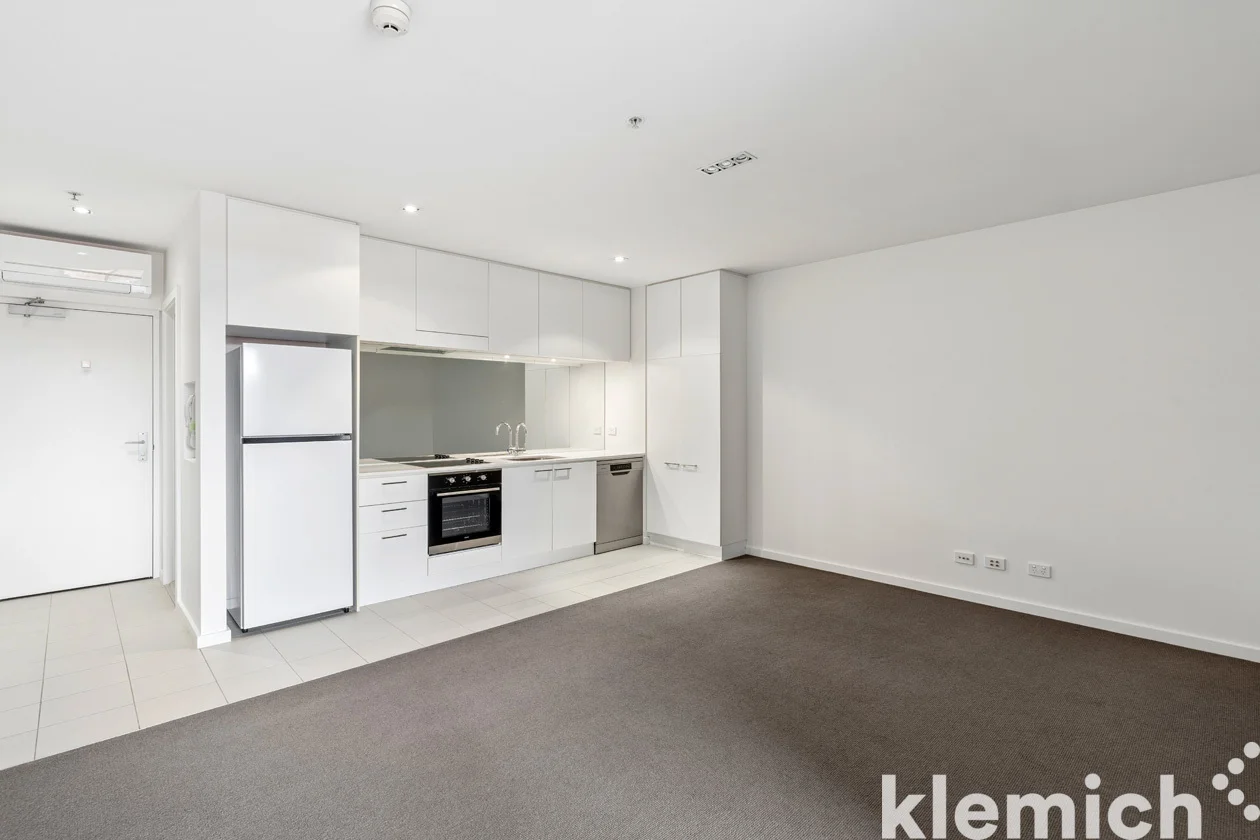 $440,000
Apartment / Unit / Flat
$440,000
Apartment / Unit / Flat
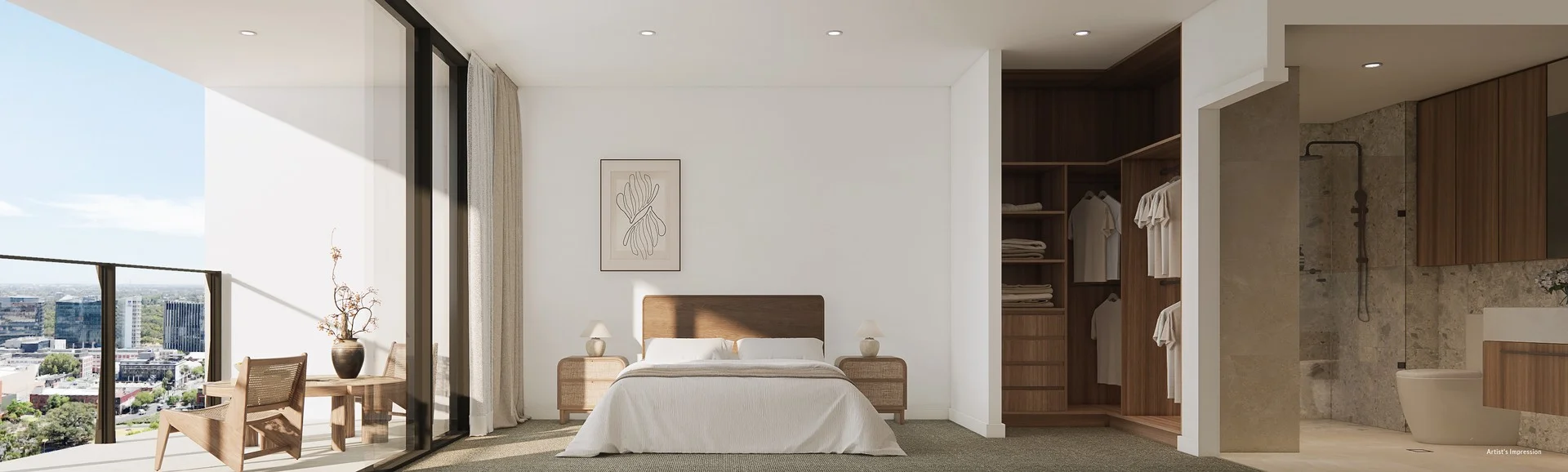 $1,056,000
Apartment / Unit / Flat
$1,056,000
Apartment / Unit / Flat
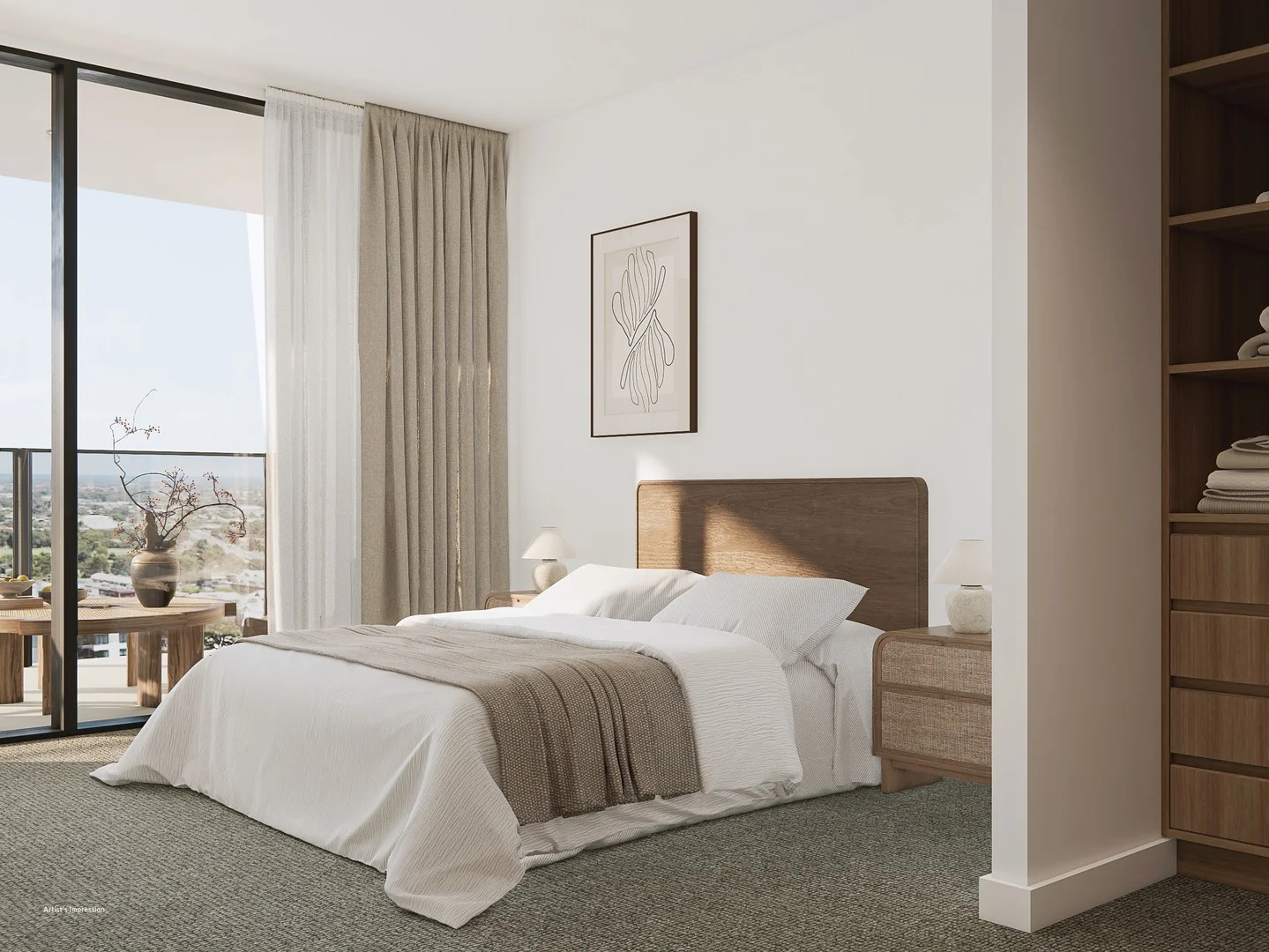 $935,000
Apartment / Unit / Flat
$935,000
Apartment / Unit / Flat
 $588,000
Apartment / Unit / Flat
$588,000
Apartment / Unit / Flat
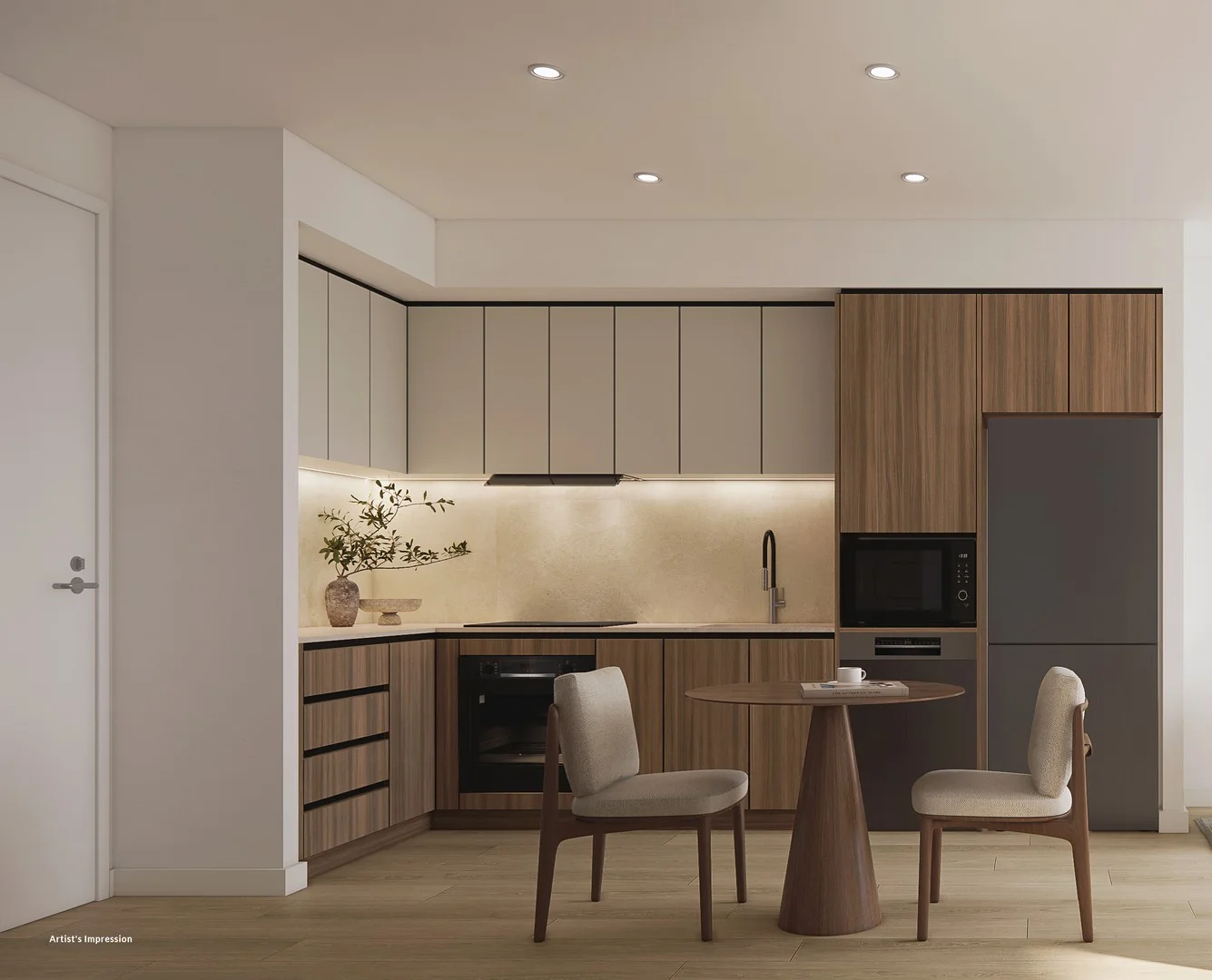 $557,000
Apartment / Unit / Flat
$557,000
Apartment / Unit / Flat
 $545,000
Apartment / Unit / Flat
$545,000
Apartment / Unit / Flat