## 1. Overview
Goodwood Primary School is a public (government) primary school catering to families in the Goodwood area and surrounding suburbs. The school is a medium-sized site that emphasises a welcoming, inclusive culture where students are encouraged to participate, try new things and build confidence across all areas of learning.
Class sizes typically sit in the mid-20s, enabling teachers to give students individual attention while maintaining a collaborative, cross-age learning environment. The atmosphere is nurturing and community-focused, with a strong emphasis on respect, resilience and bringing out the best in every student.
⸻
## 2. Academics & Learning
- Academic strengths: Strong literacy and numeracy foundations, with continued emphasis on STEM, reading engagement, and writing across the curriculum. The school also supports expressive arts and oral language development.
- Special programs: Gifted and Talented options and accelerated learning opportunities are available within the school’s curriculum framework where appropriate.
- NAPLAN / trends: NAPLAN results typically align with state benchmarks, with gradual improvements seen over multiple years in key areas such as literacy and numeracy; the school regularly reviews data to inform teaching approaches.
- Student-teacher ratios: Roughly around 1:20, providing opportunities for targeted support and small-group learning.
- Support for diverse learners: Strong EAL (English as an Additional Language) and SEN (Special Educational Needs) support, inclusive education practices, and tailored learning plans.
⸻
## 3. Sports & Extracurricular Strengths
- Sports offered: Netball, soccer, cricket, basketball, athletics, cross-country, and AFL (where applicable through school programs); active movement and fitness are encouraged throughout the week.
- Strong teams or achievements: Participation in district and regional school sport events with opportunities for representative teams and ongoing development across multiple sports.
- Music, arts, drama programs: School choir, general music program, opportunities to participate in performances and school productions; visual arts and drama are encouraged as part of the curriculum.
- Clubs: Robotics, coding, chess, debating and other lunch-time clubs support inquiry-based learning and student leadership.
- Partnerships: Collaborations with local clubs and community groups, and participation in inter-school competitions and events to broaden experience.
⸻
## 4. Wellbeing & Pastoral Care
- Anti-bullying approach: Whole-school anti-bullying policies, clear codes of conduct, buddy systems and student ambassadors to promote respectful interactions.
- House system: Established house groups to foster belonging, healthy competition and teamwork across year levels.
- Counsellors / wellbeing officers: Access to on-site wellbeing staff (counsellors or wellbeing officers) to support mental health, resilience and social skills.
- Transition support for new students: Orientation activities, a buddy system and targeted supports to help students settle into the school community.
⸻
## 5. Facilities
- Sports grounds: Adequate playing fields and outdoor spaces for physical education and sport.
- Libraries: A library with print and digital resources to support reading and research.
- Science labs: Accessible spaces for hands-on science experiences and experiments.
- Music/performing arts centers: Areas for music practice, rehearsals and small performances.
- Tech/innovation labs: Simple makerspace or digital learning areas for coding and project work.
- Cafeteria: On-site canteen or lunch program with healthy options.
- Updated playgrounds: Safe, age-appropriate play equipment and outdoor learning spaces.
⸻
## 6. School Values & Community Culture
- School values / mission: Focus on respect, responsibility, resilience, inclusivity and a growth mindset; emphasis on student voice and leadership.
- Leadership style: Collaborative leadership that involves staff, students and families in decision-making and school initiatives.
- Behaviour expectations: Clear expectations supported by consistency, positive reinforcement and restorative practices when required.
- Community reputation: Known as a welcoming, supportive community that values diversity and student wellbeing.
- Diversity & inclusion: Strong commitment to inclusion and respectful relations among students from varied backgrounds.
⸻
## 7. School Logistics & Daily Operations
- School hours: Typical day runs from the start of the morning session to mid-afternoon; start and finish times align with local school schedules.
- Before/after school care: Programs are often available to extend care before and after school hours.
- Uniform requirements: School uniform is standard; sports uniform may be worn for PE/sport days.
- Transport (train/bus routes): Access to regional and local bus services; public transport options available nearby; school-facilitated or council-supported travel arrangements may apply.
- Canteen availability: Canteen or tuck shop usually available with healthy meal options.
- Fees: Government primary schools in the area have low to moderate additional costs (e.g., voluntary contributions, incursions/excursions); exact fees vary by year level and program.
⸻
## 8. Enrolment & Admissions
11. What is the enrolment process and timeline?
- Enrolment typically follows the standard public-school process: submit an enrolment application through the Department for Education or school portal, provide required documents (proof of identity, proof of address, immunisation records, birth certificate), and complete any school-specific forms. Prep intake usually occurs in the year before school entry, with offers communicated within the school year ahead; timing can vary by year level and availability.
12. Is there a waiting list, and how does it work?
- Waiting lists can apply when year-level vacancies are limited. Applications are typically held in order of submission and any eligibility checks; families are notified if a place becomes available and where they sit on the list.
13. Are there any entry requirements, tests, or interviews?
- For most public primary entries, there are no entrance exams or mandatory interviews. Some prep or entry activities may occur to help assess readiness, but formal testing is not standard.
14. Does the school accept mid-year transfers?
- Mid-year transfers are possible if there are available places. Transfer requests are assessed by administration and require the usual enrolment documentation, with intake and orientation planned to minimize disruption.
⸻
## 9. Frequently Asked Questions
- Why Parents Choose This School?
- A welcoming, inclusive community with a focus on student wellbeing, strong literacy and numeracy foundations, and opportunities across academics, sport, arts and clubs.
- What type of student thrives at this school?
- Students who are curious, collaborative and motivated to contribute to class and school life, and who benefit from a supportive environment with structured routines.
- What opportunities are available for students to extend their skills (academics, sports, arts)?
- Access to gifted and talented options, STEM activities, reading and writing enhancements, diverse sports, performing arts programs, robotics and coding clubs, and debating.
- How does the school communicate with parents?
- Regular updates via newsletters, emails, notices, and parent-teacher meetings; feedback channels through the front office and year-level coordinators.
- What is the school’s approach to teaching and learning?
- A balanced approach combining explicit instruction with inquiry-based learning, differentiation for diverse learners, and data-informed planning to support progress.
- How does the school support students who need extra academic help?
- Targeted small-group or one-on-one intervention, EAL/SEN support, and access to classroom accommodations or adjustments as needed.
- What support is available for academic challenges?
- In-school support from teachers, wellbeing staff and specialists; referrals for additional assessment or adjustments as appropriate.
- How does the school communicate with parents? (duplicate)
- See above.
- What are the class sizes and how much individual attention do students receive?
- Class sizes typically mid-20s with a focus on small-group instruction and targeted teacher attention where needed.
- What extracurricular and sports opportunities are available?
- A range of sports (netball, soccer, cricket, basketball, athletics), music, arts and clubs such as robotics, coding, chess and debating.
- What facilities does the school offer (sports, science, arts)?
- Sports grounds, library, science labs, music/performing arts spaces, tech/innovation labs, canteen, and updated playgrounds.
- What is the school’s approach to technology and digital learning?
- Integration of technology across the curriculum, with age-appropriate digital literacy experiences and coding opportunities.
- What transport and accessibility options are available?
- Access to local bus services and public transport; school supports families with travel arrangements and (where applicable) transfer options.
- What are the typical school fees or additional costs?
- Mostly low to moderate; some optional or program-specific costs (excursions, incursions, special activities) may apply.
⸻
## 10. Short Pros & Cons list
- Pros:
- Inclusive, supportive culture with a focus on student wellbeing.
- Balanced academics with opportunities across STEM, arts and sports.
- Strong club and extracurricular options (robotics, coding, chess, debating).
- Solid support for diverse learners (EAL, SEN) and smooth transition programs for new students.
- Active community engagement and a clear, positive behaviour framework.
- Cons:
- Class sizes mid-20s; some families may prefer smaller cohorts.
- Waitlists can occur for popular year levels when intake is limited.
- uniform and specific activity costs may represent additional ongoing expenses for families.








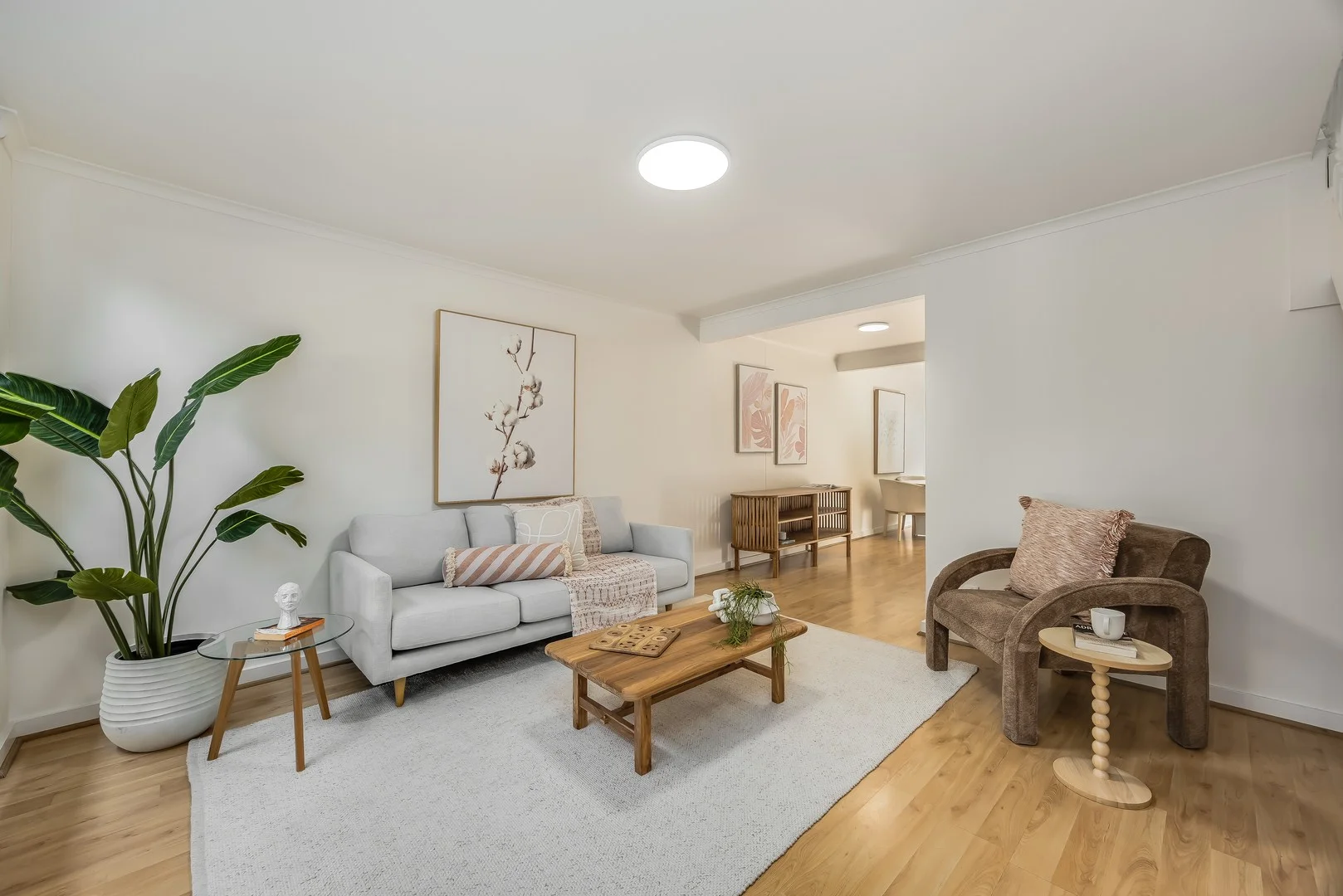 $775,000
House
$775,000
House
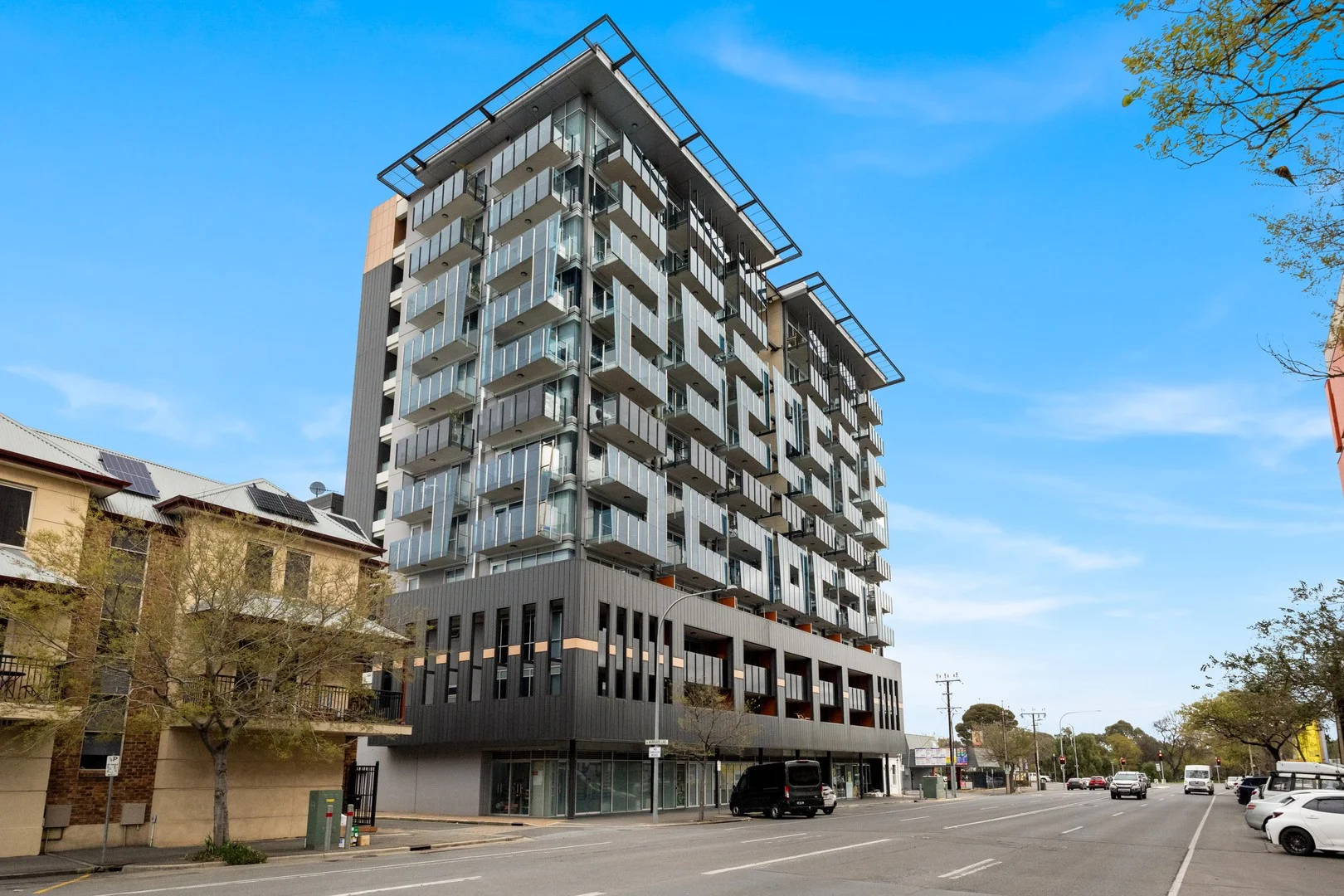 $1,100,000
Apartment / Unit / Flat
$1,100,000
Apartment / Unit / Flat
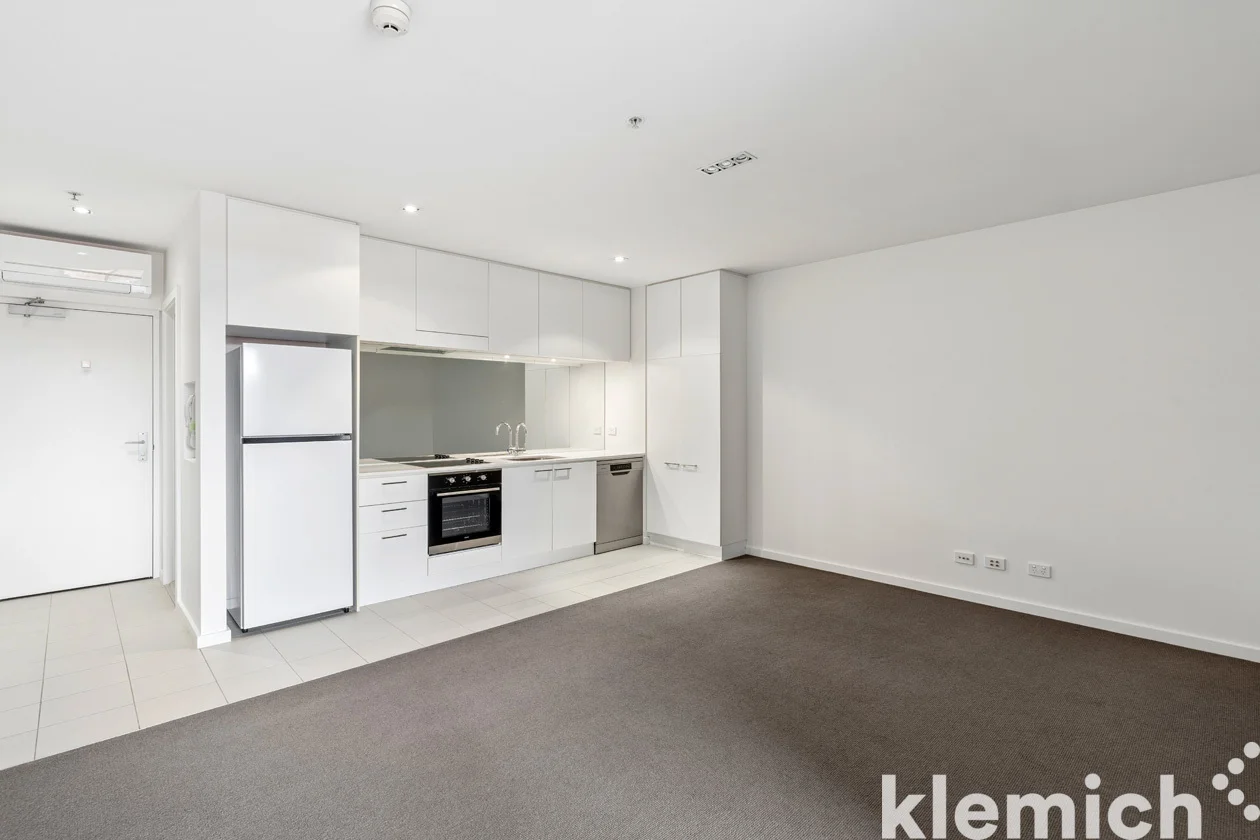 $440,000
Apartment / Unit / Flat
$440,000
Apartment / Unit / Flat
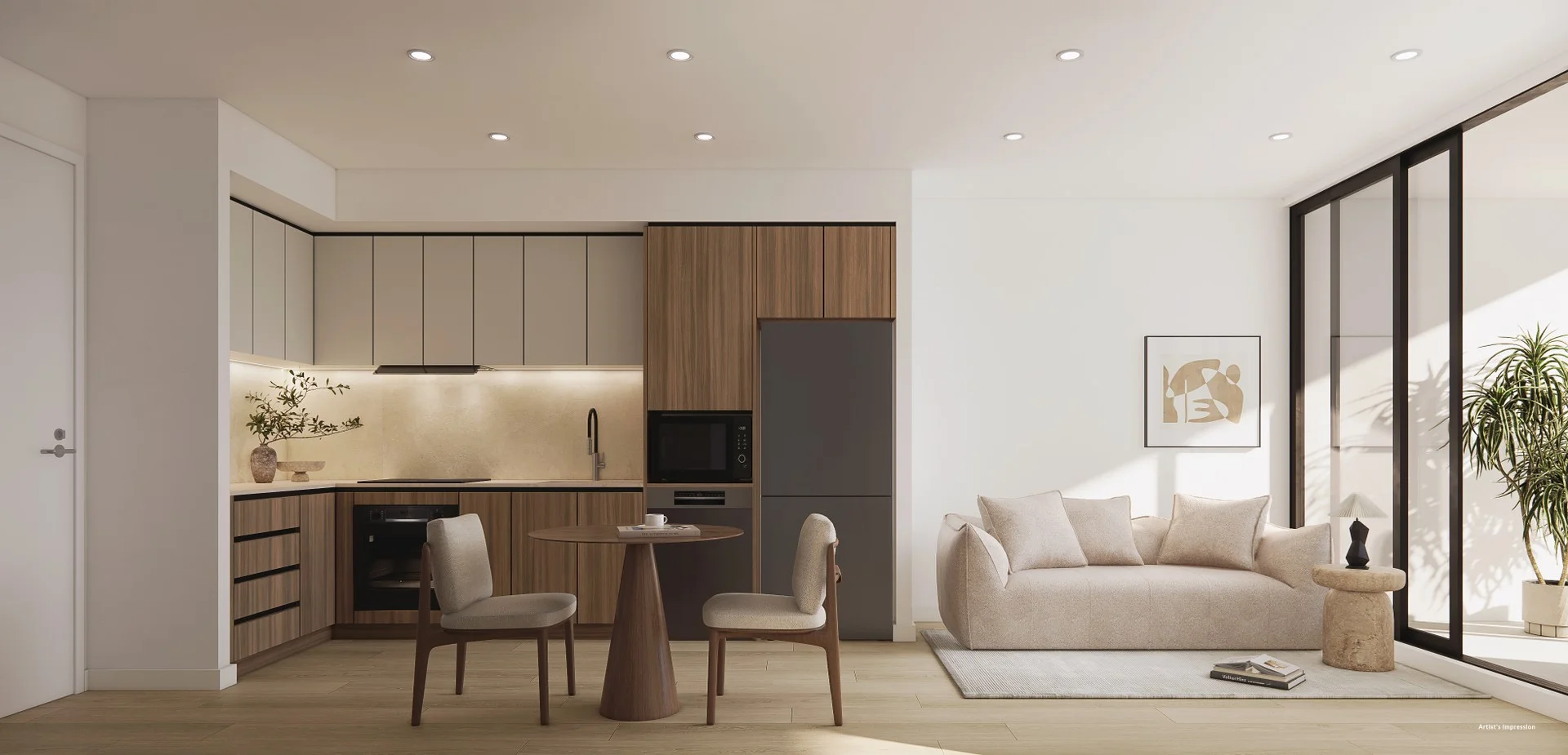 $588,000
Apartment / Unit / Flat
$588,000
Apartment / Unit / Flat
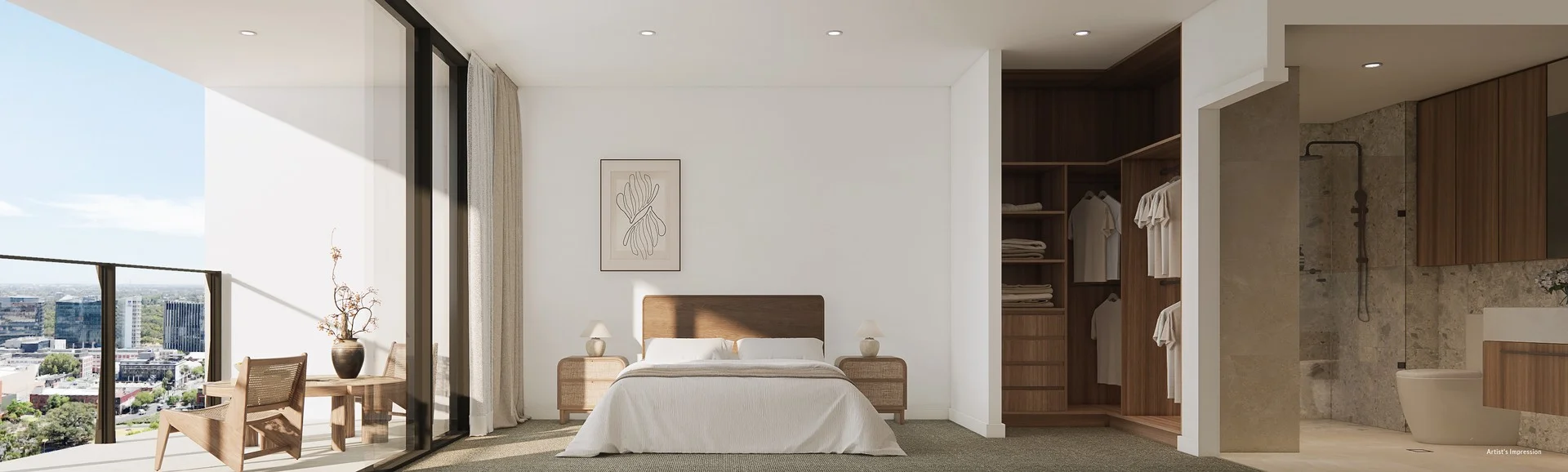 $1,056,000
Apartment / Unit / Flat
$1,056,000
Apartment / Unit / Flat
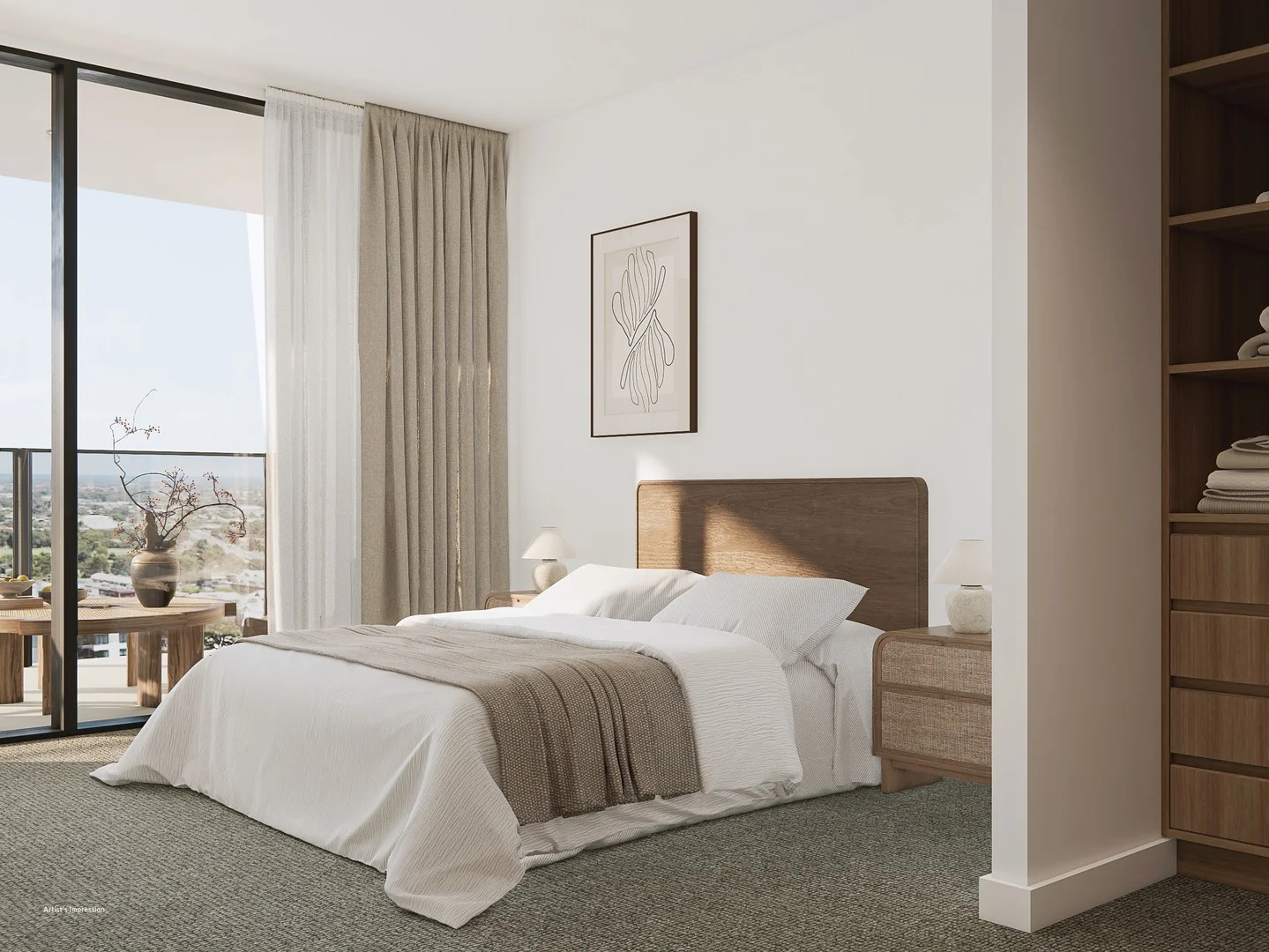 $935,000
Apartment / Unit / Flat
$935,000
Apartment / Unit / Flat
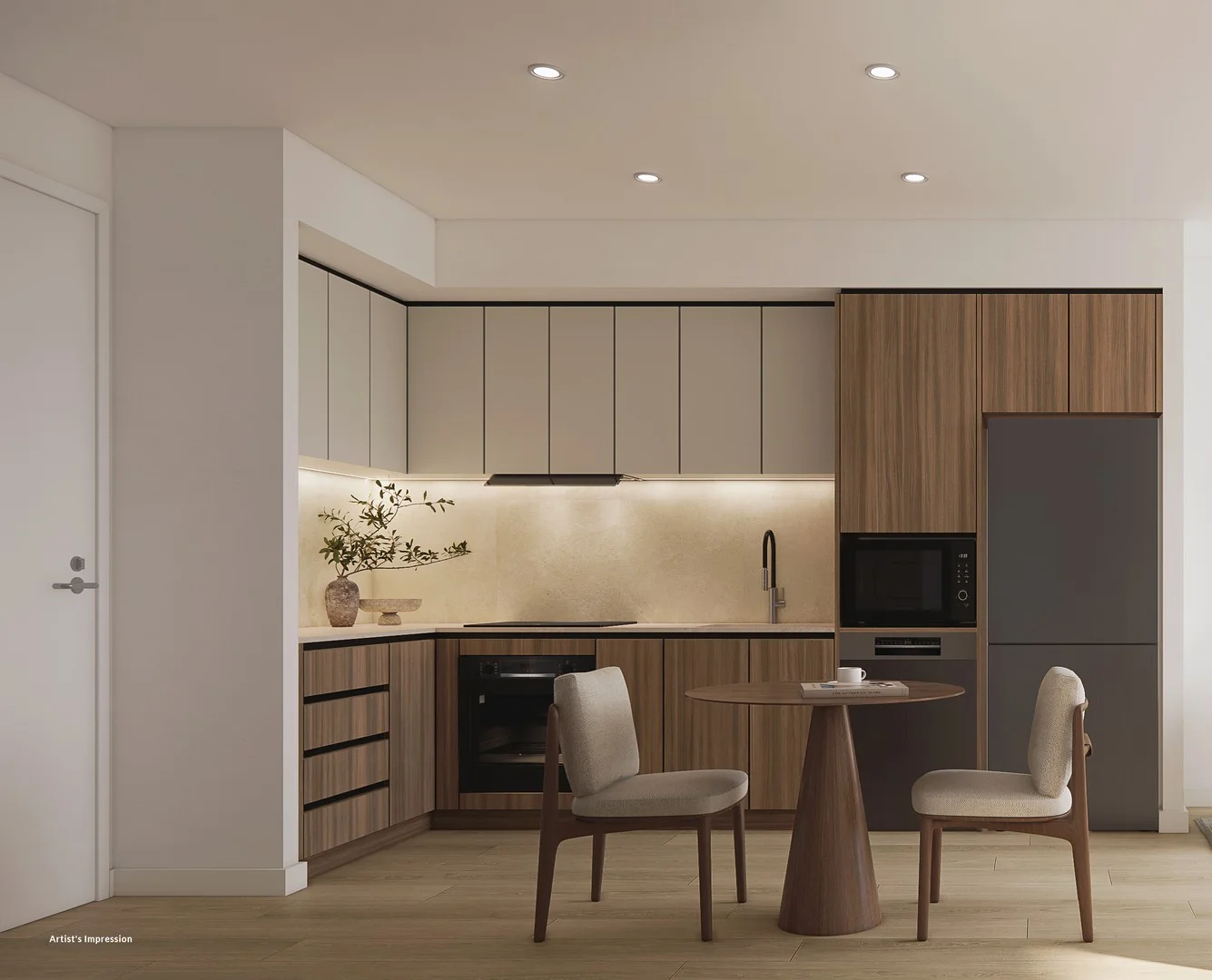 $557,000
Apartment / Unit / Flat
$557,000
Apartment / Unit / Flat
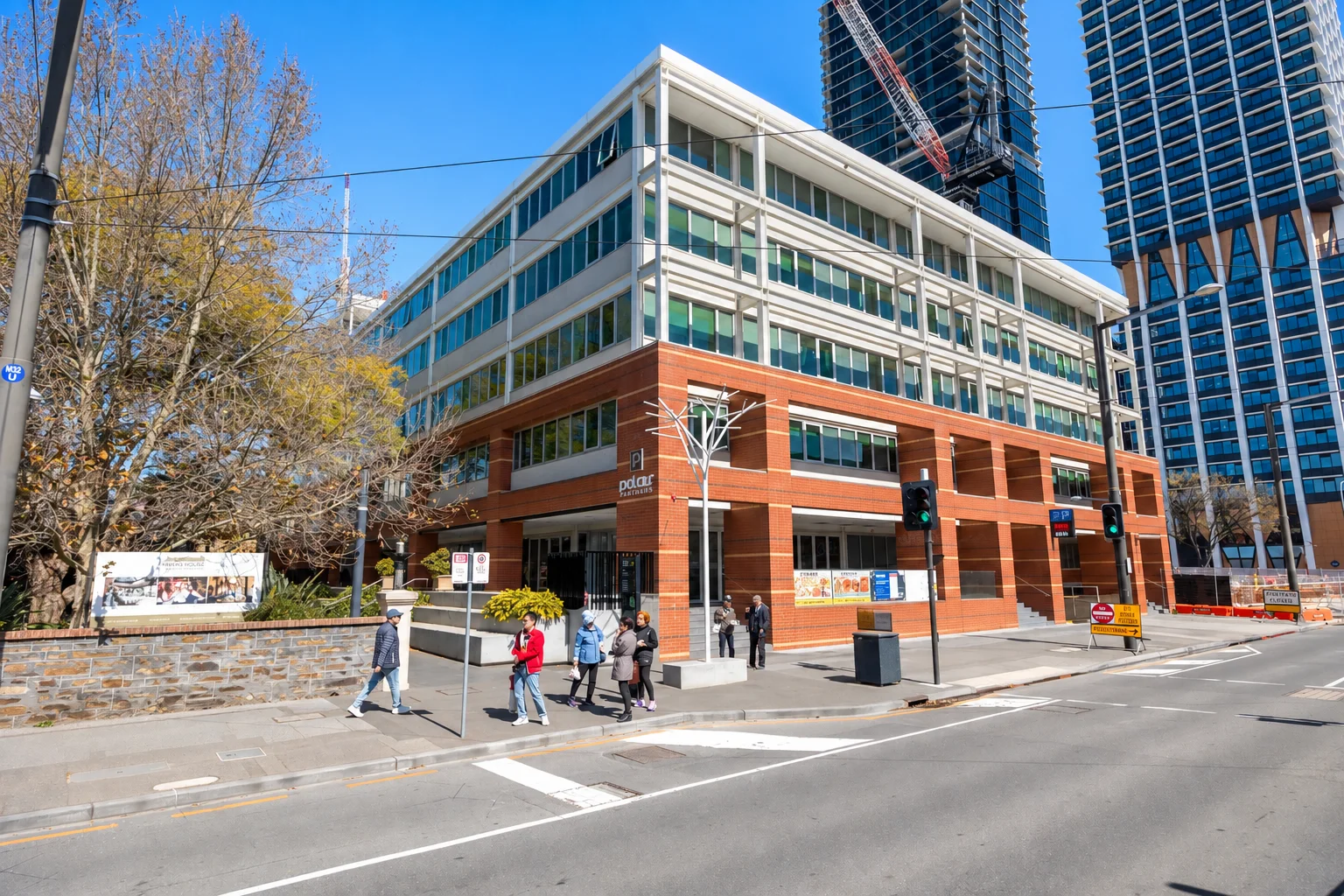 $545,000
Apartment / Unit / Flat
$545,000
Apartment / Unit / Flat