## 1. Overview
Cameragal Montessori School is a private, independent school that follows a Montessori approach across its early childhood and primary programs. The school emphasises a child-centred, prepared environment where students learn through hands-on activities and collaborative work. With small-to-medium class groups and mixed-age classrooms, the atmosphere tends toward nurturing, respectful, and purposeful learning that supports curiosity and independence.
The culture is built around individualized learning paths, deep engagement with practical life and sensorial experiences, and an inclusive community where families are encouraged to participate in school life and student growth.
⸻
## 2. Academics & Learning
- Academic strengths: Strong emphasis on the Montessori method as a foundation for literacy, numeracy, science, and practical life skills; focus on independent thinking, concentration, and problem-solving; opportunities to develop leadership through student-led projects and collaborative learning.
- Special programs: Montessori-based learning environments with integrated language and arts activities; enrichment within the Montessori framework; additional language and creative arts experiences as part of the curriculum.
- NAPLAN / Ofsted trends: Publicly available trend data is not typically highlighted by the school; as with many Montessori and private schools, emphasis is placed on individual growth and mastery over standardised scores rather than sole performance benchmarks.
- Student-teacher ratios: Class sizes are kept small to support individualized attention, with teacher-to-student ratios typically in the low teens depending on year level.
- Support for diverse learners: EAL/D support and SEN considerations are provided within the school’s framework, with inclusive practices and targeted support as needed, often integrated within the classroom by trained staff and specialists.
⸻
## 3. Sports & Extracurricular Strengths
- Sports offered: A range of school-based and community sports programs are available, with opportunities to participate in local competitions and inter-school events as appropriate for year level.
- Strong teams or achievements: The emphasis is on holistic development; students may participate in regional events and team activities rather than a high-profile competitive program.
- Music, arts, drama programs: Regular music and performing arts experiences are part of the curriculum, with opportunities to showcase work through events and performances.
- Clubs: Robotics, chess, coding, debating, and other STEM/academic clubs are commonly offered to extend practical learning and critical thinking.
- Partnerships: Engagement with local community groups and organizations for competitions, performances, and experiential learning opportunities.
⸻
## 4. Wellbeing & Pastoral Care
- Anti-bullying approach: Proactive anti-bullying policies, inclusive classroom practices, and social-emotional learning embedded in daily routines.
- House system: House-style groupings and events are used to foster belonging, teamwork, and healthy competition where applicable.
- Counsellors / wellbeing officers: Access to well-being support, with school counsellors or designated wellbeing staff to assist students with personal and social-emotional needs.
- Transition support for new students: Orientation programs, buddy systems, and targeted transition activities to help new students settle smoothly.
⸻
## 5. Facilities
- Sports grounds: Access to outdoor spaces suitable for a variety of physical activities.
- Libraries: On-site libraries that support independent reading and research.
- Science labs: Dedicated spaces for hands-on science exploration aligned with the Montessori approach.
- Music/performing arts centers: Facilities to support music, drama, and arts performances.
- Tech/innovation labs: Areas for STEM activities, practical exploration, and digital learning.
- Cafeteria: Canteen or lunch provision as part of daily operations.
- Updated playgrounds: Well-maintained outdoor play spaces and environment-friendly learning areas.
- Montessori environments: Classrooms designed as prepared environments with sensory materials, practical life materials, and child-sized furniture to support independent work.
⸻
## 6. School Values & Community Culture
- School values / mission: Emphasis on respect, responsibility, curiosity, empathy, and integrity within a Montessori framework.
- Leadership style: Collaborative and student-involved leadership practices; teachers guide and support student initiatives.
- Behaviour expectations: Clear code of conduct, restorative approaches to conflict, and emphasis on positive, respectful interactions.
- Community reputation: Known for a warm, family-friendly atmosphere and a strong focus on holistic development and inclusivity.
- Diversity & inclusion: Commitment to welcoming students from diverse backgrounds and providing supportive needs and opportunities for all.
⸻
## 7. School Logistics & Daily Operations
- School hours: Typical daily hours align with a full school day, with variations by year level; wrap-around care options may be available.
- Before/after school care: Available in some cases; check specific arrangements with the school.
- Uniform requirements: Uniforms are typically required; details provided in the enrolment pack.
- Transport (train/bus routes): Accessible via local public transport; drop-off/pick-up arrangements and routes are coordinated with families and the school.
- Canteen availability: Canteen or lunch program available as part of daily operations.
- Fees (low/medium/high ranges): Private school fees are generally in the medium-to-high range for Sydney-area independent schools; exact figures vary by year level and program.
⸻
## 8. Enrolment & Admissions
11. What is the enrolment process and timeline?
- Generally, families begin with an expression of interest or application, followed by a hand-in of required documents, an informal or formal assessment of fit, and a family interview or meeting. Depending on the intake cycle, the timeline can range from several weeks to several months, with priority given to current families or siblings where applicable. Open days or tours are often offered as part of the process.
12. Is there a waiting list, and how does it work?
- Many independent and Montessori schools maintain a waiting list when applications exceed available places. The list is typically managed by the admissions team, with priority given to siblings and local eligibility. Families may incur a nominal application or placement fee to hold a place when offered.
13. Are there any entry requirements, tests, or interviews?
- Entry often involves an interview or meeting with the admissions team and possibly a classroom observation or age-appropriate assessment. Language exposure and readiness for Montessori environments may be considered, but the emphasis is on fit with the school’s environment and philosophy.
14. Does the school accept mid-year transfers?
- Mid-year transfers can be possible if there is space in the relevant year level and if admissions criteria are met. Applications for mid-year entry are reviewed on a case-by-case basis and depend on availability and alignment with the class structure.
⸻
## 9. Frequently Asked Questions
- Why Parents Choose This School?
- Families value the Montessori approach, small class sizes, individualized learning paths, and a nurturing community that supports independence, curiosity, and practical life skills.
- What type of student thrives at this school?
- Students who enjoy hands-on learning, creative problem-solving, collaborative activities, and a structured yet flexible environment that supports self-directed exploration.
- What opportunities are available for students to extend their skills (academics, sports, arts)?
- A range of enrichment options within the Montessori framework, including language and science projects, arts programs, music, drama, and clubs such as robotics, coding, chess, and debating; local sports and inter-school activities are encouraged where appropriate.
- How does the school communicate with parents?
- Regular updates through newsletters, parent-teacher meetings, online portals for assignments and progress, and open days or events to engage families.
- What is the school’s approach to teaching and learning?
- A Montessori-informed approach focusing on student-led exploration, prepared environments, mixed-age groupings, and teacher-guided facilitation to develop concentration, independence, and intrinsic motivation.
- How does the school support students who need extra academic help?
- Integrated support within the classroom, targeted interventions, access to specialists or counsellors, and personalised learning plans as needed.
- What support is available for academic challenges?
- Diagnostic conversations with teachers and specialists, targeted learning strategies, and ongoing progress monitoring to adapt instruction.
- How does the school communicate with parents?
- See above; ongoing, transparent communication through multiple channels and regular parent engagement opportunities.
- What are the class sizes and how much individual attention do students receive?
- Class sizes are small, with low student-teacher ratios to support individualized attention and frequent teacher interaction within a Montessori setting.
- What extracurricular and sports opportunities are available?
- A variety of clubs (robotics, coding, chess, debating) and participation in local sports and inter-school activities, aligned with student interests and age groups.
- What facilities does the school offer (sports, science, arts)?
- Facilities include libraries, science labs, music/performing arts spaces, tech/innovation areas, sports grounds, canteen, and outdoor play spaces, along with Montessori-specific learning environments.
- What is the school’s approach to technology and digital learning?
- Balanced use of technology to support inquiry, critical thinking, and digital literacy within a structured, supervised framework that complements hands-on Montessori activities.
- What transport and accessibility options are available?
- Accessible via local public transport; bus/train routes and convenient drop-off/pick-up arrangements are coordinated with families.
- What are the typical school fees or additional costs?
- Fees are generally in the private school range for Sydney-area independent schools; exact pricing depends on year level and program and is provided during the admissions process.
⸻
## 10. Short Pros & Cons list
- Pros
- Montessori-inspired environment with small classes and individualized learning.
- Emphasis on independence, practical life skills, and hands-on exploration.
- Inclusive culture and supportive wellbeing framework.
- Broad enrichment options (arts, language, STEM clubs, robotics, coding, debating).
- Strong community feel with opportunities for family involvement.
- Cons
- Private school fees may be higher than public options.
- Specific facilities and programs vary by year level; some offerings may be limited compared to larger schools.
- Availability of mid-year openings depends on space and enrollment demand.
⸻









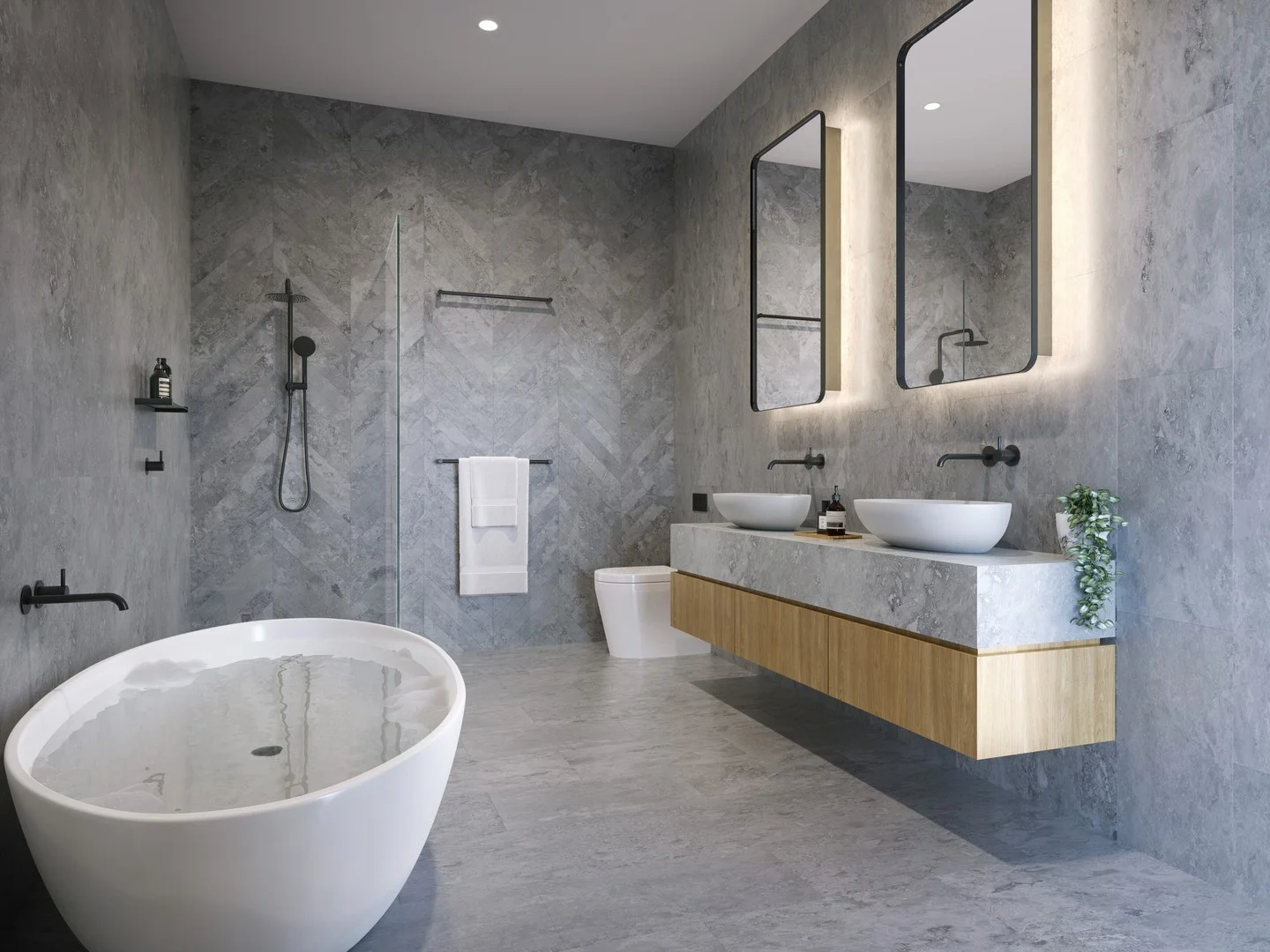 $2,824,000
Apartment / Unit / Flat
$2,824,000
Apartment / Unit / Flat
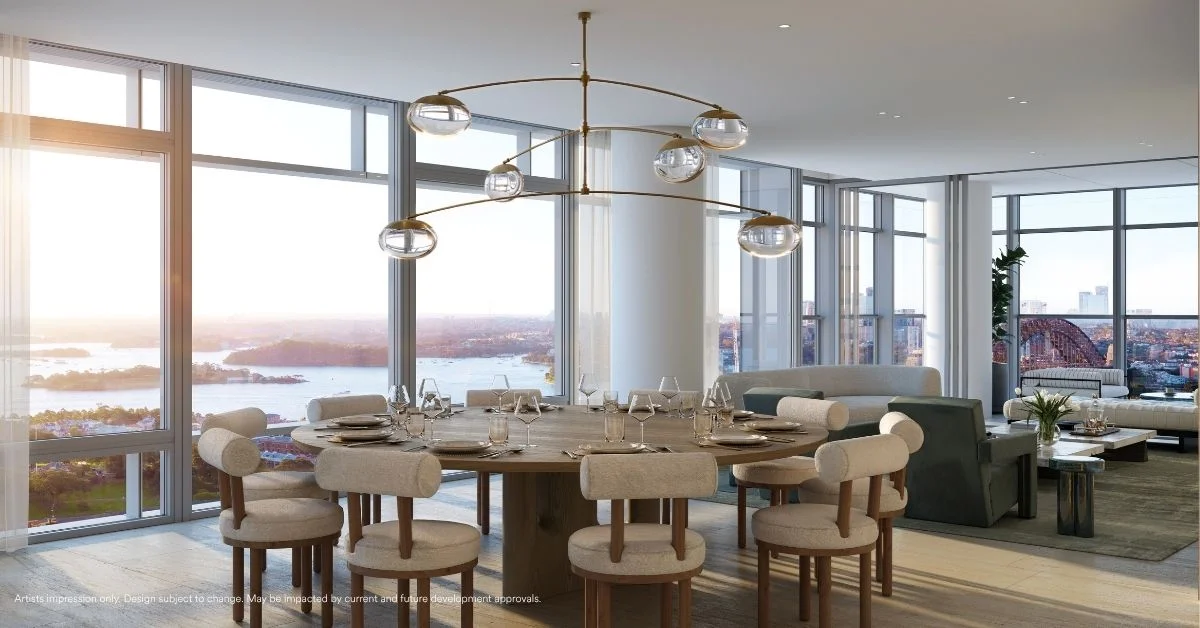 $26,550,000
propertyType.NEW APARTMENTS / OFF THE PLAN
$26,550,000
propertyType.NEW APARTMENTS / OFF THE PLAN
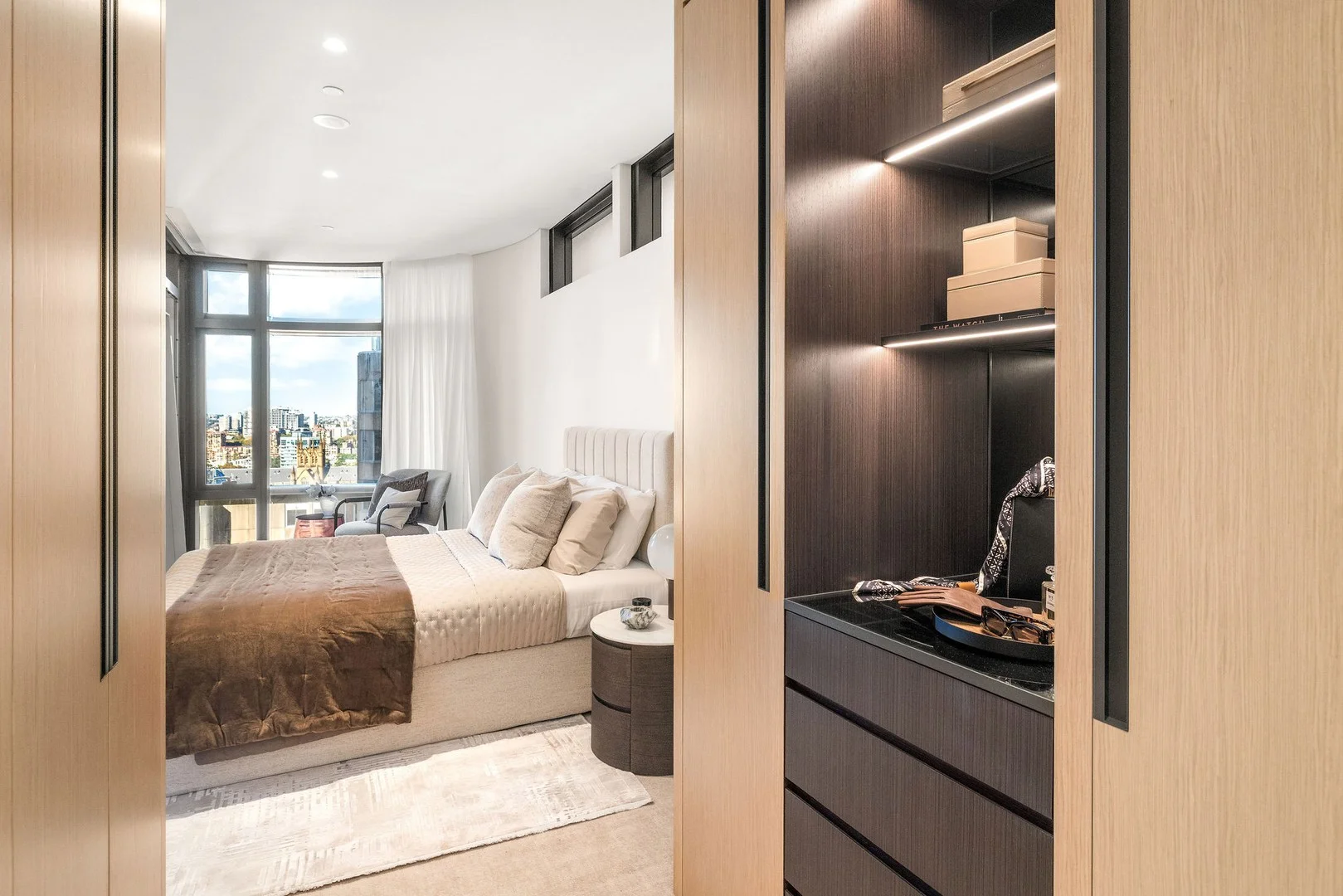 $2,745,000
propertyType.NEW APARTMENTS / OFF THE PLAN
$2,745,000
propertyType.NEW APARTMENTS / OFF THE PLAN
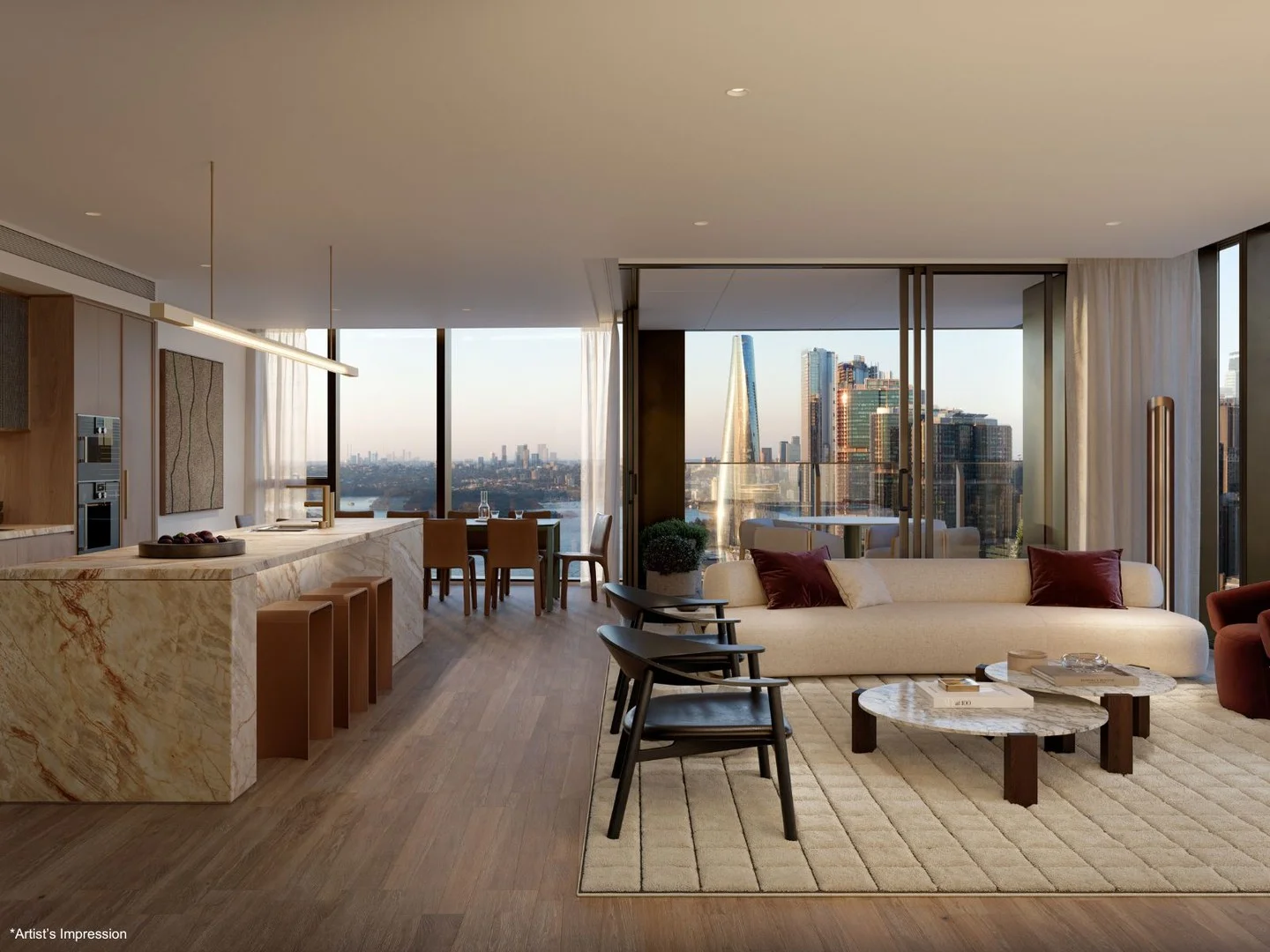 $12,980,000
propertyType.NEW APARTMENTS / OFF THE PLAN
$12,980,000
propertyType.NEW APARTMENTS / OFF THE PLAN
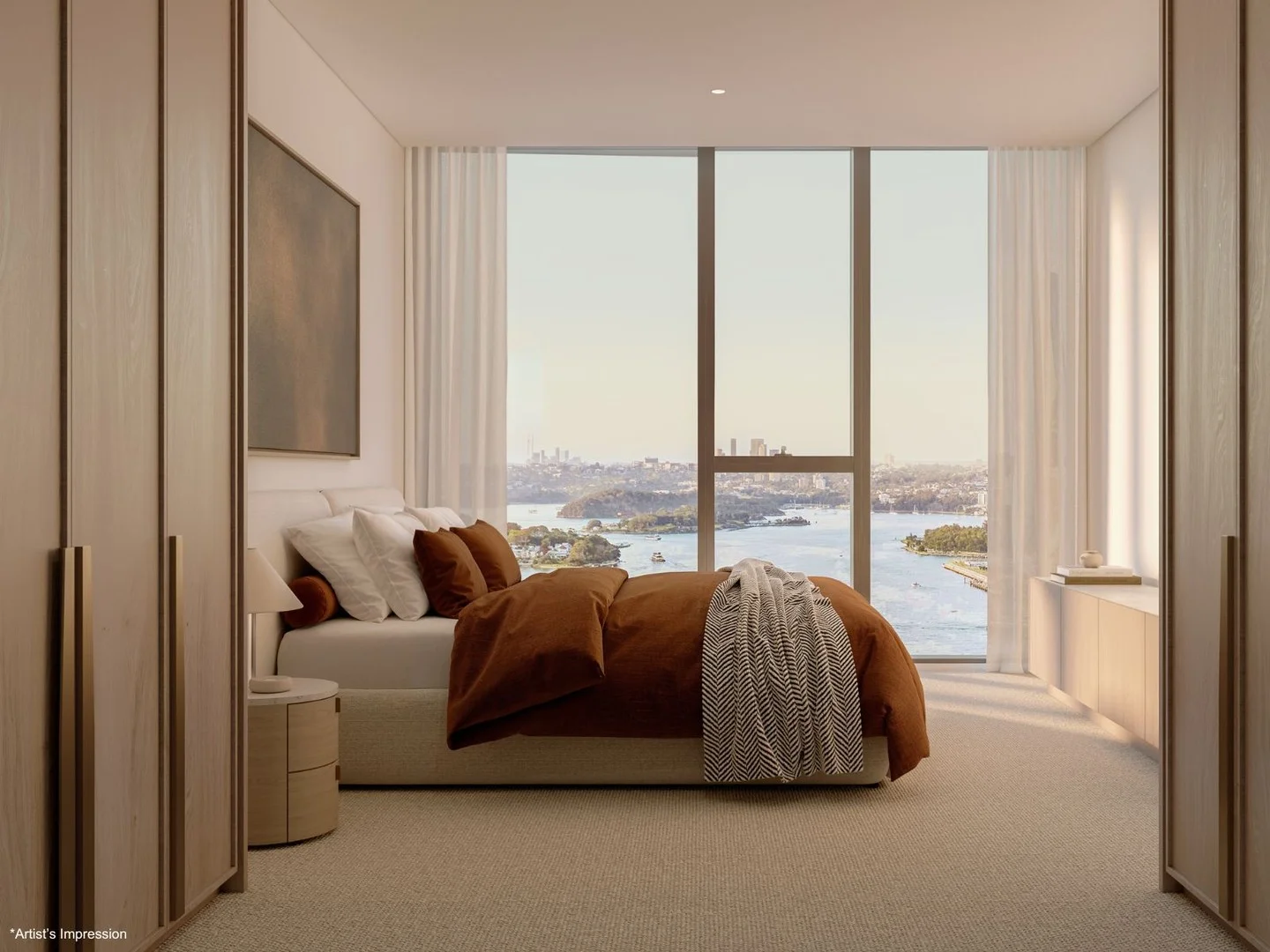 $8,630,000
propertyType.NEW APARTMENTS / OFF THE PLAN
$8,630,000
propertyType.NEW APARTMENTS / OFF THE PLAN
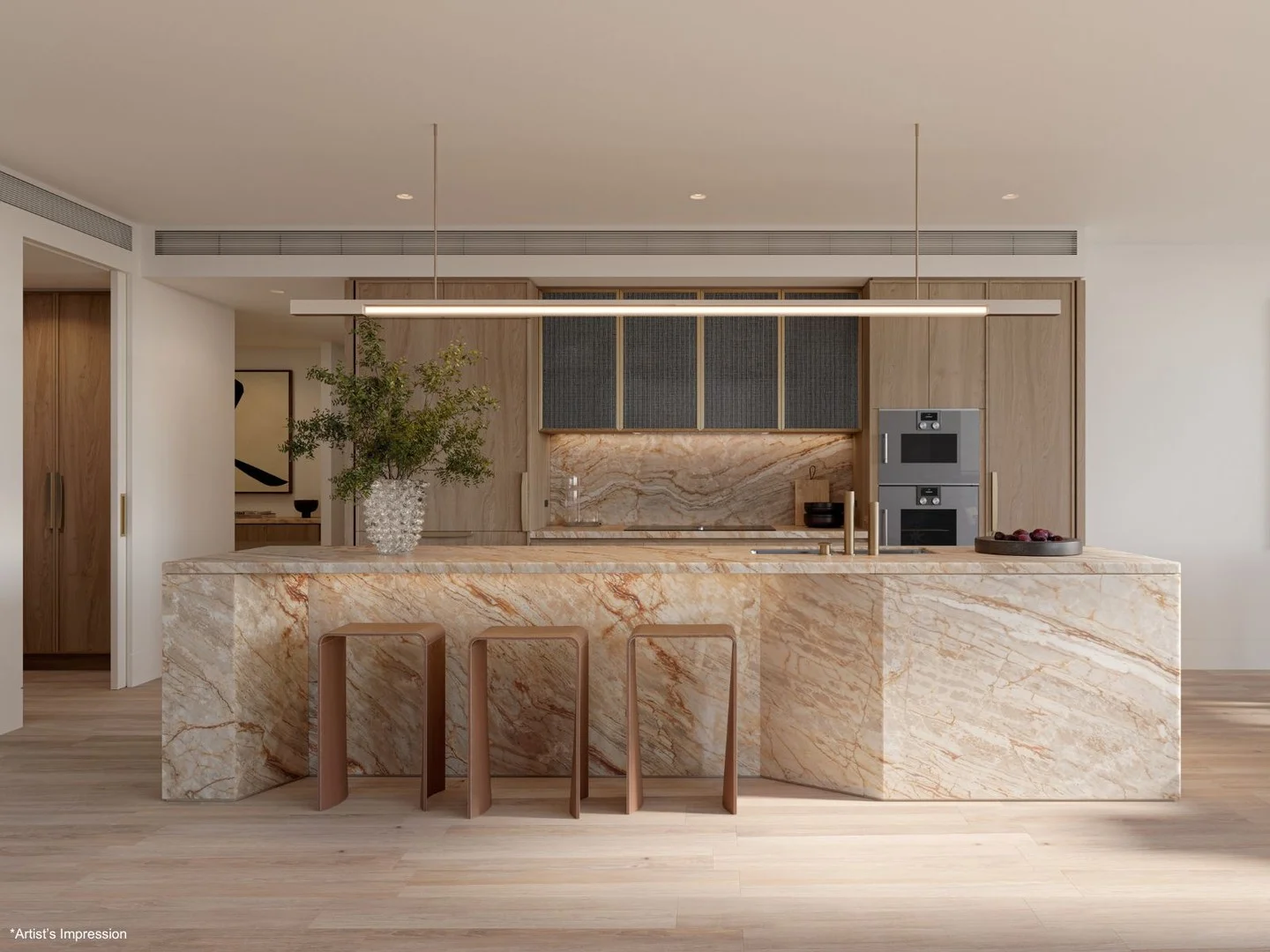 $6,225,000
propertyType.NEW APARTMENTS / OFF THE PLAN
$6,225,000
propertyType.NEW APARTMENTS / OFF THE PLAN
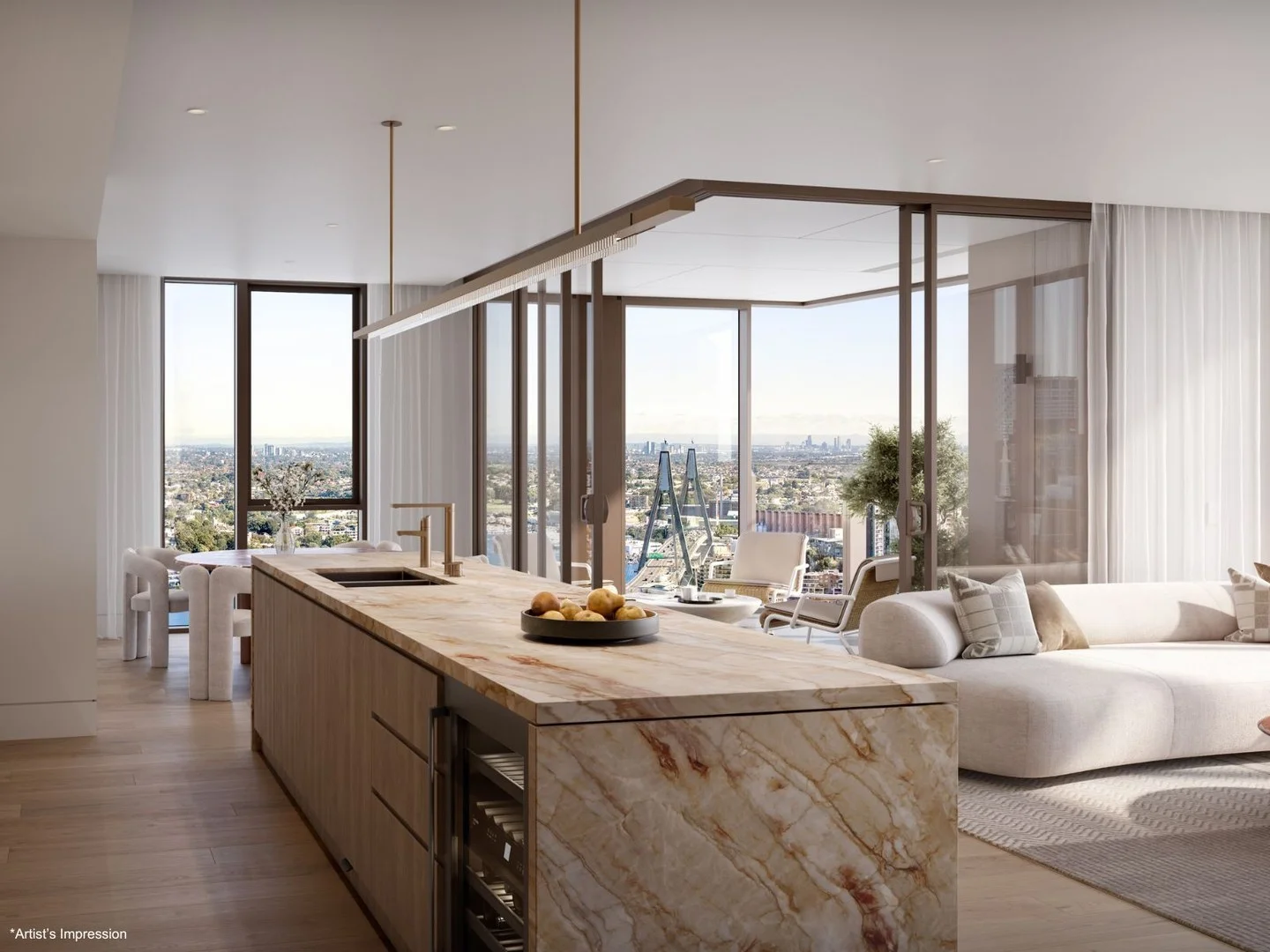 $9,020,000
propertyType.NEW APARTMENTS / OFF THE PLAN
$9,020,000
propertyType.NEW APARTMENTS / OFF THE PLAN
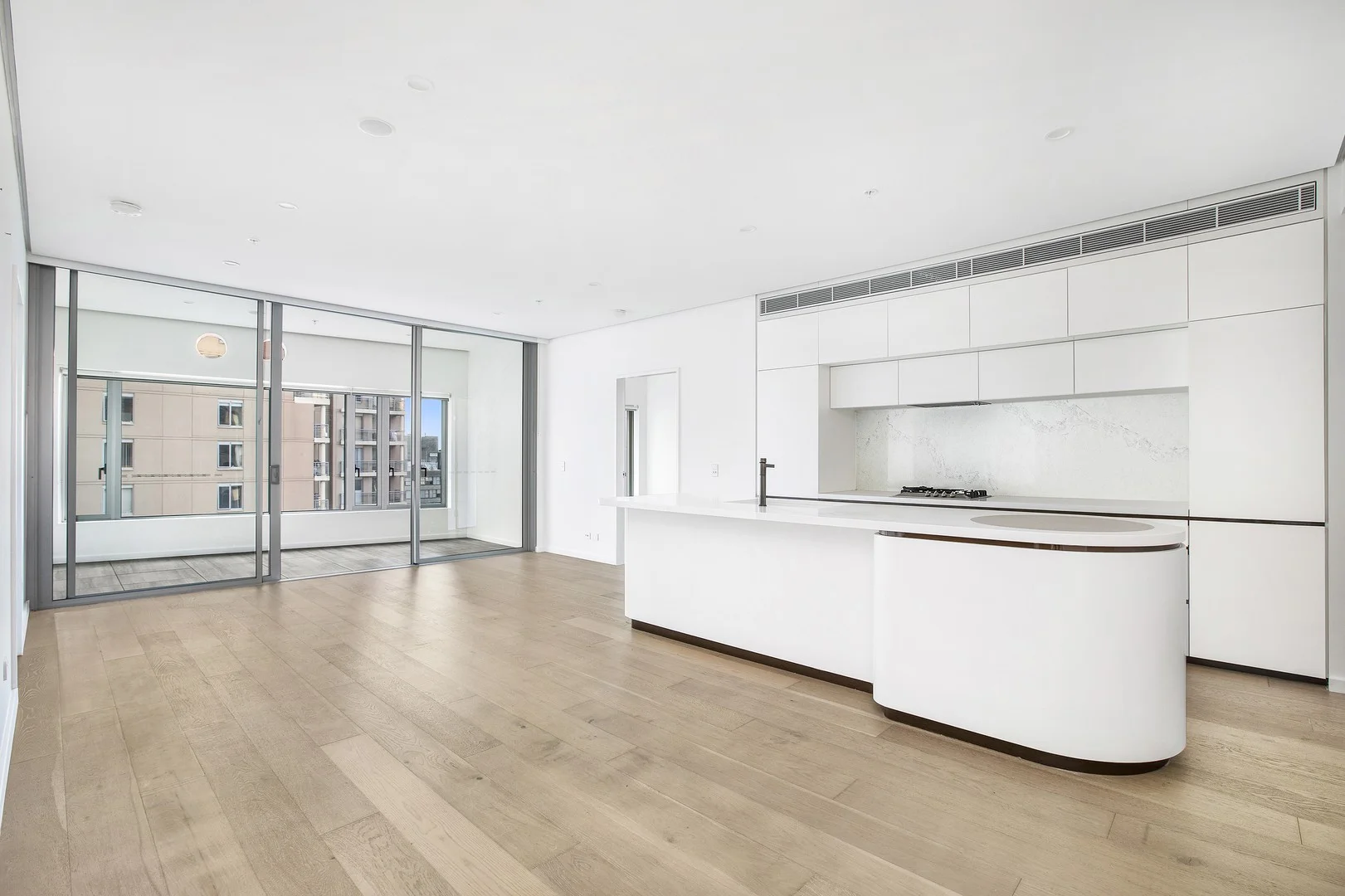 $2,250,000
Apartment / Unit / Flat
$2,250,000
Apartment / Unit / Flat
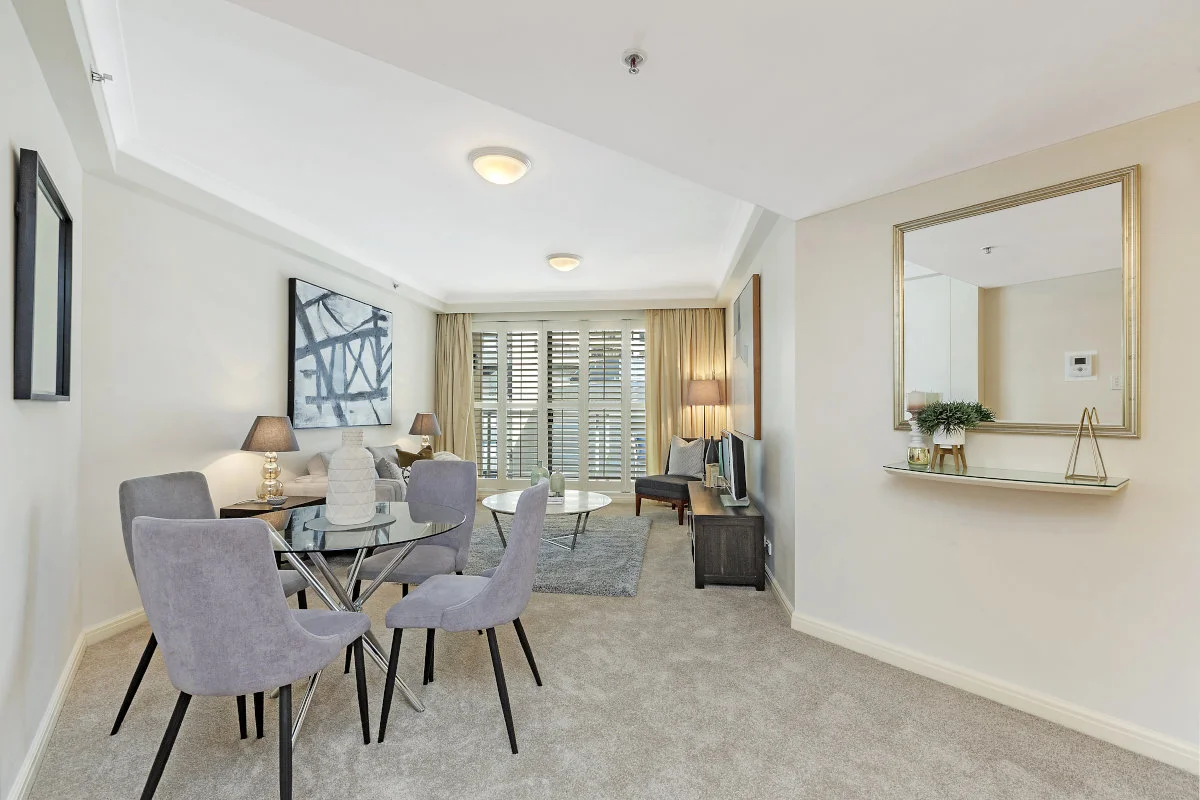 $660,000 - $725,000
Apartment / Unit / Flat
$660,000 - $725,000
Apartment / Unit / Flat


