## 1. Overview
Neutral Bay Public School is a public, co-educational primary school serving Kindergarten to Year 6. As a medium-sized NSW government school, it aims to provide a welcoming learning community where every child can thrive. The school emphasizes strong literacy and numeracy, a broad curriculum, and positive relationships between students, teachers, and families. Class sizes are typically around 20–25 students, which supports interactive teaching and individualised support. The atmosphere is nurturing and inclusive, with a focus on wellbeing, community involvement, and opportunities in sport and the arts.
## 2. Academics & Learning
- Academic strengths: Strong literacy and numeracy foundations, with emphasis on STEM and digital technologies; opportunities for leadership development and targeted learning activities.
- Special programs: Gifted and talented pathways and extension opportunities are available where staffing allows; differentiation and enrichment are incorporated into regular classes.
- NAPLAN / trends: NSW-wide trends show steady progress in reading and numeracy over recent years, with the school working to maintain and improve performance through targeted instructional strategies.
- Student-teacher ratios: Typically around 1:20 to 1:25, allowing for regular teacher supports and small-group instruction.
- Support for diverse learners: EAL/D support, learning support staff, and targeted interventions to assist students with additional learning needs.
## 3. Sports & Extracurricular Strengths
- Sports offered: A range of team and individual sports, with opportunities to participate in interschool events and school carnivals.
- Strong teams or achievements: Active participation in district/inter-school competitions; teams and individuals participate across different sports depending on student interest and staff involvement.
- Music, arts, drama programs: Robust music and performing arts offerings, including concerts and school productions.
- Clubs: Robotics, chess, coding, debating, and other interest-based clubs are available to students.
- Partnerships: Collaborations with local clubs, community groups, and regional competitions to broaden opportunities beyond the classroom.
## 4. Wellbeing & Pastoral Care
- Anti-bullying approach: Clear anti-bullying policies and proactive programs to promote a safe, respectful school culture.
- House system: A house structure (where applicable) supports pastoral care, events, and student belonging.
- Counsellors / wellbeing officers: Access to school wellbeing staff or a dedicated counsellor to support social-emotional learning.
- Transition support for new students: Buddy systems, orientation activities, and programs designed to help students settle into the school community.
## 5. Facilities
- Sports grounds: On-site spaces for physical education and sport.
- Libraries: A library resource for reading, research, and quiet study.
- Science labs: Facilities for practical science activities and inquiry-based learning.
- Music/performing arts centers: Spaces for music, drama, and performances.
- Tech/innovation labs: Rooms equipped for digital technologies and hands-on learning.
- Cafeteria: On-site or nearby canteen options supporting healthy food choices.
- Updated playgrounds: Safe, age-appropriate outdoor play areas and equipment.
## 6. School Values & Community Culture
- School values / mission: Aims to foster respect, resilience, inclusion, and responsible citizenship within a supportive learning community.
- Leadership style: Student voice and leadership opportunities are encouraged; teacher-led and collaborative planning with family involvement.
- Behaviour expectations: Clear expectations around respectful conduct, responsibility, and positive behaviour support.
- Community reputation: Strong relationships with families and local community; emphasis on communication and participatory school life.
- Diversity & inclusion: Committed to inclusive education and celebrating diverse backgrounds and abilities.
## 7. School Logistics & Daily Operations
- School hours: Typical school day runs from around 9:00 am to 3:00 pm, with additional time allocated for breaks and lunch.
- Before/after school care: OSHC or equivalent arrangements may be available through on-site or local providers.
- Uniform requirements: School uniform standard, with guidance on where to purchase and what items are required.
- Transport (train/bus routes): Access to public transport options and convenient drop-off/pick-up arrangements; walking zones and bus routes typically coordinated by Transport NSW.
- Canteen availability: Canteen or snack options available on designated days.
- Fees (low/medium/high ranges): As a public school, essential education items are funded; additional costs relate to uniforms, excursions, and voluntary contributions which vary by year level and activity.
## 8. Enrolment & Admissions
11. What is the enrolment process and timeline?
- Applications are typically submitted through the NSW Department of Education process for public schools. Expect an intake window each year, with documentation such as proof of identity and residence, immunisation history, and relevant enrollment forms. Timelines can vary by year and intake area; check with the school for current deadlines and steps.
12. Is there a waiting list, and how does it work?
- Many NSW public schools manage enrolments based on local intake priorities. If the year level or the school is oversubscribed, a waiting list may operate. Placement decisions usually follow eligibility rules, registering date, and available space, with priority generally given to students within the local intake area.
13. Are there any entry requirements, tests, or interviews?
- For primary admissions, there is typically no general entrance exam. Some schools may conduct discussions or tours for families, particularly for out-of-area or complex placement situations. Most entry assessments, if any, focus on readiness and support needs rather than academic testing.
14. Does the school accept mid-year transfers?
- Mid-year transfers are possible if there is space and the NSW Department of Education processes are followed. Documentation (including transfer paperwork and an updated immunisation history) is usually required, and placement is contingent on available capacity.
## 9. Frequently Asked Questions
- Why Parents Choose This School?
- A public primary option with a welcoming community, strong wellbeing focus, solid literacy and numeracy foundations, and opportunities across sports, arts, and clubs.
- What type of student thrives at this school?
- Students who enjoy collaborative learning, value inclusive environments, participate in sports and arts, and respond well to supportive teacher guidance.
- What opportunities are available for students to extend their skills (academics, sports, arts)?
- Extension in literacy/numeracy and STEM, leadership roles, sports teams, music and drama programs, robotics, chess, coding, and debating clubs.
- How does the school communicate with parents?
- Regular newsletters, emails, parent-teacher meetings, and a parent portal or similar communication channels; through events and social media where applicable.
- What is the school’s approach to teaching and learning?
- Differentiated, evidence-based instruction with integrated digital learning and inquiry-based activities to build critical thinking and problem-solving.
- How does the school support students who need extra academic help?
- Learning support staff, targeted literacy/numeracy interventions, EAL/D assistance, and small-group or one-on-one support as needed.
- What support is available for academic challenges?
- Ongoing monitoring, intervention plans, and access to specialists or support staff to help students catch up or extend learning.
- How does the school communicate with parents?
- See above: newsletters, direct contact from teachers, meetings, and online portals.
- What are the class sizes and how much individual attention do students receive?
- Class sizes typically around 20–25 students; teaching staff provide small-group instruction and targeted support to individual learners.
- What extracurricular and sports opportunities are available?
- A range of sports, music and performing arts, robotics, chess, coding, debating, and other clubs; opportunities often tied to interschool events and local partnerships.
- What facilities does the school offer (sports, science, arts)?
- Sports grounds, library, science labs, music/performing arts spaces, tech/innovation labs, canteen, and well-maintained play spaces.
- What is the school’s approach to technology and digital learning?
- Integration of digital technologies and literacy across the curriculum, with access to devices and interactive tools to support learning.
- What transport and accessibility options are available?
- Local public transport options, walking and drop-off arrangements, and accessible facilities where available.
- What are the typical school fees or additional costs?
- Public schools have low core costs funded by the department; additional costs relate to uniforms, excursions, and any voluntary contributions.
## 10. Short Pros & Cons list
- Pros
- Public, inclusive environment with a strong wellbeing and community focus
- Balanced academics with solid literacy and numeracy foundations
- Broad range of extracurriculars (sports, arts, clubs)
- Modern facilities supporting a range of learning activities
- Opportunities for student leadership and involvement
- Cons
- Class sizes and resource availability can vary with enrolment numbers
- Some programs and clubs depend on staffing and may vary year to year
- Transport and accessibility options depend on local infrastructure and may require planning with families
If you’d like, I can tailor the content further with verified details (specific programs, current facilities, and exact enrolment processes) once you provide or confirm the latest information from the school.










 $2,824,000
Apartment / Unit / Flat
$2,824,000
Apartment / Unit / Flat
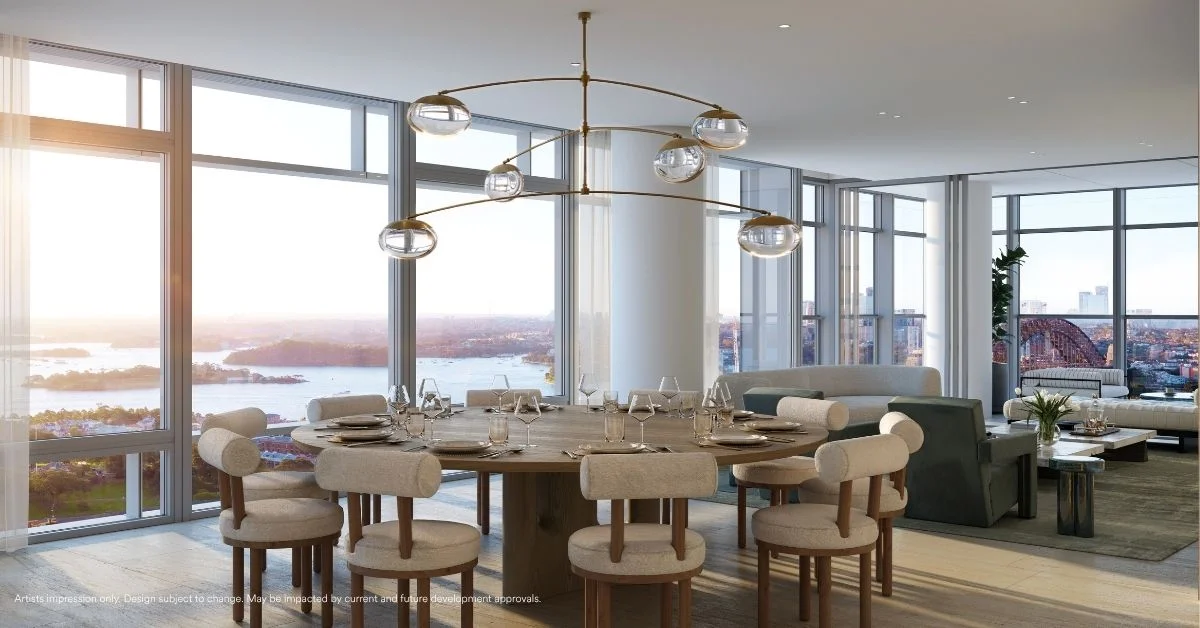 $26,550,000
propertyType.NEW APARTMENTS / OFF THE PLAN
$26,550,000
propertyType.NEW APARTMENTS / OFF THE PLAN
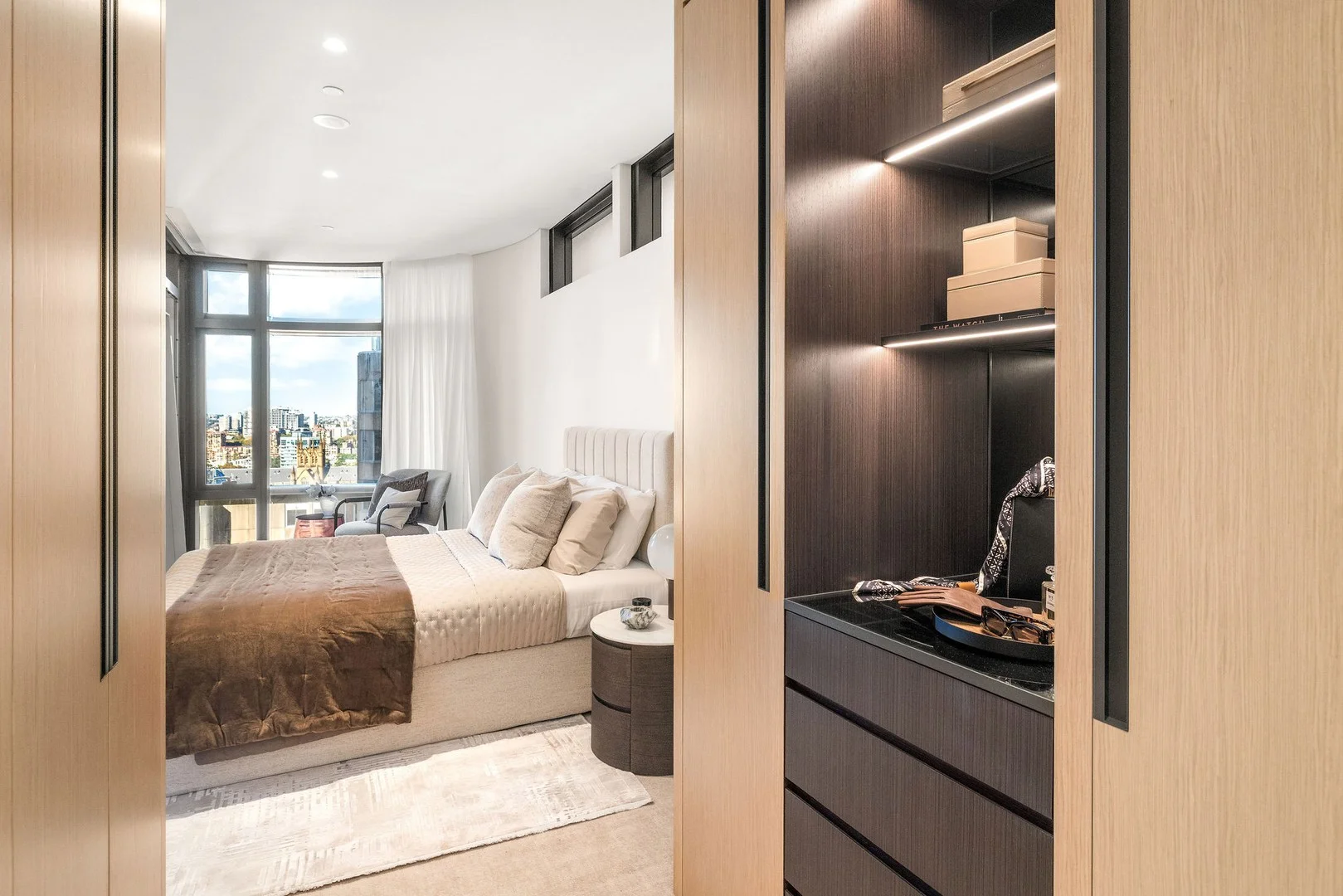 $2,745,000
propertyType.NEW APARTMENTS / OFF THE PLAN
$2,745,000
propertyType.NEW APARTMENTS / OFF THE PLAN
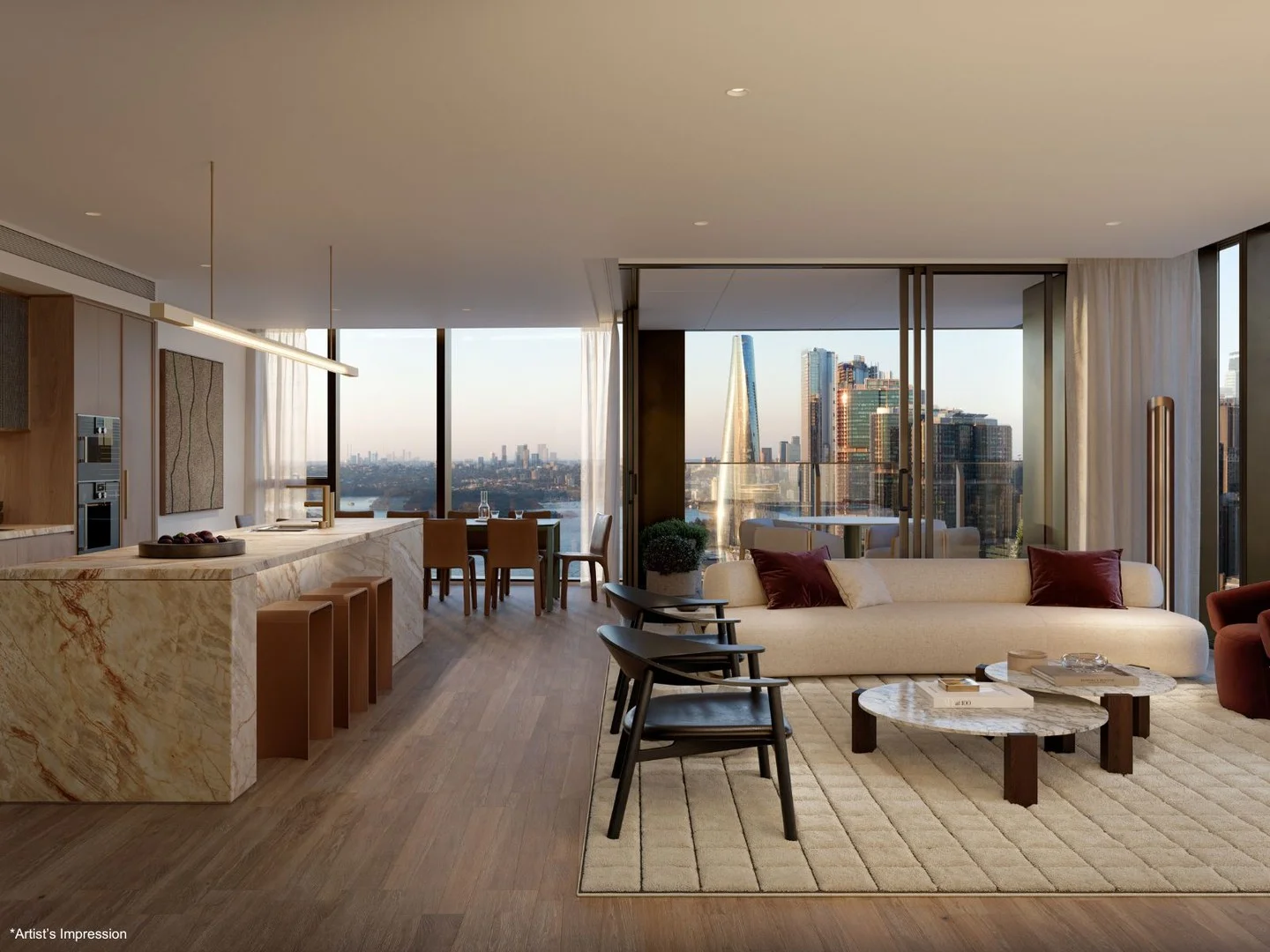 $12,980,000
propertyType.NEW APARTMENTS / OFF THE PLAN
$12,980,000
propertyType.NEW APARTMENTS / OFF THE PLAN
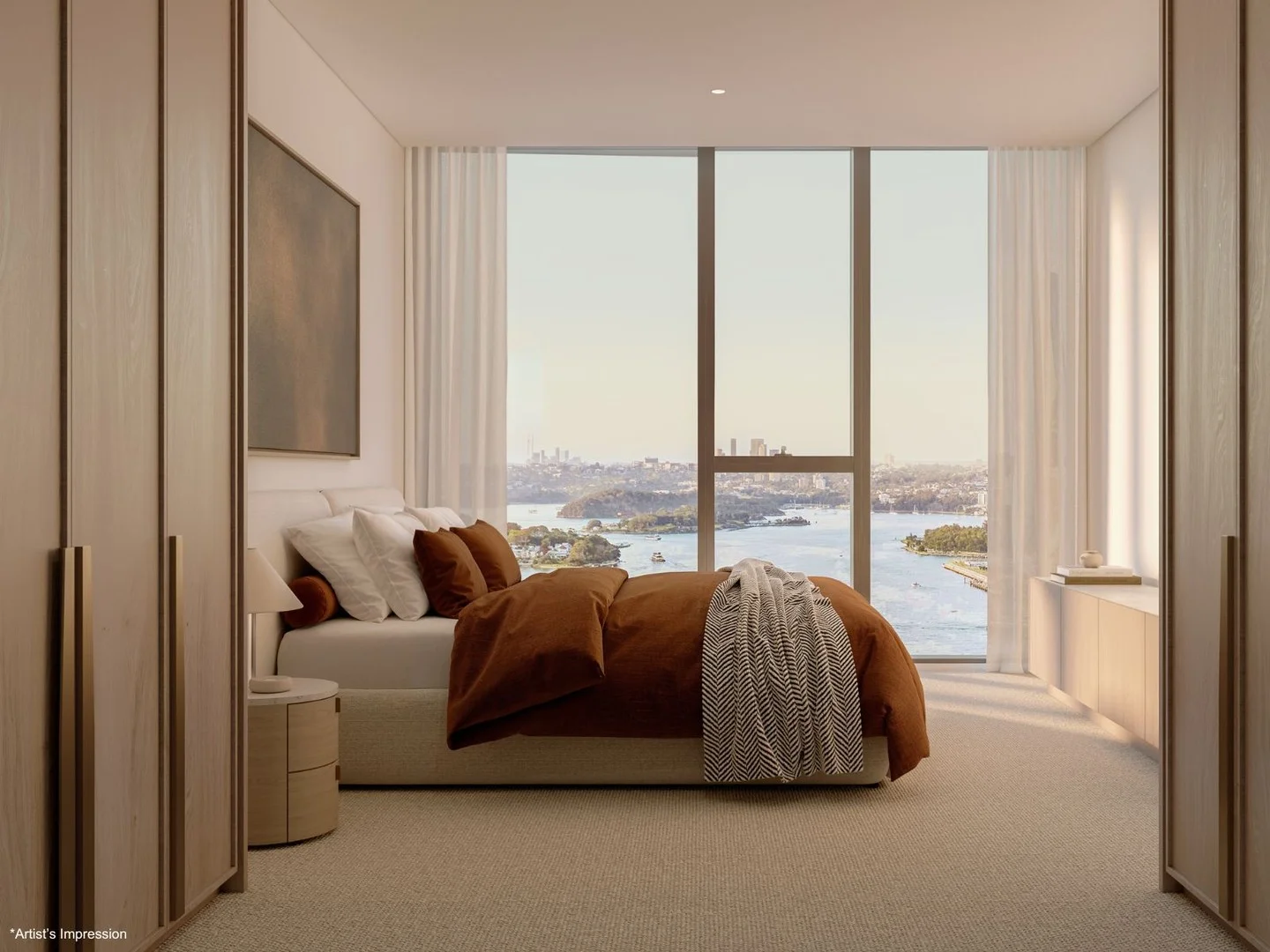 $8,630,000
propertyType.NEW APARTMENTS / OFF THE PLAN
$8,630,000
propertyType.NEW APARTMENTS / OFF THE PLAN
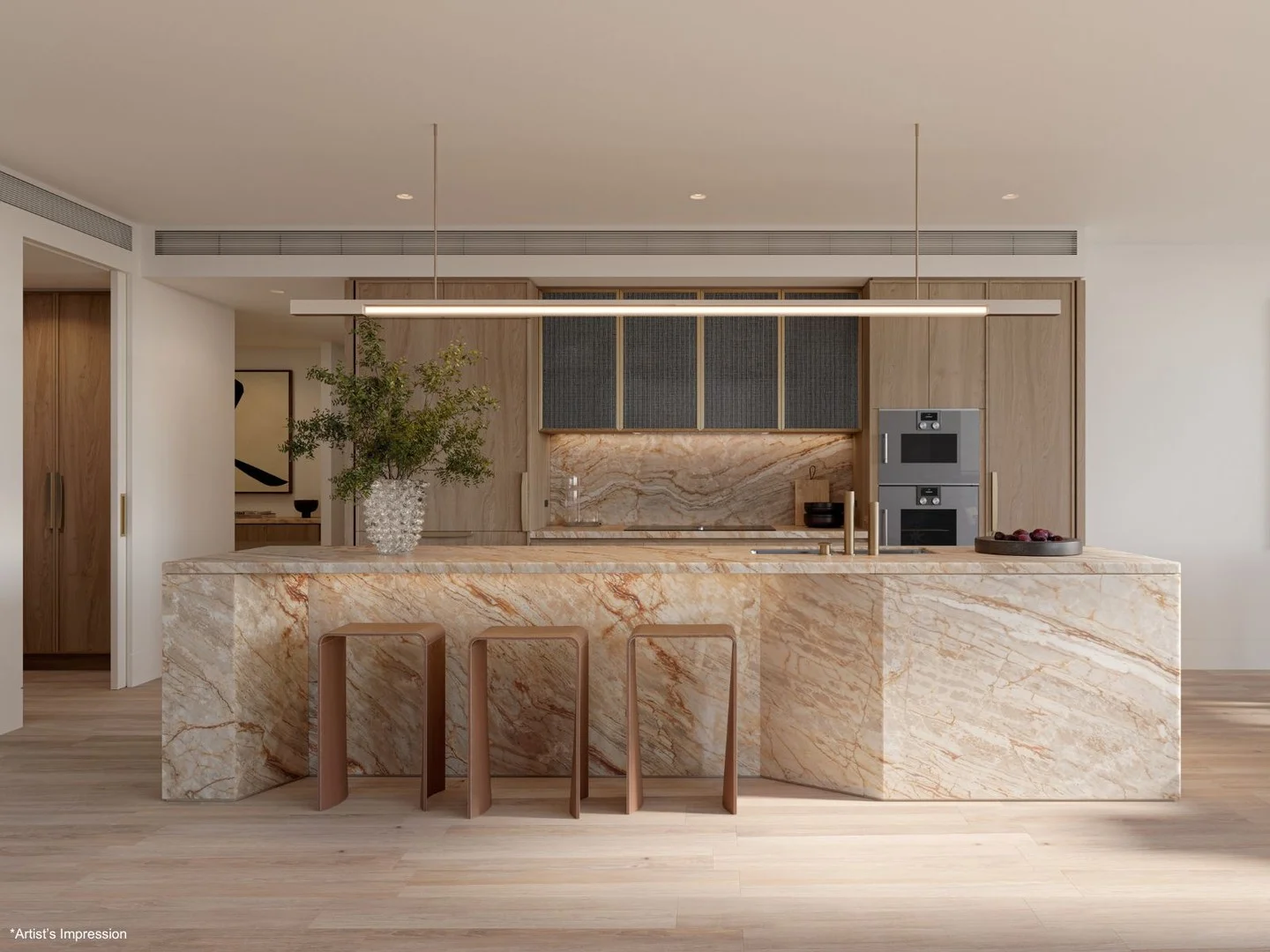 $6,225,000
propertyType.NEW APARTMENTS / OFF THE PLAN
$6,225,000
propertyType.NEW APARTMENTS / OFF THE PLAN
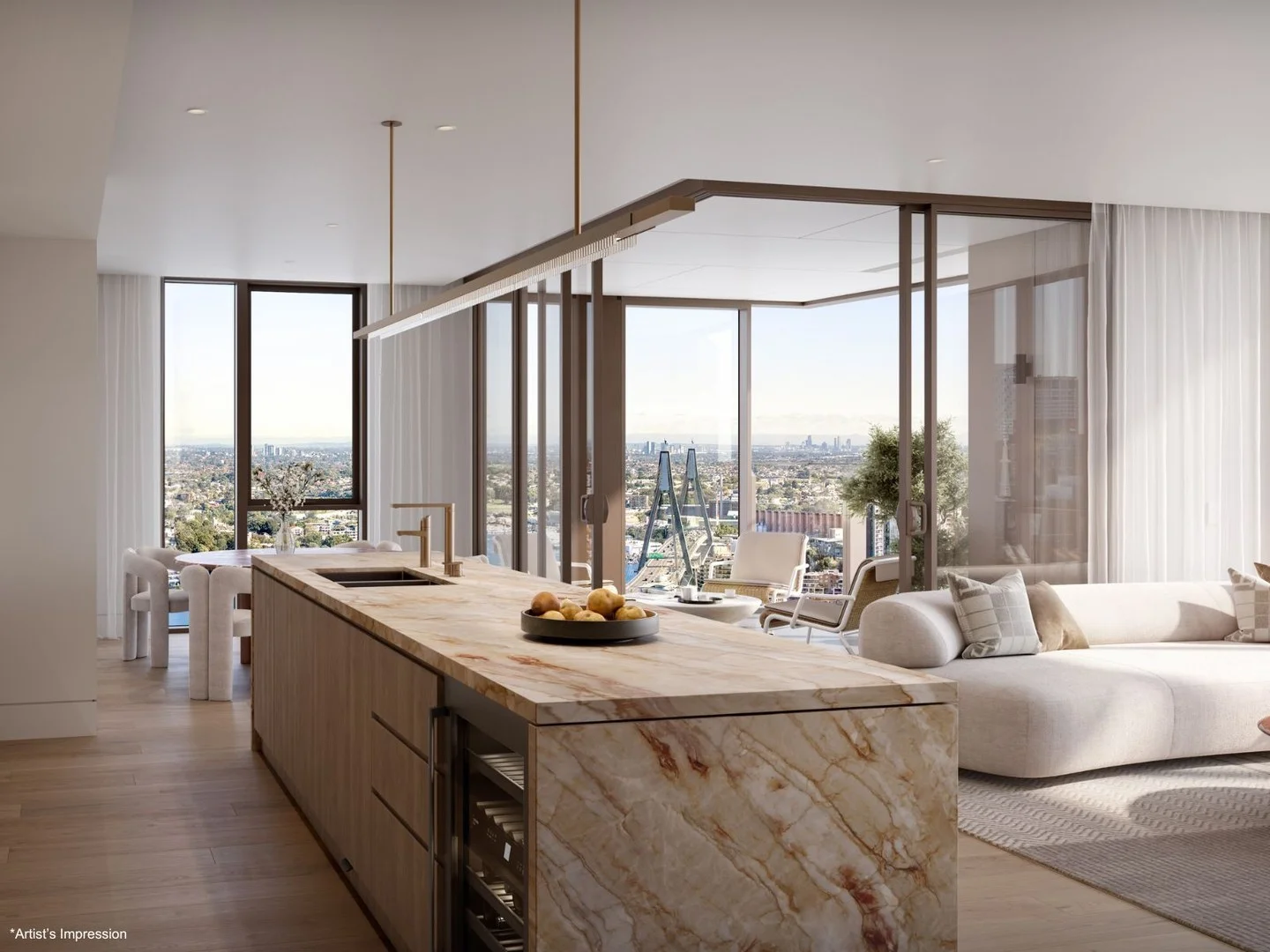 $9,020,000
propertyType.NEW APARTMENTS / OFF THE PLAN
$9,020,000
propertyType.NEW APARTMENTS / OFF THE PLAN
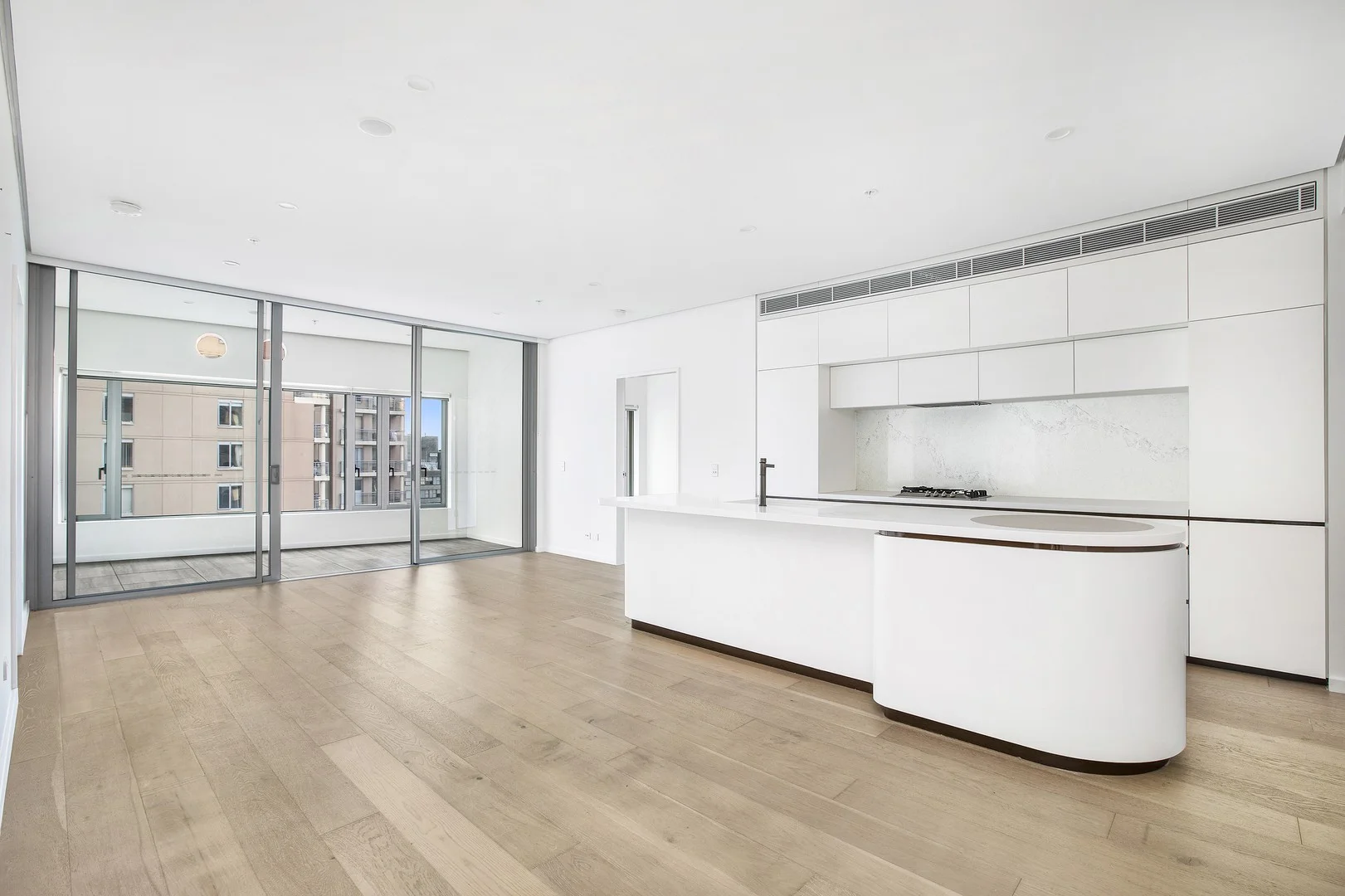 $2,250,000
Apartment / Unit / Flat
$2,250,000
Apartment / Unit / Flat
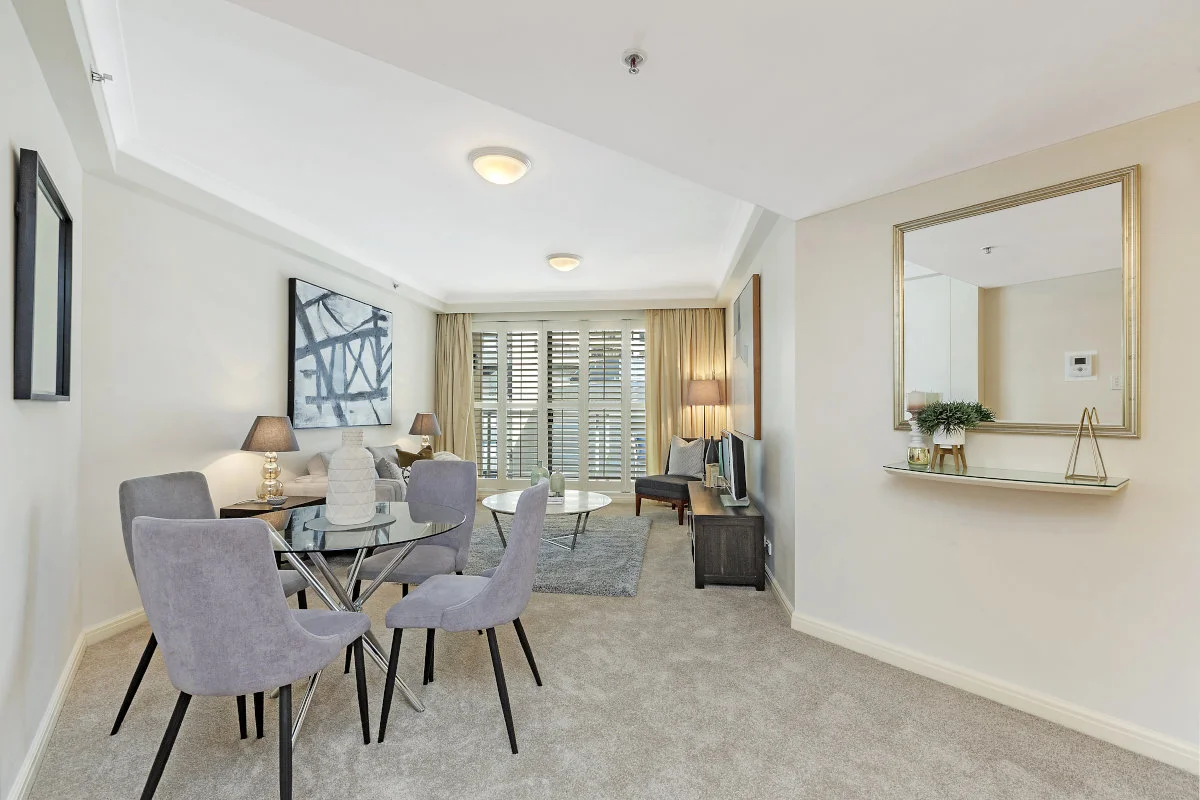 $660,000 - $725,000
Apartment / Unit / Flat
$660,000 - $725,000
Apartment / Unit / Flat


