# Overview
Monte Sant' Angelo Mercy College is an independent Catholic girls’ school in North Sydney, NSW. The college emphasizes faith-based education, service, and academic excellence within a supportive, inclusive community. It is a relatively large secondary school with a broad range of subjects, co-curriculars, and opportunities for leadership.
The campus atmosphere blends nurturing care with a strong focus on achievement. Class sizes are generally in the low-to-mid 20s, supporting active engagement and teacher accessibility. The college fosters a culture of respect, resilience, and service, with a clear emphasis on personal growth and community contribution.
# Academics & Learning
- Academic strengths: English, STEM disciplines, languages, and leadership development are highlighted strengths, with a focus on preparing students for the HSC and university pathways.
- Special programs: Leadership development, gifted and talented pathways, and opportunities for accelerated learning or enrichment within the NSW framework.
- NAPLAN / trends: The school typically demonstrates strong performance relative to state averages with a history of steady or improving results in reading, writing, and numeracy; check the latest NSW data for current trends.
- Student-teacher ratios: Approximately 1:12 to 1:15, enabling targeted support and active classroom participation.
- Support for diverse learners: Dedicated support for EAL and students with diverse learning needs, including learning support staff and targeted plans to help students achieve their potential.
# Sports & Extracurricular Strengths
- Sports offered: Netball, basketball, soccer, tennis, swimming, athletics, and other court, field, and water-based activities.
- Strong teams or achievements: Regular participation in inter-school competition with competitive teams across key sports; opportunities to progress to regional finals and school championships.
- Music, arts, drama programs: Active music ensembles, choir, solo performances, drama productions, and regular arts showcases.
- Clubs: Robotics, chess, coding, debating, and other academic and interest-based clubs to support varied talents.
- Partnerships: Connections with local arts and sports organizations, plus opportunities to engage in regional competitions and events with partner clubs and community groups.
# Wellbeing & Pastoral Care
- Anti-bullying approach: Proactive programs, wellbeing checks, and restorative practices aimed at creating a respectful, safe school environment.
- House system: A house-based framework to foster belonging, leadership, and friendly competition through events and activities.
- Counsellors / wellbeing officers: Access to qualified school counsellors and wellbeing staff to support academic anxiety, social-emotional learning, and personal development.
- Transition support for new students: Orientation programs, buddy systems, and parent information sessions to help new students settle in smoothly.
# Facilities
- Sports grounds: Multiple outdoor courts and playing fields suitable for a range of sports.
- Libraries: Well-equipped libraries with print and digital resources.
- Science labs: Modern science laboratories for hands-on experimentation.
- Music/performing arts centers: Dedicated spaces for rehearsal, performances, and drama productions.
- Tech/innovation labs: Dedicated spaces for STEM and digital learning activities.
- Cafeteria: On-site canteen offering a range of healthy meal options.
- Updated playgrounds: Contemporary learning spaces and well-maintained common areas to support student wellbeing.
# School Values & Community Culture
- School values / mission: Mercy-focused values (compassion, justice, service) integrated into daily learning and community life.
- Leadership style: Collaborative and student-inclusive, with opportunities for student voice, leadership roles, and mentorship.
- Behaviour expectations: Clear standards around respect, responsibility, and resilience; consistent implementation across year levels.
- Community reputation: A positive, supportive, and active school community with strong alumnae networks and community involvement.
- Diversity & inclusion: Commitment to an inclusive environment that values diverse backgrounds, perspectives, and talents.
# School Logistics & Daily Operations
- School hours: Typical school day runs from morning through mid-afternoon, with structured breaks and supervision.
- Before/after school care: After-school supervision and care options are available to support families.
- Uniform requirements: Full school uniform with appropriate summer/winter options; specific items (blazer, tie, etc.) defined by the college’s dress code.
- Transport (train/bus routes): Accessible via nearby public transport with bus routes and North Sydney rail access; convenient drop-off/pick-up arrangements.
- Canteen availability: On-site canteen offering a range of options for students.
- Fees: Fees are in the higher range relative to the state average, reflective of private independent Catholic schooling; additional costs may include uniforms, excursions, and camps.
# Enrolment & Admissions
11. What is the enrolment process and timeline?
- Generally, families express interest, submit an application with supporting documents, participate in interviews or information sessions, and attend an open day. Offers are issued subject to vacancy and alignment with school policies, with timelines often spanning many months ahead of the intended year of entry.
12. Is there a waiting list, and how does it work?
- Yes, there is typically a waitlist when demand exceeds available places. Prioritisation is usually based on factors such as date of application, siblings enrolled at the college, church or parish connections, and available vacancies.
13. Are there any entry requirements, tests, or interviews?
- Entry commonly involves an interview and submission of school reports and references. Some year groups may have a brief assessment or additional documentation requirements; the process focuses on alignment with the school’s values and readiness for the curriculum.
14. Does the school accept mid-year transfers?
- Mid-year transfers may be possible depending on vacancies and suitability of transcripts and records; admissions will assess whether the student can be integrated into the year group mid-year.
# Frequently Ask Questions
- Why Parents Choose This School?
- A faith-based, values-driven education with strong academics, supportive wellbeing, extensive co-curriculars, and an active alumnae network in a welcoming community.
- What type of student thrives at this school?
- Students who value a combination of academic challenge, service and leadership opportunities, and a culture of respect and collaboration.
- What opportunities are available for students to extend their skills (academics, sports, arts)?
- Opportunities span advanced learning pathways, leadership programs, STEM and language enrichment, high-level sports teams, performing arts, music ensembles, drama productions, and clubs like robotics, coding, and debating.
- How does the school communicate with parents?
- Regular updates through newsletters, emails, parent portals, and scheduled meetings; open days and parent information sessions are typical.
- What is the school's approach to teaching and learning?
- A student-centred approach that combines rigorous academic programs with experiential learning, critical thinking, and values-based education.
- How does the school support students who need extra academic help?
- Targeted learning support, EAL assistance, and access to counsellors and learning support staff; flexible accommodations where appropriate.
- What support is available for academic challenges?
- Academic mentoring, access to teachers outside class time, and structured support plans to address learning needs and boost confidence.
- How does the school communicate with parents? (duplicate)
- See above: regular communications through multiple channels and proactive engagement with families.
- What are the class sizes and how much individual attention do students receive?
- Class sizes are typically in the low-to-mid 20s, with an emphasis on teacher accessibility and individualized attention through small-group support and supervision.
- What extracurricular and sports opportunities are available?
- A broad range of sports (e.g., netball, basketball, soccer, tennis, swimming, athletics) plus robotics, chess, coding, debating, music ensembles, drama, and visual arts.
- What facilities does the school offer (sports, science, arts)?
- Modern science labs, libraries, performing arts spaces, music facilities, tech/innovation labs, sports grounds, and a on-site canteen.
- What is the school's approach to technology and digital learning?
- Integrated digital learning across curricula, with access to devices, online resources, and coding/tech programs to build digital literacy and problem-solving skills.
- What transport and accessibility options are available?
- Access via nearby public transport (bus routes and North Sydney train station) with convenient drop-off/pick-up arrangements and campus accessibility features.
- What are the typical school fees or additional costs?
- Fees reflect the private independent Catholic school category; there are ongoing annual fees plus additional costs for uniforms, excursions, camps, and activities.
# Short Pros & Cons list
- Pros
- Strong Catholic values and service ethos embedded in daily life
- Comprehensive academics with robust HSC preparation
- Broad range of co-curriculars across sports, arts, and clubs
- Supportive wellbeing policies and dedicated pastoral care
- Inclusive community with opportunities for leadership and involvement
- Good student-teacher ratios and accessible staff
- Strong alumnae network and community reputation
- Modern facilities and well-equipped learning spaces
- Cons
- Higher fees typical of private independent schools
- Competitive environment may be demanding for some students
- Large campus can mean busier periods during peak times
- Admission can be selective; waitlists may apply for popular year groups











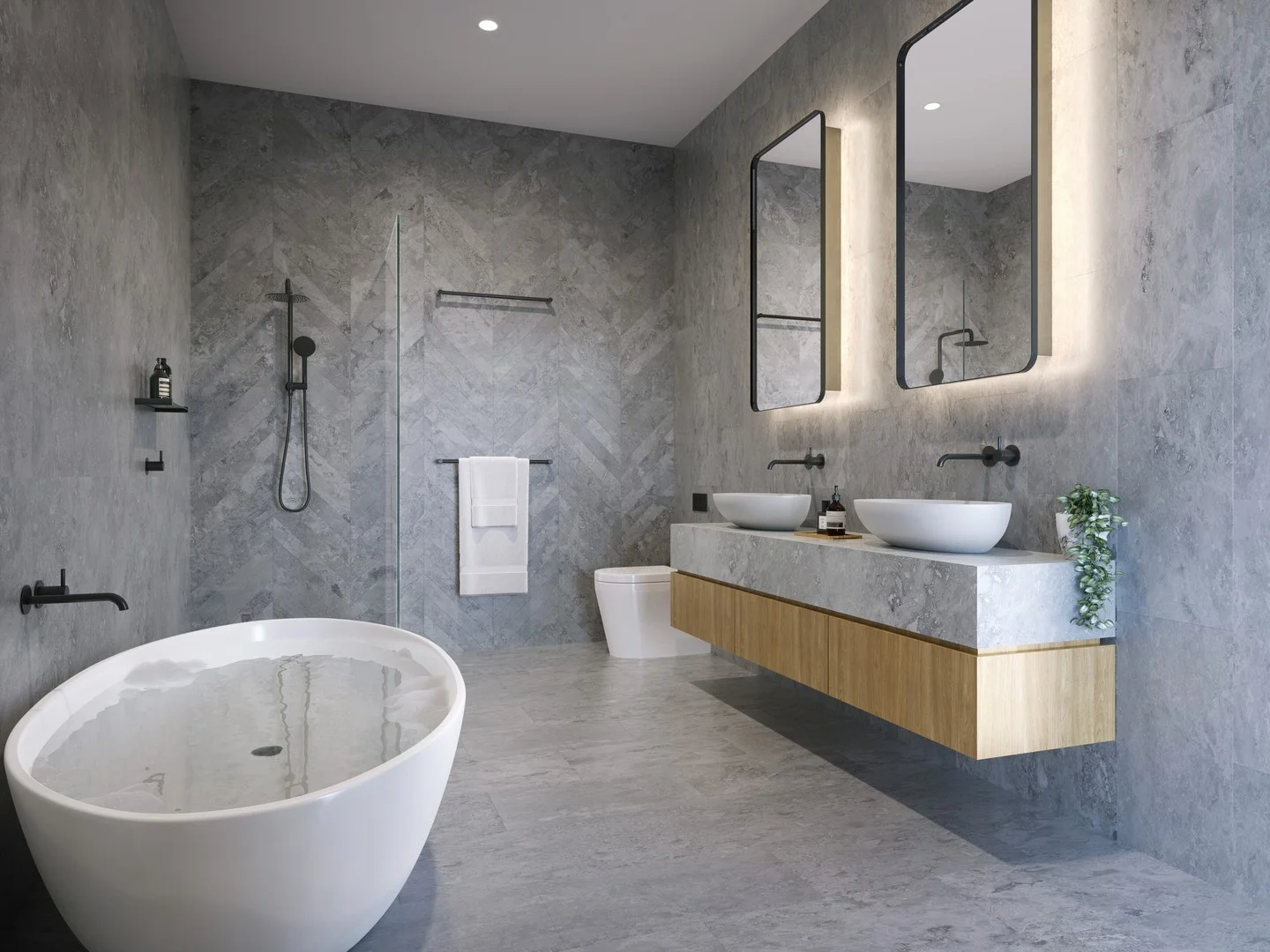 $2,824,000
Apartment / Unit / Flat
$2,824,000
Apartment / Unit / Flat
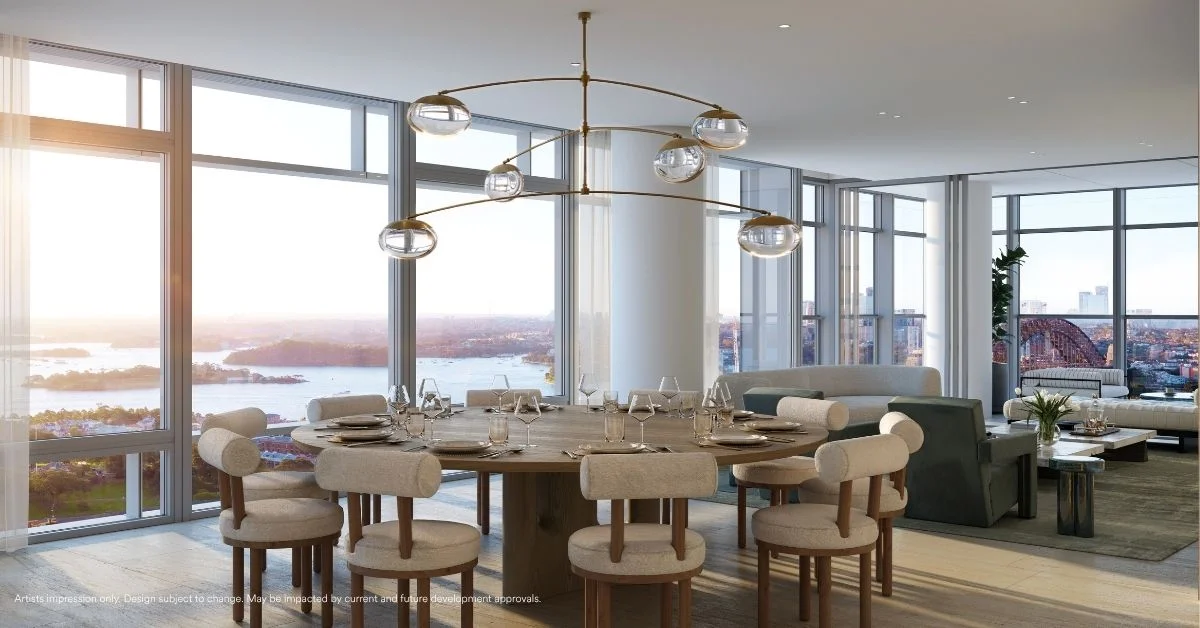 $26,550,000
propertyType.NEW APARTMENTS / OFF THE PLAN
$26,550,000
propertyType.NEW APARTMENTS / OFF THE PLAN
 $2,745,000
propertyType.NEW APARTMENTS / OFF THE PLAN
$2,745,000
propertyType.NEW APARTMENTS / OFF THE PLAN
 $12,980,000
propertyType.NEW APARTMENTS / OFF THE PLAN
$12,980,000
propertyType.NEW APARTMENTS / OFF THE PLAN
 $9,020,000
propertyType.NEW APARTMENTS / OFF THE PLAN
$9,020,000
propertyType.NEW APARTMENTS / OFF THE PLAN
 $8,630,000
propertyType.NEW APARTMENTS / OFF THE PLAN
$8,630,000
propertyType.NEW APARTMENTS / OFF THE PLAN
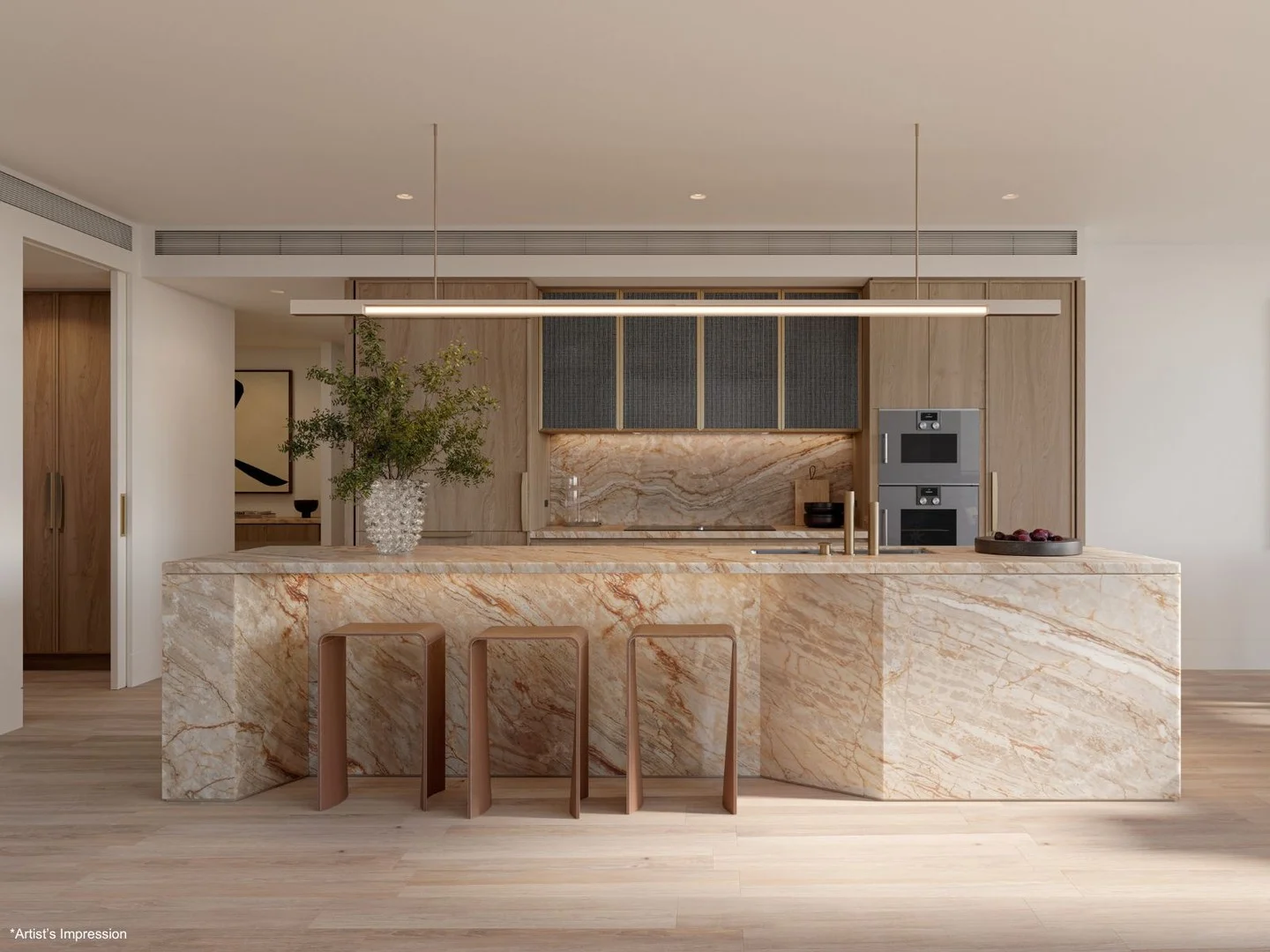 $6,225,000
propertyType.NEW APARTMENTS / OFF THE PLAN
$6,225,000
propertyType.NEW APARTMENTS / OFF THE PLAN
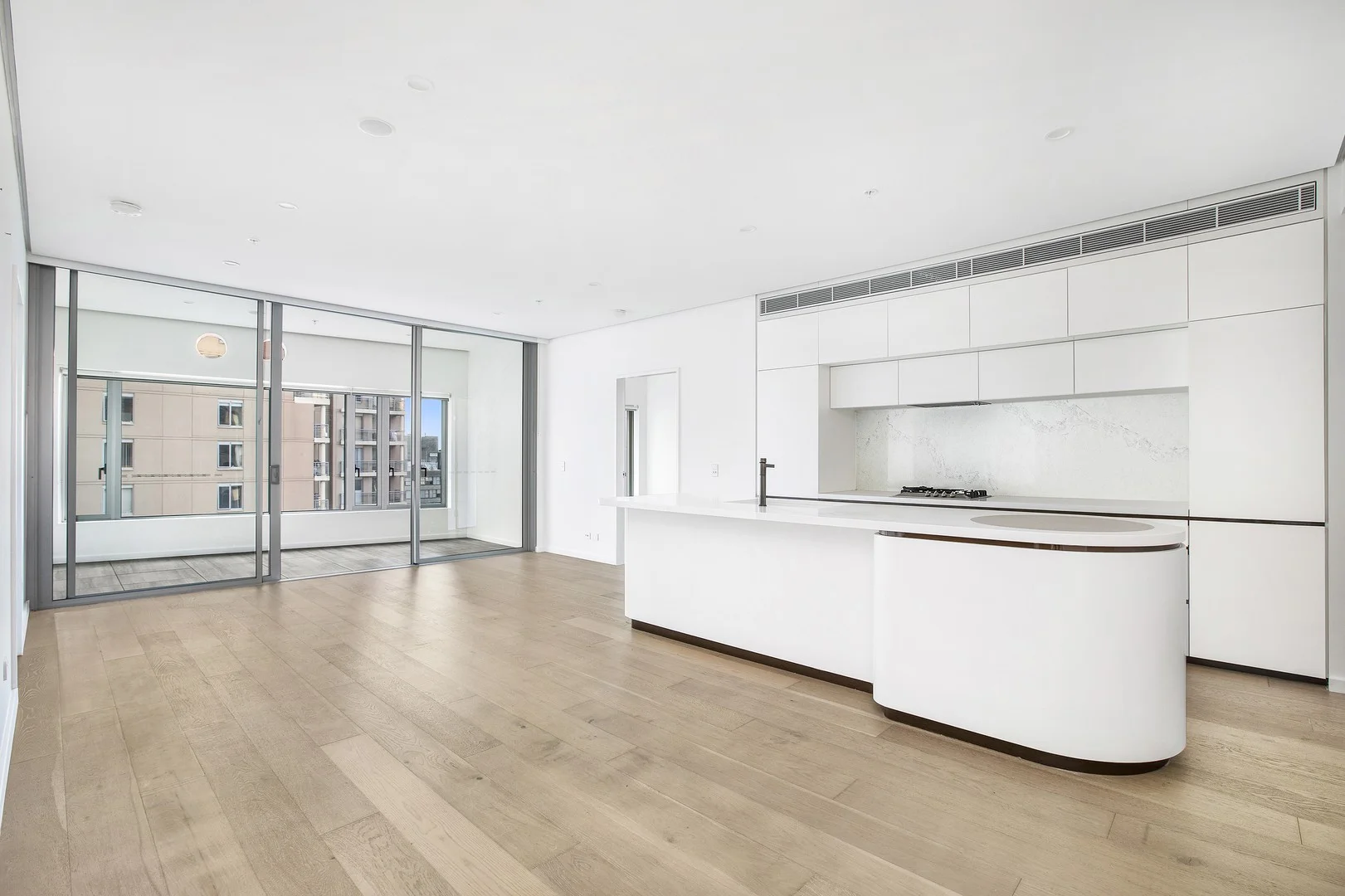 $2,250,000
Apartment / Unit / Flat
$2,250,000
Apartment / Unit / Flat
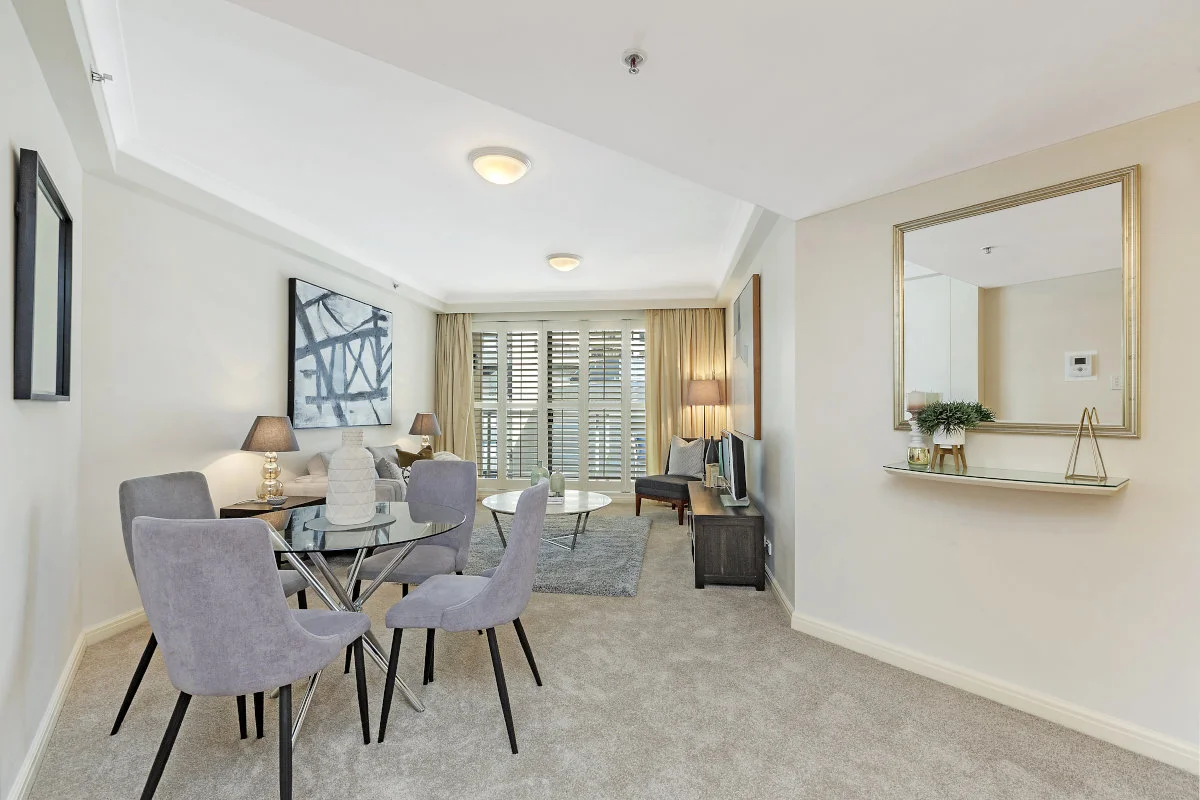 $660,000 - $725,000
Apartment / Unit / Flat
$660,000 - $725,000
Apartment / Unit / Flat


