# 1. Overview
Cameragal Montessori School is an independent private school delivering Montessori education with a focus on developing independent, confident learners. The school embraces a nurturing, inclusive culture where students work at their own pace in mixed-age classrooms, guided by trained Montessori educators. Class sizes are small to medium, enabling personalized attention and strong teacher-student connections. The atmosphere is warm, student-centered, and academically focused, with an emphasis on curiosity, responsibility, and collaboration.
- School type: Independent/private Montessori
- School size: Small to medium
- Class size: Typically 15–22 students per class (mixed-age groups)
- Atmosphere/culture: Nurturing, inclusive, academically oriented
---
# 2. Academics & Learning
Cameragal Montessori School centers learning around the Montessori method, promoting self-directed exploration, practical life skills, and purposeful work that builds concentration and love of learning. Students develop strong literacy and numeracy foundations through hands-on materials, with the flexibility to progress at individual rhythms. The school supports a well-rounded curriculum that integrates language, science, arts, and social-emotional learning.
- Academic strengths: Montessori-based literacy and numeracy, student-driven inquiry, language development, and practical life skills
- Special programs: Montessori pedagogy across early childhood and primary; opportunities for enrichment in arts, language, and inquiry-based projects
- NAPLAN / Ofsted trends: Emphasis on steady year-to-year progress in literacy and numeracy; trends show gradual improvement aligned with individualized pacing
- Student-teacher ratios: Approximately 1:8–1:12
- Support for diverse learners: EAL support, SEN-friendly practices, individualized learning plans, and targeted accommodations
---
# 3. Sports & Extracurricular Strengths
While the core emphasis is Montessori learning, Cameragal Montessori School supports a broad range of extracurricular options, focusing on holistic development and healthy habits. Clubs and activities complement classroom learning and help students explore interests beyond academics.
- Sports offered: Regular school sport programs (e.g., indoor/outdoor activities, team games, fitness)
- Strong teams or achievements: Emphasis on participation, sportsmanship, and personal bests rather than high-pressure competition
- Music, arts, drama programs: Integrated arts and performing arts activities; opportunities to performance and showcases
- Clubs: robotics, coding, chess, debates, language clubs, creative writing
- Partnerships: Local community arts and sports programs and competitions where available
Note: Extracurricular offerings may vary by term and year level.
---
# 4. Wellbeing & Pastoral Care
Cameragal Montessori School places wellbeing at the heart of learning, fostering a respectful and supportive environment. The school emphasizes positive relationships, self-regulation, and social-emotional growth, with structures to support every student.
- Anti-bullying approach: Proactive, inclusive programs, clear policies, and ongoing education
- House system: May be used to encourage belonging, teamwork, and healthy competition
- Counsellors / wellbeing officers: Access to school-based wellbeing support and guidance
- Transition support for new students: Orientation processes, buddy systems, and gradual integration plans
---
# 5. Facilities
Facilities are designed to support Montessori learning, independence, and student wellbeing. The environment is purpose-built to facilitate hands-on learning, collaboration, and creative exploration.
- Sports grounds: Outdoor play and activity spaces
- Libraries: Well-stocked literacy spaces with inviting reading corners
- Science labs: Hands-on science materials and experiments
- Music/performing arts centers: Space for music education and performance
- Tech/innovation labs: Age-appropriate technology and inquiry spaces
- Cafeteria: Healthy meal options and a calm dining environment
- Updated playgrounds: Safe, engaging outdoor play areas
---
# 6. School Values & Community Culture
Cameragal Montessori School aims to develop curious, respectful, and responsible learners who contribute positively to the community. The school emphasizes leadership, cooperation, and integrity within a inclusive culture.
- School values / mission: Student-centered learning, independence, respect, and responsibility
- Leadership style: Collaborative and supportive, with opportunities for student voice
- Behaviour expectations: Clear, consistent norms rooted in respect and self-discipline
- Community reputation: Positive reputation for a caring, rigorous Montessori environment
- Diversity & inclusion: Commitment to welcoming students from diverse backgrounds and abilities
---
# 7. School Logistics & Daily Operations
Parents need clear, predictable routines and supports for daily life at school.
- School hours: Core school day with potential early arrival and aftercare options
- Before/after school care: Available or arranged depending on term and age group
- Uniform requirements: Standard uniform policies aligned with school guidelines
- Transport: Nearby access to public transport; information on bus/train routes as applicable
- Canteen availability: Healthy, school-approved options
- Fees: Mid-to-high range for private Montessori education, with transparent fee schedules
---
# 8. Enrolment & Admissions
11. What is the enrolment process and timeline?
- Applications are typically submitted online, with key dates for intake periods. A timeline often includes submission, assessment/ interview, and offer of placement.
12. Is there a waiting list, and how does it work?
- Some year levels may have waiting lists. Placement is often determined by availability, age-appropriate placement, and space in the classroom, with regular updates provided to families.
13. Are there any entry requirements, tests, or interviews?
- Entry may involve an interview or observation, and may include a short assessment to understand learning needs and readiness for Montessori programming.
14. Does the school accept mid-year transfers?
- Mid-year transfers may be possible subject to space, placement suitability, and alignment with the Montessori program.
---
# 9. Frequently Asked Questions
- Why Parents Choose This School?
- A child-centered Montessori approach, individualized pacing, nurturing environment, and strong emphasis on independence and lifelong learning.
- What type of student thrives at this school?
- Curious, self-motivated learners who benefit from hands-on learning, mixed-age collaboration, and a supportive community.
- What opportunities are available for students to extend their skills (academics, sports, arts)?
- Enrichment in literacy and numeracy through Montessori materials, arts and language exploration, coding and robotics clubs, and performance opportunities.
- How does the school communicate with parents?
- Regular updates through newsletters, parent-teacher meetings, digital platforms for reporting, and open channels with teachers and leadership.
- What is the school’s approach to teaching and learning?
- Student-directed learning within a structured Montessori framework, emphasis on independence, concentration, and practical life skills.
- How does the school support students who need extra academic help?
- Individualized support plans, targeted adjustments, EAL or SEN accommodations, and ongoing teacher collaboration.
- What support is available for academic challenges?
- Access to learning supports, intervention strategies, and progress tracking to inform next steps.
- How does the school communicate with parents? (Repeat of above)
- See above: regular updates, meetings, and accessible platforms for ongoing dialogue.
- What are the class sizes and how much individual attention do students receive?
- Class sizes are small to medium (approximately 15–22 students); teacher ratios support attentive, individualized guidance.
- What extracurricular and sports opportunities are available?
- Clubs and activities in robotics, coding, chess, debates, arts, and school-wide sports programs.
- What facilities does the school offer (sports, science, arts)?
- Well-equipped spaces for science, arts, music, libraries, and technology-aligned learning.
- What is the school’s approach to technology and digital learning?
- Age-appropriate technology integrated within the Montessori framework to enhance inquiry, research, and foundational digital literacy.
- What transport and accessibility options are available?
- Access to public transport where available, with information on routes and drop-off/pick-up arrangements.
- What are the typical school fees or additional costs?
- Fees reflect private Montessori education with standard inclusions and potential additional costs for certain activities or meals.
---
# 10. Short Pros & Cons list
Pros
- Child-centered Montessori approach with individualized pacing
- Small to medium class sizes for strong teacher attention
- Nurturing, inclusive culture and focus on independence
- Strong emphasis on practical life skills, literacy, and numeracy
- Wide range of clubs and arts experiences
- Support for diverse learners and transitional needs
Cons
- Private school tuition ranges may be higher than public options
- Extracurricular offerings can vary by term or year level
- Montessori schedules and pacing may differ from traditional schooling rhythms
- Availability of mid-year transfers depends on space and placement
- For families seeking a traditional heavy-test environment, the Montessori approach may feel different










 $26,550,000
propertyType.NEW APARTMENTS / OFF THE PLAN
$26,550,000
propertyType.NEW APARTMENTS / OFF THE PLAN
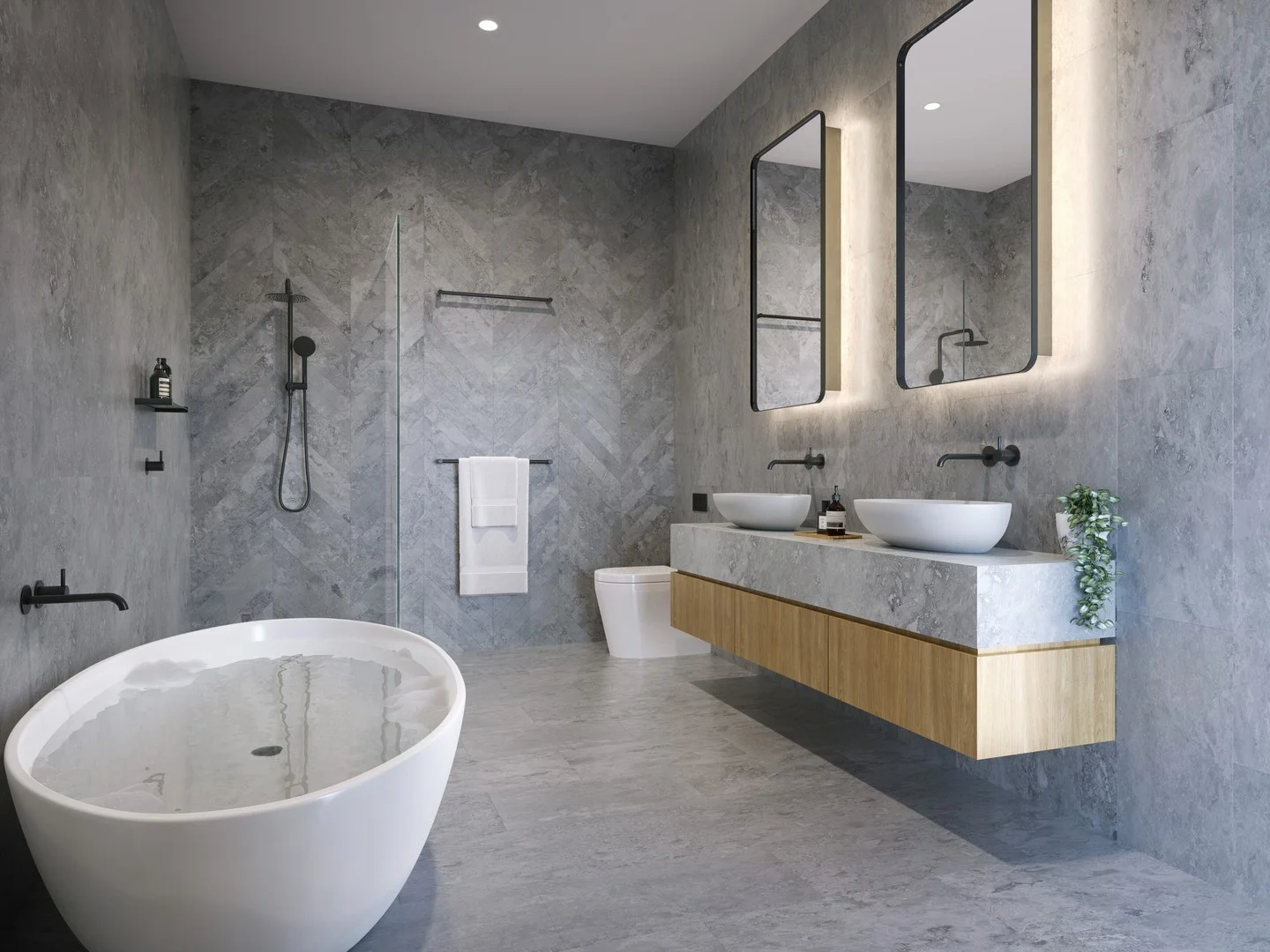 $2,824,000
Apartment / Unit / Flat
$2,824,000
Apartment / Unit / Flat
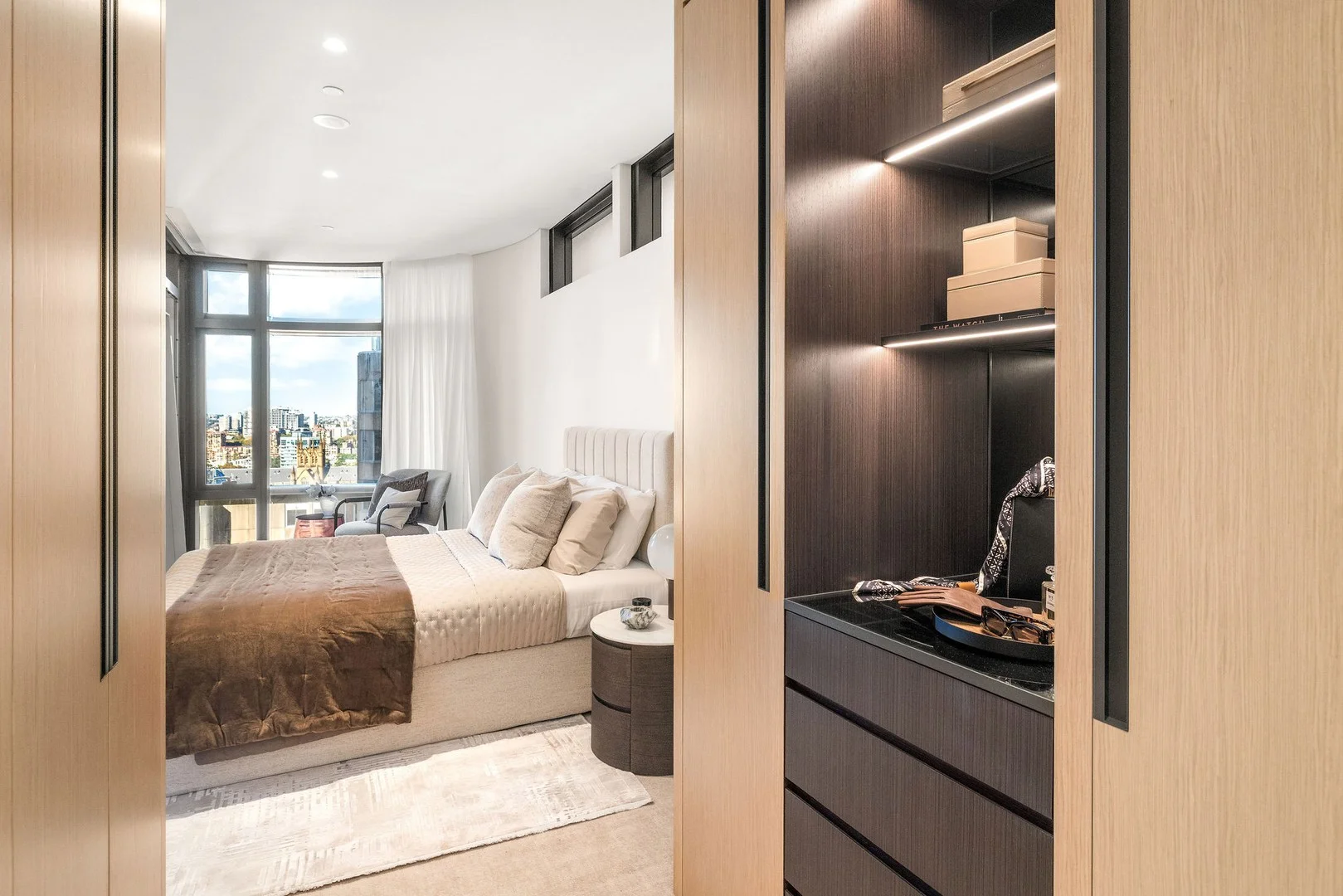 $2,745,000
propertyType.NEW APARTMENTS / OFF THE PLAN
$2,745,000
propertyType.NEW APARTMENTS / OFF THE PLAN
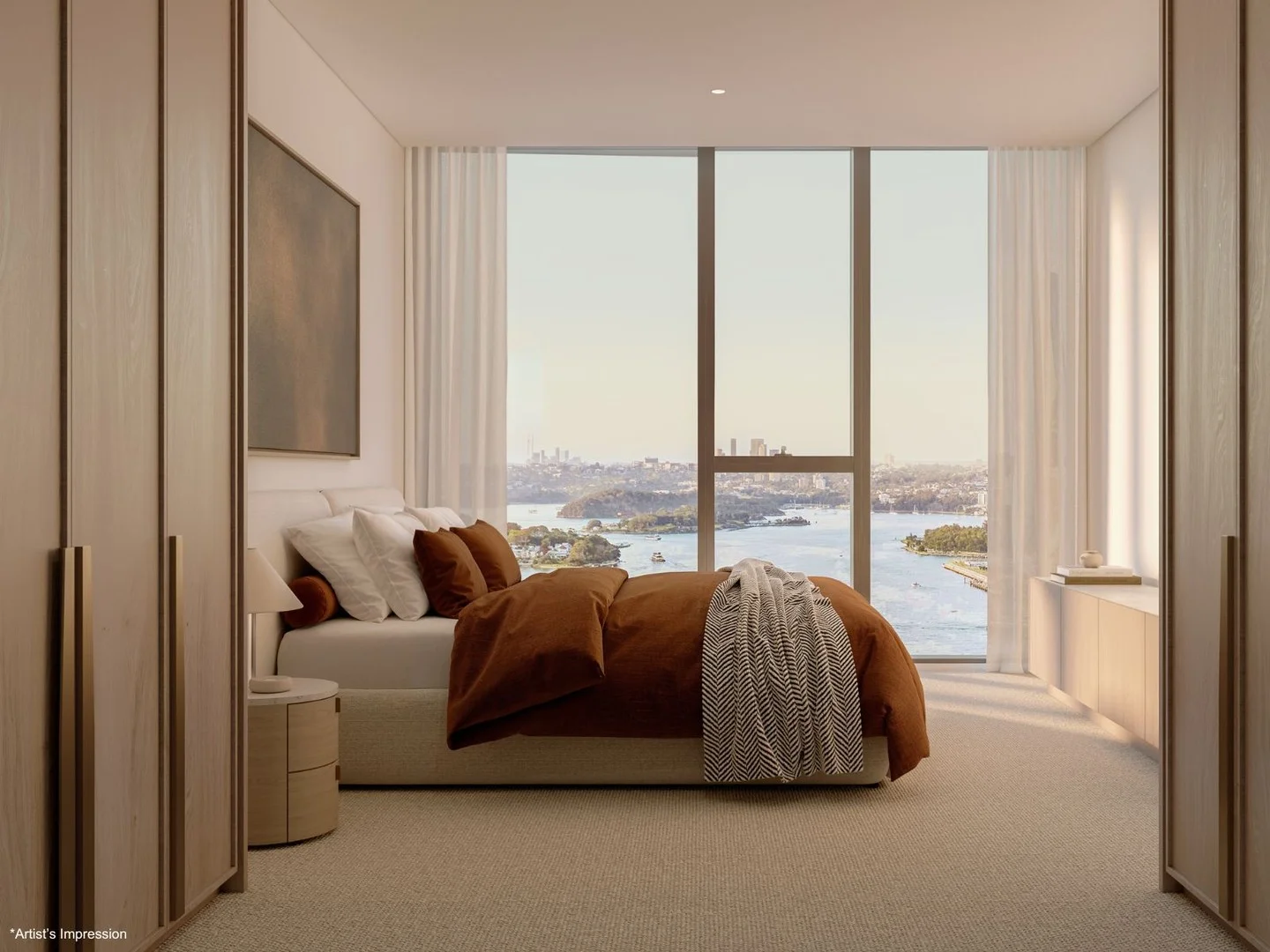 $8,630,000
propertyType.NEW APARTMENTS / OFF THE PLAN
$8,630,000
propertyType.NEW APARTMENTS / OFF THE PLAN
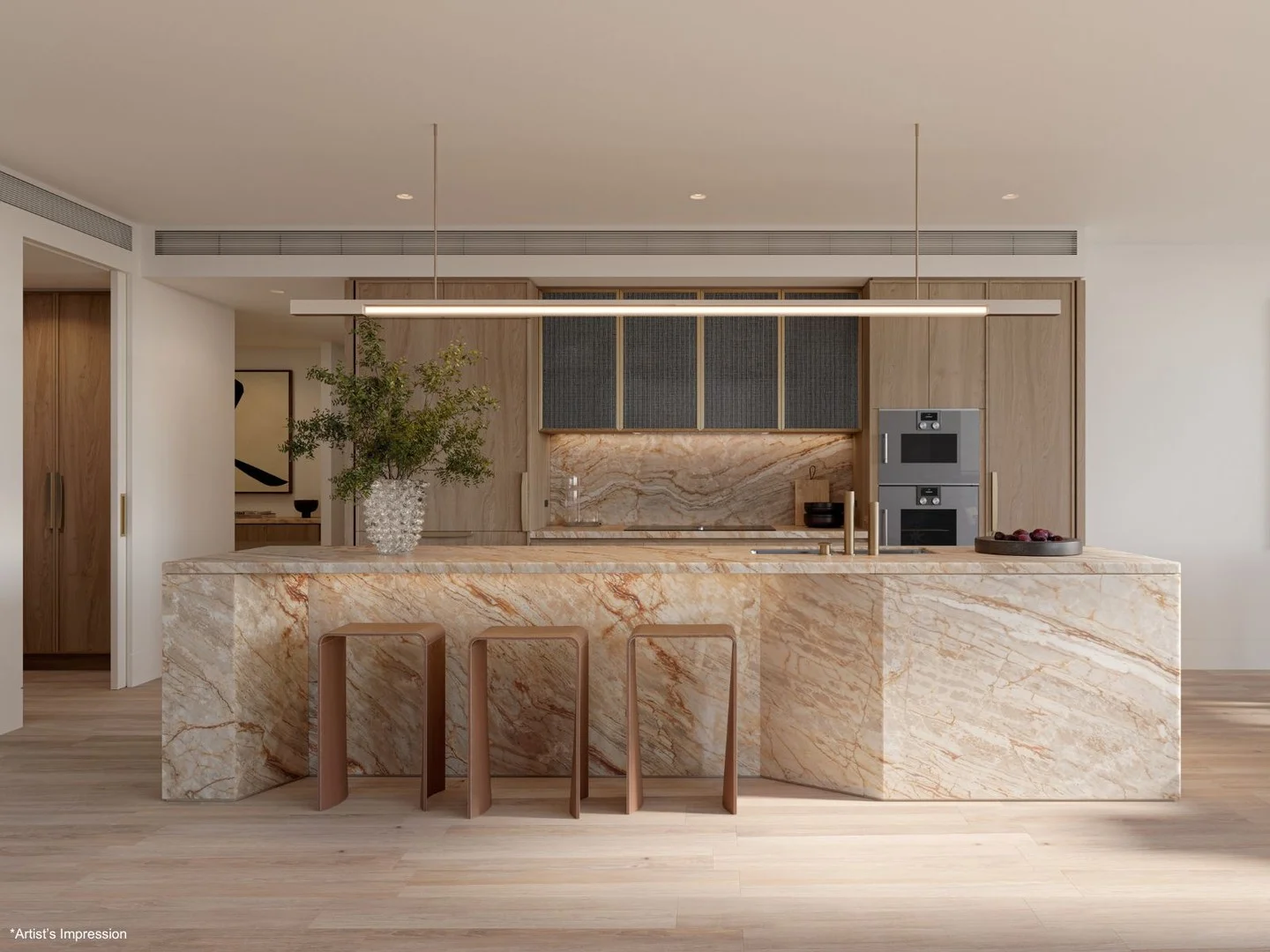 $6,225,000
propertyType.NEW APARTMENTS / OFF THE PLAN
$6,225,000
propertyType.NEW APARTMENTS / OFF THE PLAN
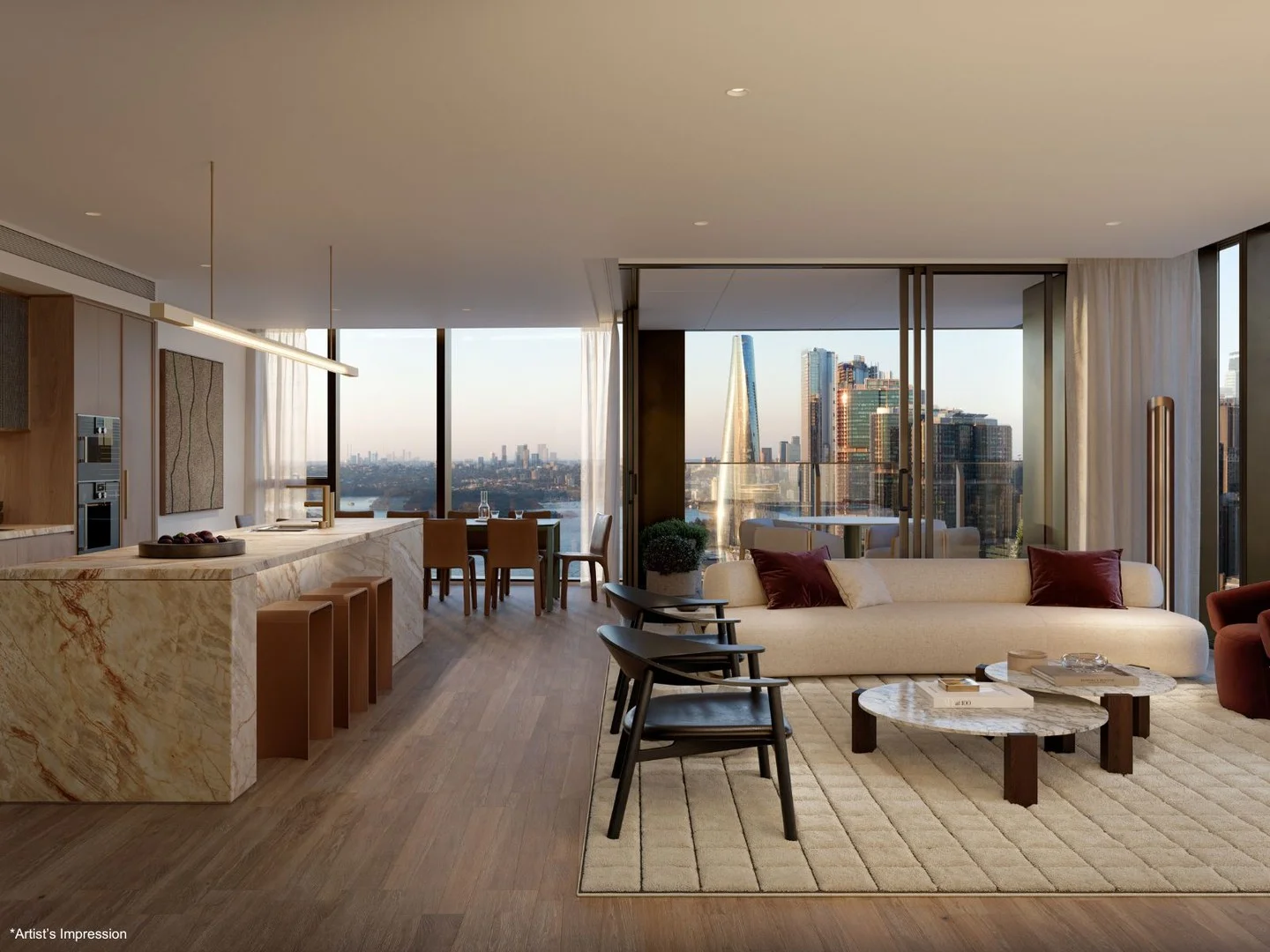 $12,980,000
propertyType.NEW APARTMENTS / OFF THE PLAN
$12,980,000
propertyType.NEW APARTMENTS / OFF THE PLAN
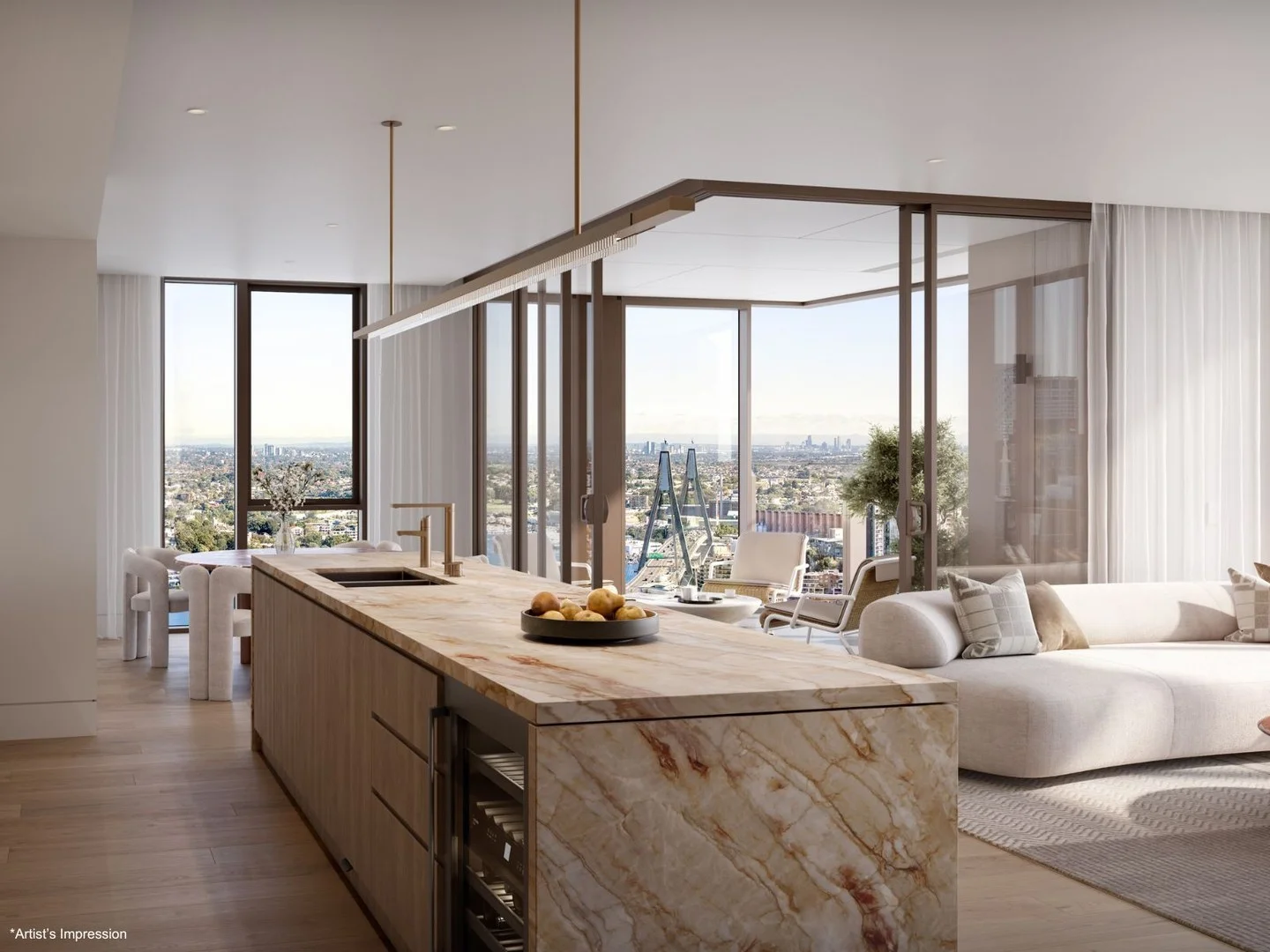 $9,020,000
propertyType.NEW APARTMENTS / OFF THE PLAN
$9,020,000
propertyType.NEW APARTMENTS / OFF THE PLAN
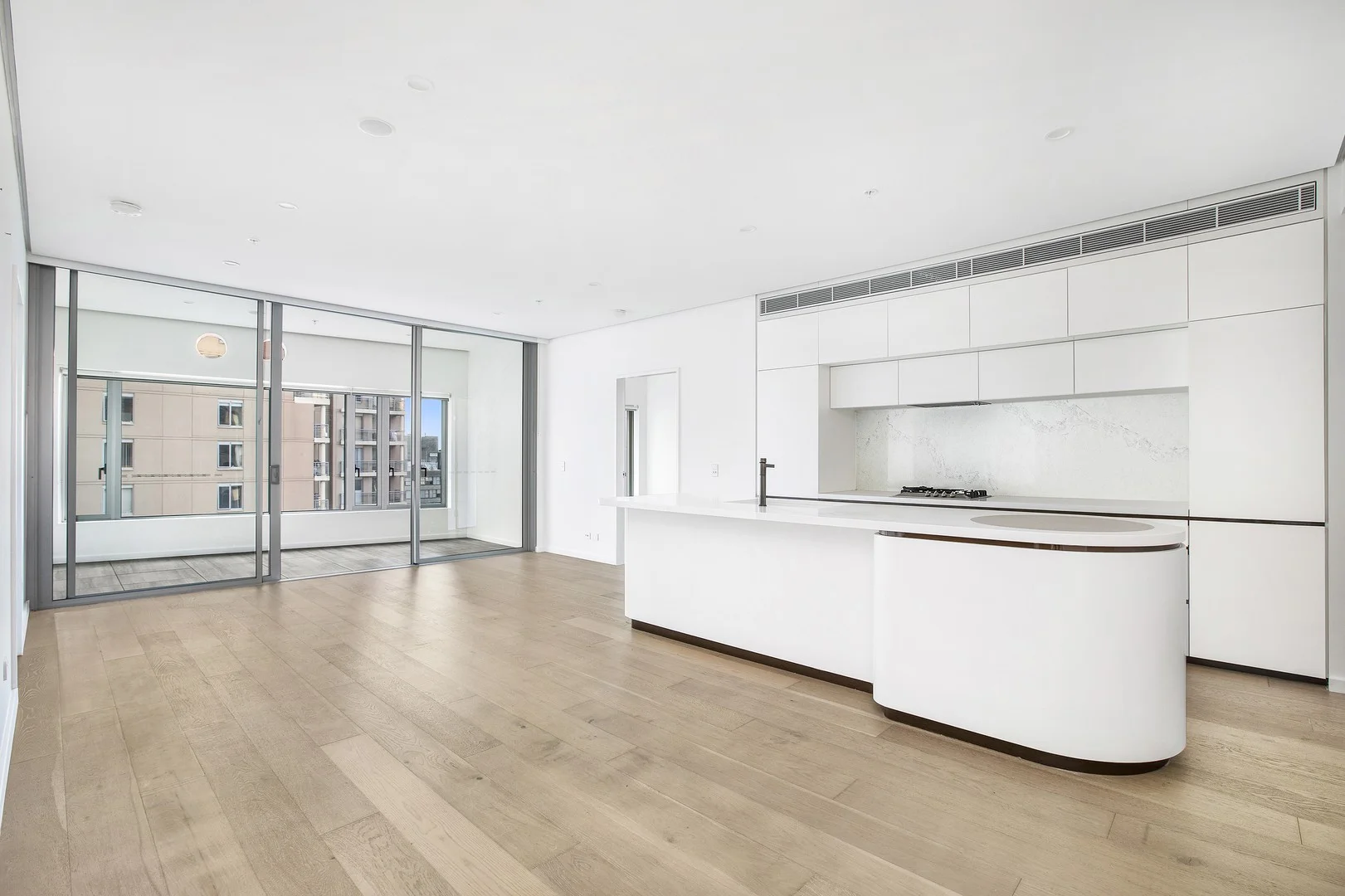 $2,250,000
Apartment / Unit / Flat
$2,250,000
Apartment / Unit / Flat
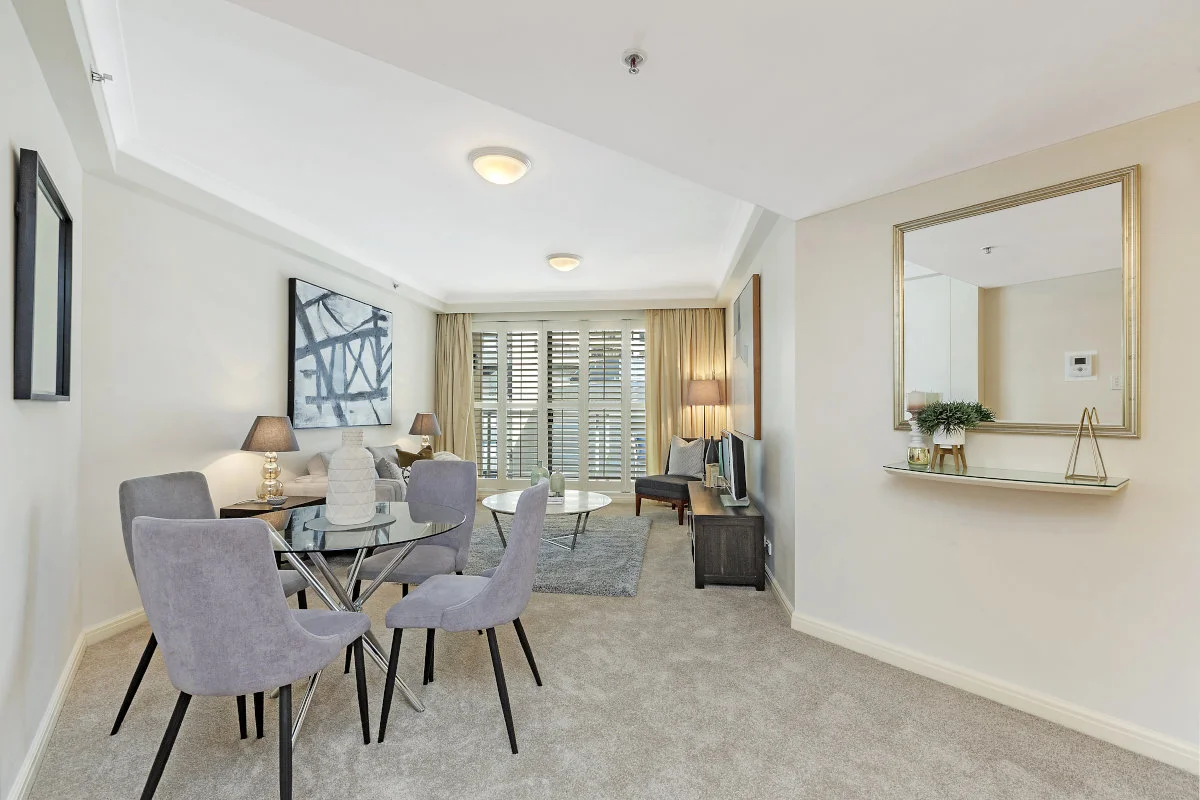 $660,000 - $725,000
Apartment / Unit / Flat
$660,000 - $725,000
Apartment / Unit / Flat


