## 1. Overview
North Sydney Girls High School is a public selective high school for girls, located in Crows Nest. As a NSW Department of Education selective school, it draws high-ability students from across the region and offers a rigorous curriculum designed to prepare students for the HSC and future study. The school is large, supporting a diverse and academically ambitious community.
Class sizes are typically in the mid-20s, allowing strong teacher support while sustaining a vibrant cohort experience. The atmosphere is academically focused, with an inclusive, high-achievement culture that values curiosity, leadership and service, creating a nurturing environment for motivated students.
## 2. Academics & Learning
- Academic strengths: STEM, English, leadership, and languages are key areas of focus, with opportunities to extend in senior years.
- Special programs: selective entry through the NSW Selective High School Placement, plus accelerated learning options and enrichment for high-ability students.
- NAPLAN / trends: consistently strong performance across year levels with positive trends relative to state averages; ongoing emphasis on reading, writing and numeracy improvements.
- Student-teacher ratios: small-to-mid sized classes with favorable teacher support; approximate classroom ratios around 1:14–1:18.
- Support for diverse learners: robust EAL/D support, learning support services and accommodations for students with additional learning needs.
## 3. Sports & Extracurricular Strengths
- Sports offered: netball, basketball, soccer, athletics, swimming, tennis and other community sports through the school program.
- Strong teams or achievements: competitive inter-school teams with a solid track record in NSW school sport events.
- Music, arts, drama programs: active music ensembles, choir and drama productions; opportunities to perform and showcase talent.
- Clubs: robotics, chess, coding, debating and other academic/tech clubs.
- Partnerships: connections with local groups and competitions, providing pathways to regional and state-level events.
## 4. Wellbeing & Pastoral Care
- Anti-bullying approach: clear policies and proactive programs to promote respectful behaviour and a positive school culture.
- House system: house groups support pastoral care, mentorship and school spirit.
- Counsellors / wellbeing officers: dedicated student wellbeing and guidance staff available for support.
- Transition support for new students: orientation programs, buddy systems and targeted transition support for Year 7 entrants.
## 5. Facilities
- Sports grounds: on-site or nearby facilities for a range of sports.
- Libraries: well-stocked library and study spaces.
- Science labs: modern science laboratories to support practical learning.
- Music/performing arts centers: dedicated spaces for music, drama and performance.
- Tech/innovation labs: dedicated classrooms and labs for technology and design work.
- Cafeteria: on-site canteen or dining facilities.
- Updated playgrounds: maintained outdoor spaces for break and recreation.
## 6. School Values & Community Culture
- School values / mission: a culture of excellence, integrity, respect and service; emphasis on leadership and academic achievement.
- Leadership style: collaborative and student-centred, with opportunities for student voice and leadership roles.
- Behaviour expectations: clear codes of conduct and high expectations for conduct and performance.
- Community reputation: strong parental and local community engagement, with a reputation for academic rigor and supportive learning.
- Diversity & inclusion: inclusive environment with diverse student backgrounds and supports for all learners.
## 7. School Logistics & Daily Operations
- School hours: typically a morning start around 9:00am and afternoon finish around 3:15pm, with breaks in between.
- Before/after school care: available through external providers or school-approved programs.
- Uniform requirements: standard school uniform with appropriate dress for PE and formal occasions.
- Transport (train/bus routes): well-served by public transport options; convenient access via nearby train stations and bus routes.
- Canteen availability: on-site or nearby canteen facilities for lunch and snacks.
- Fees (low/medium/high ranges): as a public school, there is no tuition fee; some voluntary contributions and costs for activities or materials may apply, generally considered low-to-medium in nature.
## 8. Enrolment & Admissions
11. What is the enrolment process and timeline?
- Entry is via NSW Department of Education selective High School Placement; apply through the department, undertake the Selective High School Placement Test (SHSPT) in the specified window, and await offers announced after the test results. Placement is based on merit and availability.
12. Is there a waiting list, and how does it work?
- Yes, there is a merit-based waitlist. If places become available, candidates are offered positions based on ranking and eligibility at the time, with ongoing vacancies managed by the department and school.
13. Are there any entry requirements, tests, or interviews?
- Entry requires successful completion of the SHSPT and meeting eligibility criteria; there is no formal interview for Year 7 entry in many cases, with offers determined by test performance and quota.
14. Does the school accept mid-year transfers?
- Mid-year transfers are possible only if there are available places and eligibility, handled on a case-by-case basis through the school and NSW Department of Education processes.
## 9. Frequently Asked Questions
- Why Parents Choose This School?
Parents choose North Sydney Girls High School for its strong academic outcomes, supportive learning environment, and opportunities to excel in STEM, languages, arts and leadership.
- What type of student thrives at this school?
Motivated, curious students who enjoy rigorous academic challenges, value collaboration, and are prepared for a selective-entry environment tend to thrive.
- What opportunities are available for students to extend their skills (academics, sports, arts)?
Extended programs in STEM and English, access to accelerated learning and enrichment, a range of sports, arts and music programs, and clubs in robotics, coding, debating and more.
- How does the school communicate with parents?
Regular updates via newsletters, online portals, parent meetings and school events; notices and reports are shared through official channels.
- What is the school’s approach to teaching and learning?
Emphasis on rigorous, inquiry-based learning with high expectations; differentiation and supports for diverse learners; focus on critical thinking, collaboration and independent learning.
- How does the school support students who need extra academic help?
Dedicated learning support, EAL/D assistance, small-group interventions, and access to guidance staff to plan individual learning plans.
- What support is available for academic challenges?
Targeted tutoring, teacher accessibility, study skills development, and referrals to counselling or support services as needed.
- How does the school communicate with parents? (duplicate)
See above: newsletters, portals, meetings and events.
- What are the class sizes and how much individual attention do students receive?
Class sizes are typically mid-20s, with strong teacher-to-student access and opportunities for individual support through targeted conferencing and tutoring.
- What extracurricular and sports opportunities are available?
A wide range of sports, music, drama and arts programs, plus clubs such as robotics, coding, chess and debating.
- What facilities does the school offer (sports, science, arts)?
Modern science labs, libraries, music and performing arts spaces, technology and innovation labs, sports facilities, canteen and general learning spaces.
- What is the school’s approach to technology and digital learning?
Emphasis on digital literacy and learning through appropriate technology, with access to devices and supported online learning environments.
- What transport and accessibility options are available?
Well-connected by public transport, with nearby train stations and bus routes; accessible facilities for students.
- What are the typical school fees or additional costs?
No tuition fees for public education; voluntary contributions and costs for materials or activities may apply, generally modest.
## 10. Short Pros & Cons list
- Pros
- Strong academic reputation and high student achievement
- Comprehensive STEM, languages, English and leadership opportunities
- Supportive wellbeing and pastoral care, plus house-based guidance
- Wide range of extracurriculars, clubs and arts programs
- Good facilities and modern learning spaces
- Diverse, inclusive and engaged school community
- Cons
- Highly selective environment may be competitive and challenging
- Limited to female students (single-sex environment)
- Entry is via external selective testing with a competitive process
- Travel can be longer for families outside the immediate area
- Some costs for activities or materials beyond standard funding











 $2,824,000
Apartment / Unit / Flat
$2,824,000
Apartment / Unit / Flat
 $26,550,000
propertyType.NEW APARTMENTS / OFF THE PLAN
$26,550,000
propertyType.NEW APARTMENTS / OFF THE PLAN
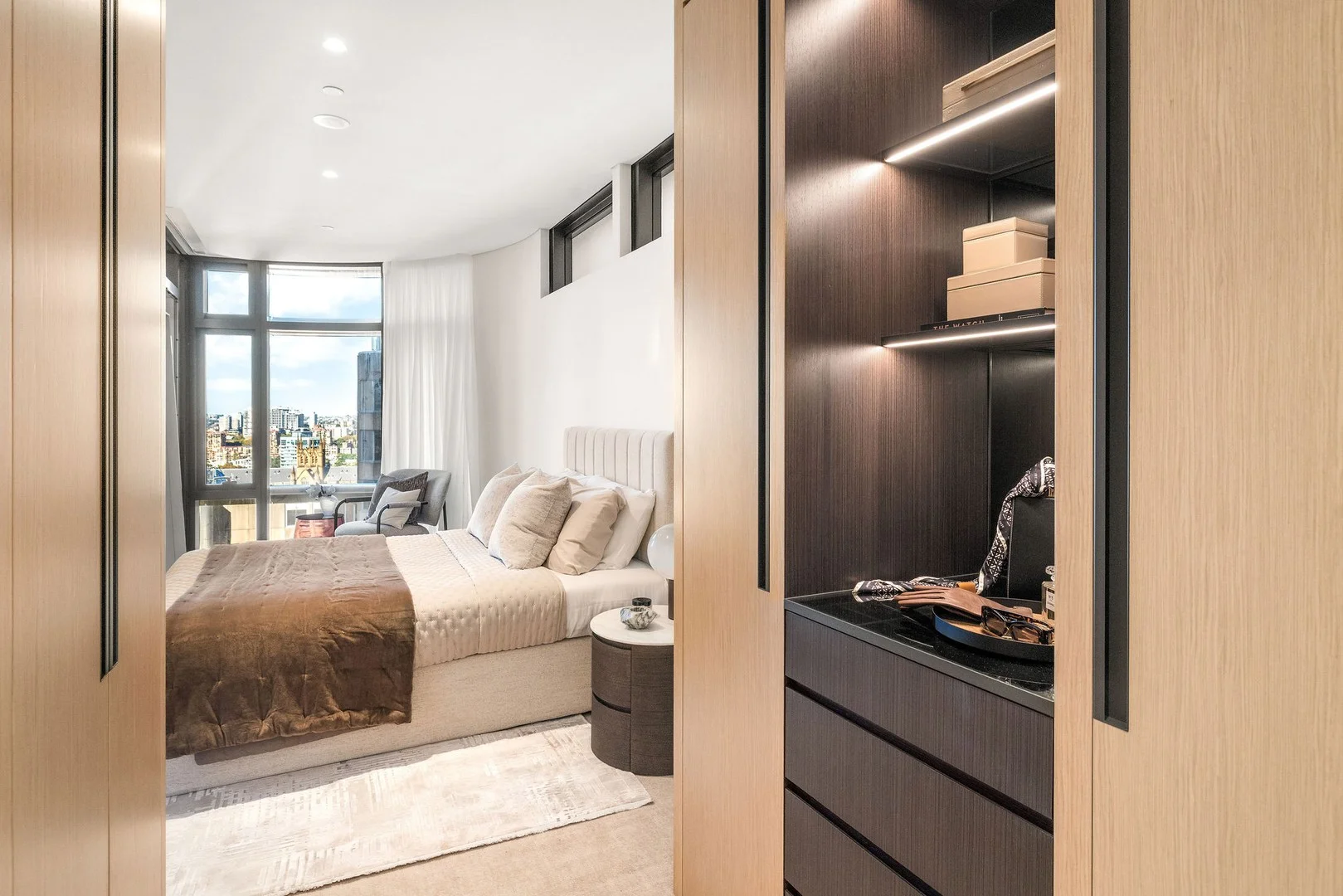 $2,745,000
propertyType.NEW APARTMENTS / OFF THE PLAN
$2,745,000
propertyType.NEW APARTMENTS / OFF THE PLAN
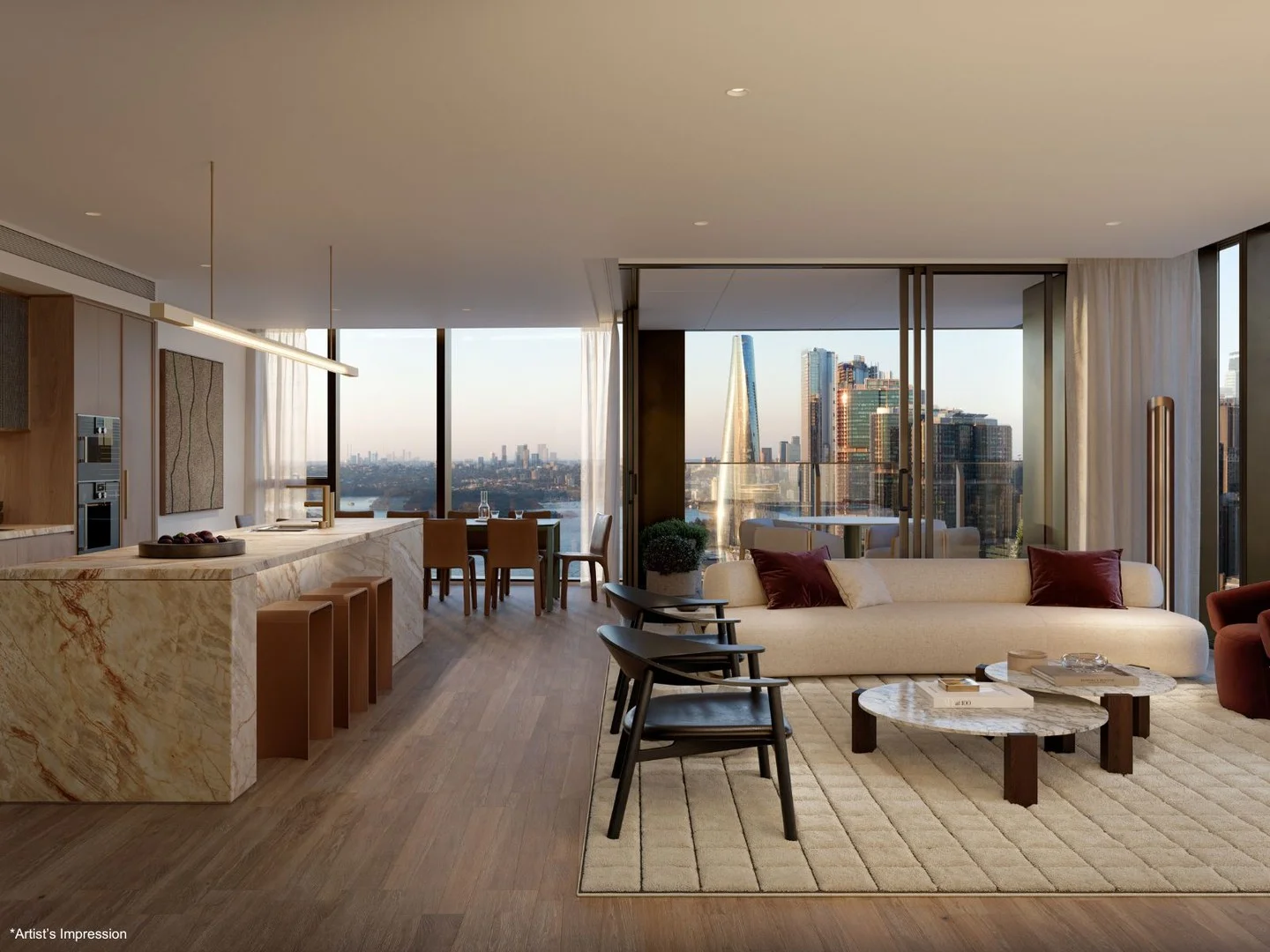 $12,980,000
propertyType.NEW APARTMENTS / OFF THE PLAN
$12,980,000
propertyType.NEW APARTMENTS / OFF THE PLAN
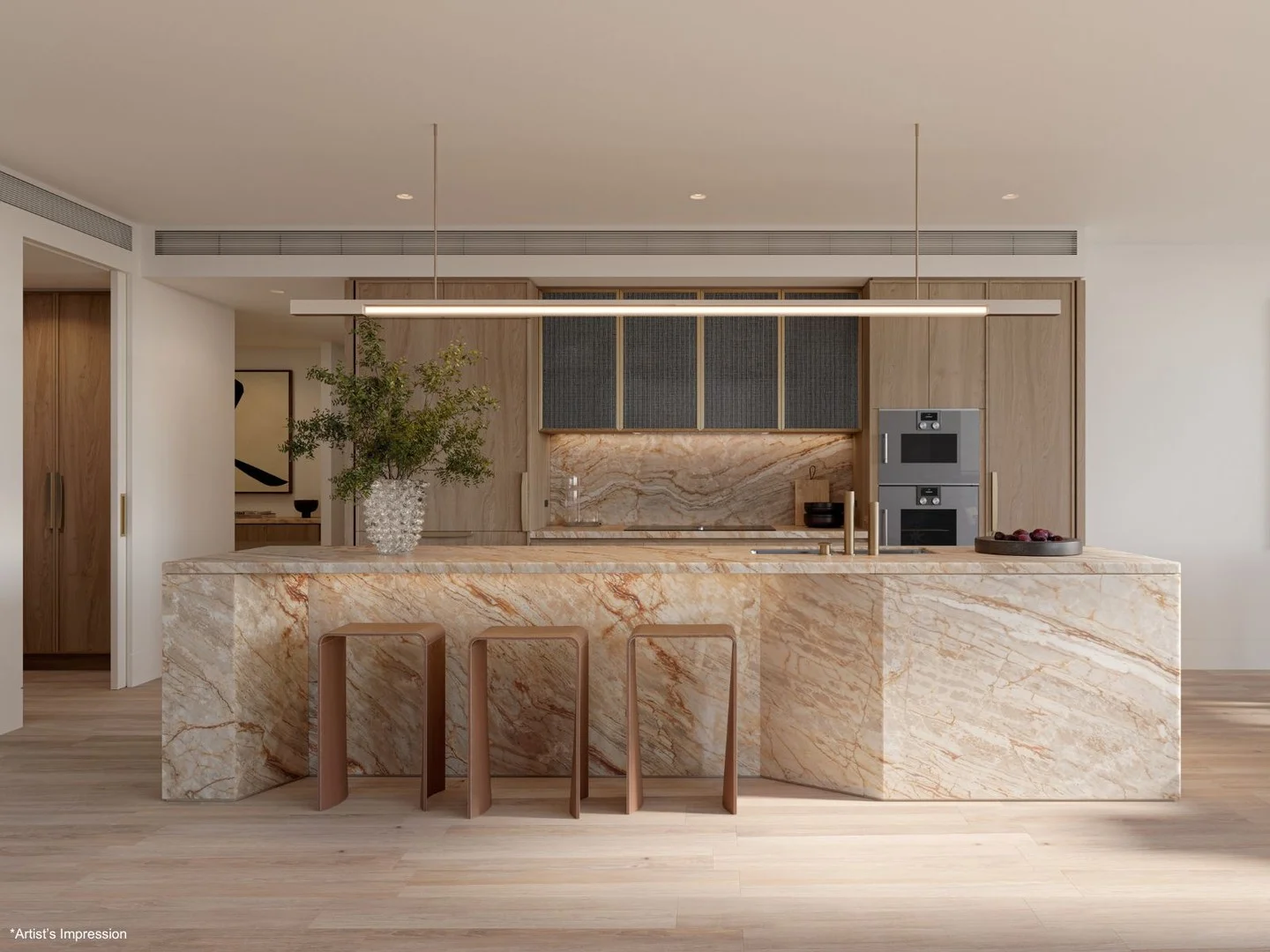 $6,225,000
propertyType.NEW APARTMENTS / OFF THE PLAN
$6,225,000
propertyType.NEW APARTMENTS / OFF THE PLAN
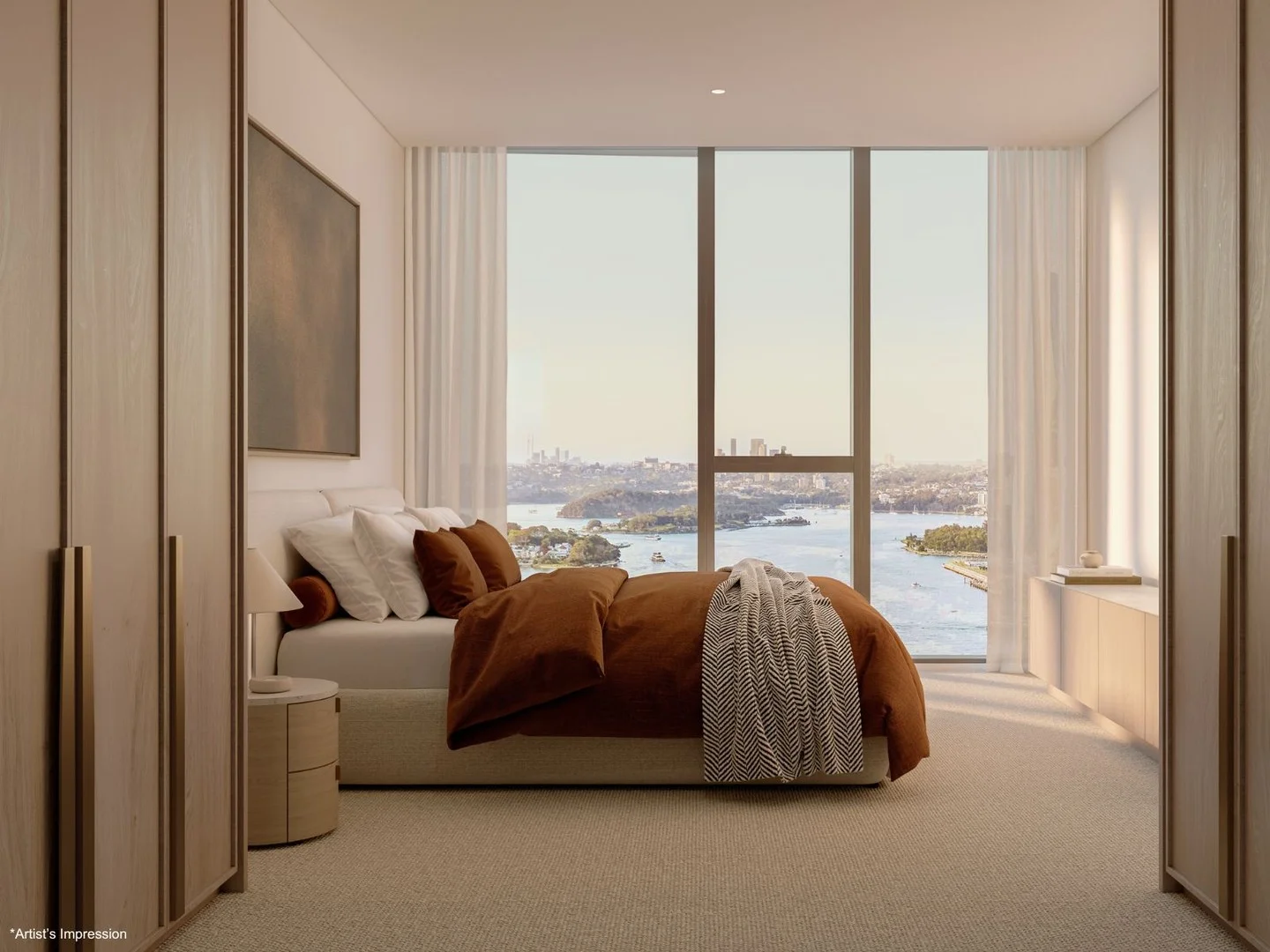 $8,630,000
propertyType.NEW APARTMENTS / OFF THE PLAN
$8,630,000
propertyType.NEW APARTMENTS / OFF THE PLAN
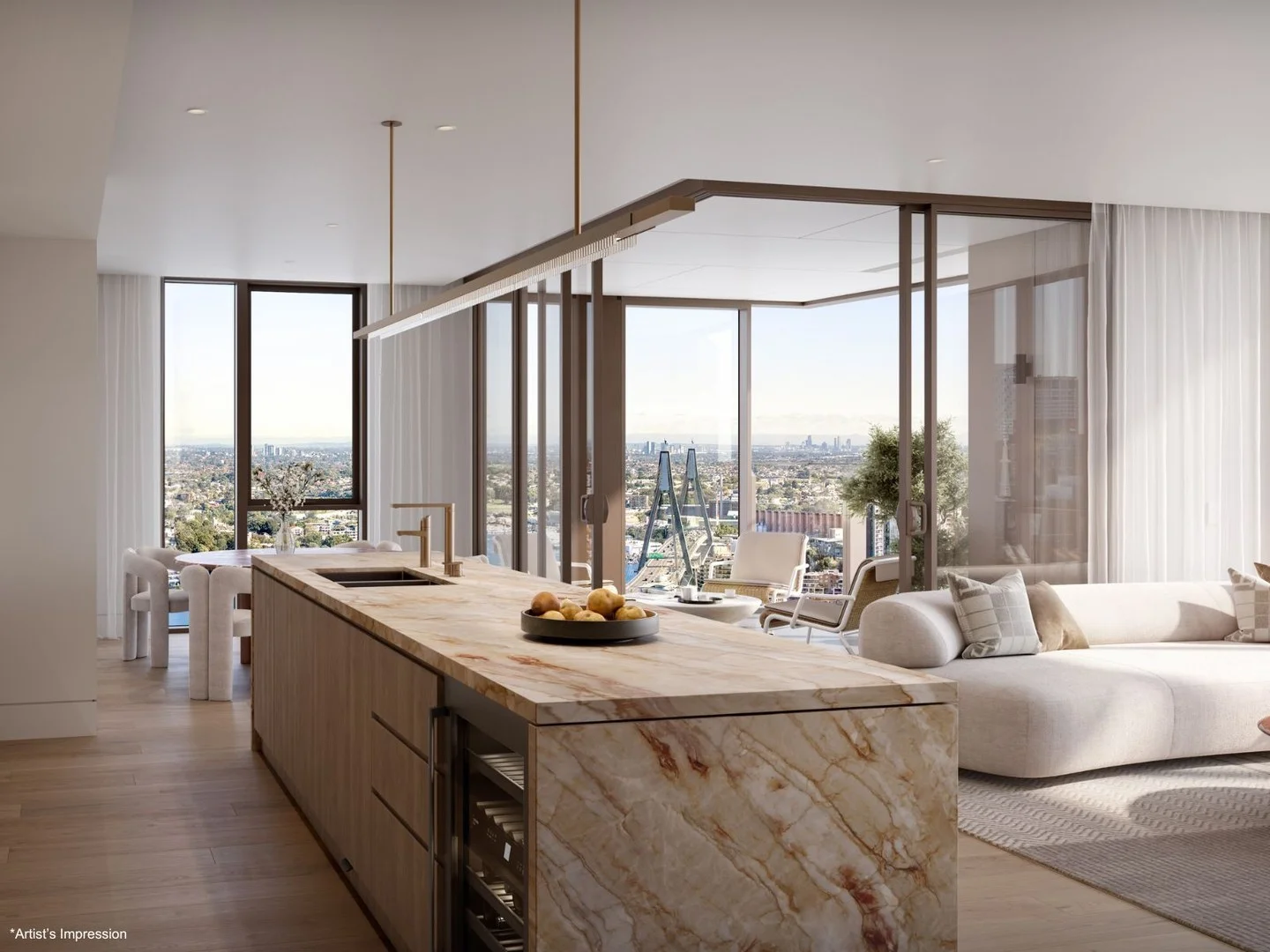 $9,020,000
propertyType.NEW APARTMENTS / OFF THE PLAN
$9,020,000
propertyType.NEW APARTMENTS / OFF THE PLAN
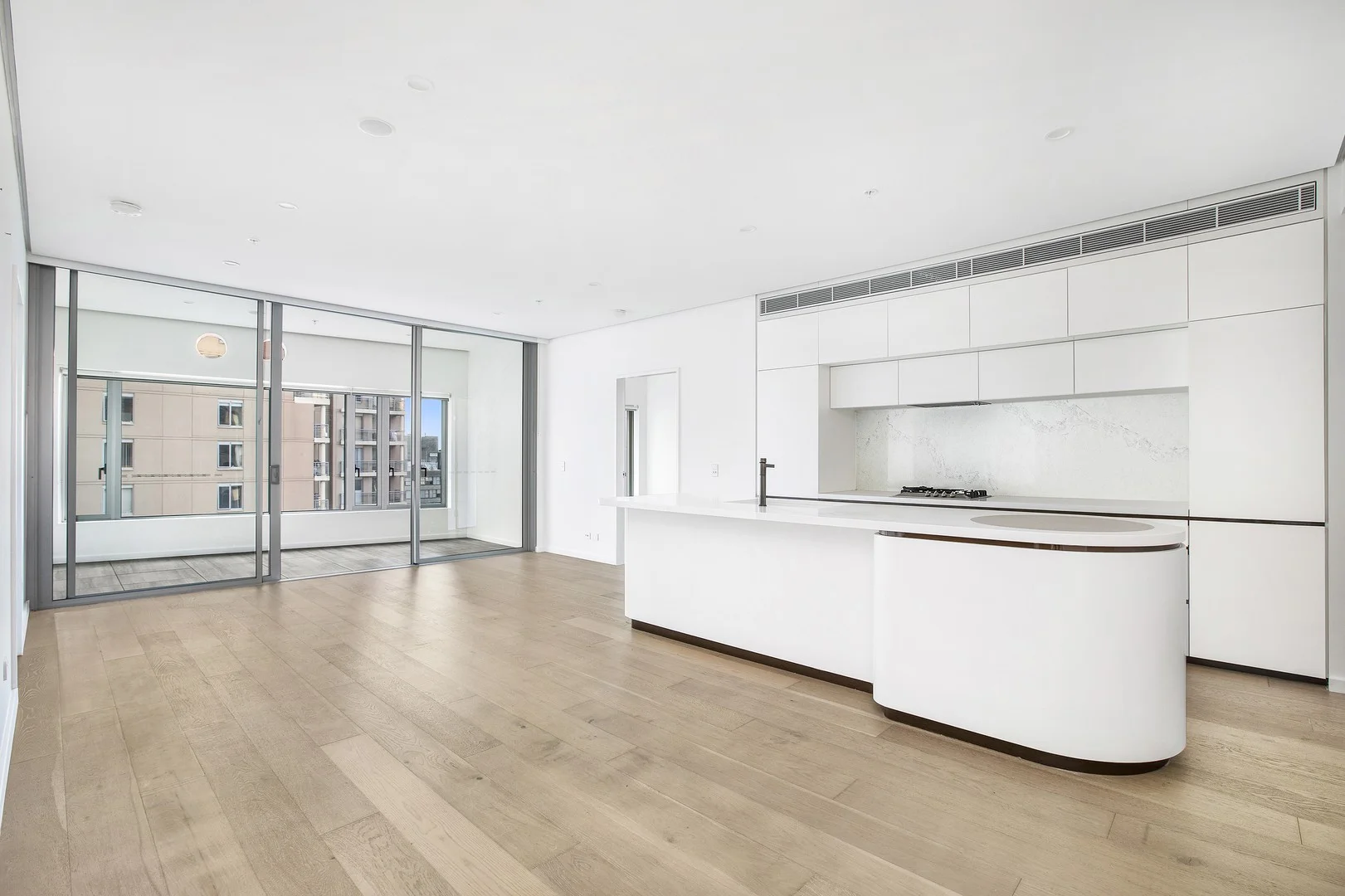 $2,250,000
Apartment / Unit / Flat
$2,250,000
Apartment / Unit / Flat
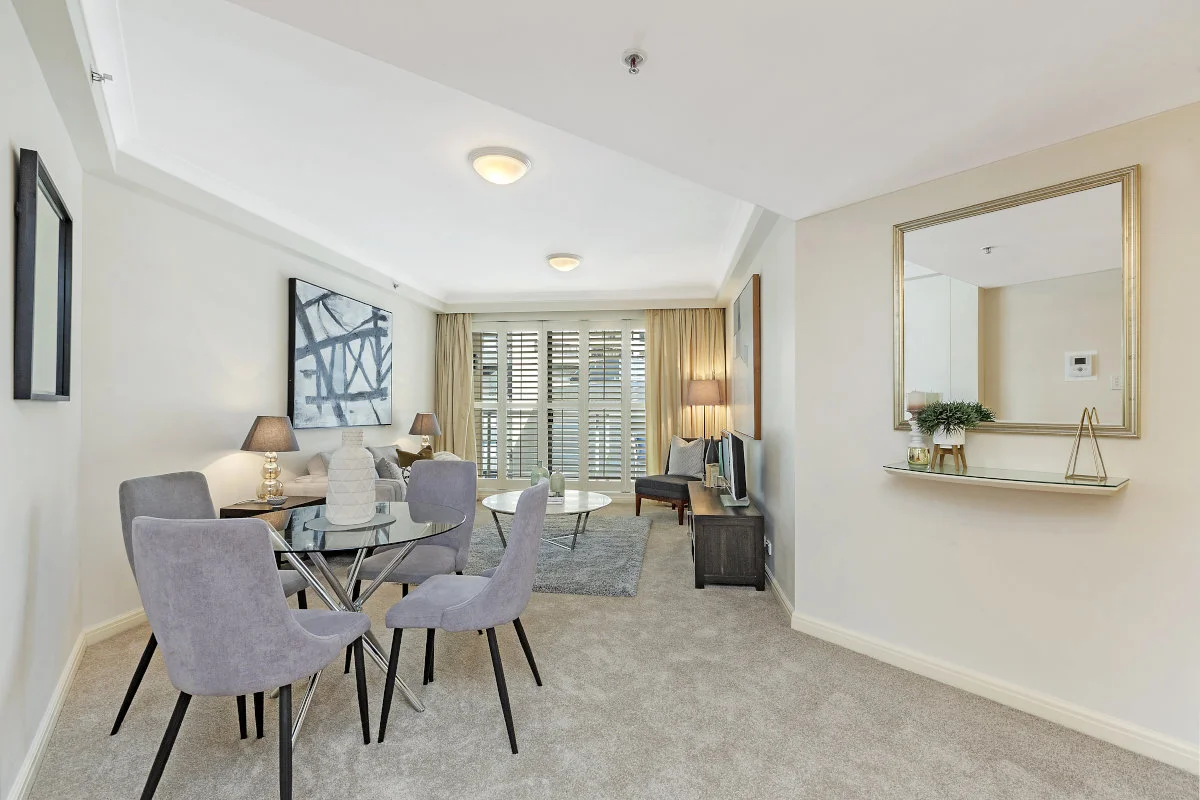 $660,000 - $725,000
Apartment / Unit / Flat
$660,000 - $725,000
Apartment / Unit / Flat


