Overview
## 1. Overview
Campbellfield Heights Primary School is a public primary school serving Prep to Year 6 students in the Campbellfield area. It focuses on building a caring, inclusive community where students are supported to reach their potential and develop a love of learning.
School size is medium, with class sizes typically around 20–24 students. The atmosphere is welcoming and inclusive, emphasising student wellbeing, respectful relationships, and active parent/community involvement.
---
## 2. Academics & Learning
- Academic strengths: strong foundations in literacy and numeracy, with opportunities to develop skills in STEM and digital literacy. There is a focus on critical thinking, problem solving, and collaborative learning.
- Special programs: enrichment opportunities and targeted support for diverse learners; EAL (English as an Additional Language) support; inclusion of interventions and extension activities as needed.
- NAPLAN / Ofsted trends: Victorian NAPLAN data trends typically show steady progress and alignment with state averages, with areas of improvement possible in reading and numeracy over time.
- Student-teacher ratios: generally around 1:15, allowing for meaningful teacher contact and small-group support.
- Support for diverse learners: comprehensive support for students with diverse needs, including EAL support, in-class differentiation, and targeted interventions to aid learning and engagement.
---
## 3. Sports & Extracurricular Strengths
- Sports offered: participation in common primary programs such as netball, basketball, soccer, cricket, athletics, and AFL-related activities; school teams and inter-school events are typical.
- Strong teams or achievements: involvement in inter-school competitions and district events; emphasis on teamwork, sportsmanship, and school pride.
- Music, arts, drama programs: opportunities in school choirs, performances, and general music/drama activities to support creative expression.
- Clubs: robotics, coding, chess, and debating clubs are often available, alongside other student-led or teacher-supported clubs.
- Partnerships: connections with local community organizations and regional competitions for sport, robotics, coding, and creative arts.
---
## 4. Wellbeing & Pastoral Care
- Anti-bullying approach: whole-school anti-bullying strategies with clear policies, restorative practices, and a focus on positive relationships and respectful behaviour.
- House system: house-based activities and events to foster belonging, teamwork, and healthy competition.
- Counsellors / wellbeing officers: access to wellbeing staff and school-based support for social/emotional learning and personal wellbeing.
- Transition support for new students: programs and orientations to help new students settle in, make friends, and navigate the school environment.
---
## 5. Facilities
- Sports grounds: access to suitable outdoor play and sports areas.
- Libraries: a dedicated library or learning hub for reading, research, and quiet study.
- Science labs: well-equipped spaces for practical experiments and hands-on learning.
- Music/performing arts centers: dedicated spaces or rooms for music, drama, and performances.
- Tech/innovation labs: design and technology spaces supporting coding, robotics, and digital projects.
- Cafeteria: a canteen or healthy food options for students.
- Updated playgrounds: modern play areas with safe equipment and interactive spaces.
---
## 6. School Values & Community Culture
- School values / mission: a clear focus on respect, responsibility, curiosity, and resilience; prioritising student wellbeing and inclusive education.
- Leadership style: collaborative and student-centered, with teacher leadership in curriculum delivery and student growth.
- Behaviour expectations: consistent expectations across the school, emphasizing positive behaviours, restorative conversations, and accountable actions.
- Community reputation: generally viewed as a welcoming, family-friendly school with active parent involvement and strong community ties.
- Diversity & inclusion: commitment to inclusion and supporting students from diverse backgrounds to participate fully in school life.
---
## 7. School Logistics & Daily Operations
- School hours: typical start and finish times for a primary school day (Prep–Year 6) with clear breaks.
- Before/after school care: arrangements for before/after school care or supervision as needed.
- Uniform requirements: standard school uniform guidelines with appropriate footwear and attire for daily wear and activities.
- Transport (train/bus routes): accessibility options and bus/train routes serving the area; details available from the school or local transport providers.
- Canteen availability: canteen or lunch facilities offering lunch options and snacks.
- Fees (low/medium/high ranges): as a public school, core schooling is funded; there may be optional costs for activities, excursions, or specific programs.
---
## 8. Enrolment & Admissions
### 11. What is the enrolment process and timeline?
- Applications can be submitted in alignment with Victorian enrolment processes. You’ll typically provide proof of identity and residency, immunisation status, and supporting documentation. The school will confirm placement based on catchment rules, available spaces, and any out-of-area allocations. Orientation or information sessions may be offered prior to the start of the year or at the start of the term.
### 12. Is there a waiting list, and how does it work?
- Catchment-based enrolment means prioritisation is given to students within the designated area. If the school is oversubscribed, there may be an out-of-area ballot or wait-list process in place to allocate available places. Contact the school for the current wait-list policy and timelines.
### 13. Are there any entry requirements, tests, or interviews?
- Public primary schools generally do not require entrance tests or formal interviews for enrolment. There may be informal information sessions or school tours to help families understand the program. Specific documentation (birth certificate, immunisation status, proof of residency) is typically required.
### 14. Does the school accept mid-year transfers?
- Yes, space permitting. Mid-year transfers are possible if vacancies exist and enrolment criteria are met. Prospective families should contact the school as soon as possible to discuss availability and required documentation.
---
## 9. Frequently Asked Questions
- Why Parents Choose This School?
- A welcoming, inclusive, and supportive environment with a focus on student wellbeing and strong community involvement.
- What type of student thrives at this school?
- Curious, respectful, collaborative learners who respond well to a nurturing classroom culture and opportunities to engage in a range of activities.
- What opportunities are available for students to extend their skills (academics, sports, arts)?
- Enrichment and extension in literacy and numeracy, STEM and digital learning, inter-school sports, music/arts programs, and clubs such as robotics, coding, chess, and debating.
- How does the school communicate with parents?
- Regular updates through newsletters, emails, parent-teacher conferences, and school events. Digital platforms or portals may be used for timely information.
- What is the school’s approach to teaching and learning?
- Student-centered learning with a focus on foundational skills, inquiry, collaboration, and differentiation to meet diverse needs.
- How does the school support students who need extra academic help?
- Targeted interventions, in-class differentiation, EAL support, and small-group assistance to boost skills and confidence.
- What support is available for academic challenges?
- Access to wellbeing and learning support staff, tailored learning plans, and classroom adjustments to help students engage and progress.
- How does the school communicate with parents? (Duplicate)
- See above: regular updates via newsletters, email, and parent-teacher interactions.
- What are the class sizes and how much individual attention do students receive?
- Class sizes typically around 20–24 students, with teachers providing targeted instruction and opportunities for small-group work.
- What extracurricular and sports opportunities are available?
- A range of sports, arts, and clubs including robotics, coding, chess, debating, and inter-school competitions.
- What facilities does the school offer (sports, science, arts)?
- Sports grounds, library, science labs, music/performing arts spaces, technology/innovation labs, canteen, and updated playgrounds.
- What is the school’s approach to technology and digital learning?
- Integration of digital literacy across the curriculum, including coding, robotics, and age-appropriate technology use.
- What transport and accessibility options are available?
- Local bus/train options and transport arrangements communicated through the school and local providers.
- What are the typical school fees or additional costs?
- Core education is funded as a public school; there may be optional costs for excursions, programs, or activities.
---
## 10. Short Pros & Cons list
- Pros
- Public, inclusive environment with a focus on wellbeing and community involvement.
- Medium-sized school with manageable class sizes and opportunities for individualized attention.
- Broad range of curricular and extracurricular options (academics, sports, arts, clubs).
- Strong emphasis on student support, EAL/SEN services, and transition programs.
- Cons
- As a public school, some programs or activities may depend on funding, staffing, and student interest.
- Space and program capacity can vary with enrolment demand; mid-year transfers depend on vacancies.
- Specific facilities or programs may change over time and should be verified with the school.












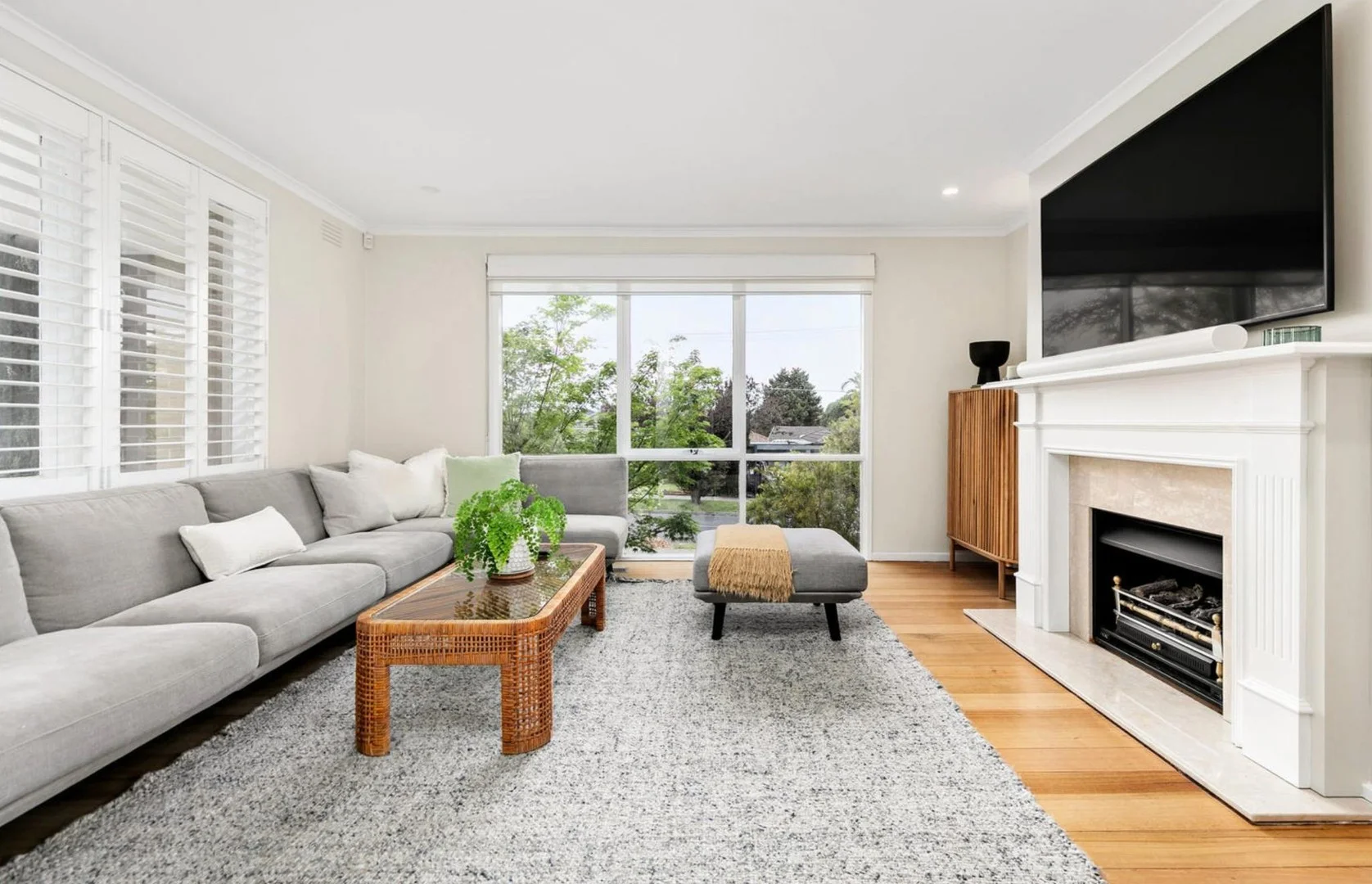 $750
House
$750
House
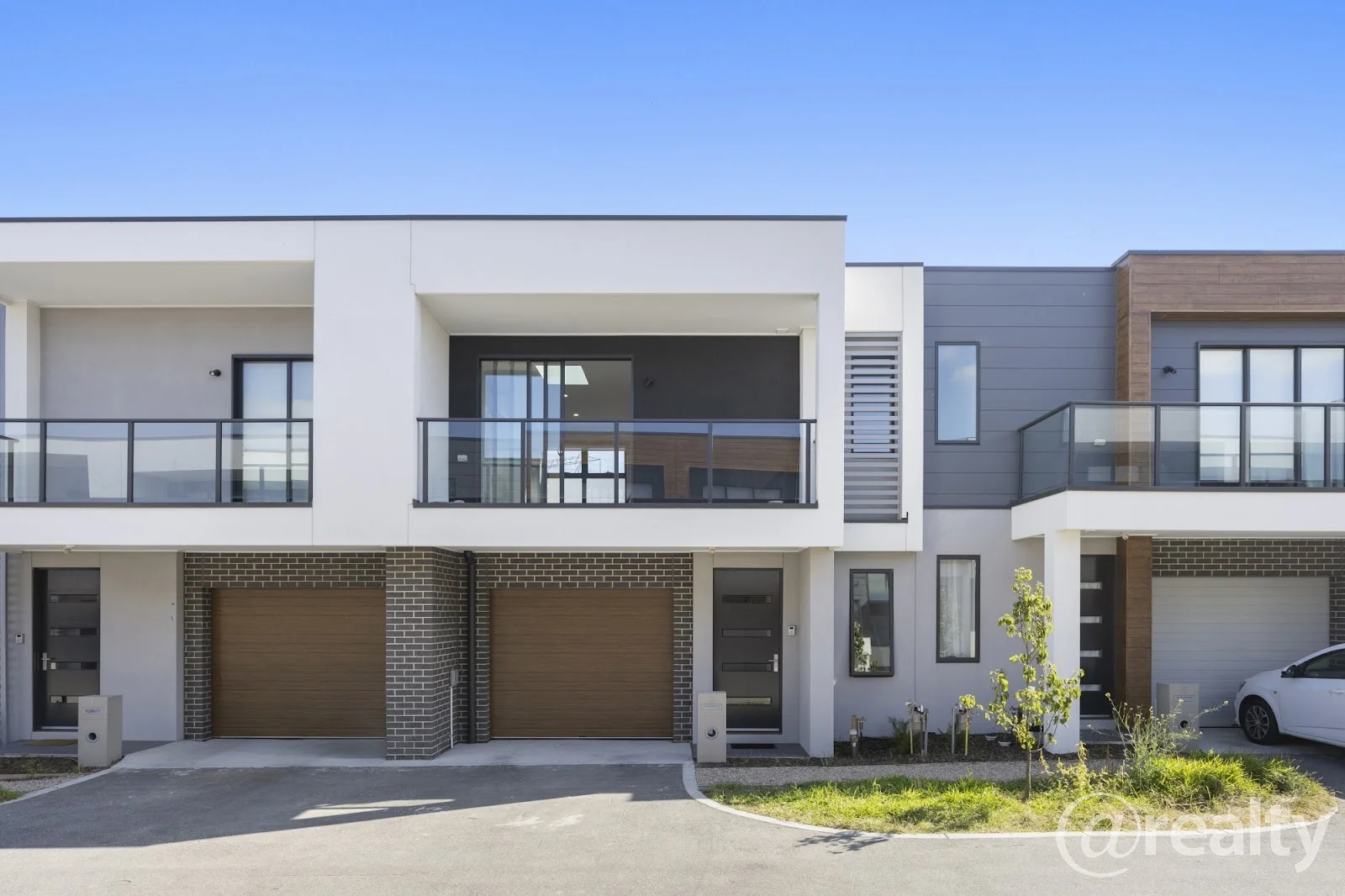 $510
Townhouse
$510
Townhouse
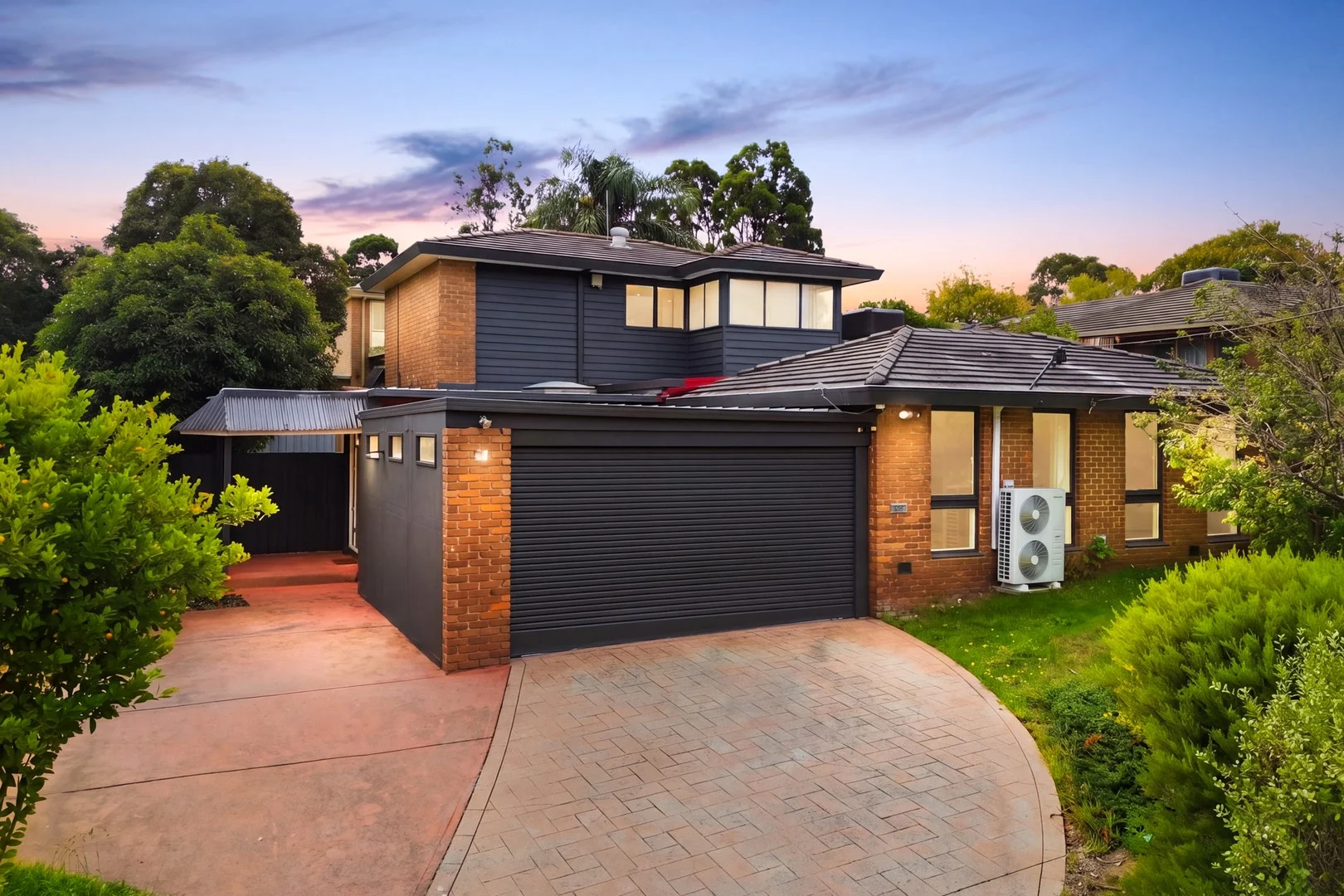 $1,220,000 - $1,320,000
House
$1,220,000 - $1,320,000
House
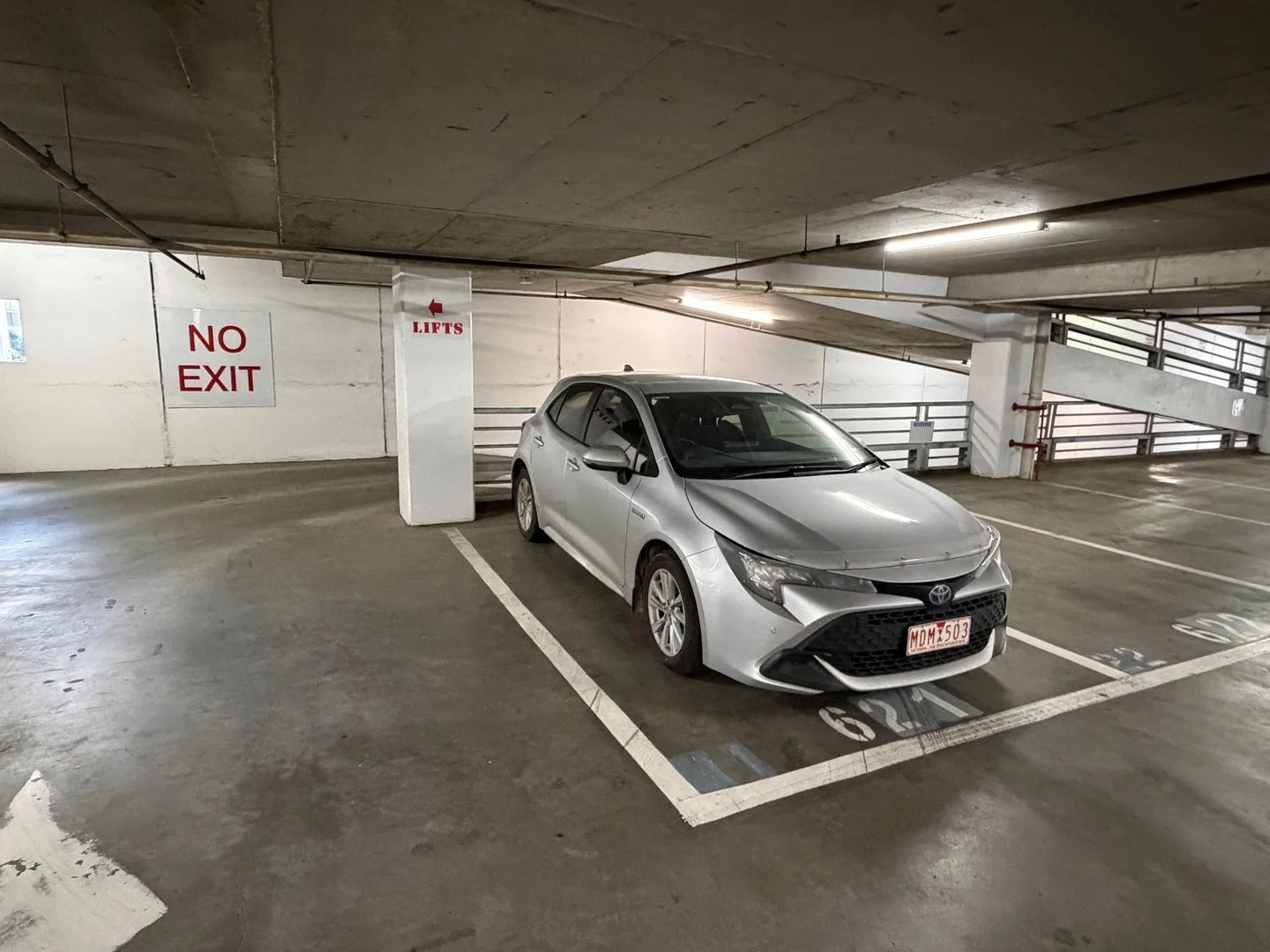 $27,500
propertyType.CAR SPACE
$27,500
propertyType.CAR SPACE