# Overview
Karrinyup Primary School is a public, co-educational primary school serving students from Pre-Primary to Year 6. The school tends to be small-to-medium in size, with class groups that typically sit around 20–25 students. The overall atmosphere is inclusive and community-focused, balancing a solid academic program with strong pastoral care to support each child’s well-being and development.
Class size and culture
- School type: public
- Size: small-to-medium
- Class size: approximately 20–25 students per class
- Atmosphere: nurturing, inclusive, community-driven with a focus on academic growth and wellbeing
# Academics & Learning
Karrinyup Primary typically emphasises strong foundational skills in literacy and numeracy while providing opportunities in STEAM and digital literacy. The school aims to develop confident communicators, critical thinkers, and collaborative learners through a range of learning experiences and enrichment options.
Key elements
- Academic strengths: literacy and numeracy fluency, literacy-focused programs, and engaging STEM/STEAM activities
- Special programs: enrichment opportunities and support for gifted and talented learners, along with targeted learning supports as needed
- NAPLAN / trends: WA public primary schools have shown steady improvement trends in reading and numeracy over recent years; Karrinyup Primary participates in these assessments as part of monitoring progress
- Student-teacher ratios: typically around 1:20 to 1:25, varying by year level and class
- Support for diverse learners: EAL (English as an Additional Language) support and SEN (special education needs) resources to assist students who require extra help
# Sports & Extracurricular Strengths
Extracurricular activities at Karrinyup Primary include a broad range of sports, arts, and clubs that appeal to families looking for well-rounded development for students aged 10–14 and younger.
Sports and activities
- Sports offered: athletics, basketball, soccer, netball, cricket, and swimming programs; additional team sports and physical education activities are common
- Teams/achievements: the school participates in interschool events and district-level competitions, with opportunities for students to contribute to team success
- Music, arts, drama: school-based music programs and occasional drama/performing arts events; opportunities to participate in ensembles or school productions
- Clubs: robotics, coding, chess, debating, and other interest clubs are typically available
- Partnerships: collaborations with local clubs, community organizations, and competitions to broaden students’ experiences
# Wellbeing & Pastoral Care
Wellbeing is a central focus, with policies and practices designed to foster a safe, respectful environment where students feel supported.
Wellbeing features
- Anti-bullying approach: whole-school policies and practices that promote respect, empathy, and peer support
- House system: a house-based framework for fostering school spirit, team events, and leadership opportunities
- Counsellors / wellbeing officers: access to a school counsellor or wellbeing staff to support social-emotional learning
- Transition support: orientation activities, buddy systems, and targeted transition support for new students entering the school
# Facilities
Facilities play a key role in enabling a varied school program. The school’s spaces are designed to be functional and engaging for students.
- Sports grounds: outdoor play and sports spaces for PE and games
- Libraries: a dedicated library with lending and reading initiatives
- Science labs: practical science learning areas to support inquiry and experimentation
- Music/performing arts centers: spaces for music classes, rehearsals, and performances
- Tech/innovation labs: classrooms or spaces dedicated to digital learning and project-based activities
- Cafeteria: on-site food services or canteen facilities
- Updated playgrounds: well-maintained play areas and outdoor equipment
# School Values & Community Culture
Karrinyup Primary aims to cultivate responsible, respectful learners who contribute positively to the school and wider community.
- School values / mission: emphasis on respect, responsibility, integrity, and compassion (typical core values for WA public primary schools)
- Leadership style: distributed leadership with opportunities for student voice and involvement in school activities; collaboration among staff, parents, and students
- Behaviour expectations: clear code of conduct promoting safe, respectful behavior and positive relationships
- Community reputation: generally strong ties with families and local communities, reflecting year-on-year engagement and involvement
- Diversity & inclusion: inclusive environment with attention to celebrating differences and supporting all learners
# School Logistics & Daily Operations
Practical information to help families plan and participate in school life.
- School hours: typical school day starts in the morning and finishes in mid-afternoon; exact times are published by the school each year
- Before/after school care: OSHC or other after-school care options are typically available
- Uniform requirements: school uniform is standard; details are provided by the school
- Transport: local public transport options and bus routes are available; proximity to family-friendly routes
- Canteen availability: on-site canteen or lunch facilities are available
- Fees (range): public primary schools in WA do not charge tuition; there are voluntary contributions and optional fees for certain activities; overall costs are generally low to moderate
# Enrolment & Admissions
11. What is the enrolment process and timeline?
- Check catchment eligibility and school availability for your address
- Submit an application through the local education authority or school portal, including required documents (birth certificate, immunisation record, proof of address, previous school report if applicable)
- School may provide orientation or information sessions; notification of enrolment outcomes is communicated by the school within the prescribed timeline
- Timeline expectations: applications for the upcoming year are typically processed in the latter part of the current year, with offers or placements communicated before the start of the school year
12. Is there a waiting list, and how does it work?
- If spaces are not available at the time of application, your child may be placed on a waiting list
- Priority generally goes to students within the catchment; out-of-catchment placements may occur if spaces exist
- The school will advise on expected wait times and any steps you can take while waiting
13. Are there any entry requirements, tests, or interviews?
- Primary school enrolment typically does not require entrance tests or interviews
- Some programs or year-level placements may involve informational meetings or discussions with parents to determine readiness and support needs
- Immunisation and health information are typically required as part of the enrolment process
14. Does the school accept mid-year transfers?
- Mid-year transfers are possible if space is available
- Transfer requires submission of enrolment documents and transfer of student records from previous school
- The school will provide transition support and orientation to help new students settle in
# Frequently Ask Questions
- Why Parents Choose This School?
- A close-knit, supportive community with a focus on literacy and numeracy, strong pastoral care, and opportunities for involvement in both academic and extra-curricular activities.
- What type of student thrives at this school?
- Students who respond well to a balanced approach to learning, value a caring school culture, and enjoy participating in a broad range of activities from academics to sports and arts.
- What opportunities are available for students to extend their skills (academics, sports, arts)?
- Enrichment programs, coding/robotics clubs, chess, debating, arts performances, music programs, sport teams, and interschool competitions.
- How does the school communicate with parents?
- Regular updates via newsletters, emails, school app or portal, parent meetings, and timely responses from teachers and administration.
- What is the school’s approach to teaching and learning?
- Student-centered, evidence-informed practices with a focus on literacy and numeracy foundations, inquiry-based learning, and differentiated support to meet individual needs.
- How does the school support students who need extra academic help?
- Targeted literacy/numeracy supports, EAL/SEN assistance, small-group or one-on-one interventions, and ongoing progress monitoring.
- What support is available for academic challenges?
- Early intervention programs and access to wellbeing staff, with collaboration between teachers, specialists, and families to set goals.
- How does the school communicate with parents? (Duplicate Question)
- See above: newsletters, portals, meetings, and direct contact with teachers.
- What are the class sizes and how much individual attention do students receive?
- Class sizes are typically around 20–25 students; teachers provide regular instructional feedback and targeted support within the classroom, with additional support as needed.
- What extracurricular and sports opportunities are available?
- A range of sports (athletics, basketball, soccer, netball, cricket, swimming), music and arts programs, and clubs such as robotics, coding, chess, and debating.
- What facilities does the school offer (sports, science, arts)?
- Sports grounds, library, science laboratories, music/performing arts facilities, tech/innovation labs, canteen, and updated playgrounds.
- What is the school’s approach to technology and digital learning?
- Integration of digital literacy into the curriculum, with access to devices and age-appropriate software to support learning and creativity.
- What transport and accessibility options are available?
- Local transport routes and options for families; accessibility considerations are managed to support all students.
- What are the typical school fees or additional costs?
- Public primary schools in WA do not charge tuition; there are voluntary contributions and optional fees for activities. Costs are generally moderate and transparent.
# Short Pros & Cons list
- Pros
- Public, community-focused environment with inclusive culture
- Strong emphasis on literacy and numeracy foundations
- Broad range of extracurricular activities and clubs
- Supportive wellbeing and pastoral care
- Active involvement with families and local community
- Cons
- As a public primary, access to some specialized programs may depend on year level and space
- Class sizes, while typical, can vary year to year and may be larger in high-demand intake years
- Availability of certain programs or facilities can depend on funding and scheduling in any given year
If you’d like, I can tailor these sections with more specific details or language once you provide any updated or verified information from the school.










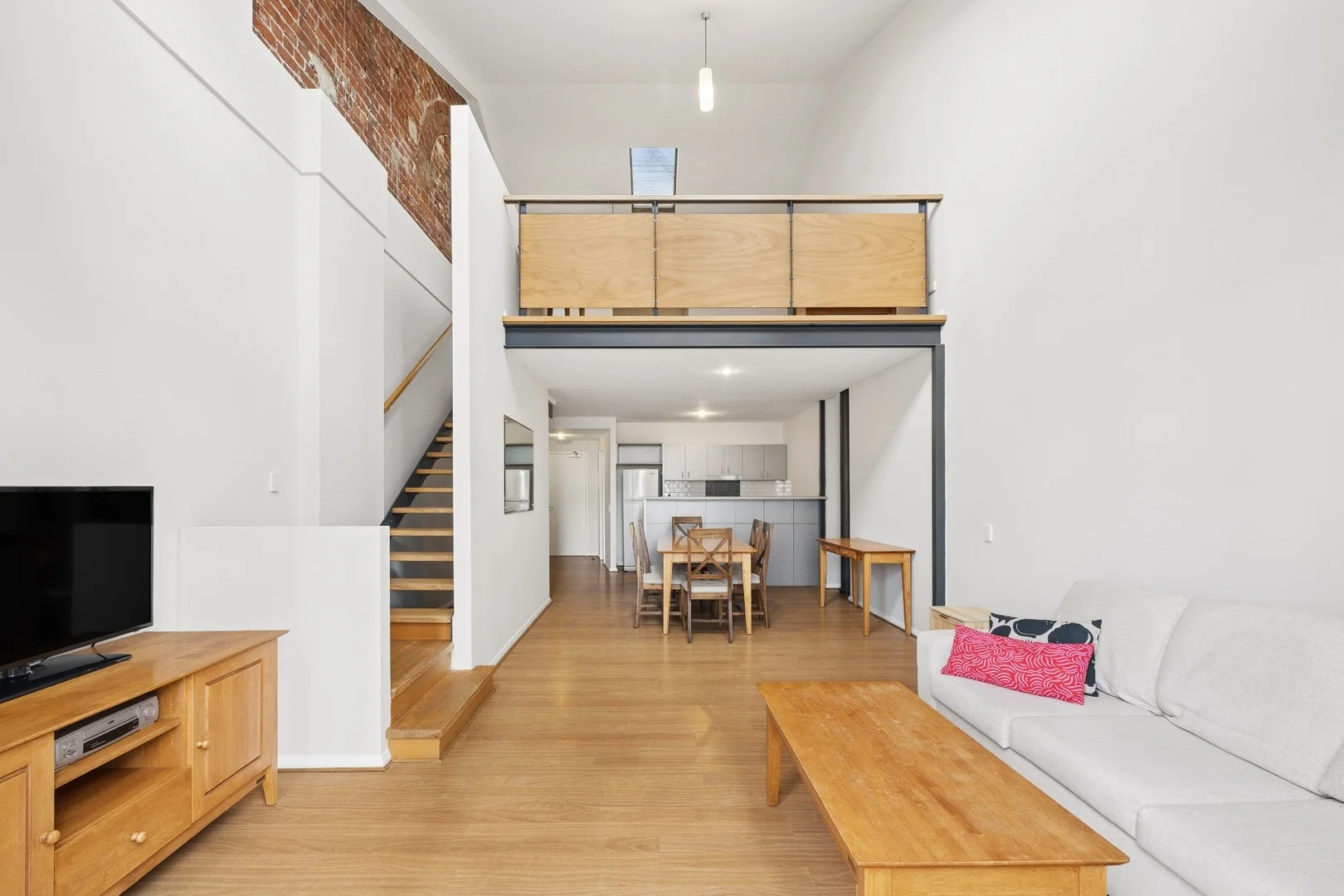 $549,000
Apartment / Unit / Flat
$549,000
Apartment / Unit / Flat
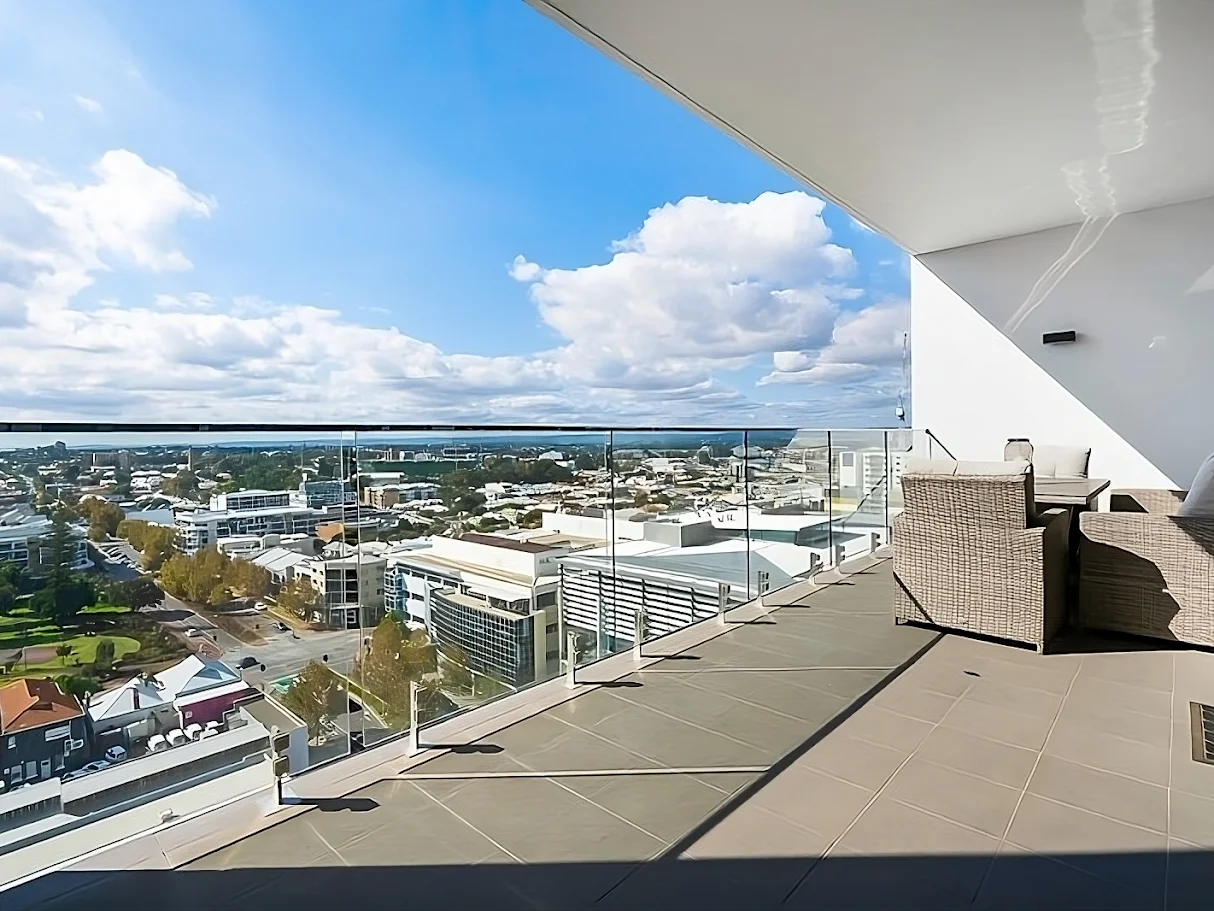 $580,000
Apartment / Unit / Flat
$580,000
Apartment / Unit / Flat
 $700,000
Apartment / Unit / Flat
$700,000
Apartment / Unit / Flat