1. Overview
Christ the King School Warradale is a Catholic, co-educational primary school that sits within the South Australian Catholic Education system. As a small-to-medium sized school, it aims to foster a warm, family-like atmosphere where faith-informed learning sits alongside strong academic and social development. Class sizes are typically in the 20s, allowing for regular teacher support and personalised learning within a nurturing environment.
The school emphasises values-based education, community involvement, and inclusive practices that welcome families from diverse backgrounds. Students are encouraged to act with compassion, integrity and respect, contributing positively to the school and broader community. ⸻
2. Academics & Learning
- Academic strengths: Emphasis on literacy and numeracy foundations, with opportunities to develop in STEM, English, and the Arts within a Catholic values framework.
- Special programs: Core curriculum aligned with SA standards; faith-informed learning and opportunities for enrichment in areas such as technology, arts, and versus-led leadership initiatives where available.
- NAPLAN / Ofsted trends: Public trend data for individual SA Catholic primary schools isn’t always published in a single source; families are encouraged to review the school’s annual report or Catholic Education SA resources for progress over time and relative performance to state trends.
- Student-teacher ratios: Class sizes typically around 20–25 students; overall ratios in the low-to-mid teens depending on grade and support staffing.
- Support for diverse learners: Differentiated instruction, learning support staff, and access to EAL and SEN support where required to help students progress at their own pace.
⸻
3. Sports & Extracurricular Strengths
- Sports offered: Netball, basketball, football (soccer), cricket, athletics, and other school-based physical activities.
- Strong teams or achievements: Participation in regional and SAPSASA activities; opportunities for teams to compete and showcase talent across events.
- Music, arts, drama programs: School choirs, music groups and occasional drama performances to highlight creative learning.
- Clubs: Robotics, coding, chess and debating are commonly encouraged as part of enrichment opportunities.
- Partnerships: Local club partnerships and participation in regional competitions and events to extend learning beyond the classroom.
⸻
4. Wellbeing & Pastoral Care
- Anti-bullying approach: Proactive, values-based programs focused on respectful relationships, inclusion and student safety.
- House system: A house structure to foster belonging, teamwork and healthy competition.
- Counsellors / wellbeing officers: Access to school-based wellbeing staff to support student welfare and mental health.
- Transition support for new students: Orientation activities, buddy systems and targeted supports to ease entry and adjustment to school life.
⸻
5. Facilities
- Sports grounds: Outdoor spaces suitable for physical education and games.
- Libraries: Library resources to support reading and research.
- Science labs: Dedicated spaces for practical science activities.
- Music/performing arts centers: Facilities for music, singing and drama activities.
- Tech/innovation labs: Learning spaces for technology and coding activities.
- Cafeteria: On-site dining facilities or canteen for student meals and snacks.
- Updated playgrounds: Safe, modern play areas for break times and social interaction.
⸻
6. School Values & Community Culture
- School values / mission: Catholic ethos emphasising faith, service, respect, compassion and integrity.
- Leadership style: Collaborative and inclusive, with student voice encouraged through age-appropriate leadership roles and programs.
- Behaviour expectations: Clear expectations rooted in respect for self, others and the learning environment.
- Community reputation: Long-standing local presence with strong connections to families and parish community.
- Diversity & inclusion: Commitment to welcoming and supporting students from diverse backgrounds and abilities.
⸻
7. School Logistics & Daily Operations
- School hours: Typical start and finish times aligned with SA primary schedules; exact times vary by year level.
- Before/after school care: Availability of care options before and after school hours (where offered by the school or local providers).
- Uniform requirements: School uniform expected; details provided by the school’s uniform shop or policy.
- Transport (train/bus routes): Public transport accessibility and/or bus arrangements as available in the Warradale area.
- Canteen availability: Canteen or lunch program operating on select days.
- Fees (low/medium/high ranges): Fees aligned with other Catholic primary schools in SA; families should consult the current fee schedule for exact amounts and any additional costs.
⸻
8. Enrolment & Admissions
11. What is the enrolment process and timeline?
- Apply through the school’s enrolment process, typically with documentation such as proof of identity, birth certificates, immunisation records and proof of address. Timelines generally follow a yearly cycle with applications opening in advance of the next school year; exact dates vary by year.
12. Is there a waiting list, and how does it work?
- Waiting lists may apply when year cohorts exceed available places. Your place on the list is usually dependent on the enrolment policy, with priority given to siblings or parish/orientation considerations as defined by the school and diocese. Check with the school for current waitlist procedures and timelines.
13. Are there any entry requirements, tests, or interviews?
- Entry procedures commonly include completion of forms, verification of eligibility, and meeting coordinated enrolment criteria. Some Catholic primary schools may conduct informal discussions or meetings with the principal or enrolment coordinator; formal testing is not typically required for standard primary intake, but requirements can vary by year and policy.
14. Does the school accept mid-year transfers?
- Mid-year transfers are sometimes possible subject to available空间 and places, with processes coordinated through the enrolment team to ensure a smooth transition for the student and family.
⸻
9. Frequently Asked Questions
- Why Parents Choose This School?
- A Catholic, values-based education in a supportive, inclusive environment with emphasis on community and faith-based learning.
- What type of student thrives at this school?
- Students who respond well to a nurturing, faith-informed setting, value strong relationships with teachers, and participate in a variety of academic, sporting and cultural activities.
- What opportunities are available for students to extend their skills (academics, sports, arts)?
- Enrichment in literacy/numeracy, STEM and music/arts programs; sports participation through school teams and SAPSASA; clubs such as robotics, coding, chess and debating as available.
- How does the school communicate with parents?
- Regular updates via newsletters, digital learning platforms, parent meetings and parent-teacher communications; information shared through the school office and front desk as well.
- What is the school’s approach to teaching and learning?
- A holistic, values-driven approach aligned with SA curricula; emphasis on engaging teaching methods, differentiation and supportive learning environments.
- How does the school support students who need extra academic help?
- Differentiated instruction, targeted learning support, and access to EAL/SEN resources where available.
- What support is available for academic challenges?
- On-site wellbeing and learning support staff; personalised interventions and progress monitoring.
- How does the school communicate with parents? (Repeated)
- See above: regular updates, meetings, digital platforms, and direct contact with teachers or the school administration.
- What are the class sizes and how much individual attention do students receive?
- Typical class sizes around 20–25 students, with regular opportunities for individual or small-group teacher attention within the classroom.
- What extracurricular and sports opportunities are available?
- Netball, basketball, soccer, cricket, athletics; music/arts; clubs like robotics, coding, chess, debating; SAPSASA participation.
- What facilities does the school offer (sports, science, arts)?
- Sports grounds, library, science labs, music/performing arts facilities, tech/innovation spaces, canteen, and equipped outdoor play areas.
- What is the school’s approach to technology and digital learning?
- Integrated digital learning within the curriculum and appropriate use of technology to support engagement and literacy/numeracy development.
- What transport and accessibility options are available?
- Public transport access and school-provided or partner transport options where available; details dependent on local routes.
- What are the typical school fees or additional costs?
- Fees align with other Catholic primary schools in the area; exact amounts and any extra costs should be confirmed in the current fee schedule.
⸻
10. Short Pros & Cons list
Pros
- Catholic, values-based education with a nurturing, inclusive culture
- Small-to-medium school environment supports personalised attention
- Strong emphasis on literacy, numeracy and holistic development
- Broad extracurricular offering including sports, arts, and clubs
- Active focus on wellbeing, student support and transition for new students
Cons
- As a smaller school, program breadth can vary by year and may depend on staff availability
- Fees are in line with local Catholic primary schools; families compare costs with other local options
- Enrolment numbers and waitlists can fluctuate year to year; mid-year transfers depend on space
⸻









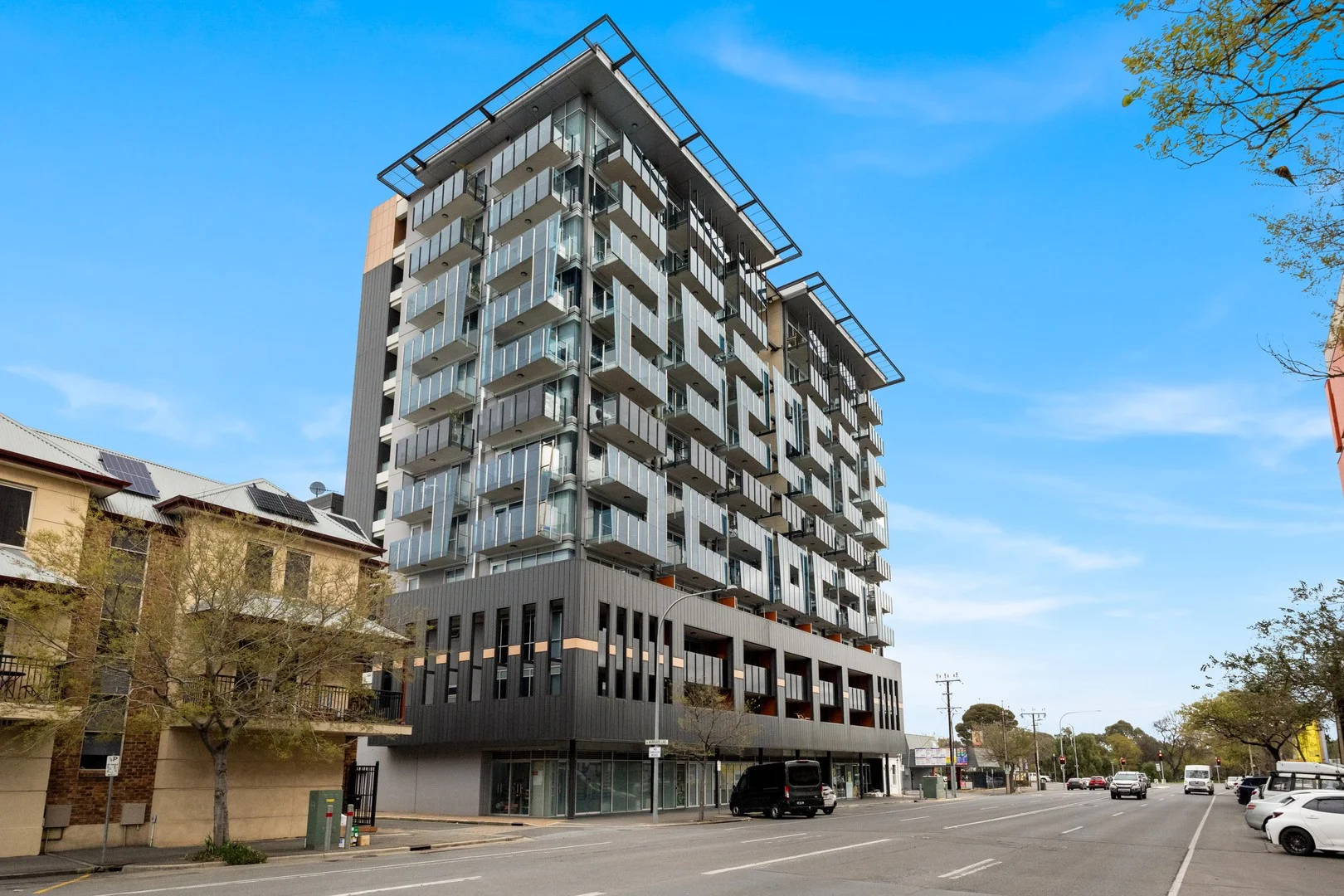 $1,100,000
Apartment / Unit / Flat
$1,100,000
Apartment / Unit / Flat
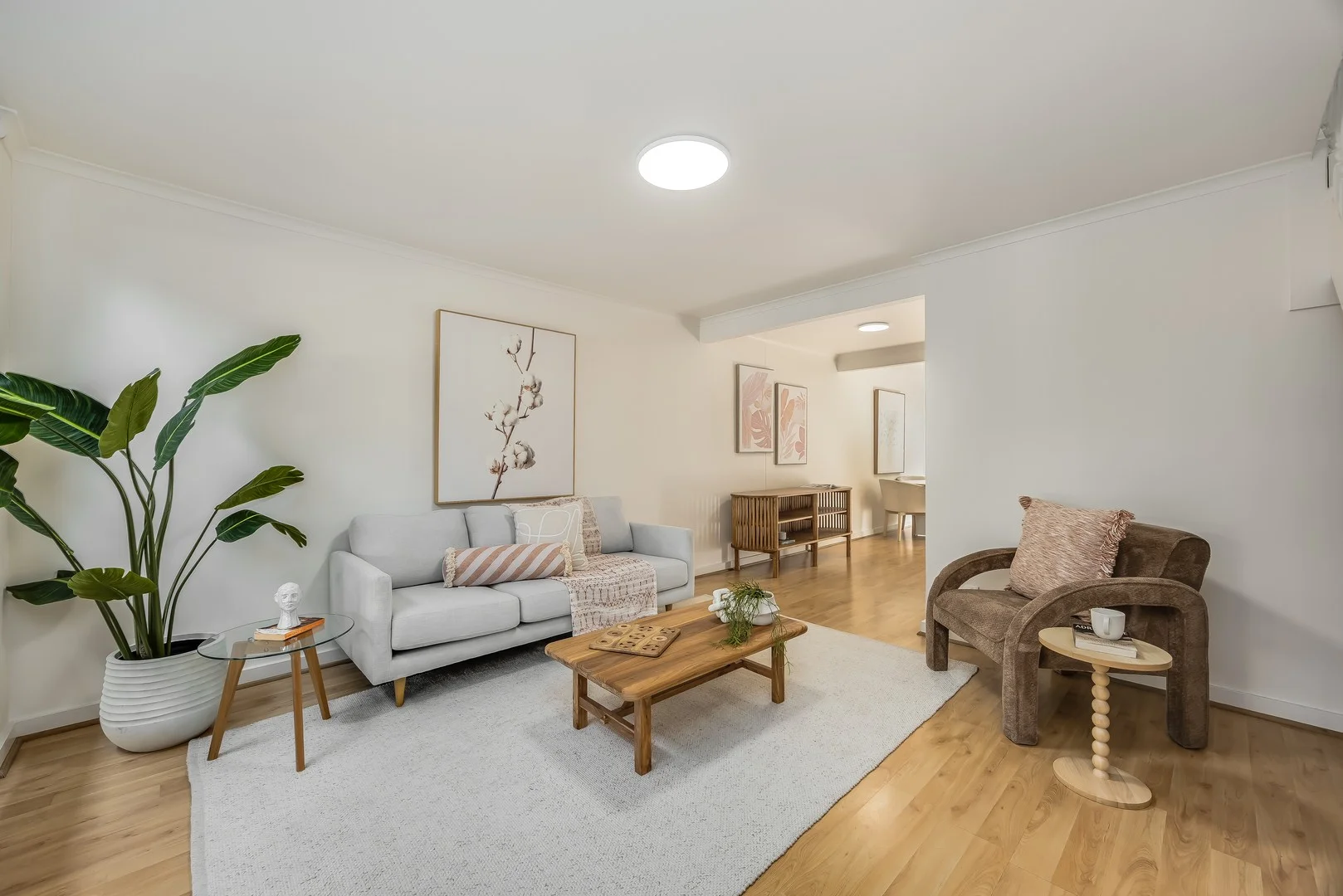 $775,000
House
$775,000
House
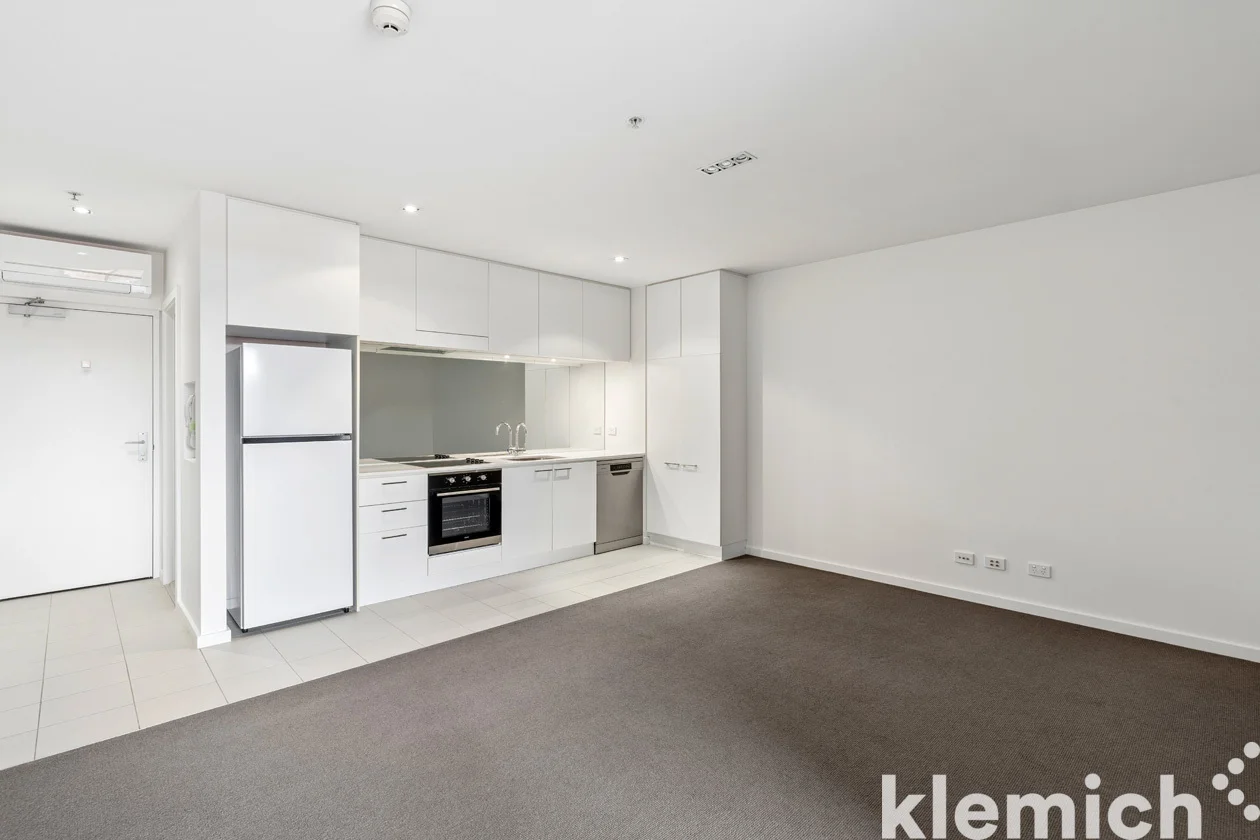 $440,000
Apartment / Unit / Flat
$440,000
Apartment / Unit / Flat
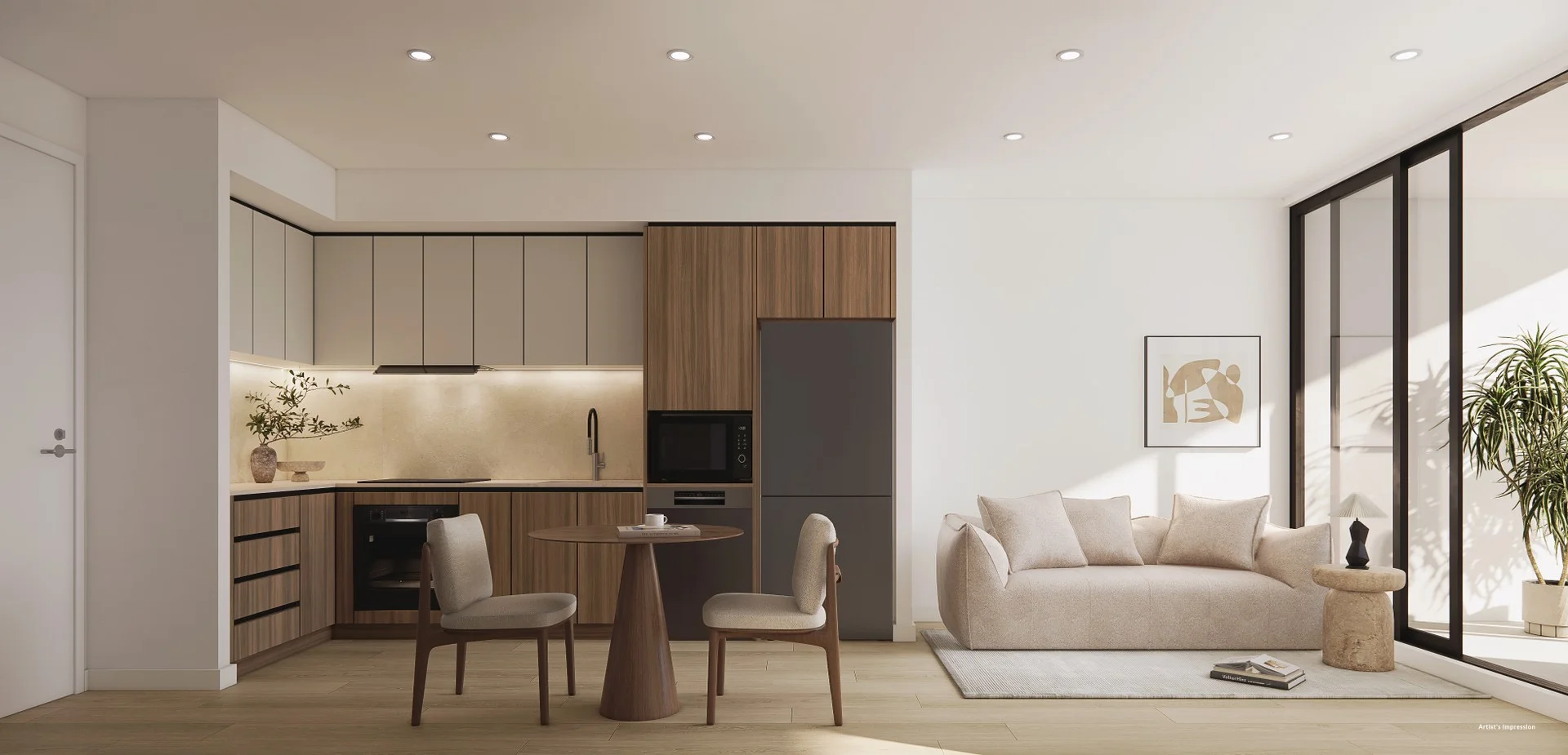 $588,000
Apartment / Unit / Flat
$588,000
Apartment / Unit / Flat
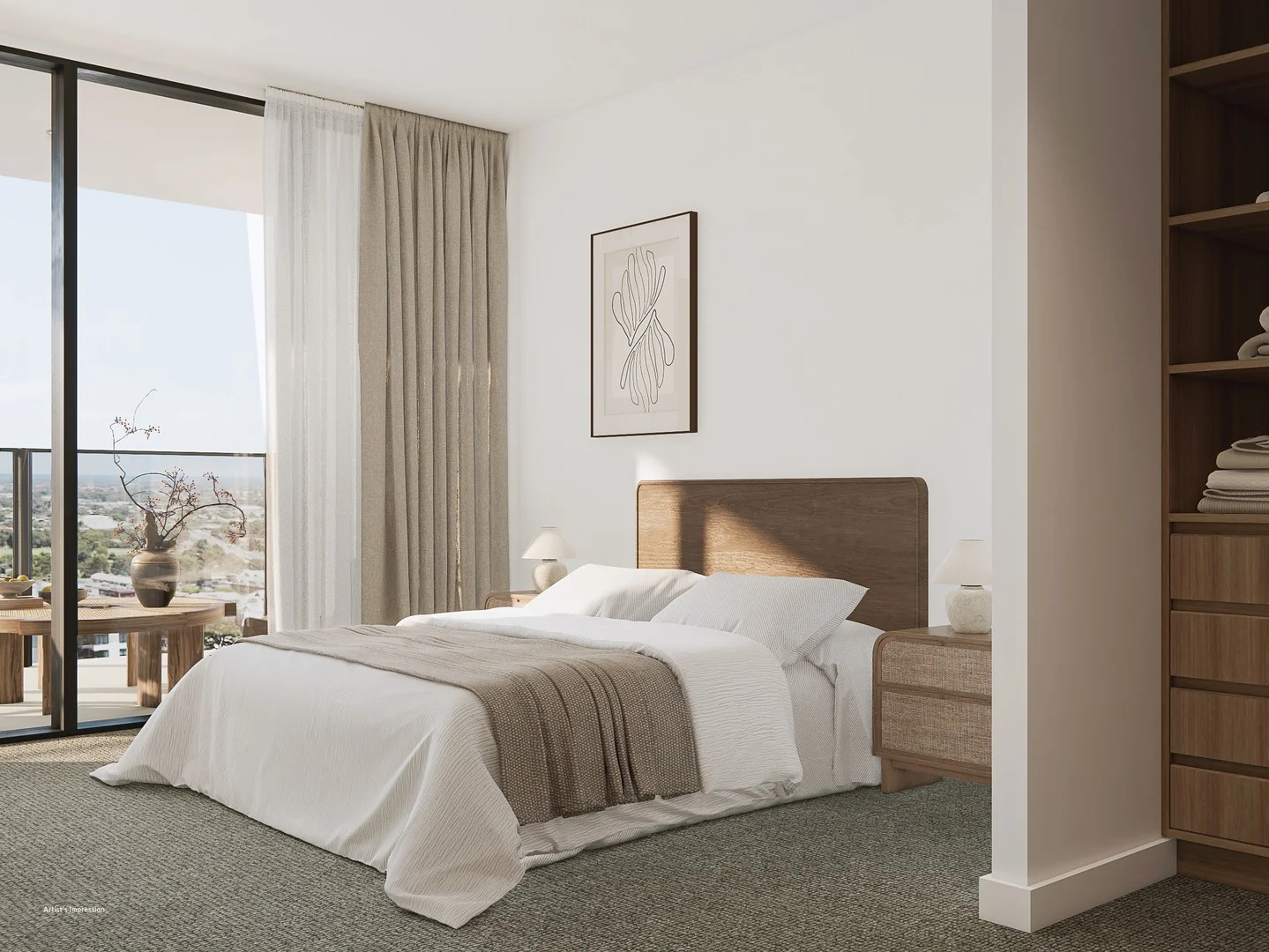 $935,000
Apartment / Unit / Flat
$935,000
Apartment / Unit / Flat
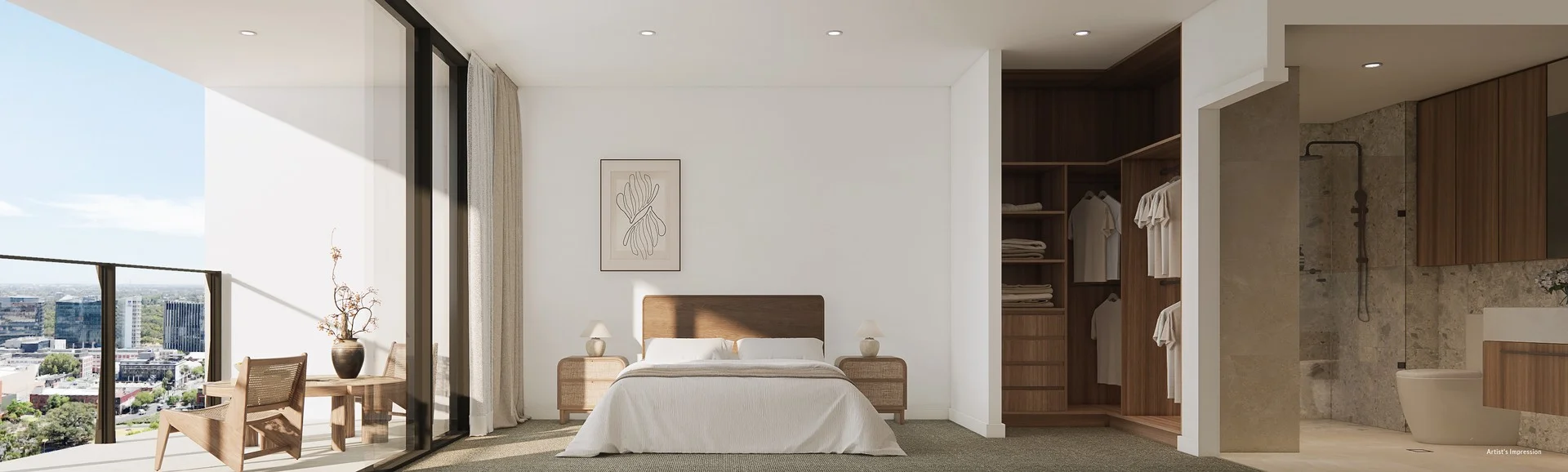 $1,056,000
Apartment / Unit / Flat
$1,056,000
Apartment / Unit / Flat
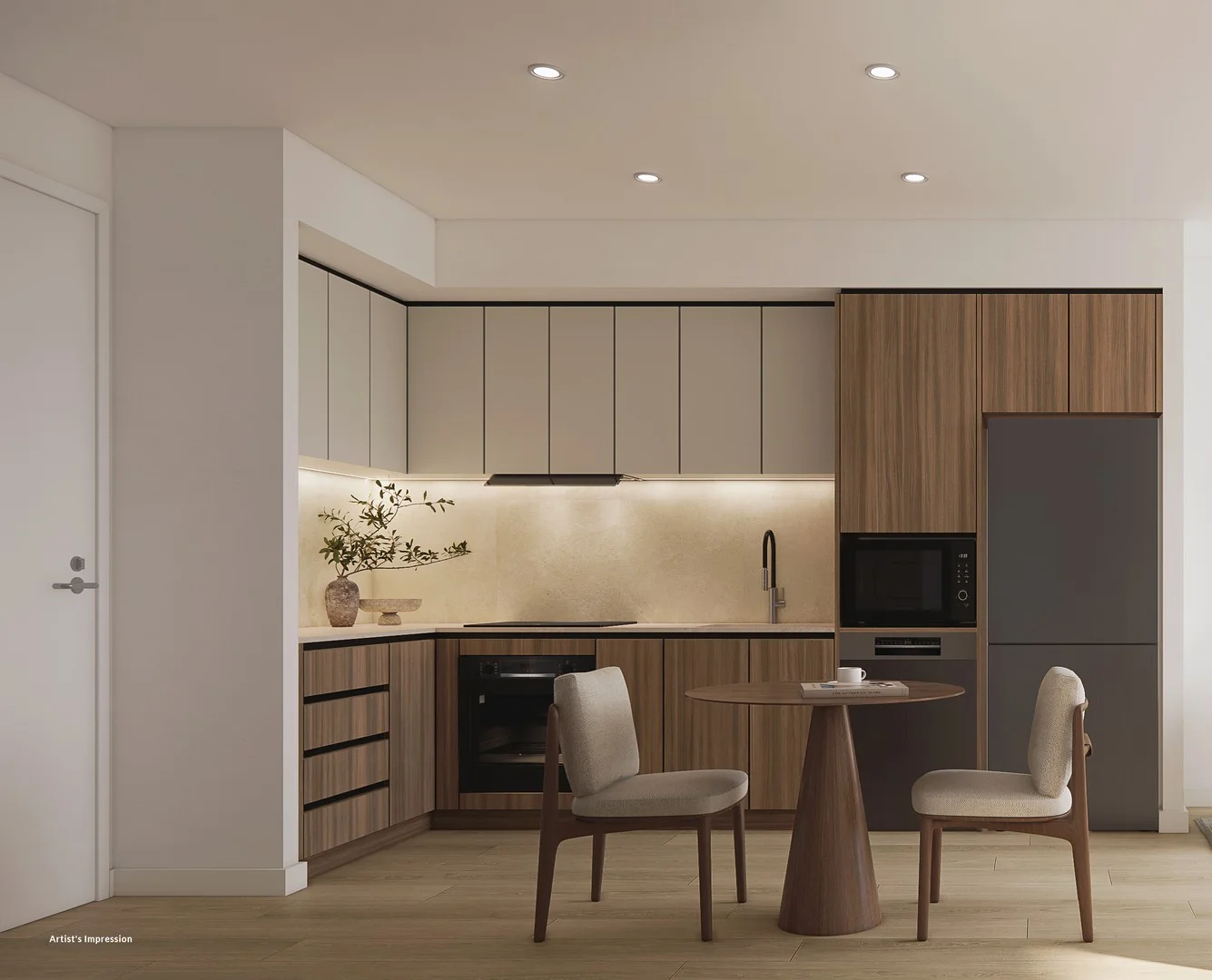 $557,000
Apartment / Unit / Flat
$557,000
Apartment / Unit / Flat
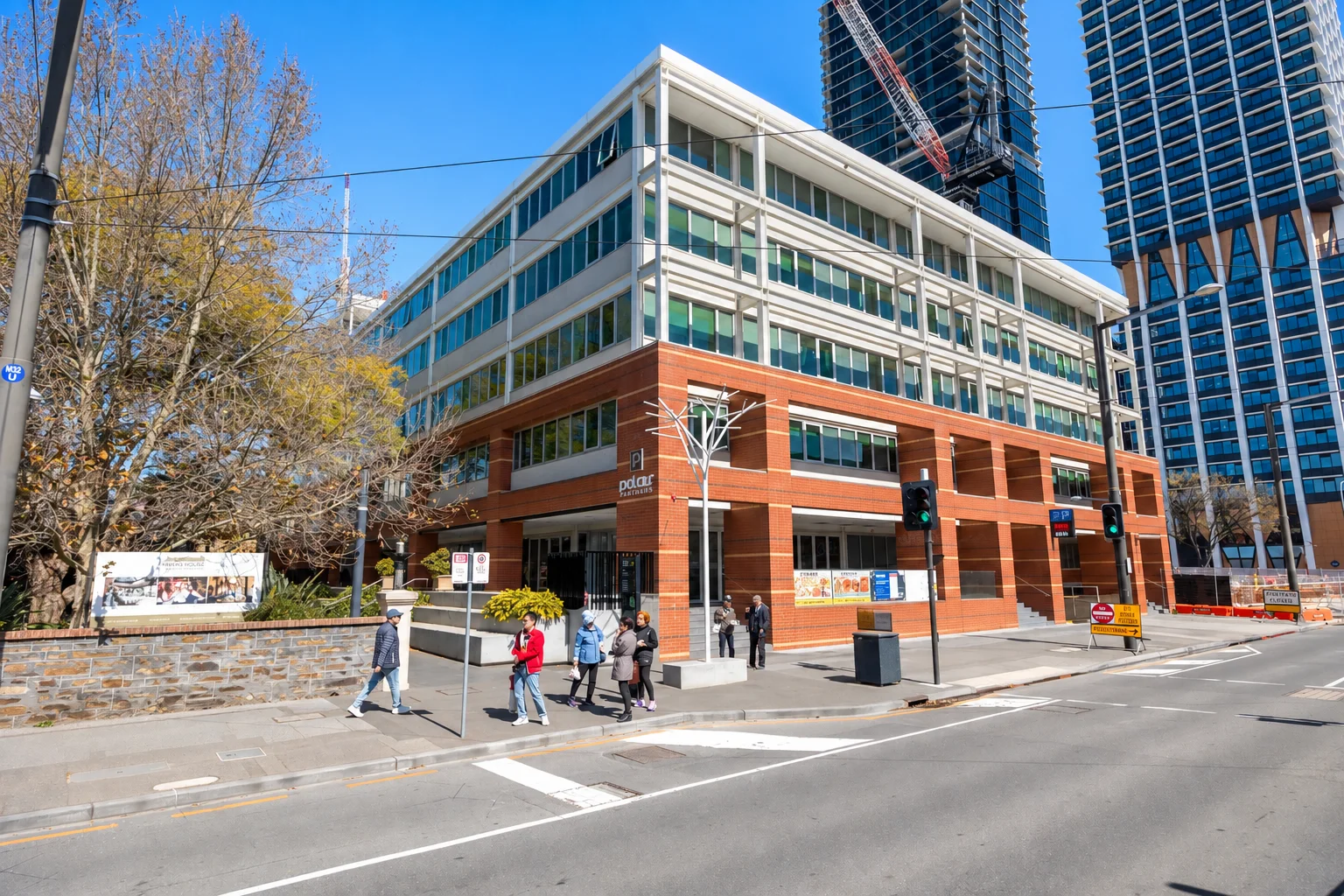 $545,000
Apartment / Unit / Flat
$545,000
Apartment / Unit / Flat


