1. Overview
Paringa Park Primary School is a public primary school serving students from Reception to Year 7 in North Brighton, South Australia. The school community emphasizes a balanced approach to learning that supports the whole child, with a culture built on care, collaboration and achievement. It is a medium-sized school with class sizes typically in the low-to-mid 20s, reflecting a friendly, neighbourhood feel.
The atmosphere is inclusive and supportive, focused on academic growth, wellbeing and active community participation. Students are encouraged to contribute, try new things and develop resilience through a range of learning experiences and school activities.
⸻
2. Academics & Learning
- Academic strengths: Strong emphasis on literacy and numeracy, with opportunities to build digital literacy and creative thinking through integrated learning experiences. The school supports a well-rounded curriculum that includes the arts and physical education.
- Special programs: Differentiated learning and extension opportunities are provided to challenge capable students; inclusive practices are in place to support diverse learners. The school follows the state curriculum and offers enrichment activities within regular programs.
- NAPLAN trends: Public school data show steady performance patterns with ongoing focus on progress in reading, writing and numeracy. Check the latest annual school reports for the most current trend details.
- Student-teacher ratios: Class sizes generally fall in the low-to-mid 20s, with teacher-to-student ratios aligned to standard public primary settings to support individual attention and small-group instruction.
- Support for diverse learners: Strong support for EAL (English as an Additional Language) and SEN (Special Educational Needs) learners, including differentiated instruction, targeted support and access to school-based wellbeing resources.
⸻
3. Sports & Extracurricular Strengths
- Sports offered: Athletics, cricket, soccer, netball, swimming and other school-based sport activities are commonly available, with opportunities to participate in inter-school events and carnivals.
- Strong teams or achievements: The school participates in local inter-school sports programs and community competitions, with emphasis on participation, teamwork and personal bests.
- Music, arts, drama programs: Active involvement in music and performing arts, with opportunities to participate in school ensembles, choirs and drama activities.
- Clubs: Robotics, coding, chess, debating and other interest-based clubs are offered to provide hands-on learning and constructive after-school engagement.
- Partnerships: Connections with local community clubs, clubs and competitions to broaden experiences beyond the classroom and support students’ interests in sport, STEM and the arts.
⸻
4. Wellbeing & Pastoral Care
- Anti-bullying approach: Whole-school wellbeing framework and clear anti-bullying policies, with proactive strategies to promote respect, safety and positive relationships.
- House system: A house system fosters belonging, healthy competition and collaboration across year levels.
- Counsellors / wellbeing officers: Access to school wellbeing staff and counselling supports to assist students with social, emotional and learning needs.
- Transition support for new students: Introductory programs, buddy systems and orientation activities help new students settle into the school community smoothly.
⸻
5. Facilities
- Sports grounds: On-site spaces for physical education, athletics and outdoor activities.
- Libraries: A library that supports reading for pleasure and research within the curriculum.
- Science labs: Dedicated spaces for science activities and experiments.
- Music/performing arts centers: Resources to support music and drama performances and rehearsals.
- Tech/innovation labs: Technology-enabled learning spaces to support digital literacy and coding activities.
- Cafeteria: On-site canteen or lunch facilities that provide meals or snacks on available days.
- Updated playgrounds: Well-maintained outdoor play areas suitable for different age groups.
⸻
6. School Values & Community Culture
- School values / mission: A focus on respect, inclusion, curiosity and resilience, with an emphasis on developing responsible, engaged citizens.
- Leadership style: Distributed and collaborative leadership that involves staff, students and families in planning and decision-making where appropriate.
- Behaviour expectations: Clear codes of conduct and positive behaviour supports that promote safe, respectful conduct across the campus.
- Community reputation: Known as a friendly, family-oriented school with active parent involvement and a positive learning community.
- Diversity & inclusion: A welcoming culture that values diversity and provides inclusive practices to support students from diverse backgrounds.
⸻
7. School Logistics & Daily Operations
- School hours: Typical day starts in the morning and concludes in the afternoon, following the SA school timetable. Exact times may vary by year level and term.
- Before/after school care: After-school care and supervision arrangements are available or accessible through local providers; confirm specifics with the school.
- Uniform requirements: Public primary uniform policy common to the area; generally includes school colours and seasonal uniforms, with sun protection and appropriate footwear.
- Transport (train/bus routes): Local public transport options and bus routes serve the area; families often use a combination of bus, train and car travel for drop-offs and pickups.
- Canteen availability: Canteen services are typically available on specific days or terms; check school notices for current schedules.
- Fees (low/medium/high ranges): Public primary schooling involves minimal compulsory fees; families are expected to contribute through voluntary resources and approved levies as applicable, with costs varying by year and activity.
⸻
8. Enrolment & Admissions
11. What is the enrolment process and timeline?
- Enrolment generally involves submitting an application through the school or local education authority, providing required documents (e.g., birth certificate, immunisation records), and completing any school-specific steps. Timelines align with SA Department for Education calendars, with intake windows typically occurring before the start of the school year and occasional mid-year entry when spaces are available. Parents should contact the school early to confirm current timelines and required paperwork.
12. Is there a waiting list, and how does it work?
- Waiting lists can occur when a year level is at capacity or when admissions are subject to enrolment boundaries and prioritisation rules. Placement often considers factors such as sibling attendance, distance from the school, and availability of spaces. Contact the school for the latest status and waiting list processes.
13. Are there any entry requirements, tests, or interviews?
- Public primary entry generally does not require entrance exams or standardized tests. Some schools may conduct informal orientation activities or discussions to help with placement and transition; check with the school for any year-specific procedures.
14. Does the school accept mid-year transfers?
- Mid-year transfers are possible if spaces are available. Parents should contact the school promptly to discuss options and the required documentation, as well as any transitional supports that may be offered.
⸻
9. Frequently Asked Questions
- Why Parents Choose This School?
- A welcoming, inclusive community with a focus on literacy, numeracy and holistic development; opportunities in arts and sports; strong support for diverse learners and family involvement.
- What type of student thrives at this school?
- Students who enjoy collaboration, are curious, value effort and want a balanced program that includes academics, sport, arts and wellbeing.
- What opportunities are available for students to extend their skills (academics, sports, arts)?
- Extension and enrichment within the curriculum, clubs in STEM and coding, music and performing arts programs, plus inter-school sport and community partnerships.
- How does the school communicate with parents?
- Regular updates through newsletters, notices, parent-teacher interviews and digital platforms. Open lines of communication with teachers and school leadership.
- What is the school’s approach to teaching and learning?
- A student-centred, inclusive approach that differentiates instruction to meet diverse learning needs and integrates technology and real-world contexts.
- How does the school support students who need extra academic help?
- Targeted supports within class time, small-group instructions, literacy and numeracy interventions, and access to wellbeing staff.
- What support is available for academic challenges?
- Early identification, personalised learning plans, and ongoing monitoring with access to specialist staff as needed.
- How does the school communicate with parents? (Repeated)
- See above; ongoing, transparent communication via multiple channels.
- What are the class sizes and how much individual attention do students receive?
- Class sizes typically in the low-to-mid 20s, with opportunities for small-group and one-on-one instruction to support individual learning needs.
- What extracurricular and sports opportunities are available?
- A range of sports (e.g., athletics, cricket, soccer, netball, swimming), plus clubs in robotics, coding, chess and debating, and music/arts activities.
- What facilities does the school offer (sports, science, arts)?
- Sports grounds, library, science labs, music/performing arts spaces, tech/innovation labs, canteen, and updated playgrounds.
- What is the school’s approach to technology and digital learning?
- Integration of digital literacy and technology across the curriculum to support modern learning and critical thinking.
- What transport and accessibility options are available?
- Access to local public transport routes and car drop-off/pick-up options; flexible arrangements to support families.
- What are the typical school fees or additional costs?
- Public primary schools have low to moderate discretionary contributions; families should check the school’s current fee schedule and any required levies or charges.
⸻
10. Short Pros & Cons list
- Pros
- Inclusive, family-focused community
- Strong literacy and numeracy emphasis
- Support for diverse learners (EAL/SEN)
- Broad range of extracurriculars (sport, arts, clubs)
- Positive wellbeing and pastoral care framework
- Cons
- As a mid-sized public school, peak times can involve busy schedules and shared facilities
- Class sizes vary by year level; demand may affect individualized attention during high-enrollment periods
- Specific programs and facilities may evolve; check current offerings with the school to confirm up-to-date details
⸻









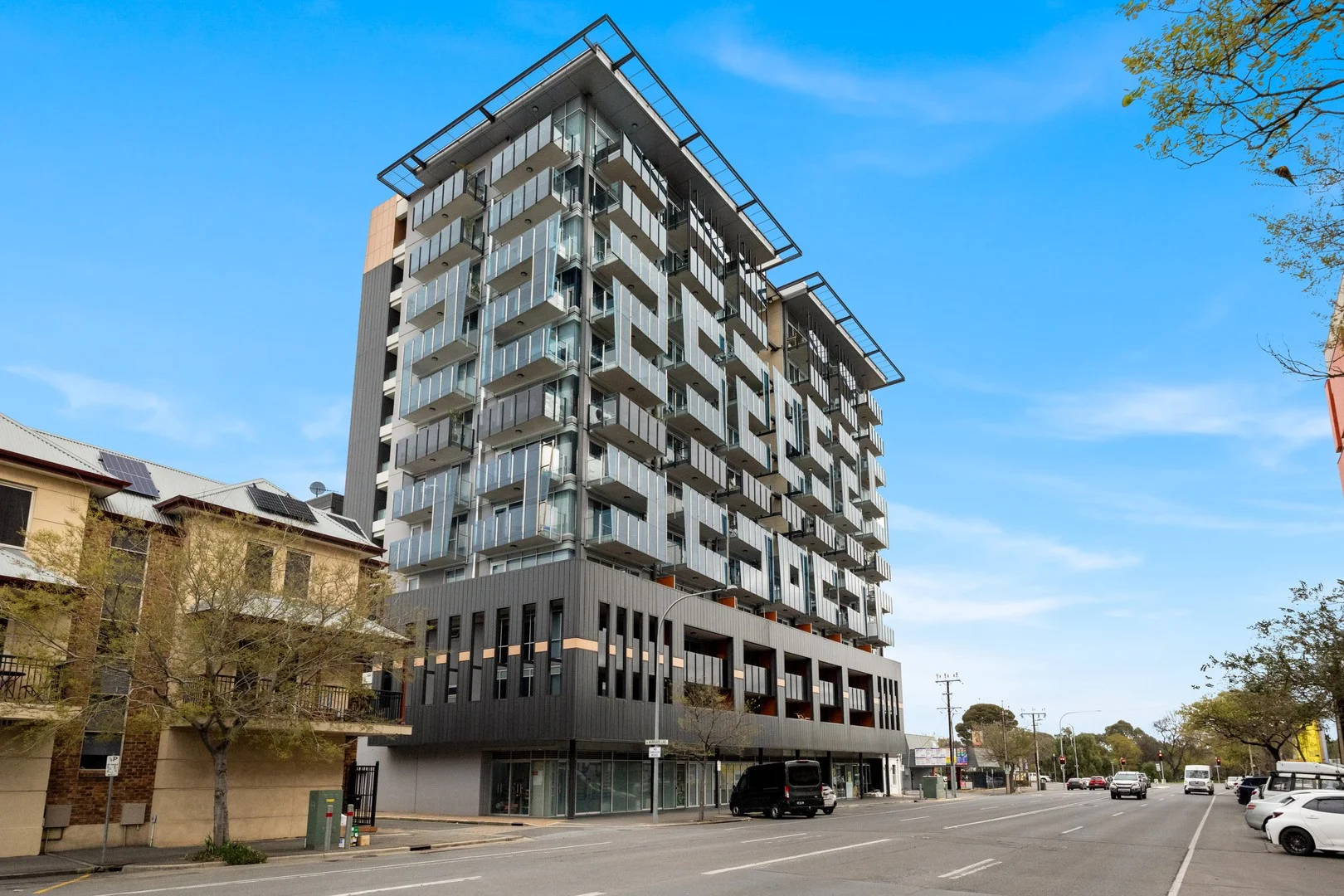 $1,100,000
Apartment / Unit / Flat
$1,100,000
Apartment / Unit / Flat
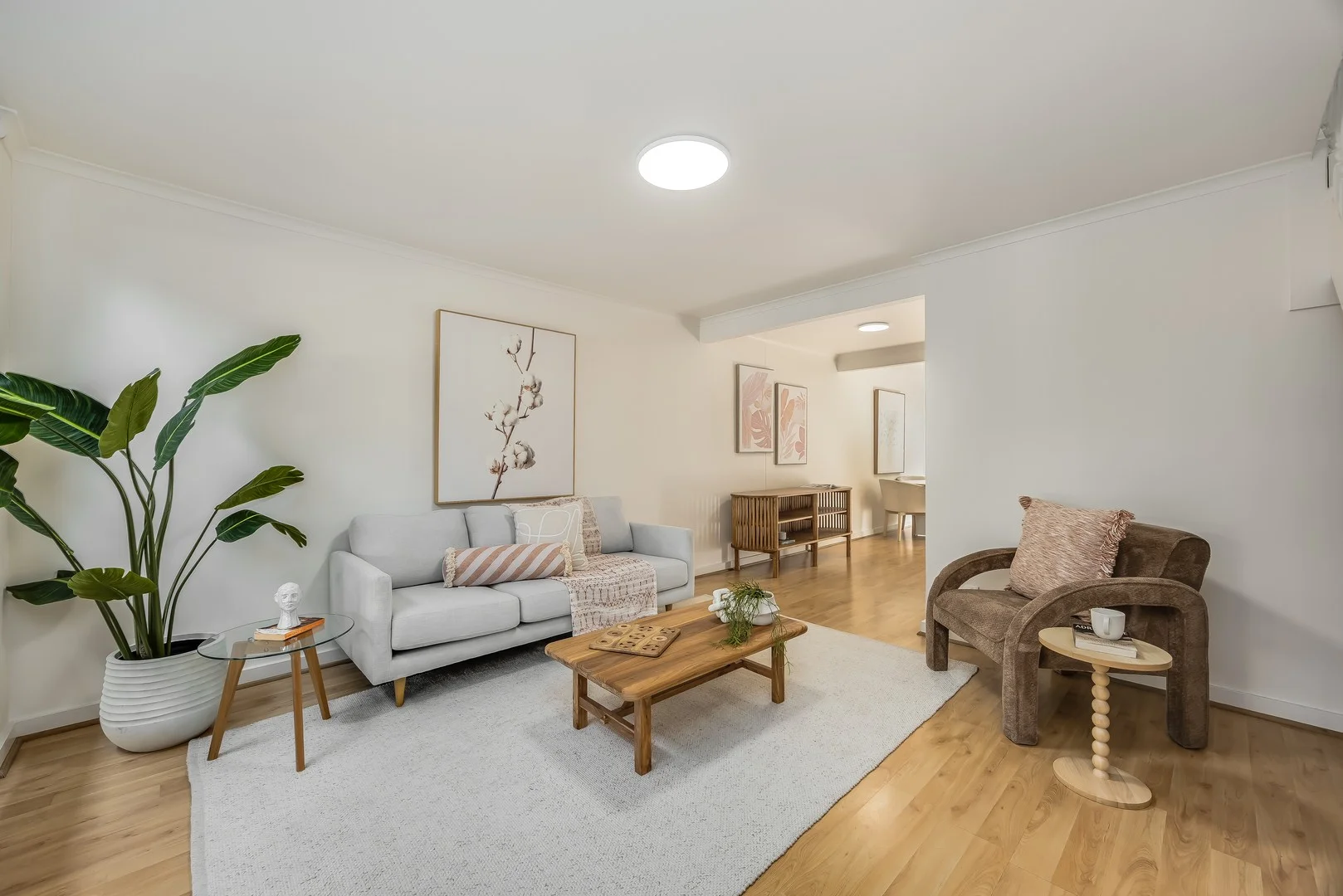 $775,000
House
$775,000
House
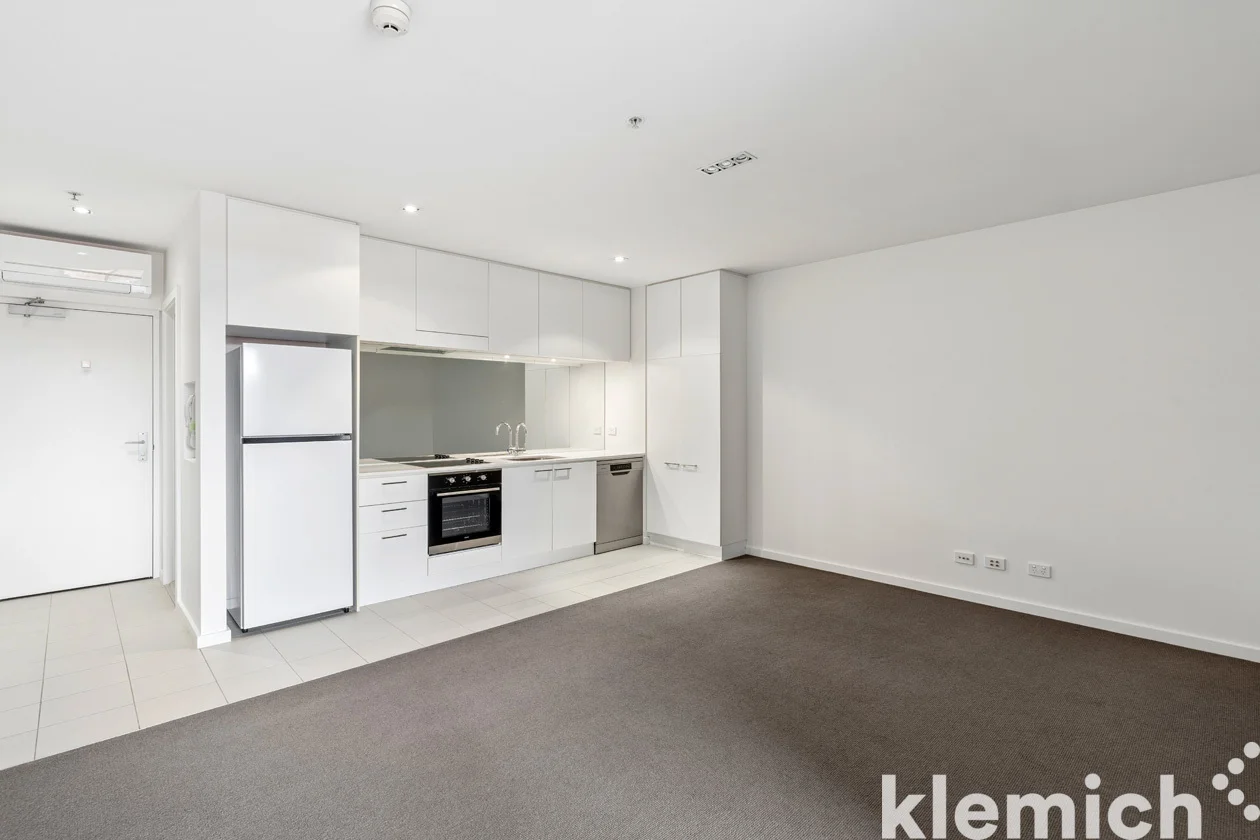 $440,000
Apartment / Unit / Flat
$440,000
Apartment / Unit / Flat
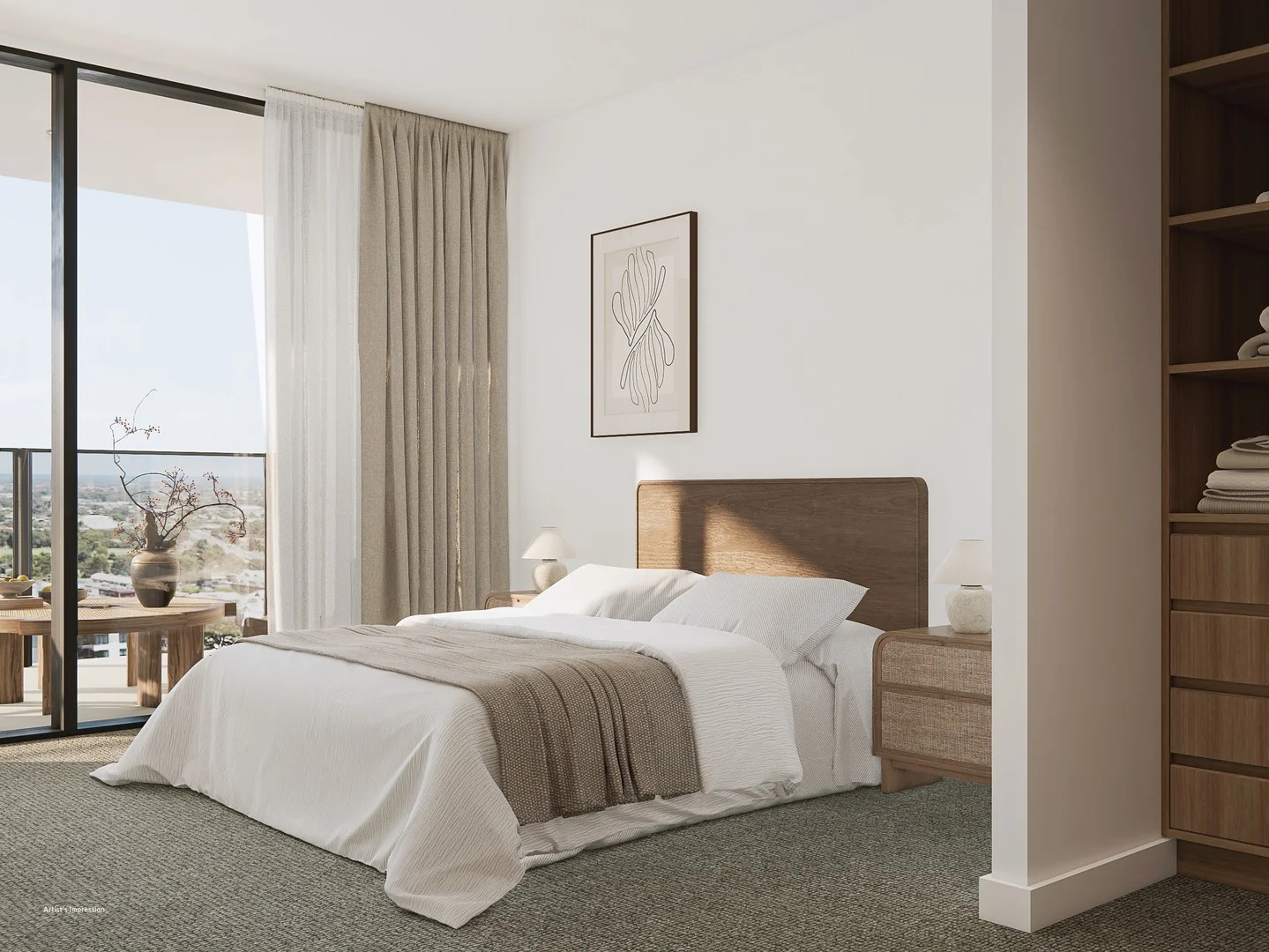 $935,000
Apartment / Unit / Flat
$935,000
Apartment / Unit / Flat
 $557,000
Apartment / Unit / Flat
$557,000
Apartment / Unit / Flat
 $1,056,000
Apartment / Unit / Flat
$1,056,000
Apartment / Unit / Flat
 $588,000
Apartment / Unit / Flat
$588,000
Apartment / Unit / Flat
 $545,000
Apartment / Unit / Flat
$545,000
Apartment / Unit / Flat


