## 1. Overview
Brighton Secondary School is a public, co-educational high school serving students in Years 7–12. Located in North Brighton, SA, it is a large school that offers a broad range of academic and extracurricular opportunities to a diverse student body. Class sizes are typically in the mid-range for public schools, with around 24–28 students per class, depending on year level and subject.
The school fosters an inclusive, supportive atmosphere with a focus on academic achievement, arts and music, and competitive sport. It aims to be welcoming to students from varied backgrounds, encouraging participation, collaboration, and personal growth.
⸻
## 2. Academics & Learning
- Academic strengths: English, Mathematics, Science, and the Arts are well-supported, with opportunities to engage in leadership and language studies. The school emphasizes literacy and numeracy across year levels and provides pathways to extended learning where available.
- Special programs: Options for accelerated or advanced learning and gifted/talented pathways are offered to eligible students, along with programs that support leadership development and diverse learning interests.
- NAPLAN / trends: Public records indicate stable to improving trends in literacy and numeracy over time, with ongoing emphasis on targeted improvements in key areas across cohorts.
- Student-teacher ratios: Class sizes are typically in the 24–28 range, with additional support staff available to assist where needed. This allows for regular teacher contact and opportunities for targeted help.
- Support for diverse learners: Strong support for diverse learners, including EAL (English as an Additional Language) and SEN (Special Educational Needs) programs, inclusive classrooms, and access to learning support staff.
⸻
## 3. Sports & Extracurricular Strengths
- Sports offered: A broad athletics program with options such as basketball, soccer, cricket, cricket, tennis, netball, football, swimming, and more, subject to seasonal scheduling and inter-school competition.
- Strong teams or achievements: The school participates in regional inter-school competitions and fields competitive teams across several sports, with ongoing opportunities to represent the school in various events.
- Music, arts, drama programs: Comprehensive music and performing arts offerings, including ensembles and school productions, supporting students with performance interests.
- Clubs: Robotics, coding, chess, debating, and other academic/tech clubs are typically available, along with ongoing interest groups across subjects.
- Partnerships: The school often collaborates with local clubs, sports academies, and regional competitions to expand opportunities for students.
⸻
## 4. Wellbeing & Pastoral Care
- Anti-bullying approach: The school has a formal anti-bullying policy and ongoing wellbeing initiatives to promote a safe, respectful environment.
- House system: A house system supports pastoral care, peer connection, and participation in events and competitions.
- Counsellors / wellbeing officers: Access to Counsellors and wellbeing staff provides support for mental health, personal development, and social-emotional learning.
- Transition support for new students: Orientation activities and transition supports help new students settle in, with programmes designed to assist both academic and social integration.
⸻
## 5. Facilities
- Sports grounds: On-site sports facilities and grounds for outdoor activities and team training.
- Libraries: A dedicated library space with resources to support study and reading for pleasure.
- Science labs: Modern science labs to support practical investigations across disciplines.
- Music/performing arts centers: Facilities to support rehearsals, concerts, and productions.
- Tech/innovation labs: Dedicated spaces for digital learning, robotics, and technology-based projects.
- Cafeteria: On-site canteen or cafeteria offering a selection of meals and snacks.
- Updated playgrounds: Play and social spaces maintained for student recreation and breaks.
⸻
## 6. School Values & Community Culture
- School values / mission: The school emphasises values such as respect, responsibility, integrity, and excellence, with a focus on developing well-rounded learners.
- Leadership style: Leadership is typically collaborative, with student leadership opportunities and teacher guidance aimed at fostering initiative and teamwork.
- Behaviour expectations: Clear expectations around conduct, safety, and respect, supported by pastoral structures and the house system.
- Community reputation: The school maintains a reputation for inclusivity, broad curricular offerings, and active involvement in school life.
- Diversity & inclusion: Acknowledgement and inclusion of students from diverse backgrounds, with continued efforts to create an equitable learning environment.
⸻
## 7. School Logistics & Daily Operations
- School hours: The school day generally runs during standard daytime hours typical of public secondary schools, with start and finish times aligned to the state timetable.
- Before/after school care: Availability may vary; some on-site supervision or external providers may offer care before or after school.
- Uniform requirements: A formal school uniform is required, with policies detailing appropriate attire for different terms and activities.
- Transport (train/bus routes): Public transport options (bus/train) are available in the area, with guidance on routes and travel planning provided by the school or local transport authorities.
- Canteen availability: An on-site canteen or cafeteria generally operates to provide meals and snacks.
- Fees (low/medium/high ranges): As a public school, tuition is not charged for local students, with possible costs for materials, activities, excursions, and optional programs. Overall, costs are considered low to moderate.
⸻
## 8. Enrolment & Admissions
11. What is the enrolment process and timeline?
- Enrolment is handled through the relevant Department for Education processes. Families typically submit an application within the designated intake periods, with confirmation of placement following assessment of eligibility, availability, and any program-specific requirements. Details and deadlines are published by the school or the education department and should be verified during the annual intake period.
12. Is there a waiting list, and how does it work?
- With high demand, there may be a waiting list. Placements are usually offered based on availability, eligibility, and catchment considerations. The school or department will provide guidance on how the waitlist operates and expected timelines.
13. Are there any entry requirements, tests, or interviews?
- For a public high school, entry typically requires proof of residency and enrolment documentation. Some programs (where applicable) may involve interviews or selection processes, but standard enrolment generally does not require entrance tests.
14. Does the school accept mid-year transfers?
- Mid-year transfers may be possible if there is space and the appropriate documentation is provided. You should contact the school’s enrolment office promptly to discuss space, compatibility with the timetable, and required paperwork.
⸻
## 9. Frequently Asked Questions
- Why Parents Choose This School?
- A public option with broad academic and extracurricular offerings, supportive wellbeing support, and modern facilities within a diverse student community.
- What type of student thrives at this school?
- Students who are engaged, curious, collaborative, and interested in a balanced mix of academics, arts, and sports tend to thrive.
- What opportunities are available for students to extend their skills (academics, sports, arts)?
- Extended learning pathways, leadership opportunities, robust arts programs, competitive sports, and a range of clubs (robotics, coding, debating) are commonly available.
- How does the school communicate with parents?
- Through newsletters, emails, parent portals, and parent-teacher meetings, with regular updates on events and student progress.
- What is the school’s approach to teaching and learning?
- Student-centered learning with differentiation, inquiry-based activities, and a focus on literacy and numeracy across the curriculum.
- How does the school support students who need extra academic help?
- Access to learning support staff, targeted interventions, EAL/SEN assistance, tutoring options, and small-group or one-on-one support as needed.
- What support is available for academic challenges?
- Structured support programs, study skills development, and access to counsellors for advice on learning strategies and accommodations.
- How does the school communicate with parents? (Repeated)
- See above: newsletters, portals, calls, and meetings to keep parents informed and involved.
- What are the class sizes and how much individual attention do students receive?
- Class sizes typically around 24–28 students, with teachers offering regular instruction and opportunities for additional support within or beyond class time.
- What extracurricular and sports opportunities are available?
- A wide range of sports, music and drama opportunities, and clubs such as robotics, coding, chess, and debating.
- What facilities does the school offer (sports, science, arts)?
- Sports grounds, libraries, science labs, music/performing arts spaces, tech/innovation labs, a cafeteria, and updated social/learning areas.
- What is the school’s approach to technology and digital learning?
- Emphasis on digital literacy, use of educational technologies, and access to devices or platforms that support learning; safety and responsible use are integral.
- What transport and accessibility options are available?
- Public transport options in the area (bus/train), with guidance on routes; accessibility considerations are addressed to support all students.
- What are the typical school fees or additional costs?
- Public school fees are generally low to moderate, with possible costs for uniforms, excursions, and optional activities.
⸻
## 10. Short Pros & Cons list
- Pros
- Broad academic and extracurricular offerings
- Inclusive, diverse student community
- Strong arts and sports programs
- Supportive wellbeing and pastoral care
- Modern facilities and resources
- Cons
- Large school environment can mean less individualized attention at times
- Some programs or activities may involve additional costs
- Busy timetable may require careful planning for balancing academics and interests
⸻









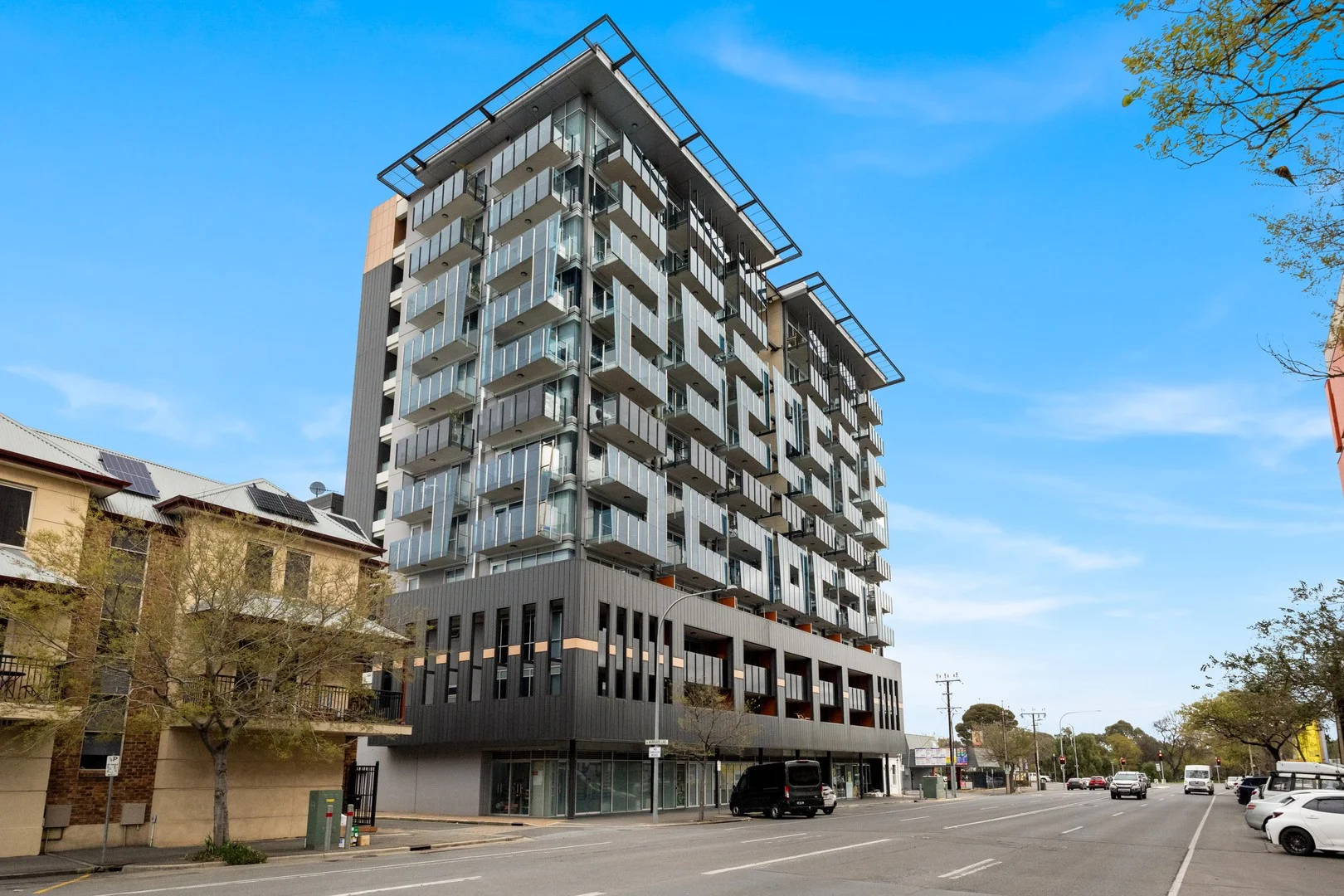 $1,100,000
Apartment / Unit / Flat
$1,100,000
Apartment / Unit / Flat
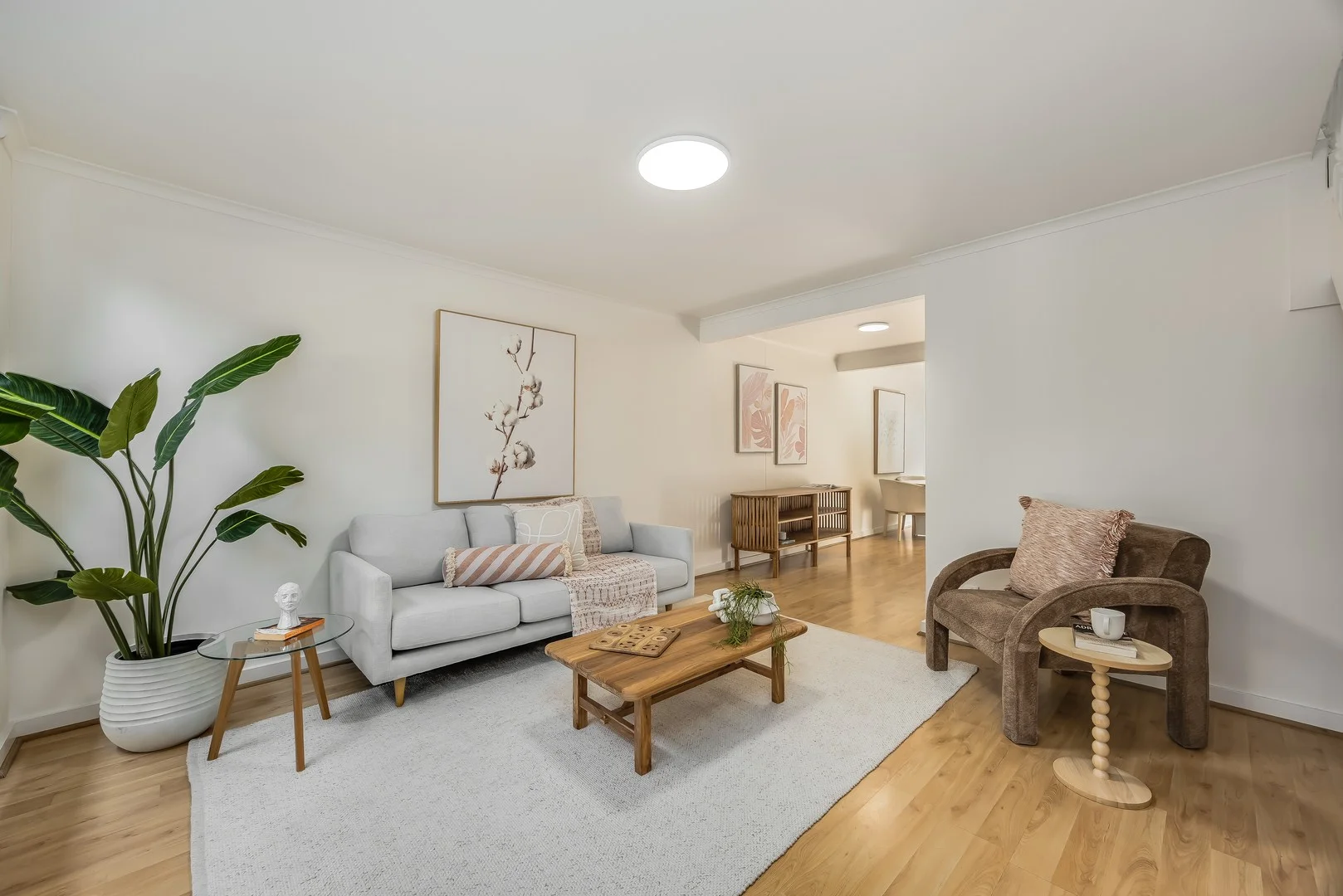 $775,000
House
$775,000
House
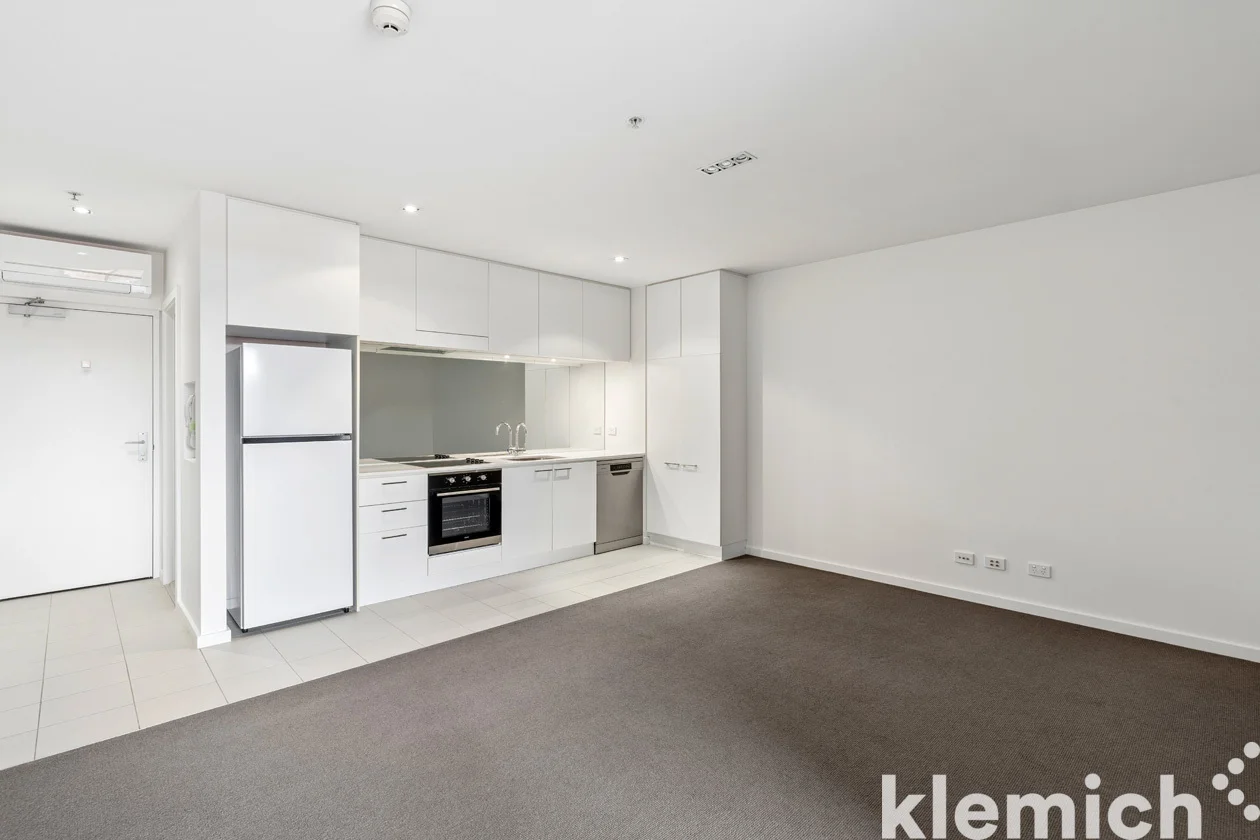 $440,000
Apartment / Unit / Flat
$440,000
Apartment / Unit / Flat
 $588,000
Apartment / Unit / Flat
$588,000
Apartment / Unit / Flat
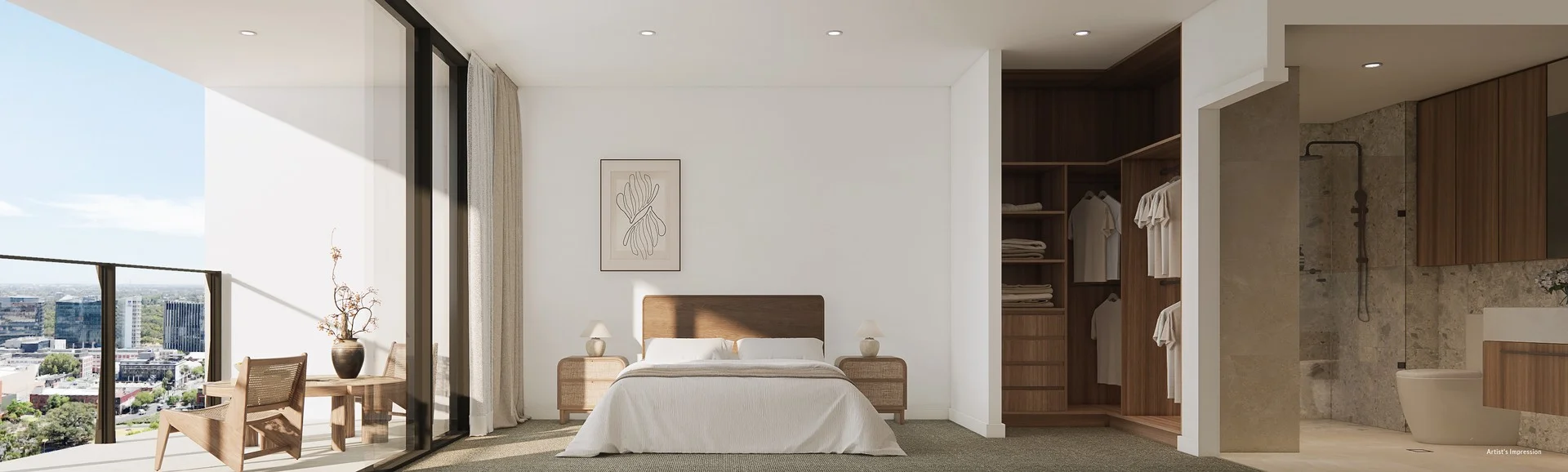 $1,056,000
Apartment / Unit / Flat
$1,056,000
Apartment / Unit / Flat
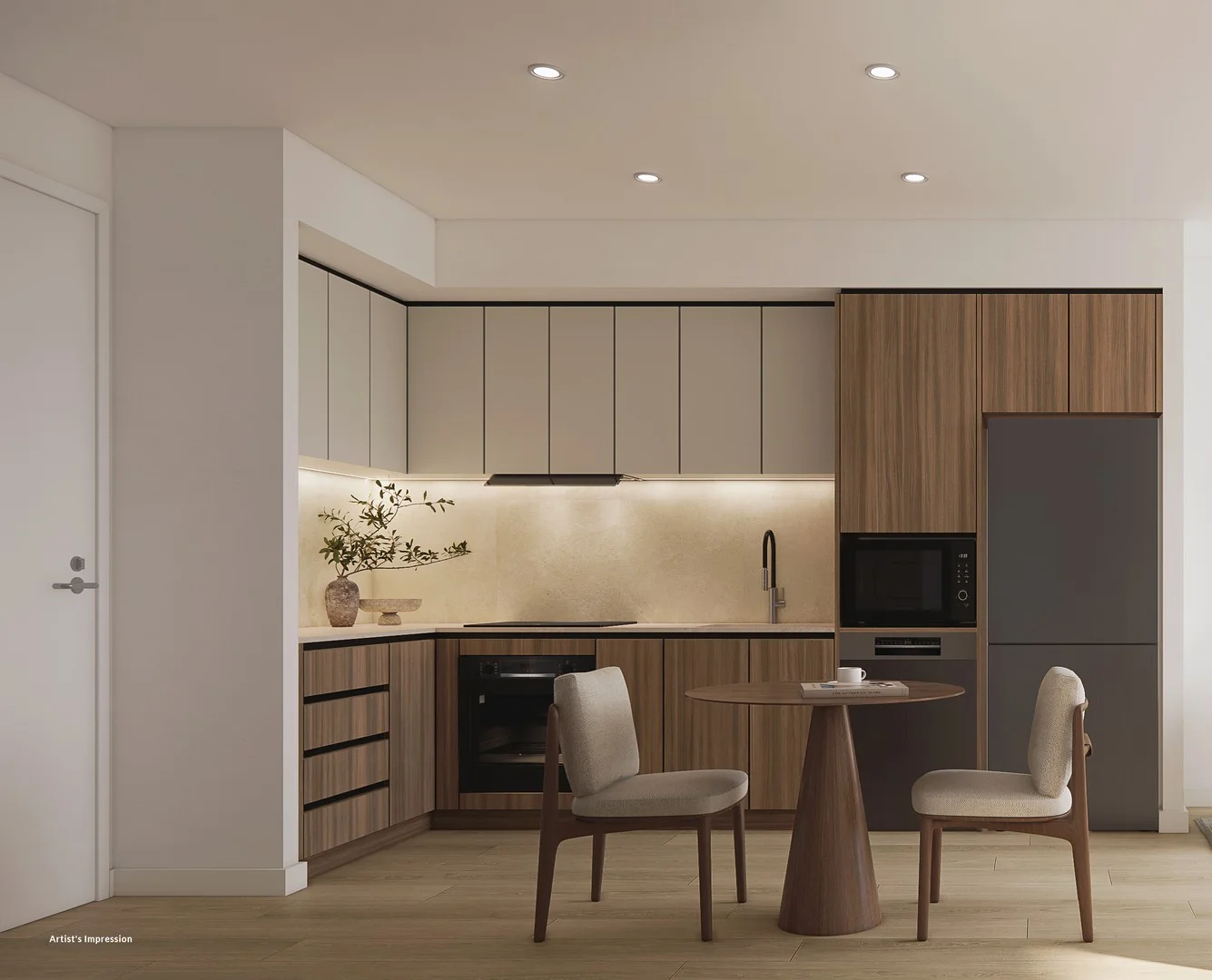 $557,000
Apartment / Unit / Flat
$557,000
Apartment / Unit / Flat
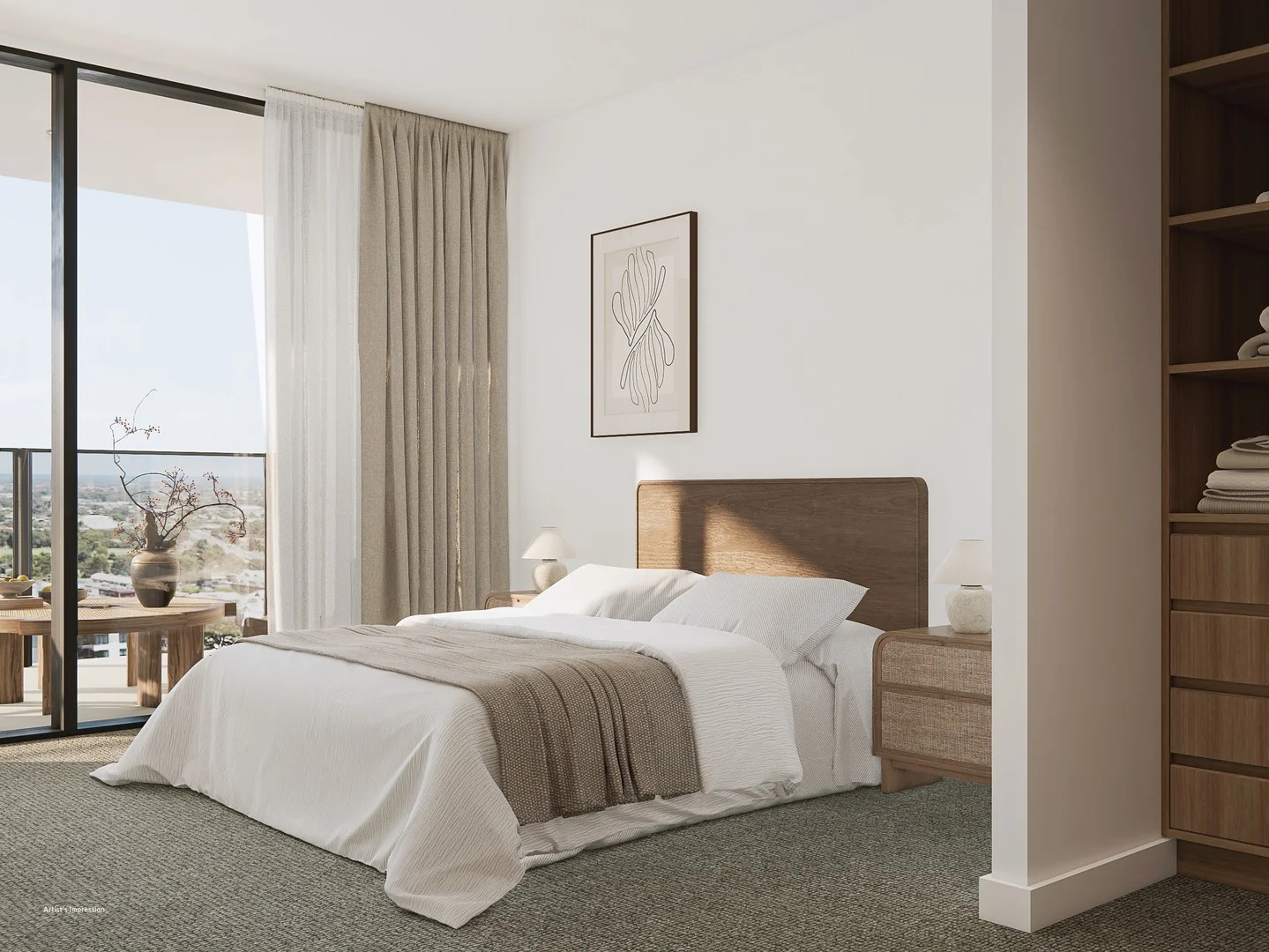 $935,000
Apartment / Unit / Flat
$935,000
Apartment / Unit / Flat
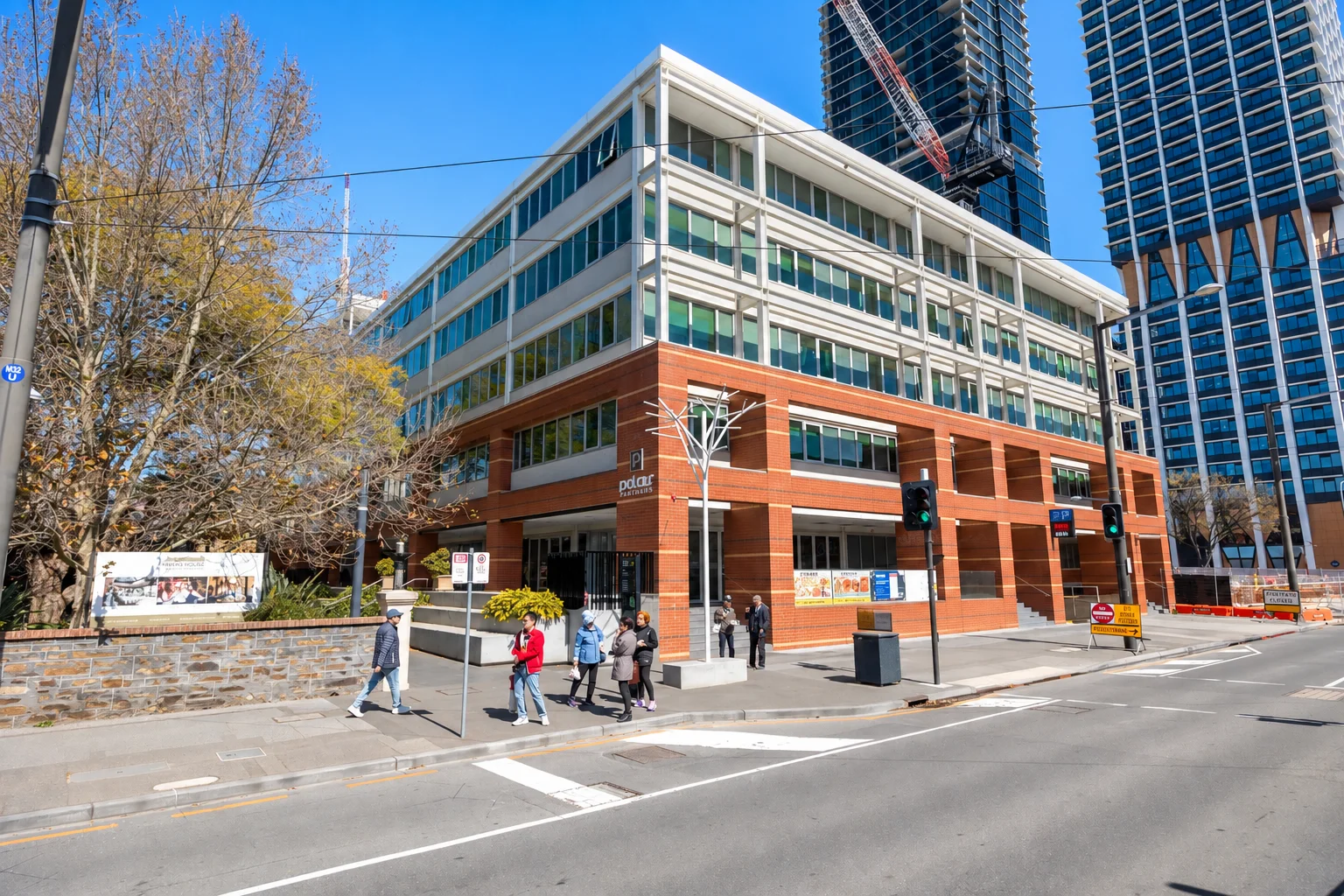 $545,000
Apartment / Unit / Flat
$545,000
Apartment / Unit / Flat


