## 1. Overview
Brighton Primary School is a public primary school serving a diverse community in South Australia. It maintains a medium-sized enrolment with class sizes typically in the low-to-mid 20s, fostering a nurturing and inclusive atmosphere where curiosity, collaboration, and well-being are prioritised.
⸻
## 2. Academics & Learning
- Academic strengths: Emphasis on foundational literacy and numeracy, with opportunities to engage in STEM activities, creative arts, and leadership experiences that support developing confident, independent learners.
- Special programs: Gifted and Talented options where available, along with project-based learning and integrated digital technologies to enhance inquiry and problem-solving.
- NAPLAN trends: Recent years show steady progress in reading and numeracy with consistent performance across year levels.
- Student-teacher ratios: Class sizes typically around 20–25 students, providing reasonable opportunities for teacher support and individual feedback.
- Support for diverse learners: Strong inclusion focus with EAL support and SEN assistance to ensure access to learning for all students.
⸻
## 3. Sports & Extracurricular Strengths
- Sports offered: A broad range of activities including soccer, netball, basketball, AFL, cricket, athletics, and swimming programs.
- Strong teams or achievements: Regular involvement in inter-school events with opportunities for competitive teams and participation in local competitions.
- Music, arts, drama programs: Active music program with ensembles, choir or percussion groups, plus theatre/drama productions and visual arts opportunities.
- Clubs: Robotics, coding, chess, debating, and other after-school clubs supporting inquiry and skills development.
- Partnerships: Connections with local clubs and community organisations, along with participation in inter-school tournaments and events.
⸻
## 4. Wellbeing & Pastoral Care
- Anti-bullying approach: Whole-school anti-bullying strategies with clear reporting channels and restorative practices to support positive behaviours.
- House system: House-based activities and events to foster belonging, teamwork, and healthy competition.
- Counsellors / wellbeing officers: Access to school counsellors or wellbeing staff focusing on social-emotional learning and resilience.
- Transition support for new students: Induction programs, buddy systems, and transitional activities to help new students settle in smoothly.
⸻
## 5. Facilities
- Sports grounds: On-site facilities to support PE and outdoor activities.
- Libraries: Well-equipped library for reading and research.
- Science labs: Dedicated spaces for hands-on science exploration.
- Music/performing arts centers: Areas for music, drama, and performance.
- Tech/innovation labs: Rooms or spaces for digital learning and makerspace activities.
- Cafeteria: On-site canteen or food service options.
- Updated playgrounds: Modern playgrounds and outdoor learning spaces.
⸻
## 6. School Values & Community Culture
- School values / mission: Focus on respect, responsibility, resilience, and developing lifelong learners.
- Leadership style: Collaborative leadership with input from staff, students, and families to support a positive school climate.
- Behaviour expectations: Clear codes of conduct and positive-behaviour strategies, often using restorative approaches.
- Community reputation: Strong sense of community with active parent involvement and a respectful, welcoming culture.
- Diversity & inclusion: Commitment to inclusive practices and celebrating diverse backgrounds within the school community.
⸻
## 7. School Logistics & Daily Operations
- School hours: Typical school day with start and finish times published by the school.
- Before/after school care: Availability of before and after school care through the school or local providers.
- Uniform requirements: School uniform is required.
- Transport (train/bus routes): Public transport and bus services available; details and routes provided by transport authorities or the school.
- Canteen availability: Canteen or lunch services operate on selected days with healthy options.
- Fees (low/medium/high ranges): As a public school, there is generally no tuition fee; families may contribute to voluntary programs or purchase uniforms and participation costs for excursions or materials. Overall, costs are typically low to moderate.
⸻
## 8. Enrolment & Admissions
11. What is the enrolment process and timeline?
- Submit an application through the school's enrolment process as published by the school/education department.
- Provide required documents (proof of identity, immunisation records, address details) within the specified timeline.
- Complete any required forms and observe official decision timelines for offers of placement.
12. Is there a waiting list, and how does it work?
- There may be a waiting list when year levels reach capacity; the school or education department will outline placement priorities and estimated wait times.
13. Are there any entry requirements, tests, or interviews?
- Enrolment typically relies on documentation and eligibility rather than entrance tests; interviews are uncommon for standard primary enrolments but may occur in special circumstances or for dedicated programs.
14. Does the school accept mid-year transfers?
- Mid-year transfers are considered based on seat availability and transfer procedures set by the school and education authorities.
⸻
## 9. Frequently Asked Questions
- Why Parents Choose This School?
- A supportive, inclusive community with strong focus on literacy, well-being, and opportunities across academics, sport, arts, and clubs.
- What type of student thrives at this school?
- Curious, cooperative students who engage in a variety of learning experiences, value collaboration, and respond well to a nurturing environment.
- What opportunities are available for students to extend their skills (academics, sports, arts)?
- Access to enriched learning programs, leadership opportunities, diverse clubs (robotics, coding, debating), sports teams, and arts productions.
- How does the school communicate with parents?
- Regular communication through newsletters, parent-teacher conferences, the school portal/notes, and events; feedback channels include meetings and emails.
- What is the school’s approach to teaching and learning?
- Student-centered learning with a focus on core literacy and numeracy, collaborative projects, and integration of technology to support inquiry and problem-solving.
- How does the school support students who need extra academic help?
- Targeted intervention programs, EAL/SEN support, small-group instruction, and access to wellbeing staff as needed.
- What support is available for academic challenges?
- Additional tutoring or in-class support, adjustments to teaching strategies, and progress monitoring to identify and address gaps.
- How does the school communicate with parents?
- See above; the school aims to maintain open and regular channels for updates and two-way dialogue.
- What are the class sizes and how much individual attention do students receive?
- Class sizes are typically around 20–25 students, with opportunities for teachers to provide individual feedback and targeted support within the classroom.
- What extracurricular and sports opportunities are available?
- A wide range of sports, music and arts programs, and clubs such as robotics, coding, chess, and debating.
- What facilities does the school offer (sports, science, arts)?
- Sports grounds, libraries, science labs, music/performing arts spaces, tech/innovation labs, and a cafeteria, plus updated playgrounds.
- What is the school’s approach to technology and digital learning?
- Integration of digital technologies to support learning, with classroom devices and online resources used to complement instruction.
- What transport and accessibility options are available?
- Access to public transport and school-provided or locally available transport options; information available from the school or local authorities.
- What are typical school fees or additional costs?
- As a public school, there is no tuition; costs may include uniforms, book packs, excursions, and optional activities.
⸻
## 10. Short Pros & Cons list
- Pros
- Public, inclusive environment with a focus on well-being and foundational skills.
- Moderate class sizes allowing teacher attention and student participation.
- Broad range of extracurriculars, including sports, arts, and clubs.
- Strong emphasis on community involvement and diversity.
- Cons
- As a public school, resources may vary year to year based on funding and community contributions.
- Large campus (in some years) can present challenges for B2B communication and quick transitions between activities.
- Availability of specialist programs (e.g., gifted and talented, certain clubs) may depend on year level and intake.
- Busier periods around excursions or events can affect daily routines and supervision needs.






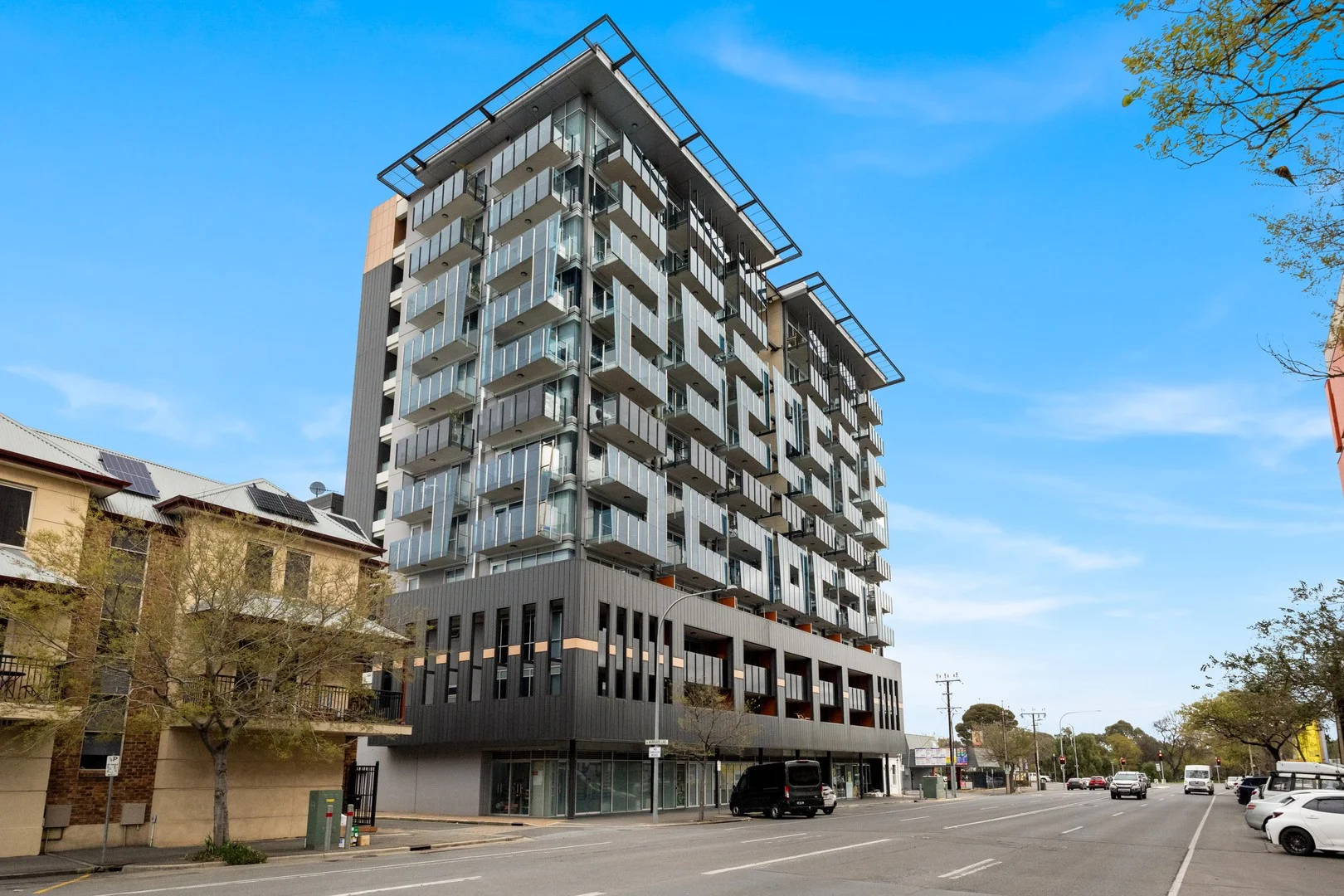 $1,100,000
Apartment / Unit / Flat
$1,100,000
Apartment / Unit / Flat
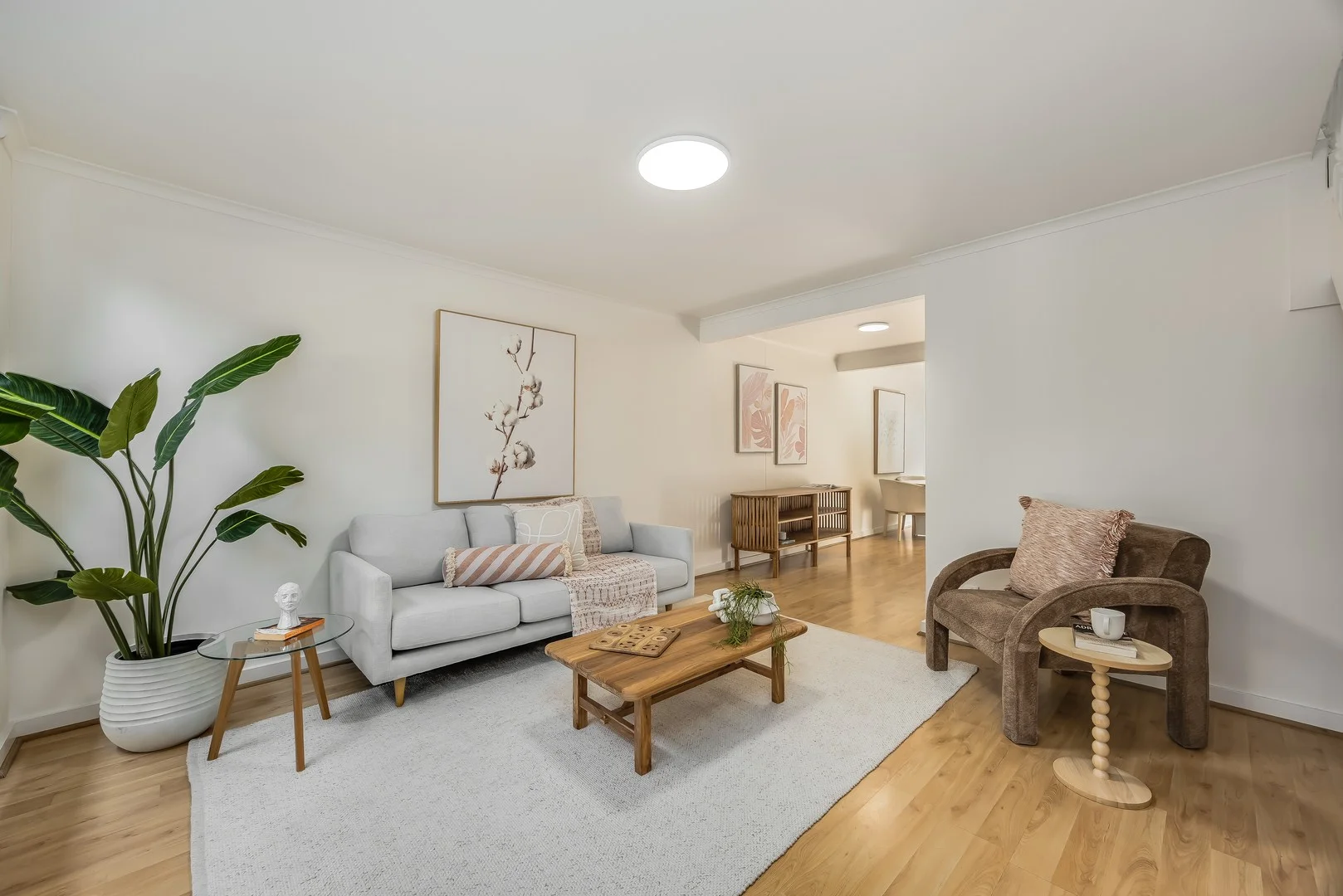 $775,000
House
$775,000
House
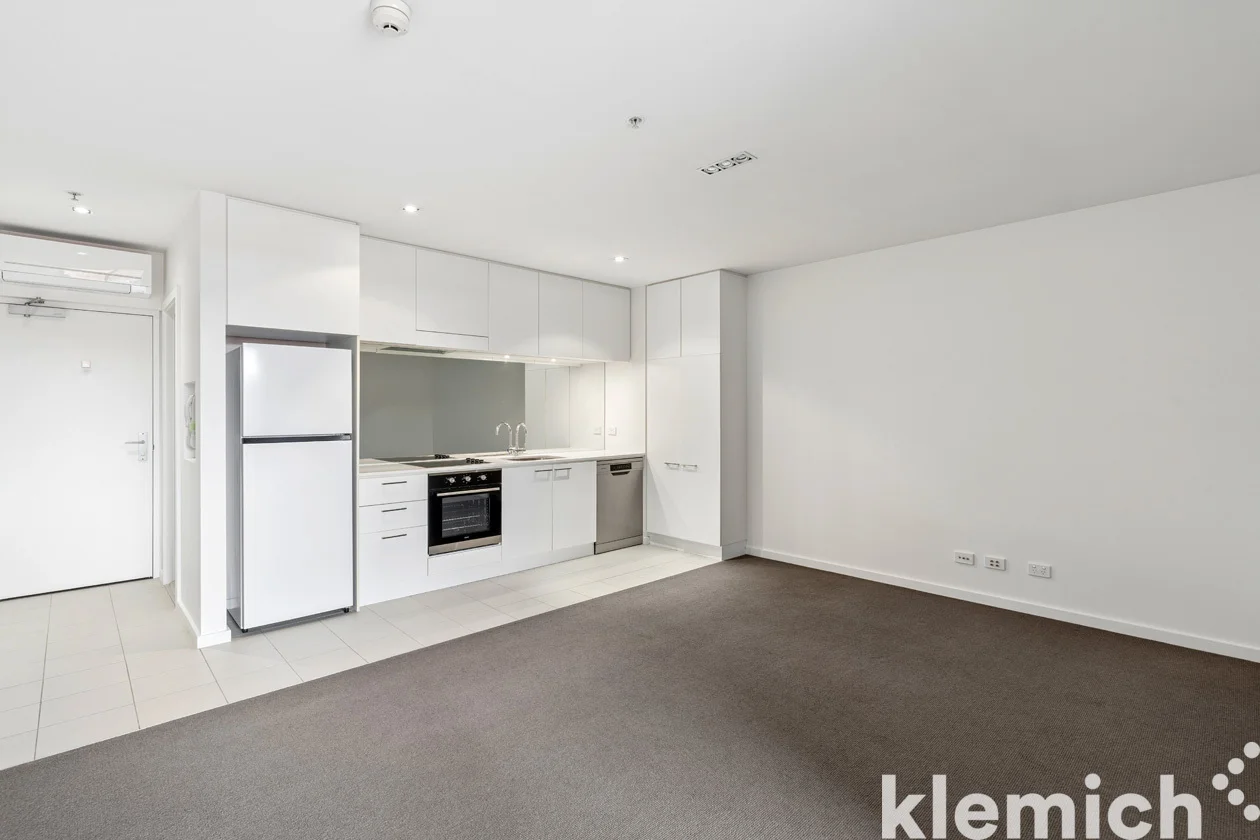 $440,000
Apartment / Unit / Flat
$440,000
Apartment / Unit / Flat
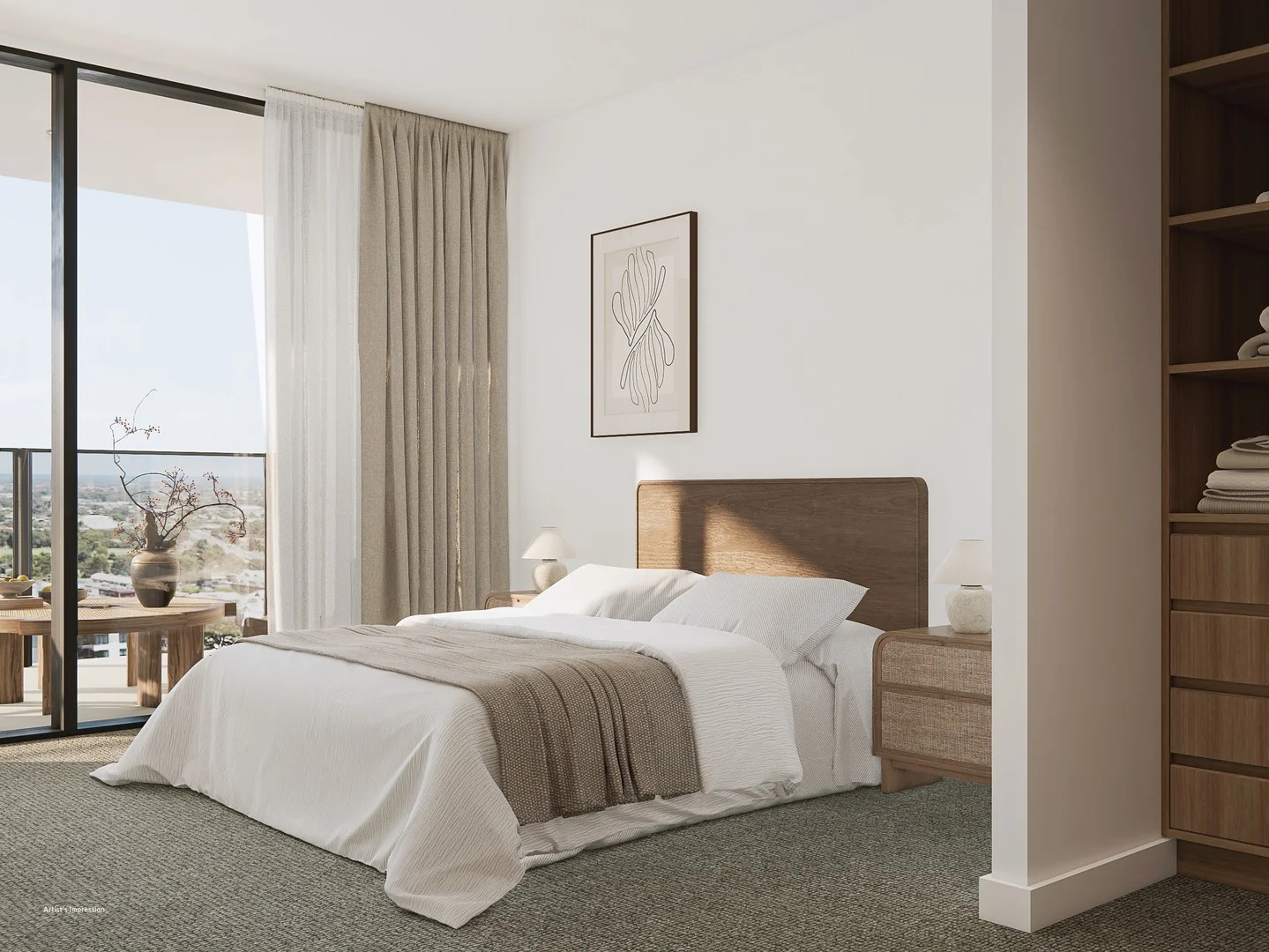 $935,000
Apartment / Unit / Flat
$935,000
Apartment / Unit / Flat
 $1,056,000
Apartment / Unit / Flat
$1,056,000
Apartment / Unit / Flat
 $557,000
Apartment / Unit / Flat
$557,000
Apartment / Unit / Flat
 $588,000
Apartment / Unit / Flat
$588,000
Apartment / Unit / Flat
 $545,000
Apartment / Unit / Flat
$545,000
Apartment / Unit / Flat