## 1. Overview
Coorparoo State School is a public primary school that serves families in the Coorparoo area and surrounding Brisbane communities. It is a medium-sized school that focuses on a welcoming, inclusive culture where students are encouraged to learn, participate and grow.
- School type: Public
- School size: Medium
- Class size: Typically around 20–28 students per class
- Atmosphere/culture: Inclusive, nurturing, community-focused
## 2. Academics & Learning
Coorparoo State School emphasises foundational literacy and numeracy while offering opportunities to explore STEM, languages and leadership skills. The curriculum supports students to build strong understanding across core subjects and to engage in practical, hands-on learning.
- Academic strengths: Focus on literacy and numeracy, solid STEM and digital literacy foundations, opportunities to develop leadership and collaboration
- Special programs: Gifted and Talented initiatives, opportunities for accelerated learning and enrichment
- NAPLAN / trends: Monitoring of annual progress with emphasis on improving reading, writing and numeracy outcomes over time
- Student-teacher ratios: Class sizes designed to balance individual attention with collaborative learning (typical ranges around 1:18–1:24)
- Support for diverse learners: EAL support, SEN inclusions, differentiated instruction and targeted interventions
## 3. Sports & Extracurricular Strengths
Extracurricular life at Coorparoo State School is designed to support active learning and well-rounded development. Students can explore sports, arts and a range of clubs that foster teamwork and curiosity.
- Sports offered: Athletics, cricket, netball, soccer, rugby/kickball and swimming (subject to seasonal scheduling)
- Strong teams or achievements: Competitive inter-school participation and school teams with opportunities for regional/testival involvement
- Music, arts, drama programs: School choir, music tuition or ensembles, drama productions and performing arts activities
- Clubs: Robotics, chess, coding, debating, general science and maths clubs
- Partnerships: Connections with local clubs and community groups for competitions and enrichment activities
## 4. Wellbeing & Pastoral Care
Student wellbeing is central to the school experience, with a focus on fostering safe, respectful and supportive environments.
- Anti-bullying approach: Whole-school policies, clear reporting paths and restorative practices
- House system: House-based activities and events to build school spirit and belonging
- Counsellors / wellbeing officers: Access to school-based wellbeing staff and support services
- Transition support for new students: Orientation activities and buddy programs to help new entrants settle in
## 5. Facilities
The school’s facilities are designed to support a broad curriculum and engaging student experiences.
- Sports grounds: On-site playing fields and courts
- Libraries: Well-stocked library with borrowing and literacy programs
- Science labs: Practical science spaces for hands-on learning
- Music/performing arts centers: Music rooms and performance spaces for ensembles and productions
- Tech/innovation labs: Digital learning spaces and maker/innovation activities
- Cafeteria: On-site canteen offering healthy choices
- Updated playgrounds: Safe, age-appropriate play areas and outdoor learning spaces
## 6. School Values & Community Culture
Coorparoo State School aims to create a respectful, responsible and inclusive community where students develop as people as well as learners.
- School values / mission: Emphasis on respect, integrity, effort, and inclusion
- Leadership style: Collaborative leadership with opportunities for student voice
- Behaviour expectations: Clear, consistently applied expectations with restorative approaches
- Community reputation: Positive, supportive relationships with families and local community
- Diversity & inclusion: Active commitment to welcoming students from diverse backgrounds
## 7. School Logistics & Daily Operations
Helpful information for daily life at school.
- School hours: Aligns with state scheduling; typically start mid-morning and finish in the afternoon
- Before/after school care: Available through external OSHC or local providers
- Uniform requirements: School uniform policy with specified colors and guidelines
- Transport: Bus routes and access to public transport; proximity to local train/bus services
- Canteen availability: Canteen or food services on site or nearby options
- Fees: Public schools have minimal mandatory charges with potential voluntary contributions and activity costs
## 8. Enrolment & Admissions
11. What is the enrolment process and timeline?
- Check catchment eligibility and eligibility requirements
- Gather documents (proof of identity, residence, immunisation records, etc.)
- Submit the online enrolment form through the relevant Queensland education system or school portal
- Await confirmation of enrolment and any orientation/transition activities
- Receive offer and complete enrolment process by the designated date
12. Is there a waiting list, and how does it work?
- If the school is at capacity, a waitlist may be used
- Priority is typically given by catchment status, sibling connections, and space availability
- Families are kept informed about their place on the list and expected timelines
13. Are there any entry requirements, tests, or interviews?
- For standard enrolments, no selective entry tests or interviews are usually required
- Some assessments may be used for specific supports (e.g., EAL or SEN considerations) or to identify needs for targeted services
- Enrolment interviews are not typically part of the process for ordinary placements
14. Does the school accept mid-year transfers?
- Yes, subject to space and alignment with the current cohort
- families should initiate the transfer request as soon as possible to secure a place
- Additional documentation or transitional support may be offered to assist with the change
## 9. Frequently Ask Questions
- Why Parents Choose This School?
- A welcoming community with strong literacy and numeracy foundations, supportive staff, and a balanced approach to academics, wellbeing and activities.
- What type of student thrives at this school?
- Curious, collaborative, motivated learners who value inclusion, participation and community involvement.
- What opportunities are available for students to extend their skills (academics, sports, arts)?
- Enrichment programs in literacy, numeracy, STEM; leadership and service opportunities; diverse sports; music, drama and arts programs; clubs such as robotics, coding and debating.
- How does the school communicate with parents?
- Regular newsletters, email updates, school apps or portals, parent-teacher interviews and notices via the school community channels.
- What is the school’s approach to teaching and learning?
- Student-centered, differentiated instruction, evidence-based practices, and a focus on the whole child including wellbeing.
- How does the school support students who need extra academic help?
- In-class differentiation, targeted interventions, support staff, EAL and SEN services, and targeted reading/numeracy programs.
- What support is available for academic challenges?
- Access to teachers and specialists for intervention, along with regular progress checks and adjustment of learning plans.
- How does the school communicate with parents? (Repeated)
- Through multiple channels including newsletters, portal updates, and scheduled meetings to keep families informed.
- What are the class sizes and how much individual attention do students receive?
- Class sizes typically around 20–28 students, with teachers providing targeted feedback and opportunities for individual support within the class.
- What extracurricular and sports opportunities are available?
- A range of sports, arts, and clubs such as robotics, chess, coding and debating to suit varied interests.
- What facilities does the school offer (sports, science, arts)?
- Sports grounds, libraries, science labs, performing arts spaces, music facilities and tech/innovation labs.
- What is the school’s approach to technology and digital learning?
- Integrated digital learning with classroom devices, online platforms and opportunities for students to develop digital literacy.
- What transport and accessibility options are available?
- Access to local bus routes and public transport; safe drop-off/pick-up arrangements and accessibility features as needed.
- What are the typical school fees or additional costs?
- Public schools have minimal compulsory fees; there may be voluntary contributions and charges for specific activities, camps or materials.
## 10. Short Pros & Cons list
- Pros
- Strong foundational academics with a supportive, inclusive culture
- Broad program offerings across sports, arts and clubs
- Active wellbeing supports and a clear behaviour framework
- Good balance of individual attention and group learning
- Positive engagement with families and community
- Cons
- As a medium-sized public school, some specialist programs may have limited capacity
- Demand can lead to waitlists during peak intake periods
- Uniform expectations and associated costs may be an ongoing consideration
- Space for mid-year transfers depends on current cohort numbers
- Availability of specific extracurricular activities can vary by year and season





 $1,475,000 - $2,090,000
propertyType.NEW APARTMENTS / OFF THE PLAN
$1,475,000 - $2,090,000
propertyType.NEW APARTMENTS / OFF THE PLAN
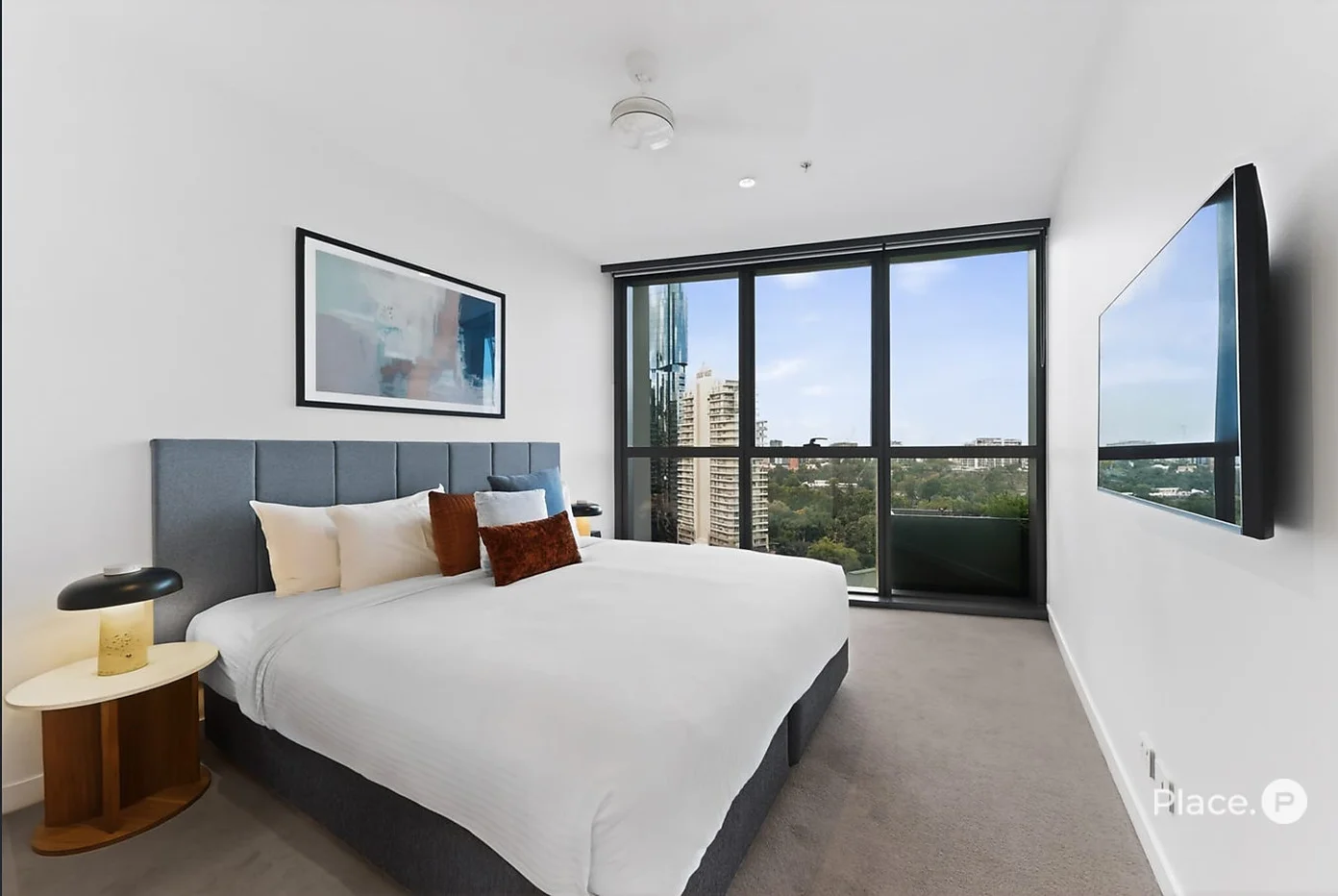 $770,000
Apartment / Unit / Flat
$770,000
Apartment / Unit / Flat
 $550,000
Apartment / Unit / Flat
$550,000
Apartment / Unit / Flat
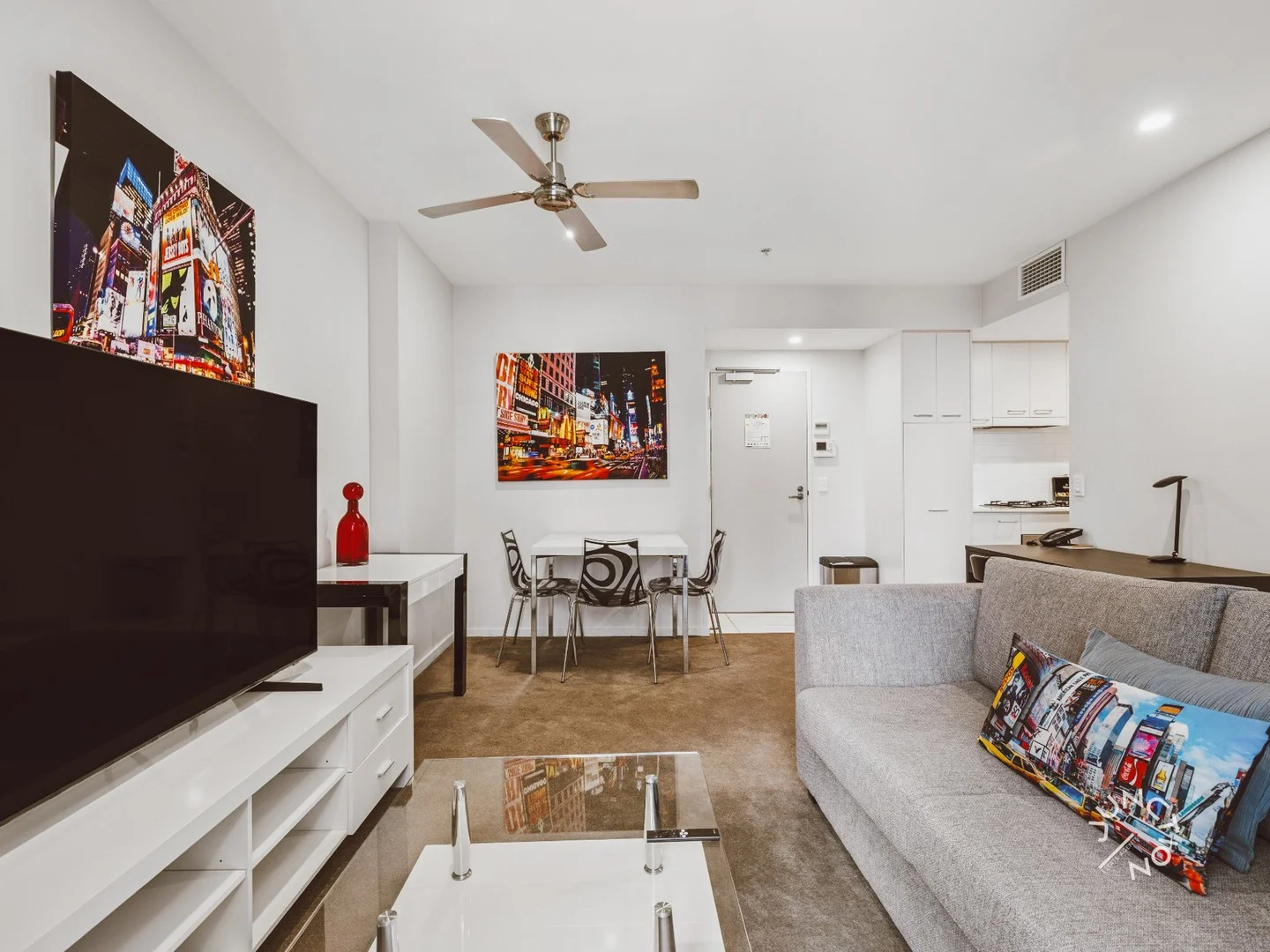 $523,200 - $566,800
Apartment / Unit / Flat
$523,200 - $566,800
Apartment / Unit / Flat
 $950,000
Apartment / Unit / Flat
$950,000
Apartment / Unit / Flat