## 1. Overview
Coorparoo Secondary College is a public (government) secondary school serving students in the Coorparoo area. The school offers a comprehensive Australian curriculum with a focus on academic achievement, personal growth, and community involvement. It provides a medium- to large-school experience with a broad range of learning and extra-curricular opportunities designed to support students across Year 7 to Year 12.
Class sizes are typical for a large urban public secondary school, with a student-centred approach that aims to balance individual attention and collaborative learning. The atmosphere is inclusive and supportive, combining academic aims with strong involvement in sports, arts, and community activities.
⸻
## 2. Academics & Learning
- Academic strengths: Broad strengths in STEM, English, leadership development, and language studies, with emphasis on preparing students for post-school pathways.
- Special programs: Includes accelerated and gifted/talented pathways, leadership opportunities, and access to varied VET/industry-connected experiences as part of the Queensland framework.
- NAPLAN trends: Recent years show stable to improving performance in key domains such as reading and numeracy, with ongoing focus on literacy and numeracy development across year levels.
- Student-teacher ratios: Class sizes and ratios typical of a medium-to-large public secondary school, with dedicated teachers and support staff to support learning.
- Support for diverse learners: Strong focus on inclusive education, with EAL (English as an Additional Language) support and targeted SEN (special educational needs) assistance and learning support staff.
⸻
## 3. Sports & Extracurricular Strengths
- Sports offered: A wide range of team and individual sports, including basketball, netball, football (soccer), cricket, rugby variants, athletics, swimming, tennis, and more.
- Strong teams or achievements: Regular participation in regional events and school-level championships; opportunities to contribute to school pride through sports teams.
- Music, arts, drama programs: Active music and performing arts programs, choirs/bands, productions, and drama activities supporting all levels of ability.
- Clubs: Robotics, coding, chess, debating, environmental/sustainability clubs, student leadership council, and other interest groups.
- Partnerships: Local partnerships with community organizations and competitions to provide additional practice, coaching, and exposure to real-world contexts.
⸻
## 4. Wellbeing & Pastoral Care
- Anti-bullying approach: Proactive whole-school approaches to safety, respect, and positive behaviour; clear reporting pathways and inclusive practices.
- House system: (If applicable) House or year-level structures to promote belonging, mentorship, and healthy competition.
- Counsellors / wellbeing officers: Access to school counsellors and wellbeing staff to support mental health, study planning, and transition needs.
- Transition support for new students: Programs and staff to help new entrants settle in, build social connections, and navigate school routines.
⸻
## 5. Facilities
- Sports grounds: On-site sport facilities and outdoor spaces suitable for physical education and inter-school activities.
- Libraries: Modern library and study spaces to support independent and collaborative learning.
- Science labs: Well-equipped science laboratories for practical experiments across disciplines.
- Music/performing arts centers: Dedicated spaces for music rehearsals, performances, and related activities.
- Tech/innovation labs: Computer labs and makerspaces to support digital learning and project-based work.
- Cafeteria: On-site canteen offering a range of healthy meal and snack options.
- Updated playgrounds: Contemporary outdoor spaces for lunch, recreation, and informal learning.
⸻
## 6. School Values & Community Culture
- School values / mission: Focus on respect, integrity, excellence, inclusion, and service to the community.
- Leadership style: Transparent and student-centred leadership with opportunities for student voice and involvement.
- Behaviour expectations: Positive-behaviour framework, consistent expectations, and rewards tied to the school values.
- Community reputation: A recognised public secondary school within the local community, with involvement in local events and partnerships.
- Diversity & inclusion: Commitment to welcoming students from diverse backgrounds and ensuring equitable access to opportunities.
⸻
## 7. School Logistics & Daily Operations
- School hours: Typically around a standard school day (start in the morning and finish in the mid/late afternoon).
- Before/after school care: Availability of supervised programs or activities around the school day (varies by term and year level).
- Uniform requirements: Official school uniform policy with guidance on daily dress and event-specific attire.
- Transport: Public transport options (bus/train routes) serving the area; proximity to local transport hubs; fare arrangements as per local systems.
- Canteen availability: On-site canteen or snack options available during breaks.
- Fees: Public schooling generally involves low to moderate costs related to uniforms, excursions, and optional activities; specifics can vary by year level and program.
⸻
## 8. Enrolment & Admissions
11. What is the enrolment process and timeline?
- Begin with obtaining the correct information from the school or the Department of Education for Queensland. Complete the school’s enrolment application and submit required documentation (proof of identity, address, student health information, etc.). Timeline varies by intake year; offers are typically communicated after the application window closes, with orientation or induction activities scheduled prior to the new school year.
12. Is there a waiting list, and how does it work?
- Some year levels or programs may have limited vacancies, resulting in a waiting list. Placement on the waiting list is typically managed by the school and may consider catchment location, sibling attendance, and program eligibility. Offers are made as spaces become available.
13. Are there any entry requirements, tests, or interviews?
- For general enrolment, no entrance exam is usually required. Some specialist programs or pathways may involve interviews or auditions to determine suitability or interest. Documentation and eligibility requirements must be met as part of the enrolment process.
14. Does the school accept mid-year transfers?
- Mid-year transfers may be possible subject to vacancies and available classes. Prospective transfer students should contact the school as early as possible to discuss space, class schedules, and transfer procedures.
⸻
## 9. Frequently Ask Questions
- Why Parents Choose This School?
- A balanced public secondary environment with strong academics, broad extracurriculars, and supportive wellbeing initiatives. Accessible facilities and a community-focused culture help many families feel confident in their child’s development.
- What type of student thrives at this school?
- Students who are motivated by a mix of academics, sport, arts, and community involvement, and who benefit from a supportive, inclusive setting.
- What opportunities are available for students to extend their skills (academics, sports, arts)?
- A range of options across STEM, English/language arts, leadership and public speaking, accelerated or gifted pathways, clubs (robotics, coding, chess, debating), music and drama programs, and a variety of sports with representative teams.
- How does the school communicate with parents?
- Regular updates through newsletters, the school website, parent portals, email, and scheduled information evenings or parent-teacher meetings.
- What is the school’s approach to teaching and learning?
- Student-centred methods with a mix of direct instruction, collaborative projects, and enquiry-based learning; emphasis on literacy, numeracy, and digital literacy.
- How does the school support students who need extra academic help?
- Targeted learning support, EAL assistance, SEN services, tutoring or mentoring options, and coordinated support plans where needed.
- What support is available for academic challenges?
- Access to counsellors, learning support staff, study skill resources, and adjustments to teaching approaches to suit diverse learners.
- How does the school communicate with parents? (duplicate)
- See above: newsletters, portals, emails, and meetings.
- What are the class sizes and how much individual attention do students receive?
- Class sizes are typical for a medium-to-large public school, with learning support staff available to enhance student engagement and individual attention where appropriate.
- What extracurricular and sports opportunities are available?
- A broad spectrum of sports, arts, clubs (robotics, coding, chess, debating), and leadership opportunities, plus inter-school competitions and community events.
- What facilities does the school offer (sports, science, arts)?
- Modern facilities across sports grounds, libraries, science labs, performing arts spaces, tech/innovation labs, cafeteria, and updated outdoor areas.
- What is the school’s approach to technology and digital learning?
- Integration of digital tools and computer / tech labs to support project-based learning, research, coding, and digital literacy across the curriculum.
- What transport and accessibility options are available?
- Access via public transport routes (bus/train) in the Brisbane area, with information available from the school about route planning and accessibility.
- What are the typical school fees or additional costs?
- Public schooling typically involves low to moderate costs for uniforms, excursions, and optional activities; specifics are provided by the school and the Department of Education.
⸻
## 10. Short Pros & Cons list
- Pros
- Public school with strong academics and diverse programs
- Broad range of sports, arts, and clubs
- Inclusive, supportive wellbeing and pastoral care
- Modern facilities and resources to support learning
- Active community involvement and local partnerships
- Cons
- Large school environment can mean busier campuses and variable personal attention in some classes
- Uniforms and some extra-curricular costs
- Transport and peak-time congestion in a busy urban area
- Availability of specific programs may vary by year/space
⸻









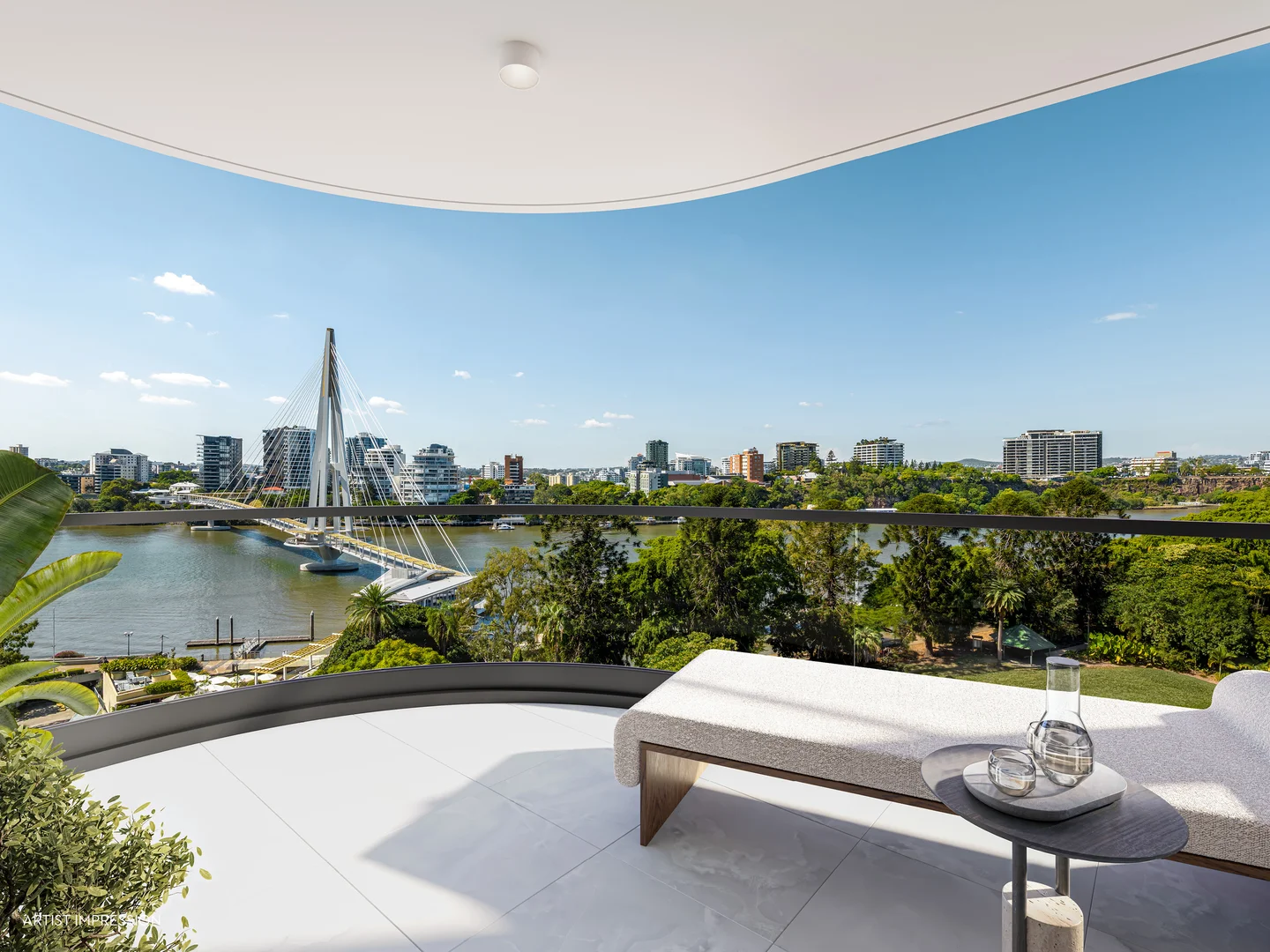 $1,475,000 - $2,090,000
propertyType.NEW APARTMENTS / OFF THE PLAN
$1,475,000 - $2,090,000
propertyType.NEW APARTMENTS / OFF THE PLAN
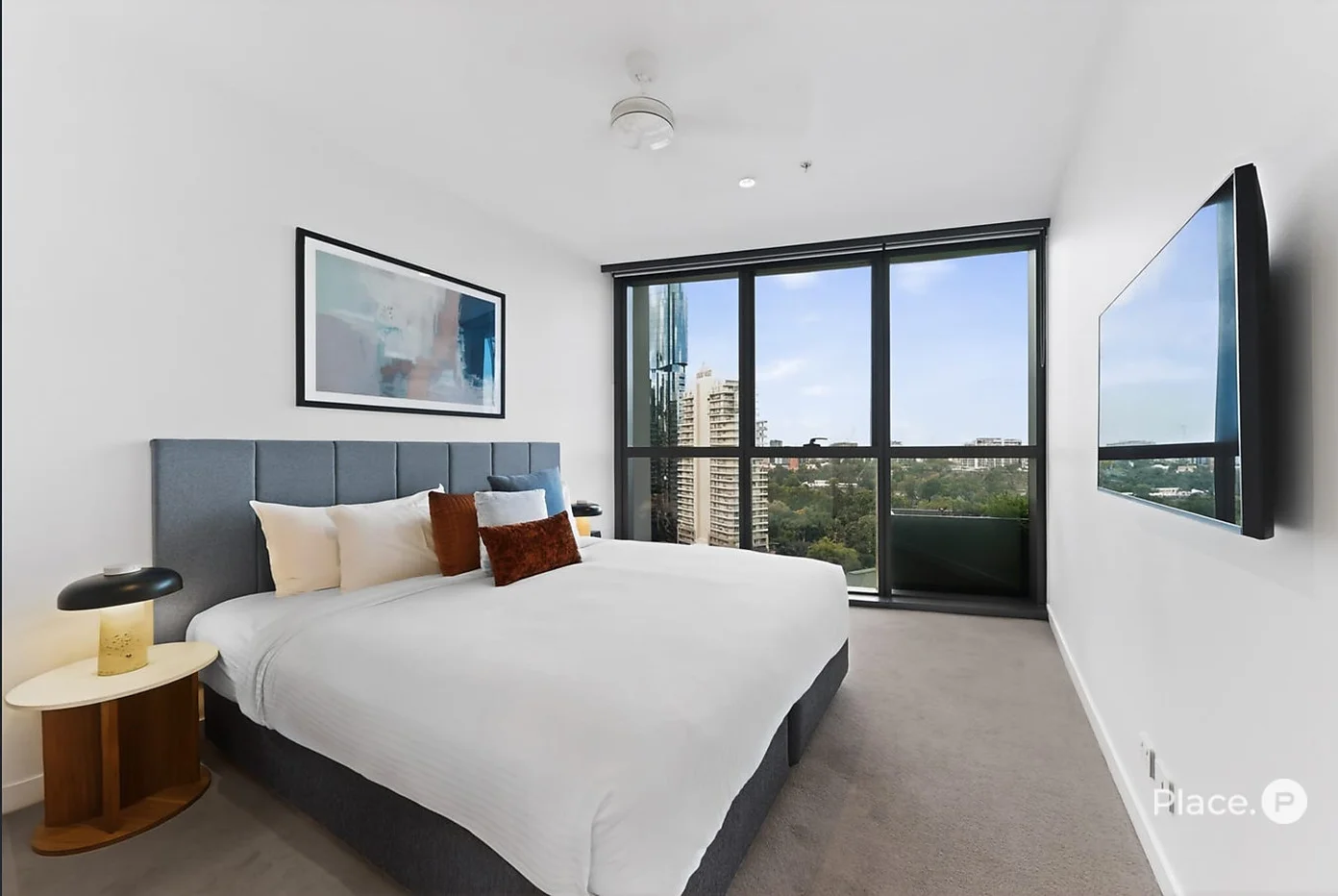 $770,000
Apartment / Unit / Flat
$770,000
Apartment / Unit / Flat
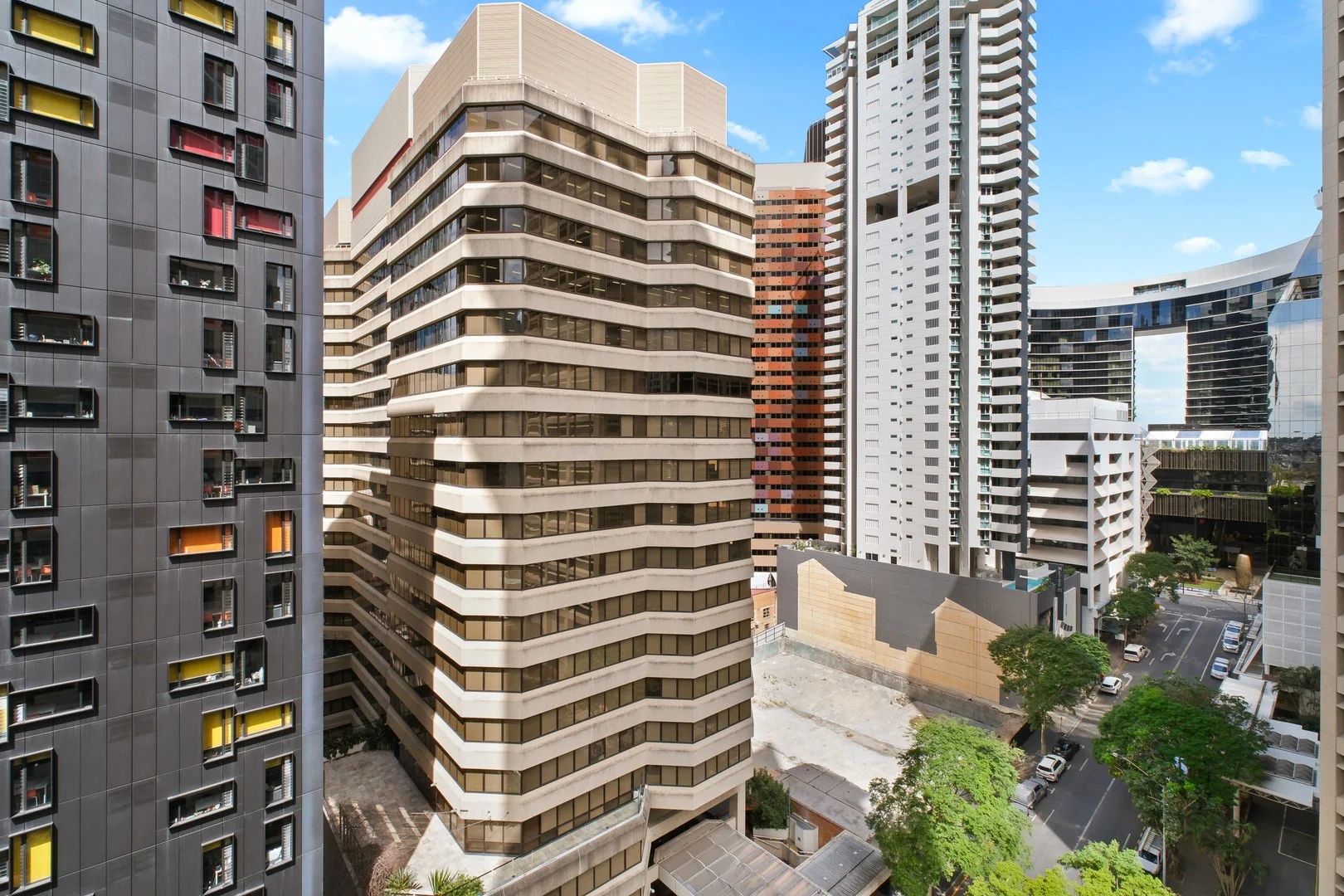 $550,000
Apartment / Unit / Flat
$550,000
Apartment / Unit / Flat
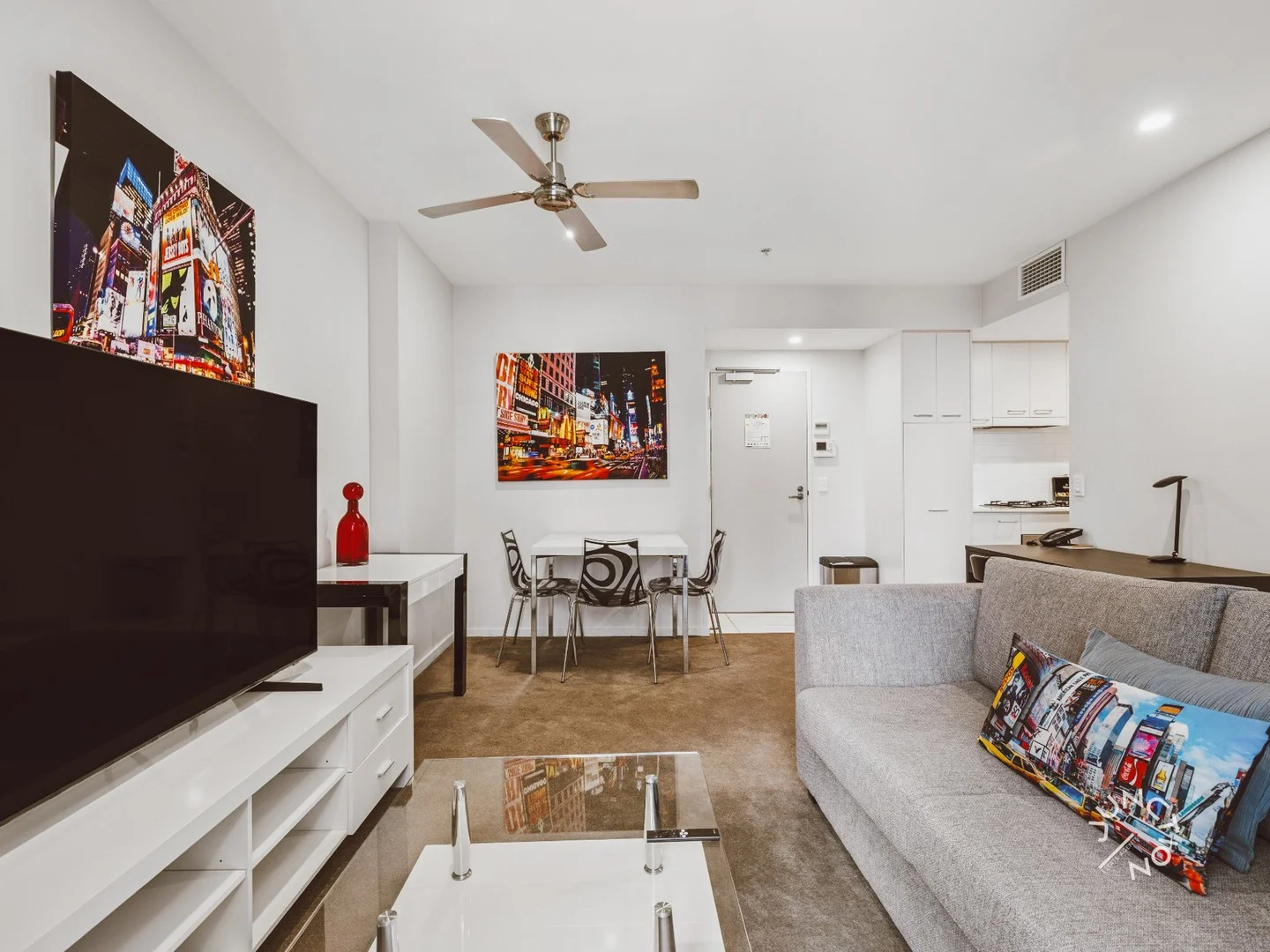 $523,200 - $566,800
Apartment / Unit / Flat
$523,200 - $566,800
Apartment / Unit / Flat
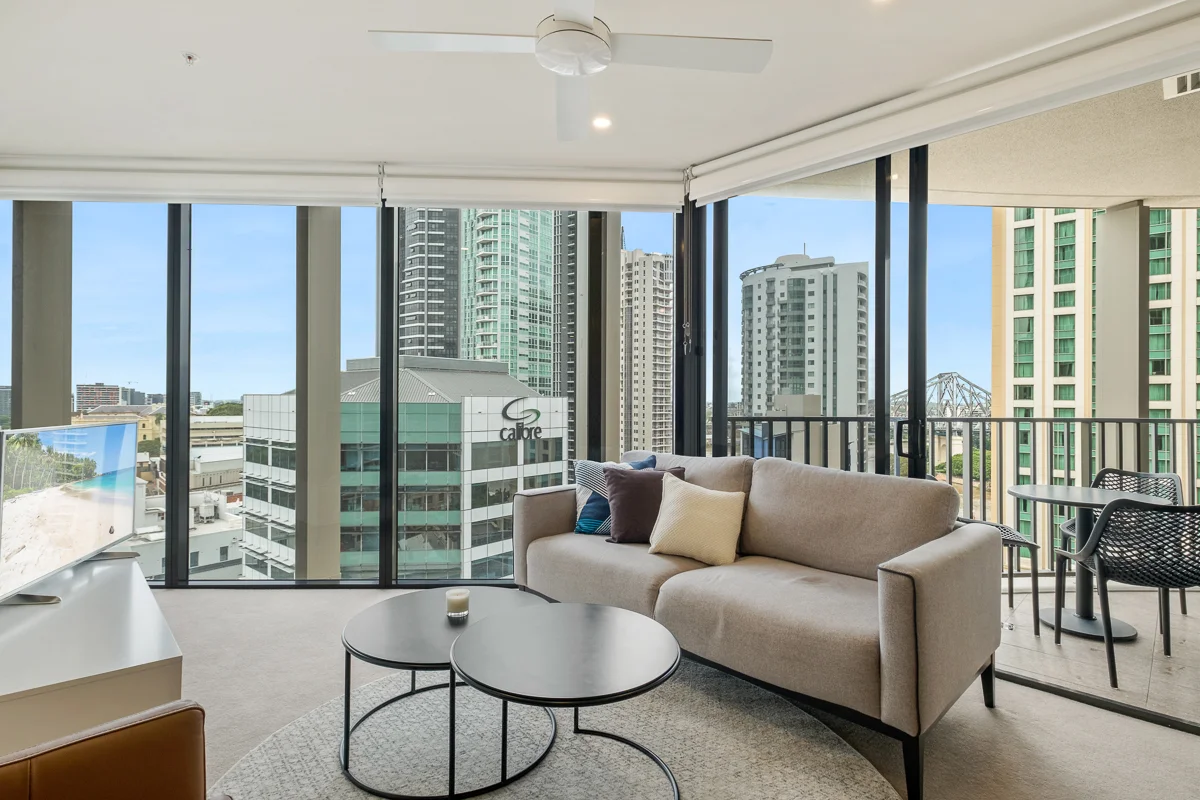 $950,000
Apartment / Unit / Flat
$950,000
Apartment / Unit / Flat


