## 1. Overview
Brisbane School of Distance Education (BSDE) is a public distance education school serving students across Queensland. Learning is delivered primarily online and at home, with access to qualified teachers and support staff through the school’s online platform and regional support options. The campus-based facilities in Coorparoo provide opportunities for on-site sessions and student support as needed.
- School type: Public distance education
- School size: Medium (statewide enrolment with on-site facilities supporting flexible learning)
- Class size: Varies, with a focus on individualized, student-centred learning
- Atmosphere/culture: Inclusive, supportive, flexible, and academically oriented
⸻
## 2. Academics & Learning
BSDE aligns with the Queensland Curriculum and Assessment Authority (QCAA) requirements, delivering core subjects and elective options through online and remote learning pathways.
- Academic strengths: English and STEM foundations are strong, with emphasis on digital literacy and independent learning. Curriculum content is aligned with state standards and supported by qualified teachers.
- Special programs: Access to extension/enrichment opportunities and differentiated tasks; pathways for advanced learners through online extension activities. Gifted and Talented options are supported through tailored tasks within the online environment.
- NAPLAN / trends: Consistent emphasis on improving literacy and numeracy; trends show steady progress for many remote learners through targeted supports and regular assessments.
- Student-teacher ratios: Vary by year level and subject; typically focused on regular teacher contact with opportunities for one-on-one or small-group support.
- Support for diverse learners: Dedicated support for EAL (English as an Additional Language) students, and SEN (Special Educational Needs) through Learning Support services and Individual Learning Plans where appropriate.
⸻
## 3. Sports & Extracurricular Strengths
BSDE supports a well-rounded student experience, with opportunities that fit a distance-education model and local participation where possible.
- Sports offered: Participation is often arranged through local community and school networks; students can engage in local clubs and school-supported PE activities when possible.
- Strong teams or achievements: Emphasis on participation and personal bests; some regional or online team-based activities may occur.
- Music, arts, drama programs: Access to school-approved music and arts activities; opportunities to participate in school-wide performances and online showcases.
- Clubs: Robotics, chess, coding, debating, and other online or locally coordinated clubs are encouraged.
- Partnerships: Collaborations with local sporting or arts hubs and online competition platforms to extend opportunities beyond the home environment.
⸻
## 4. Wellbeing & Pastoral Care
A strong focus on student wellbeing and supportive pastoral care, essential for distance education.
- Anti-bullying approach: Clear policies and proactive supports, with emphasis on respectful online behaviour and a safe learning environment.
- House system: House or team activities may be used for events and engagement, depending on the year level and site availability.
- Counsellors / wellbeing officers: Access to counselling and wellbeing staff, provided through the school’s support framework and regional services.
- Transition support for new students: Induction programs, orientation sessions, and ongoing support to help students settle into the online learning environment.
⸻
## 5. Facilities
Facilities are designed to support distance learning, with on-site spaces for support and occasional in-person activities.
- Sports grounds: Access via local community facilities for PE and fitness activities when needed.
- Libraries: On-site library space available for students who attend in person or participate in supported sessions.
- Science labs: Designated labs for hands-on experiments when feasible.
- Music/performing arts centers: Dedicated spaces for music and arts activities when in-person events occur.
- Tech/innovation labs: Computer labs and digital learning spaces support tech-based learning.
- Cafeteria: On-site catering available for events or visits.
- Updated playgrounds: Outdoor spaces maintained for student use during on-site activities.
⸻
## 6. School Values & Community Culture
Parents want to know the kind of environment their child will be part of.
- School values / mission: Emphasis on respect, integrity, resilience, inclusion, and lifelong learning within a student-centered model.
- Leadership style: Collaborative, student-centered leadership with strong parent and teacher partnerships.
- Behaviour expectations: Positive behaviour framework supported by explicit expectations and consistent reinforcement.
- Community reputation: Trusted for flexible, accessible education with a focus on student wellbeing and achievement.
- Diversity & inclusion: Committed to equity and inclusion, celebrating diverse backgrounds and providing supports for all learners.
⸻
## 7. School Logistics & Daily Operations
Key logistics to help families plan around a distance-education model.
- School hours: Flexible online learning with structured contact times; students often determine a routine that fits their learning plan.
- Before/after school care: Not universally available on-site; additional support or supervision may be arranged through local options or school services.
- Uniform requirements: Queensland public schools generally have a uniform policy; on-site events or specific activities may require wearing the school uniform.
- Transport (train/bus routes): No central bus service for distance education; transport depends on local arrangements for any on-site sessions or exams.
- Canteen availability: On-site canteen services exist for campus-based days or events; otherwise meals are the family’s responsibility.
- Fees (low/medium/high ranges): Public school fees are generally low; most learning materials are provided by the department, with optional costs for materials or activities.
⸻
## 8. Enrolment & Admissions
11. What is the enrolment process and timeline?
- Enrolment is through the Queensland Department of Education’s processes for BSDE, typically requiring standard student information, proof of identity, and academic records. Timelines depend on application volumes and year level.
12. Is there a waiting list, and how does it work?
- There can be wait times during peak periods; applications are processed in order with consideration for priority needs and current year level alignment.
13. Are there any entry requirements, tests, or interviews?
- Generally no formal entrance exam; there may be an online intake meeting or orientation to confirm fit and learning needs. Documentation and placement are based on standard enrolment information.
14. Does the school accept mid-year transfers?
- Yes, mid-year transfers are possible, subject to space and alignment with the current year level and curriculum requirements.
⸻
## 9. Frequently Asked Questions
- Why Parents Choose This School?
- Flexible learning model, state-aligned curriculum, access to qualified teachers, and ongoing support for families who prefer or require remote education.
- What type of student thrives at this school?
- Self-motivated, independent learners who benefit from flexible scheduling, as well as students who need to balance education with personal or health considerations.
- What opportunities are available for students to extend their skills (academics, sports, arts)?
- Online extension activities, clubs (robotics, coding, debating, chess), and access to local sport and arts opportunities; participation in online competitions and showcases.
- How does the school communicate with parents?
- Through online portals, email, phone, and scheduled conferences; regular notices and updates are shared to keep families informed.
- What is the school’s approach to teaching and learning?
- Student-centered, curriculum-aligned, with a mix of asynchronous and synchronous teaching, regular assessments, and ongoing teacher support.
- How does the school support students who need extra academic help?
- Learning Support services, EAL assistance, differentiation within tasks, and targeted intervention plans coordinated by teachers.
- What support is available for academic challenges?
- Access to tutoring, bespoke learning plans, and regular check-ins with teaching staff and learning support teams.
- How does the school communicate with parents? (Duplicate)
- See above: portals, emails, calls, and parent conferences.
- What are the class sizes and how much individual attention do students receive?
- Class sizes vary by subject and level; the model emphasizes individualized attention with regular teacher contact and opportunities for one-on-one support.
- What extracurricular and sports opportunities are available?
- Robotics, chess, coding, debating clubs; music and arts activities; local sports participation through community networks and online platforms when appropriate.
- What facilities does the school offer (sports, science, arts)?
- On-site facilities for library, science labs, music/arts spaces; computer labs; and access to local sports facilities for PE and events.
- What is the school’s approach to technology and digital learning?
- Technology is central to learning: online platforms, digital resources, devices and connectivity support, and emphasis on digital literacy and online safety.
- What transport and accessibility options are available?
- Transport is arranged locally for any on-site sessions or exams; there is no central bus service for the distance-education model.
- What are the typical school fees or additional costs?
- Being a public school, tuition is generally low; most materials are provided by the department; some optional activities or resources may incur minor costs.
⸻
## 10. Short Pros & Cons list
- Pros
- Flexible, statewide access to a Queensland curriculum
- Strong emphasis on personalised learning and teacher support
- Inclusive environment with supports for diverse learners
- Wide range of clubs and online opportunities (robotics, coding, debating)
- Ability to balance family commitments with education
- Cons
- Less traditional on-site interaction for some students
- Availability of in-person activities varies by location and term
- Dependent on reliable internet and home learning setup
- Uniforms and campus-based events may require on-site visits
- Mid-year transfers depend on space and alignment with curricula
⸻








 $1,475,000 - $2,090,000
propertyType.NEW APARTMENTS / OFF THE PLAN
$1,475,000 - $2,090,000
propertyType.NEW APARTMENTS / OFF THE PLAN
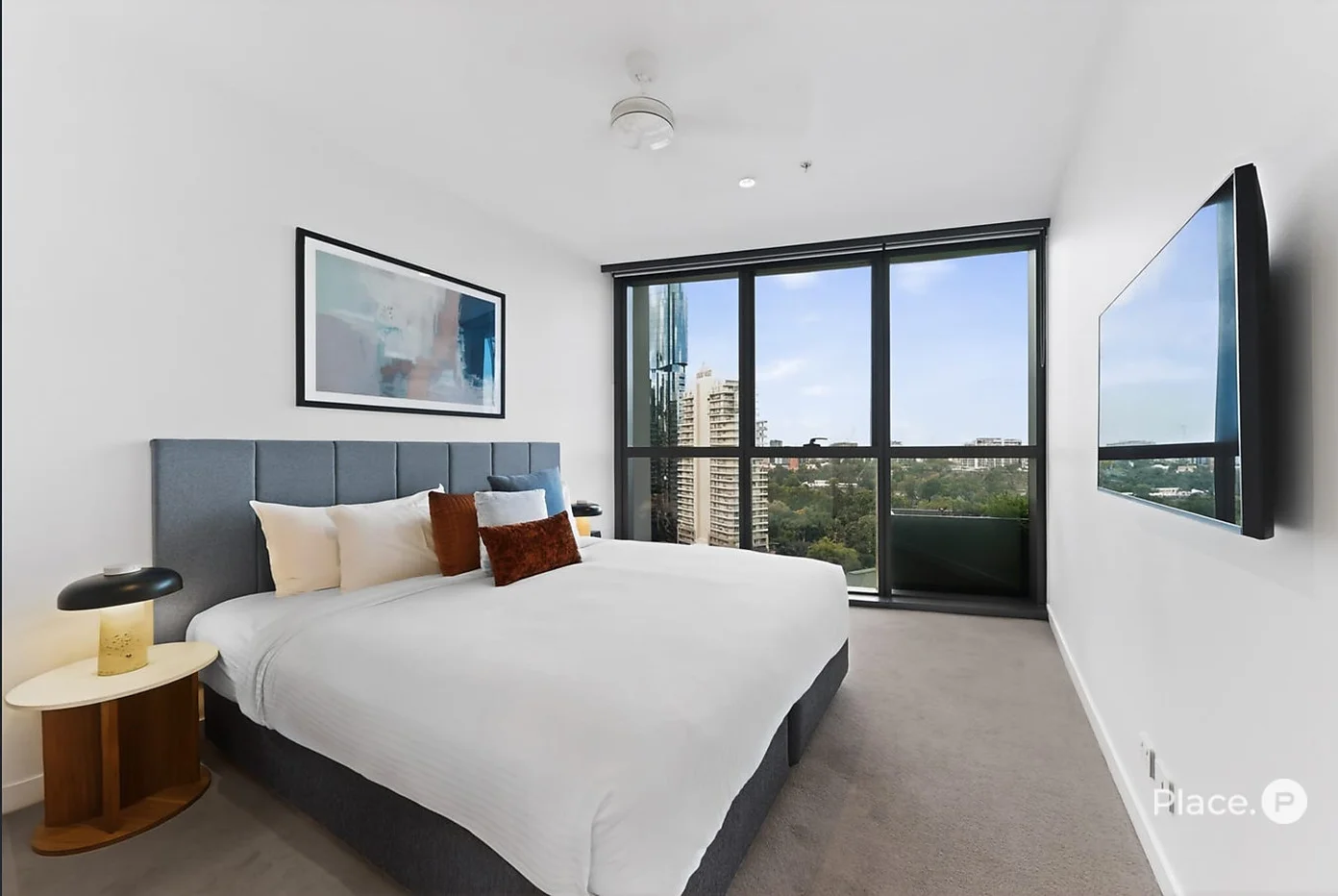 $770,000
Apartment / Unit / Flat
$770,000
Apartment / Unit / Flat
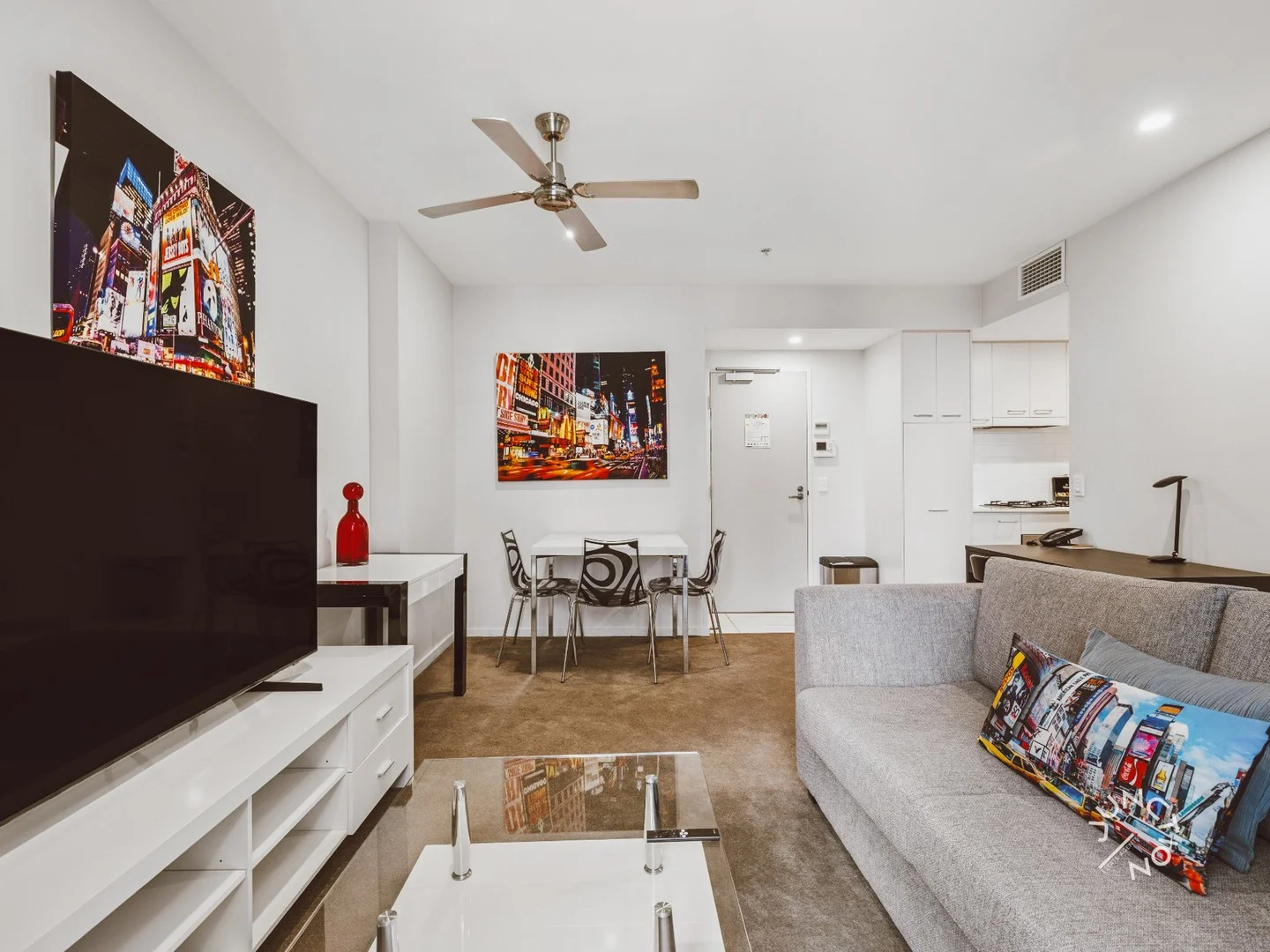 $523,200 - $566,800
Apartment / Unit / Flat
$523,200 - $566,800
Apartment / Unit / Flat
 $550,000
Apartment / Unit / Flat
$550,000
Apartment / Unit / Flat
 $950,000
Apartment / Unit / Flat
$950,000
Apartment / Unit / Flat


