Overview
## 1. Overview
Queensland Pathways State College is a public state high school focused on providing strong academic foundations alongside practical pathways to further study or work. The college serves a diverse cohort of students and emphasises a supportive, inclusive learning environment where students are encouraged to pursue their interests and develop real-world skills.
- School type: Public
- School size: Large
- Class size: Typically 22–26 students per class
- Atmosphere/culture: Inclusive, nurturing, academically oriented with strong pathways emphasis
⸻
## 2. Academics & Learning
Queensland Pathways State College supports a broad curriculum designed to build literacy, numeracy and real-world skills, with a clear emphasis on pathways to university, TAFE and employment.
- Academic strengths: English, Mathematics, Science, STEM subjects, Leadership development, and Languages
- Special programs: Vocational Education and Training (VET) options, pathway-focused senior subjects, opportunities for subject extensions and accelerated learning
- NAPLAN / trends: Public data indicate ongoing regions of growth in key areas (Reading, Writing, Numeracy) across recent years, with strong consistency in progress as students move through year levels
- Student-teacher ratios: Approximately 1:15–1:22, depending on subject and year level
- Support for diverse learners: EAL/D support, SEN/learning support staff, targeted intervention and monitoring programs
⸻
## 3. Sports & Extracurricular Strengths
A strong emphasis on both sport and a wide range of clubs supports many interests and helps students stay engaged.
- Sports offered: Netball, Basketball, Football, Rugby, Athletics, Tennis, Swimming, and more
- Strong teams or achievements: Regular participation in regional competitions with a track record of school-level success
- Music, arts, drama programs: Active music program, school productions, choir and performing arts opportunities
- Clubs: Robotics, Chess, Coding, Debating, Science and maths clubs, and other student-led activities
- Partnerships: Local sport and community clubs, external coaching clinics, and competitions to enhance skills and experiences
⸻
## 4. Wellbeing & Pastoral Care
Wellbeing is a core priority, with systems in place to support every student’s social and emotional development.
- Anti-bullying approach: Clear policies, proactive education, and a culture of respect; focus on digital citizenship and cyberbullying awareness
- House system: House-based pastoral care structure to foster belonging and healthy competition
- Counsellors / wellbeing officers: Dedicated school counsellors and wellbeing staff available to students and families
- Transition support for new students: Orientation programs, buddy systems, and targeted induction supports
⸻
## 5. Facilities
Facilities are designed to support a balanced learning experience with modern spaces for study, experimentation and performance.
- Sports grounds
- Libraries
- Science labs
- Music/performing arts centers
- Tech/innovation labs
- Cafeteria
- Updated playgrounds
⸻
## 6. School Values & Community Culture
The school community is built on shared values and a collaborative leadership approach that supports student growth.
- School values / mission: Respect, Responsibility, Resilience, Integrity (examples of core values guiding behavior and learning)
- Leadership style: Collaborative, student voice-supported through student councils and leadership opportunities
- Behaviour expectations: Clear codes of conduct, consistent behaviour management and restorative approaches
- Community reputation: Inclusive, engaged community with strong parent and local partner involvement
- Diversity & inclusion: Proactive programs and policies to support multicultural inclusion and LGBTQIA+ support
⸻
## 7. School Logistics & Daily Operations
Practical information to help families plan around school routines.
- School hours: typically around 8:30 am–3:00 pm
- Before/after school care: OSHC and other after-school care options may be available
- Uniform requirements: School uniform required unless stated otherwise; details in the student handbook
- Transport (train/bus routes): Accessible by public transport with nearby bus and train options; planning guidance available through the school
- Canteen availability: On-site canteen or lunch facilities available
- Fees (low/medium/high ranges): As a public school, no tuition fees for standard enrolment; there may be voluntary contributions, trip costs and material charges for some activities
⸻
## 8. Enrolment & Admissions
11. What is the enrolment process and timeline?
- Submit an enrolment application with required documents (proof of identity, address, immunisation records, prior school records as applicable)
- The school verifies eligibility and space; you’ll receive a decision within the department’s timelines
- If offered a place, complete any follow-up steps (verification of documents, orientation information)
12. Is there a waiting list, and how does it work?
- There can be a waiting list when the school is at capacity; positions are allocated as vacancies arise and according to the department’s enrolment rules
13. Are there any entry requirements, tests, or interviews?
- For standard enrolment, there are typically no entrance tests or interviews
- Some programs or special arrangements may involve interviews or additional information (if applicable)
14. Does the school accept mid-year transfers?
- Yes, mid-year transfers are possible subject to vacancy and completing the necessary enrolment documentation
⸻
## 9. Frequently Asked Questions
- Why Parents Choose This School?
- A public school with a strong pathway focus, inclusive culture, solid academics, and ample opportunities for sport, arts and VET.
- What type of student thrives at this school?
- Students who are motivated to engage in both academic and practical pathways, who value teamwork, and who appreciate a supportive, inclusive environment.
- What opportunities are available for students to extend their skills (academics, sports, arts)?
- Access to a broad range of subjects, VET options, leadership opportunities, advanced coursework, clubs (robotics, coding, debating), music and drama programs, and competitive sports.
- How does the school communicate with parents?
- Through newsletters, email, a student portal, parent-teacher meetings, and regular updates about events and student progress.
- What is the school’s approach to teaching and learning?
- Student-centered learning with differentiated instruction, use of technology and digital tools, and a focus on developing critical thinking and real-world skills.
- How does the school support students who need extra academic help?
- Targeted interventions, learning support staff, EAL/D assistance, SEN support, and monitoring to tailor help as needed.
- What support is available for academic challenges?
- Tutoring, progress checks, reading and numeracy support, and referrals to specialist staff where appropriate.
- How does the school communicate with parents?
- (See above) Regular updates, meetings and digital platforms are used to keep families informed.
- What are the class sizes and how much individual attention do students receive?
- Typical class sizes around 22–26 students; teachers provide targeted support in class and can offer small-group assistance as needed.
- What extracurricular and sports opportunities are available?
- A wide range of sports, robotics, chess, coding, debating, music and drama programs, and partnerships with local clubs and competitions.
- What facilities does the school offer (sports, science, arts)?
- Sports grounds, libraries, science labs, music/performing arts centers, tech/innovation labs, cafeteria, and updated playgrounds.
- What is the school’s approach to technology and digital learning?
- Integration of technology in teaching, digital learning platforms, and a focus on building digital literacy and responsible use of devices.
- What transport and accessibility options are available?
- Public transport access with nearby bus/train routes and accessible facilities; staff can provide route planning and supports as needed.
- What are the typical school fees or additional costs?
- No tuition fees for standard enrolment; some activities may involve voluntary contributions, materials, camps, or trips. Information on costs is provided at enrolment or via the school's administration.
⸻
## 10. Short Pros & Cons list
- Pros
- Public school with a clear pathways emphasis and broad academic options
- Inclusive, supportive culture and strong wellbeing supports
- Wide range of sports, arts, and extracurricular activities
- Modern facilities and dedicated staff across academics and student services
- Active partnerships and opportunities for real-world experiences
- Cons
- Large school size may mean fewer opportunities for highly personalized attention in some subjects
- Uniform and material costs for certain activities
- Some programs may require transport planning for after-school activities
⸻






 $1,475,000 - $2,090,000
propertyType.NEW APARTMENTS / OFF THE PLAN
$1,475,000 - $2,090,000
propertyType.NEW APARTMENTS / OFF THE PLAN
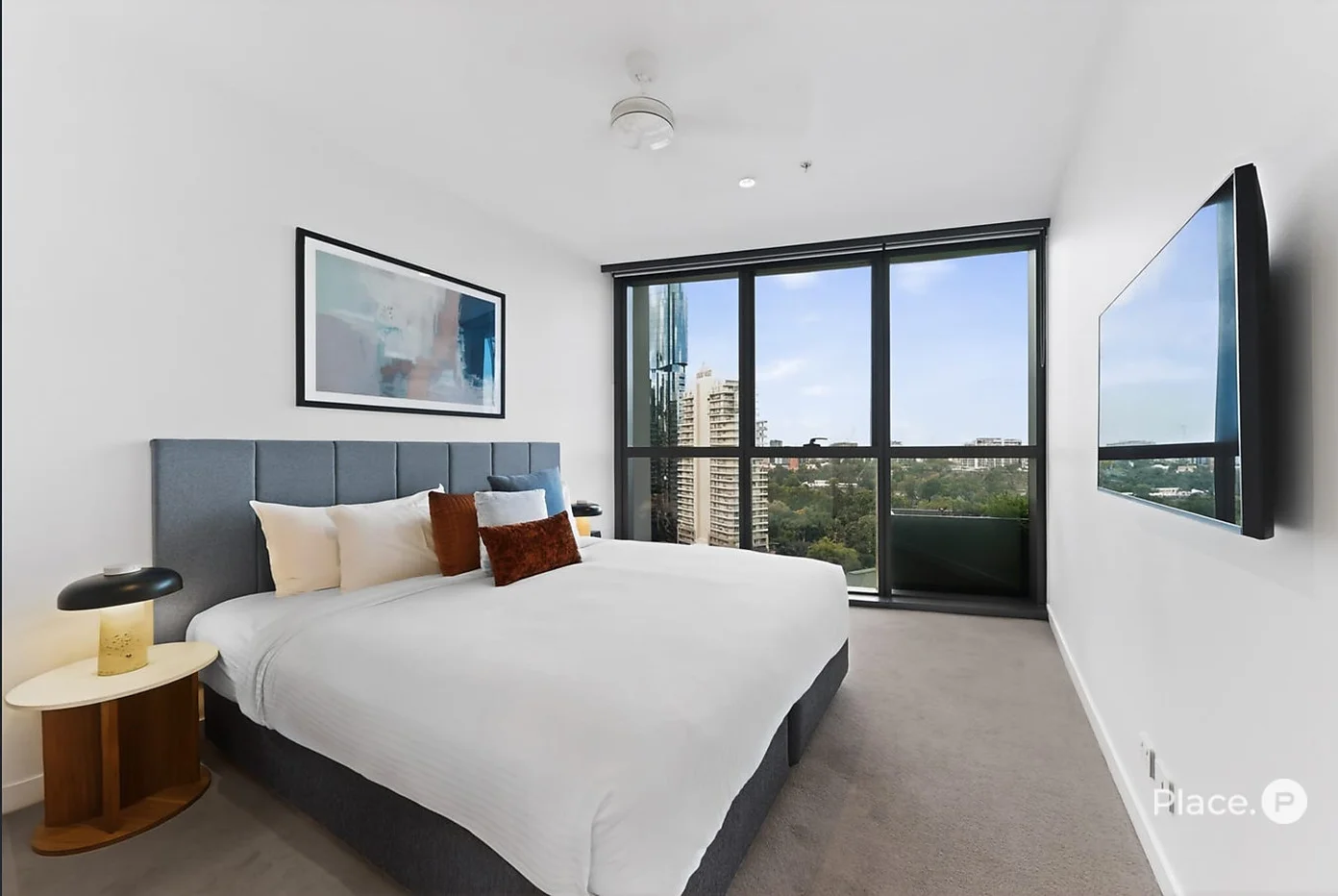 $770,000
Apartment / Unit / Flat
$770,000
Apartment / Unit / Flat
 $550,000
Apartment / Unit / Flat
$550,000
Apartment / Unit / Flat
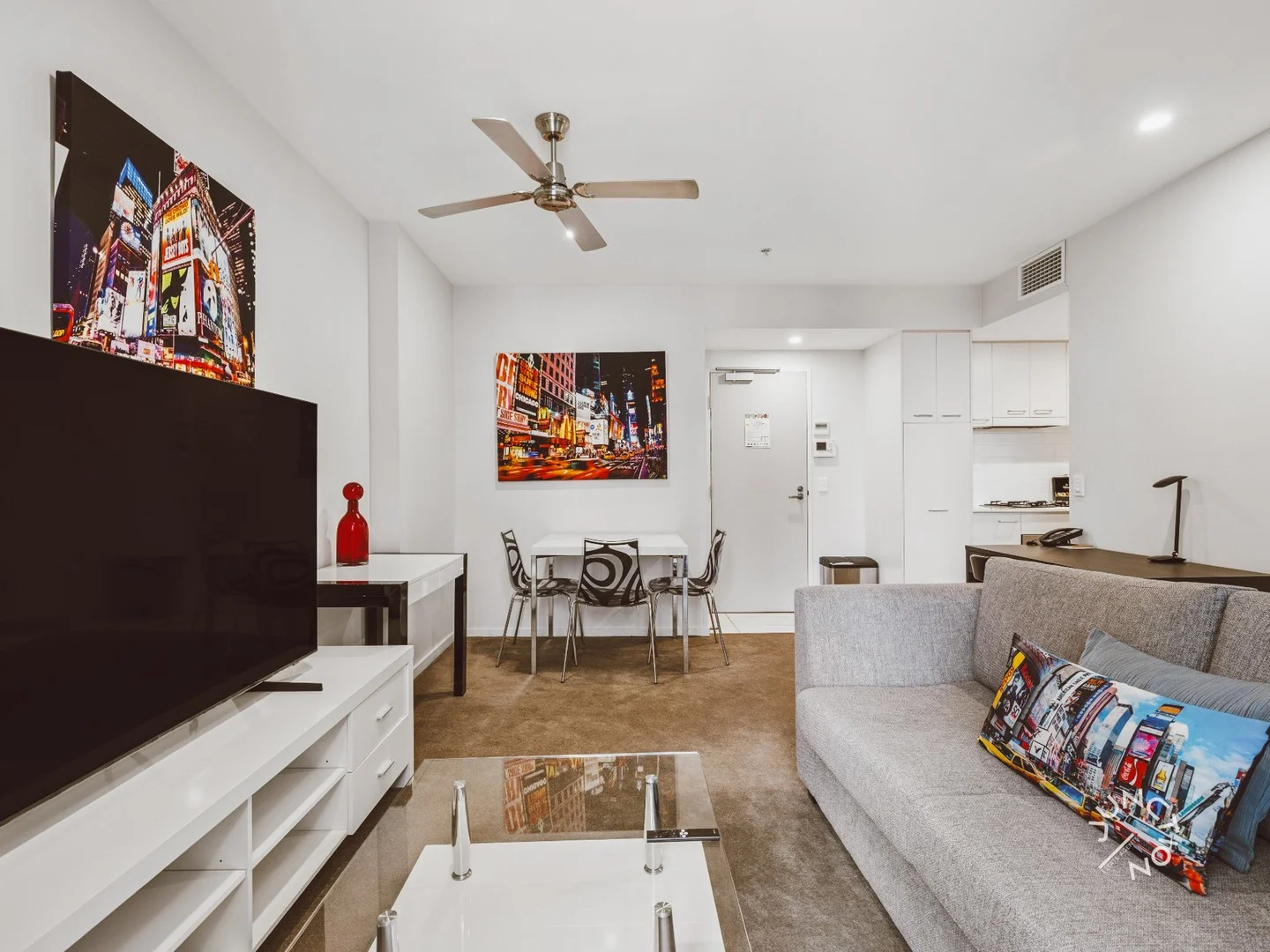 $523,200 - $566,800
Apartment / Unit / Flat
$523,200 - $566,800
Apartment / Unit / Flat
 $950,000
Apartment / Unit / Flat
$950,000
Apartment / Unit / Flat