## 1. Overview
Docklands Primary School is a public (government) primary school serving boys and girls in the inner Melbourne Docklands area. The school emphasises an inclusive, community-minded environment where students are supported to develop strong literacy and numeracy foundations, creativity, and digital literacy within a caring culture.
The school tends to have a small-to-medium student body with class sizes that support close teacher-student relationships. The atmosphere is nurturing and inclusive, with a focus on student wellbeing, collaboration, and a positive learning environment that prepares students for the next steps in their education.
---
## 2. Academics & Learning
- Academic strengths: Strong emphasis on core literacy and numeracy, with opportunities for integrated, inquiry-based learning that connects subjects. The school prioritises developing critical thinking, collaboration, and digital literacy as part of everyday learning.
- Special programs: Access to inclusive education supports and opportunities for student leadership and engagement in school-wide projects. Some programs may include development of digital skills and hands-on STEM activities.
- NAPLAN / trends: Publicly reported trend data for the school typically shows stable or improving outcomes in literacy and numeracy over recent years relative to state averages, with a focus on ensuring every student makes progress.
- Student-teacher ratios: Class sizes and teacher support are geared toward providing individual attention within a small-to-medium school setting; teachers differentiate instruction to meet diverse needs.
- Support for diverse learners: EAL (English as an Additional Language) support and inclusive education practices are available to assist students who require additional help or language support, along with targeted interventions where needed.
---
## 3. Sports & Extracurricular Strengths
- Sports offered: A range of team and individual sports are available, with regular opportunities to participate in local inter-school events and intramural activities.
- Strong teams or achievements: The school participates in school sports programs and inter-school competitions, with a focus on teamwork, sportsmanship, and personal development.
- Music, arts, drama programs: Access to music and performing arts experiences, with opportunities to participate in school assemblies, performances, and related activities.
- Clubs: Robotics, coding, chess, debating, and other clubs are typically offered to extend learning beyond the classroom and to foster problem-solving and critical thinking.
- Partnerships: Engagement with local community clubs and regional competitions provides pathways for students to showcase talents and build skills in areas like sport, robotics, and arts.
---
## 4. Wellbeing & Pastoral Care
- Anti-bullying approach: A school-wide approach to safety and wellbeing, with policies and programs designed to prevent bullying and promote respectful behaviour.
- House system: A house or pastoral framework is commonly used to foster belonging, healthy competition, and leadership opportunities.
- Counsellors / wellbeing officers: Access to wellbeing staff or school counsellors to support students’ emotional and social needs.
- Transition support for new students: Orientation activities and transition supports to help new students settle in, make friends, and adjust to the school environment.
---
## 5. Facilities
- Sports grounds: On-site spaces for physical education and sport, with outdoor areas for activities.
- Libraries: A well-stocked library supporting literacy and inquiry across the curriculum.
- Science labs: Dedicated spaces for science activities and hands-on experiments.
- Music/performing arts centers: Facilities for music, drama, and performing arts activities and performances.
- Tech/innovation labs: Digital learning spaces or technology-enabled classrooms to support coding, robotics, and ICT learning.
- Cafeteria: On-site or accessible lunch facilities and meal options.
- Updated playgrounds: Modern playground areas designed for safe play and active breaks.
---
## 6. School Values & Community Culture
- School values / mission: A focus on respect, responsibility, inclusivity, and collaboration, aligned with a child-centred educational approach.
- Leadership style: Emphasis on student voice and leadership opportunities, with staff guiding and modelling positive behaviours.
- Behaviour expectations: Clear expectations aimed at creating a safe, respectful, and supportive learning environment.
- Community reputation: Known for a welcoming, inclusive culture and strong partnerships with families and local communities.
- Diversity & inclusion: Commitment to diversity and inclusion, ensuring that all students feel valued and supported.
---
## 7. School Logistics & Daily Operations
- School hours: Typically a morning-to-afternoon schedule that aligns with the Victorian primary school calendar.
- Before/after school care: After-school care options are commonly available through third-party providers; check with the school for current arrangements.
- Uniform requirements: School uniforms are standard, with guidelines on everyday wear and approved attire.
- Transport (train/bus routes): Public transport options in the Docklands area include local bus routes and tram services; families are encouraged to check current routes and parking accessibility.
- Canteen availability: Canteen or lunch program options are generally available or accessible through school-supported arrangements.
- Fees (low/medium/high ranges): As a public school, tuition costs are not charged; families may incur costs for uniforms, excursions, materials, and voluntary contributions, which are typically modest.
---
## 8. Enrolment & Admissions
11. What is the enrolment process and timeline?
- Enrolment is typically administered through the Victorian Department of Education process, with documentation required for new students. Schools provide timelines for applications, orientation and transition activities prior to the start of the school year.
12. Is there a waiting list, and how does it work?
- Waiting lists may apply if the school is at capacity. Priority is generally given to local residents within the designated catchment area, with spaces allocated based on space availability and enrollment policies.
13. Are there any entry requirements, tests, or interviews?
- Primary school entry usually does not involve entrance tests or interviews. Some assessments or documentation may be required for enrolment, especially for students with special learning needs or for EAL considerations.
14. Does the school accept mid-year transfers?
- Mid-year transfers may be possible if there is available capacity. Prospective families should contact the school to discuss space, required documentation, and the transfer process.
---
## 9. Frequently Asked Questions
- Why Parents Choose This School?
- A strong sense of community, supportive staff, focus on wellbeing, inclusive culture, and opportunities across academics, arts, and sport.
- What type of student thrives at this school?
- Curious, collaborative students who respond well to a nurturing, inclusive environment and who enjoy engaging in core academics plus creative or sporty activities.
- What opportunities are available for students to extend their skills (academics, sports, arts)?
- Access to extended literacy and numeracy activities, coding/robotics clubs, debating, music and performing arts, sports programs, and leadership opportunities.
- How does the school communicate with parents?
- Regular newsletters, emails, and notices; parent-teacher interviews; reminders via school platforms; information evenings or Curriculum nights.
- What is the school’s approach to teaching and learning?
- Student-centred, inquiry-based learning that emphasises literacy, numeracy, collaboration, and the use of digital tools to enhance learning outcomes.
- How does the school support students who need extra academic help?
- Targeted interventions, small-group support, and access to EAL or inclusive education programs to assist students who require additional help.
- What support is available for students who need extra academic help?
- Similar to above: targeted interventions, differentiated instruction, and specialist support where appropriate.
- How does the school communicate with parents?
- See above: regular updates, meetings, and digital communications.
- What are the class sizes and how much individual attention do students receive?
- Class sizes are generally in the low-to-mid 20s, with teacher differentiation to provide individual attention and small-group support when needed.
- What extracurricular and sports opportunities are available?
- A range of sports, clubs (robotics, coding, chess, debating), and arts programs; opportunities to participate in local inter-school events and performances.
- What facilities does the school offer (sports, science, arts)?
- Sports grounds, library, science labs, music/performing arts spaces, tech/innovation labs, canteen, and updated playgrounds.
- What is the school’s approach to technology and digital learning?
- Emphasis on digital literacy across the curriculum, with access to computer/tech resources and opportunities for students to engage in coding, robotics, and ICT-based learning.
- What transport and accessibility options are available?
- Local bus routes and tram services in the Docklands area; guidance on accessibility and parking options; families should check current transport routes.
- What are the typical school fees or additional costs?
- Tuition is not charged by public schools, but families may incur costs for uniforms, excursions, materials, and voluntary contributions. These costs are typically modest.
---
## 10. Short Pros & Cons
Pros
- Inclusive, supportive learning environment with a focus on wellbeing
- Strong emphasis on core literacy and numeracy with opportunities for enrichment
- Range of extracurriculars including clubs and arts programs
- Small-to-medium class sizes, enabling more individualized attention
- Active community engagement and leadership opportunities
Cons
- As a public school, resources may be more limited than private or independent schools
- Availability of certain programs and clubs can vary year-to-year based on staffing and enrolments
- Mid-year transfers depend on space; catchment requirements can impact intake
- Transport options depend on local routes and public transportation availability
If you’d like, I can tailor this content further with any additional details you have from the school or update sections to reflect the latest information you want to emphasize.
 Free
Free











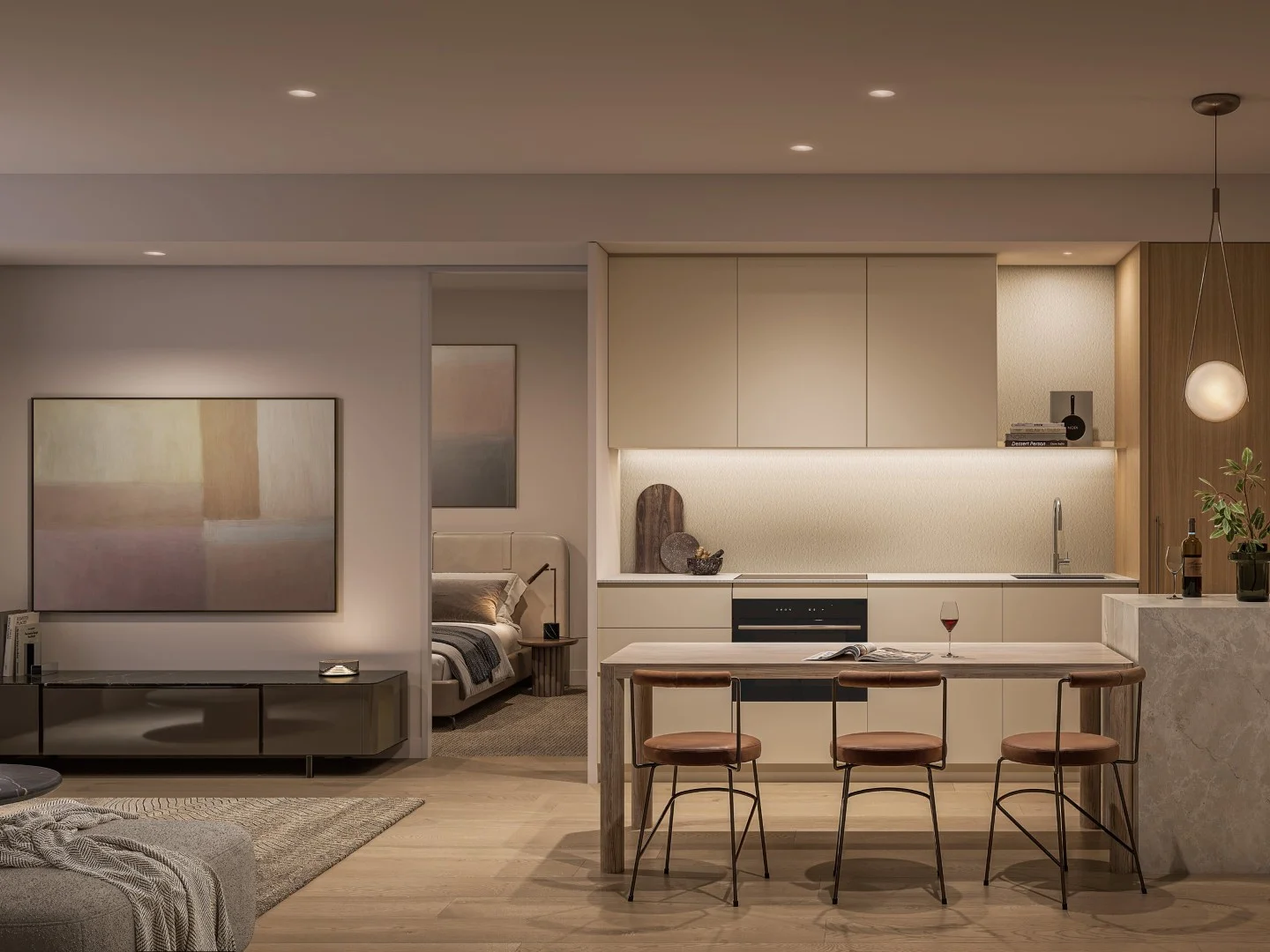
 $1,870,000
propertyType.NEW APARTMENTS / OFF THE PLAN
$1,870,000
propertyType.NEW APARTMENTS / OFF THE PLAN
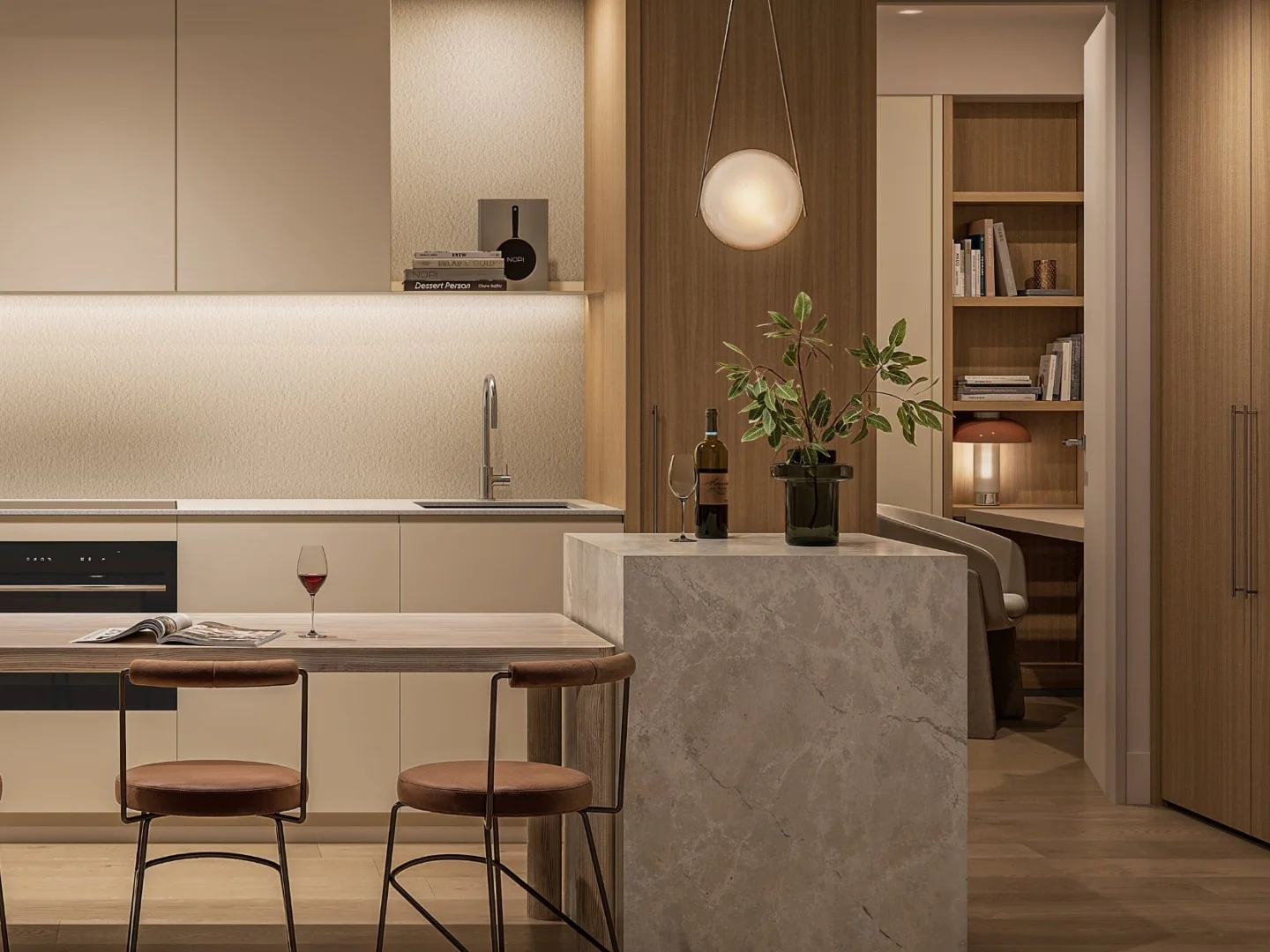
 $666,000
Apartment / Unit / Flat
$666,000
Apartment / Unit / Flat
 $2,865,000
Apartment / Unit / Flat
$2,865,000
Apartment / Unit / Flat
 $712,500
Apartment / Unit / Flat
$712,500
Apartment / Unit / Flat
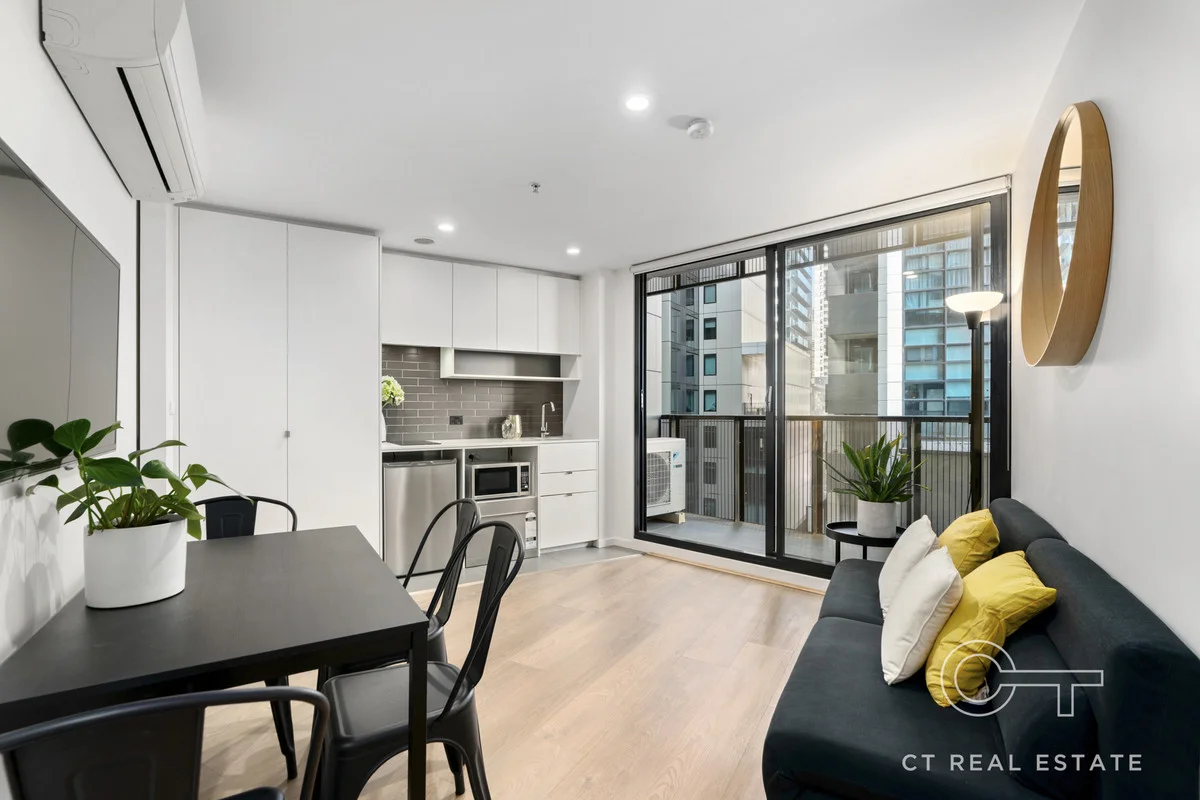 $360,000
Apartment / Unit / Flat
$360,000
Apartment / Unit / Flat
 $820,000
propertyType.NEW APARTMENTS / OFF THE PLAN
$820,000
propertyType.NEW APARTMENTS / OFF THE PLAN
 $1,770,000
propertyType.NEW APARTMENTS / OFF THE PLAN
$1,770,000
propertyType.NEW APARTMENTS / OFF THE PLAN
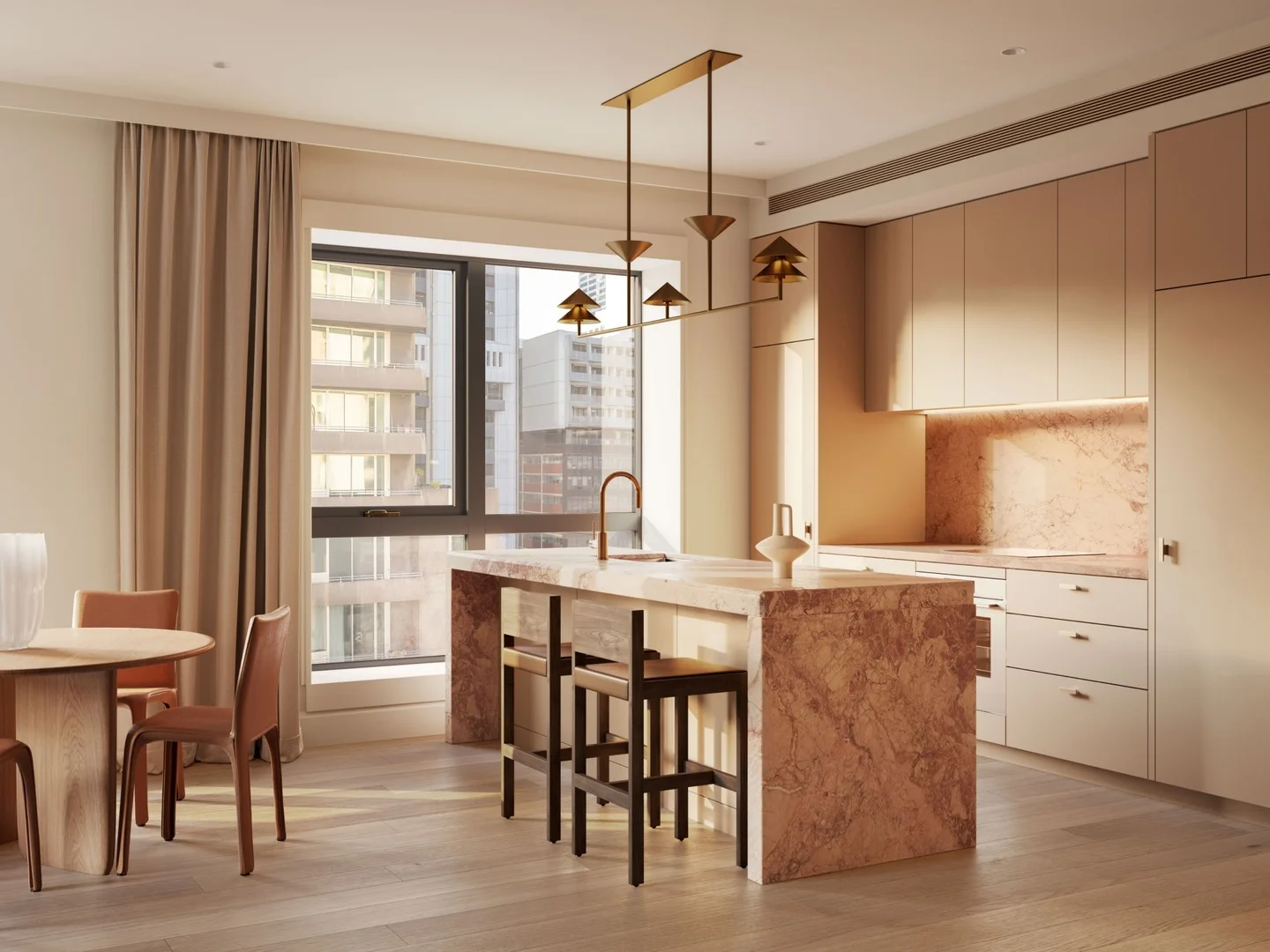 $1,760,000
propertyType.NEW APARTMENTS / OFF THE PLAN
$1,760,000
propertyType.NEW APARTMENTS / OFF THE PLAN
 $3,700,000
propertyType.NEW APARTMENTS / OFF THE PLAN
$3,700,000
propertyType.NEW APARTMENTS / OFF THE PLAN


