## Overview
Dominican School Semaphore is a Catholic, independent school offering a values-based education in a close-knit community. The school emphasizes a supportive, faith-driven environment where students are encouraged to grow academically, socially, and personally.
- School type: Catholic
- School size: Small to medium
- Class size: Approximately 20–24 students per class
- Atmosphere/culture: Nurturing, inclusive, academically focused
⸻
## Academics & Learning
Dominican Semaphore focuses on a well-rounded curriculum that supports curiosity, responsibility, and achievement. The school emphasizes core literacy and numeracy while offering opportunities to explore STEM, languages, and leadership through engaging programs and projects.
- Academic strengths: English, STEM, leadership development, and languages
- Special programs: Gifted and Talented opportunities, accelerated learning options, leadership programs
- NAPLAN / trends: Positive trends with steady improvement over recent years
- Student-teacher ratios: Approximately 1:12–1:18
- Support for diverse learners: EAL support for students new to English, dedicated SEN/support services, and coordinated learning support
⸻
## Sports & Extracurricular Strengths
A strong focus on holistic development means substantial attention to sport, arts, and clubs. The school promotes teamwork, discipline, and personal growth through a range of activities and competitions.
- Sports offered: Soccer, AFL/football, basketball, netball, cricket, athletics
- Strong teams or achievements: Regular participation in regional competitions and school-based team achievements
- Music, arts, drama programs: Active music ensembles, drama productions, and visual arts
- Clubs: Robotics, chess, coding, debating, and other STEM/academic clubs
- Partnerships: Local clubs and regional interschool competitions to extend opportunities
⸻
## Wellbeing & Pastoral Care
Wellbeing is a central pillar of the school experience, with proactive support to help students feel secure, valued, and ready to learn.
- Anti-bullying approach: Clear policies, regular education, and a supportive culture that promotes respect
- House system: House-based activities to foster belonging, leadership, and healthy competition
- Counsellors / wellbeing officers: Access to school counsellors and wellbeing staff for student support
- Transition support for new students: Structured orientation and buddy programs to ease transitions
⸻
## Facilities
The school’s facilities are designed to support a broad program of learning, creativity, and physical activity.
- Sports grounds
- Libraries
- Science labs
- Music/performing arts centers
- Tech/innovation labs
- Cafeteria
- Updated playgrounds
⸻
## School Values & Community Culture
Parents often look for a school where character and community matter as much as academics. Dominican Semaphore aims to cultivate respectful, responsible, and compassionate students within a supportive school culture.
- School values / mission: Values-based education aligned with Catholic philosophy
- Leadership style: Collaborative and student-centered, with opportunities for student voice
- Behaviour expectations: Clear codes of conduct centered on respect, responsibility, and integrity
- Community reputation: Welcoming and inclusive, with strong parent–school partnerships
- Diversity & inclusion: Commitment to inclusive practices and celebrating diverse backgrounds
⸻
## School Logistics & Daily Operations
Practical information helps families plan around the school day and routines.
- School hours: Typical school day with start and end times consistent with local standards
- Before/after school care: Available or coordinated options on-site or nearby
- Uniform requirements: Standard Catholic school uniform policy
- Transport (train/bus routes): Public transport options and drive/carpool arrangements; school may provide guidance on routes
- Canteen availability: On-site canteen or lunch program
- Fees (low/medium/high ranges): Fees fall in the mid-range for private Catholic schools with potential additional costs for camps, trips, and resources
⸻
## Enrolment & Admissions
1. What is the enrolment process and timeline?
- Applications are typically open on a scheduled cycle each year. The process generally includes submitting an application, providing required documents, and participating in a brief interview or information session. A notification timeline outlines when offers are made, with subsequent steps to secure placement within the stated timeframe.
2. Is there a waiting list, and how does it work?
- Waiting lists are common when spaces are limited. If a waitlist applies, families are informed of their position and expected wait times, and offers are made based on space availability and any prioritisation policy (e.g., siblings, special circumstances).
3. Are there any entry requirements, tests, or interviews?
- Entry typically involves a discussion or interview, and may include a short readiness or age-appropriate assessment. Documents such as birth certificates and previous school reports are usually requested.
4. Does the school accept mid-year transfers?
- Mid-year transfers are considered where spaces exist. Availability depends on current enrolments, with a streamlined process to ensure a smooth transition for the student and family.
⸻
## Frequently Asked Questions
- Why Parents Choose This School?
- A values-driven Catholic education with a supportive community, strong pastoral care, and balanced academics.
- What type of student thrives at this school?
- Curious, respectful, engaged learners who value community, service, and personal growth.
- What opportunities are available for students to extend their skills (academics, sports, arts)?
- Rigorous core programs, leadership opportunities, gifted/talented pathways, a broad range of sports, music, drama, robotics, debating, and other clubs.
- How does the school communicate with parents?
- Regular newsletters, emails, a parent portal or app, and parent-teacher meetings to keep families informed and engaged.
- What is the school’s approach to teaching and learning?
- Student-centered, differentiated instruction that supports literacy and numeracy development, with opportunities for inquiry and hands-on learning.
- How does the school support students who need extra academic help?
- Dedicated learning support, EAL services, small-group or targeted interventions as part of an inclusive approach.
- What support is available for academic challenges?
- Access to counsellors and learning support staff, as well as tailored plans to address specific learning needs.
- How does the school communicate with parents?
- See above: newsletters, portal/app, and scheduled parent-teacher meetings for ongoing dialogue.
- What are the class sizes and how much individual attention do students receive?
- Class sizes typically around 20–24 students, with opportunities for individualized support through small-group instruction and targeted interventions.
- What extracurricular and sports opportunities are available?
- A broad program including soccer, AFL, basketball, netball, cricket, athletics, robotics, chess, coding, debating, music, drama, and arts.
- What facilities does the school offer (sports, science, arts)?
- Comprehensive facilities across sports grounds, library, science labs, performing arts spaces, tech/innovation labs, and a canteen.
- What is the school’s approach to technology and digital learning?
- Emphasis on digital literacy, age-appropriate technology use, and safe online practices integrated into learning activities.
- What transport and accessibility options are available?
- Information on local transport routes and parking; support for families in planning journeys to and from school.
- What are typical school fees or additional costs?
- Fees fall in the mid-range for private Catholic schools, with additional costs for uniforms, excursions, and activities as applicable.
⸻
## Short Pros & Cons list
- Pros
- Catholic, values-driven education with a nurturing community
- Small to medium school size and relatively low class sizes
- Strong pastoral care, wellbeing supports, and transition programs
- Broad academic and co-curricular offerings (STEM, languages, sports, arts)
- Active parent-school partnership and inclusive culture
- Cons
- Limited capacity may mean a waiting list for entry
- As a private Catholic school, fees are applicable (relative to peers)
- Specialized programs may be capped by cohort size; competition for popular electives can occur
⸻









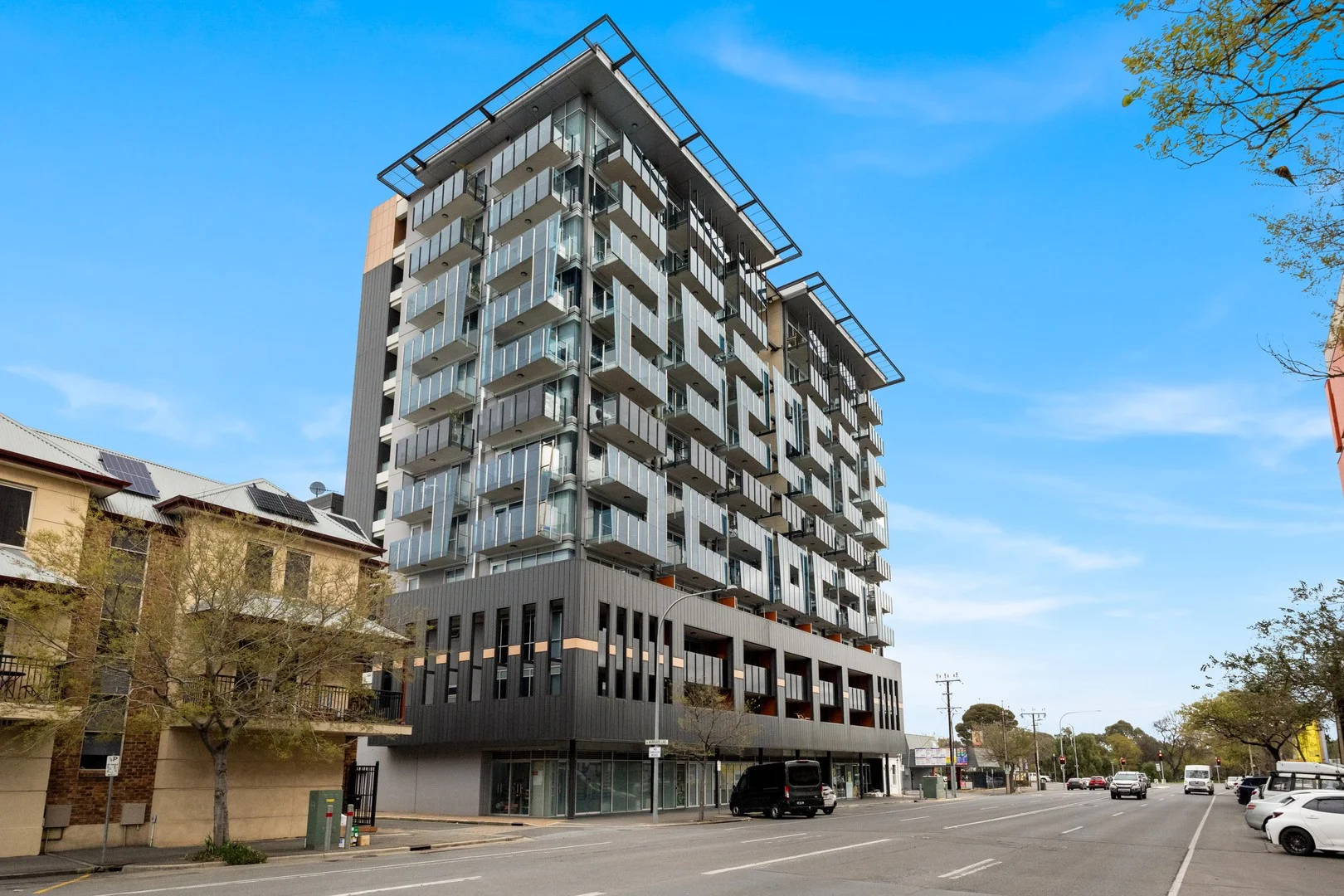 $1,100,000
Apartment / Unit / Flat
$1,100,000
Apartment / Unit / Flat
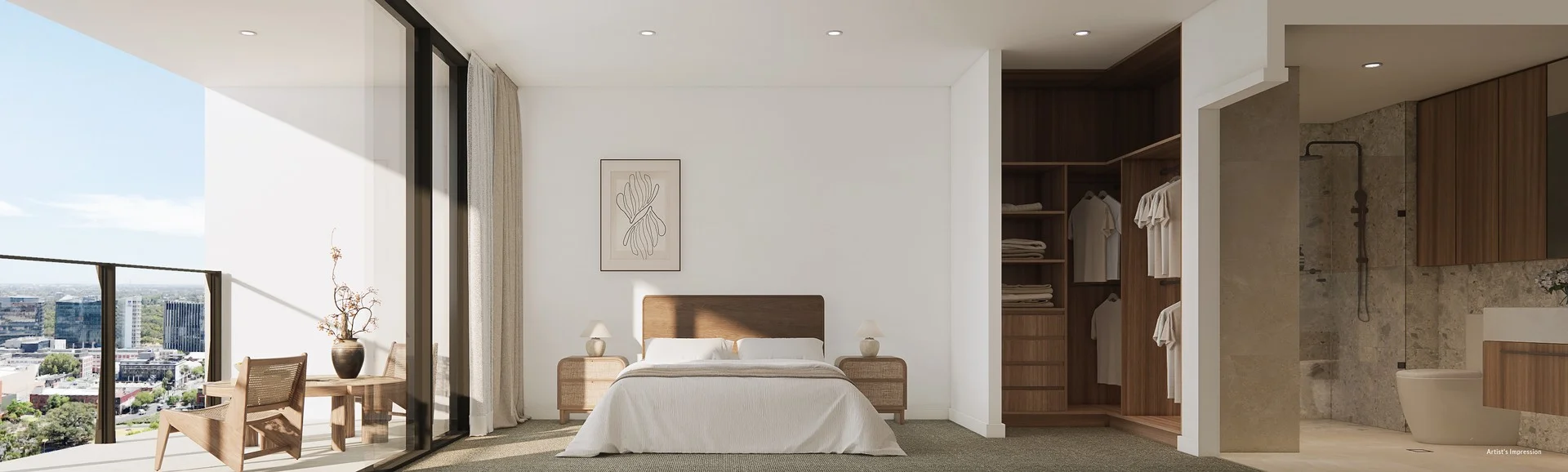 $1,056,000
Apartment / Unit / Flat
$1,056,000
Apartment / Unit / Flat
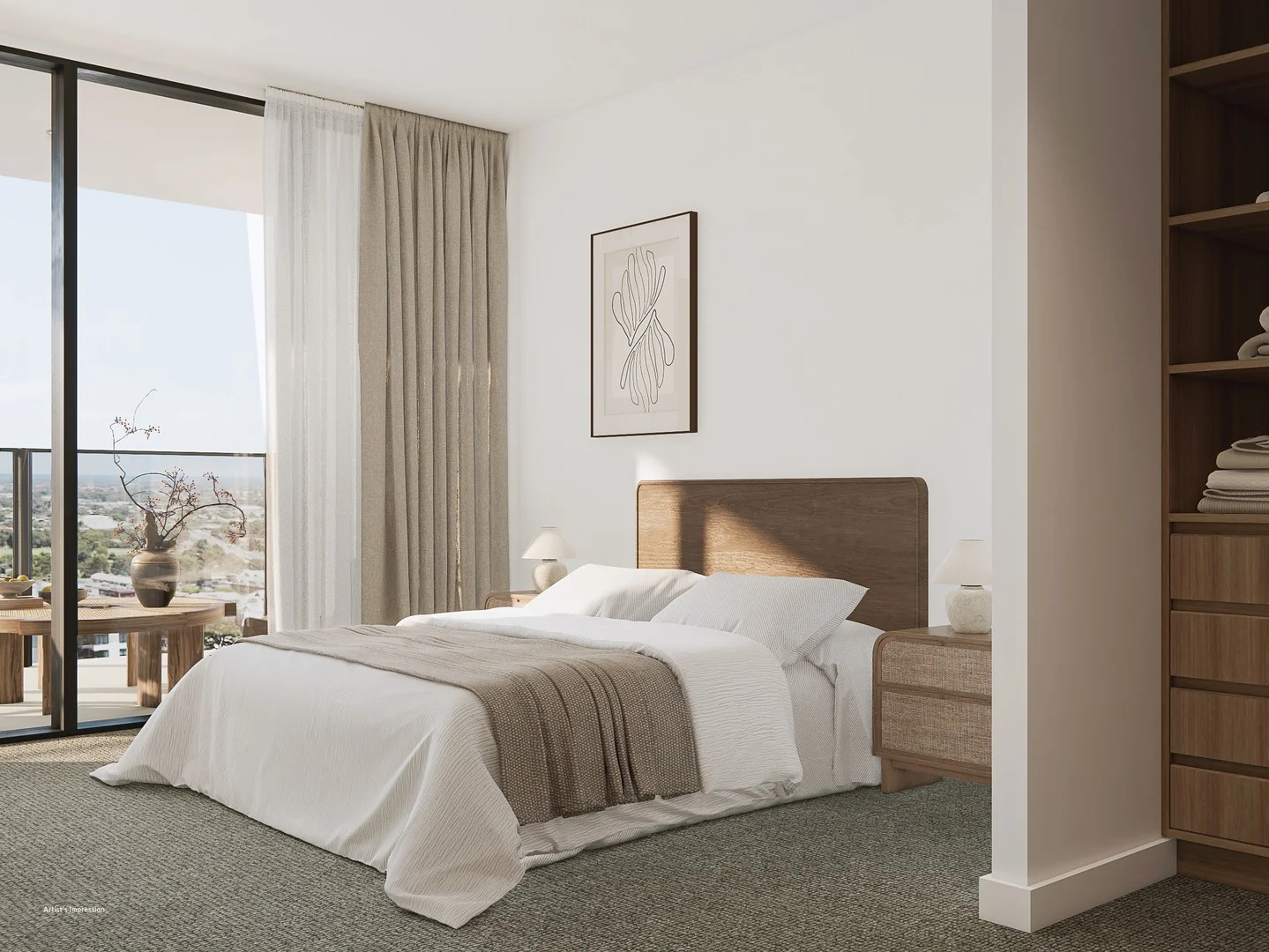 $935,000
Apartment / Unit / Flat
$935,000
Apartment / Unit / Flat
 $557,000
Apartment / Unit / Flat
$557,000
Apartment / Unit / Flat
 $588,000
Apartment / Unit / Flat
$588,000
Apartment / Unit / Flat
 $440,000
Apartment / Unit / Flat
$440,000
Apartment / Unit / Flat
 $545,000
Apartment / Unit / Flat
$545,000
Apartment / Unit / Flat