## 1. Overview
Portside Christian College is an independent/private Christian school offering education for students from [early learning] through to [Year 12]. The college aims to balance academic achievement with character development within a faith-based community, supporting students to grow as learners, friends, and responsible citizens.
- School type: [Independent/private Christian]
- School size: [Medium]
- Class size: [Approximately X students per class]
- Atmosphere/culture: [Nurturing, inclusive, faith-based]
---
## 2. Academics & Learning
Portside Christian College focuses on delivering a well-rounded curriculum with opportunities to excel in key areas and grow as individuals.
- Academic strengths: [STEM, English, leadership, languages, etc.]
- Special programs: [IB, accelerated learning, gifted/talented, etc.]
- NAPLAN / Ofsted trends: [Latest trends and directions without scores; e.g., improving, stable, or increasing consistency across year levels]
- Student-teacher ratios: [1:X]
- Support for diverse learners: [EAL, SEN, inclusive education supports]
---
## 3. Sports & Extracurricular Strengths
A core part of the student experience, with activities designed to build teamwork, resilience, and passion beyond the classroom.
- Sports offered: [list of sports]
- Strong teams or achievements: [notable teams/achievements]
- Music, arts, drama programs: [brief description of offerings and opportunities]
- Clubs: [robotics, chess, coding, debating, etc.]
- Partnerships: [local academies, competitions, community programs]
Most parents skim this section, especially for boys aged 10–14.
---
## 4. Wellbeing & Pastoral Care
A foundation for student success, focusing on safety, belonging, and personal growth.
- Anti-bullying approach: [policies, programs, and culture]
- House system: [yes/no; structure and purpose]
- Counsellors / wellbeing officers: [availability and support services]
- Transition support for new students: [orientation, buddy programs, mentoring]
---
## 5. Facilities
Facilities are a key factor in daily student life. The school provides spaces that support learning, creativity, and recreation.
- Sports grounds: [description]
- Libraries: [description]
- Science labs: [description]
- Music/performing arts centers: [description]
- Tech/innovation labs: [description]
- Cafeteria: [description]
- Updated playgrounds: [description]
---
## 6. School Values & Community Culture
Parents often look for alignment between values and daily life at school. This section covers the school’s ethos and social climate.
- School values / mission: [core values and goals]
- Leadership style: [participative, servant leadership, student voice, etc.]
- Behaviour expectations: [code of conduct and consistency of expectations]
- Community reputation: [how the school is perceived in the local area]
- Diversity & inclusion: [approach to building an inclusive community]
---
## 7. School Logistics & Daily Operations
Quick, practical details that families need to plan their day-to-day.
- School hours: [start and finish times]
- Before/after school care: [availability and options]
- Uniform requirements: [description and typical costs]
- Transport (train/bus routes): [options and common routes]
- Canteen availability: [yes/no and meal options]
- Fees (low/medium/high ranges): [fee range and notable additional costs]
---
## 8. Enrolment & Admissions
11. What is the enrolment process and timeline?
- [Step-by-step process, typical timelines, required documents, and any important dates.]
12. Is there a waiting list, and how does it work?
- [Whether there is a waiting list, how long it lasts, how priority is determined, and how families can improve their position.]
13. Are there any entry requirements, tests, or interviews?
- [Any entrance assessments, interviews, or intake requirements and what they assess.]
14. Does the school accept mid-year transfers?
- [Policies on mid-year admissions, required steps, and timelines.]
---
## 9. Frequently Asked Questions
- Why Parents Choose This School?
- [Concise justification focusing on faith-based community, academics, wellbeing, and values.]
- What type of student thrives at this school?
- [Traits that align with the school’s culture, such as collaboration, curiosity, and a values-driven approach.]
- What opportunities are available for students to extend their skills (academics, sports, arts)?
- [Examples of advanced coursework, clubs, competitions, and performance pathways.]
- How does the school communicate with parents?
- [Newsletters, portals, meetings, parent evenings, and openness to feedback.]
- What is the school’s approach to teaching and learning?
- [Philosophy, instructional methods, and emphasis on growth mindset and character.]
- How does the school support students who need extra academic help?
- [Tutoring, targeted interventions, EAL/SEN supports, and progress monitoring.]
- What support is available for academic challenges?
- [Accessibility, counseling, tutoring, and adjustive supports.]
- How does the school communicate with parents?
- [Repeat of communication channels and frequency.]
- What are the class sizes and how much individual attention do students receive?
- [Typical class sizes and any small-group or targeted support arrangements.]
- What extracurricular and sports opportunities are available?
- [Overview of available options across sports, arts, and clubs.]
- What facilities does the school offer (sports, science, arts)?
- [Brief summary of key facilities and how they enhance learning.]
- What is the school’s approach to technology and digital learning?
- [Tech integration, devices, digital literacy emphasis, and safety policies.]
- What transport and accessibility options are available?
- [Transport options and accessibility considerations.]
- What are the typical school fees or additional costs?
- [General fee ranges and common elective costs or activity fees.]
---
## 10. Short Pros & Cons list
Pros
- Strong sense of community and values-based education
- Supportive pastoral care and wellbeing services
- Moderate class sizes enabling some individual attention
- Opportunities across academics, arts, and sports
- Facilities that support a broad curriculum
Cons
- Religious emphasis may not suit all families
- Extracurricular offerings may be more limited than larger schools
- Fees could be higher than some government options
- Availability of certain programs may depend on year level or cohort
- Commute or travel considerations for families outside the immediate area
---
If you provide the actual data for Portside Christian College (specific enrolment figures, exact programs, and current policies), I can replace the placeholders with precise information and tailor the content to reflect the school's latest offerings.









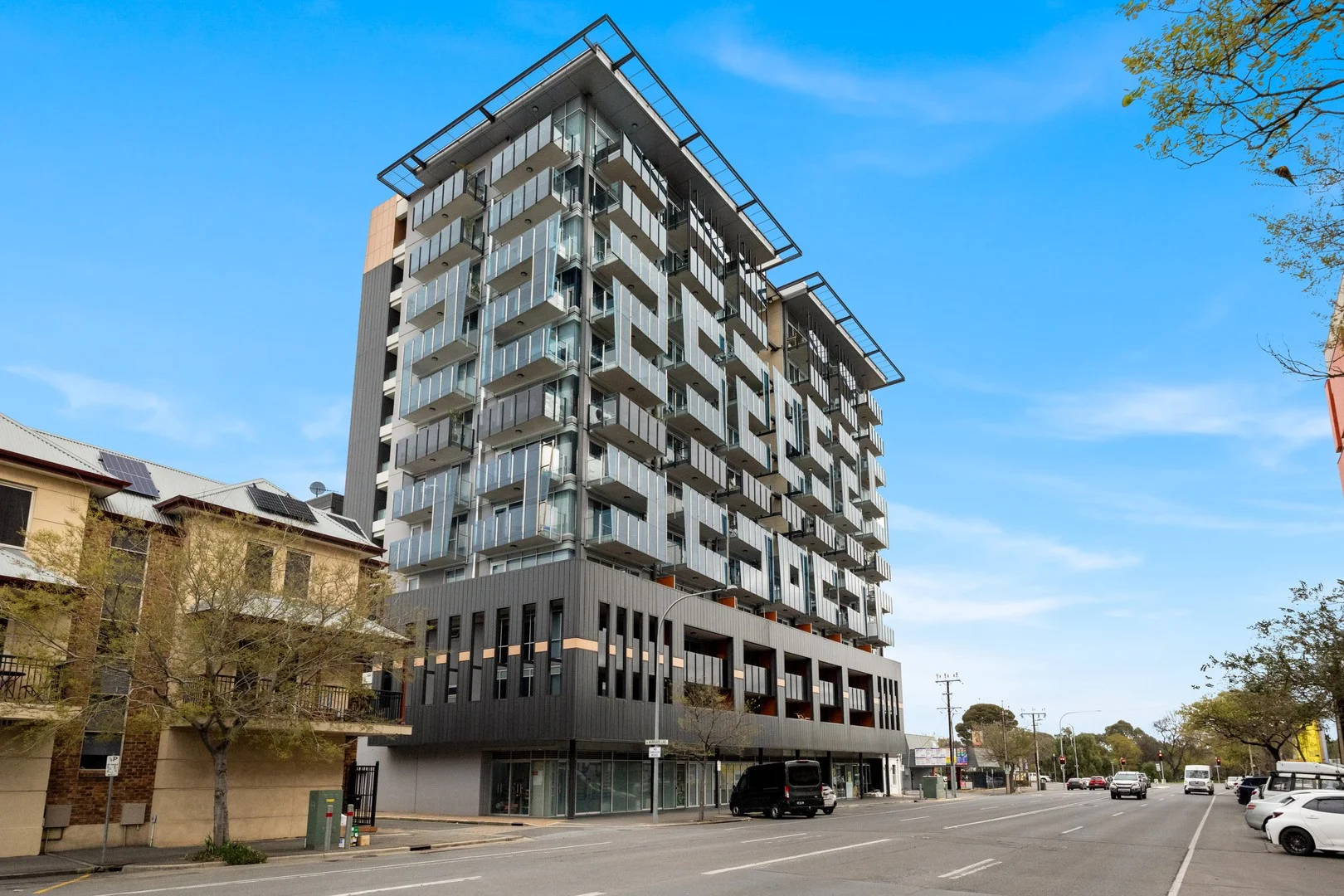 $1,100,000
Apartment / Unit / Flat
$1,100,000
Apartment / Unit / Flat
 $1,056,000
Apartment / Unit / Flat
$1,056,000
Apartment / Unit / Flat
 $557,000
Apartment / Unit / Flat
$557,000
Apartment / Unit / Flat
 $935,000
Apartment / Unit / Flat
$935,000
Apartment / Unit / Flat
 $588,000
Apartment / Unit / Flat
$588,000
Apartment / Unit / Flat
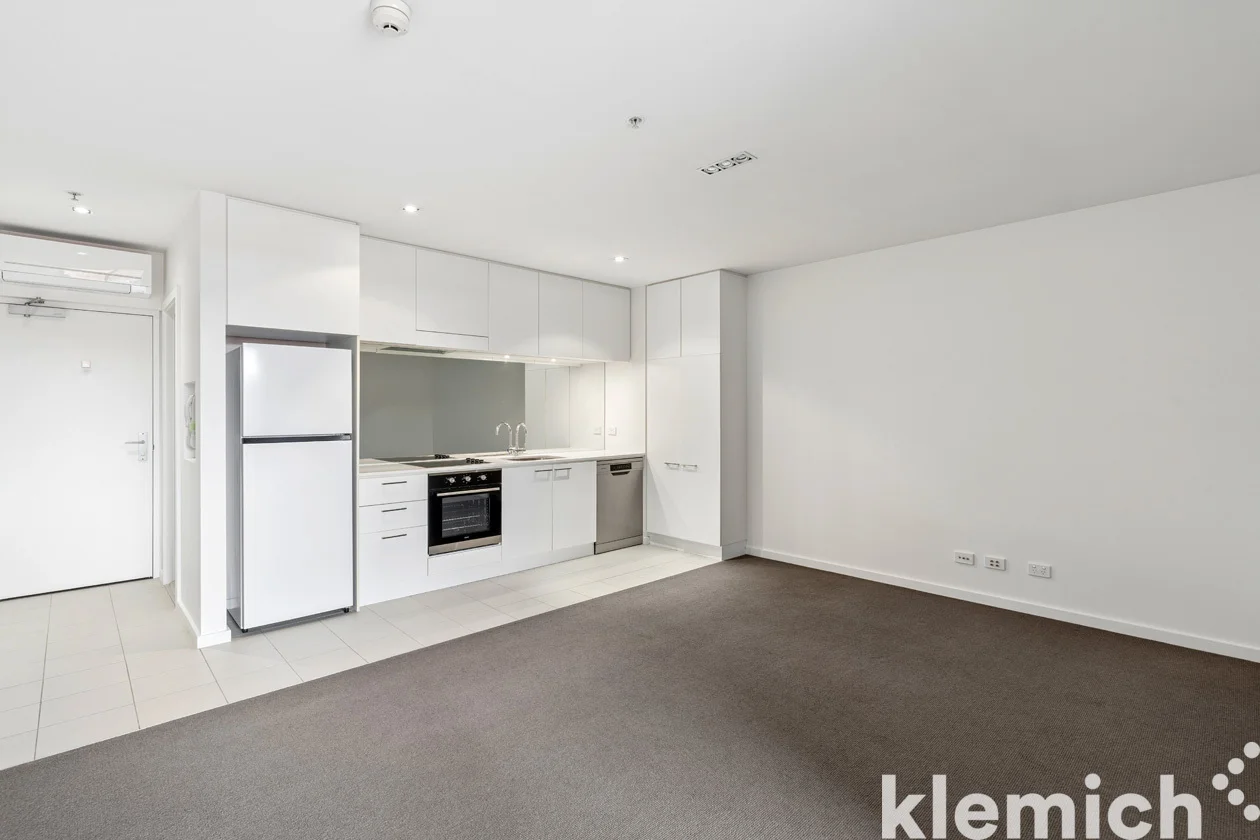 $440,000
Apartment / Unit / Flat
$440,000
Apartment / Unit / Flat
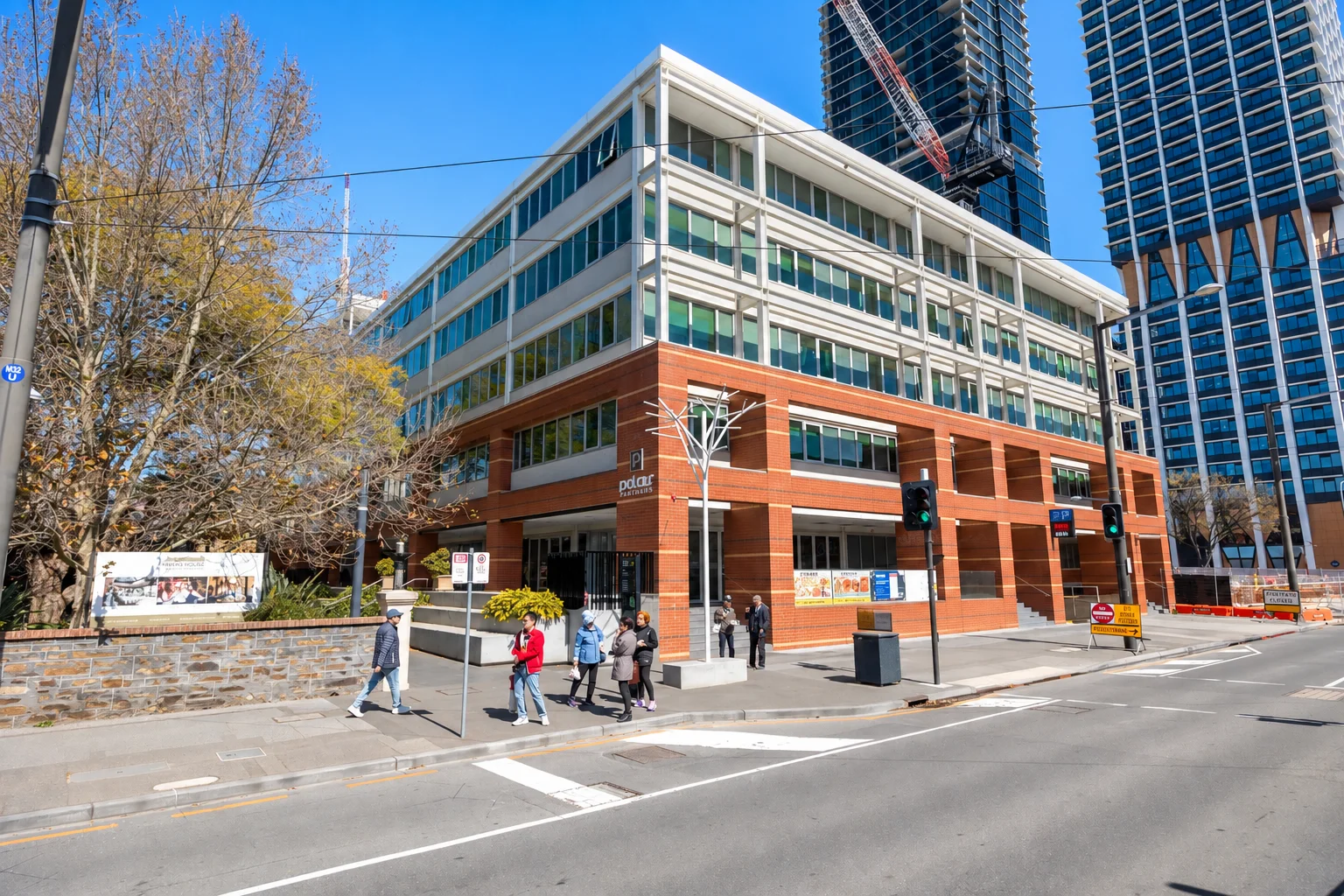 $545,000
Apartment / Unit / Flat
$545,000
Apartment / Unit / Flat
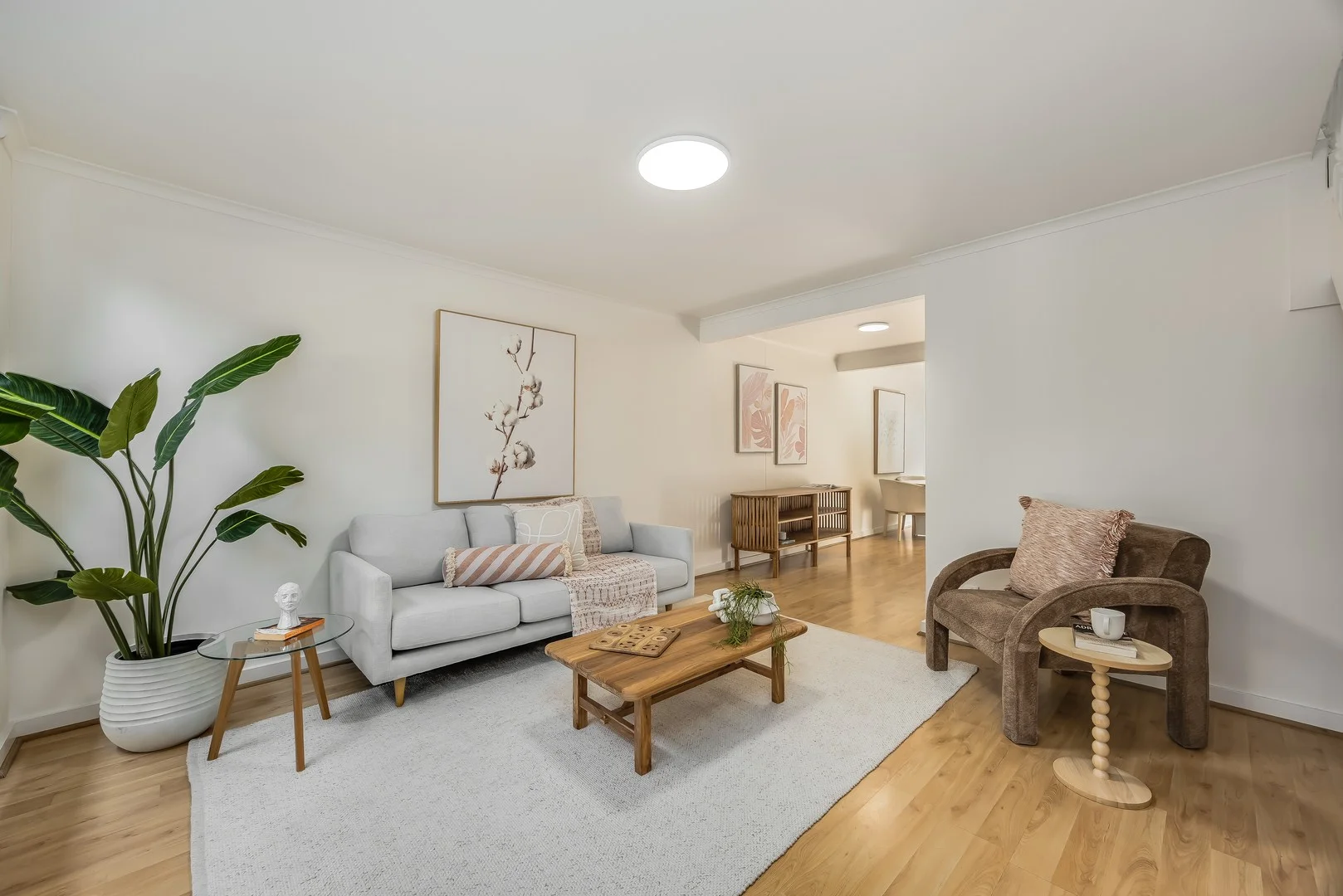 $775,000
House
$775,000
House