## 1. Overview
LeFevre High School is a public government secondary school located in Semaphore South, South Australia. It serves students across the secondary years (including senior studies) with a focus on broad curriculum options, practical pathways, and pathways into further study or vocational training. The school aims to provide an inclusive, supportive environment where students can develop academically while engaging in a range of co-curricular activities.
School type: Public
School size: Medium
Class size: Typical classes in the mid-20s
Atmosphere/culture: Inclusive, supportive, academically oriented with opportunities in sport and the arts
---
## 2. Academics & Learning
- Academic strengths: Strengths commonly highlighted include STEM and technology subjects, English literacy, leadership opportunities, and language study. The school supports a broad core curriculum alongside flexibility for electives and pathways.
- Special programs: Pathways to vocational education and training (VET) and other career-aligned options are available. The school supports the senior secondary program (SACE) with opportunities for practical and applied learning; gifted and talented initiatives may be available through school programs.
- NAPLAN / trends: Public reporting and school planning align with state trends, with a focus on maintaining or improving literacy and numeracy outcomes year to year. The school works on targeted strategies to support student progress.
- Student-teacher ratios: Typically around 1:20, with class sizes in the mid-20s. Individual attention is supported through subject-level support and pastoral structures.
- Support for diverse learners: EAL (English as an Additional Language) and SEN (Special Educational Needs) support are available, including learning support staff and targeted interventions to help students reach their potential.
---
## 3. Sports & Extracurricular Strengths
- Sports offered: A broad range of inter-school and in-school sports, including soccer, basketball, netball, football, cricket, and athletics. The program supports participation across different skill levels.
- Strong teams or achievements: The school participates in local and regional competitions and aims to build competitive teams across sports with diverse student involvement.
- Music, arts, drama programs: Active music and performing arts programs, with opportunities for ensembles, bands, theatre productions, and related creative activities.
- Clubs: Robotics, coding, chess, debating, and other enrichment clubs are available to students seeking to extend learning beyond the classroom.
- Partnerships: Connections with local community groups and industry partners support VET pathways, competitions, and real-world experiences for students.
---
## 4. Wellbeing & Pastoral Care
- Anti-bullying approach: Clear anti-bullying policies and student support systems are in place to promote a safe and respectful environment.
- House system: Pastoral care structures and house-like grouping arrangements exist to foster belonging and accountability (details may vary by year).
- Counsellors / wellbeing officers: Access to school-based counselling and wellbeing staff to support student mental health and personal development.
- Transition support for new students: Induction and transition programs help new students settle in, with ongoing support during the first weeks and terms.
---
## 5. Facilities
- Sports grounds: On-site sports fields and facilities to support physical education and inter-school sports.
- Libraries: On-site library resources to support study and reading initiatives.
- Science labs: Modern science laboratories for hands-on experiments and practical learning.
- Music/performing arts centers: Dedicated spaces for music practice, rehearsals, and performances.
- Tech/innovation labs: Computer and technology teaching spaces to support digital literacy, coding, and project work.
- Cafeteria: On-site canteen or cafeteria providing daily meals and snacks.
- Updated playgrounds: Well-maintained outdoor spaces for recreation and informal learning.
---
## 6. School Values & Community Culture
- School values / mission: A focus on respect, inclusion, collaboration, and achievement to guide student behavior and learning.
- Leadership style: Collaborative and student-centered, with opportunities for student voice through student councils, leadership roles, and peer programs.
- Behaviour expectations: Clear codes of conduct that emphasize respect for others, responsibility, and integrity.
- Community reputation: Aims to be seen as a welcoming, reliable public option within the local community, with active parental involvement through school activities and communications.
- Diversity & inclusion: Commitment to an inclusive environment with diverse student participation and supports for all learners.
---
## 7. School Logistics & Daily Operations
- School hours: Typical school day generally starts in the morning and ends in the afternoon, with varying start times across year levels.
- Before/after school care: After-school activities and supervised programs may be available through the school or in partnership with community providers.
- Uniform requirements: School uniform is standard; details are provided in the student handbook.
- Transport (train/bus routes): Public transport options (bus routes and nearby stops) provide access to and from the school; local transit information is available through transport authorities.
- Canteen availability: On-site canteen or cafeteria services for meals and snacks.
- Fees (low/medium/high ranges): As a public school, there is generally no tuition fee for standard enrollment; there may be modest costs for excursions, materials, and extra-curricular activities.
---
## 8. Enrolment & Admissions
11. What is the enrolment process and timeline?
- Begin with confirming your zoning and eligibility. Submit the required documentation (birth/identity documents, proof of address, previous school records, immunisations, and any special needs information). The process typically includes an online or in-person application, followed by school placement decisions within the published timelines. Orientation and transition information are often provided before the new school year.
12. Is there a waiting list, and how does it work?
- In-zone enrolments are prioritized. If there is no immediate placement for out-of-zone applicants, a waiting list may be used. Offers are made based on space availability and the school’s placement policies.
13. Are there any entry requirements, tests, or interviews?
- For standard public high school entry, there are usually no entrance exams. Some programs or specific pathways may have informal intake processes or discussions, but most admissions rely on residency, available space, and general enrolment requirements. Interviews are not typically required for ordinary enrolments.
14. Does the school accept mid-year transfers?
- Mid-year transfers are considered subject to space and the necessary approvals. Parents should contact the school as soon as possible to assess availability and complete the required transfer paperwork.
---
## 9. Frequently Ask Questions
- Why Parents Choose This School?
- A public option with broad curriculum, practical pathways, and a focus on wellbeing and inclusion; opportunities in sports, arts, and VET; supportive staff and a community feel.
- What type of student thrives at this school?
- Students who want a balanced program with strong core subjects, access to practical and vocational pathways, and involvement in clubs and teams. Those who value supportive relationships and a collaborative environment tend to do well.
- What opportunities are available for students to extend their skills (academics, sports, arts)?
- Core academic programs plus VET pathways, leadership opportunities, sports teams, music ensembles, drama productions, robotics, coding, debating, and various clubs.
- How does the school communicate with parents?
- Regular notices, emails, newsletters, parent-teacher meetings, and online portals or communications platforms are typical channels.
- What is the school’s approach to teaching and learning?
- A combination of curriculum-driven instruction, practical and project-based learning, and support for diverse learners, aimed at developing literacy, numeracy, and higher-order thinking.
- How does the school support students who need extra academic help?
- Targeted literacy and numeracy support, learning support staff, EAL and SEN assistance, and access to tutoring or intervention programs as needed.
- What support is available for academic challenges?
- Additional tutoring, assessment accommodations, and personalised learning plans where appropriate, plus access to guidance counsellors.
- How does the school communicate with parents? (Repeated)
- See above: regular updates through various channels, including meetings and portals.
- What are the class sizes and how much individual attention do students receive?
- Typical class sizes are in the mid-20s with teacher-led instruction and targeted small-group or one-on-one support available through subject teachers and support staff.
- What extracurricular and sports opportunities are available?
- A wide range of sports, music and drama programs, robotics, coding, chess, debating clubs, and other enrichment activities throughout the year.
- What facilities does the school offer (sports, science, arts)?
- Sports grounds, libraries, science labs, music/performing arts spaces, technology labs, cafeteria, and updated outdoor facilities.
- What is the school’s approach to technology and digital learning?
- Integration of digital learning tools and resources, with access to computers and related technologies to support modern teaching and student skills.
- What transport and accessibility options are available?
- Public transport options (bus routes and stops) serve the school; accessibility considerations are handled through standard school facilities and supports.
- What are the typical school fees or additional costs?
- As a public school, there is no tuition, with potential modest costs for excursions, materials, or optional activities.
---
## 10. Short Pros & Cons list
- Pros
- Public education option with broad curriculum and pathways
- Emphasis on wellbeing, inclusion, and supportive staff
- Range of extra-curricular activities (sport, arts, clubs)
- Access to VET and practical learning pathways
- Moderate class sizes and attention to individual needs
- Cons
- As a medium-sized public school, demand can fluctuate and facilities may be shared across programs
- Transportation and commuting considerations for some families
- Uniform requirements and standard school policies may feel restrictive to some students









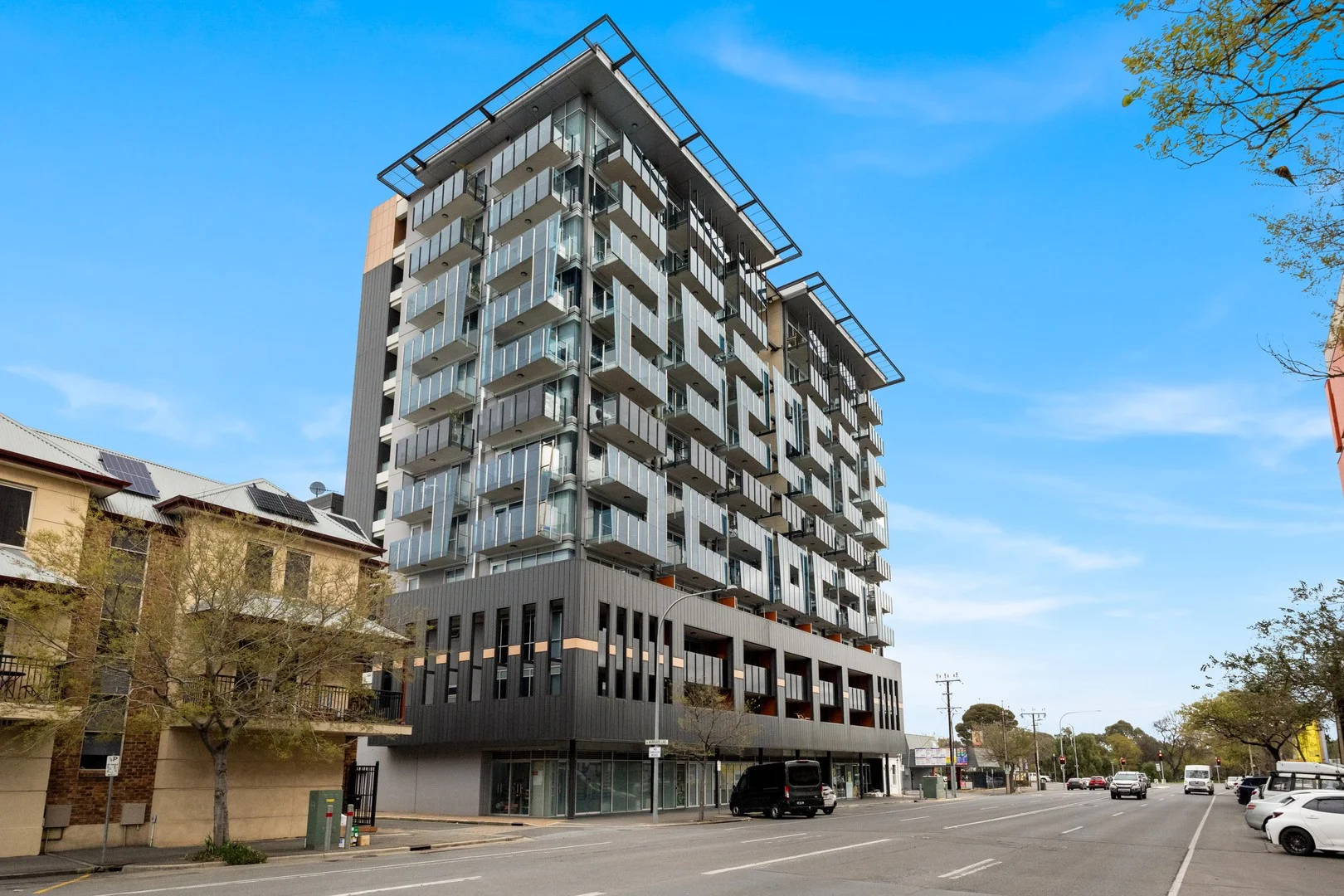 $1,100,000
Apartment / Unit / Flat
$1,100,000
Apartment / Unit / Flat
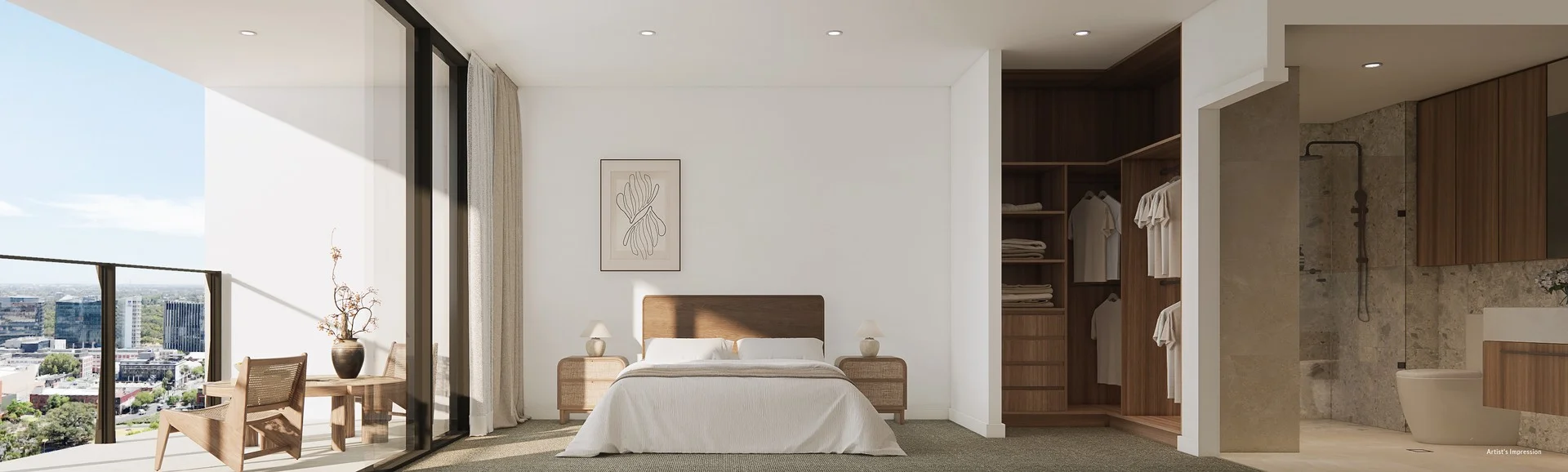 $1,056,000
Apartment / Unit / Flat
$1,056,000
Apartment / Unit / Flat
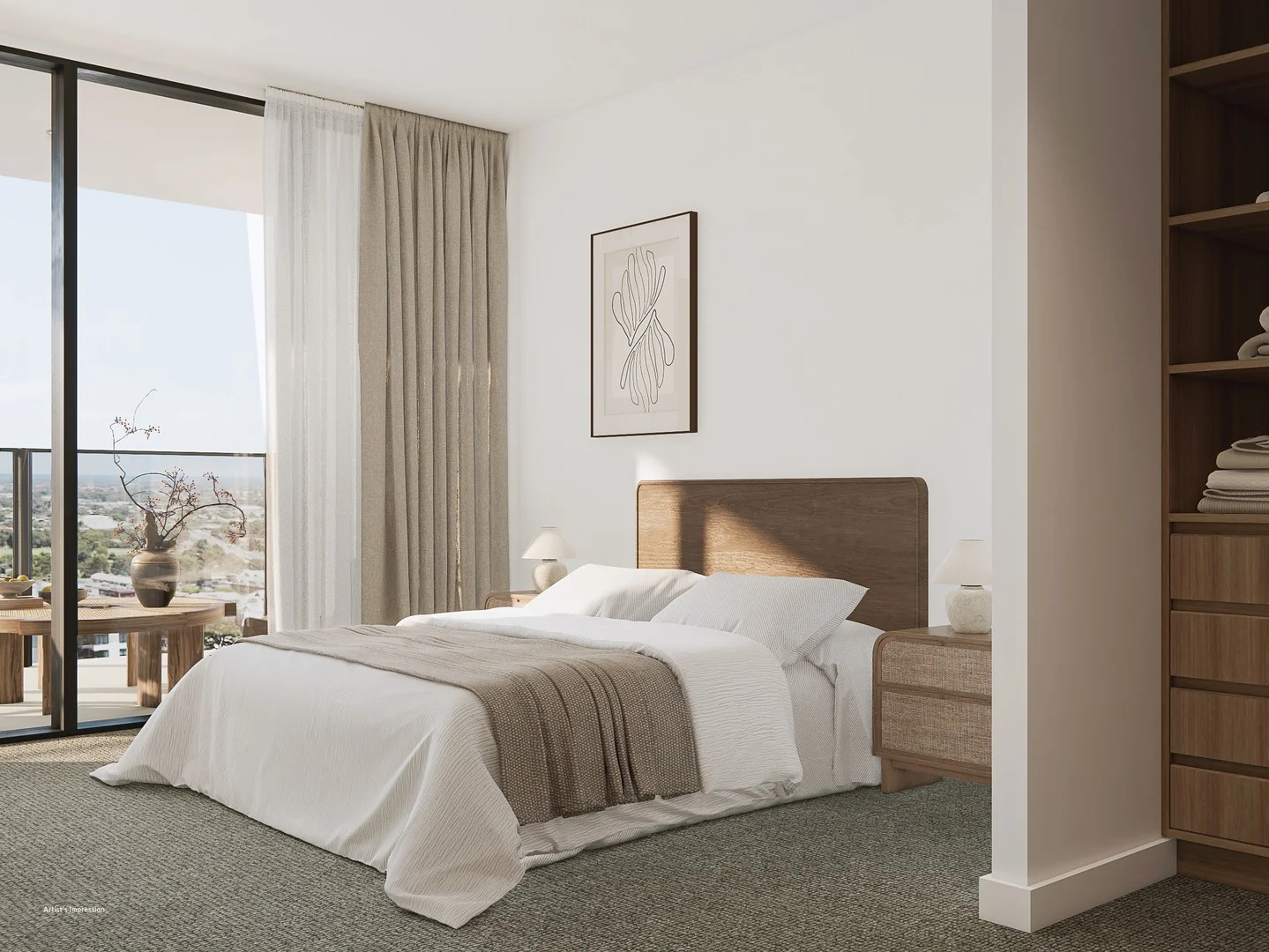 $935,000
Apartment / Unit / Flat
$935,000
Apartment / Unit / Flat
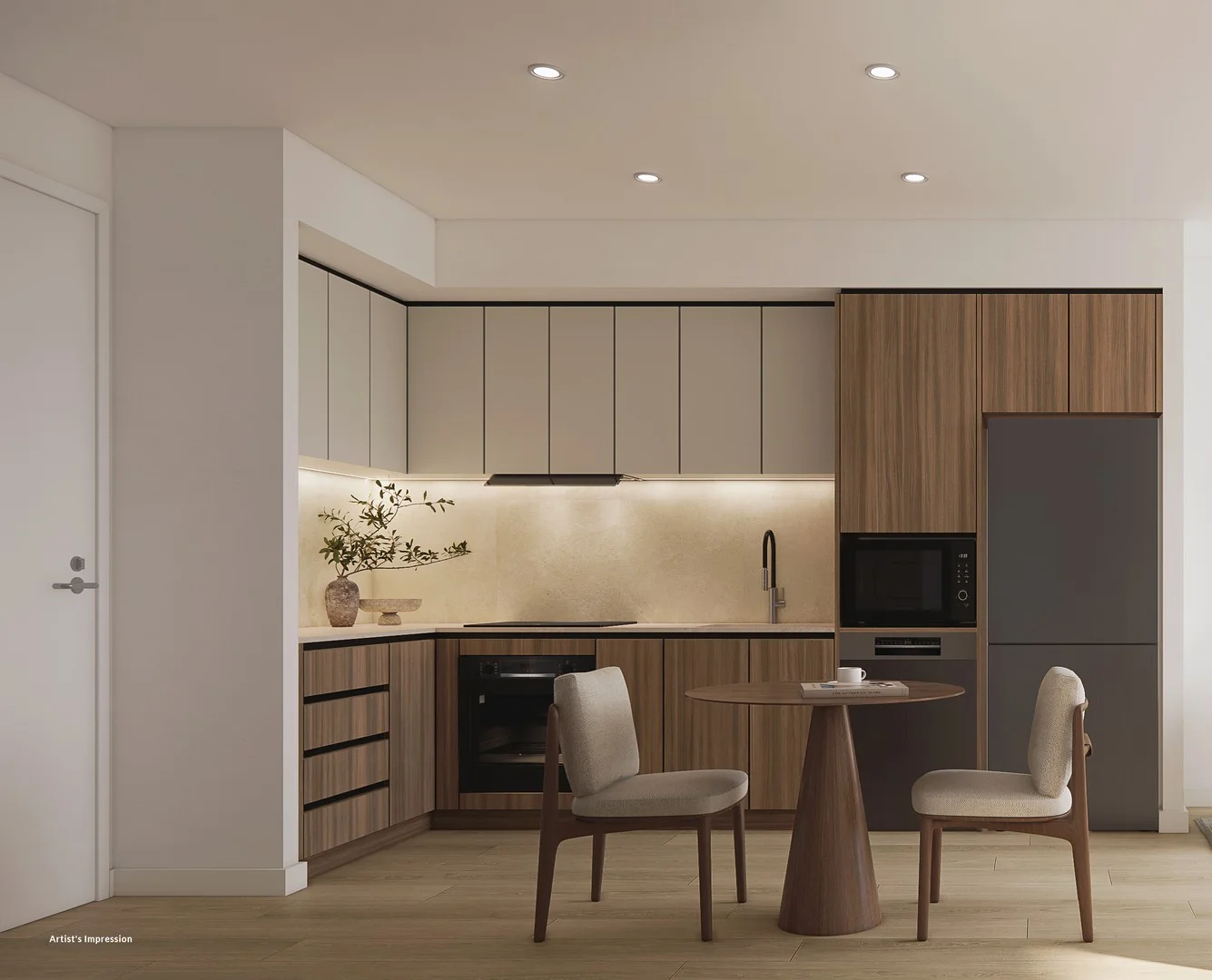 $557,000
Apartment / Unit / Flat
$557,000
Apartment / Unit / Flat
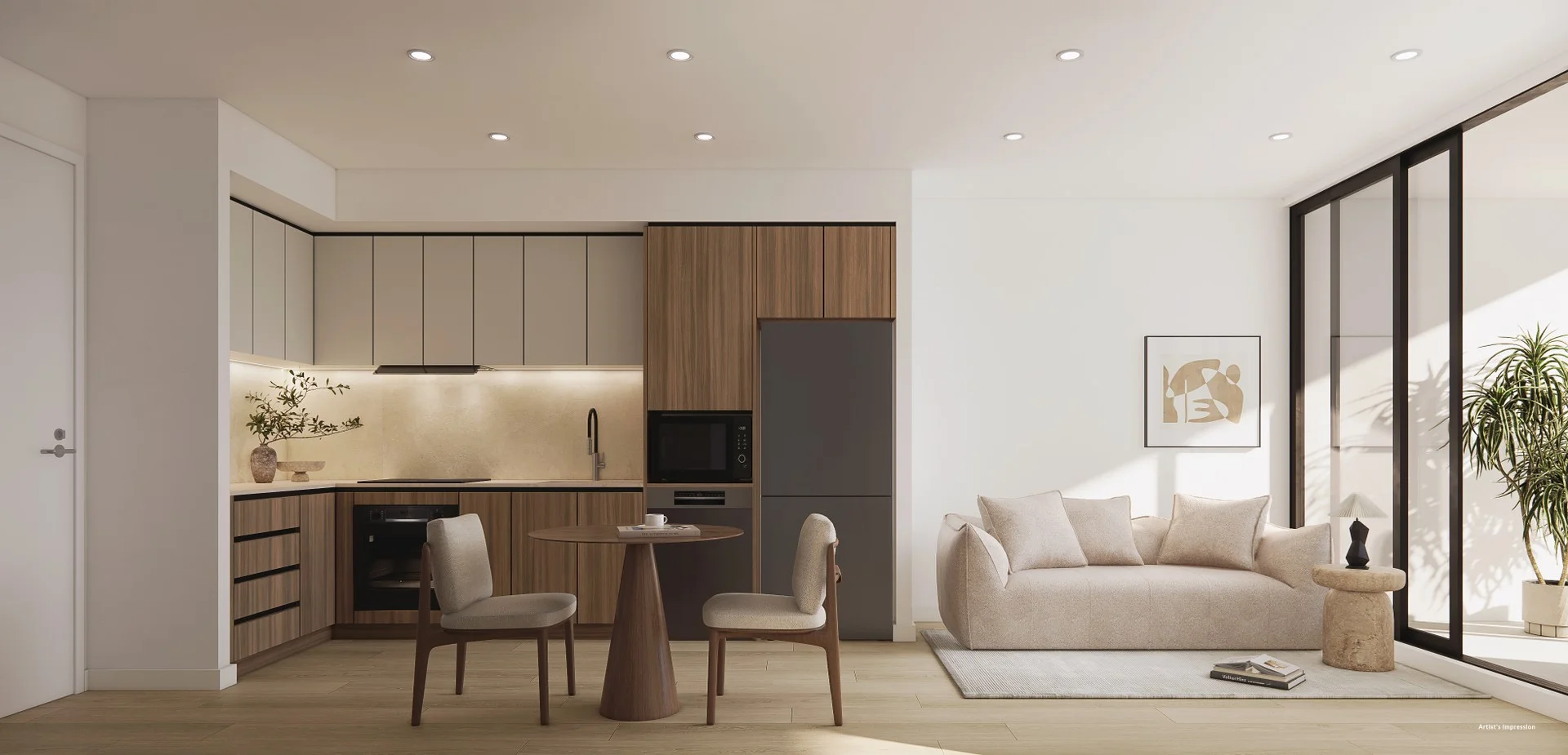 $588,000
Apartment / Unit / Flat
$588,000
Apartment / Unit / Flat
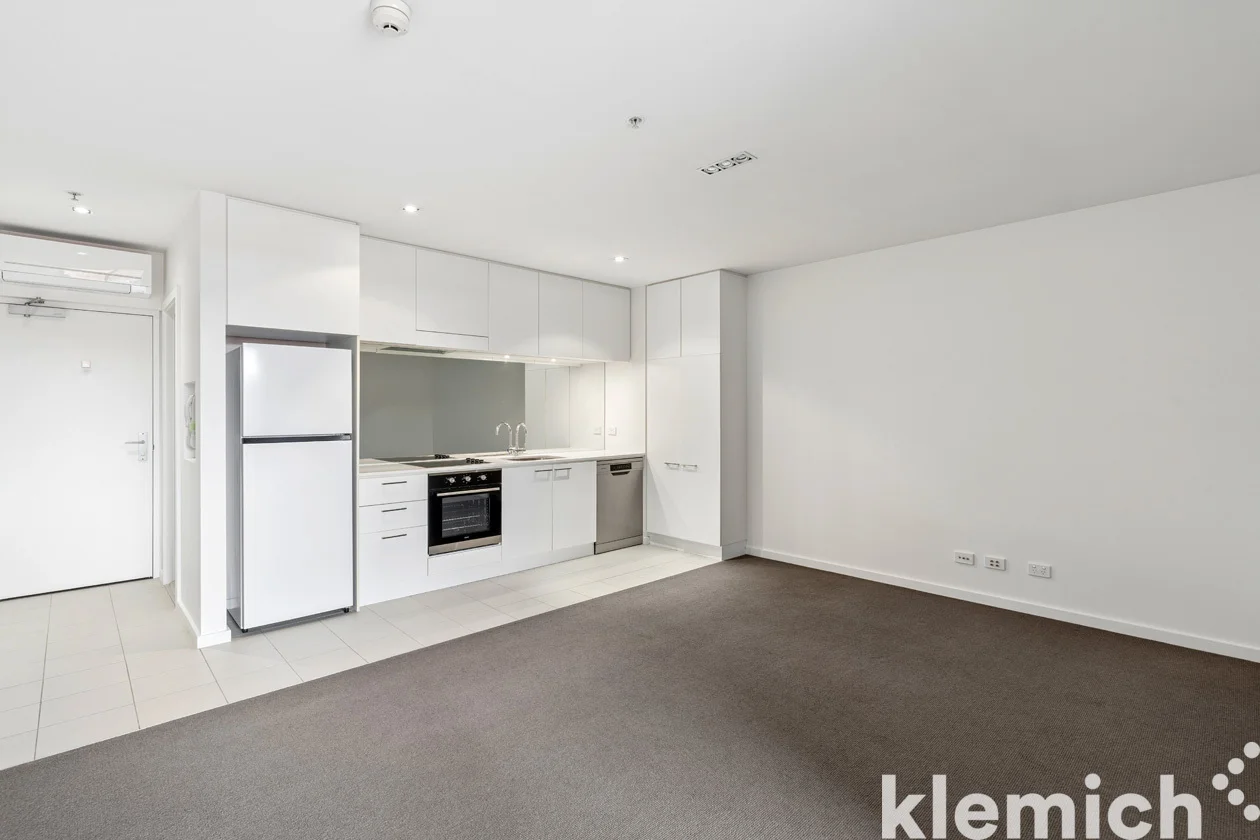 $440,000
Apartment / Unit / Flat
$440,000
Apartment / Unit / Flat
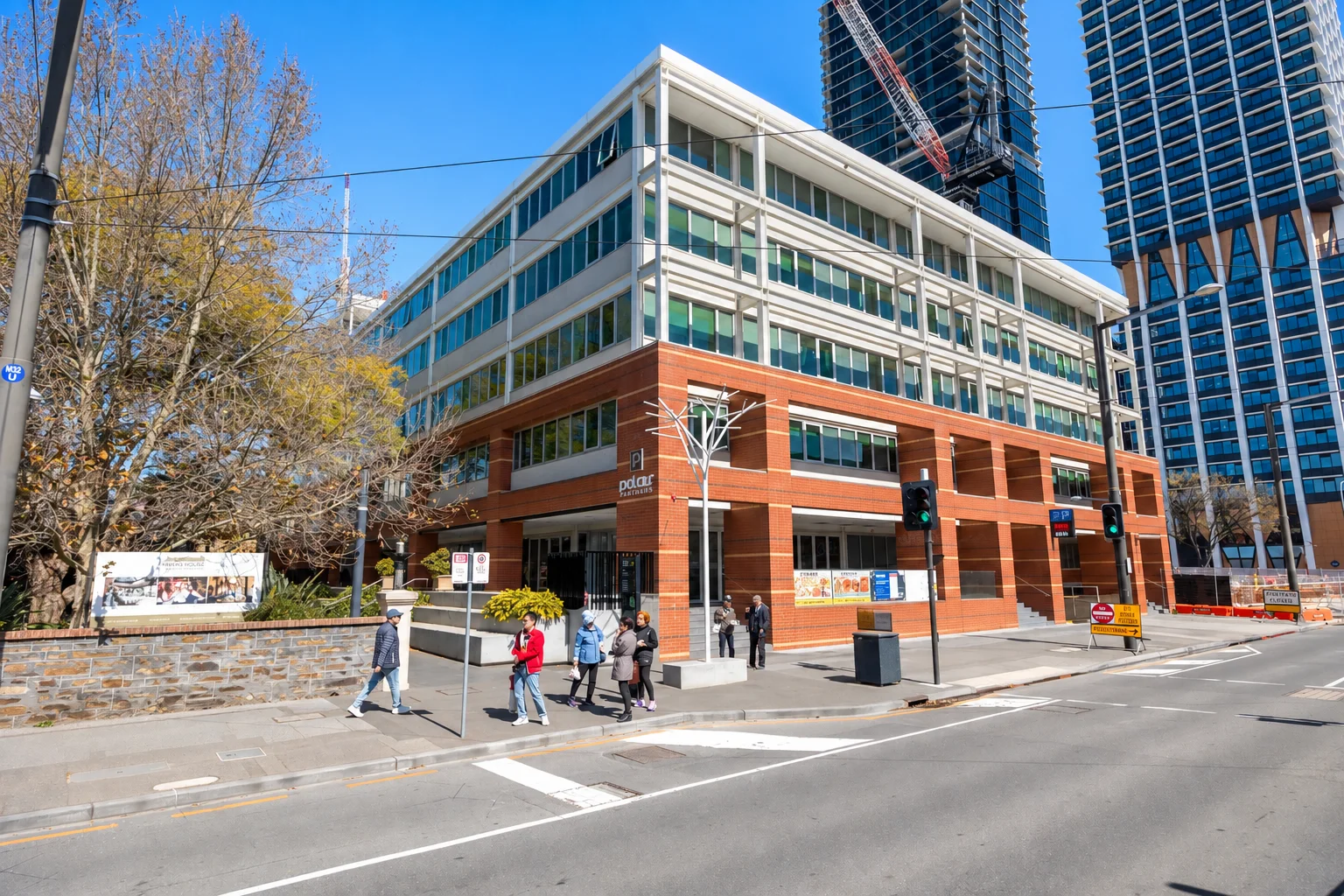 $545,000
Apartment / Unit / Flat
$545,000
Apartment / Unit / Flat
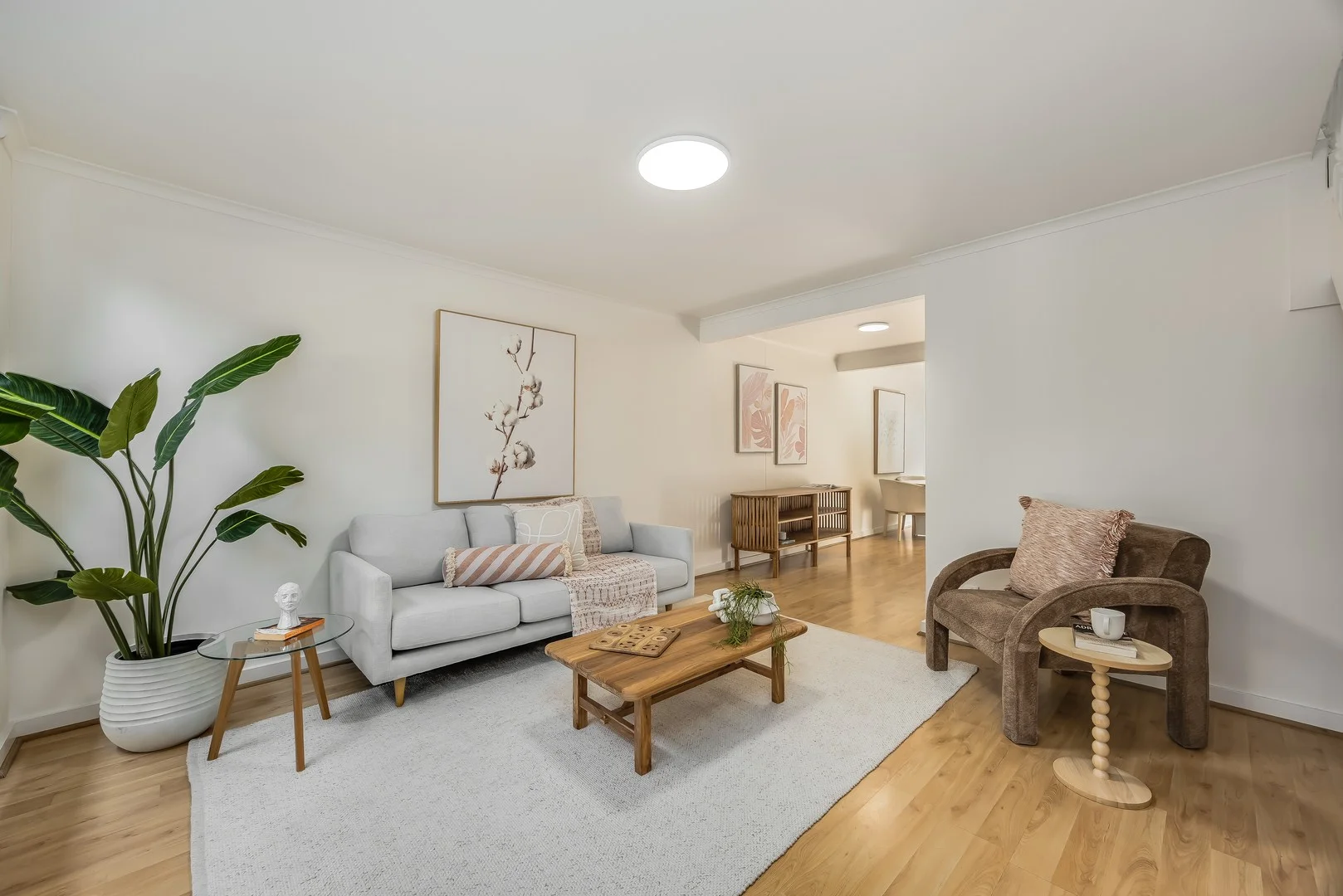 $775,000
House
$775,000
House


