## 1. Overview
Westport Primary School is a public, co-educational primary school serving families in Semaphore Park, SA 5019. The school operates within the South Australian public education system and focuses on delivering the Australian Curriculum in a supportive, community-centred environment.
Size-wise, the school is medium in scale, with class sizes typically around the low-to-mid 20s. The atmosphere is inclusive and nurturing, with a strong emphasis on building confidence, encouraging collaboration, and fostering a positive culture that supports both academic and personal growth.
## 2. Academics & Learning
- Academic strengths: Emphasis on strong literacy and numeracy foundations, with integrated STEM and digital learning to build critical thinking and problem-solving skills. The school supports well-rounded learning across English, Maths, Science, and Humanities.
- Special programs: Opportunities for leadership development, student voice, and participation in school-wide initiatives. Access to targeted supports and enrichment within the SA curriculum to suit diverse learner needs.
- NAPLAN trends: Consistent participation and focus on continuous improvement in reading, writing, and numeracy through school improvement planning and structured intervention programs.
- Student-teacher ratios: Typical class sizes around 22–25 students, with an overall student-teacher ratio near approximately 1:20, allowing for some individual attention within a collaborative classroom environment.
- Support for diverse learners: Inclusive education with support for students who require additional help, EAL (English as an Additional Language) support where needed, and SEN (Special Educational Needs) accommodations and planning through dedicated support staff.
## 3. Sports & Extracurricular Strengths
- Sports offered: A range of team and individual activities, including athletics, soccer, netball, cricket, basketball, and AFL-style programs where appropriate to the school context and schedules.
- Strong teams or achievements: Participation in district-level events and school-based inter-school competitions; emphasis on teamwork, fair play, and personal bests.
- Music, arts, drama programs: Active music and performing arts opportunities, with choirs, concerts, and school productions contributing to a vibrant arts culture.
- Clubs: Robotics, chess, coding, debating and other clubs that support critical thinking, creativity and collaboration.
- Partnerships: Local partnerships with community clubs and local competitions to provide additional pathways for sport, coding, robotics, and arts experiences.
## 4. Wellbeing & Pastoral Care
- Anti-bullying approach: Clear anti-bullying policies, with proactive programs, student-led initiatives, and a focus on respectful relationships and reporting mechanisms.
- House system: A house-based framework to foster belonging, leadership, teamwork and healthy competition.
- Counsellors / wellbeing officers: Access to school-based wellbeing staff and/or counsellors to support social-emotional learning and student welfare.
- Transition support for new students: Orientation activities, buddy systems, and transition programs to help new students settle in smoothly.
## 5. Facilities
- Sports grounds: On-site outdoor spaces suitable for athletics, PE classes, and games.
- Libraries: A library with a growing collection to support reading for pleasure and information literacy.
- Science labs: Dedicated spaces for hands-on science learning and practical experiments.
- Music/performing arts centers: Facilities to support music education and drama performances.
- Tech/innovation labs: Access to digital learning tools and practical 21st-century skills.
- Cafeteria: On-site canteen or lunch facilities supporting healthy food choices.
- Updated playgrounds: Modern, inviting play spaces for active breaks and physical development.
## 6. School Values & Community Culture
- School values / mission: A focus on respect, responsibility, resilience, and inclusivity within a supportive community.
- Leadership style: Participative and student-centered, with opportunities for student voice and leadership roles.
- Behaviour expectations: Clear guidelines that promote positive behaviour, with a focus on restorative practices and building strong relationships.
- Community reputation: Known for a welcoming, family-friendly environment and strong partnerships with families and local groups.
- Diversity & inclusion: Commitment to a diverse and inclusive school culture that supports students from different backgrounds.
## 7. School Logistics & Daily Operations
- School hours: Typically a morning-to-afternoon schedule (e.g., 9:00 am–3:15 pm); occasional variations for events.
- Before/after school care: Availability of before/after school care arrangements through OSHC services or approved providers.
- Uniform requirements: School uniform policy with designated daily wear and sport uniform options for PE days.
- Transport (train/bus routes): Access via local bus routes and walking/cycling options; specific transport arrangements depend on catchment and student location.
- Canteen availability: Canteen or organized lunch program offering healthy meal options.
- Fees (low/medium/high ranges): Government-funded public school with minimal voluntary contributions for activities and supplies; overall cost typically low to moderate.
## 8. Enrolment & Admissions
11. What is the enrolment process and timeline?
- Enrolment is handled through the public school system’s processes. Prospective families typically apply for entry via the education department’s enrolment procedures, with consideration given to the school’s catchment zone and available places. Early preparation of required documents (proof of residency, birth certificate, immunisation records where required) helps streamline the process. Check the school’s admissions window and local deadlines with the school or district office.
12. Is there a waiting list, and how does it work?
- If the school is at capacity, a waiting list may operate. Placement on the waiting list is usually determined by enrolment policies (e.g., catchment status, date of application) and space availability. Families are notified if a spot becomes available and what steps to take next.
13. Are there any entry requirements, tests, or interviews?
- Typical entry requirements do not include entrance tests for primary-level enrolment. Some schools may request information to place students appropriately within year groups or to plan support needs. Immunisation records are commonly requested, and confirmation of documentation may be part of the process.
14. Does the school accept mid-year transfers?
- Mid-year transfers are considered based on space availability and alignment with enrolment policies. Families seeking mid-year transfers should contact the school promptly to discuss options and required documentation.
## 9. Frequently Asked Questions
- Why Parents Choose This School?
- A supportive, inclusive environment; strong focus on literacy and numeracy; opportunities for student leadership, arts, and sport; open communication with families.
- What type of student thrives at this school?
- Students who are curious, collaborative, respectful, and motivated to engage in both academics and co-curricular activities, while benefiting from a supportive wellbeing framework.
- What opportunities are available for students to extend their skills (academics, sports, arts)?
- Access to enriched learning within the Australian Curriculum, leadership opportunities, clubs (robotics, coding, chess, debating), music and performing arts, and district-level sport activities.
- How does the school communicate with parents?
- Regular newsletters, emails, parent-teacher interviews, the school website and notices, and SMS reminders for important dates and events.
- What is the school’s approach to teaching and learning?
- A student-centered approach aligned with the Australian Curriculum, emphasis on literacy and numeracy, differentiated instruction, and integration of digital tools to enhance inquiry and collaboration.
- How does the school support students who need extra academic help?
- Targeted interventions, small-group or one-on-one support, EAL and SEN provisions, and coordinated plans through learning support staff.
- What support is available for academic challenges?
- Early identification, personalised learning plans, and access to teachers and specialists who can provide strategies and resources.
- How does the school communicate with parents?
- See above: newsletters, emails, conferences, and digital tools used by the school.
- What are the class sizes and how much individual attention do students receive?
- Typical class sizes are in the low-to-mid 20s, with opportunities for targeted teacher support within the classroom and sometimes small-group interventions.
- What extracurricular and sports opportunities are available?
- A range of sports, music and performing arts, and clubs such as robotics, coding, chess, and debating, with pathways to local competitions and events.
- What facilities does the school offer (sports, science, arts)?
- Sports grounds, library, science labs, music/performing arts spaces, technology and innovation areas, a cafeteria, and updated play spaces.
- What is the school’s approach to technology and digital learning?
- Integration of digital tools to support learning, emphasis on digital literacy, and access to tech/innovation resources to complement curriculum delivery.
- What transport and accessibility options are available?
- Local bus services, walking or cycling routes where feasible, and consideration of transport needs within the school’s catchment policies.
- What are the typical school fees or additional costs?
- Public school contributions are generally modest, with optional or activity-based costs for excursions, special programs, and materials.
## 10. Short Pros & Cons list
Pros
- Public, inclusive environment with a focus on literacy and numeracy
- Medium-sized, community-centric school with opportunities for student leadership
- Broad range of cocurriculars (sports, arts, clubs)
- Support for diverse learners (EAL and SEN provisions)
- Well-defined wellbeing and anti-bullying approach
Cons
- Like many public schools, precise class sizes and resources can vary by year and cohort
- Some specialized programs or facilities may be limited and depend on year-level availability
- Transport options may depend on catchment and local routes; families may need to coordinate commute or after-school care
Note: The details above reflect typical characteristics of a mid-sized public primary school in Semaphore Park, SA. For current, exact information, please consult the school or district resources.









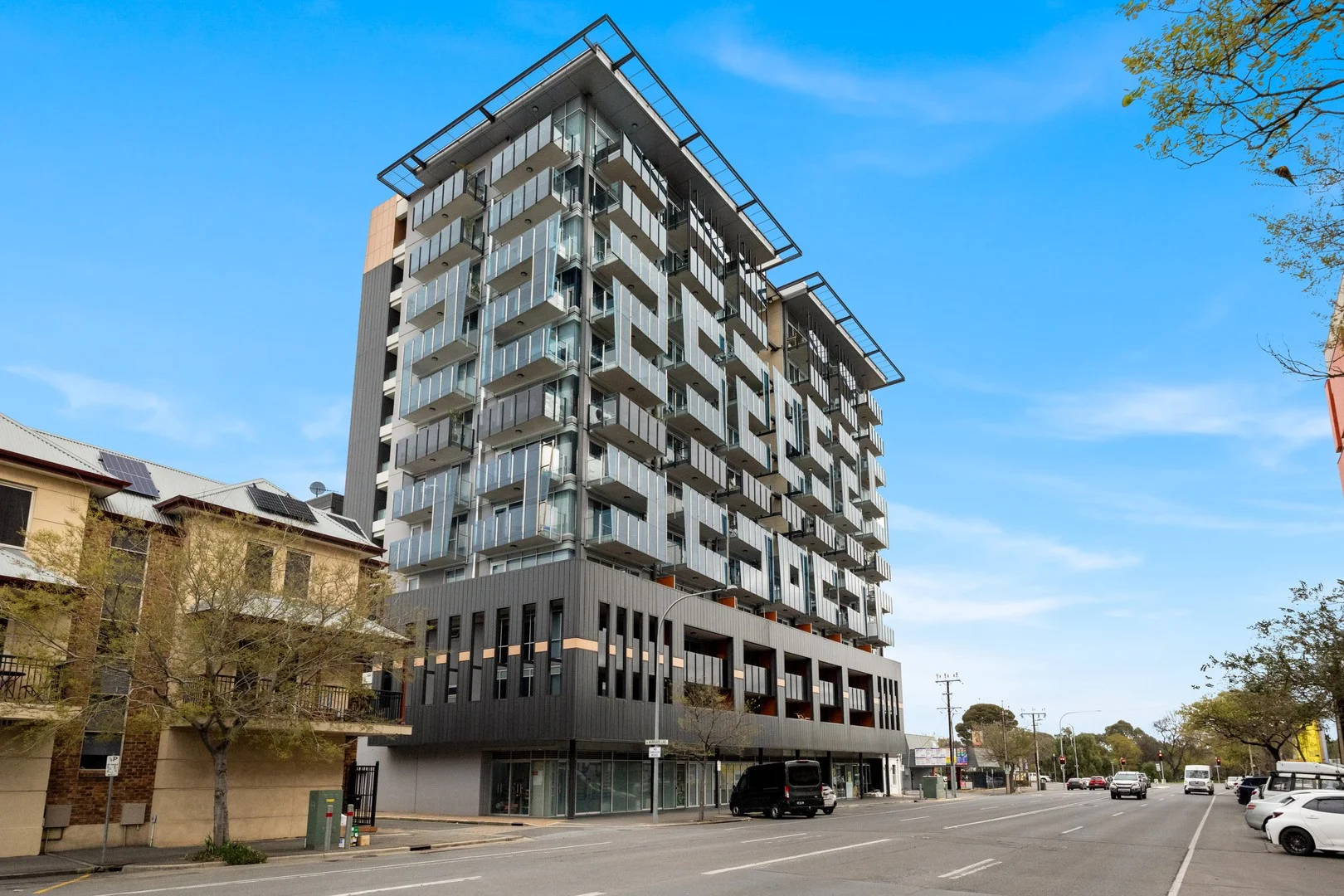 $1,100,000
Apartment / Unit / Flat
$1,100,000
Apartment / Unit / Flat
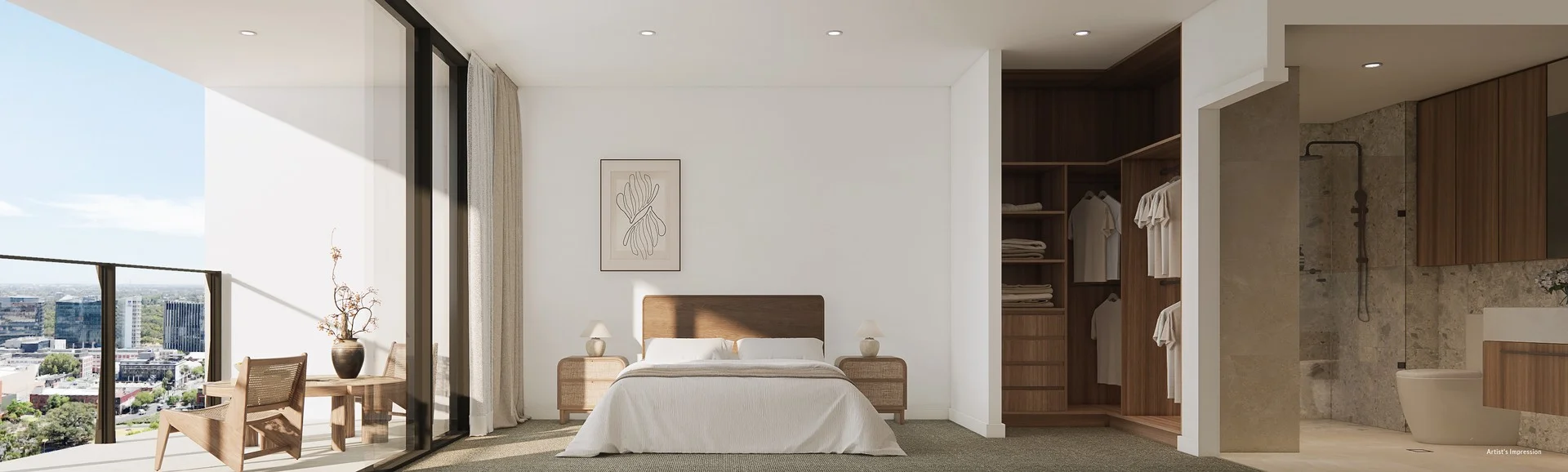 $1,056,000
Apartment / Unit / Flat
$1,056,000
Apartment / Unit / Flat
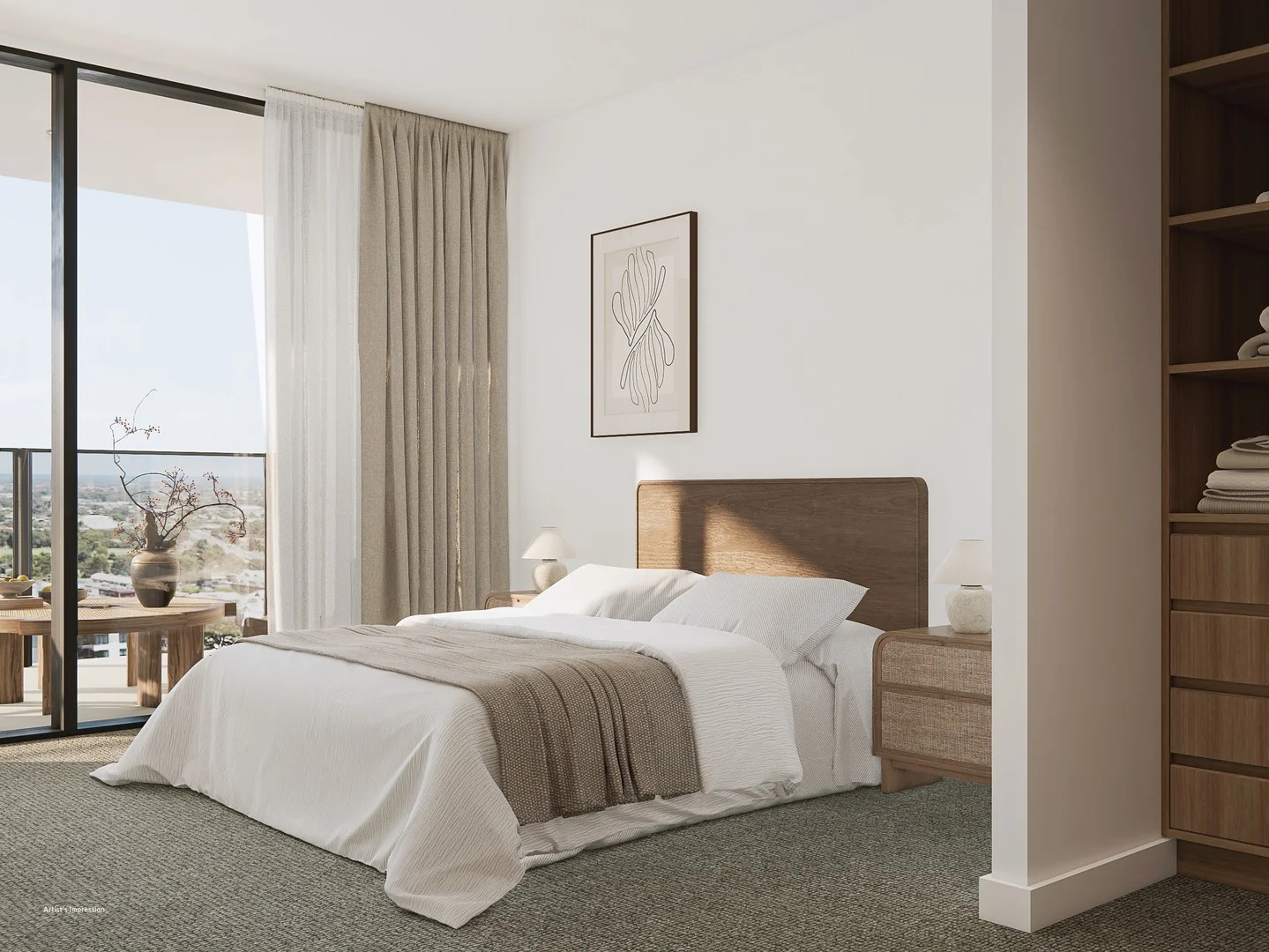 $935,000
Apartment / Unit / Flat
$935,000
Apartment / Unit / Flat
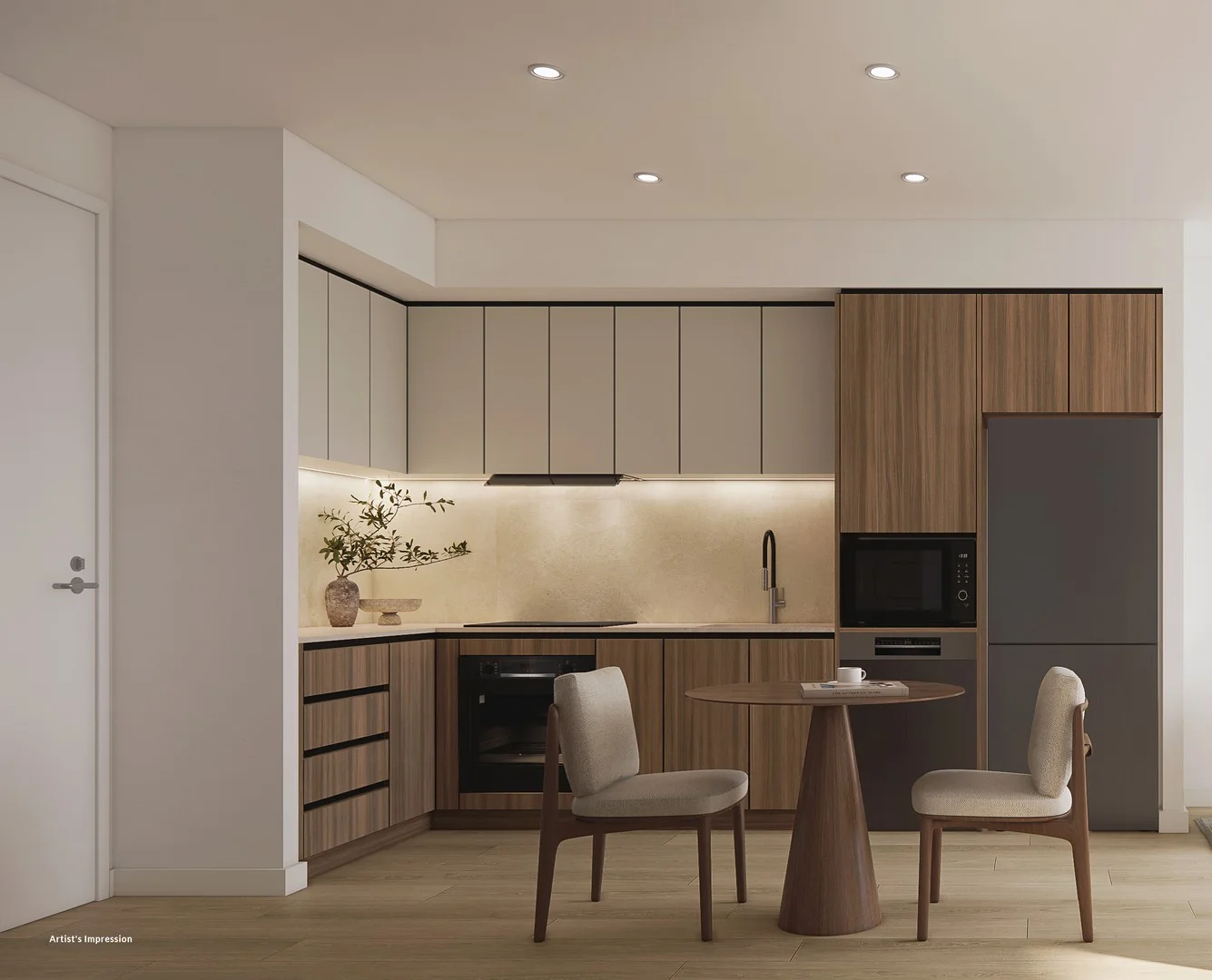 $557,000
Apartment / Unit / Flat
$557,000
Apartment / Unit / Flat
 $588,000
Apartment / Unit / Flat
$588,000
Apartment / Unit / Flat
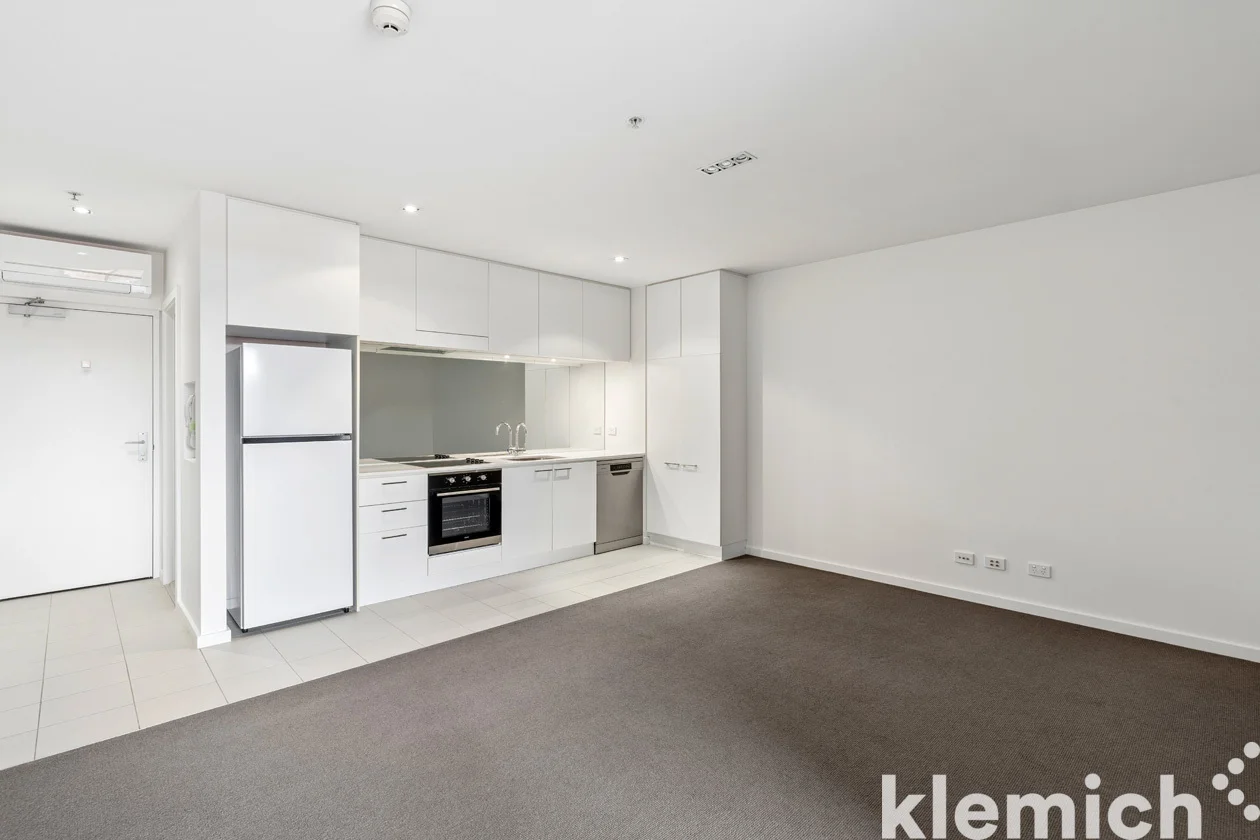 $440,000
Apartment / Unit / Flat
$440,000
Apartment / Unit / Flat
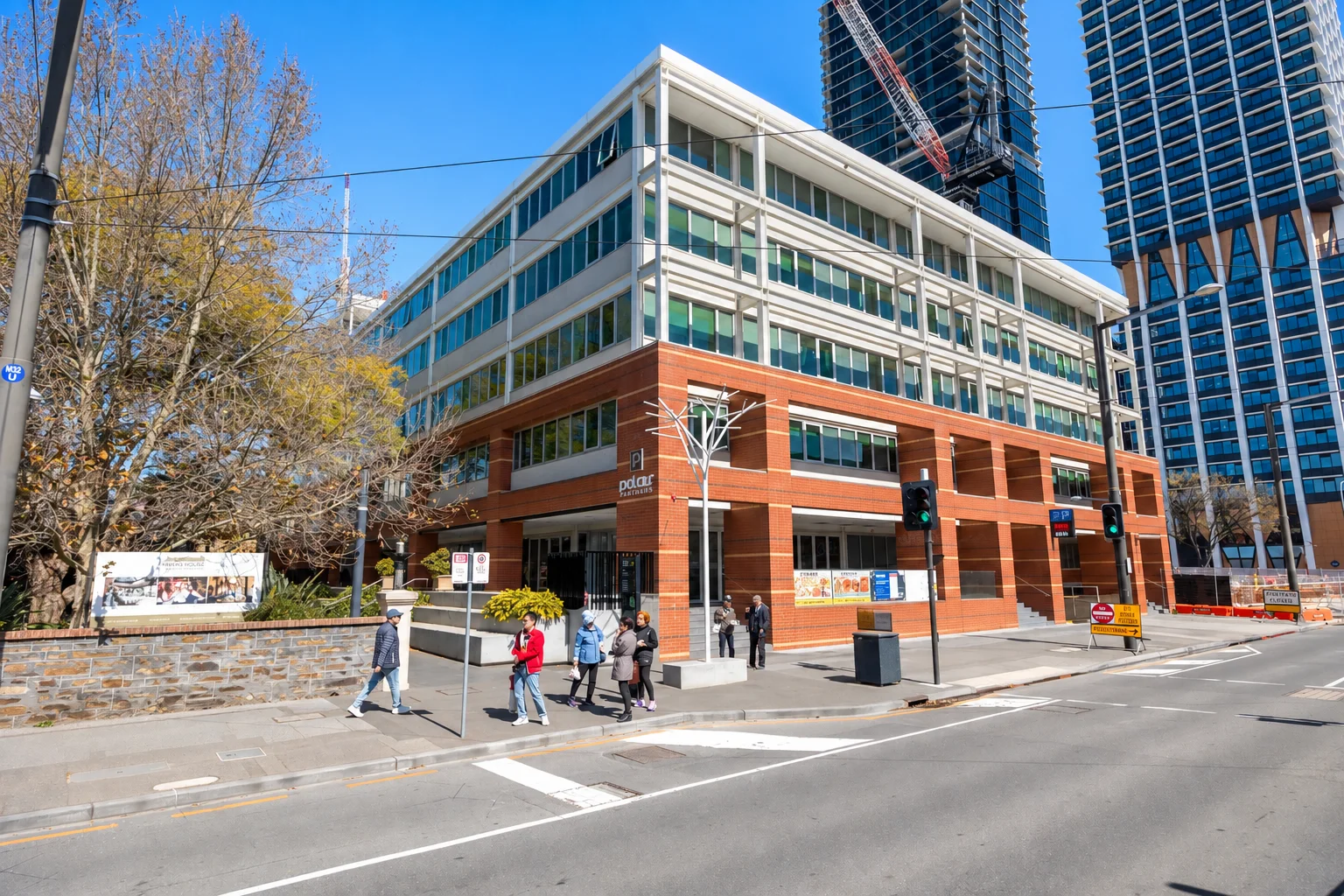 $545,000
Apartment / Unit / Flat
$545,000
Apartment / Unit / Flat
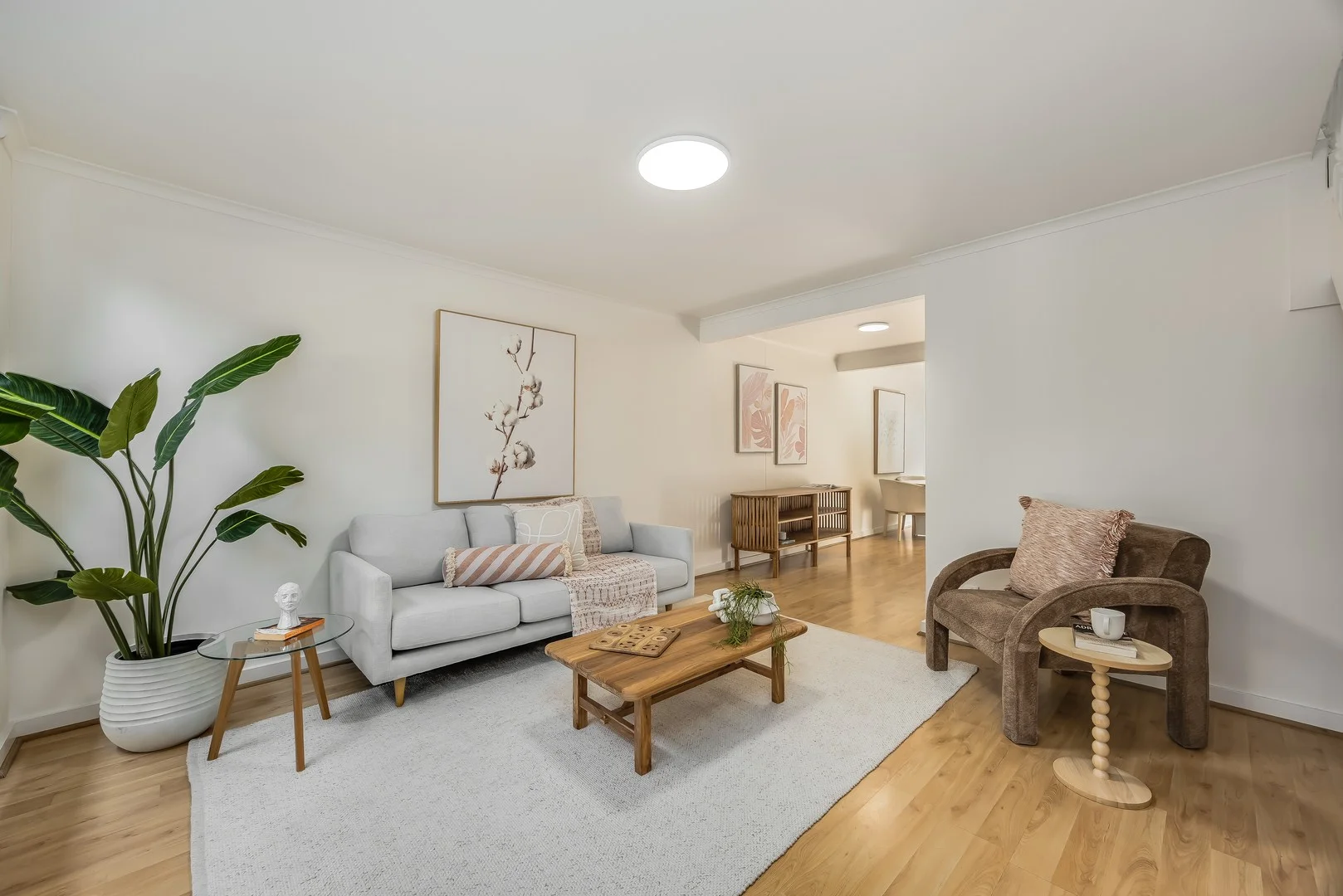 $775,000
House
$775,000
House