# 1. Overview
Le Fevre Peninsula Primary School is a public primary school serving families on the Le Fevre Peninsula in Birkenhead, SA. It offers a community-focused education with an emphasis on inclusive learning and student well-being. The school tends to be small-to-medium in size, with multiple classes across year levels, and aims to create a nurturing, supportive environment where students feel valued.
- School type: Public
- School size: Medium-small
- Class size: Typically around 20–25 students per class
- Atmosphere/culture: Inclusive, nurturing, and supportive, with a focus on student well-being and community
Note: This overview reflects common characteristics for local public primary schools and the school’s publicly communicated aims. For exact figures and current programs, check the school’s official communications.
---
# 2. Academics & Learning
Le Fevre Peninsula Primary School focuses on core literacy and numeracy while offering opportunities to explore STEM, leadership, and languages through differentiated programs.
- Academic strengths: English/literacy and numeracy as foundational strengths, with emphasis on developing reading, writing, and critical thinking; opportunities to engage in STEM activities and language exploration.
- Special programs: Gifted and Talented options and accelerated learning pathways may be available within the public system; leadership opportunities for student voice and responsibility.
- NAPLAN trends: Public reporting indicates steady performance with potential improvements in reading and numeracy over time; trends show consistency or gradual growth rather than declines.
- Student-teacher ratios: Class sizes in the 20s typical, with teacher aides or support staff as needed to support diverse learners.
- Support for diverse learners: EAL (English as an Additional Language) and SEN (Special Educational Needs) supports available; targeted interventions and in-class supports to assist different learning needs.
Note: For the most accurate and up-to-date details on programs and outcomes, refer to the school’s current documentation.
---
# 3. Sports & Extracurricular Strengths
The school supports a range of sports and enrichment activities common to Australian primary schools, with an emphasis on participation and development.
- Sports offered: Cricket, soccer (association football), Australian rules football, netball, basketball, and general fitness activities.
- Strong teams or achievements: Active participation in inter-school and district competitions; opportunities for students to represent the school in chosen sports.
- Music, arts, drama programs: School programs often include music education, choir or singing groups, and opportunities to participate in school productions or performing arts activities.
- Clubs: Robotics, chess, coding, debating, and other coding/technology-related clubs are commonly available or piloted.
- Partnerships: Connections with local community clubs, junior sporting associations, and coding/tech programs to broaden opportunities outside the school.
Note: Specific clubs, teams, and partnerships vary by year; check the latest school notices for current offerings.
---
# 4. Wellbeing & Pastoral Care
Wellbeing and pastoral support are integral to the school’s approach, with systems in place to help students feel safe, valued, and prepared for learning.
- Anti-bullying approach: Whole-school policies and programs aimed at preventing bullying, promoting respectful behavior, and supporting students who experience difficulty.
- House system: A house or pastoral grouping structure to encourage cooperation, leadership, and community belonging; house activities and events are common.
- Counsellors / wellbeing officers: Access to school-based counsellors or wellbeing staff to support social-emotional development, stress management, and transition needs.
- Transition support for new students: Orientation activities, buddy programs, and gradual introduction processes to assist new entrants and their families.
Note: Specific details about staff roles and the house names may vary; verify with current school information.
---
# 5. Facilities
The school’s facilities support a broad curriculum, inviting learning both inside and outside the classroom.
- Sports grounds: Outdoor play areas and sports courts for physical education and games.
- Libraries: A school library with a curated collection to support literacy and inquiry.
- Science labs: Primary science facilities or dedicated spaces for hands-on experiments.
- Music/performing arts centers: A music room and space for performances or rehearsals.
- Tech/innovation labs: Computer/ICT spaces and makerspace activities to support digital learning.
- Cafeteria: On-site canteen or lunch facilities offering healthy options.
- Updated playgrounds: Play spaces designed for exploration and active play, with age-appropriate equipment.
Note: The exact facilities and layouts can change; check current on-site information for specifics.
---
# 6. School Values & Community Culture
The school emphasizes core values and a culture that supports student growth, respect, and community involvement.
- School values / mission: Values likely include respect, responsibility, resilience, and teamwork; a mission focused on inclusive learning and well-being.
- Leadership style: Distributed and student-involved leadership with opportunities for student voice and leadership roles.
- Behaviour expectations: Clear positive behavior framework, consistent expectations, and reinforcement strategies.
- Community reputation: A close-knit, supportive school community with strong parent engagement through informal networks and school activities.
- Diversity & inclusion: Commitment to an inclusive environment that supports students from diverse backgrounds and learning needs.
Note: Specific value names and leadership structures may vary; confirm with the school’s current statements.
---
# 7. School Logistics & Daily Operations
Practical daily operations support smooth school life for families.
- School hours: Typically a morning to afternoon schedule with standard start and end times; occasional variations for assemblies or events.
- Before/after school care: Availability of after-school care either on-site or through approved providers; early supervision options may exist.
- Uniform requirements: School uniform standard; details on acceptable attire, hats for sun protection, and seasonal adjustments.
- Transport (train/bus routes): Public transport access via local bus routes and nearby stops; proximity to train services may be relevant for some families.
- Canteen availability: On-site canteen or cafeteria providing healthy meal options and snacks.
- Fees (low/medium/high ranges): Public primary schools typically have minimal compulsory fees with additional costs for optional activities or contributions; exact amounts vary by year and activity.
Note: Confirm exact hours, care arrangements, uniform specifics, transport routes, and fee structures with the school for current figures.
---
# 8. Enrolment & Admissions
Enrolment and admissions processes outline how families join the school community.
- 11. What is the enrolment process and timeline?
- Open enrollment periods typically align with the Department for Education’s intake windows; families submit applications with required documents (proof of address, birth certificate, immunization records, etc.). Offers are provided according to the school’s intake schedule and placement availability.
- 12. Is there a waiting list, and how does it work?
- Some year levels or a high-demand intake may have a waiting list; the list prioritizes boundary eligibility, with space allocated as available. Applicants are usually notified of their status within the established timelines.
- 13. Are there any entry requirements, tests, or interviews?
- For primary public schools, there are generally no entrance tests; admissions follow eligibility rules and boundary considerations. Some cases (e.g., for specific programs or if requested) may involve information sessions or brief prep activities, but formal testing is not typical.
- 14. Does the school accept mid-year transfers?
- Mid-year transfers are possible if there is space; families should contact the school to discuss availability and the required documentation for a seamless transfer.
Note: Enrolment policies can change; contact the school’s enrolment office or the public education department for the most current requirements and timelines.
---
# 9. Frequently Ask Questions
- Why Parents Choose This School?
- A combination of a welcoming community, strong literacy and numeracy focus, supportive wellbeing, and opportunities across sports, arts, and clubs.
- What type of student thrives at this school?
- Students who respond well to a collaborative, supportive environment with opportunities to participate in a range of activities and benefit from inclusive learning supports.
- What opportunities are available for students to extend their skills (academics, sports, arts)?
- Access to literacy and numeracy extensions, STEM activities, leadership roles, sports teams, music/arts programs, and clubs such as robotics, coding, chess, and debating.
- How does the school communicate with parents?
- Regular notices, newsletters, parent-teacher meetings, and digital portals or platforms to share student progress, events, and school updates.
- What is the school’s approach to teaching and learning?
- Student-centered learning with a focus on core literacy and numeracy, integrated across subjects, and supported by differentiated instruction and targeted interventions.
- How does the school support students who need extra academic help?
- In-class supports, targeted interventions, EAL/SEN provisions, and access to specialist staff to assist diverse learning needs.
- What support is available for academic challenges?
- Additional tutoring or small-group sessions, progress monitoring, and collaboration with families to tailor support plans.
- How does the school communicate with parents? (duplicate)
- See above: regular updates via notices, meetings, and digital platforms.
- What are the class sizes and how much individual attention do students receive?
- Class sizes typically in the 20s, with teacher-led instruction and additional support staff as needed to provide individual or small-group attention.
- What extracurricular and sports opportunities are available?
- A range of sports and clubs (e.g., robotics, coding, chess, debating) with pathways to district-level participation and performing arts opportunities.
- What facilities does the school offer (sports, science, arts)?
- Sports grounds, library, science facilities, music/performing arts spaces, computer/tech labs, and a canteen.
- What is the school’s approach to technology and digital learning?
- Integration of ICT and digital learning tools to support inquiry, collaboration, and up-to-date skills development.
- What transport and accessibility options are available?
- Public transport access via nearby bus stops and potential train options; school facilities are designed to be accessible to students with diverse needs.
- What are the typical school fees or additional costs?
- Public schools have modest, non-tuition costs with optional or activity-based fees; details are provided by the school each year.
Note: Answers reflect typical public primary school practices and public information. For precise responses, contact the school directly or consult the Department for Education’s enrolment and communication materials.
---
# 10. Short Pros & Cons list
- Pros
- Public, community-focused environment with strong literacy and numeracy emphasis
- Inclusive culture and wellbeing supports
- Broad range of extracurriculars and clubs
- Access to facilities that support science, tech, arts, and physical education
- Active parent and community engagement
- Cons
- Class sizes may be in the low-to-mid 20s, with variation by year
- Public school funding and programs can shift with policy changes
- Availability of some specific programs or clubs may vary year to year
- Transport options depend on local routes and schedules
Note: Pros and Cons reflect common considerations for a medium-small public primary school in this region. Verify current offerings and logistics with the school.








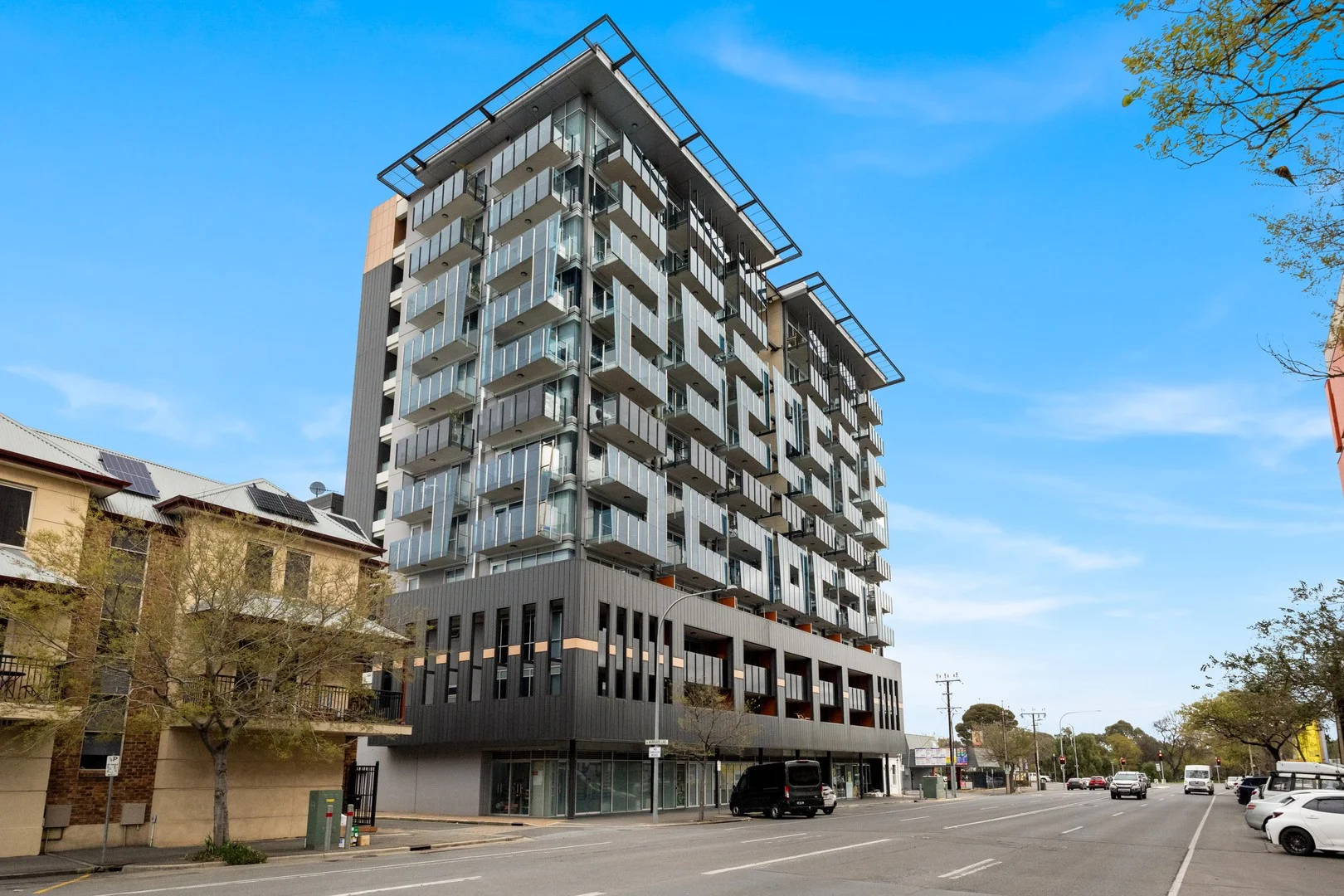 $1,100,000
Apartment / Unit / Flat
$1,100,000
Apartment / Unit / Flat
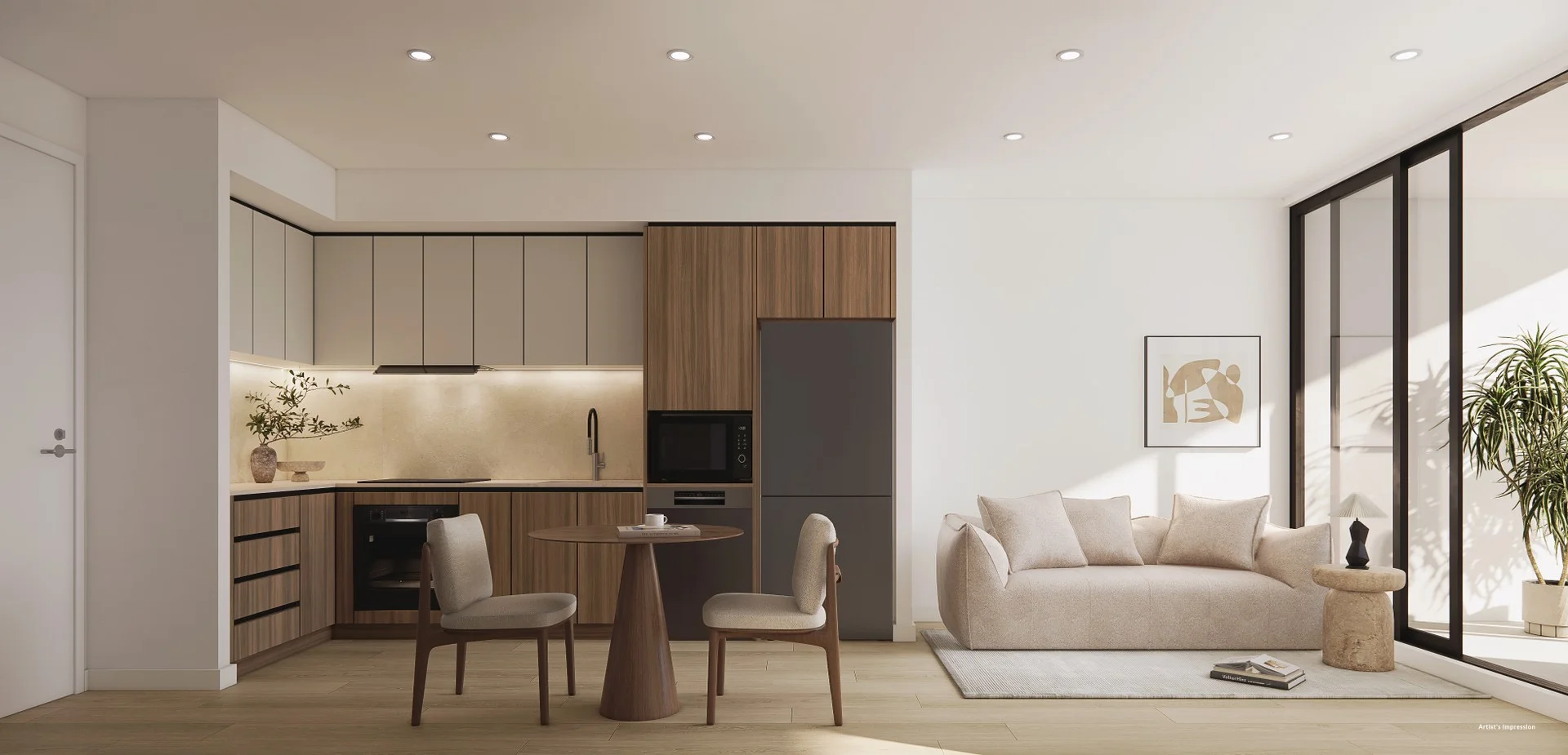 $588,000
Apartment / Unit / Flat
$588,000
Apartment / Unit / Flat
 $557,000
Apartment / Unit / Flat
$557,000
Apartment / Unit / Flat
 $1,056,000
Apartment / Unit / Flat
$1,056,000
Apartment / Unit / Flat
 $935,000
Apartment / Unit / Flat
$935,000
Apartment / Unit / Flat
 $440,000
Apartment / Unit / Flat
$440,000
Apartment / Unit / Flat
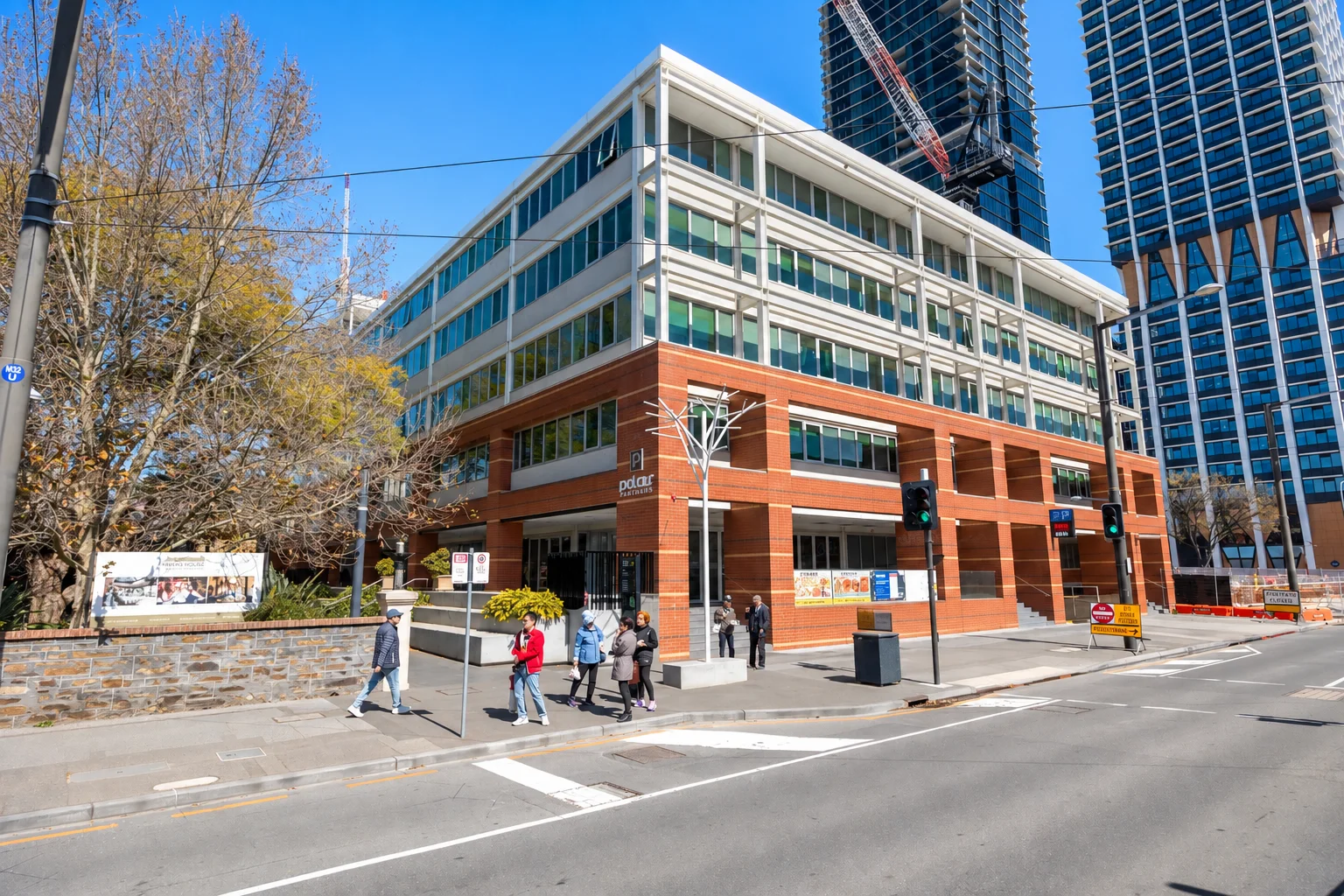 $545,000
Apartment / Unit / Flat
$545,000
Apartment / Unit / Flat
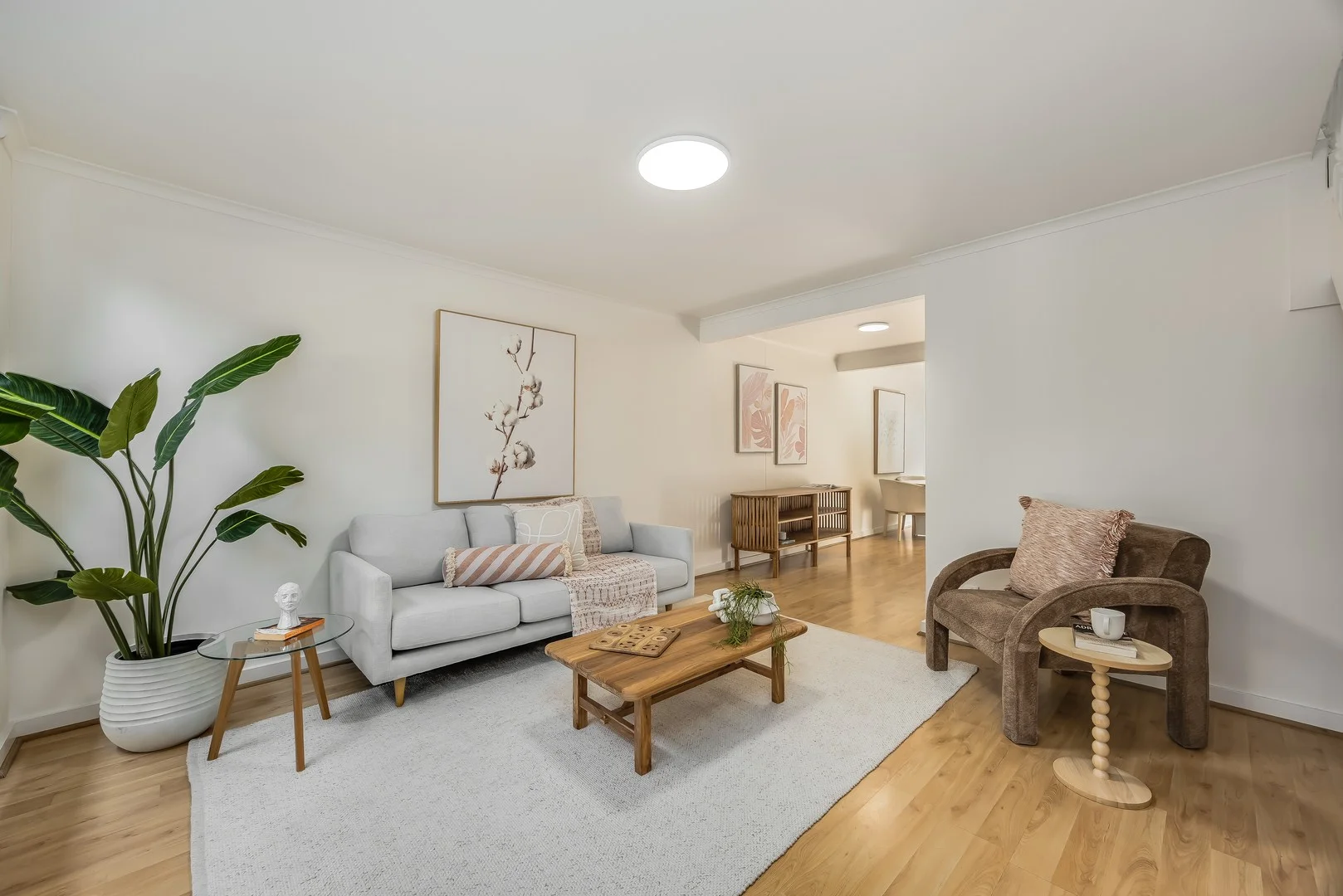 $775,000
House
$775,000
House