## 1. Overview
J J Cahill Memorial High School is a public NSW Department of Education high school, welcoming students in a co-educational environment. The school tends to be medium-sized, offering a balanced mix of academic programs and broad extracurricular options to cater to a diverse student body. Class sizes generally sit in the low-to-mid 20s, supporting interactive learning and teacher accessibility. The atmosphere is nurturing and inclusive, with a strong focus on academics, student well-being, and participation in sport and the arts.
The school emphasises a positive, community-focused culture where students are encouraged to try new things, develop leadership and teamwork, and pursue their interests across subjects and activities. It aims to foster resilience, curiosity, and a sense of belonging among students from different backgrounds.
---
## 2. Academics & Learning
- Academic strengths: Core areas include English, Science, Mathematics, and STEM-focused subjects, with opportunities to explore leadership, critical thinking, and problem-solving across the curriculum. Language programs are available to develop global communication skills.
- Special programs: Gifted and Talented pathways, accelerated learning options, and opportunities for extension work within the Higher School Certificate (HSC) framework.
- NAPLAN trends: Over recent years, NAPLAN results show steady progress in literacy and numeracy, with targeted improvements in writing and data interpretation across year groups.
- Student-teacher ratios: Typical ratios are in the range of approximately 1:18 to 1:22, supporting teacher contact and personalized feedback.
- Support for diverse learners: Strong EAL (English as an Additional Language) support and targeted SEN (Special Education Needs) programs, along with learning support staff and planning to assist students who require extra help.
---
## 3. Sports & Extracurricular Strengths
- Sports offered: A broad range including rugby, soccer, basketball, cricket, netball, athletics, swimming, and cross-country, with opportunities to compete in district and regional events.
- Strong teams or achievements: Competitive school teams across multiple sports with representation in regional tournaments and ongoing advancement through school leagues.
- Music, arts, drama programs: Active music ensembles (e.g., concert band and choir), drama productions, and opportunities to participate in school concerts and performances.
- Clubs: Robotics, chess, coding, debating, science/tech clubs, and student leadership groups.
- Partnerships: Relationships with local clubs and community organizations, plus participation in inter-school competitions and regional events to broaden student experience.
---
## 4. Wellbeing & Pastoral Care
- Anti-bullying approach: Whole-school emphasis on a safe, respectful environment with clear anti-bullying policies and proactive student support.
- House system: House-based pastoral structures to build belonging, healthy competition, and peer mentoring.
- Counsellors / wellbeing officers: Access to school counsellors and wellbeing staff for academic, social, and personal support.
- Transition support for new students: Orientation programs, peer buddy systems, and targeted induction to help new students settle in smoothly.
---
## 5. Facilities
- Sports grounds: External playing fields and courts suitable for team sports and physical education.
- Libraries: On-site library spaces with a range of books, digital resources, and study zones.
- Science labs: Modern science laboratories to support practical investigations across disciplines.
- Music/performing arts centers: Dedicated spaces for music practice, rehearsals, and performances.
- Tech/innovation labs: Technology and digital learning spaces to support coding, robotics, and design projects.
- Cafeteria: On-site canteen offering a variety of healthy meal options.
- Updated playgrounds: Well-maintained outdoor areas for recreation and outdoor learning.
---
## 6. School Values & Community Culture
- School values / mission: Emphasis on respect, responsibility, integrity, and inclusion as core principles guiding student behavior and learning.
- Leadership style: Collaborative and distributed leadership, with student voices through councils and representative roles.
- Behaviour expectations: Clear conduct expectations aligned with positive behaviour norms and restorative approaches to discipline.
- Community reputation: Known for being welcoming to families, active parent partnerships, and a supportive, inclusive school culture.
- Diversity & inclusion: Commitment to equity and celebrating diversity through programs, clubs, and inclusive practices.
---
## 7. School Logistics & Daily Operations
- School hours: Typical day runs from start in the morning to finish in the early afternoon, with potential after-school activities.
- Before/after school care: Availability of before/after school care or supervision through on-site or partner programs.
- Uniform requirements: School uniform policy with specified attire for daily wear and formal events.
- Transport (train/bus routes): Access via public transport options and organised school bus routes where available.
- Canteen availability: On-site canteen offering a range of meal options and snacks.
- Fees (low/medium/high ranges): Public high schools generally have low-tomoderate voluntary contributions and charges for certain activities; there are no tuition fees for standard NSW public high school enrollment, with some costs for individual programs, excursions, or extras.
---
## 8. Enrolment & Admissions
### 11. What is the enrolment process and timeline?
- Check eligibility and year level placement (year 7 or other year levels as applicable).
- Gather required documents (proof of identity, proof of address, immunisation records, birth certificate or passport, previous school details if transferring).
- Submit the enrolment application through the school's enrolment process or the NSW Department of Education enrolment system.
- Complete any required orientation steps and confirm placement within the standard intake periods (often aligned with NSW school terms and year-level openings).
### 12. Is there a waiting list, and how does it work?
- Where demand exceeds available places, a waiting list may be established. Placement from the waiting list is typically based on space availability, siblings (if policy allows), and the order of applications. The enrolment team will communicate expected timelines and next steps if you are on a waiting list.
### 13. Are there any entry requirements, tests, or interviews?
- For a standard public high school intake, there is generally no entrance exam or interview for most year levels. Some programs (e.g., specialised leadership streams or advanced courses) may involve additional steps or suitability checks, but these are not standard admissions tests for the whole school. Specific program requirements, if any, will be communicated during the application.
### 14. Does the school accept mid-year transfers?
- Mid-year transfers are considered if space is available. Prospective transferring families should contact the school’s enrolment office promptly to discuss eligibility, required documentation, and the process to transfer mid-term. Availability can vary by term and year level.
---
## 9. Frequently Ask Questions
- Why Parents Choose This School?
- A welcoming, inclusive culture with strong academics, broad extracurriculars, and solid wellbeing support.
- What type of student thrives at this school?
- Students who are motivated to balance academics with sport, arts, or clubs, and who value a supportive community and clear behavioural expectations.
- What opportunities are available for students to extend their skills (academics, sports, arts)?
- Advanced coursework and Gifted & Talented pathways, leadership opportunities, clubs (robotics, coding, debating), diverse sports teams, and performing arts programs.
- How does the school communicate with parents?
- Regular updates through newsletters, emails, a parent portal, meetings, and termly reports; open channels with teachers and coordinators.
- What is the school’s approach to teaching and learning?
- Student-centred learning with a mix of direct instruction, collaborative projects, and diagnostic support; emphasis on literacy and numeracy across subjects; integration of technology.
- How does the school support students who need extra academic help?
- Targeted learning support, EAL programs, SEN assistance, and access to tutoring or adjustment plans as needed.
- What support is available for academic challenges?
- Access to counsellors, learning support staff, a structured academic plan, and opportunities to receive additional help during designated times.
- How does the school communicate with parents? (Repeated)
- See above: newsletters, portal updates, and scheduled meetings.
- What are the class sizes and how much individual attention do students receive?
- Class sizes typically in the low-to-mid 20s with student-teacher ratios around 1:18 to 1:22, allowing meaningful teacher interaction.
- What extracurricular and sports opportunities are available?
- A wide range of sports, music/arts programs, robotics, chess, coding, debating, and participation in inter-school events and competitions.
- What facilities does the school offer (sports, science, arts)?
- Sports grounds, libraries, science labs, music/performing arts spaces, tech/innovation labs, a canteen, and updated outdoor areas.
- What is the school’s approach to technology and digital learning?
- Integrated digital learning with access to devices and software to support coding, research, and creative projects.
- What transport and accessibility options are available?
- Access via public transport, school bus arrangements where offered, and accommodations to support students with accessibility needs.
- What are the typical school fees or additional costs?
- Minimal compulsory fees for materials or activities; most expenses relate to voluntary contributions, excursions, and specific program costs.
---
## 10. Short Pros & Cons list
- Pros
- Inclusive, supportive culture with clear behaviour expectations
- Broad academic and extracurricular opportunities
- Strong wellbeing and pastoral care support
- Moderately sized classes that help with individual attention
- Good facilities across science, arts, and technology
- Cons
- As a public school, availability of some programs may depend on student demand and space
- Some specialized programs may require additional steps or have limited places
- Transport options vary by location and may require planning for travel times









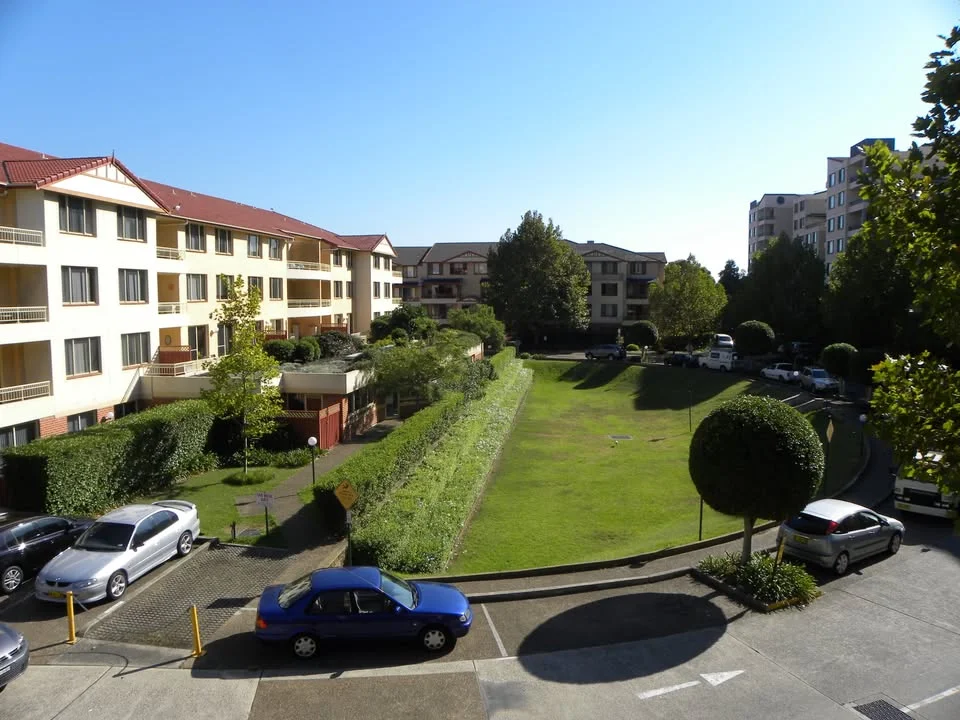 $990
Apartment / Unit / Flat
$990
Apartment / Unit / Flat
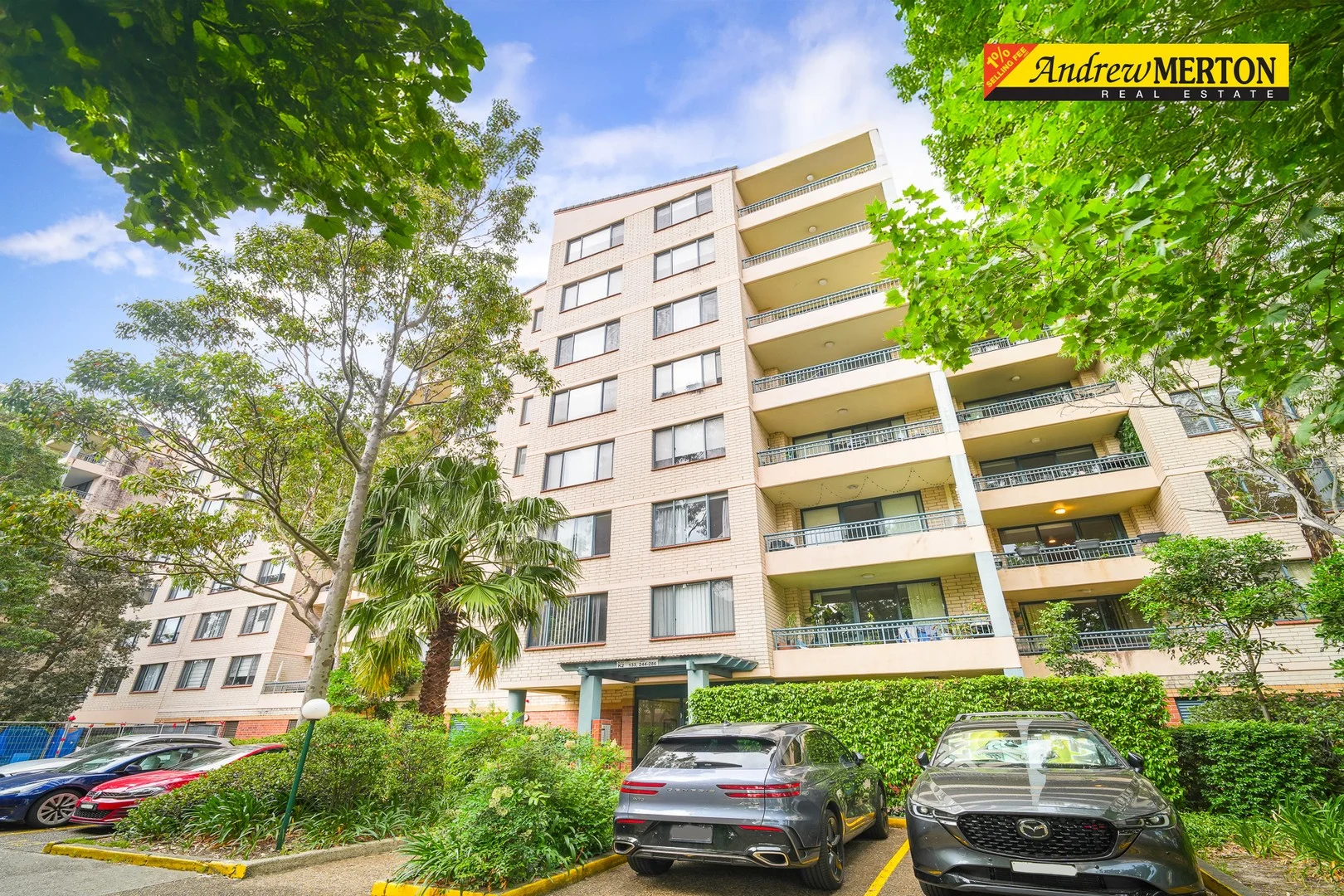 $933,000
Apartment / Unit / Flat
$933,000
Apartment / Unit / Flat
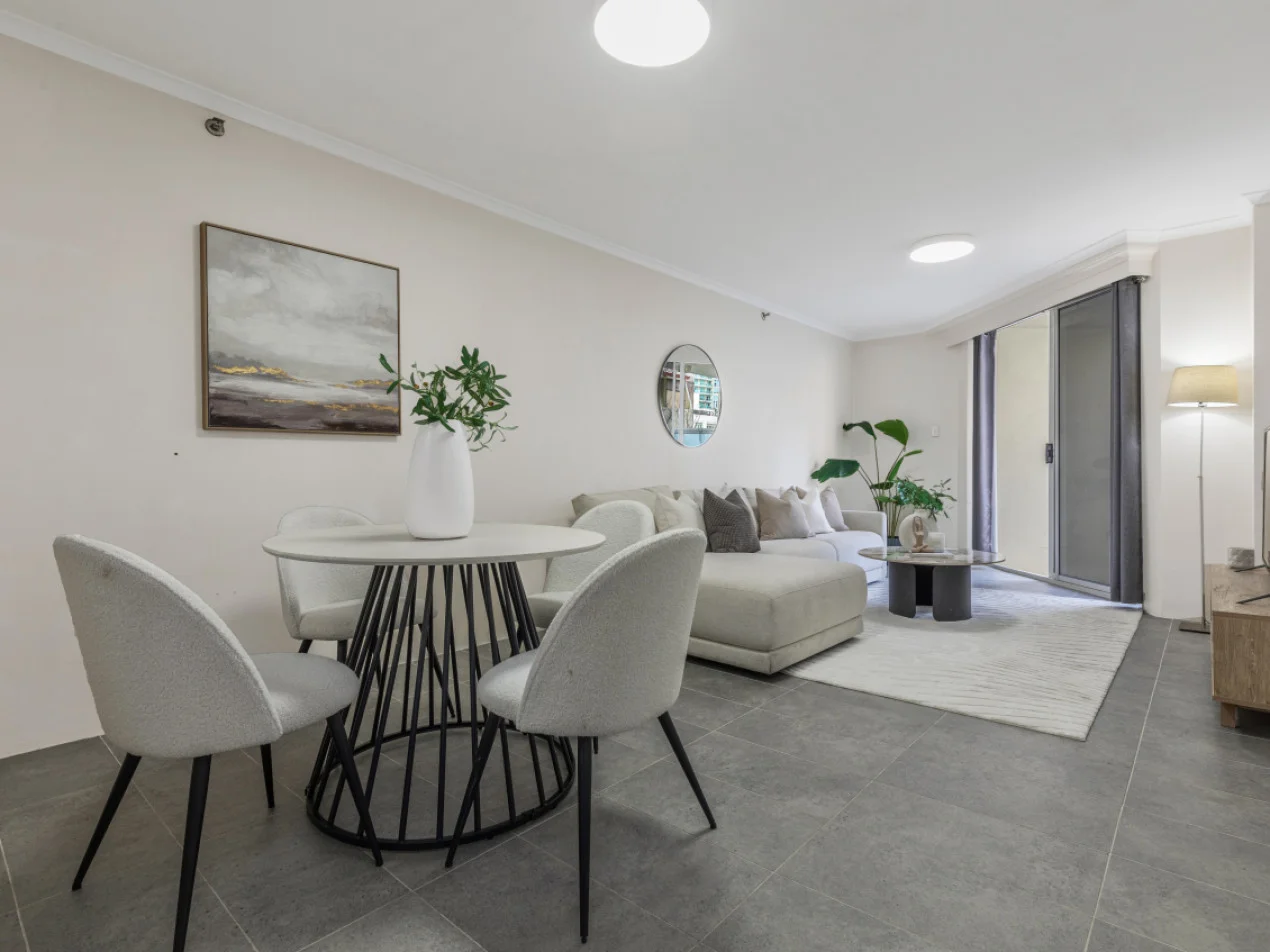 $640,000 - $675,000
Apartment / Unit / Flat
$640,000 - $675,000
Apartment / Unit / Flat
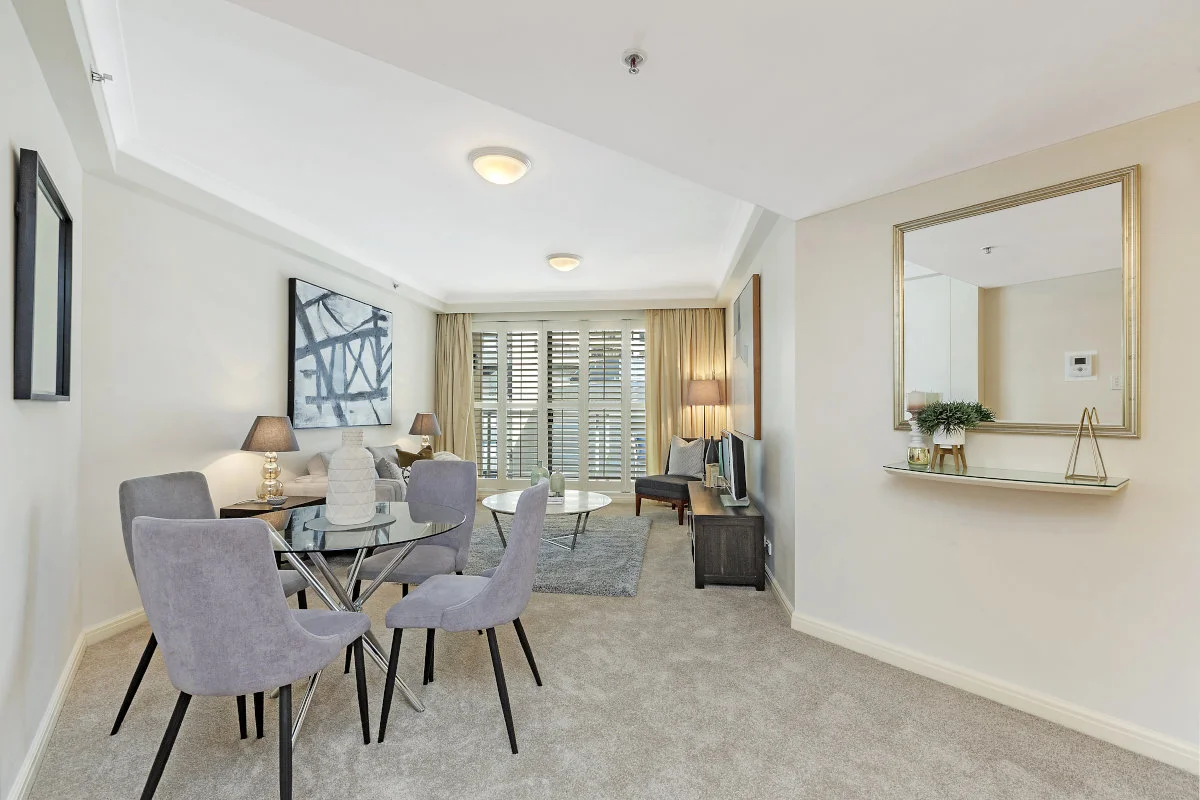 $660,000 - $725,000
Apartment / Unit / Flat
$660,000 - $725,000
Apartment / Unit / Flat
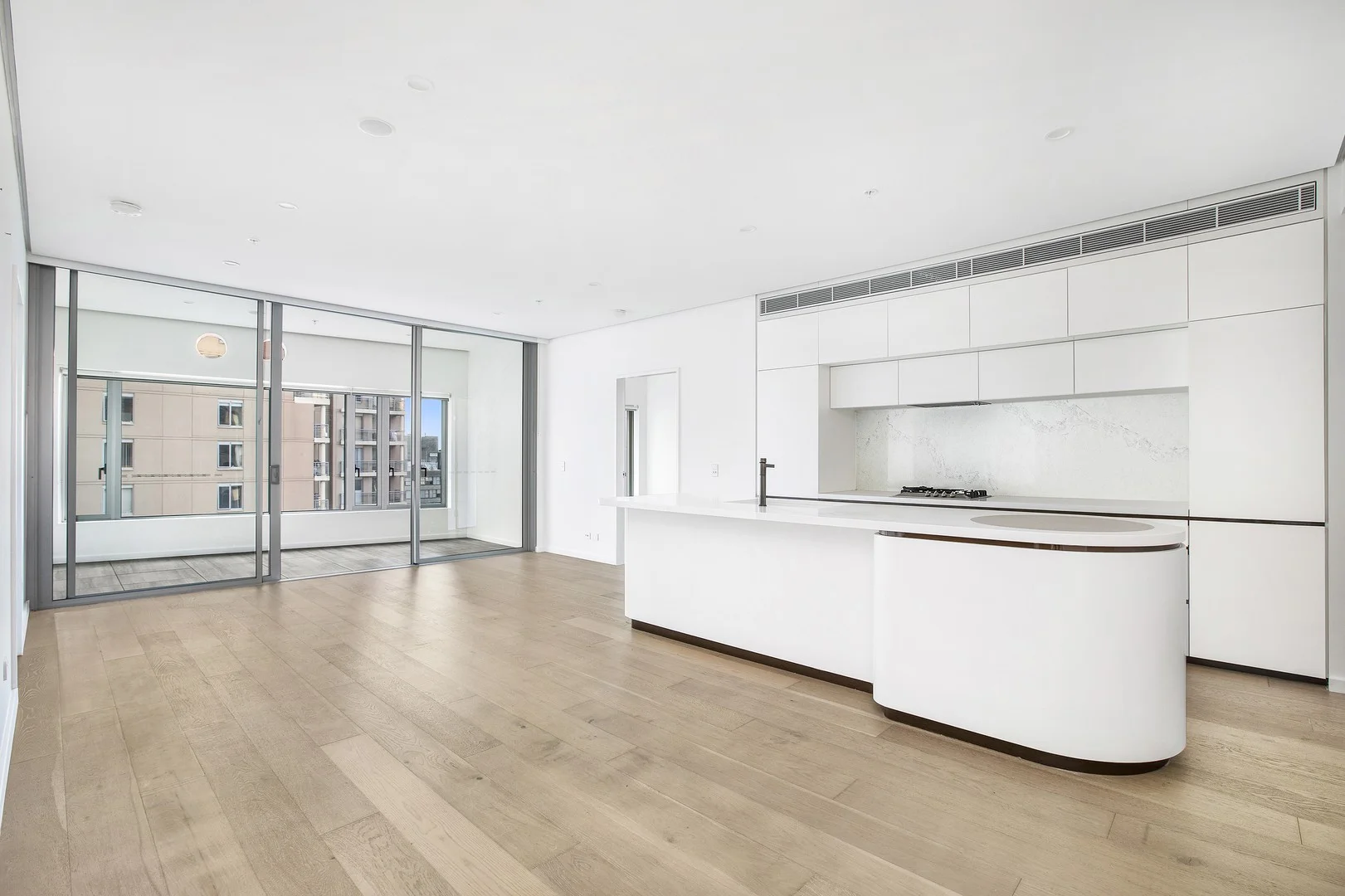 $2,250,000
Apartment / Unit / Flat
$2,250,000
Apartment / Unit / Flat
 $8,630,000
propertyType.NEW APARTMENTS / OFF THE PLAN
$8,630,000
propertyType.NEW APARTMENTS / OFF THE PLAN
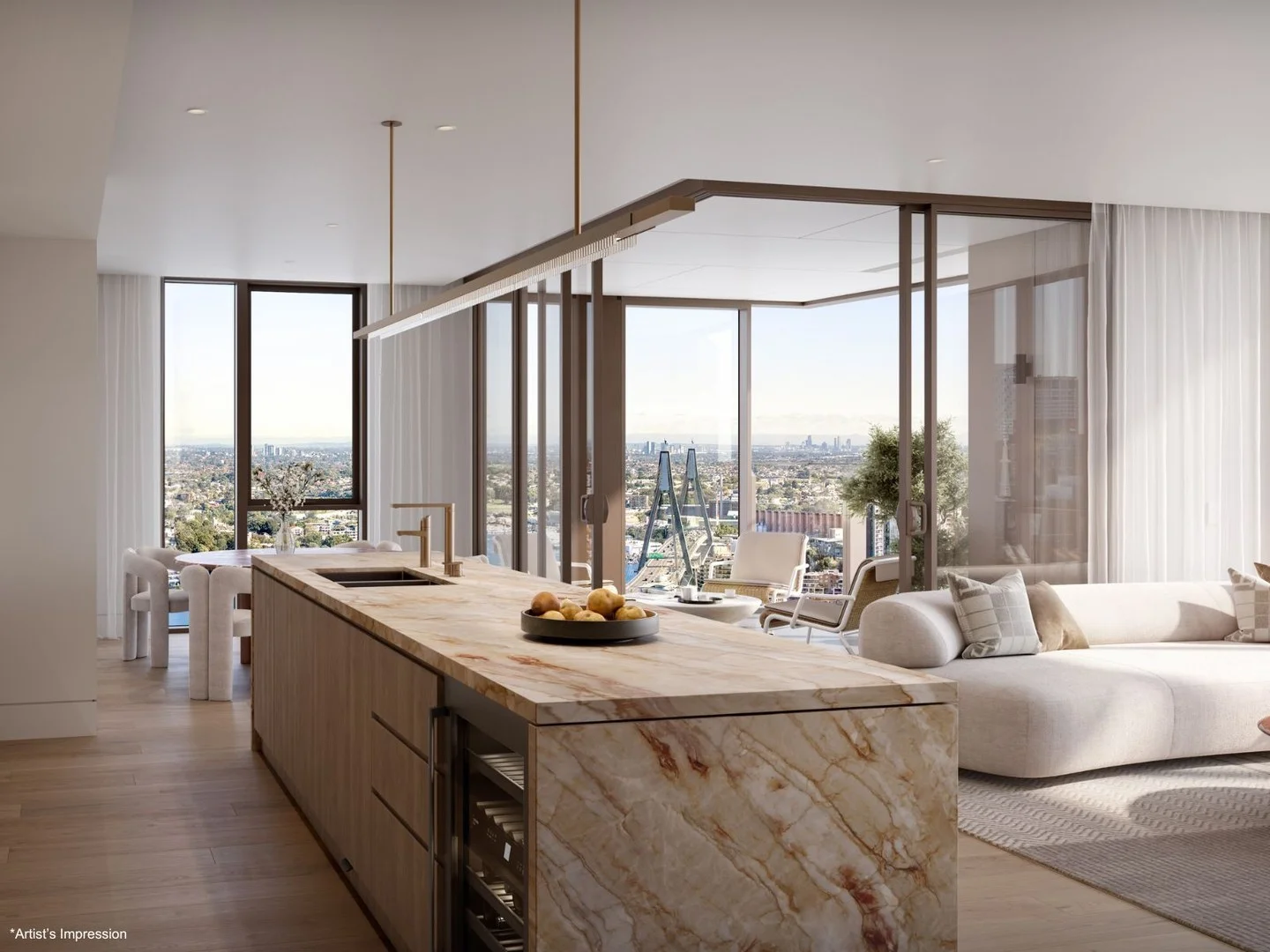 $9,020,000
propertyType.NEW APARTMENTS / OFF THE PLAN
$9,020,000
propertyType.NEW APARTMENTS / OFF THE PLAN
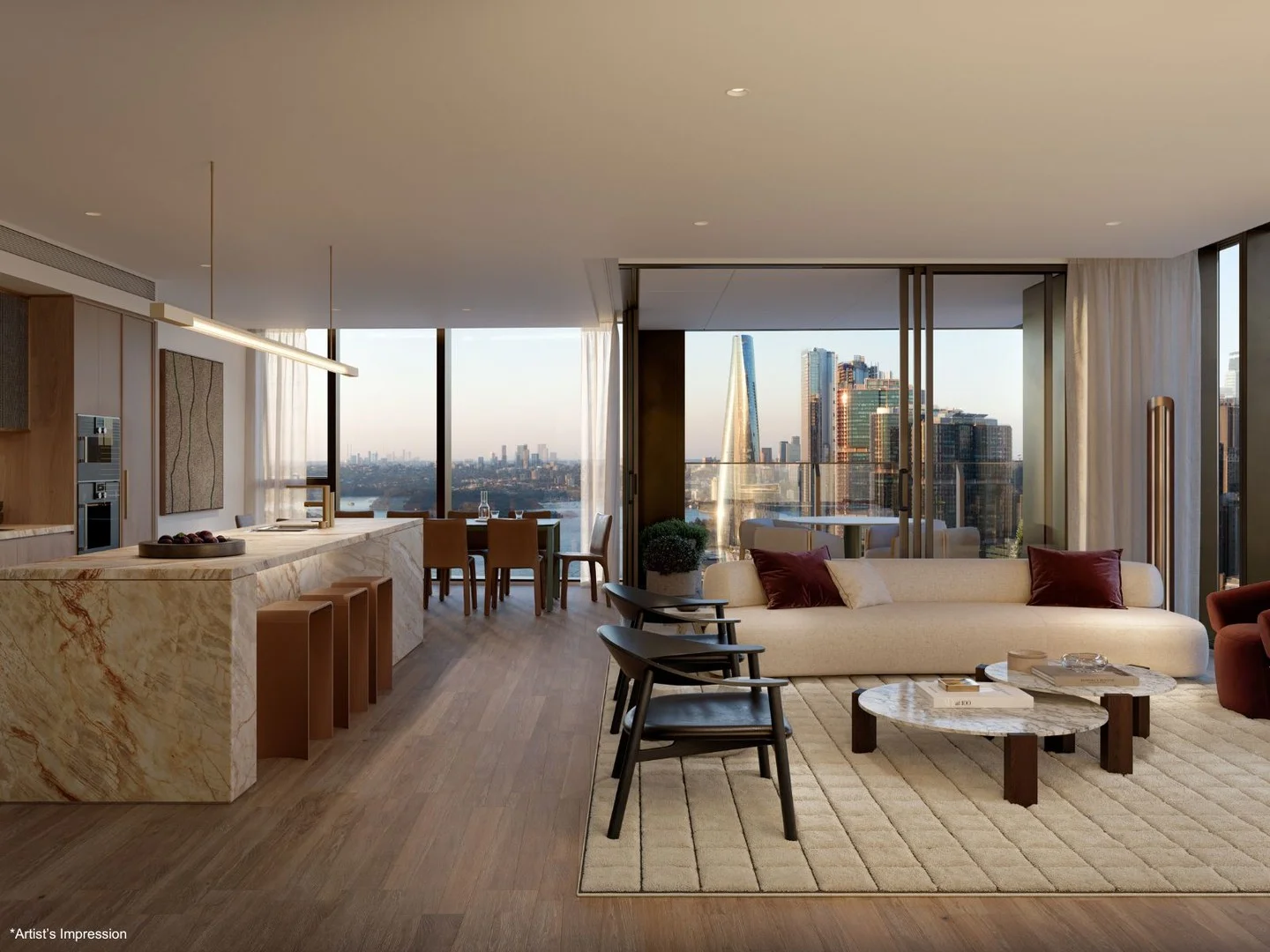 $12,980,000
propertyType.NEW APARTMENTS / OFF THE PLAN
$12,980,000
propertyType.NEW APARTMENTS / OFF THE PLAN
 $6,225,000
propertyType.NEW APARTMENTS / OFF THE PLAN
$6,225,000
propertyType.NEW APARTMENTS / OFF THE PLAN


