## Overview
J J Cahill Memorial High School is a public high school serving students in NSW. The school aims to provide a balanced, community-focused education that supports strong academic growth alongside wellbeing and personal development. With a medium-sized student body, class sizes typically sit in the low-to-mid twenties, allowing teachers to provide meaningful instruction and feedback in a collaborative environment. The atmosphere is inclusive and supportive, emphasising high expectations, student voice, and a culture of mutual respect.
Students can expect a curriculum that covers core academics while offering opportunities for enrichment and leadership. The school fosters a welcoming learning environment where diversity is celebrated and every student is encouraged to contribute to the school community.
---
## Academics & Learning
- Academic strengths: STEM, English, and languages are notable areas, complemented by leadership opportunities through student councils and elected student leadership roles.
- Special programs: Gifted and Talented programs or accelerated learning options may be available to students demonstrating advanced skills.
- NAPLAN / trends: NSW-wide trends show a positive trajectory in reading, numeracy, and overall learning progress in recent years, with a focus on improving numeracy and writing across the school.
- Student-teacher ratios: Typically around 1:15 to 1:22, enabling some individualised support within a regular class.
- Support for diverse learners: EAL support, SEN coordination, and targeted learning support are typically in place to assist students who need extra help.
---
## Sports & Extracurricular Strengths
- Sports offered: A range of team and individual sports are available, including football codes (soccer, rugby league), basketball, cricket, netball, athletics, and swimming.
- Strong teams or achievements: Active participation in district-level competitions with opportunities to contribute to school-level and community achievements.
- Music, arts, drama programs: Regular music ensembles, choir, drama productions, and opportunities to participate in school arts projects.
- Clubs: Robotics, chess, coding, debating, and other interests are commonly supported to broaden student skills.
- Partnerships: Collaborations with local clubs, academies, and community organisations provide additional pathways for competitions and development.
Most parents find this section especially helpful for boys aged 10–14, who often benefit from structured sports and clubs.
---
## Wellbeing & Pastoral Care
- Anti-bullying approach: Whole-school policies and proactive programs promote respectful behaviours and safe environments.
- House system: A house structure helps build belonging, peer mentoring, and friendly competition to support wellbeing.
- Counsellors / wellbeing officers: Dedicated staff support student wellbeing, mental health, and transitions.
- Transition support for new students: Orientation activities and transition plans help new students settle in smoothly.
---
## Facilities
- Sports grounds: Access to fields and multi-use courts for athletics and PE.
- Libraries: Well-equipped library resources to support reading and research.
- Science labs: Modern science laboratories for experiments and practical work.
- Music/performing arts centers: Dedicated spaces for music practice, rehearsals, and performances.
- Tech/innovation labs: Computer labs and STEM spaces for coding, digital projects, and creative tech.
- Cafeteria: On-site canteen with a range of healthy meal and snack options.
- Updated playgrounds: Safe, purpose-built outdoor spaces for break and recreation.
---
## School Values & Community Culture
- School values / mission: A focus on respect, inclusion, responsibility, and excellence in learning and behaviour.
- Leadership style: Collaborative leadership with opportunities for student voice and feedback integrated into school decisions.
- Behaviour expectations: Positive behaviour framework, restorative approaches, and clear expectations to support a constructive learning environment.
- Community reputation: Generally positive within the local community, emphasising partnership and student success.
- Diversity & inclusion: Commitment to welcoming students from diverse backgrounds with inclusive practices in teaching and student activities.
---
## School Logistics & Daily Operations
- School hours: Typically around a 9:00 am start to about 3:00 pm finish, with supervision and activities before/after school as available.
- Before/after school care: Some supervised care or extended activities may be offered depending on term and facilities.
- Uniform requirements: School uniform policy in place; details provided at enrolment and via the school’s communications.
- Transport (train/bus routes): Public transport options commonly available; school may organise or provide guidance on bus routes and accessibility.
- Canteen availability: On-site canteen or snack options available during breaks.
- Fees (low/medium/high ranges): As a public school, core fees are generally modest; there may be voluntary contributions or rental costs for activities.
---
## Enrolment & Admissions
- 11. What is the enrolment process and timeline?
- Enrolment is typically completed through NSW Department of Education processes. Prepare evidence of residency, identity, and prior schooling (where applicable). The school’s admin team will provide the timeline and local requirements, including any intake interviews for programs or year levels with limited places.
- 12. Is there a waiting list, and how does it work?
- Waiting lists can occur in high-demand years or for out-of-area applicants. Availability is influenced by catchment rules and sibling priority. The front office can advise on current wait times and alternatives.
- 13. Are there any entry requirements, tests, or interviews?
- For non-selective enrolments, there are typically no entrance exams. Some selective or gifted programs may require assessments or short interviews. The school will outline any specific entry steps if applicable.
- 14. Does the school accept mid-year transfers?
- Yes, mid-year transfers can be possible subject to vacancies and a smooth transition process. Contact the school early to discuss space, timetable alignment, and required documentation.
---
## Frequently Asked Questions
- Why Parents Choose This School?
- A welcoming, inclusive community with solid academics, supportive wellbeing services, and active extracurriculars that help students grow socially and academically.
- What type of student thrives at this school?
- Students who are motivated to learn, participate in clubs and sports, and engage with peers and staff in a respectful, collaborative environment.
- What opportunities are available for students to extend their skills (academics, sports, arts)?
- Enrichment programs, leadership opportunities, gifted/talented options, competitive clubs (robotics, debating, coding), music and drama, and a range of sports.
- How does the school communicate with parents?
- Regular updates via newsletters, emails, parent portals, and notices; there are opportunities to meet with teachers and leadership throughout the year.
- What is the school’s approach to teaching and learning?
- A student-centered approach that combines core academics with applied learning, inquiry, collaboration, and differentiation to meet diverse needs.
- How does the school support students who need extra academic help?
- Targeted learning support, EAL and SEN resources, and access to counsellors and learning support staff.
- What support is available for academic challenges?
- Additional tutoring, literacy and numeracy support, and structured intervention plans where needed.
- How does the school communicate with parents? (Duplicate)
- See above; ongoing, transparent communication through multiple channels.
- What are the class sizes and how much individual attention do students receive?
- Class sizes are typically in the low-to-mid twenties, with teachers providing regular feedback and some level of individual support within the classroom.
- What extracurricular and sports opportunities are available?
- A broad mix of sports, music and arts programs, clubs such as robotics, chess, coding, and debating, plus community partnerships.
- What facilities does the school offer (sports, science, arts)?
- Modern facilities across sports, science labs, performing arts spaces, and technology/computing labs.
- What is the school’s approach to technology and digital learning?
- Integration of digital tools across the curriculum, with access to computer labs and digital learning resources to support everyday teaching and project work.
- What transport and accessibility options are available?
- Public transport access with guidance on routes; some support for students with additional accessibility needs.
- What are typical school fees or additional costs?
- As a public school, core costs are modest; there may be voluntary contributions for programs and activities.
---
## Short Pros & Cons list
- Pros
- Inclusive, supportive learning environment with a range of academics and enrichment options.
- Balanced focus on wellbeing, student voice, and community involvement.
- Diverse extracurriculars, sports, arts, and clubs to suit different interests.
- Accessible facilities and modern learning spaces.
- Cons
- Class sizes, while typical, are not extremely small; some students may benefit from additional one-on-one time.
- Availability of certain programs or after-school activities may vary year to year depending on staffing and funding.
- Transport options depend on local routes and schedules; some families may need to rely on public transport or carDrop-offs.

 $60+
$60+








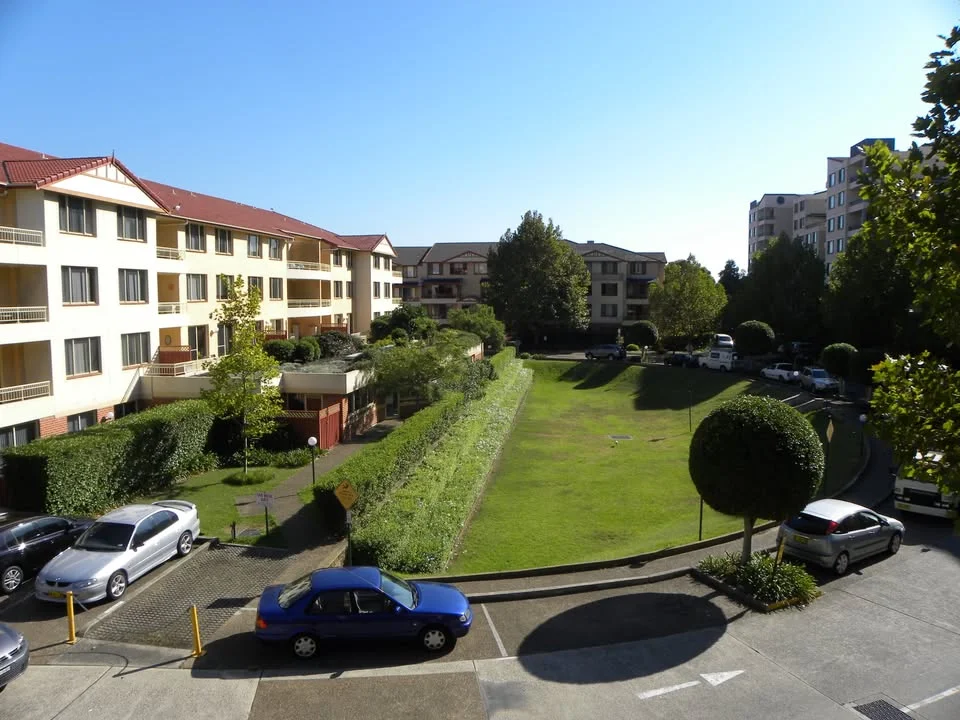 $990
Apartment / Unit / Flat
$990
Apartment / Unit / Flat
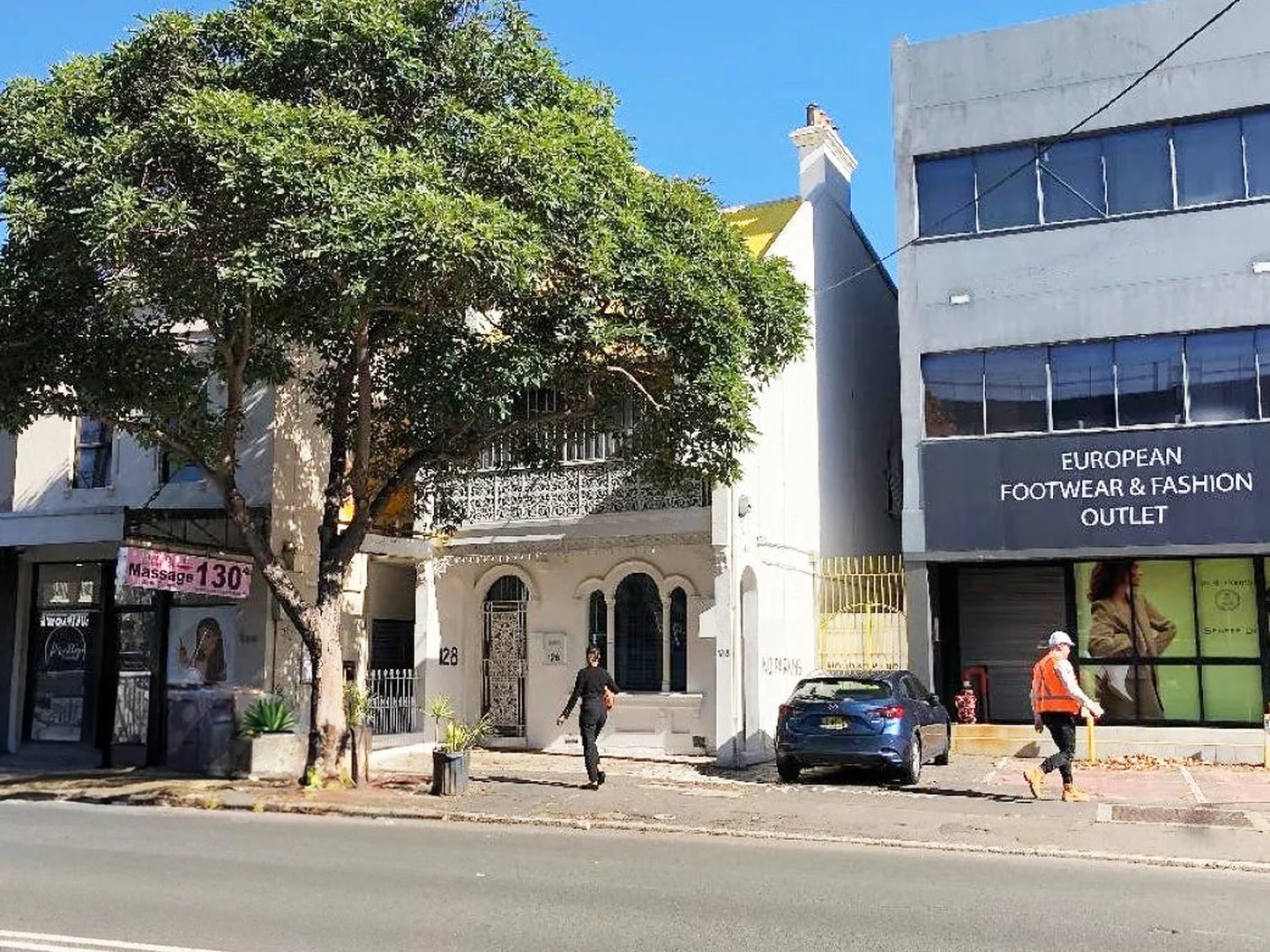 $3,900,000
House
$3,900,000
House
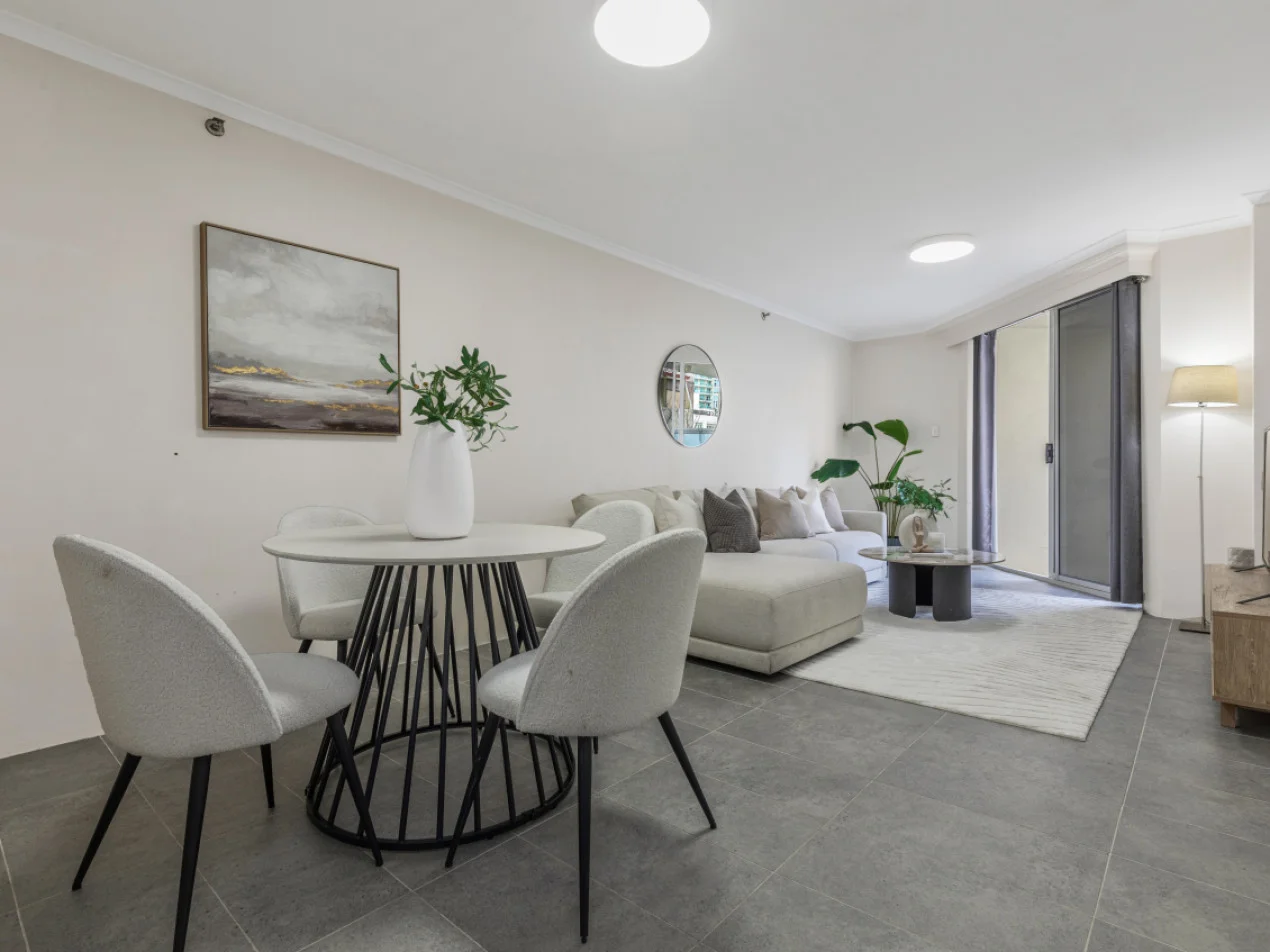 $640,000 - $675,000
Apartment / Unit / Flat
$640,000 - $675,000
Apartment / Unit / Flat
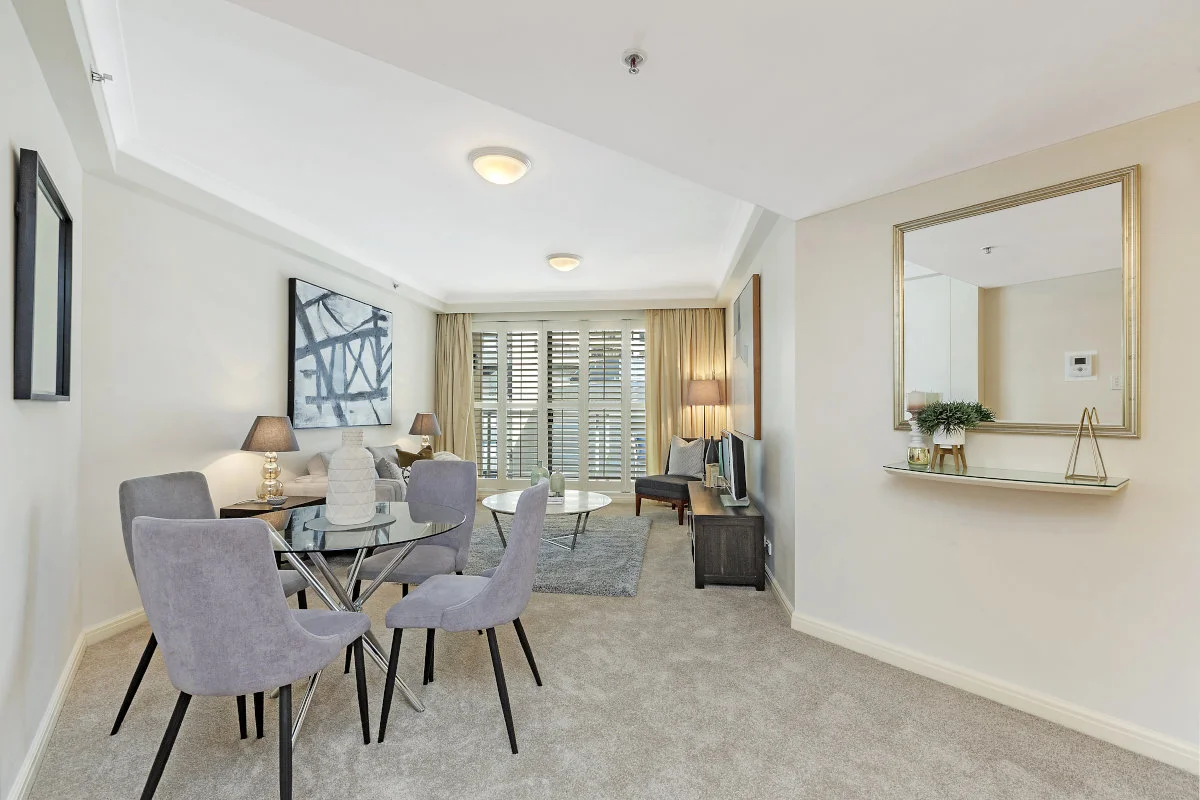 $660,000 - $725,000
Apartment / Unit / Flat
$660,000 - $725,000
Apartment / Unit / Flat
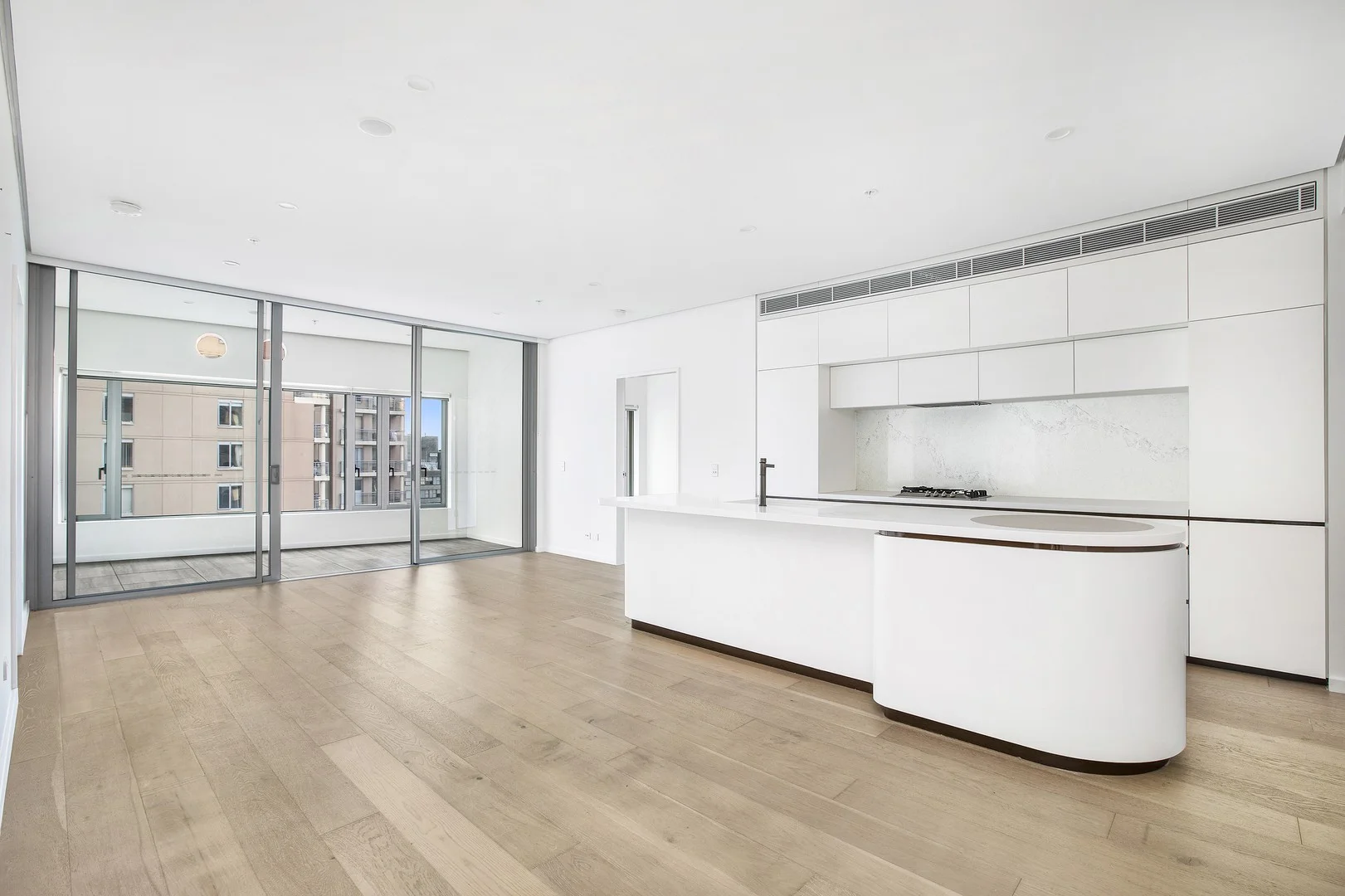 $2,250,000
Apartment / Unit / Flat
$2,250,000
Apartment / Unit / Flat
 $8,630,000
propertyType.NEW APARTMENTS / OFF THE PLAN
$8,630,000
propertyType.NEW APARTMENTS / OFF THE PLAN
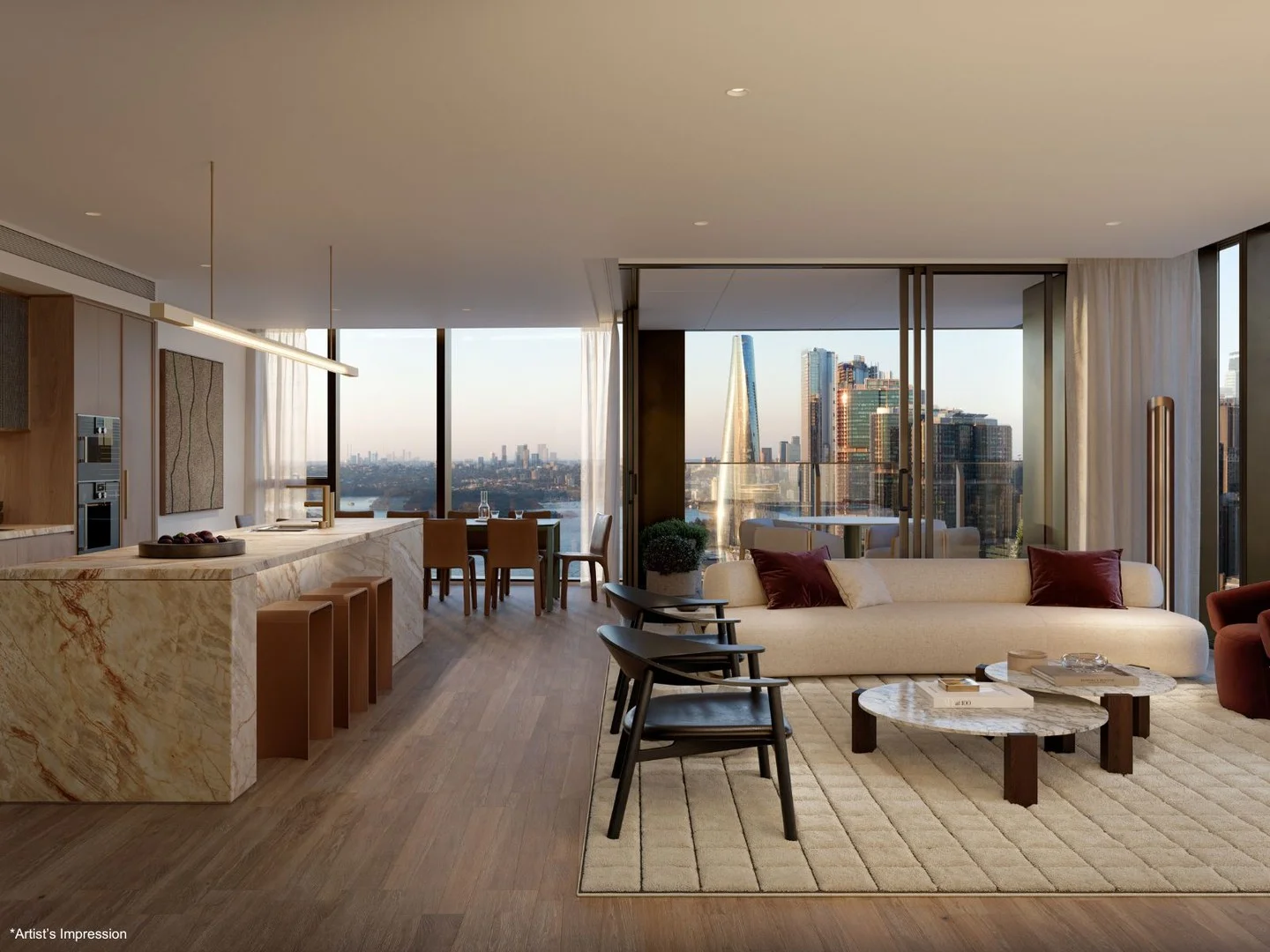 $12,980,000
propertyType.NEW APARTMENTS / OFF THE PLAN
$12,980,000
propertyType.NEW APARTMENTS / OFF THE PLAN
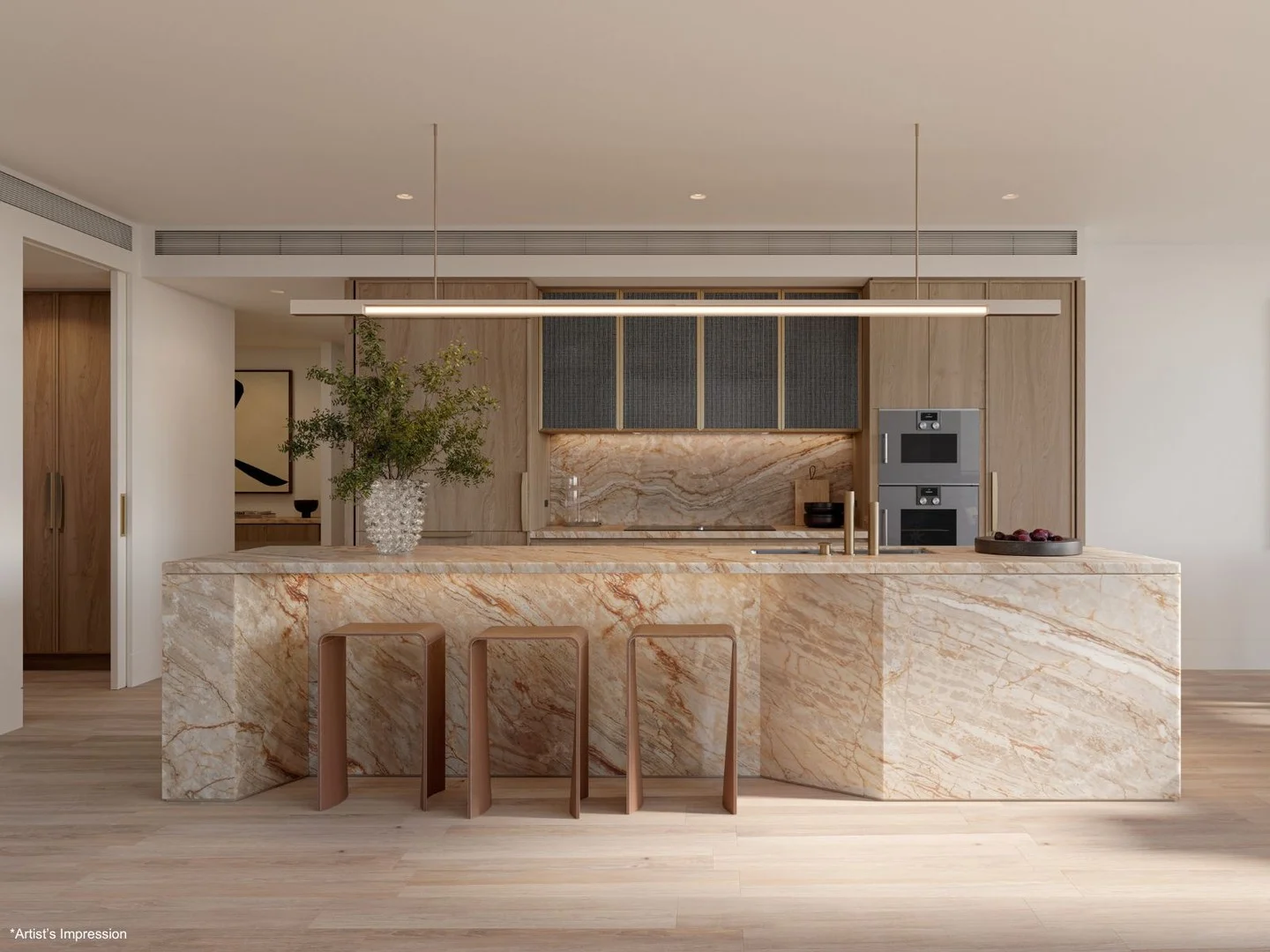 $6,225,000
propertyType.NEW APARTMENTS / OFF THE PLAN
$6,225,000
propertyType.NEW APARTMENTS / OFF THE PLAN
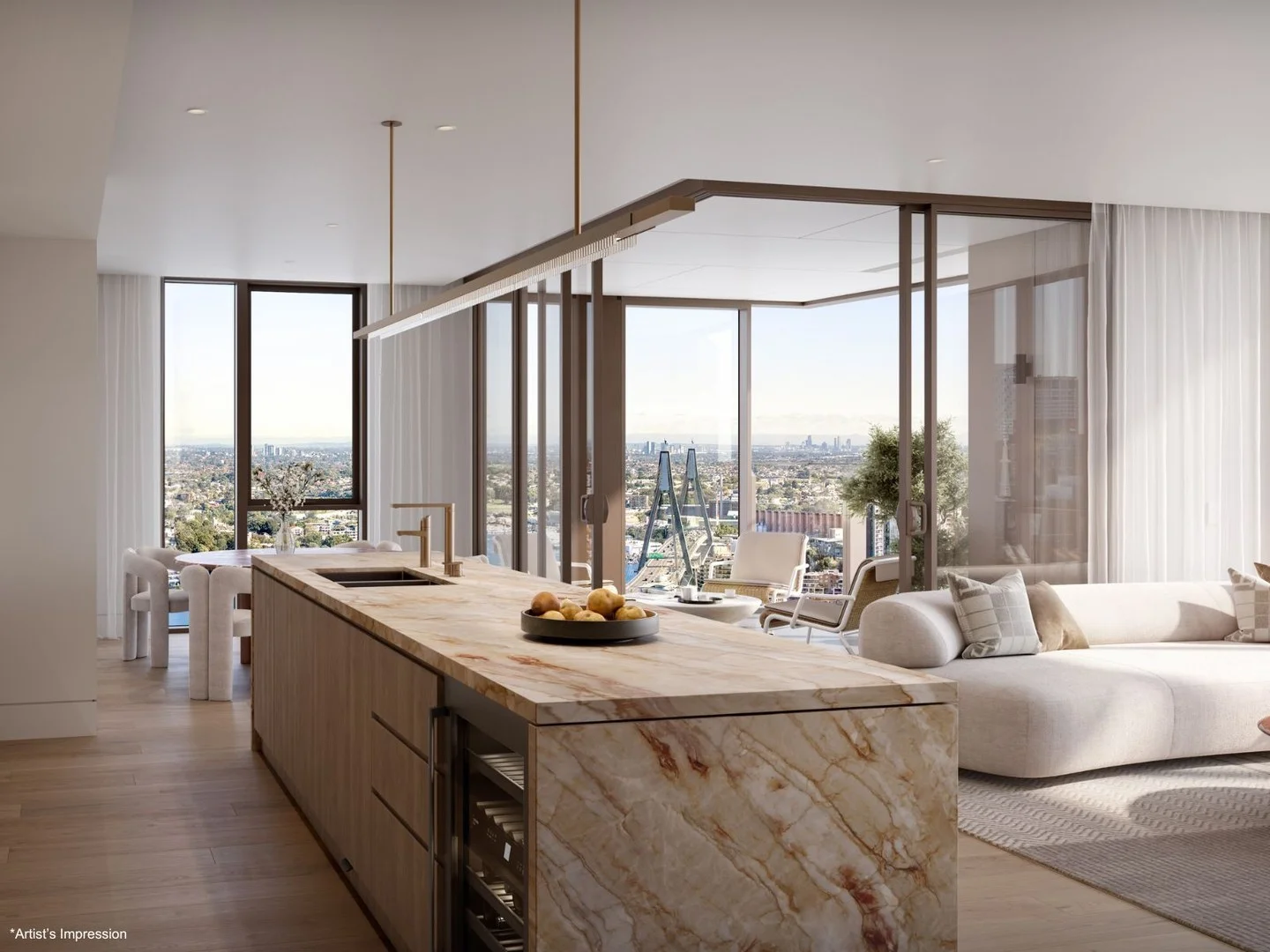 $9,020,000
propertyType.NEW APARTMENTS / OFF THE PLAN
$9,020,000
propertyType.NEW APARTMENTS / OFF THE PLAN


