## Overview
St Therese Catholic Primary School (NSW) is a Catholic, community-focused primary school that combines faith-based education with a strong academic program. The school is medium-sized, designed to foster close relationships between students, families, and staff, with class sizes typically around 20–25 students to support individual attention and collaborative learning. The atmosphere is nurturing and inclusive, with an emphasis on character formation, service, and active participation in parish life.
Key identifiers:
- School type: Catholic private primary
- School size: Medium
- Class size: Approximately 20–25 students per class
- Atmosphere/culture: Nurturing, inclusive, faith-based, community-minded
---
## Academics & Learning
- Academic strengths: Strong literacy and numeracy foundations, with a focus on critical thinking, resilience, and leadership development. The curriculum also emphasises religious education as a core component of daily learning.
- Special programs: Gifted & Talented provisions, STEM-focused activities integrated across year levels, and Indonesian language program to support cultural awareness and language development.
- NAPLAN trends: Over the past few years, trends show steady improvement in reading and numeracy, with targeted efforts to strengthen writing and problem-solving abilities.
- Student-teacher ratios: Approximately 1:16–1:22, varying by year level and subject area, allowing for targeted feedback and small-group instruction.
- Support for diverse learners: EAL/D support is available, along with a dedicated learning support team to assist students with additional needs, including tailored plans and assistive technologies as appropriate.
---
## Sports & Extracurricular Strengths
- Sports offered: Soccer, basketball, netball, cricket, rugby league, athletics, and swimming programs (where available). Local fixtures and inter-school events are a regular part of the year.
- Strong teams or achievements: Regular participation in diocesan and inter-school competitions, with opportunities to develop teamwork, sportsmanship, and competitive spirit.
- Music, arts, drama programs: School choir, musical productions, and opportunities to participate in drama and performance-based activities.
- Clubs: Robotics, chess, coding, debating, and science/clubs that encourage enquiry and collaboration beyond the classroom.
- Partnerships: Collaboration with local clubs and diocesan athletics and sports programs, with opportunities to participate in regional competitions.
Most parents skim this section, particularly for boys aged 10–14, focusing on opportunities for sport, music, and hands-on clubs.
---
## Wellbeing & Pastoral Care
- Anti-bullying approach: Proactive, school-wide strategies emphasizing respect, empathy, and responsible digital citizenship; clear reporting channels and restorative practices.
- House system: Four houses that foster healthy competition and community spirit, with regular house activities and celebrations.
- Counsellors / wellbeing officers: Access to school guidance staff focused on emotional wellbeing, resilience-building, and social development.
- Transition support for new students: Orientation sessions, buddy programs, and transition visits to help new students settle in smoothly.
This section builds trust with families by showing a commitment to the whole child and a supportive school environment.
---
## Facilities
- Sports grounds: Well-maintained fields and courts suitable for a range of outdoor activities and school events.
- Libraries: On-site library with comfortable reading spaces and a rotating collection to support literacy development.
- Science labs: Dedicated science space for practical experiments and inquiry-based learning.
- Music/performing arts centers: Spaces for music lessons, rehearsals, and school productions.
- Tech/innovation labs: Computer labs or makerspaces to support coding, robotics, and STEAM projects.
- Cafeteria: Canteen facilities offering healthy meal options and snack choices.
- Updated playgrounds: Safe, modern play areas with shaded spaces for outdoor learning and recreation.
Visual, simple, and easy to navigate spaces help parents picture daily life at the school.
---
## School Values & Community Culture
- School values / mission: Faith, respect, responsibility, compassion, and service; a mission aligned with Catholic education principles.
- Leadership style: Collaborative and student-inclusive, with opportunities for student voice through councils or committees.
- Behaviour expectations: Clear norms such as Be Safe, Be Respectful, Be Responsible, reinforced through consistent routines and positive reinforcement.
- Community reputation: A welcoming parish-linked community, with strong family engagement and a willingness to support diverse backgrounds.
- Diversity & inclusion: Inclusive environment with language support, cultural celebrations, and accessibility measures to ensure participation for all students.
---
## School Logistics & Daily Operations
- School hours: Typically around 8:45 am–3:15 pm; after-school care options may be available.
- Before/after school care: OSHC or similar programs offered to support working families.
- Uniform requirements: Full school uniform, with specified casual/sports uniform on designated days; uniform shop details provided by the school.
- Transport (train/bus routes): Local bus services and public transport links commonly used; school may provide guidance on route planning and accessibility.
- Canteen availability: Canteen operates with healthy meal and snack options; dietary accommodations supported.
- Fees (low/medium/high ranges): Fees fall into a moderate bracket for Catholic primary schools, with transparent itemised charges for materials, excursions, and activities.
---
## Enrolment & Admissions
11. What is the enrolment process and timeline?
- Submit an expression of interest or complete the official application form.
- Attend an information session/open day if available.
- Family interview with the enrolments team or principal.
- Provide required documentation (birth/citizenship/residency, immunisation records, baptism certificate where applicable).
- Offers are issued within a defined timeframe; acceptance is confirmed with a deposit or formal acceptance.
12. Is there a waiting list, and how does it work?
- Yes, potential places may be allocated from a waiting list when vacancies arise.
- Priority often given to Catholic families and siblings of current students; wait times vary by year level and intake.
13. Are there any entry requirements, tests, or interviews?
- Generally, there are no standard entrance exams for primary grades; families typically participate in an interview and provide supporting documentation.
- Focus is on fit with the school’s holistic program, religious education alignment, and readiness for the year level.
14. Does the school accept mid-year transfers?
- Yes, depending on vacancies and alignment with the current cohort.
- Mid-year enrollment involves a transfer process, including documentation, transition planning, and potential placement adjustments to support continuity of learning.
---
## Frequently Asked Questions
- “Why Parents Choose This School?”
- Families value the welcoming Catholic community, strong focus on literacy and numeracy, supportive staff, and holistic development that blends faith, academics, and character.
- “What type of student thrives at this school?”
- Students who are curious, collaborative, respectful, and engaged in both classroom learning and extracurricular activities tend to thrive.
- “What opportunities are available for students to extend their skills (academics, sports, arts)?”
- Enrichment programs in reading and STEM, gifted and talented provisions, sports teams, music and drama productions, robotics, chess, and coding clubs.
- “How does the school communicate with parents?”
- Regular newsletters, parent-teacher conferences, digital portals for grades and attendance, and open channels for feedback and requests.
- “What is the school’s approach to teaching and learning?”
- A student-centered, inclusive approach that blends literacy/numeracy mastery with faith formation, inquiry-based learning, and differentiated support.
- “How does the school support students who need extra academic help?”
- Dedicated learning support staff, EAL/D assistance, individualized learning plans, and targeted interventions in literacy and numeracy.
- “What support is available for academic challenges?”
- Small-group interventions, targeted tutoring, and collaboration between teachers, families, and specialists to address gaps.
- “What are the class sizes and how much individual attention do students receive?”
- Class sizes of around 20–25 students with periodic small-group or one-on-one support and feedback.
- “What extracurricular and sports opportunities are available?”
- A range of sports, music and drama programs, and clubs such as robotics, chess, coding, and debating.
- “What facilities does the school offer (sports, science, arts)?”
- Sports grounds, libraries, science labs, music/performing arts spaces, and tech/innovation labs.
- “What is the school’s approach to technology and digital learning?”
- Integration of age-appropriate technology in learning, with a focus on digital literacy, coding, and responsible use.
- “What transport and accessibility options are available?”
- Local transport options and guidance on bus/train routes, with support for accessibility needs where possible.
- “What are the typical school fees or additional costs?”
- Fees are structured for a Catholic primary setting with items for tuition, materials, excursions, and uniform; families can expect transparent, itemised costs.
---
## Short Pros & Cons list
- Pros
- Strong sense of community and faith-based values
- Balanced focus on academics, wellbeing, and character
- Supportive staff and inclusive learning environment
- Broad range of extracurriculars and clubs
- Modern facilities with dedicated spaces for science, music, and technology
- Cons
- Parental involvement and demand for community participation may be higher than some schools
- Fees are moderate (as with many Catholic schools) and may require budgeting for uniform and excursions
- Transport options are local and depend on family location; some families may need to arrange transportation
- Competition for popular elective activities or certain year-level spaces during peak intake periods








 $990
Apartment / Unit / Flat
$990
Apartment / Unit / Flat
 $933,000
Apartment / Unit / Flat
$933,000
Apartment / Unit / Flat
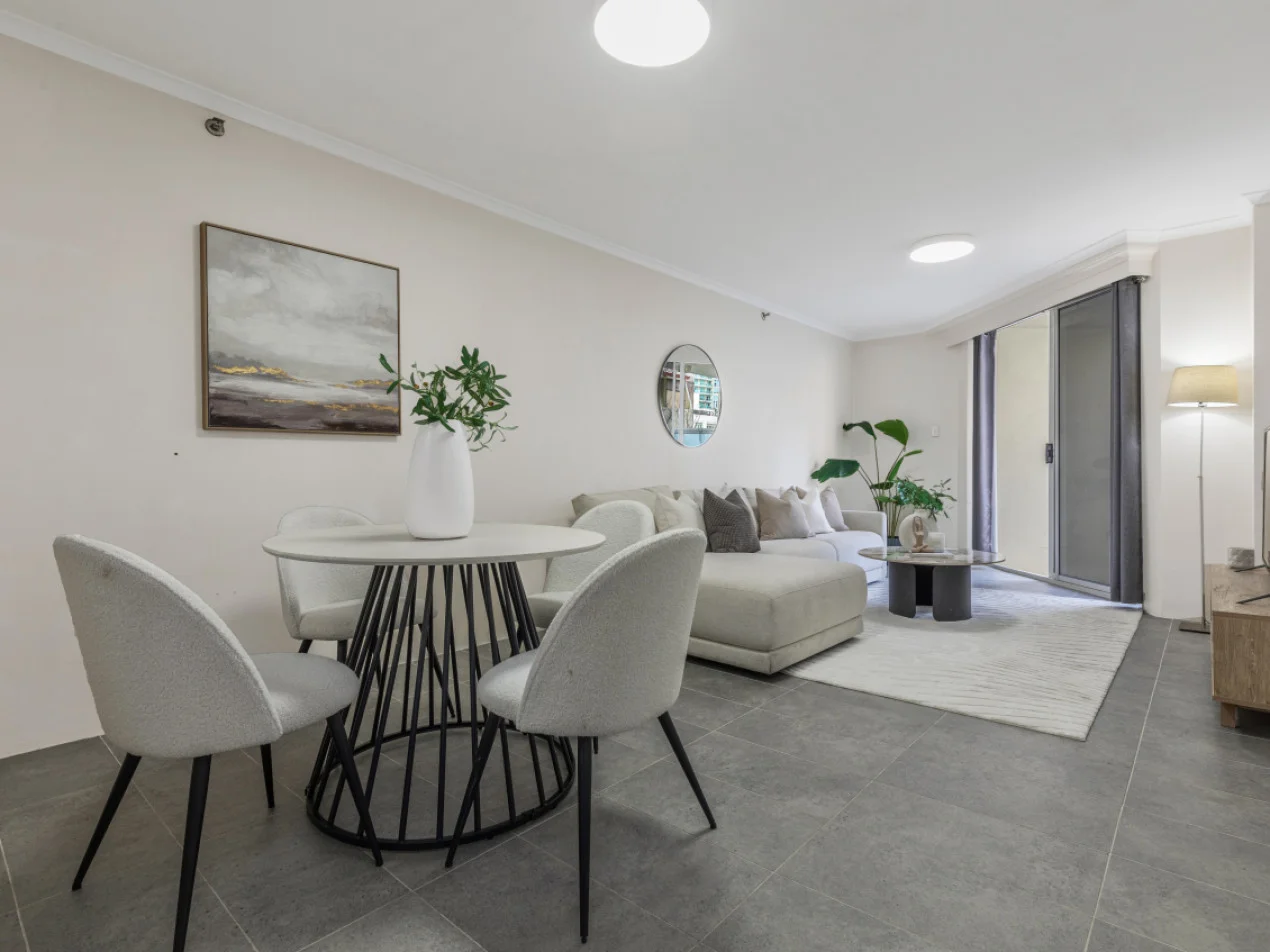 $640,000 - $675,000
Apartment / Unit / Flat
$640,000 - $675,000
Apartment / Unit / Flat
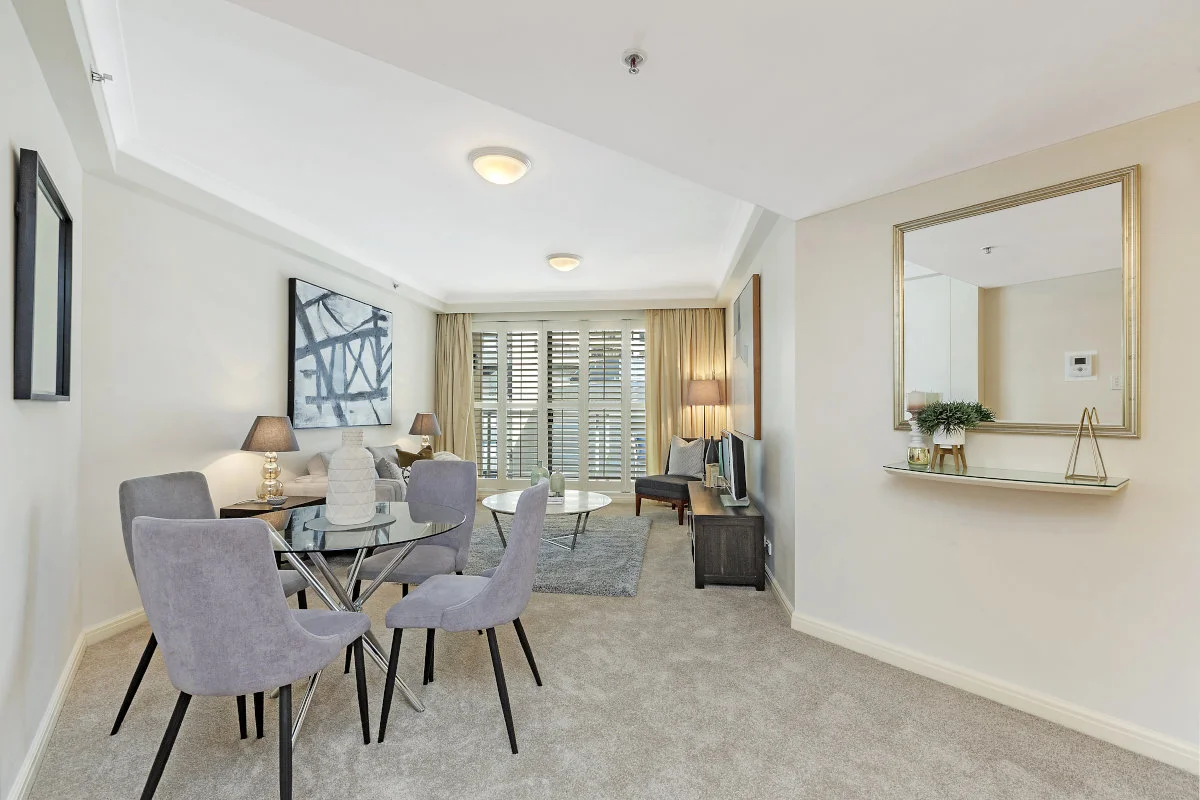 $660,000 - $725,000
Apartment / Unit / Flat
$660,000 - $725,000
Apartment / Unit / Flat
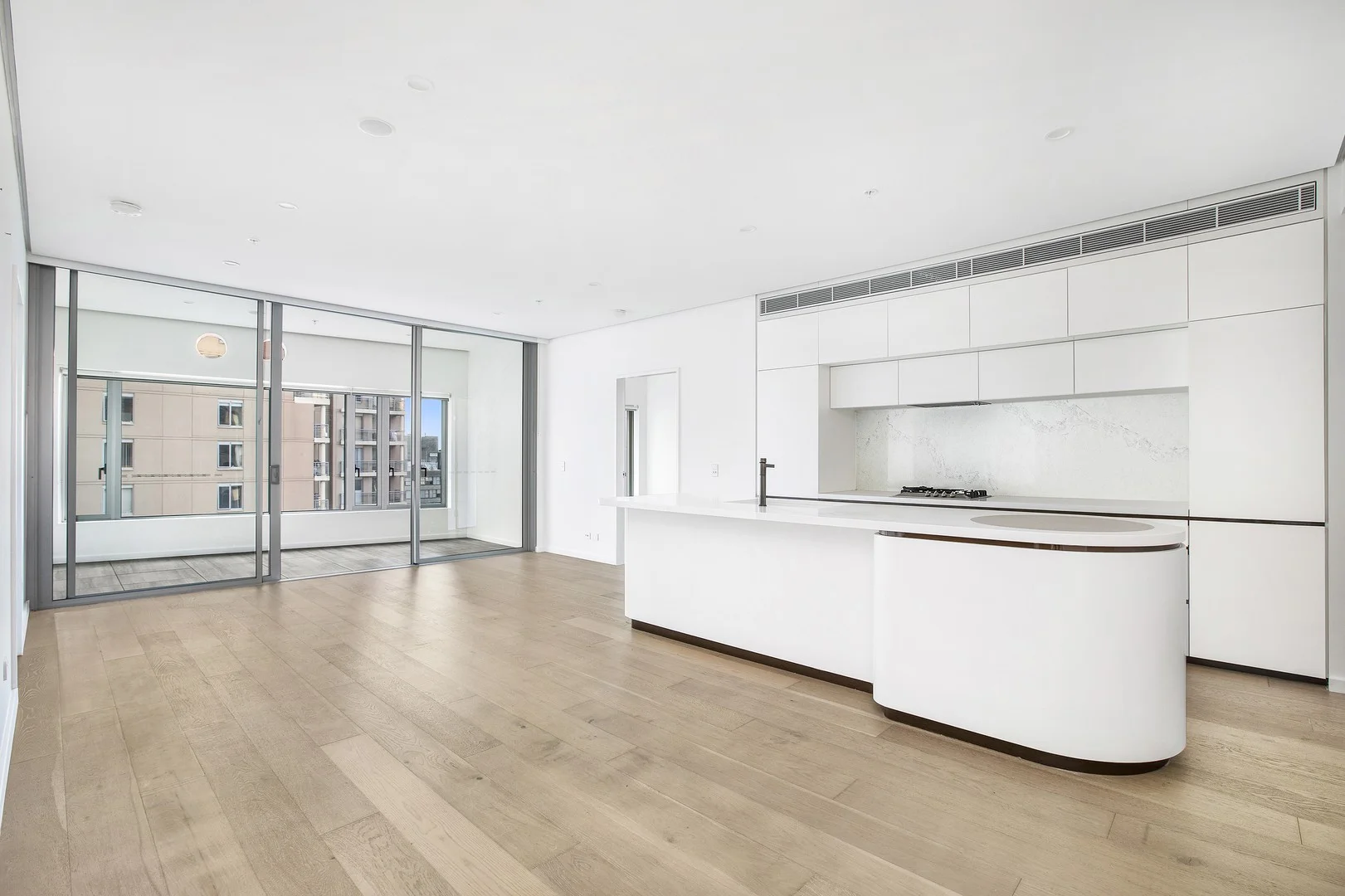 $2,250,000
Apartment / Unit / Flat
$2,250,000
Apartment / Unit / Flat
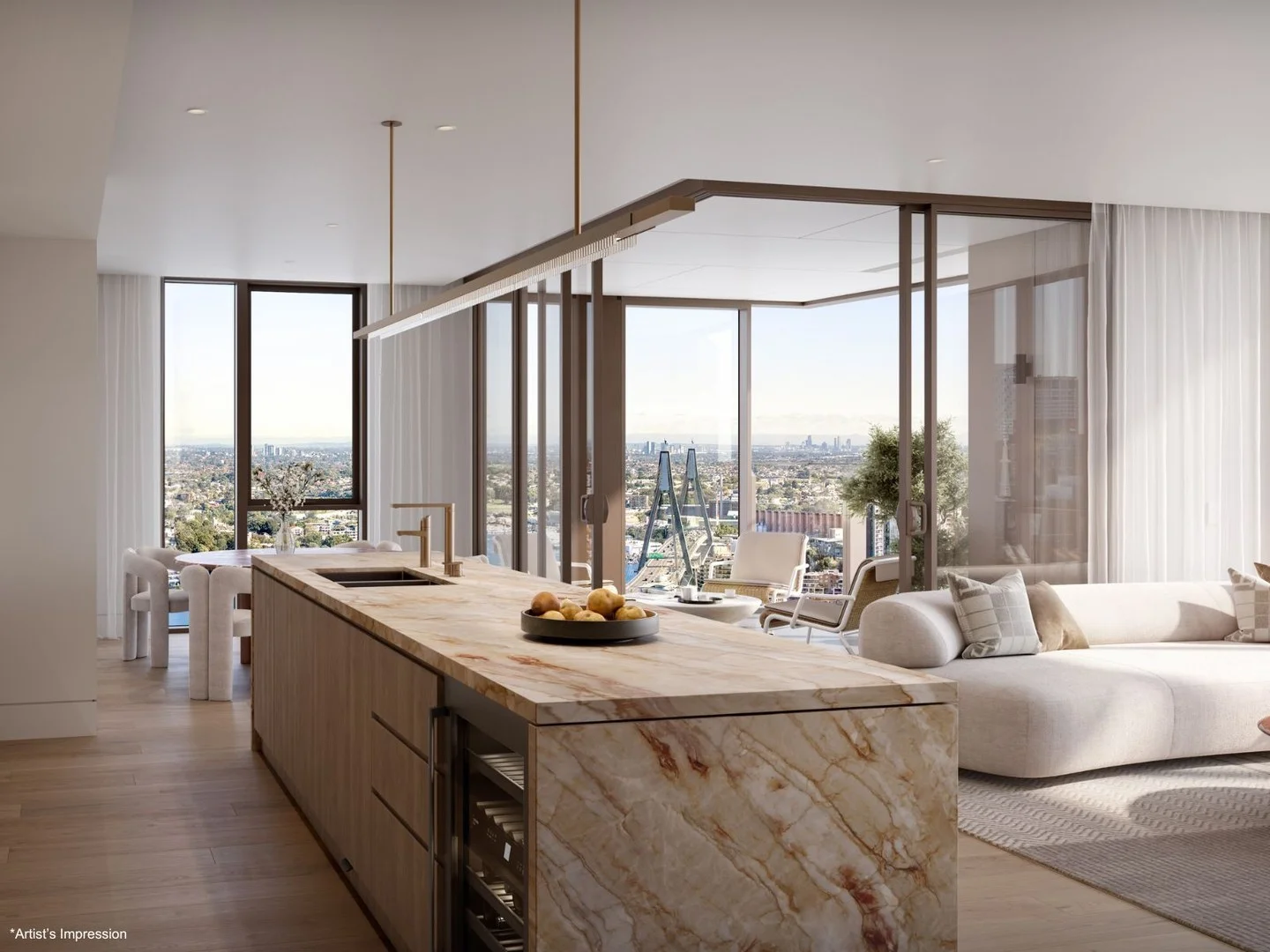 $9,020,000
propertyType.NEW APARTMENTS / OFF THE PLAN
$9,020,000
propertyType.NEW APARTMENTS / OFF THE PLAN
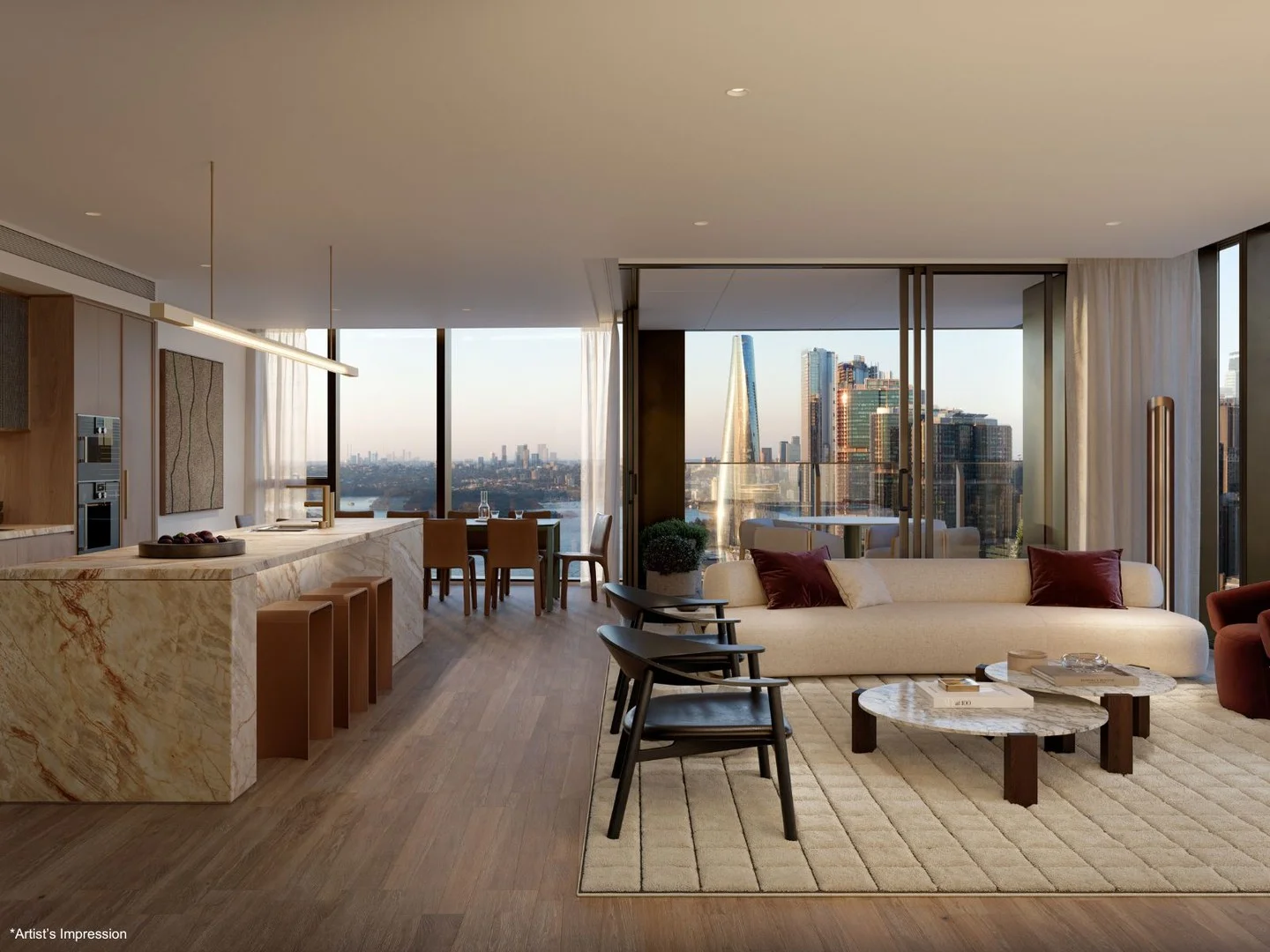 $12,980,000
propertyType.NEW APARTMENTS / OFF THE PLAN
$12,980,000
propertyType.NEW APARTMENTS / OFF THE PLAN
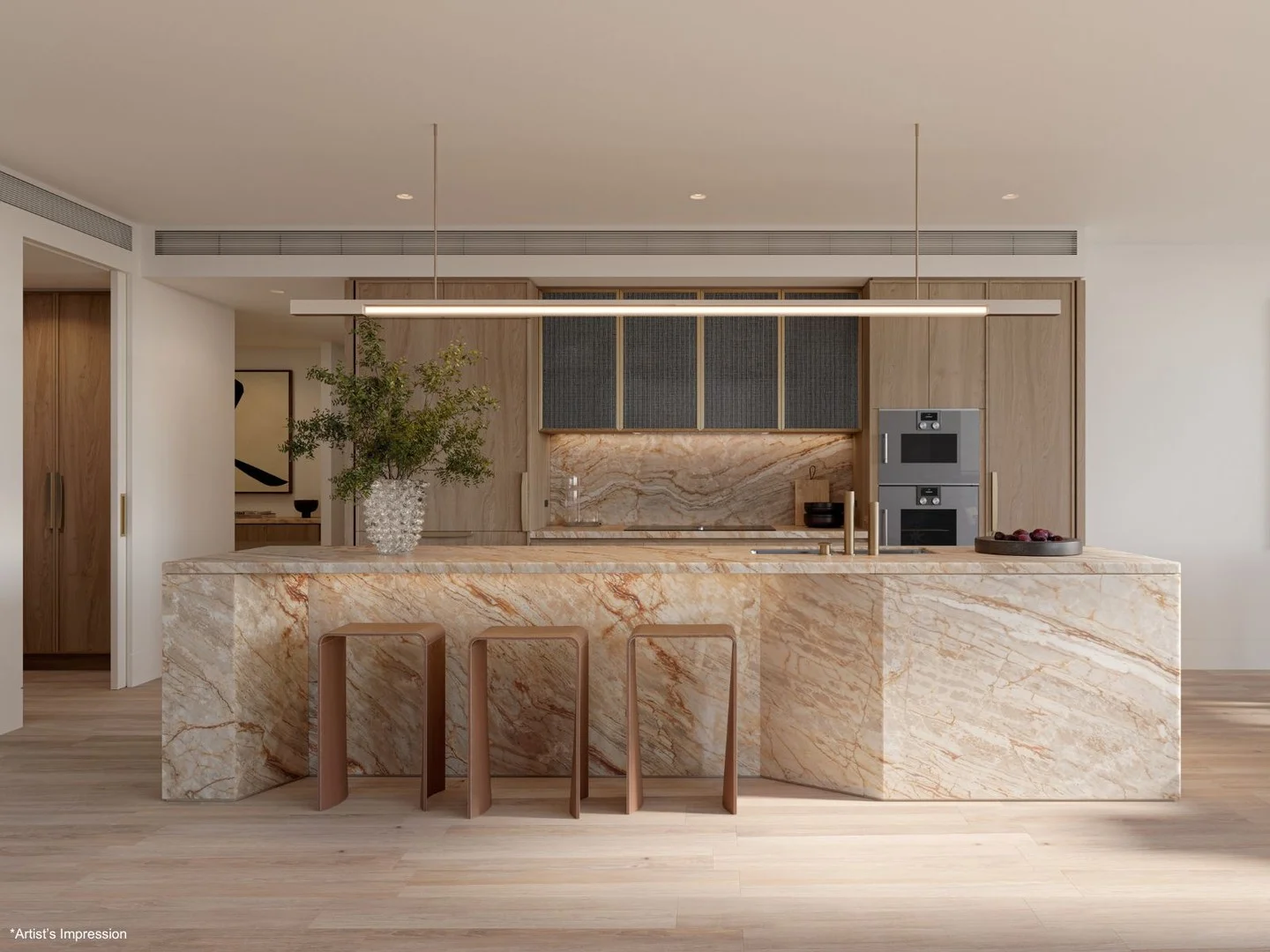 $6,225,000
propertyType.NEW APARTMENTS / OFF THE PLAN
$6,225,000
propertyType.NEW APARTMENTS / OFF THE PLAN
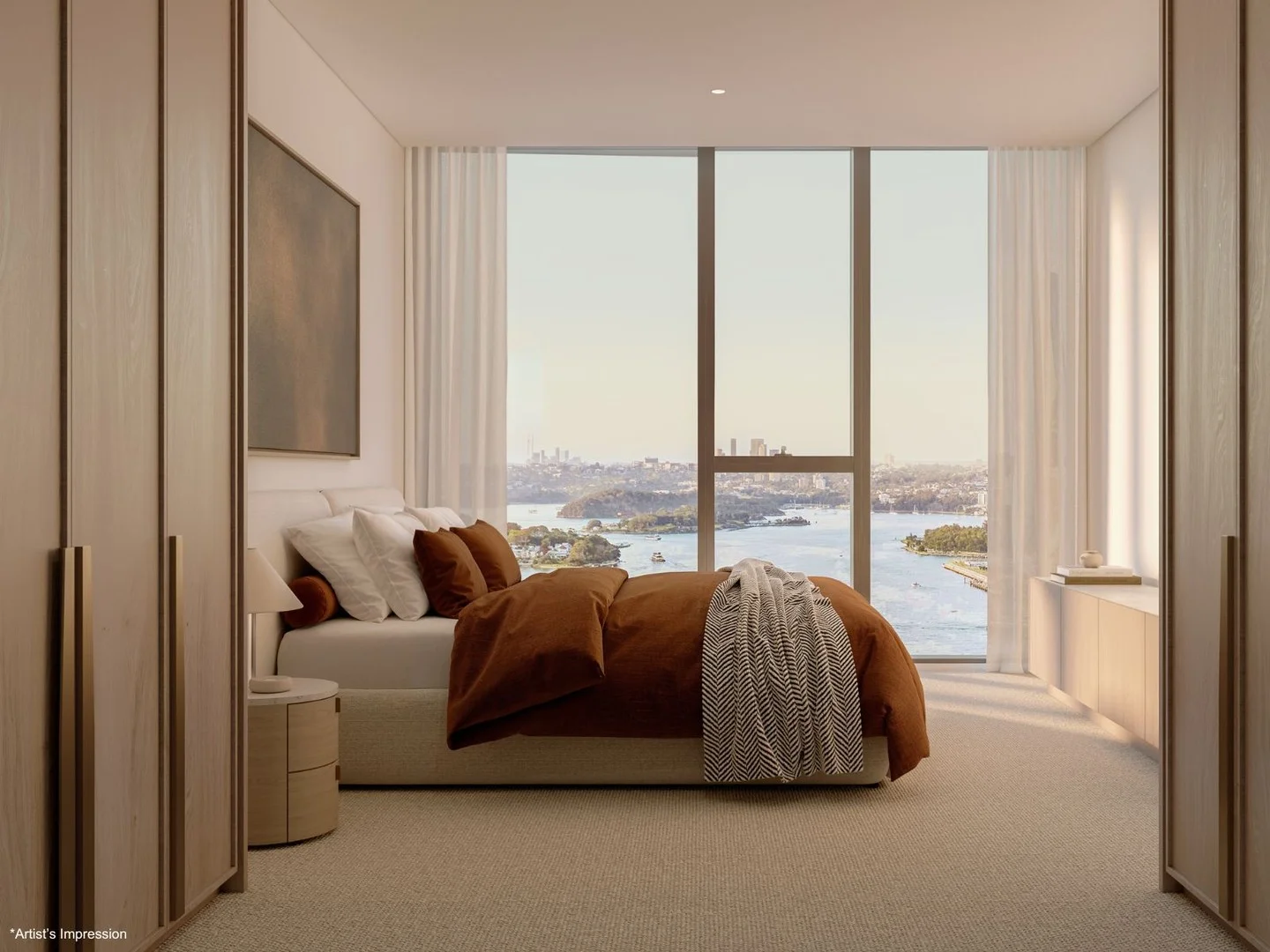 $8,630,000
propertyType.NEW APARTMENTS / OFF THE PLAN
$8,630,000
propertyType.NEW APARTMENTS / OFF THE PLAN


