1. Overview
Farmhouse Montessori School NSW is an independent private school offering a Montessori-based education in North Balgowlah. The school emphasises a child-centered, hands-on approach that supports curiosity, independence and a love of learning in young people.
- School type: Independent private Montessori school
- School size: Small
- Class size: Typically small, with mixed-age classrooms and intimate teacher attention
- Atmosphere/culture: Nurturing, inclusive and academically focused within a Montessori framework
2. Academics & Learning
Farmhouse Montessori School NSW focuses on creating a rich, learner-led environment where students progress at their own pace within a structured Montessori program.
- Academic strengths: Strong foundation in literacy and numeracy through Montessori materials; emphasis on practical life skills, critical thinking, problem-solving and independent learning; attention to early science and hands-on exploration; emphasis on social-emotional development and collaboration
- Special programs: Montessori curriculum with opportunities for extended learning within the program; emphasis on self-directed learning, with potential enrichment activities and individualized pacing
- NAPLAN / trend context: NAPLAN data at independent Montessori settings is typically used to monitor progress over time; trends generally show steady improvement in literacy and numeracy as students settle into and advance through the program
- Student-teacher ratios: Low ratios typical of Montessori schools, enabling individual guidance and observation
- Support for diverse learners: Inclusive environment with support for diverse learners, including potential EAL support and Individual Learning Plans or tailored adjustments for students with learning needs
3. Sports & Extracurricular Strengths
A well-rounded offering complements the Montessori program, with opportunities across sports, arts and clubs.
- Sports offered: Local school-based sports and club activities (e.g., soccer, netball, swimming, athletics) aligned with NSW community programs
- Strong teams or achievements: Participation in local inter-school events and community leagues; emphasis on teamwork, fair play and personal bests
- Music, arts, drama: Strong focus on arts and creative expression; music programs and opportunities for drama or performance
- Clubs: Robotics, chess, coding, debating and other age-appropriate clubs to build problem-solving and strategic thinking
- Partnerships: Collaborations with local clubs, community academies and competitions to broaden experiential learning
4. Wellbeing & Pastoral Care
Wellbeing is a core priority, with structures designed to support students personally and socially.
- Anti-bullying approach: Clear anti-bullying policies supported by restorative practices and student voice
- House system: House or house-like programs to foster belonging, teamwork and leadership opportunities
- Counsellors / wellbeing officers: Access to school-based wellbeing support and guidance for students
- Transition support for new students: Orientation activities, buddy systems and targeted support to ease transitions between programs or year levels
5. Facilities
The school’s facilities are designed to support Montessori learning and enrichment activities.
- Sports grounds: Outdoor play and sport areas suitable for movement and skill-building
- Libraries: A library or reading space to support literacy and inquiry
- Science labs: Hands-on science spaces aligned with inquiry-based learning
- Music/performing arts centers: Space for music, drama and performance
- Tech/innovation labs: Age-appropriate technology and maker spaces for creative projects
- Cafeteria: On-site dining or snack facilities supporting daily routines
- Updated playgrounds: Safe, engaging outdoor play environments
6. School Values & Community Culture
Farmhouse Montessori School NSW aims to cultivate responsible, curious and kind students within a supportive community.
- School values / mission: Curiosity, respect, resilience, independence and collaboration within a Montessori framework
- Leadership style: Collaborative and student-centered, with opportunities for student leadership and buddy roles
- Behaviour expectations: Clear expectations built on respect, responsibility and restorative approaches
- Community reputation: Strong engagement with local families and a reputation for a caring, student-focused environment
- Diversity & inclusion: Commitment to inclusion and supporting a diverse student body
7. School Logistics & Daily Operations
Practical daily operations and planning details help families manage busy mornings and afternoons.
- School hours: Typical day starts in the morning and ends in the afternoon, with flexibility around term dates
- Before/after school care: May be available through school or external providers; check current offerings
- Uniform requirements: Uniforms commonly required in private schools; information on dress code provided upon enrolment
- Transport (train/bus routes): Access to local transport is typical; specifics depend on NSW public transport routes and school arrangements
- Canteen availability: Canteen or snack facilities may be available; check current arrangements
- Fees (low/medium/high ranges): Fees are in the medium-to-high range for private Montessori settings; exact figures provided at enrolment
8. Enrolment & Admissions
11. What is the enrolment process and timeline?
- Start with an inquiry or school visit, followed by a formal application.
- Submit required documents (birth certificate, immunisation history, previous school reports where applicable).
- Participate in an interview or classroom visit, guided by the Montessori program approach.
- Complete any assessments or demonstrations relevant to the Montessori framework.
- Receive an offer or placement decision and confirm enrolment with payment of any applicable fees.
- A typical timeline can range from several weeks to a few months, depending on space and the admission cycle.
12. Is there a waiting list, and how does it work?
- Yes, there may be a waiting list when classes reach capacity.
- Offers are typically issued in order of application date and preferred intake; sibling priority or placement policies may apply.
- Families on the waiting list are kept informed about progress and available openings.
13. Are there any entry requirements, tests, or interviews?
- Entry often involves an observational visit or trial session to understand fit with Montessori learning.
- Interviews with parents and sometimes students help assess expectations and alignment with the school’s approach.
- No standardised entrance exam is typically required; emphasis is on fit with Montessori pedagogy and classroom dynamics.
- Documentation of previous schooling and immunisation status is usually requested.
14. Does the school accept mid-year transfers?
- Mid-year transfers are possible if there is space and alignment with the program.
- Transfer processes typically include a student assessment, sharing of prior records and a transition plan to support continuity of learning.
9. Frequently Asked Questions
- Why Parents Choose This School?
Parents often choose a Montessori, child-centered approach for its emphasis on independence, curiosity and hands-on learning in a supportive community.
- What type of student thrives at this school?
Students who enjoy self-directed exploration, collaborative learning, and a nurturing, structured environment tend to thrive in Montessori settings.
- What opportunities are available for students to extend their skills (academics, sports, arts)?
Opportunities include extended Montessori activities, literacy and numeracy extensions, clubs (robotics, coding, chess, debating), music and performing arts, and community-based sports.
- How does the school communicate with parents?
Regular updates via newsletters, emails, parent-teacher meetings and informal check-ins; portals or digital platforms may be used for ongoing communications.
- What is the school’s approach to teaching and learning?
A learner-led, inquiry-based approach grounded in Montessori principles, with teacher guidance, hands-on materials and collaborative projects.
- How does the school support students who need extra academic help?
Individualized learning support, targeted interventions and collaboration with families to address academic needs within the Montessori framework.
- What support is available for academic challenges?
Dedicated teachers and support staff provide guidance, with accommodations and learning plans as needed.
- How does the school communicate with parents?
(See above) Regular, transparent communication through multiple channels to keep families informed about progress and events.
- What are the class sizes and how much individual attention do students receive?
Class sizes are small, enabling frequent teacher interaction, personalized feedback and close observation of each student’s progress.
- What extracurricular and sports opportunities are available?
A range of clubs (robotics, coding, chess, debating) plus community-based sports and arts programs; opportunities vary by term.
- What facilities does the school offer (sports, science, arts)?
Facilities typically include outdoor play areas, libraries, science spaces, music and performing arts areas, and technology/maker spaces.
- What is the school’s approach to technology and digital learning?
Technology is integrated to support inquiry, research and creative projects, with supervision and age-appropriate digital literacy development.
- What transport and accessibility options are available?
Local transport connections and school arrangements are available; specifics depend on the family’s location and NSW routes.
- What are the typical school fees or additional costs?
Fees are in the private school range; exact amounts and any additional costs (materials, activities, excursions) are provided at enrolment.
10. Short Pros & Cons list
Pros
- Montessori-centered, learner-led approach
- Small class sizes and strong teacher attention
- Nurturing, inclusive culture
- Broad range of arts, clubs and community activities
- Emphasis on wellbeing and social-emotional development
Cons
- Private school fees; additional costs for activities and materials
- Limited information publicly available about specific outcomes or standardized test data
- Availability may be subject to waiting lists or space constraints
If you’d like, I can tailor this content further with more precise language or help organize it into a landing page layout for Aroundschools.






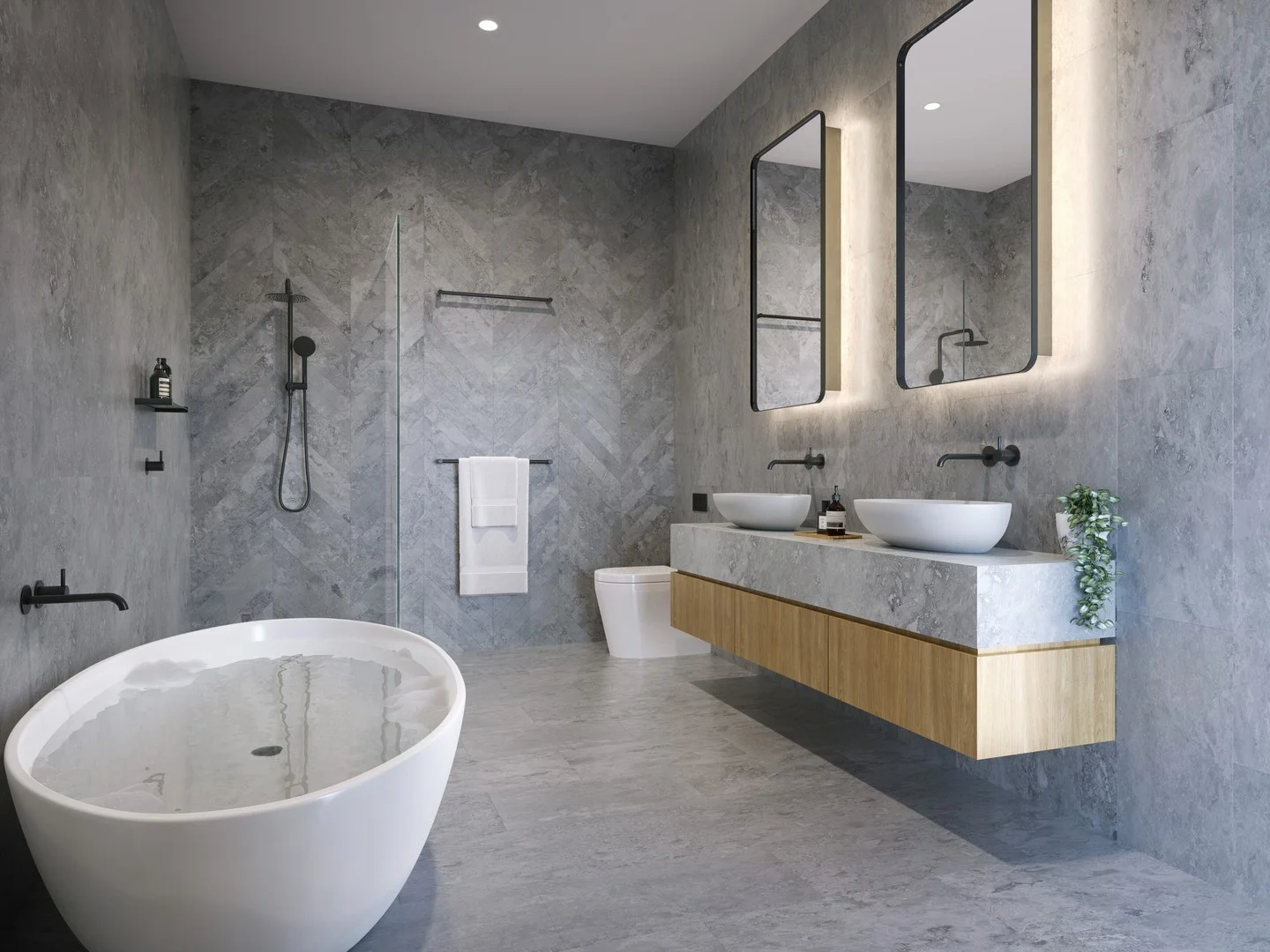 $2,824,000
Apartment / Unit / Flat
$2,824,000
Apartment / Unit / Flat
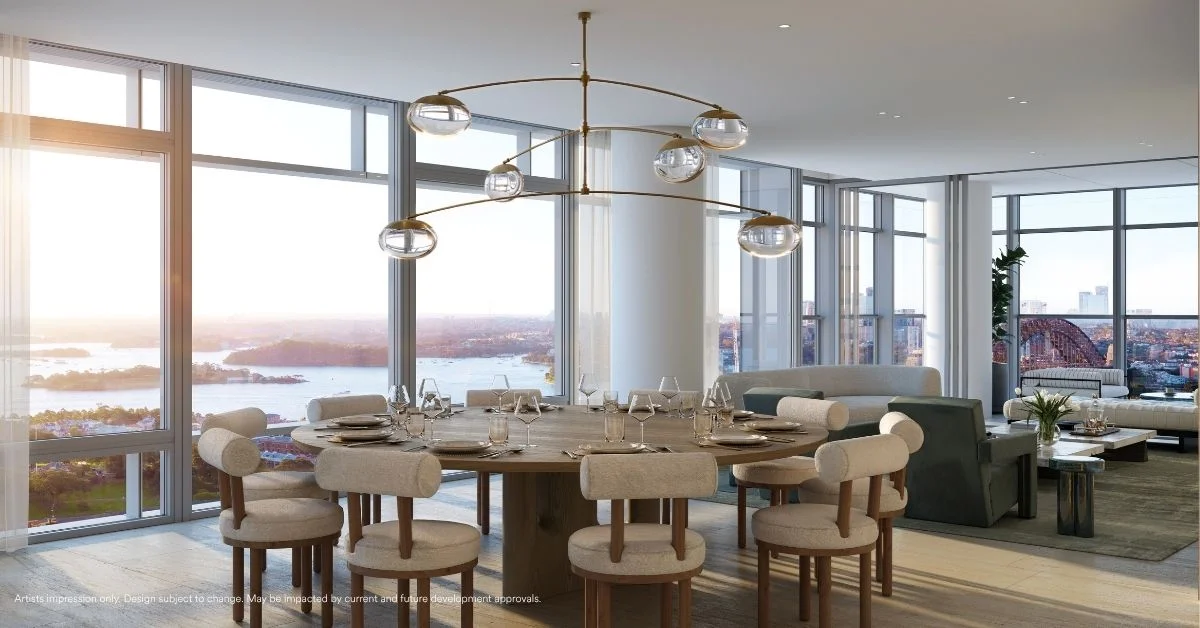 $26,550,000
propertyType.NEW APARTMENTS / OFF THE PLAN
$26,550,000
propertyType.NEW APARTMENTS / OFF THE PLAN
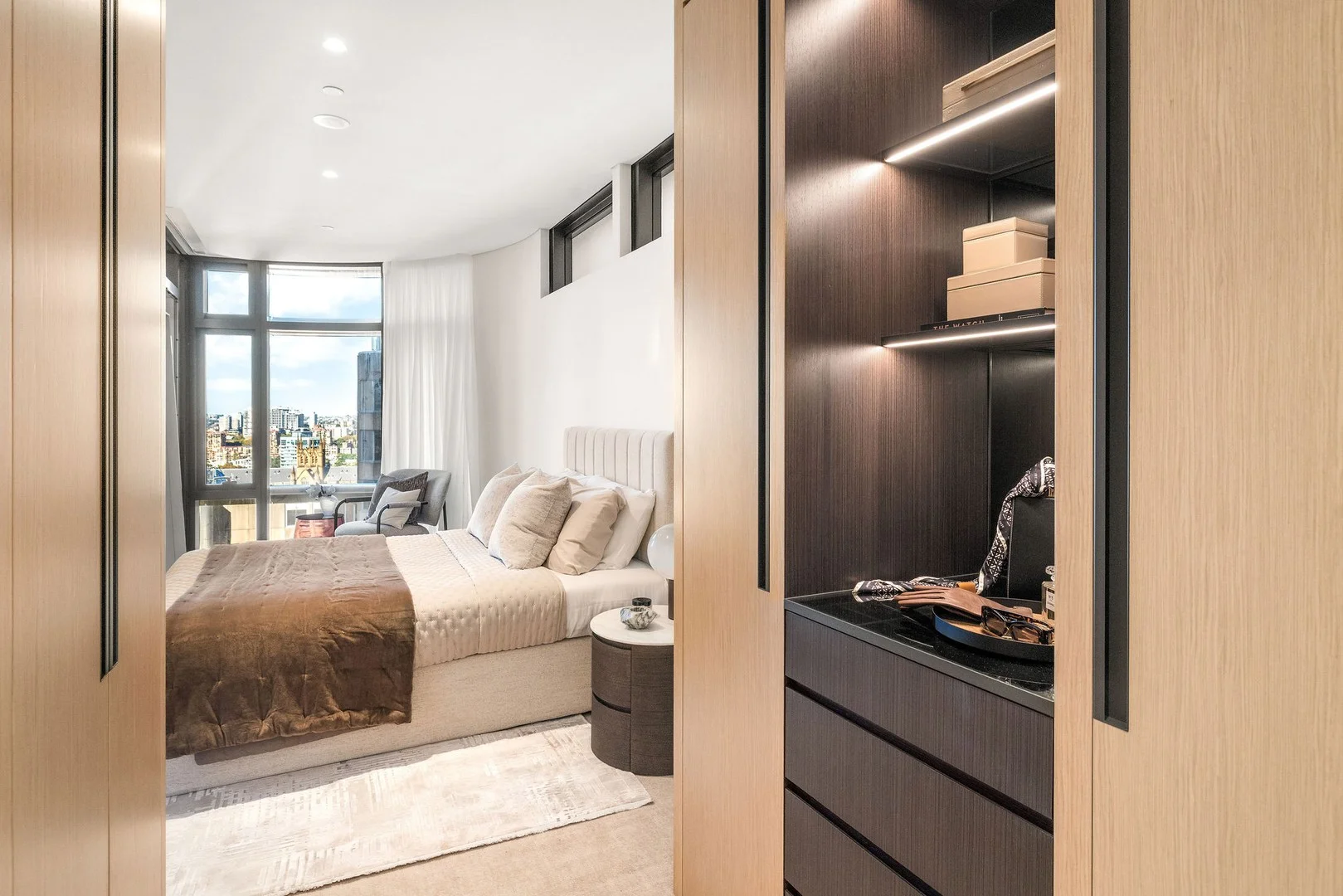 $2,745,000
propertyType.NEW APARTMENTS / OFF THE PLAN
$2,745,000
propertyType.NEW APARTMENTS / OFF THE PLAN
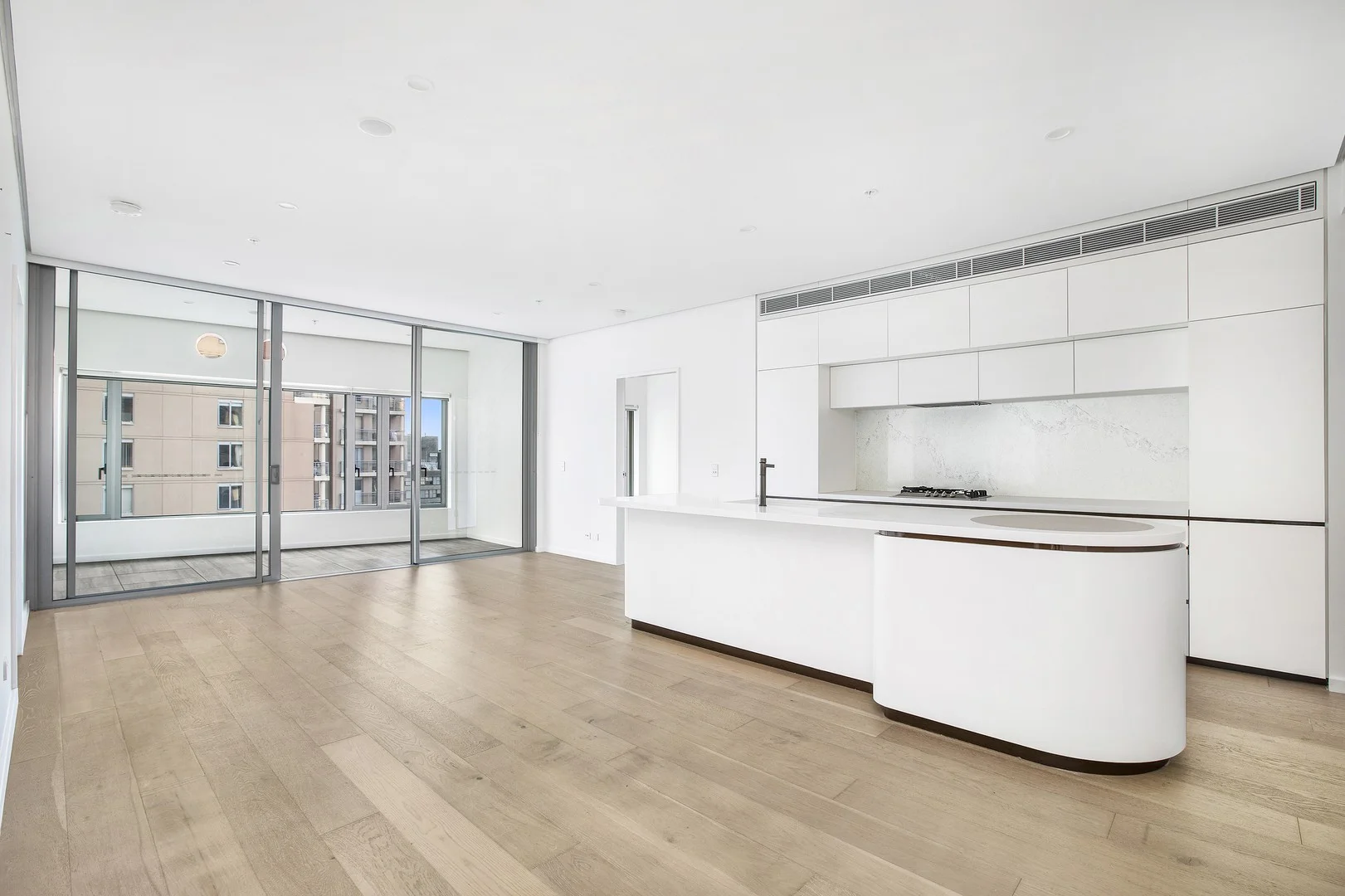 $2,250,000
Apartment / Unit / Flat
$2,250,000
Apartment / Unit / Flat
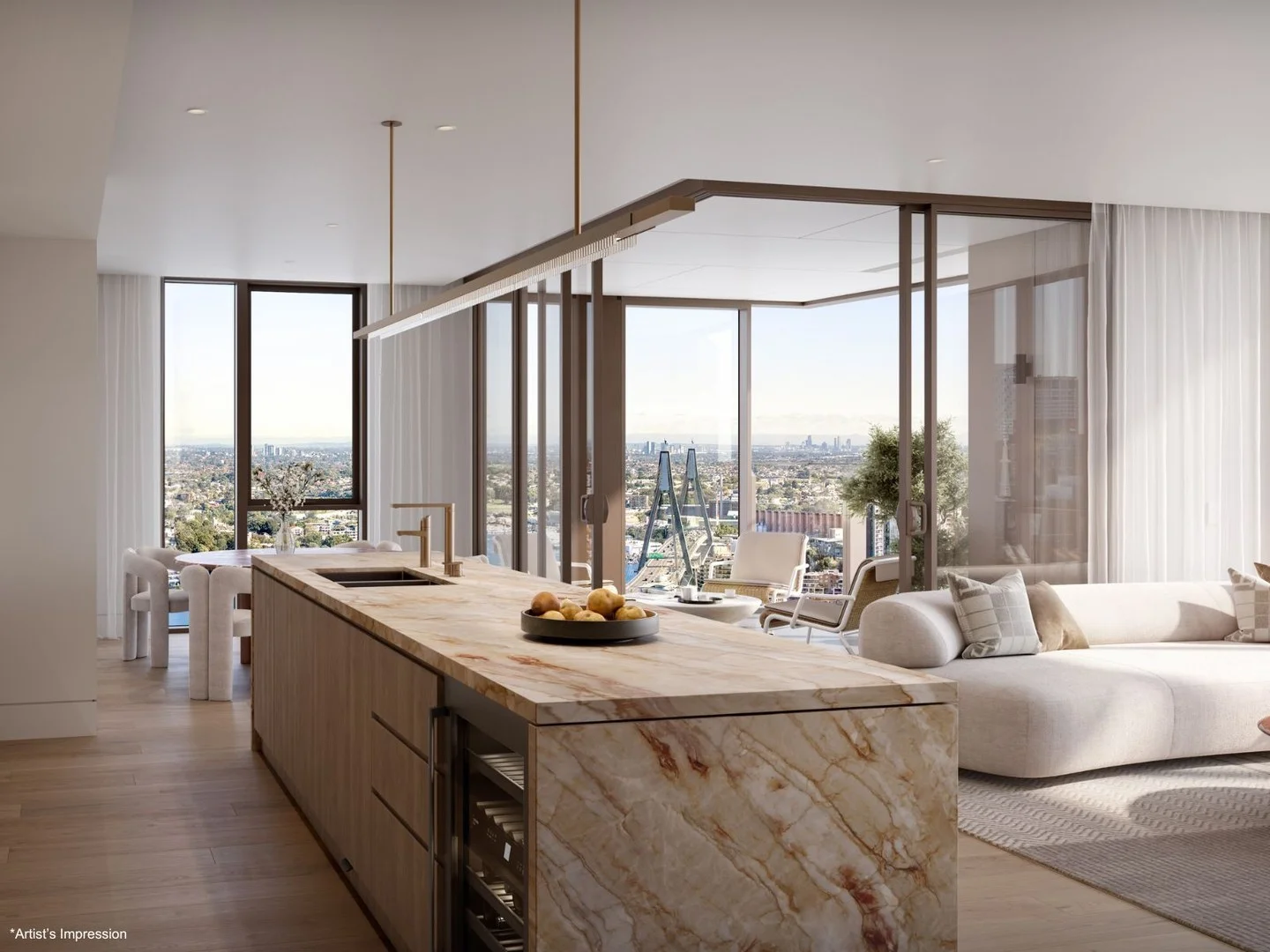 $9,020,000
propertyType.NEW APARTMENTS / OFF THE PLAN
$9,020,000
propertyType.NEW APARTMENTS / OFF THE PLAN
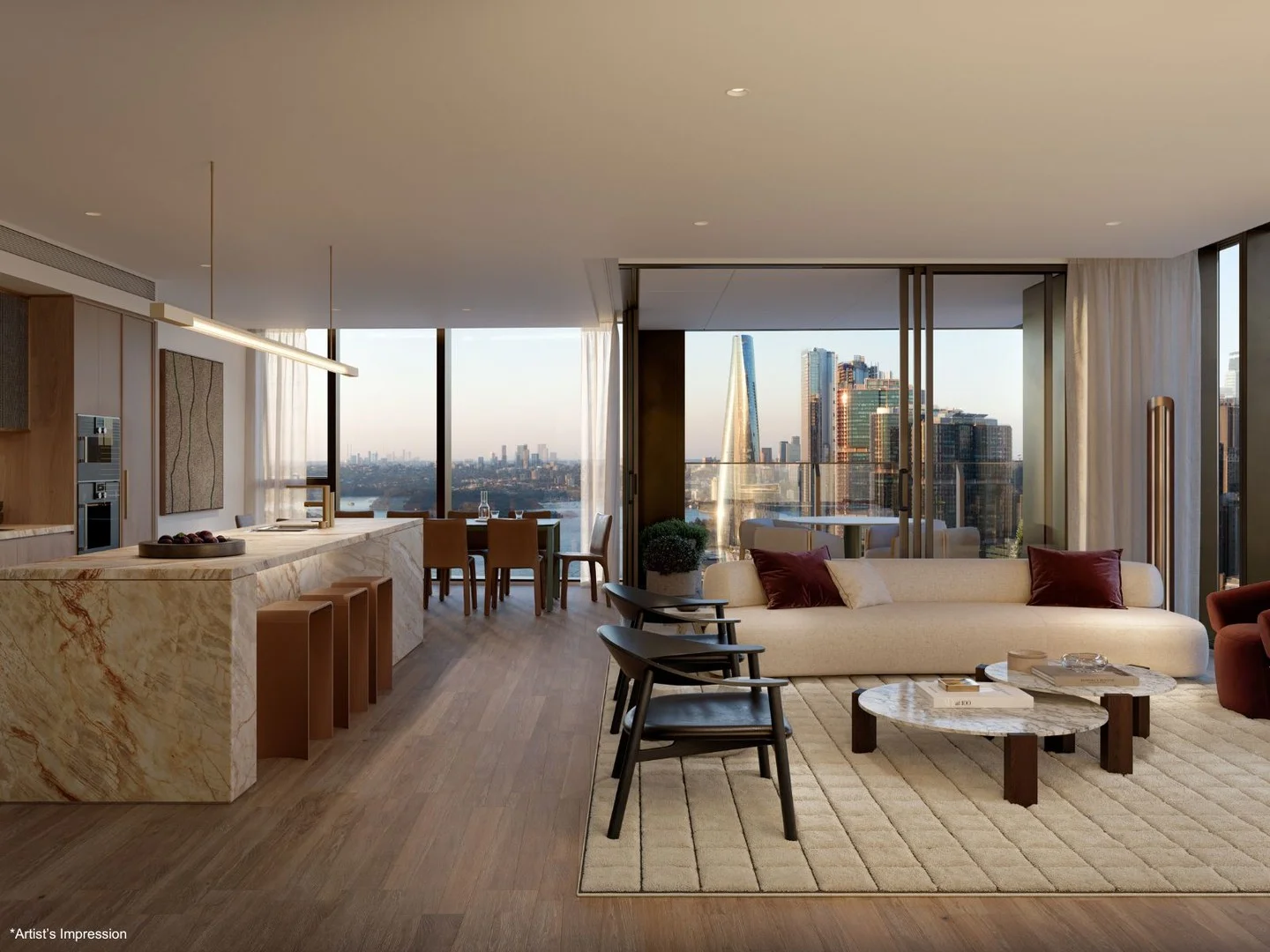 $12,980,000
propertyType.NEW APARTMENTS / OFF THE PLAN
$12,980,000
propertyType.NEW APARTMENTS / OFF THE PLAN
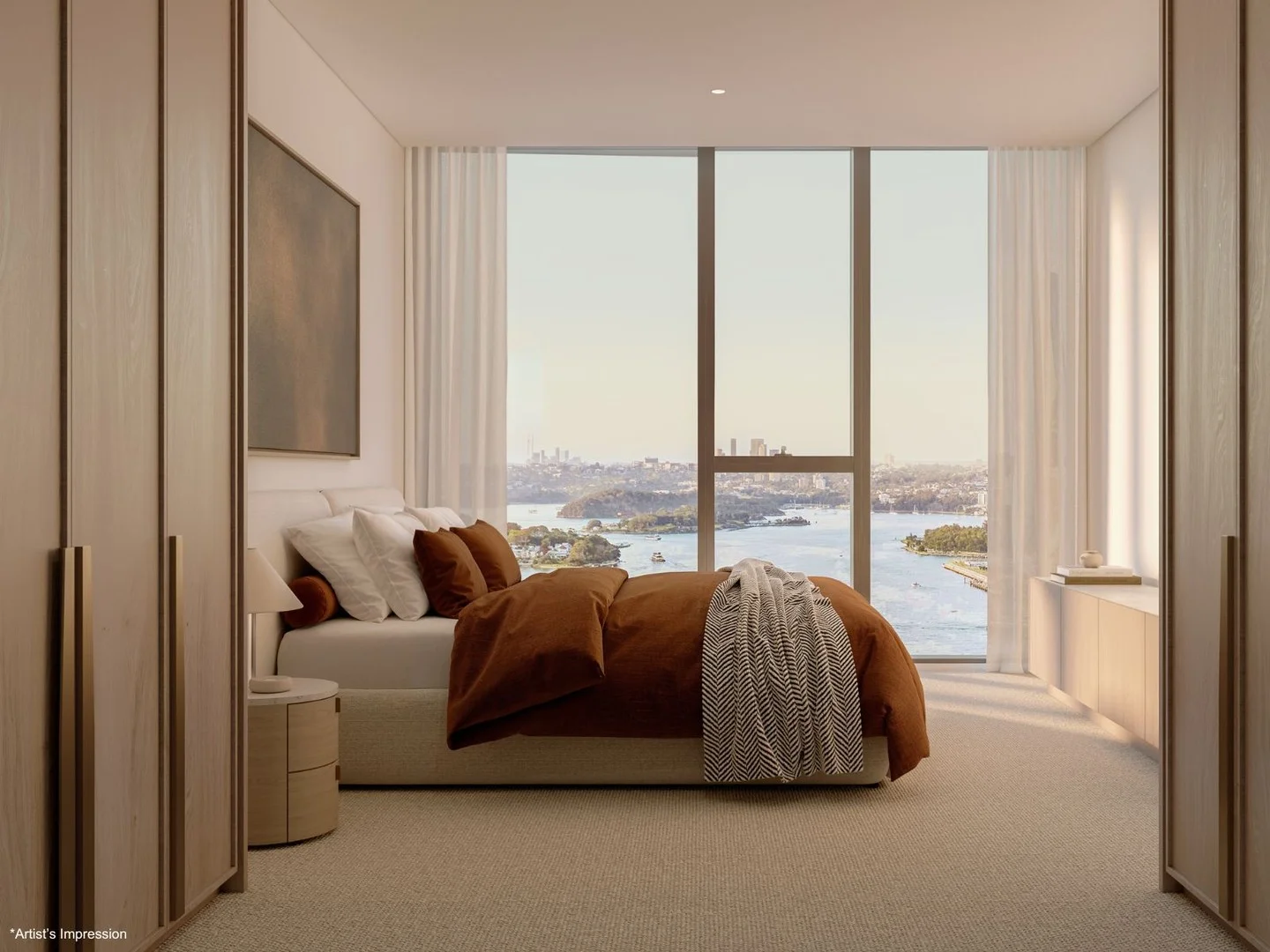 $8,630,000
propertyType.NEW APARTMENTS / OFF THE PLAN
$8,630,000
propertyType.NEW APARTMENTS / OFF THE PLAN
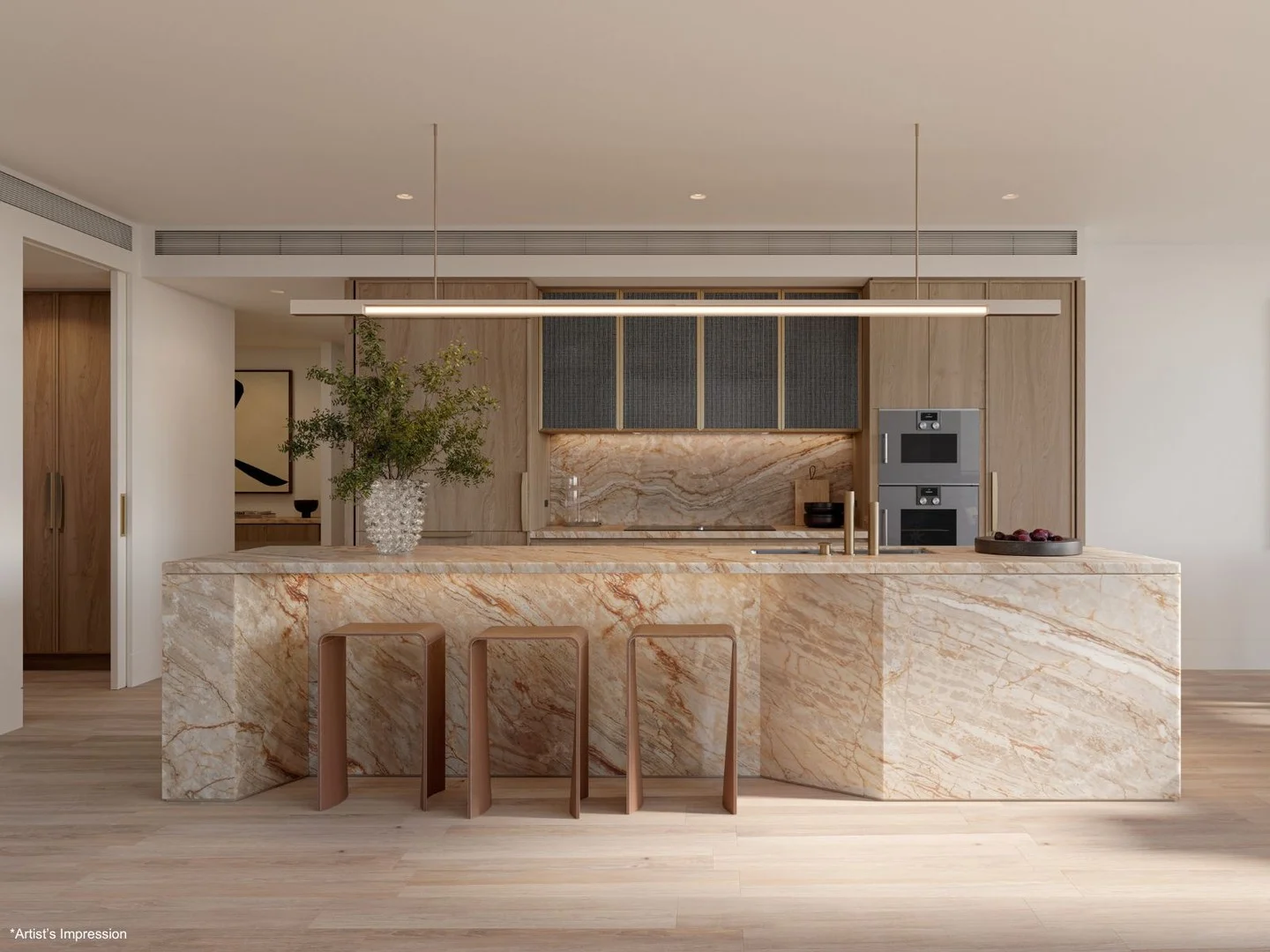 $6,225,000
propertyType.NEW APARTMENTS / OFF THE PLAN
$6,225,000
propertyType.NEW APARTMENTS / OFF THE PLAN
 $660,000 - $725,000
Apartment / Unit / Flat
$660,000 - $725,000
Apartment / Unit / Flat


