# 1. Overview
St Kieran's Catholic Primary School in Manly Vale is a Catholic primary school that focuses on faith-based education within a nurturing, inclusive community. The school tends to be small-to-medium in size, offering a family-like environment where students are supported to grow academically, socially, and spiritually.
- School type: Catholic
- School size: Small to medium
- Class size: Typically around 20–24 students per class
- Atmosphere/culture: Nurturing, inclusive, and community-minded
---
# 2. Academics & Learning
St Kieran's emphasises solid literacy and numeracy foundations alongside faith-informed learning. The school supports a well-rounded curriculum that blends core subjects with meaningful enrichment.
- Academic strengths: English literacy, numeracy, a strong Religious Education program; enrichment opportunities in STEM and leadership activities
- Special programs: Gifted and Talented extensions where available; leadership opportunities; integrated faith formation
- NAPLAN / trends: Consistent performance in line with NSW Catholic primary expectations, with emphasis on steady improvement in reading and numeracy over recent years
- Student-teacher ratios: Approximately 1:15 to 1:22 range, depending on year level and staff allocations
- Support for diverse learners: EAL support where needed; targeted support for students with additional learning needs; inclusive education practices and collaboration with specialist staff
---
# 3. Sports & Extracurricular Strengths
Extracurriculars and sport are a key focus, with opportunities designed for broad participation and skill development.
- Sports offered: Soccer, netball, cricket, rugby league, athletics, swimming, and other NSW primary sports as appropriate
- Strong teams or achievements: Participation in local inter-school events and district competitions; value placed on team sports and personal bests
- Music, arts, drama programs: Choir, music lessons, and opportunities to participate in school productions and performances
- Clubs: Robotics, coding, chess, debating, public speaking, and other enrichment clubs
- Partnerships: Connections with local clubs and diocesan events to support competitions and performance opportunities
---
# 4. Wellbeing & Pastoral Care
Wellbeing and pastoral care are central to daily school life, with a focus on positive relationships, safety, and personal growth.
- Anti-bullying approach: Clear anti-bullying policies, restorative practices, and a culture of respect
- House system: House structure to foster belonging, teamwork, and healthy competition
- Counsellors / wellbeing officers: Access to school wellbeing staff or a designated counsellor/wellbeing liaison
- Transition support for new students: Orientation activities, buddy programs, and transition visits to ease arrival
---
# 5. Facilities
The school features a range of facilities that support a varied curriculum and student wellbeing.
- Sports grounds: On-site sports areas for physical education and extracurricular activities
- Libraries: A main library with age-appropriate books and learning resources
- Science labs: Dedicated space for hands-on science learning
- Music/performing arts centers: Space for music, drama, and performances
- Tech/innovation labs: Computer/tech spaces to support digital learning and coding
- Cafeteria: On-site or accessible canteen facilities for meals and snacks
- Updated playgrounds: Well-maintained play areas and outdoor learning spaces
---
# 6. School Values & Community Culture
The school promotes values-led education within a supportive community that values diversity and inclusion.
- School values / mission: Catholic values such as faith, compassion, integrity, and service; inclusive education that respects each student
- Leadership style: Collaborative leadership with teacher-student partnerships and student leadership opportunities
- Behaviour expectations: Positive behaviour framework built on respect, responsibility, and safety
- Community reputation: Welcomes families from diverse backgrounds; strong parish-school connection
- Diversity & inclusion: Commitment to inclusive practices and welcoming all families
---
# 7. School Logistics & Daily Operations
Practical information to help families plan around school life.
- School hours: Typical NSW primary schedule (start mid-morning and finish mid-afternoon; variations may apply)
- Before/after school care: Available through external providers or school-arranged programs
- Uniform requirements: School uniform policy (including sports uniform for physical activities)
- Transport (train/bus routes): Access via local public transport; proximity to bus routes; details available from the school
- Canteen availability: Canteen or lunch facilities available
- Fees (low/medium/high ranges): Fees fall in the moderate range for NSW Catholic primary schools; exact amounts published by the school
---
# 8. Enrolment & Admissions
11. What is the enrolment process and timeline?
- Applications typically open according to the diocese/school calendar
- Submit the application with required supporting documents (proof of identity, birth details, parish/Catholic affiliation as applicable)
- Information session or open day may be offered
- Shortlisting and interview/meeting with families; offers made for available places
- Confirmation and enrolment documentation; orientation for new families
12. Is there a waiting list, and how does it work?
- Yes, there can be a waiting list if enrolments exceed vacancies
- Placement often considers factors such as siblings currently attending, parish/feeder considerations, year level vacancies, and date of application
13. Are there any entry requirements, tests, or interviews?
- Some Catholic primary schools include a brief interview and alignment with the school’s ethos
- No formal competitive entrance exam is typical for primary schools; assessments focus on suitability, readiness, and fit with school culture
14. Does the school accept mid-year transfers?
- Mid-year transfers may be possible subject to vacancies and handover readiness
- Transfer process includes documentation, timetable alignment, and meeting with leadership
---
# 9. Frequently Asked Questions
- Why Parents Choose This School?
- A faith-centered, nurturing environment with small-to-medium class sizes, strong community, and a focus on holistic development
- What type of student thrives at this school?
- Students who engage with faith-based values, participate in a range of academic and extracurricular activities, and value a close-knit school community
- What opportunities are available for students to extend their skills (academics, sports, arts)?
- Enrichment in literacy and numeracy, leadership opportunities, STEM activities, music and drama programs, sports teams, robotics and coding clubs
- How does the school communicate with parents?
- Regular newsletters, emails, parent-teacher interviews, school portal or app updates; open days and informal communications as needed
- What is the school’s approach to teaching and learning?
- Differentiated, student-centered instruction within a Catholic context; integration of technology; emphasis on literacy, numeracy, critical thinking, and faith formation
- How does the school support students who need extra academic help?
- Targeted learning support, EAL assistance, and collaboration with specialist staff to create individualized learning plans
- What support is available for academic challenges?
- Additional tutoring, small-group intervention, and access to learning support staff
- How does the school communicate with parents?
- See above; multiple channels for timely updates and ongoing dialogue
- What are the class sizes and how much individual attention do students receive?
- Typical class sizes around 20–24 students; teacher-led instruction with opportunities for small-group work and targeted support
- What extracurricular and sports opportunities are available?
- A broad range of sports, clubs (robotics, coding, chess, debating), music and drama programs, and community events
- What facilities does the school offer (sports, science, arts)?
- Sports grounds, libraries, science labs, music/performing arts facilities, tech/innovation labs, canteen, and play areas
- What is the school’s approach to technology and digital learning?
- Integrated technology across the curriculum; access to devices and digital learning platforms; emphasis on digital literacy and responsible use
- What transport and accessibility options are available?
- Access to public transport options; bus routes and nearby services; facilities to support accessibility
- What are the typical school fees or additional costs?
- Fees are in the moderate range for NSW Catholic primary schools; additional costs may include uniforms, excursions, and book packs
---
# 10. Short Pros & Cons List
- Pros
- Catholic values-based education in a nurturing, inclusive setting
- Small-to-medium class sizes promoting individual attention
- Broad range of academics, arts, and sports with enrichment opportunities
- Strong wellbeing support and community feel
- Diverse facilities supporting science, technology, music, and physical activity
- Cons
- May have limited specialist programs compared to larger schools
- Availability of certain electives or extension options can vary by year and cohort
- Boarding options are not applicable (as a primary school)
- Fees and uniform costs are part of the overall expenditure
If you’d like, I can tailor this content more precisely after you share any specific details from the school’s official materials (e.g., exact class sizes by year, current enrolment numbers, or named house teams).









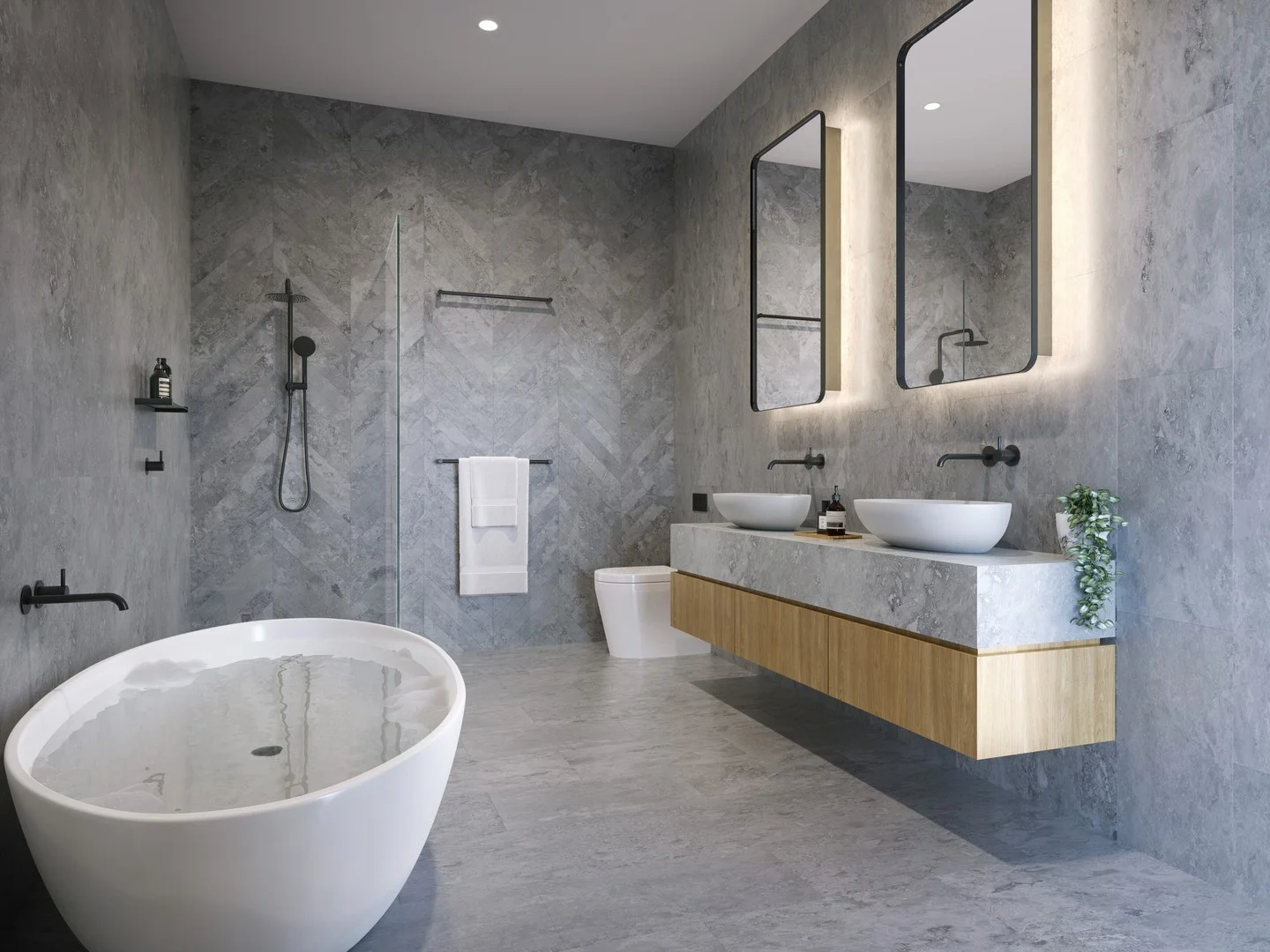 $2,824,000
Apartment / Unit / Flat
$2,824,000
Apartment / Unit / Flat
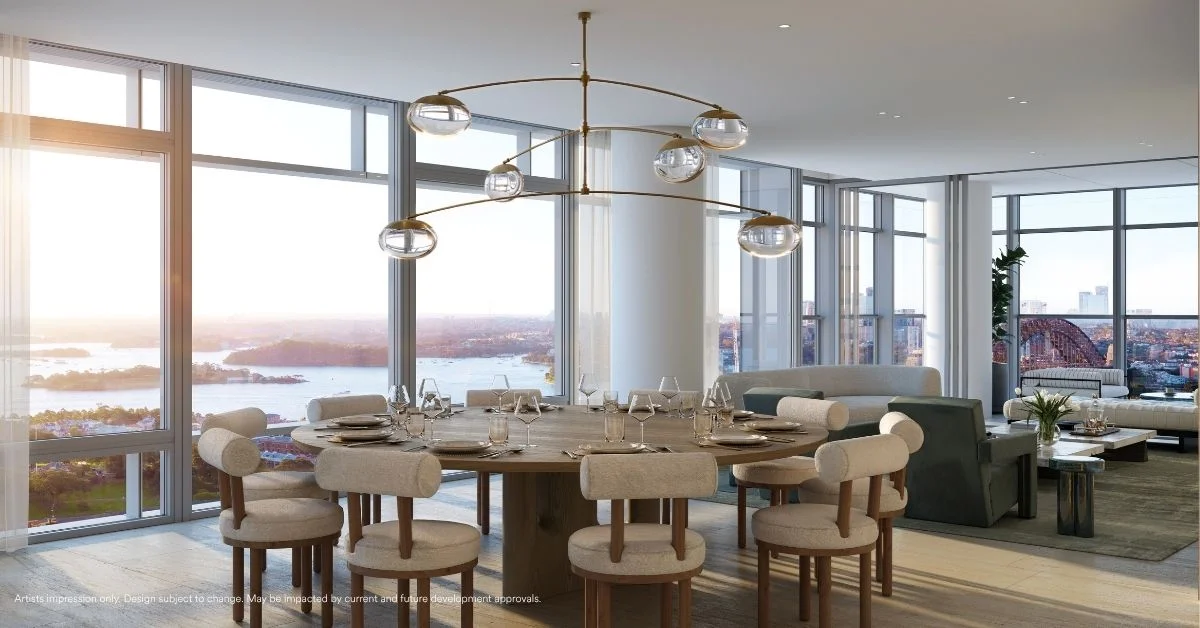 $26,550,000
propertyType.NEW APARTMENTS / OFF THE PLAN
$26,550,000
propertyType.NEW APARTMENTS / OFF THE PLAN
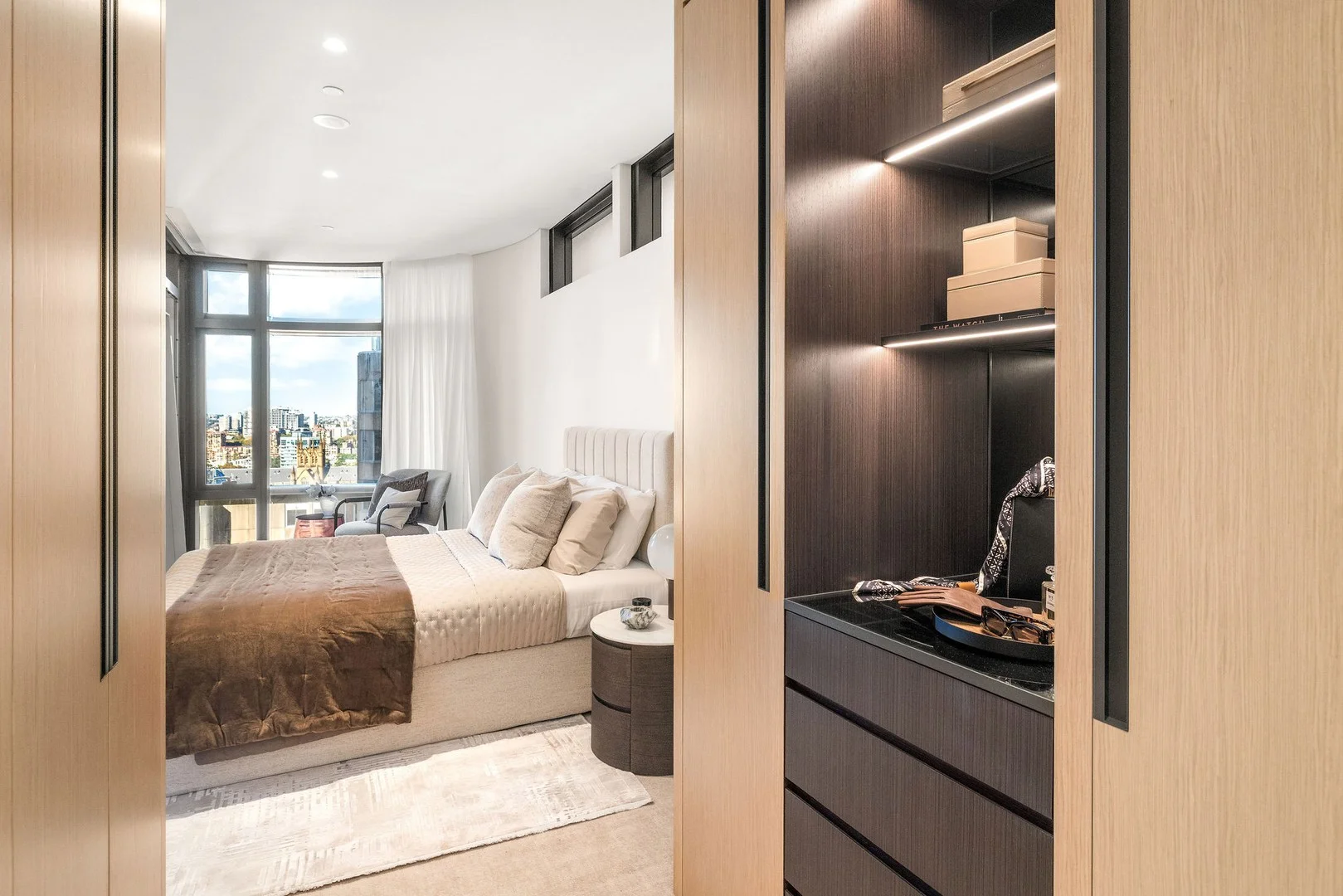 $2,745,000
propertyType.NEW APARTMENTS / OFF THE PLAN
$2,745,000
propertyType.NEW APARTMENTS / OFF THE PLAN
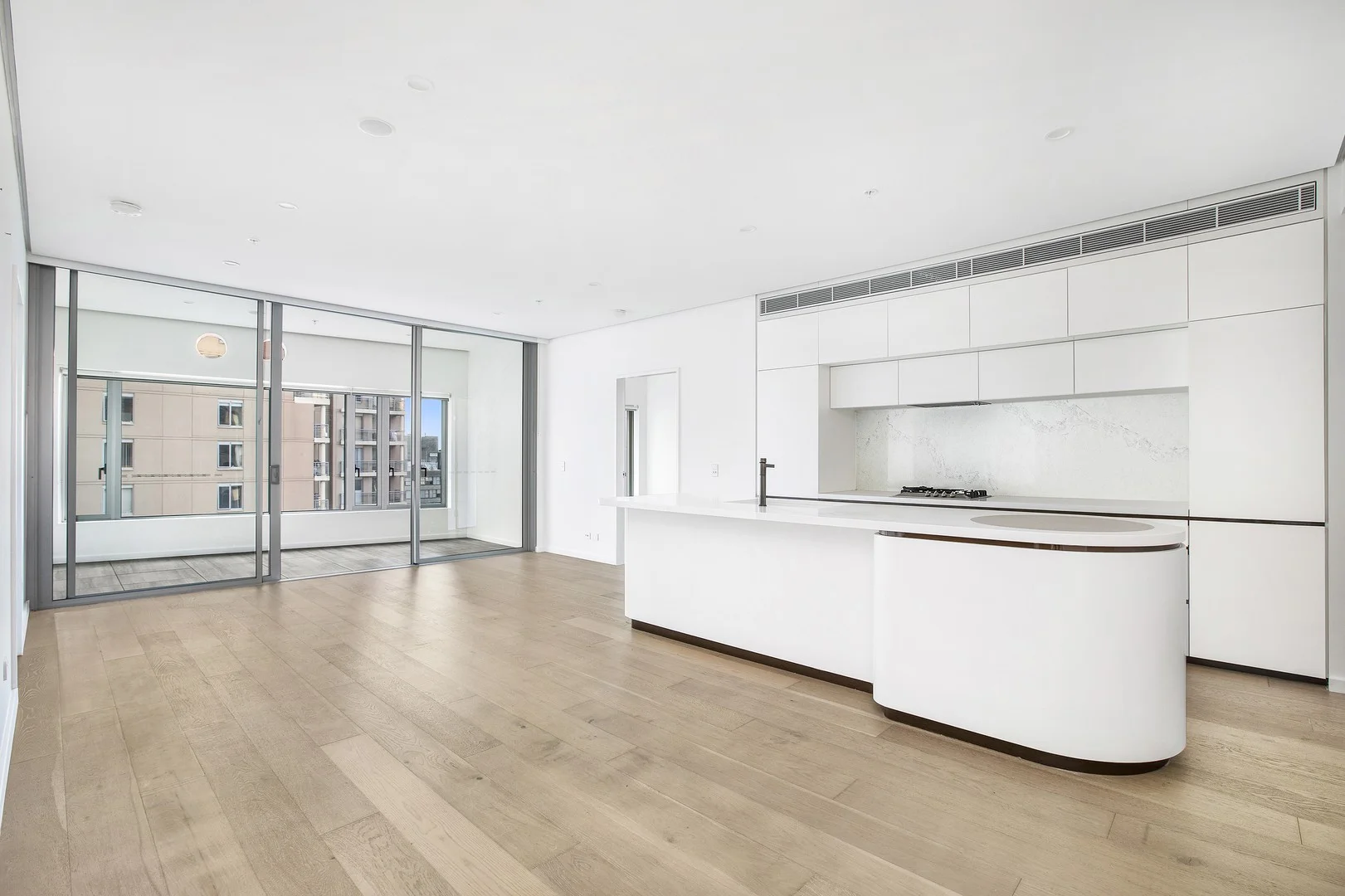 $2,250,000
Apartment / Unit / Flat
$2,250,000
Apartment / Unit / Flat
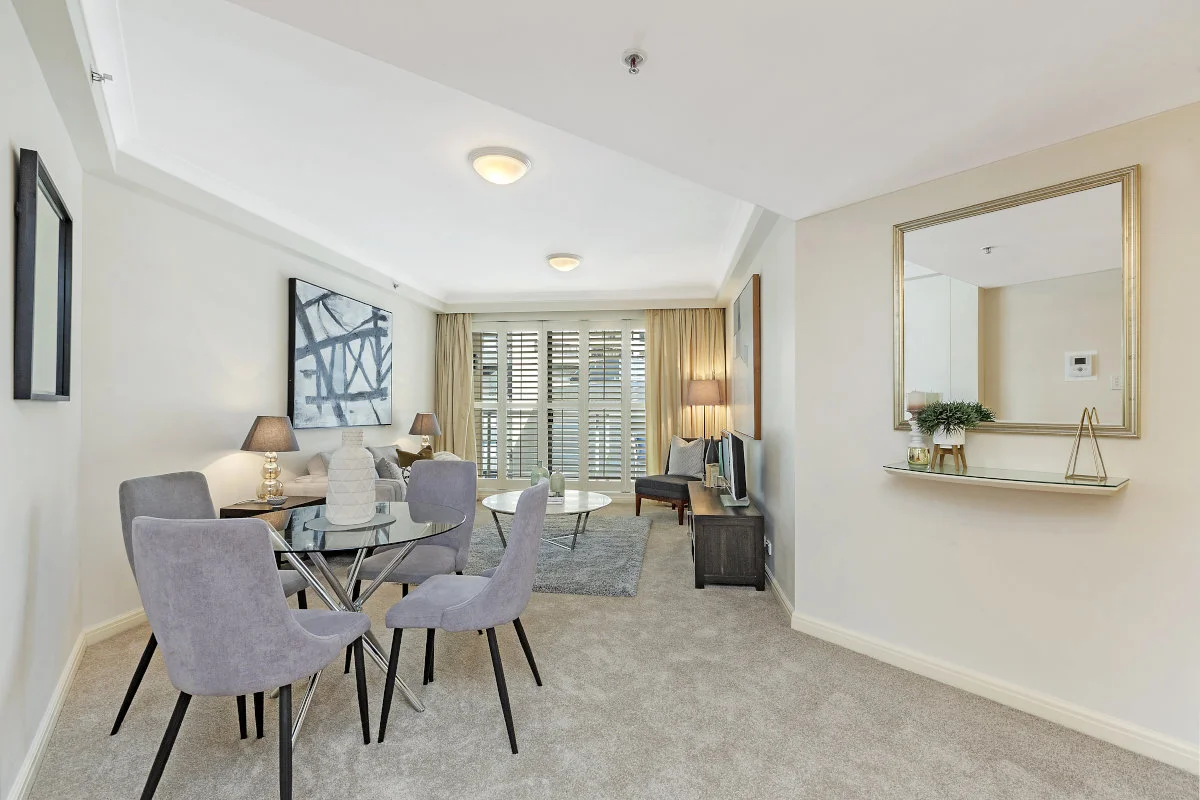 $660,000 - $725,000
Apartment / Unit / Flat
$660,000 - $725,000
Apartment / Unit / Flat
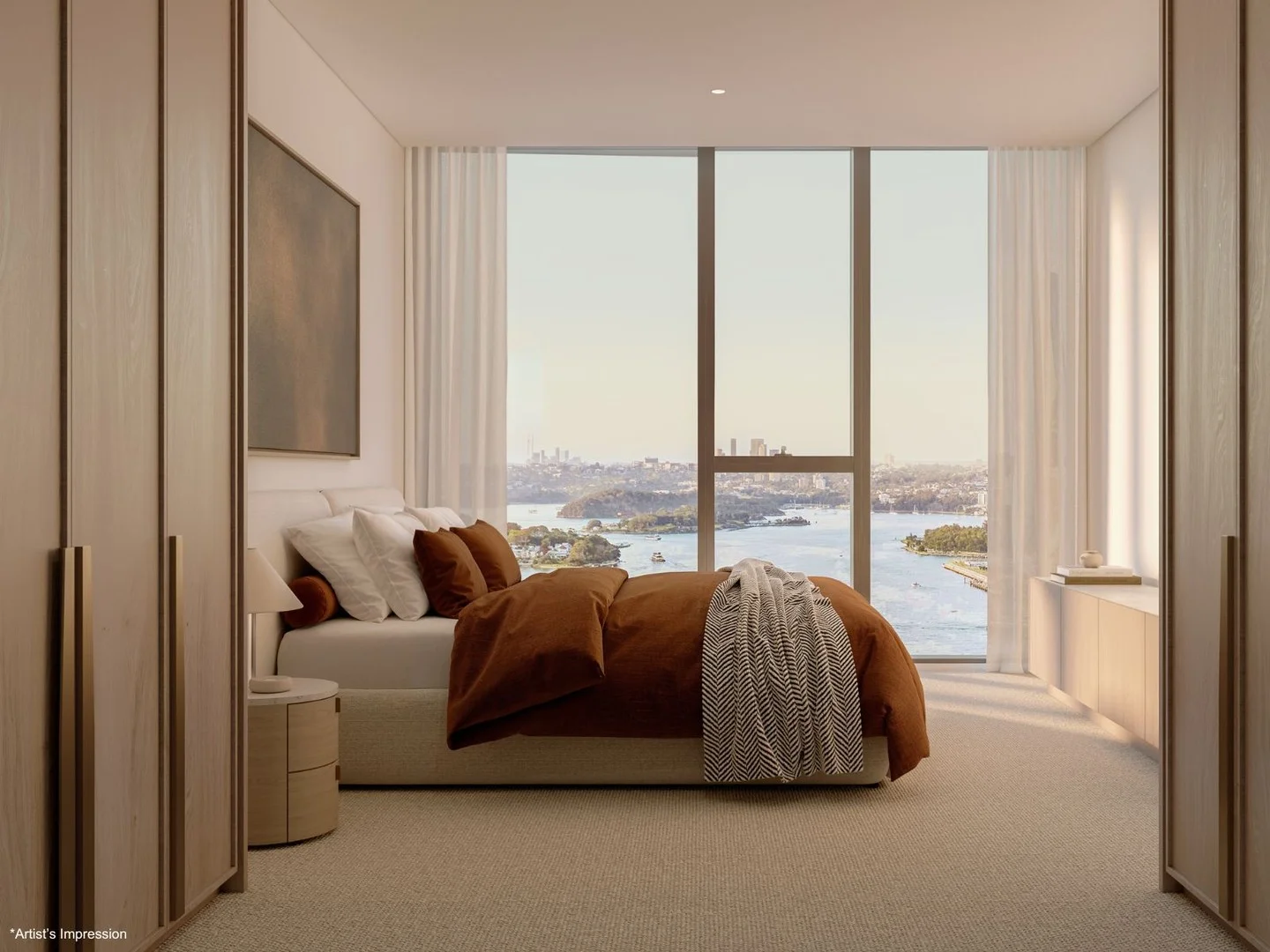 $8,630,000
propertyType.NEW APARTMENTS / OFF THE PLAN
$8,630,000
propertyType.NEW APARTMENTS / OFF THE PLAN
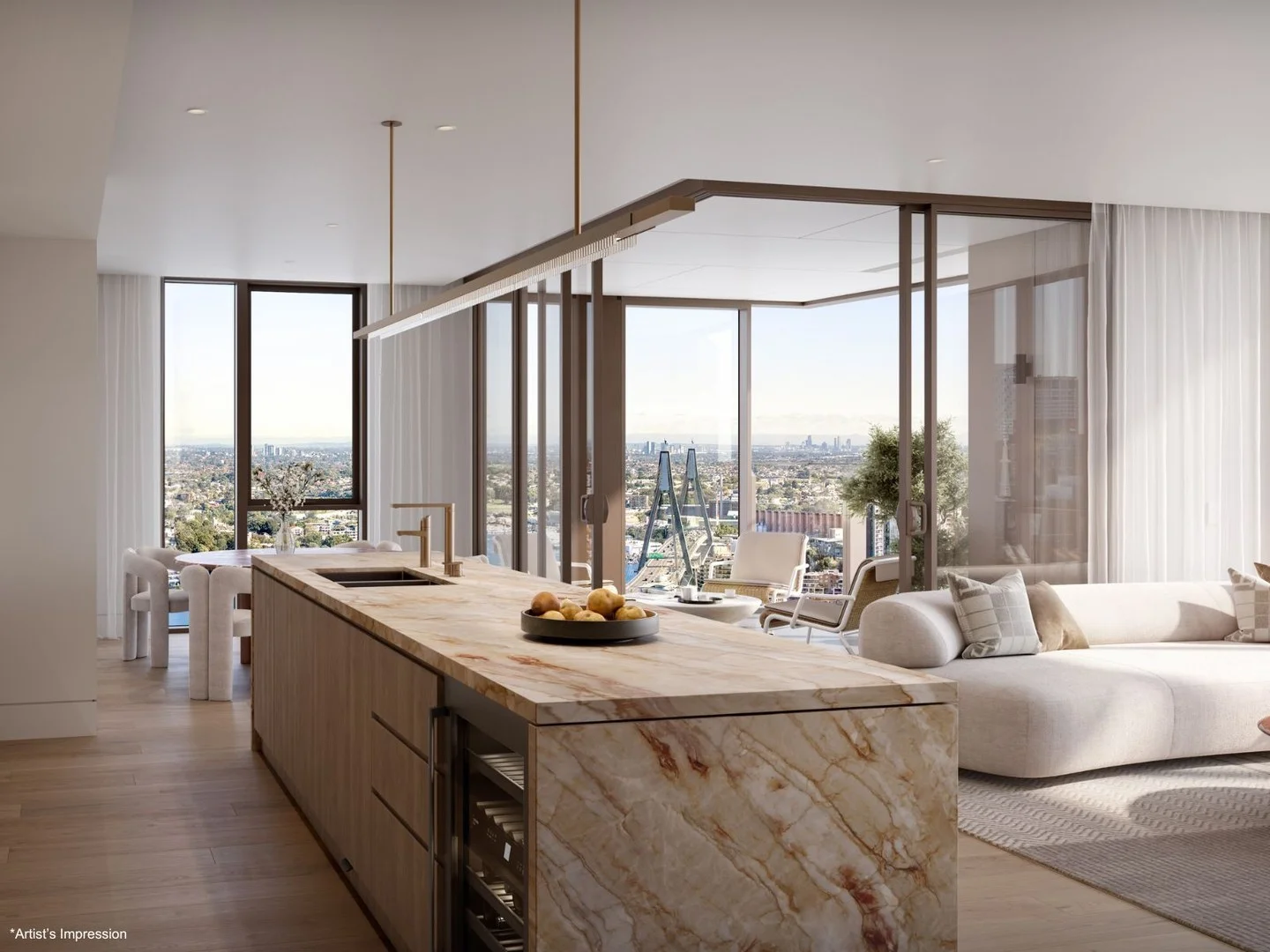 $9,020,000
propertyType.NEW APARTMENTS / OFF THE PLAN
$9,020,000
propertyType.NEW APARTMENTS / OFF THE PLAN
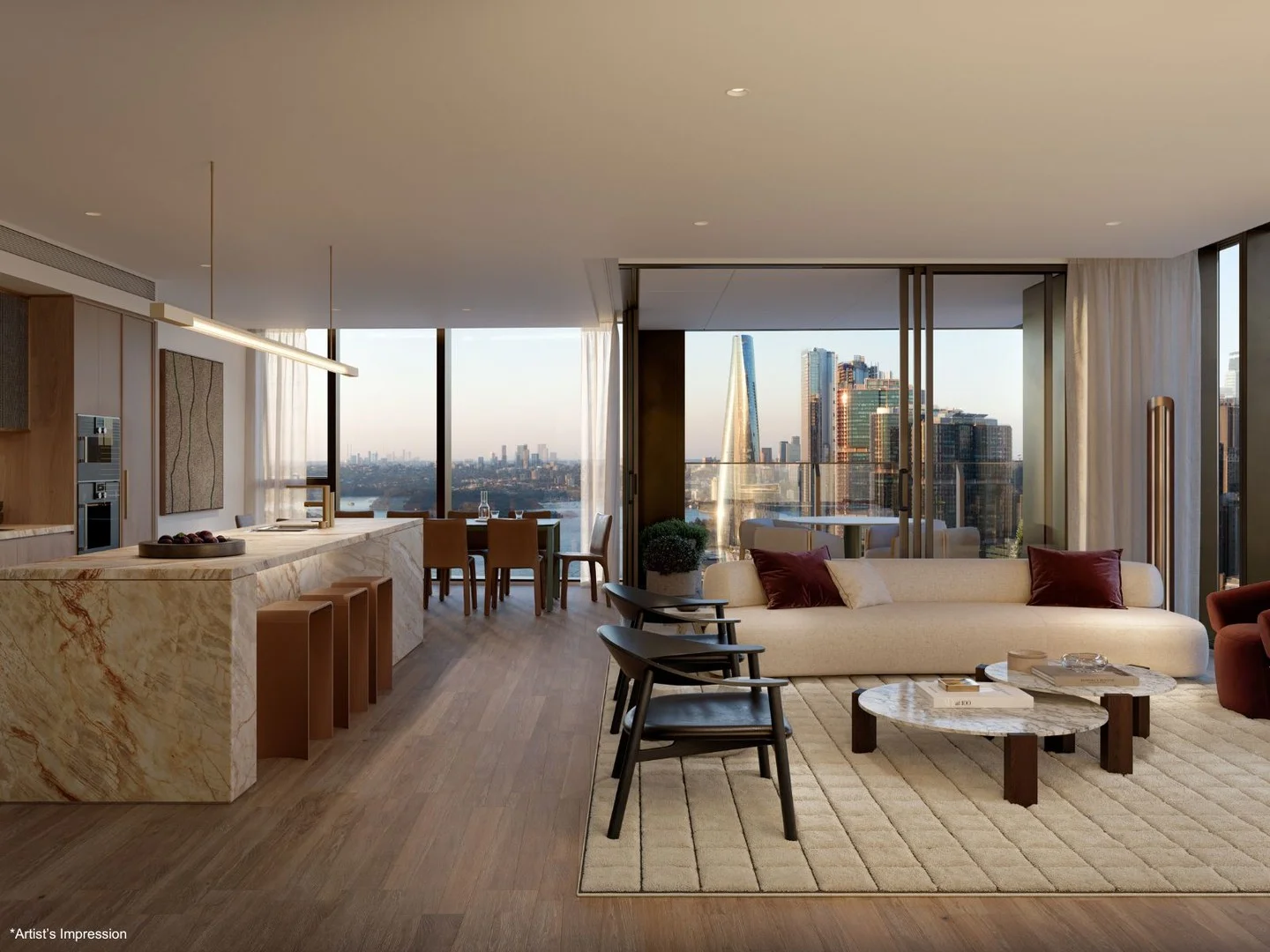 $12,980,000
propertyType.NEW APARTMENTS / OFF THE PLAN
$12,980,000
propertyType.NEW APARTMENTS / OFF THE PLAN
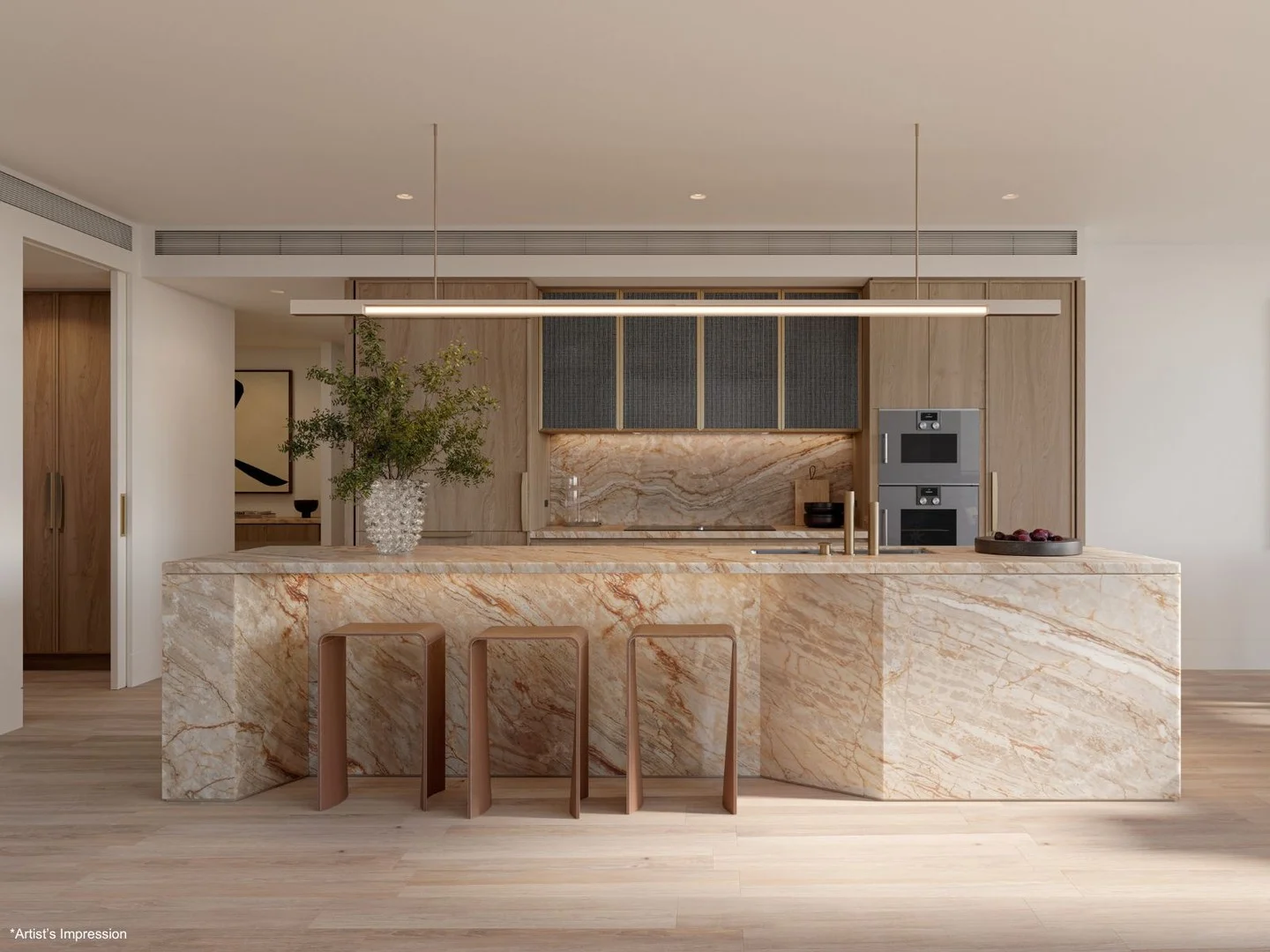 $6,225,000
propertyType.NEW APARTMENTS / OFF THE PLAN
$6,225,000
propertyType.NEW APARTMENTS / OFF THE PLAN


