## 1. Overview
Fern Bay Public School is a public primary school serving families in Fern Bay, NSW. As a public school, it focuses on inclusive education and providing every child with quality learning within a supportive community.
The school is small to medium in size, with class environments that foster close teacher-student relationships. Class sizes are typical for NSW public primary schools, enabling personalised attention and collaborative learning. The atmosphere is welcoming, nurturing, and inclusive, with a strong emphasis on student wellbeing, school pride, and community involvement.
---
## 2. Academics & Learning
Fern Bay Public School emphasises strong literacy and numeracy foundations, with additional focus on STEM and everyday problem-solving. The school supports student leadership, critical thinking, and creative expression across the curriculum.
Special programs commonly offered include targeted literacy and numeracy support, EAL/D (English as an Additional Language/Dialect) assistance, and opportunities for accelerated or enriched learning where appropriate. The school pursues steady progress in NSW NAPLAN trends, aiming for continual improvement in literacy and numeracy outcomes over time. Student-teacher ratios are typical for NSW public primary schools, with teachers working in teams to address diverse learner needs. Support for diverse learners includes dedicated assistance for EAL/D students and students with additional learning needs (SEN).
---
## 3. Sports & Extracurricular Strengths
Sports offered often include soccer, rugby league, cricket, basketball, athletics, and swimming, with opportunities for cross-country and school carnivals. The school participates in district events and has a track record of contributing to district and inter-school teams, with some school-level achievements in athletics and team sports.
Music, arts, and drama programs provide creative outlets and performance opportunities. Clubs commonly available include robotics, coding, chess, and debating, alongside school-led initiatives in science and technology. The school maintains partnerships with local community clubs and regional competitions to extend opportunities beyond the classroom.
---
## 4. Wellbeing & Pastoral Care
Wellbeing is a core priority, with a focus on respectful interactions and inclusive culture. The school implements anti-bullying approaches that emphasise prevention, early intervention, and restorative practices. A House system supports leadership, teamwork, and healthy competition among students.
Access to school counsellors or wellbeing officers helps students manage social-emotional needs, alongside counsellor-led programs and wellbeing activities. Transition support is available for new students, including orientation sessions, buddy programs, and targeted induction to help students settle into school life smoothly.
---
## 5. Facilities
- Sports grounds and outdoor play areas
- Library with a range of fiction and non-fiction resources
- Science labs for hands-on experiments and inquiry
- Music and performing arts spaces for lessons and rehearsals
- Tech/innovation spaces for coding, robotics, and digital projects
- Canteen offering healthy lunch options
- Updated playgrounds and outdoor learning spaces
The facilities are designed to be visually engaging and easy to navigate, supporting a broad range of learning activities and student interests.
---
## 6. School Values & Community Culture
- Values and mission: respect, responsibility, resilience, and inclusion, with a focus on creating a positive, safe learning environment.
- Leadership style: student voice is encouraged through opportunities to participate in student councils, leadership roles, and peer mentoring.
- Behaviour expectations: clear code of conduct based on fairness, restorative approaches, and consistency across year levels.
- Community reputation: a strong, collaborative relationship with families and the local community, built on trust and open communication.
- Diversity & inclusion: welcoming environment for students from diverse backgrounds, with deliberate support for EAL/D students and families.
---
## 7. School Logistics & Daily Operations
- School hours: typical primary school day with start and finish times aligned to NSW Department of Education schedules.
- Before/after school care: available through approved providers and/or school-supported programs.
- Uniform requirements: school uniform is required, with guidance on permissible attire for different activities.
- Transport: access to bus routes and public transport options; information on pick-up/drop-off zones and accessibility considerations.
- Canteen availability: healthy meal options available through the school canteen.
- Fees: compulsory costs are minimal; explanations of any voluntary contributions and potential excursions are provided at enrolment.
---
## 8. Enrolment & Admissions
11. What is the enrolment process and timeline?
- Submit an expression of interest or enrolment application through the NSW Department of Education system.
- Provide required documentation (proof of address, birth certificate or passport, immunisation records, and any relevant family or medical information).
- The school may schedule an enrolment interview or meeting to discuss needs, class placement, and transition planning.
- You will be advised of the enrolment decision and any next steps, including orientation sessions for new families.
12. Is there a waiting list, and how does it work?
- Some year levels may have limited space, leading to a waiting list. Placement typically follows the order of application and availability, with priority given to eligible catchment families and any special placement needs.
13. Are there any entry requirements, tests, or interviews?
- NSW public primary schools generally do not require entrance exams. An interview or information meeting may occur to discuss the student’s needs, learning preferences, and transition considerations. Documentation and proof of eligibility are standard requirements.
14. Does the school accept mid-year transfers?
- Yes, mid-year transfers are considered subject to space and availability. Transfer arrangements typically involve submission of required documents and coordination with the receiving year level to ensure a smooth transition.
---
## 9. Frequently Asked Questions
- Why Parents Choose This School?
- A welcoming, inclusive community with strong support for learning, wellbeing, and family involvement.
- What type of student thrives at this school?
- Curious, respectful, collaborative students who respond well to supportive teaching and opportunities to participate in school life.
- What opportunities are available for students to extend their skills (academics, sports, arts)?
- Access to literacy and numeracy support, STEM and coding activities, clubs (robotics, chess, coding, debating), sports teams, and performing arts opportunities.
- How does the school communicate with parents?
- Regular newsletters, emails, a parent portal/app, and information evenings; staff are available for meetings as needed.
- What is the school’s approach to teaching and learning?
- Student-centered, inquiry-based learning with a focus on core literacy and numeracy, supported by hands-on activities and collaboration.
- How does the school support students who need extra academic help?
- Targeted intervention in literacy and numeracy, EAL/D support, and SEN services; small-group or one-on-one assistance as required.
- What support is available for academic challenges?
- Learning support teams, adjustments to assessments or workloads, and referrals to external services when appropriate.
- How does the school communicate with parents?
- See above: regular updates, meetings, and a range of channels to stay connected.
- What are the class sizes and how much individual attention do students receive?
- Class sizes typical for NSW primary schools, with teachers able to provide targeted support and small-group instruction as part of daily practice.
- What extracurricular and sports opportunities are available?
- A range of sports (e.g., soccer, cricket, basketball, athletics), plus clubs in robotics, coding, chess, and debating, and music/arts programs.
- What facilities does the school offer (sports, science, arts)?
- Sports grounds, library, science labs, music/performing arts spaces, tech/innovation labs, canteen, and well-maintained outdoor spaces.
- What is the school's approach to technology and digital learning?
- Emphasis on digital literacy, safe use of technology, coding and robotics programs, and integrating technology into learning across subjects.
- What transport and accessibility options are available?
- Bus routes and public transport connections, with guidance on drop-off/pick-up, accessibility considerations, and parking where relevant.
- What are the typical school fees or additional costs?
- Generally low compulsory costs; some voluntary contributions and costs for excursions or activities may apply.
---
## 10. Short Pros & Cons list
- Pros
- Public, inclusive environment with a strong focus on wellbeing and community.
- Support for diverse learners (EAL/D, SEN) and targeted academic assistance.
- Wide range of extracurriculars (sports, clubs, arts) and leadership opportunities.
- Positive facilities for learning (libraries, science labs, tech spaces, performing arts).
- Clear values, restorative behaviour approaches, and engaged family involvement.
- Cons
- As a smaller to mid-sized public school, there may be fewer elective options than larger schools.
- Space can be limited at peak times; mid-year transfers depend on space availability.
- Some specialized programs or top-tier competitions may require regional travel or coordination with external partners.



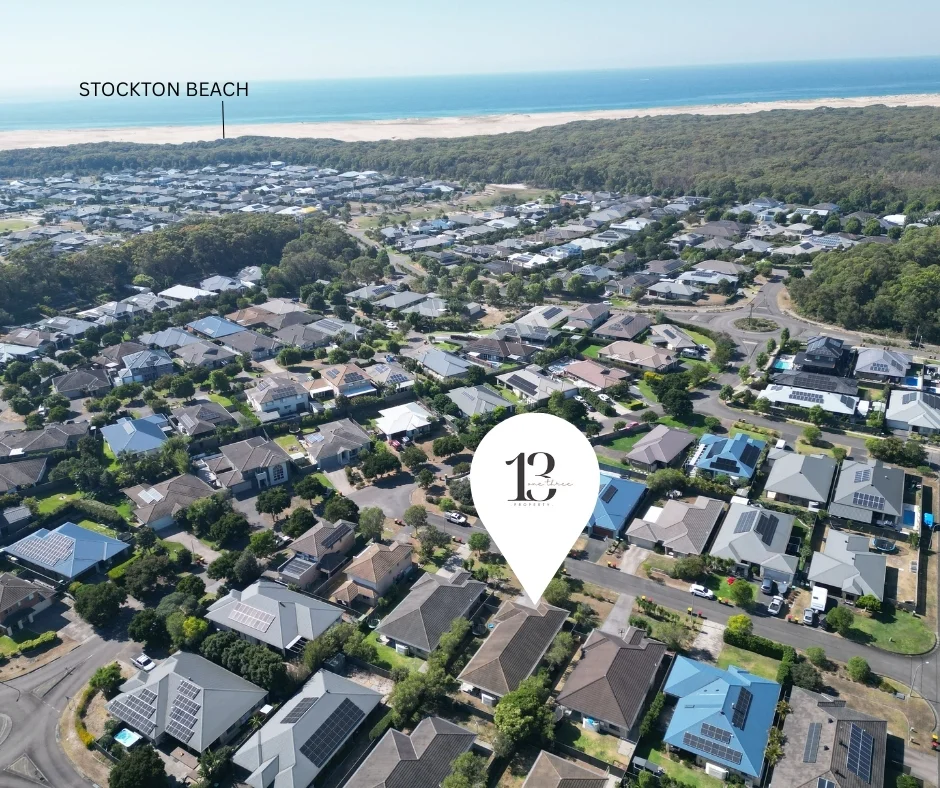 $900,000 - $990,000
House
$900,000 - $990,000
House
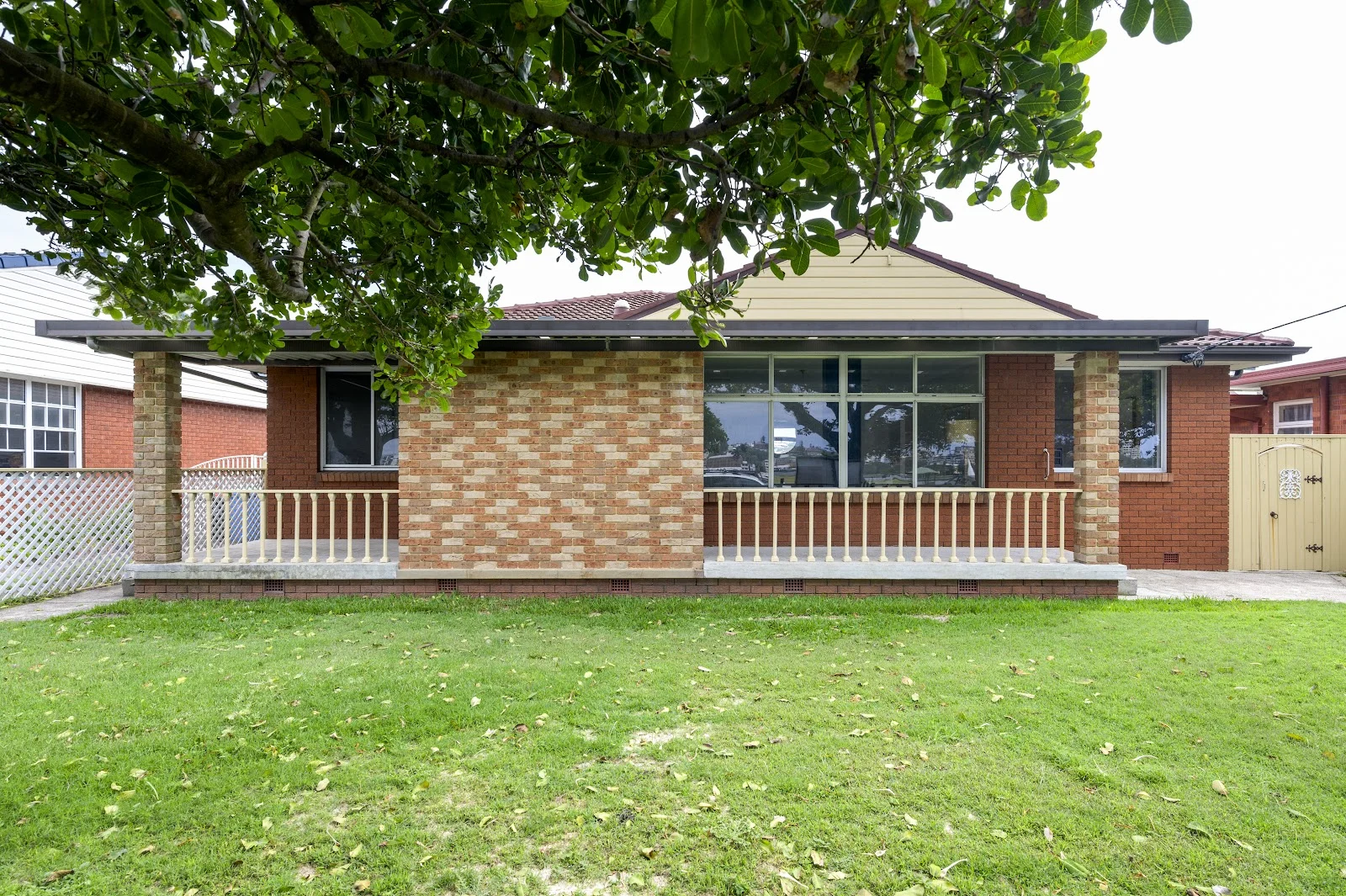 $2,500,000
House
$2,500,000
House
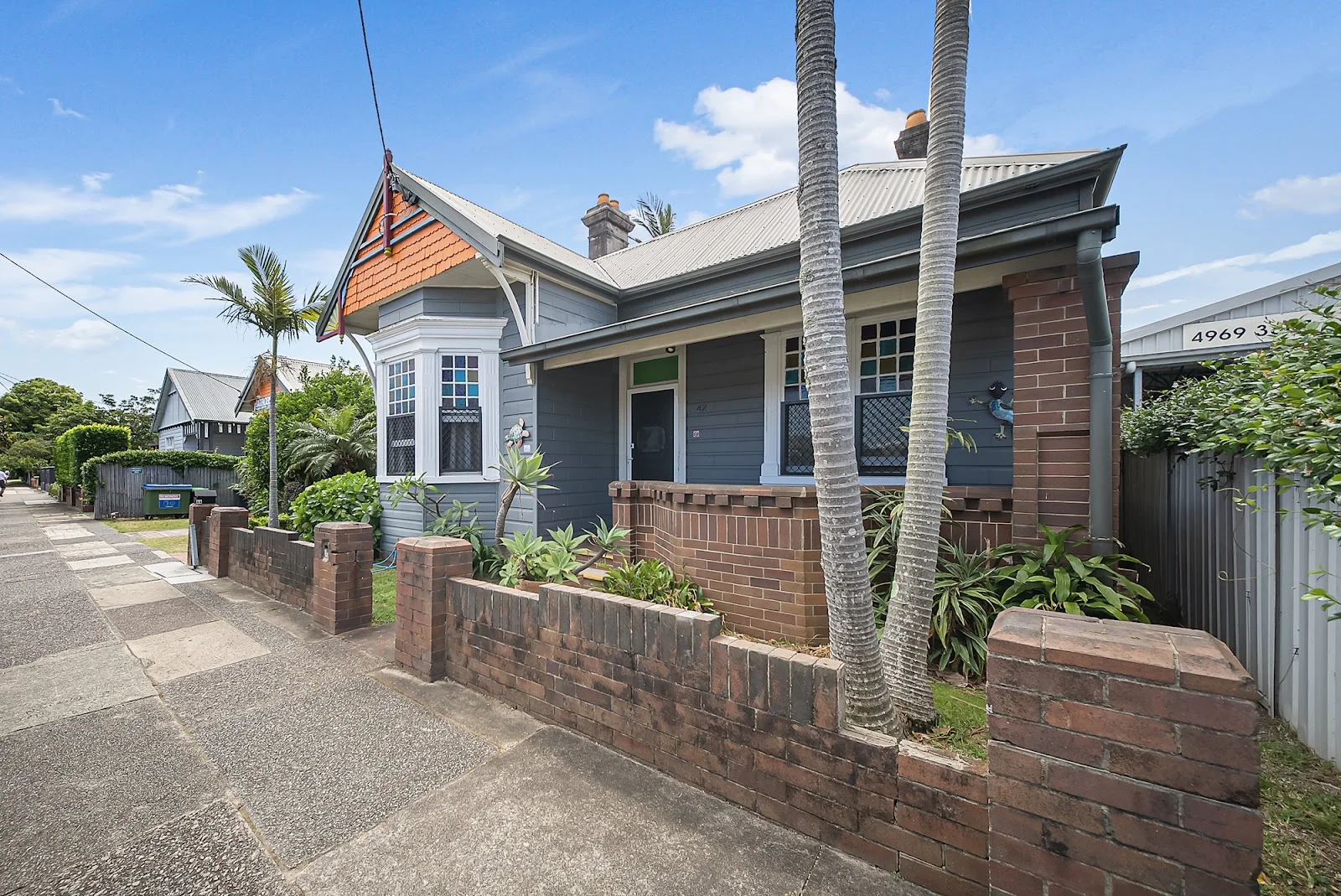 $2,000,000
propertyType.BLOCK OF UNITS
$2,000,000
propertyType.BLOCK OF UNITS
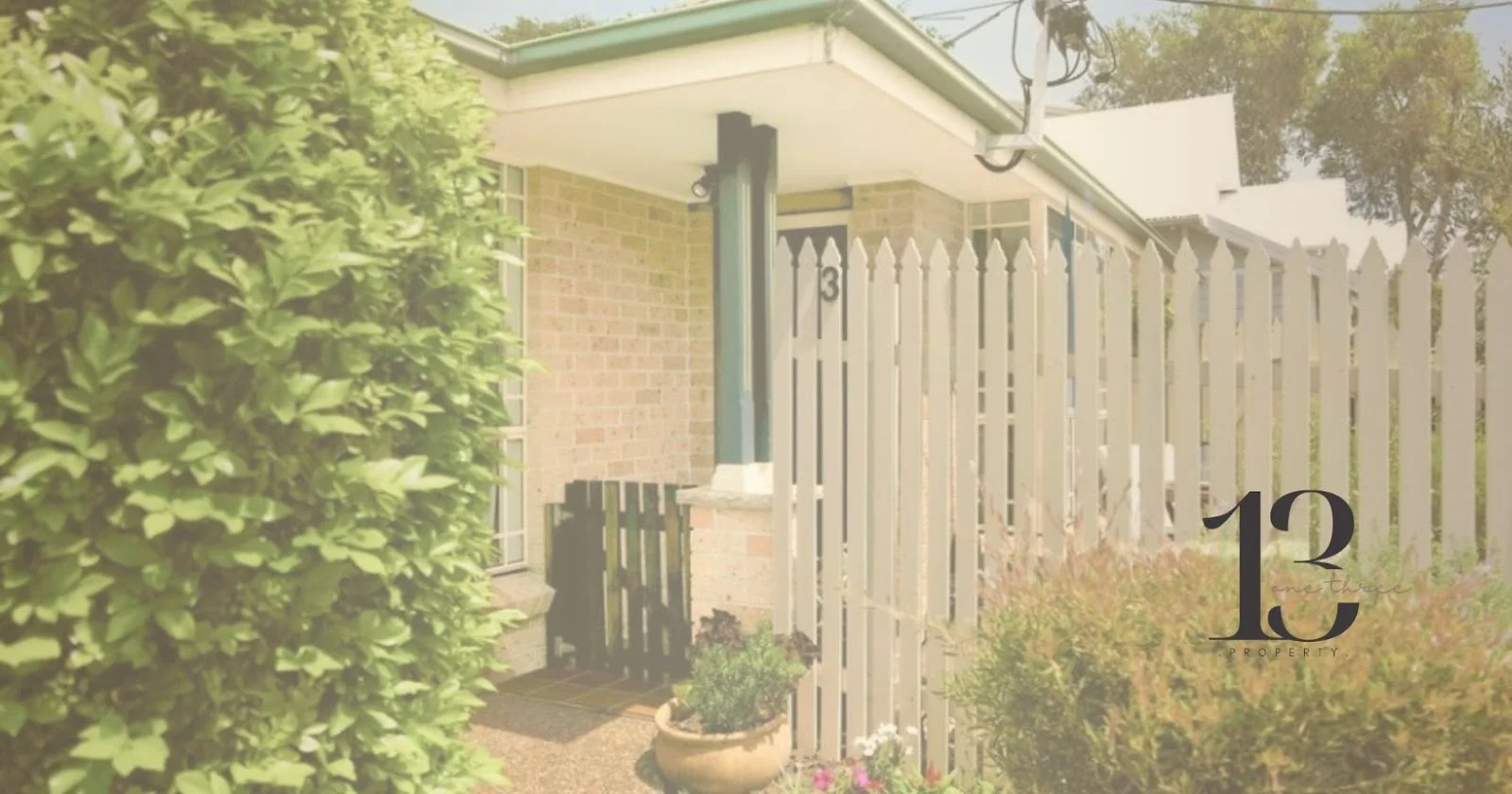 $795,000
Townhouse
$795,000
Townhouse


