# 1. Overview
Mayfield East Public School is a public primary school serving the Mayfield East community. It focuses on delivering a nurturing environment where families feel welcome and students are cared for as individuals.
- School type: Public
- School size: Small to medium
- Class size: Approximately 20–25 students per class
- Atmosphere/culture: Nurturing, inclusive, community-focused with an emphasis on student wellbeing and positive relationships
# 2. Academics & Learning
- Academic strengths: Strong literacy and numeracy foundations with opportunities to engage in STEM, arts, and project-based learning.
- Special programs: Support for diverse learners (EAL/D and learning support) with targeted interventions as part of the school’s inclusive education approach; opportunities for participation in school-based enrichment activities.
- NAPLAN / trends: Consistently aligned with NSW state expectations with gradual improvements in writing and overall literacy over time; steady progress in numeracy and reading year to year.
- Student-teacher ratios: Typically around 1:15–1:20, depending on year level and class allocations.
- Support for diverse learners: Dedicated support through EAL/D programs, learning support staff, and individualised plans to assist students with additional learning needs.
# 3. Sports & Extracurricular Strengths
- Sports offered: Soccer, netball, cricket, athletics, and swimming programs; participation in district-level events.
- Strong teams or achievements: Competitions and inter-school events through the local network; emphasis on teamwork and fair play.
- Music, arts, drama programs: Active music and performing arts opportunities, with occasional school productions and ensembles.
- Clubs: Robotics, coding, chess, debating, and other after-school clubs to build critical thinking and teamwork.
- Partnerships: Involvement with local community clubs and district competitions to broaden opportunities for students.
# 4. Wellbeing & Pastoral Care
- Anti-bullying approach: Proactive approach to safety and respectful behavior; clear policies and student education.
- House system: House-based activities and events to foster belonging and positive competition.
- Counsellors / wellbeing officers: Access to school wellbeing staff and support services as part of a holistic approach to student welfare.
- Transition support for new students: Welcome programs, buddy systems, and transition activities to help students adjust to the school environment.
# 5. Facilities
- Sports grounds: On-site play fields and outdoor spaces for physical education and games.
- Libraries: Dedicated library space supporting reading and research activities.
- Science labs: Practical learning areas to support hands-on science education.
- Music/performing arts centers: Music room and performance spaces for rehearsals and performances.
- Tech/innovation labs: Computer/tech spaces supporting digital literacy and coding activities.
- Cafeteria: On-site canteen or recess/lunchtime dining facilities with healthy options.
- Updated playgrounds: Modern, safe play areas and equipment for break times.
# 6. School Values & Community Culture
- School values / mission: Emphasis on respect, inclusion, responsibility, and resilience; a community that values every student.
- Leadership style: Student involvement through leadership opportunities (e.g., student representative bodies) and staff-guided initiatives.
- Behaviour expectations: Clear positive-behaviour framework promoting respectful interactions and responsibility.
- Community reputation: Caring, family-friendly environment with active parent involvement and strong community connections.
- Diversity & inclusion: A welcoming culture that recognises and respects diverse backgrounds and abilities.
# 7. School Logistics & Daily Operations
- School hours: Typically 9:00 am–3:15 pm (with variations for certain days or years).
- Before/after school care: OSHC or after-school care available through external providers; programs run on-site or nearby.
- Uniform requirements: NSW public school uniform policy; standard school uniform worn daily.
- Transport (train/bus routes): Access to local bus routes and public transport; proximity to key community hubs; catchment and transport options managed by NSW Department of Education.
- Canteen availability: Canteen or canteen services on site on select days with healthy meal and snack options.
- Fees (low/medium/high ranges): No tuition fees for public schooling; modest costs for textbooks, excursions, and some activities; voluntary contributions may apply.
# 8. Enrolment & Admissions
11. What is the enrolment process and timeline?
- Enrolment is managed through the NSW Department of Education process. Families typically submit documentation (proof of address, birth certificate, immunisation records) and may receive placement information aligned to catchment rules and enrolment timelines, usually with offers commencing ahead of the new school year.
12. Is there a waiting list, and how does it work?
- Some year levels may have high demand and a waiting list can occur; prioritisation follows NSW catchment and placement rules. Families are notified of status and expected timelines if a place becomes available.
13. Are there any entry requirements, tests, or interviews?
- Generally, NSW public primary schools do not require entrance tests. An administrative enrolment check is common; some schools may conduct a brief discussion with families to understand student needs, but formal testing is not typical.
14. Does the school accept mid-year transfers?
- Yes, subject to available places and the NSW enrolment process. Families should contact the school early to discuss eligibility and required documentation for a mid-year transfer.
# 9. Frequently Asked Questions
- Why Parents Choose This School?
- A welcoming community, supportive staff, strong literacy and numeracy focus, and a holistic wellbeing approach.
- What type of student thrives at this school?
- Students who engage well in a collaborative, inclusive environment with opportunities in academics, sports, arts, and clubs.
- What opportunities are available for students to extend their skills (academics, sports, arts)?
- Enrichment activities in literacy, numeracy, and STEM; sport and physical education programs; music, drama, arts, and clubs such as robotics, coding, chess, and debating.
- How does the school communicate with parents?
- Regular newsletters, emails, school app/portal updates, notices for events, and parent-teacher meetings.
- What is the school’s approach to teaching and learning?
- A balanced approach focusing on core literacy and numeracy, supported by inclusive practices, differentiation, and hands-on learning experiences.
- How does the school support students who need extra academic help?
- Targeted learning support, EAL/D assistance, and intervention programs to assist students needing extra help.
- What support is available for academic challenges?
- Access to learning support staff, personalised plans, and accommodation within classroom settings to help students meet their learning goals.
- How does the school communicate with parents? (Repeated)
- See above: newsletters, emails, school app/portal, and meetings.
- What are the class sizes and how much individual attention do students receive?
- Class sizes are typically around 20–25 students, with teachers providing individual support within class activities and targeted interventions as needed.
- What extracurricular and sports opportunities are available?
- A range of sports (soccer, netball, cricket, athletics), music and arts programs, plus clubs like robotics, coding, chess, and debating.
- What facilities does the school offer (sports, science, arts)?
- Sports grounds, library, science labs, music/performing arts spaces, tech/innovation labs, canteen, and updated playgrounds.
- What is the school’s approach to technology and digital learning?
- Integration of digital literacy and computer use in learning; access to tech spaces and coding activities as part of the curriculum.
- What transport and accessibility options are available?
- Local bus routes and public transport access; school supports families with information on travel and catchments.
- What are the typical school fees or additional costs?
- Public schools do not charge tuition; there may be costs for excursions, materials, and optional activities.
# 10. Short Pros & Cons list
Pros
- Nurturing, inclusive environment with a strong focus on wellbeing
- Solid core academics with literacy and numeracy emphasis
- Wide range of extracurriculars and clubs (robots, coding, chess, debating)
- Access to EAL/D and learning support services
- Active community involvement and supportive parent networks
- Safe facilities and well-maintained learning spaces
Cons
- Smaller school size may mean fewer specialised elective options compared to larger schools
- High demand at certain year levels can lead to waiting lists and placement timing nuances
- Public school costs are generally lower, but some excursions and activities may incur fees or contributions
- Transport options depend on local routes and catchment planning; families may need to plan for commuting times
- Some programs and facilities may vary in availability year to year depending on funding and staffing flexibility






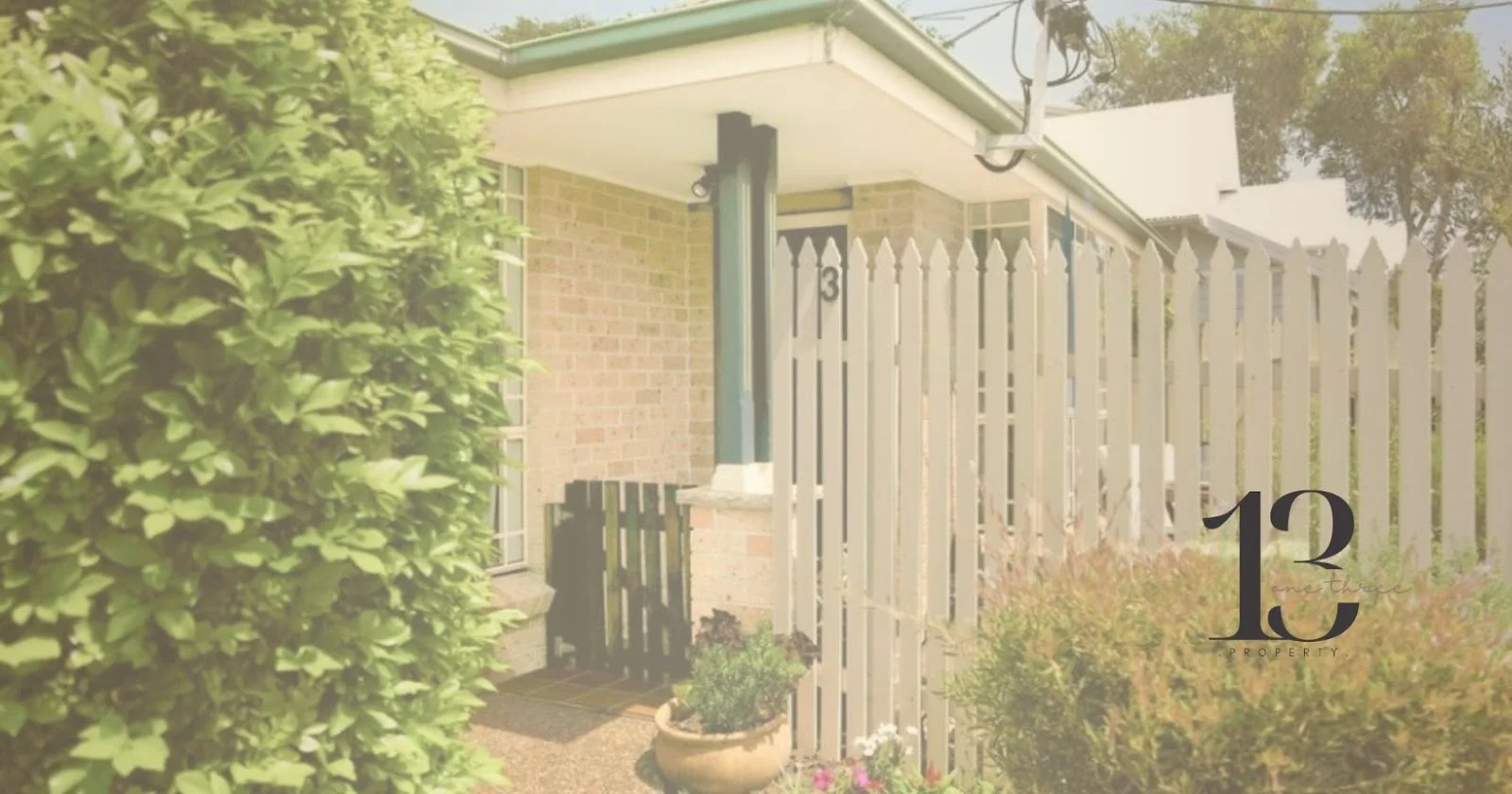 $795,000
Townhouse
$795,000
Townhouse
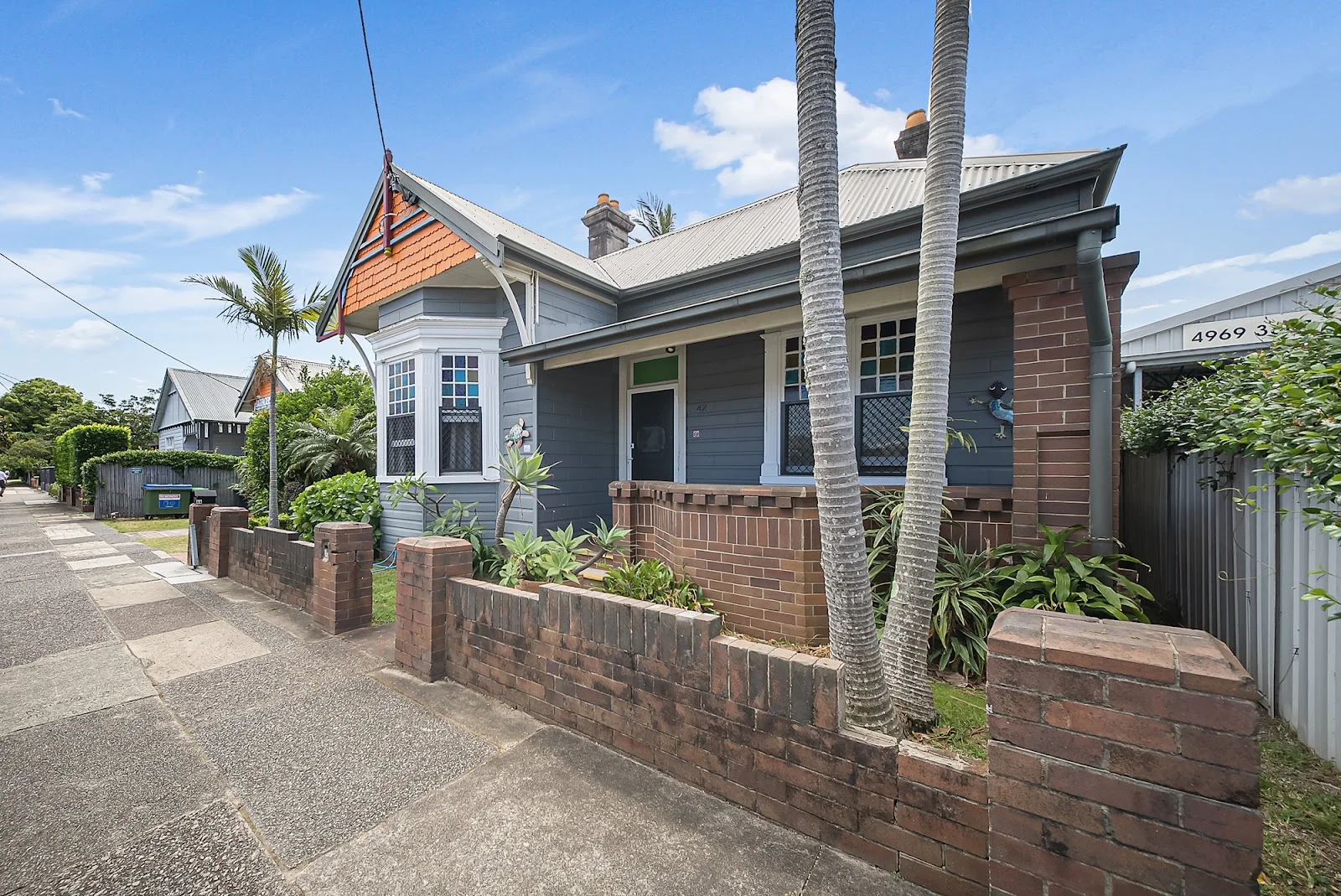 $2,000,000
propertyType.BLOCK OF UNITS
$2,000,000
propertyType.BLOCK OF UNITS
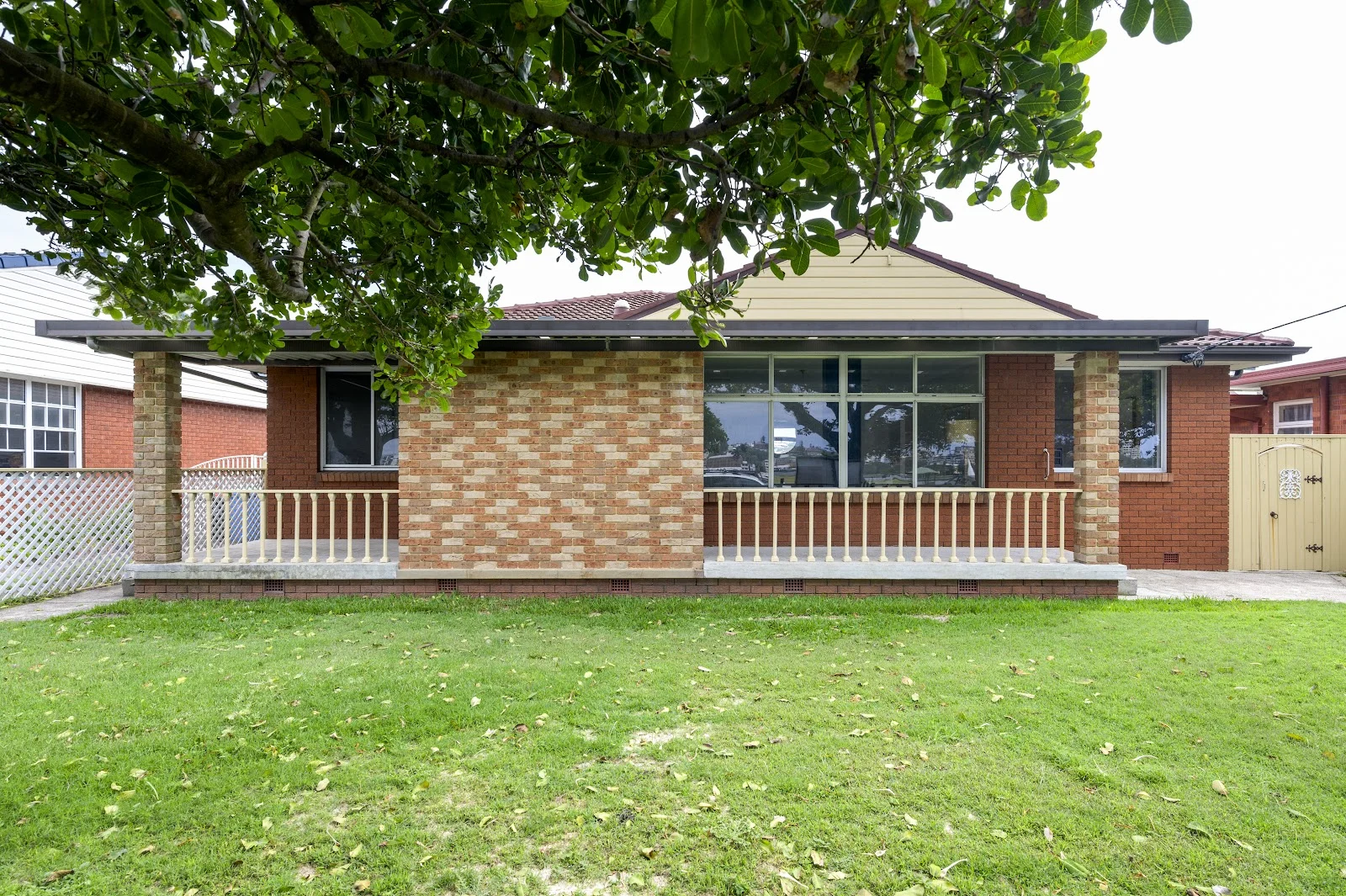 $2,500,000
House
$2,500,000
House
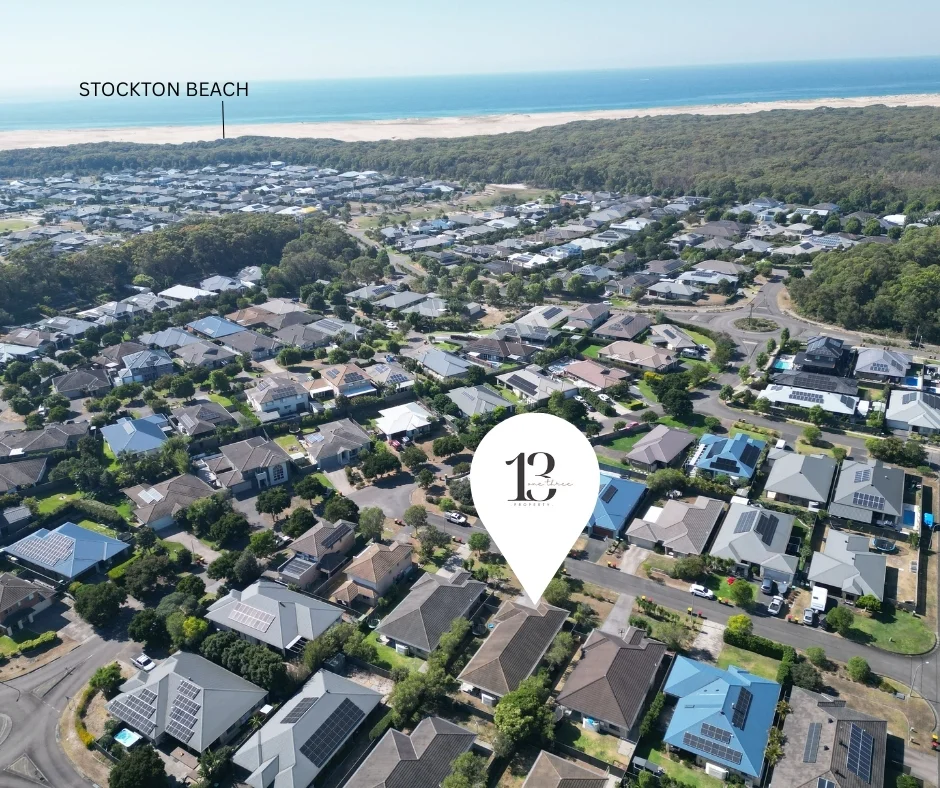 $900,000 - $990,000
House
$900,000 - $990,000
House


