1. Overview (1–2 paragraphs max)
Tighes Hill Public School is a public primary school serving the local Tighes Hill community in New South Wales. The school focuses on a nurturing, inclusive environment that supports every child’s learning journey. With a medium-sized student community, it provides a welcoming atmosphere where students are encouraged to be curious, respectful, and actively engaged in their education.
Key aspects of the school identity include strong literacy and numeracy foundations, a commitment to student wellbeing, and opportunities across academics, sport, and the arts. Class sizes are school-wide and balanced to support personalized learning and positive teacher–student relationships.
- School type: Public
- School size: Medium
- Class size: Approximately 22–25 students per class
- Atmosphere/culture: Nurturing, inclusive, diverse
2. Academics & Learning
Tighes Hill Public School prioritizes solid literacy and numeracy outcomes while expanding opportunities in STEM, writing, and critical thinking. The school embraces a well-rounded approach that includes creative arts, physical education, and leadership development to help students grow across disciplines.
Special programs and supports include:
- Gifted and Talented / enrichment opportunities for students seeking additional challenges
- Support for diverse learners, including EAL/D and additional learning needs (SEN), with targeted interventions as needed
- Focused literacy and numeracy initiatives to raise achievement for all students
Naplan and learning trends:
- NSW public schools track NAPLAN trends over time; the school works to maintain steady improvement in key areas and strengthen ongoing progress year to year.
- The school regularly reviews assessment data to tailor teaching and support for individual learners.
Student–teacher ratios:
- School-wide ratios typically around 1:9–1:12, with class sizes generally in the low 20s to mid-20s to support individualized attention.
Support for diverse learners:
- EAL/D support, SEN coordination, targeted classroom adjustments, and access to specialist staff and learning supports to enable inclusive participation.
3. Sports & Extracurricular Strengths
Tighes Hill Public School provides a broad mix of sports, arts, and clubs to engage students beyond the classroom.
Sports offered:
- Team and individual sports such as soccer, netball, rugby league, cricket, athletics, and swimming programs
Strong teams or achievements:
- Regular participation in local inter-school competitions and events, with emphasis on teamwork, resilience, and fair play
Music, arts, drama programs:
- Active music and performing arts offerings, school choirs, and opportunities to showcase creativity through drama and concerts
Clubs and activities:
- Robotics, chess, coding, debating, and other STEM- or interest-based clubs
Partnerships:
- Local sport clubs and community organizations for clinics, competitions, and enrichment activities
- Opportunities to participate in regional and inter-school events
Most parents in this age group (boys aged 10–14) often look for well-rounded extracurricular access, which Tighes Hill Public School aims to provide through a balanced mix of sport, arts, and hands-on clubs.
4. Wellbeing & Pastoral Care
Wellbeing is a cornerstone of student success at Tighes Hill Public School. The approach includes proactive anti-bullying strategies and a focus on positive relationships among students, staff, and families.
Key elements:
- Anti-bullying framework with clear expectations, restorative practices, and incident reporting
- House system to foster belonging, healthy competition, and leadership opportunities
- Access to counsellors or wellbeing officers for student support and guidance
- Transition support for new students, including buddy programs, orientation, and parent information sessions
This section aims to build trust with families by showing a concrete, caring approach to student welfare and gradual adjustment for newcomers.
5. Facilities
Tighes Hill Public School provides a range of contemporary facilities to support teaching and learning.
Facilities include:
- Sports grounds and playing fields for physical education and sport
- Library with comfortable reading and study spaces
- Science labs for hands-on experiments and inquiry-based learning
- Music and performing arts spaces for rehearsals and performances
- Tech/innovation labs or makerspaces for coding and design projects
- On-site cafeteria or canteen facilities
- Updated school playgrounds and outdoor learning areas
The facilities are presented in a visually engaging way, highlighting how spaces support daily learning and enrichment activities.
6. School Values & Community Culture
The school community is guided by clear values and a collaborative leadership style.
Key elements:
- School values and mission centered on respect, responsibility, inclusion, and a growth mindset
- Leadership that emphasizes student voice, teacher collaboration, and family engagement
- Behaviour expectations rooted in positive reinforcement, consistency, and fairness
- Strong community reputation built on warm relationships, active parent involvement, and a welcoming culture
- Commitment to diversity and inclusion, ensuring all students feel valued and supported
7. School Logistics & Daily Operations
Practical information to help families plan around the school day.
School hours:
- Typical school day runs from around 9:00 am to 3:00 pm, with variations for assemblies or events
Before/after school care:
- OSHC or other approved programs may be available for before/after care options
Uniform requirements:
- NSW public schools commonly require uniforms; standard guidelines include a school uniform with approved elements (and hats for sun protection), details provided by the school
Transport:
- Access to local bus routes and nearby public transport; arrangements are typically coordinated with families to support convenient travel
Canteen availability:
- Canteen or canteen services are typically available, offering snacks and meals
Fees:
- As a public school, tuition is not charged; there may be voluntary contributions or cost-recovering activities; families should expect low-to-medium additional costs for activities or excursions
8. Enrolment & Admissions
11. What is the enrolment process and timeline?
- Check catchment eligibility and school zone requirements
- Gather required documents (proof of address, birth certificate or passport, immunisation records, parent/guardian IDs)
- Submit the enrolment form to the school or via the NSW Student Online Enrolment system
- Provide any additional information requested by the school (e.g., proof of custody arrangements, medical plans)
- Complete any required interview or information session if offered
- Receive an offer of placement and confirm enrollment; you may be advised of orientation or start date
Timeline:
- Enrolment decisions are typically communicated within a few weeks after submission, with kindergarten intake aligned to NSW calendar and term dates. Space and catchment considerations influence timing and eligibility.
12. Is there a waiting list, and how does it work?
- If the school reaches capacity, a waiting list may be established
- Priority is usually given to in-catchment students, followed by siblings, and then other applicants based on date of application or district policies
- Families on the waiting list are notified when space becomes available and can choose to accept or defer placement
13. Are there any entry requirements, tests, or interviews?
- Public schools in NSW generally do not require entrance tests for enrolment
- Some cases may involve short interviews or information sessions, particularly for students with special needs or for EAL/D considerations, to determine appropriate supports
- Immunisation requirements are typically part of the enrolment process as per NSW health regulations
14. Does the school accept mid-year transfers?
- Mid-year transfers are possible if space is available
- Parents should coordinate with the current school and Tighes Hill Public School to arrange transfer documentation, records, and any needed supports
- Transfer may require providing school reports, enrolment evidence, and updated contact details
9. Frequently Asked Questions
- Why Parents Choose This School?
Parents choose Tighes Hill Public School for its inclusive culture, strong literacy and numeracy focus, supportive staff, and opportunities across academics, sport, and the arts. The school emphasizes wellbeing, community involvement, and a nurturing environment for growth.
- What type of student thrives at this school?
Students who are curious, collaborative, and motivated to engage in a range of learning experiences—from reading and math to sports and creative arts—tend to thrive. The school supports learners at different paces and celebrates effort, improvement, and resilience.
- What opportunities are available for students to extend their skills (academics, sports, arts)?
Extended opportunities include enrichment programs, STEM clubs, arts and music activities, sport teams, and inter-school competitions. There are also clubs such as robotics, coding, chess, and debating to challenge and develop skills beyond core classes.
- How does the school communicate with parents?
Communication occurs through newsletters, the school app or portal, emails, and scheduled parent-teacher meetings. The school prioritizes timely updates on student progress, events, and important notices, with staff available for questions and support.
- What is the school’s approach to teaching and learning?
The school employs a student-centred approach with a balance of explicit instruction, inquiry-based learning, and targeted supports. Emphasis is placed on literacy, numeracy, critical thinking, and social-emotional learning.
- How does the school support students who need extra academic help?
Targeted interventions, small-group and one-on-one support, and access to learning support staff help students who need additional help. EAL/D and SEN supports are available to eligible students.
- What support is available for academic challenges?
Schools provide timely assessment, individualized learning plans, and adjustments to teaching strategies. Parents are kept informed and involved in planning interventions or accommodations.
- How does the school communicate with parents? (duplicate)
See above: regular updates via newsletters, portal/app, and meetings.
- What are the class sizes and how much individual attention do students receive?
Class sizes are typically in the low 20s, with a student–teacher ratio around 1:9–1:12. This structure supports both whole-class instruction and opportunities for targeted, individualised attention.
- What extracurricular and sports opportunities are available?
A broad spectrum of sports (team and individual), arts, music, and clubs such as robotics, coding, chess, and debating are offered. The school participates in local inter-school competitions and events.
- What facilities does the school offer (sports, science, arts)?
Facilities include sports grounds, libraries, science labs, music/performing arts spaces, tech/innovation labs, a canteen, and well-maintained playgrounds.
- What is the school’s approach to technology and digital learning?
The school integrates technology into learning through devices, coding, and digital projects, with a focus on digital literacy, online safety, and using technology to enhance understanding across subjects.
- What transport and accessibility options are available?
Public transport options (bus routes and nearby stations) are accessible, with information provided to families to arrange safe and convenient travel to and from school.
- What are the typical school fees or additional costs?
NSW public schools do not charge tuition, though there may be voluntary contributions and costs for certain activities or excursions. Families can expect modest additional costs for some programs and events.
10. Short Pros & Cons list
Pros
- Public school with a welcoming, inclusive culture
- Solid literacy and numeracy foundations
- Broad range of extracurriculars (sports, arts, clubs)
- Support for diverse learners (EAL/D, SEN)
- Strong emphasis on wellbeing and student engagement
Cons (areas to consider)
- Being a public school, space can be impacted by enrolment demand (seasonal fluctuations)
- Extracurricular availability may vary by term and staffing
- Transport options depend on local routes and schedules; families may need to coordinate arrangements
If you’d like, I can tailor any section further with more specific details you provide (for example, exact programs you want highlighted, or any notable local partnerships you want emphasized).




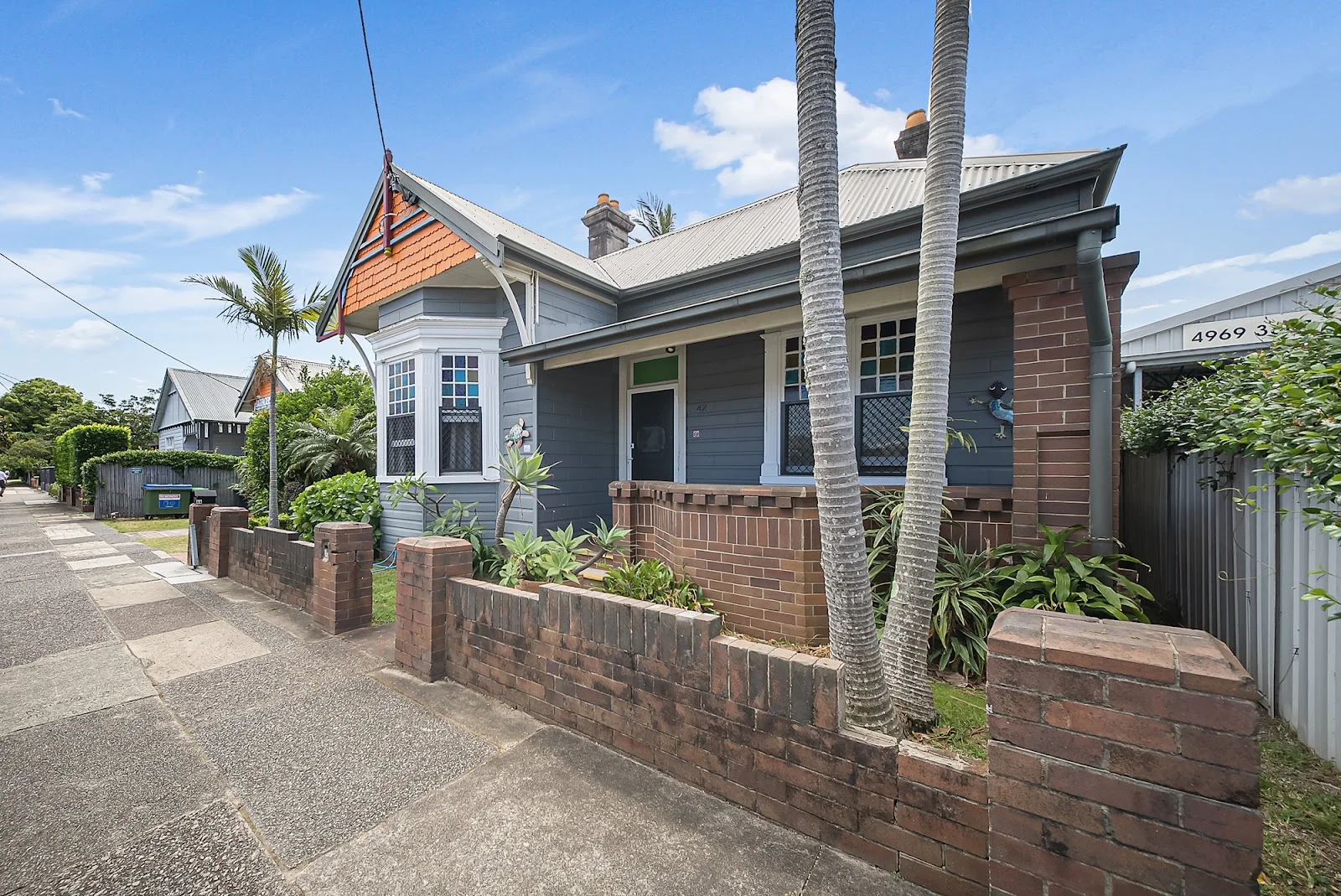 $2,000,000
propertyType.BLOCK OF UNITS
$2,000,000
propertyType.BLOCK OF UNITS
 $795,000
Townhouse
$795,000
Townhouse
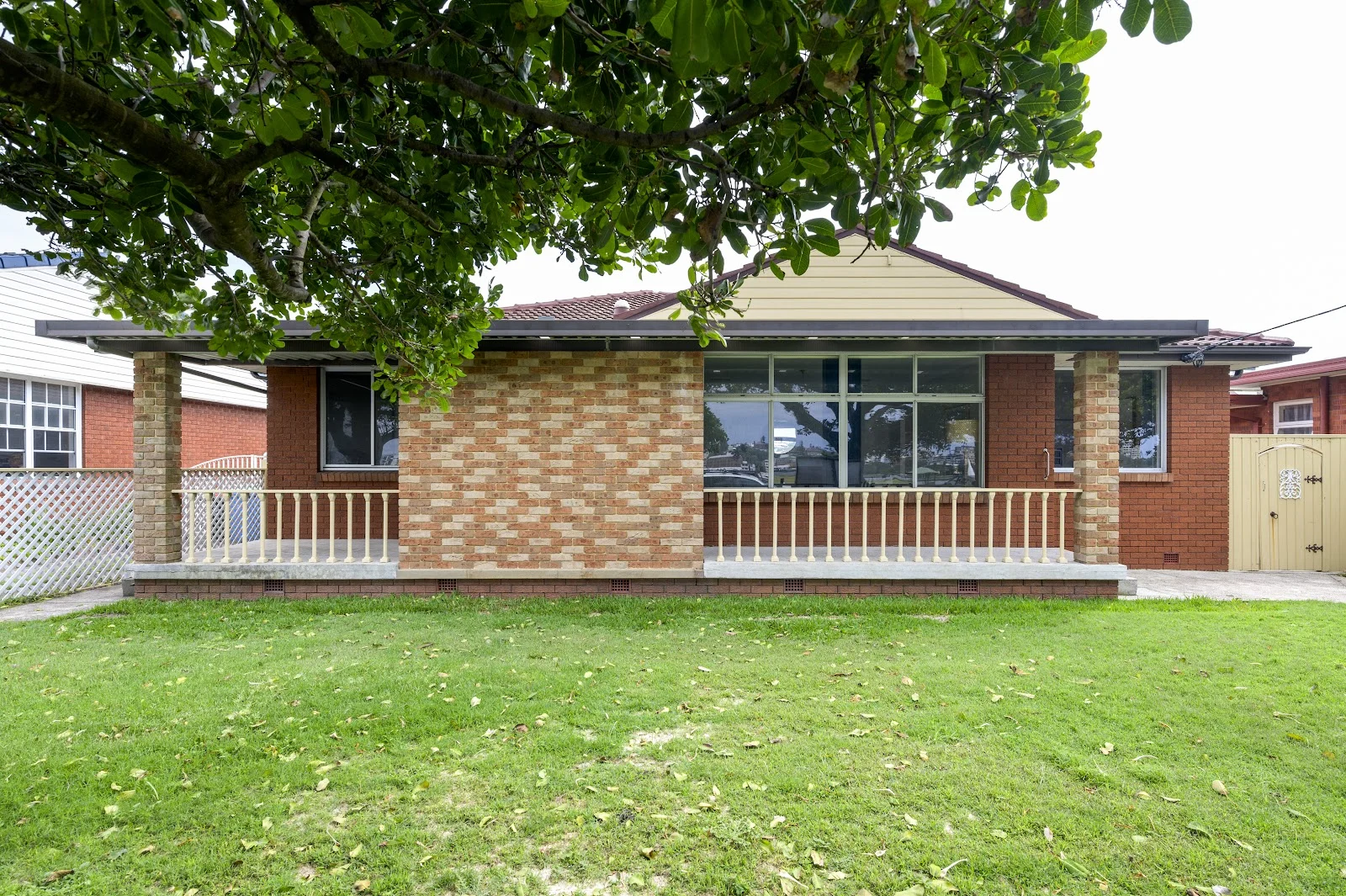 $2,500,000
House
$2,500,000
House
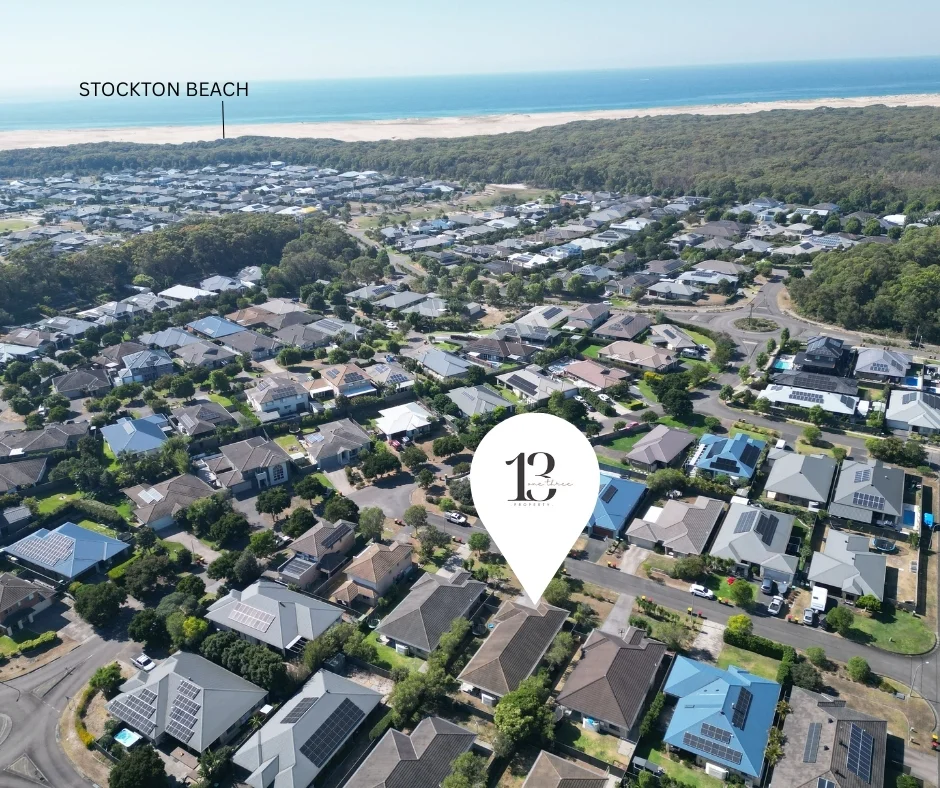 $900,000 - $990,000
House
$900,000 - $990,000
House


