## 1. Overview
St Peter's Primary School is a Catholic primary school serving families in Stockton, NSW (Stockton 2295). The school offers a small-to-medium learning community with a clear focus on faith, values and children’s holistic development. It aims to provide a nurturing, inclusive atmosphere where students are valued as individuals and supported to grow academically, socially and spiritually.
- School type: Catholic
- School size: Small–medium
- Class size: Approximately 20–25 students per class
- Atmosphere/culture: Nurturing, inclusive, values-driven
---
## 2. Academics & Learning
St Peter's emphasises a well-rounded learning program that supports growth across core subjects and faith formation.
- Academic strengths: Strong literacy and numeracy focus; solid religious education as part of the curriculum; opportunities to develop leadership and critical thinking within classroom learning.
- Special programs: Catholic identity and values education; school-led initiatives in STEM, literacy and the arts; Gifted and Talented or accelerated options may be available where staffing and student needs permit.
- NAPLAN trends: Generally demonstrates steady growth and consistent performance across key areas; data-driven teaching approaches are used to target improvements in reading, writing and numeracy.
- Student-teacher ratios: Class sizes around 20–25 with student-teacher interactions closely supported by teachers; typical ratios in the low 1:20s depending on year level.
- Support for diverse learners: EAL support and SEN assistance where required; targeted interventions and inclusive practices to help all learners succeed.
---
## 3. Sports & Extracurricular Strengths
A focus on activity and participation with opportunities across sport, arts and clubs.
- Sports offered: Soccer/football, netball, cricket, athletics, swimming and other locally popular primary-school activities; inter-school sport participation where available.
- Strong teams or achievements: Competitive presence in regional inter-school events and Catholic school sport days; emphasis on teamwork and fair play.
- Music, arts, drama programs: Active music and performing arts involvement with opportunities to participate in school productions and concerts.
- Clubs: Robotics, chess, coding, debating, and other age-appropriate clubs to build problem-solving and teamwork skills.
- Partnerships: Connections with local clubs, community organisations and regional inter-school competitions to broaden opportunities for students.
---
## 4. Wellbeing & Pastoral Care
Wellbeing is a core priority, with structures to support every student’s sense of safety and belonging.
- Anti-bullying approach: Whole-school anti-bullying initiatives and clear expectations to promote respectful, kind interactions.
- House system: House-based activities and competitions to build school spirit and peer support.
- Counsellors / wellbeing officers: Access to school-based wellbeing staff or a Counsellor to support emotional and social needs.
- Transition support for new students: Orientation activities, buddy programs and targeted support to help new students settle in smoothly.
---
## 5. Facilities
Facilities are designed to support a rich, engaging school day across learning spaces and play.
- Sports grounds
- Libraries
- Science labs
- Music/performing arts centers
- Tech/innovation labs
- Cafeteria
- Updated playgrounds
---
## 6. School Values & Community Culture
The school community is built around shared values and a constructive, inclusive culture.
- School values / mission: Faith-based education centred on respect, responsibility, service and resilience.
- Leadership style: Collaborative, with opportunities for student voice and leadership roles; staff and leadership focus on nurturing growth.
- Behaviour expectations: Clear positive-behaviour framework with consistent enforcement and encouragement of good choices.
- Community reputation: Strong parish and local community links; emphasis on support, respect and inclusivity.
- Diversity & inclusion: Commitment to welcoming families from diverse backgrounds and providing inclusive opportunities for all students.
---
## 7. School Logistics & Daily Operations
Practical information to help families plan everyday routines.
- School hours: Typical start and finish times align with NSW primary schedules (morning to afternoon sessions; exact times may vary by year level).
- Before/after school care: Availability of before/after school care or supervision through school or community providers.
- Uniform requirements: Formal school uniform during class time; sports uniform for physical education and games; hats and appropriate footwear as part of the dress code.
- Transport: Bus services and local transport options; proximity to public transit may influence access; school can advise on local routes.
- Canteen availability: Canteen or lunch program offering healthy meal options; some days may offer special menus.
- Fees: Fee levels generally fall within low-to-medium ranges for NSW Catholic primary schools; additional costs may include excursions, activities or extra-curricular programs.
---
## 8. Enrolment & Admissions
Answers to common enrolment questions help families plan ahead.
- 11. What is the enrolment process and timeline?
- Submit an application with required documents, participate in any interview or information session (if offered), receive an offer (if vacancies exist), and confirm enrolment by the stated deadline. Timelines vary by year and year level; schools often provide intake periods and notification dates.
- 12. Is there a waiting list, and how does it work?
- Waiting lists are common when vacancies are limited. Priorities typically include siblings of current students and parish or community considerations; the school will outline its policy and how candidates move up the list.
- 13. Are there any entry requirements, tests, or interviews?
- Most enrolments involve an interview or information session, with no formal entrance exam for primary-aged students. Some schools may include short classroom tasks or assessment discussions to understand needs and fit.
- 14. Does the school accept mid-year transfers?
- Mid-year transfers are considered where vacancies exist. Families should contact the school as early as possible to discuss availability, documents required, and transition supports.
---
## 9. Frequently Asked Questions
- Why Parents Choose This School?
- What type of student thrives at this school?
- What opportunities are available for students to extend their skills (academics, sports, arts)?
- How does the school communicate with parents?
- What is the school’s approach to teaching and learning?
- How does the school support students who need extra academic help?
- What support is available for academic challenges?
- How does the school communicate with parents? (duplicate)
- What are the class sizes and how much individual attention do students receive?
- What extracurricular and sports opportunities are available?
- What facilities does the school offer (sports, science, arts)?
- What is the school’s approach to technology and digital learning?
- What transport and accessibility options are available?
- What are the typical school fees or additional costs?
---
## 10. Short Pros & Cons list
- Pros
- Catholic values-based education with a nurturing, inclusive culture
- Small-to-medium class sizes enabling individual attention
- Strong literacy and numeracy emphasis alongside faith formation
- Broad extracurricular offerings (sport, arts, clubs)
- Supportive wellbeing and transition programs for new students
- Cons
- Limited vacancies at times due to small-to-medium size
- Availability of some programs may vary by year level and staffing
- Annual fees and optional activities may add to total cost
- Transport options may depend on local routes and bus availability
If you’d like, I can tailor any section further with more specific details or adapt the language to align with the exact wording you prefer for Aroundschools.




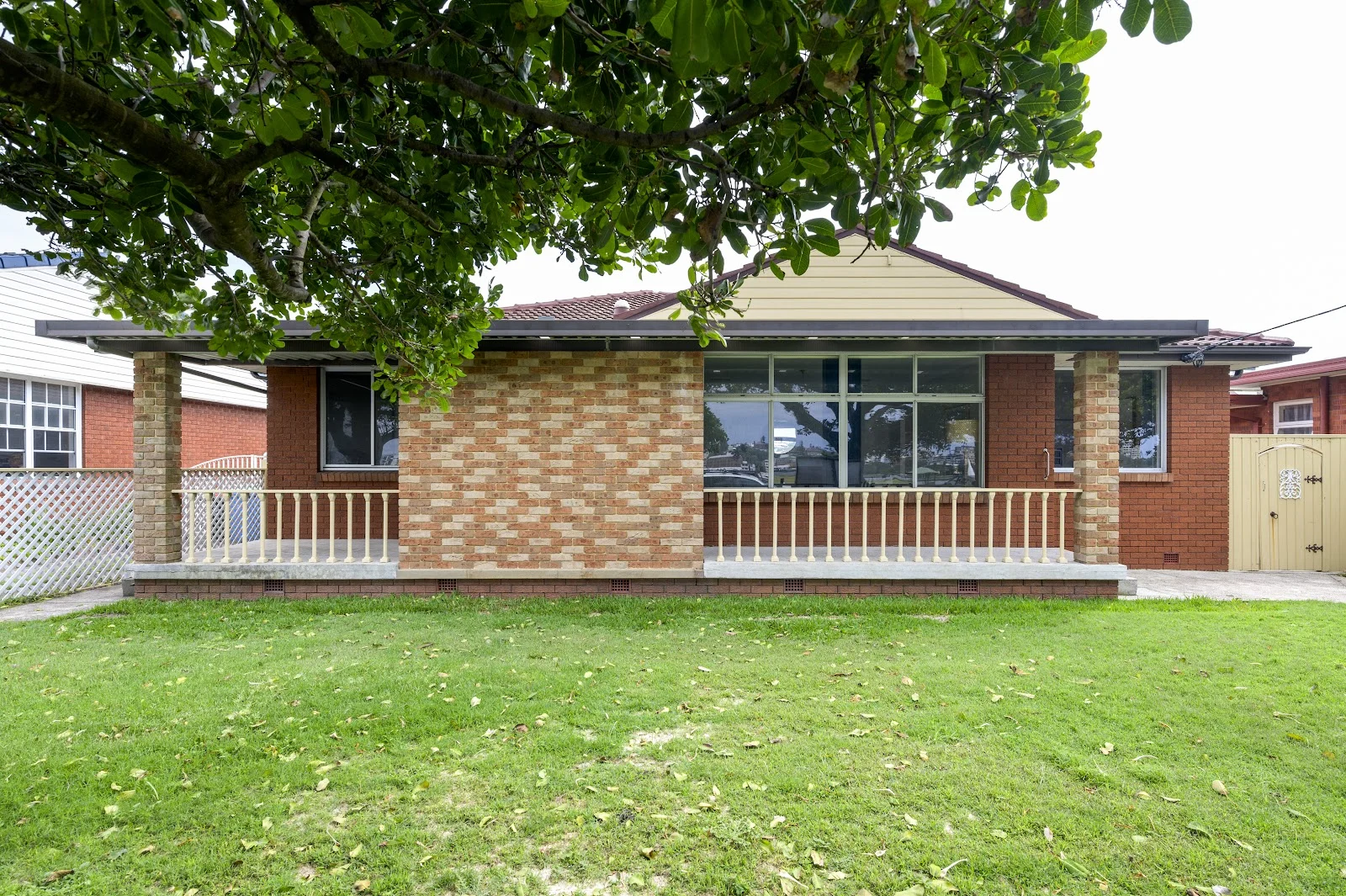 $2,500,000
House
$2,500,000
House
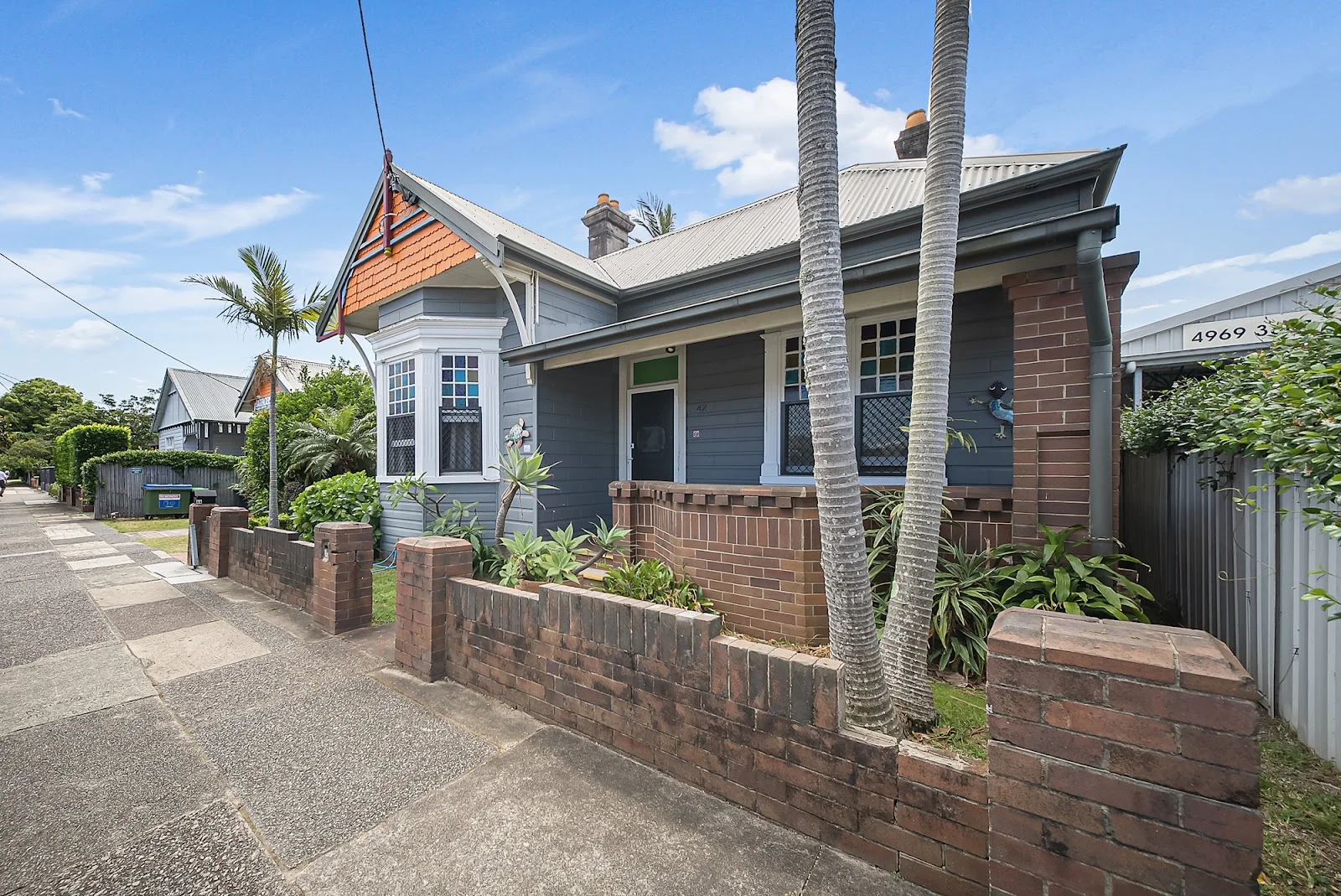 $2,000,000
propertyType.BLOCK OF UNITS
$2,000,000
propertyType.BLOCK OF UNITS
 $795,000
Townhouse
$795,000
Townhouse
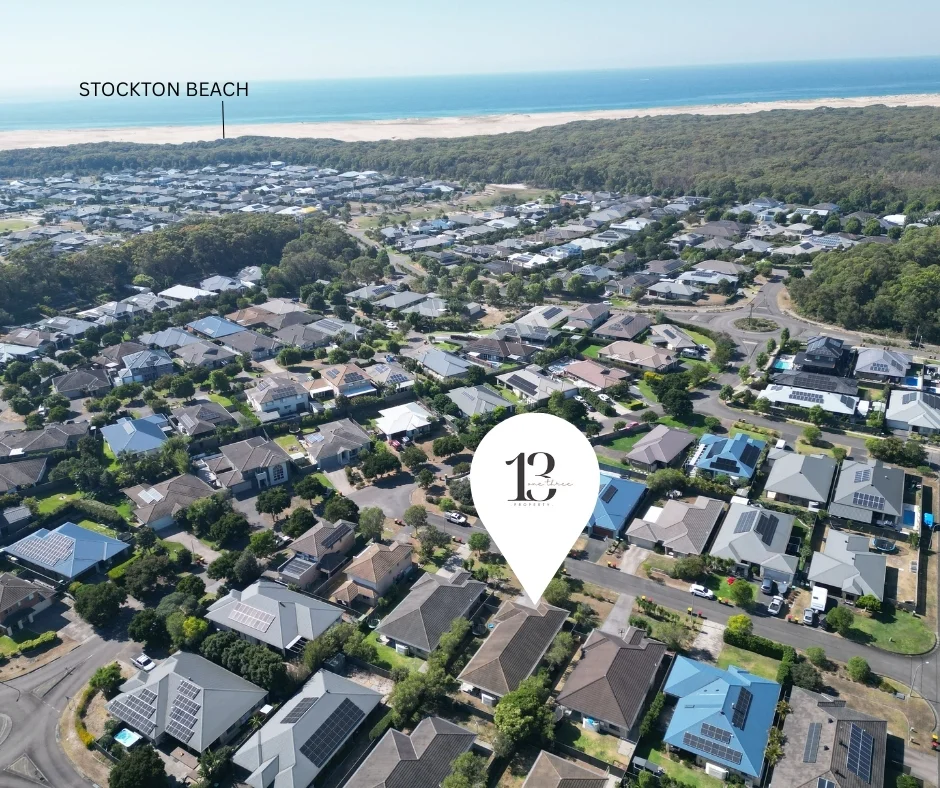 $900,000 - $990,000
House
$900,000 - $990,000
House


